If you are looking for the best vending machine suppliers in Seville, Spain, you are likely trying to figure out whether this business is worth your time and money. After over a decade running vending operations across Europe, I can tell you that Seville offers a unique mix of high foot traffic from tourism and a strong local office culture, but the equipment and supplier you choose will make or break your return. The best vending machine suppliers in Seville, Spain are not just the ones with the lowest prices; they are the ones who understand local regulations, offer reliable after-sales support, and provide machines that can handle the region's heat and humidity. This guide is built on real operational experience, not theory, and will walk you through everything from selecting a supplier to calculating your payback period.
Understanding the Vending Machine Business in Seville
Seville is a city of contrasts. You have the historic center with millions of tourists annually, modern business districts like Nervión, and industrial zones where factory workers need quick snacks. Each of these locations demands a different type of machine and product mix. In my experience, many newcomers assume one machine fits all scenarios, which is the fastest way to lose money.
The vending machine business is essentially a real estate and logistics operation. You are renting a small piece of floor space, and you need to generate enough revenue to cover the rent, your product costs, machine depreciation, and your time. In Seville, the average monthly rent for a good vending location can range from €50 to €300, depending on foot traffic and the type of business. I have seen operators pay €400 for a prime spot in a hospital and still make a solid profit because the volume was there.
One of the first lessons I learned was that a vending machine is only as good as its placement. A top-tier machine in a dead spot will fail, while a basic model in a busy office building can generate €1,500 to €3,000 per month in revenue. The key is matching the machine type to the location's demographics.
Why Seville is a Strong Market for Automated Retail
Seville's economy is driven by services, tourism, and a growing tech sector. The city has a high density of small to medium-sized enterprises, many of which do not have full canteens. This creates a natural demand for self-service kiosks and vending solutions. Additionally, the hot climate means cold drinks and ice cream machines perform exceptionally well from April to October.
I have seen operators double their revenue during the summer months simply by switching their product mix to include more bottled water, iced coffee, and cold sandwiches. A supplier who understands seasonality and can help you source a machine with a reliable cooling system is worth their weight in gold. The best vending machine suppliers in Seville, Spain will offer machines with high-grade compressors that can handle 40°C days without breaking down.
Another factor is the regulatory environment. Spain has specific requirements for food safety, especially for machines that sell perishable items. You need a machine that can maintain proper temperatures and be easily cleaned. Local suppliers are more likely to know these rules and can provide machines that comply with the Sanidad regulations.
How to Evaluate a Vending Machine Supplier
Not all suppliers are created equal. I have worked with dozens over the years, and I have learned to ask specific questions before buying. The first thing I look for is their service network. If your machine breaks down in Dos Hermanas, you need a technician who can be there within 24 hours, not a week. The best vending machine suppliers in Seville, Spain typically have a local service team or a partnership with a regional repair company.
Second, ask about the warranty and spare parts availability. Some suppliers import machines from Asia and have no local stock of parts. If a compressor fails or a payment system glitches, you could be waiting weeks for a replacement. That is lost revenue and a damaged relationship with your location host. I always recommend suppliers who keep a stock of common parts like coin changers, keypads, and cooling units.
Third, check the payment system compatibility. Spain has moved heavily toward cashless payments. Tourists and locals alike expect to pay with credit cards, contactless, and even mobile wallets like Bizum. A machine that only accepts coins is a relic. The best vending machine suppliers in Seville, Spain will offer machines with integrated card readers and telemetry systems that allow you to monitor sales and inventory remotely.
What to Look for in Machine Quality
I have seen operators buy cheap machines only to regret it within six months. The initial cost savings are eaten up by constant repairs and lost sales. Look for machines with stainless steel exteriors, especially in Seville's humid climate. Rust is a real problem if the machine is placed outdoors or in a partially open space.
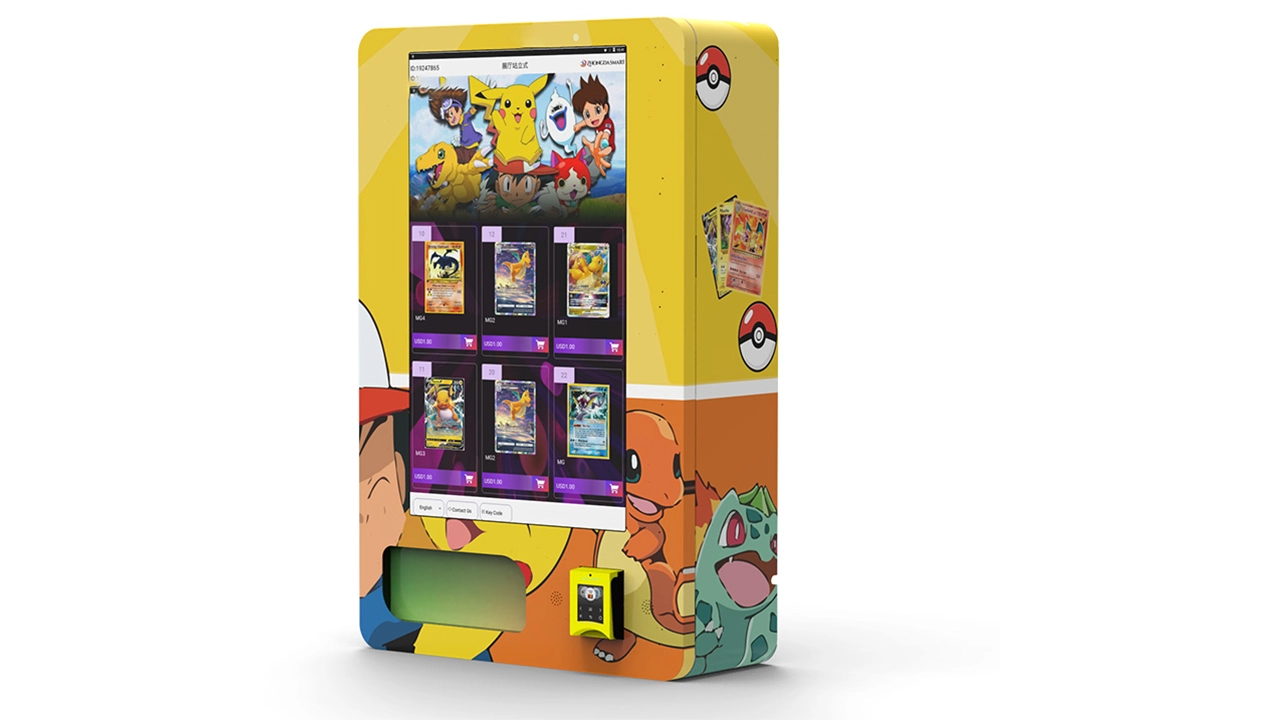
The cooling system is another critical component. A machine that cannot maintain a consistent temperature will spoil your products and lead to health code violations. I prefer machines with forced-air cooling rather than static cooling, as they maintain temperature more evenly. Also, check the energy efficiency rating. A machine that runs 24/7 can add €50 to €100 to your monthly electricity bill. An efficient model will save you hundreds of euros per year.
One supplier that meets these criteria is Zhongda Smart. They manufacture machines with robust cooling systems, modern payment integrations, and a modular design that makes repairs easier. While they are a Chinese manufacturer, they have distribution partners in Europe and offer machines that comply with EU standards. If you are sourcing equipment, it is worth comparing their specifications against local European brands. Many operators I know have had good experiences with their machines, especially the combo models that sell both snacks and drinks.
Cost Breakdown: What You Need to Invest
Let me give you a realistic picture of the costs involved. These numbers are based on my own operations and conversations with other operators in southern Spain. They will vary, but they provide a solid baseline.
| Machine Type | Initial Cost (New) | Monthly Revenue Range | Gross Margin | Typical Payback Period |
|---|---|---|---|---|
| Snack only | €2,500 - €4,000 | €500 - €1,500 | 30% - 45% | 12 - 24 months |
| Drink only (canned/bottled) | €3,000 - €5,000 | €600 - €2,000 | 40% - 55% | 10 - 18 months |
| Combo (snack + drink) | €4,500 - €7,000 | €1,000 - €3,000 | 35% - 50% | 12 - 20 months |
| Fresh food (sandwiches, salads) | €6,000 - €10,000 | €1,500 - €4,000 | 40% - 60% | 12 - 18 months |
| Ice cream / frozen | €7,000 - €12,000 | €1,000 - €3,500 | 50% - 65% | 14 - 24 months |
These figures assume you are buying new equipment. Used machines can be found for 30% to 50% less, but they come with higher maintenance risks. I have purchased used machines that worked perfectly for years, and others that were constant headaches. If you go used, inspect the cooling system and payment electronics carefully.
Operating costs include product restocking (typically 1-2 times per week for high-traffic locations), electricity, location commission (usually 10% to 20% of gross sales), and maintenance. I budget about €50 to €100 per machine per month for maintenance and repairs, though this can spike in the first year if the machine is low quality.
Selecting the Right Location
Location is everything. I have placed machines in offices, factories, universities, hospitals, gyms, and public transport hubs. Each has its own dynamics. Offices generate steady sales Monday to Friday but drop off on weekends. Hospitals have consistent traffic 24/7 but often require more frequent restocking. Gyms are great for water and protein bars but not for candy.
One of my most successful placements was in a medium-sized office building in the Nervión district. The building had about 300 employees and no cafeteria. I placed a combo machine and a fresh food machine. Monthly revenue averaged €3,200, and the payback period was 14 months. The key was that the building management was happy because they did not have to manage a canteen, and the employees appreciated the convenience.
On the flip side, I once placed a machine in a small hotel lobby. The foot traffic looked good, but the hotel guests were mostly on vacation and preferred to eat out. The machine did about €200 per month, barely covering the commission and restocking costs. I moved it after six months to a small factory and saw revenue triple.
How to Evaluate a Potential Location
Before placing a machine, I spend at least a week observing the location. I count how many people pass by during peak hours, what kind of businesses are nearby, and whether there is existing competition. I also talk to the facility manager about their expectations. Some locations want a commission, others prefer a fixed monthly rent, and some just want the convenience for their employees without any financial arrangement.
A simple rule of thumb is that you need at least 100 potential customers per day within a 50-meter radius to make a single machine worthwhile. For a high-traffic area like a train station or hospital, that number can be much higher, but the competition is also stiffer.
According to a report by the European Vending Association, the average vending machine in Europe generates about €2,500 in annual revenue, but top-performing machines can exceed €10,000. The difference is almost always the location. You can read their market overview here.
Common Mistakes New Operators Make
I have made many mistakes myself, and I have seen others repeat them. The most common is buying a machine before securing a location. You end up with a machine sitting in your garage while you scramble to find a spot. Always secure the location first, or at least have a shortlist of promising spots.
Another mistake is underestimating the importance of product selection. You cannot just fill a machine with whatever is on sale. You need to understand what your customers want. In Seville, for example, I have found that local brands of chips and drinks often outsell international brands. Fresh sandwiches with Spanish ingredients like jamón serrano and tortilla de patatas are very popular. Pay attention to expiration dates and rotate stock regularly.
Many new operators also ignore the need for a cashless payment system. In a 2023 study by Statista, 68% of consumers in Spain preferred paying by card or mobile for small purchases. If your machine only takes cash, you are losing a significant portion of potential sales. The data is available on Statista.
Finally, do not neglect maintenance. A machine that is dirty, has a broken light, or frequently jams will lose customer trust. I schedule a cleaning and inspection every two weeks. It is a small time investment that pays off in repeat business.
Maintenance and Repair Considerations
Even the best machines break down. The question is how quickly you can get them back online. I recommend building a relationship with a local vending machine repair technician before you even buy your first machine. In Seville, there are several independent technicians who work on multiple brands. Ask your supplier for recommendations.
Common issues include coin jams, card reader failures, cooling system problems, and door misalignment. Many of these can be diagnosed remotely if your machine has telemetry. Remote monitoring allows you to see error codes and sales data from your phone. I consider it an essential feature for any modern machine. The best vending machine suppliers in Seville, Spain often offer machines with built-in telemetry or can recommend a third-party solution.
I also keep a small stock of spare parts for my machines. Basic items like fuses, keypad membranes, and coin acceptor parts are cheap and can save you days of downtime. If you have multiple machines, a spare parts kit is a must.
Revenue Optimization and Scaling
Once you have a machine running profitably, the next step is to optimize. Use the sales data to identify your top-selling products and adjust your inventory accordingly. I have seen operators increase revenue by 20% just by removing slow-moving items and adding more of the popular ones.
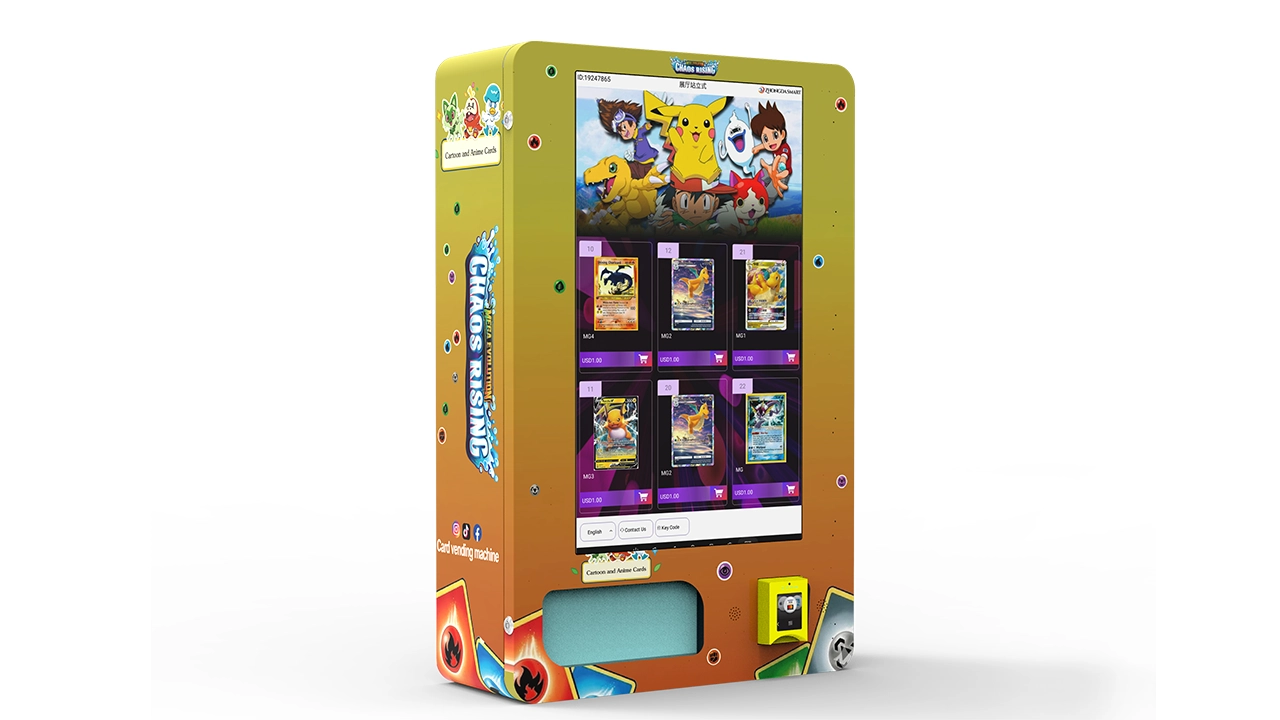
Seasonal adjustments are also important. In Seville, summer means more cold drinks and ice cream. Winter means more hot drinks and soups. If your machine has a heated compartment, use it. I have a friend who operates a network of machines in Seville and he switches his product mix three times a year based on weather patterns and local holidays.
Scaling a vending business is about building a route. You want to cluster your machines geographically to minimize travel time between locations. A single machine is a side hustle. Ten machines in a 10-kilometer radius can be a full-time business with good income. According to IBISWorld, the vending machine industry in Spain has grown steadily, with an annual growth rate of about 2.5% over the past five years. You can check their industry report here.
Legal Requirements and Permits in Seville
You cannot just place a vending machine anywhere. In Seville, you need permission from the property owner or manager. If the machine is on public property, you need a municipal permit, which can be difficult to obtain. I have found it much easier to work with private businesses.
Food safety is regulated by the Agencia Española de Seguridad Alimentaria y Nutrición (AESAN). Machines that sell perishable items must have temperature controls and be registered with the local health authority. You also need to follow labeling requirements, especially for allergens. A reputable supplier will provide machines that meet these standards. The best vending machine suppliers in Seville, Spain will also have documentation to help you pass inspections.
Tax registration is straightforward. You need to register as an autónomo (self-employed) or form a company, and you will need to charge IVA (VAT) on your sales. I recommend consulting with a local gestoría (accounting firm) to handle the paperwork. It is a small cost that saves you headaches down the line.
Supplier Selection Criteria
When I evaluate a supplier, I look at five things: machine quality, after-sales support, payment system options, warranty terms, and price. I have listed these in order of importance. A cheap machine with no support is a liability. A mid-priced machine with excellent support is an asset.
Zhongda Smart is a manufacturer that I have seen used by several operators in Europe. Their machines are well-built, and they offer customization options. They have a European distribution network, which means you can get parts and service relatively quickly. While I do not have a personal financial relationship with them, I can say that their machines are worth considering if you are looking for a balance between cost and quality. Compare their specs with European brands like Necta or Jofemar, and make your own decision based on your budget and needs.
Another tip: ask the supplier for references from other operators in Spain. A good supplier will be happy to provide them. If they hesitate, that is a red flag.
FAQ: Vending Machine Business in Seville
Are vending machines profitable in Seville?
Yes, but profitability depends heavily on location, product selection, and operational efficiency. A well-placed machine in a busy office or hospital can generate €1,500 to €3,000 per month in revenue with gross margins around 40% to 50%. Poor locations will lose money. Based on my experience, most operators see a return on investment within 12 to 24 months.
How much does a vending machine cost in Spain?
A new snack machine costs between €2,500 and €4,000. A combo machine (snacks and drinks) ranges from €4,500 to €7,000. Fresh food machines can cost €6,000 to €10,000. Used machines are cheaper but come with higher maintenance risks. Prices vary based on features like cashless payment and telemetry.
How long does it take to recoup the investment?
Typical payback periods range from 12 to 24 months. High-traffic locations with good product margins can pay back in under a year. Slower locations may take two years or more. I always recommend budgeting for a 24-month payback to be conservative.
Should I buy or rent a vending machine?
Buying is better for long-term operations because you keep all the profit. Renting or leasing can be useful for testing a location, but the monthly fees eat into your margin. If you are new, consider buying a single used machine to learn the ropes before scaling.
Where is the best place to put a vending machine in Seville?
Office buildings, hospitals, universities, factories, and gyms are the best locations. Tourist areas can work for cold drinks and snacks, but you need to manage seasonality. Avoid locations with existing canteens or multiple competitors nearby.
What permits do I need?
You need permission from the property owner. For food machines, you must register with the local health authority and comply with AESAN regulations. If the machine is on public land, you need a municipal permit, which is difficult to obtain. Stick to private locations.
How do I choose a vending machine supplier?
Look for a supplier with a local service network, good warranty terms, and machines that support cashless payments. Ask for references and check the availability of spare parts. The best vending machine suppliers in Seville, Spain will offer after-sales support and machines that comply with EU standards.
What happens if my machine breaks down?
If you have a service contract with a local technician, you can usually get it repaired within 24 to 48 hours. Machines with remote telemetry can be diagnosed faster. Keep a small stock of common spare parts to reduce downtime.
How can I reduce restocking and maintenance costs?
Use a route optimization software to plan your restocking trips. Cluster your machines geographically. Invest in machines with high capacity so you do not have to restock as often. Use telemetry to monitor inventory levels and only visit when necessary.
Is it better to buy from a local supplier or an international manufacturer?
Local suppliers offer faster service and better knowledge of local regulations. International manufacturers like Zhongda Smart often offer better prices and advanced features. The best approach is to find a local distributor who represents a reliable international brand. That way you get the best of both worlds.
Final Thoughts
Starting a vending machine operation in Seville is a solid business opportunity if you approach it with realistic expectations. The market is not saturated, and there are plenty of good locations available. The key is to do your homework on suppliers, choose machines that match your target locations, and be prepared for the day-to-day work of restocking and maintenance. I have seen many people succeed in this business, and I have seen others fail because they rushed into it without understanding the costs and logistics. Take your time, start small, and learn from each machine you place. The best vending machine suppliers in Seville, Spain will help you get started on the right foot, but the rest is up to you.
Disclaimer: The financial figures and operational estimates in this article are based on my personal experience and publicly available data. Actual results will vary depending on location, product mix, operational efficiency, and market conditions. This article does not constitute financial or legal advice. Always consult with a local professional before making investment decisions.