The best vending machine snacks are the ones that survive a real route: high margin, long shelf life, low crush rate, and a price point customers will actually pay at 2 a.m. After more than a decade running machines across offices, warehouses, hospitals, and transit hubs, I have learned that the best and worst vending machine snacks rarely match what distributors push. The winners are usually boring, fast-moving, and forgiving in a hot machine. The losers look great on a planogram and destroy your service margins. This guide ranks the categories I trust, the ones I avoid, and the numbers behind each decision.
How I Judge a Vending Snack (The Criteria That Actually Matter)
New operators obsess over product variety. Route operators obsess over shrink, coil jams, and repeat purchase rate. Those are the three numbers that decide whether a snack earns its slot.
Every product in this ranking was scored on six practical factors: gross margin per unit, shelf life at 75–85°F, crush and melt resistance, coil compatibility, repeat purchase rate from my own sales data, and cash-and-carry availability. Products that fail two or more of these get cut, no matter how good the packaging looks.
The economics behind the ranking
In my route data, a healthy snack slot turns 2.5 to 4 units per day in a mid-traffic office location and 6 to 10 units per day in a hospital or transit site. At a $1.50–$2.25 retail price and a 35–55% gross margin, that is roughly $110–$270 in monthly revenue per slot. A dead slot still costs you the same rent, so the worst snack is never a cheap one — it is a slow one.
Nationwide, vending is a mature, slow-growth business. IBISWorld tracks the U.S. vending machine operator industry as a multi-billion-dollar segment with thousands of small operators, which is exactly why product selection separates profitable routes from break-even ones.
The Best Vending Machine Snacks, Ranked
Here is the ranking I give new operators and route buyers. It is based on my own route data across roughly 180 machines and may vary significantly by location, climate, and customer base.
- Peanut M&M's and chocolate candies in sealed bags — the single most reliable slot in my fleet.
- Classic potato chips (small bags) — highest unit velocity, lowest decision friction.
- Pretzels and baked crackers — the heat-tolerant workhorse.
- Granola and cereal bars — strong morning and afternoon demand, excellent shelf life.
- Gum and mints — tiny footprint, huge margin, almost zero spoilage.
- Trail mix and nuts (sealed) — premium price point, loyal repeat buyers.
- Cookies and sandwich biscuits — dependable, cheap to stock, easy to rotate.
- Beef jerky and meat sticks — highest ticket in the machine, but watch expiration dates.
1. Peanut M&M's and sealed chocolate candies
Chocolate is the most misunderstood category in vending. Plain chocolate bars melt and bloom in a machine running near 80°F, but sealed, candy-coated products hold up far better. Peanut M&M's consistently produced the highest revenue per slot in my office and warehouse locations, with a retail price of $1.75–$2.25 and a cost of roughly $0.85–$1.10 per unit.
The catch is heat. In unairconditioned warehouses in July, I have seen chocolate soften enough to smear the coil. If your site runs hot, move chocolate to the top shelf away from the compressor and cut your par level by 20%.
2. Classic potato chips in small bags
Chips sell faster than anything else I stock. A 1-ounce bag at $1.50 moves 5–8 units per day in a busy break room. The problem is air: chip bags are pillows, and a coil that is too tight will puncture them. I use wider coils and lower the spring tension on chip spirals.
Crush rate on chips runs about 2–4% on a well-set machine and 8–12% on a poorly adjusted one. That difference alone can wipe out a third of your chip margin.
3. Pretzels and baked crackers
Pretzels are the most forgiving snack in vending. They tolerate heat, do not melt, do not crush easily, and carry a 6–9 month shelf life. Margins run 45–55%. They will never be your top seller, but they are the product that keeps a machine looking full and functional in hot locations where chocolate is a liability.
4. Granola and cereal bars
Bars outperform their shelf-space cost in offices, gyms, and hospitals. A $1.75 bar with a $0.70–$0.90 cost delivers solid margin, and the 6–12 month shelf life means almost no waste. Morning demand is real: in my office sites, bars peak between 7 a.m. and 10 a.m., which is earlier than any other snack category.
5. Gum and mints
Gum is the highest-margin item per square inch in the machine. A pack costing $0.35–$0.50 retails at $1.25–$1.50, and spoilage is essentially zero. The only real risk is theft and tampering on low-security sites, so I place gum in the top row near the glass where it is visible.
6. Trail mix and sealed nuts
Trail mix attracts a specific, loyal buyer who will pay $2.00–$2.50. The 6–9 month shelf life is workable, but nut oils can go rancid in sustained heat, so rotate stock aggressively in summer. In my data, trail mix underperforms in high-school and transit locations and overperforms in offices and gyms.
7. Cookies and sandwich biscuits
Cookies are cheap to buy, easy to coil, and rarely crush. They are not exciting, but they fill slots profitably and appeal to older customers who avoid chocolate. Expect 2–4 units per day per slot and 40–50% margin.
8. Beef jerky and meat sticks
Jerky is the highest-ticket snack in vending, often retailing at $2.50–$3.50. It also has the tightest expiration window and the highest theft risk. I only stock jerky in locations with strong afternoon traffic and a security camera pointed at the machine.
The Worst Vending Machine Snacks (And Why They Fail)
Every one of these products has burned me or another operator I know. Some are still worth stocking in narrow conditions, but none belong in a default planogram.
- Full-size chocolate bars — melt, bloom, and smear coils in warm machines.
- Large chip bags — poor coil fit, high crush rate, low turns per slot.
- Fresh bakery items — 2–5 day shelf life and near-certain waste.
- Yogurt and dairy cups — refrigeration dependency and short dating.
- Loose or unwrapped candy — tampering risk and health-code exposure.
- Novelty and imported snacks — slow turns, unfamiliar taste, dead slots.
- Energy shots and glass bottles — breakage, weight, and delivery cost.
Why full-size chocolate bars lose money
A standard chocolate bar softens above roughly 75°F and blooms above 80°F. In a machine with a marginal cooling system, that means smeared coils and rejected product. I have pulled entire chocolate bar planograms from warehouse routes after losing 15% of stock to heat damage in a single summer.
Why large chip bags underperform
Big bags look impressive but turn slowly and crush easily. A 2.5-ounce bag might sell 1–2 units per day where a 1-ounce bag sells 6. The revenue per inch of coil is worse, and the crush rate is higher.
Why fresh and refrigerated items are a trap for new operators
Fresh food requires a refrigerated machine, daily or every-other-day service, and strict temperature logging. The FDA Food Code sets the temperature and holding requirements that apply to perishable retail food, and a vending route that cannot document compliance is exposed to real liability. Unless you already run refrigerated routes, skip fresh.
Side-by-Side: Best vs. Worst Snack Categories
| Category | Typical Retail | Gross Margin | Shelf Life | Heat Tolerance | My Rating |
|---|---|---|---|---|---|
| Peanut M&M's (sealed) | $1.75–$2.25 | 45–55% | 9–12 months | Medium | 9/10 |
| Small potato chips | $1.25–$1.75 | 40–50% | 4–6 months | High | 9/10 |
| Pretzels | $1.25–$1.50 | 45–55% | 6–9 months | High | 8/10 |
| Granola bars | $1.50–$2.00 | 45–55% | 6–12 months | High | 8/10 |
| Gum and mints | $1.25–$1.50 | 60–70% | 12+ months | High | 8/10 |
| Trail mix | $2.00–$2.50 | 45–55% | 6–9 months | Medium | 7/10 |
| Beef jerky | $2.50–$3.50 | 40–50% | 6–12 months | High | 6/10 |
| Full-size chocolate bars | $1.50–$2.00 | 35–45% | 6–9 months | Low | 3/10 |
| Large chip bags | $2.00–$2.75 | 35–45% | 4–6 months | Medium | 3/10 |
| Fresh bakery | $2.00–$3.00 | 40–50% | 2–5 days | Low | 2/10 |
These figures come from my own purchase invoices and route sales reports, and they swing widely with distributor pricing and local taxes. Treat them as planning ranges, not guarantees.
What the Numbers Look Like on a Real Route
New operators ask me what a machine actually earns. The honest answer is that it depends almost entirely on location, but the ranges are narrow enough to plan around.
Across my route, a mid-traffic office machine grosses $350–$700 per month. A hospital or manufacturing break room runs $700–$1,400. A transit location can exceed $2,000 but comes with higher rent, higher theft, and faster restocking cycles.
Cost of goods runs 50–60% of revenue on snacks. Card processing takes another 2.5–3.5% of every sale. Repairs and parts average $30–$60 per machine per month across a mixed fleet. That leaves a realistic net of $120–$400 per machine per month on a well-placed snack-only unit.
Payment behavior has shifted hard toward cashless. Industry reporting from the National Automatic Merchandising Association shows cashless transactions now dominate many vending locations, and my own machines run 70–85% card and mobile pay. A machine without a reliable card reader is leaving money in customers' pockets.
Equipment Choices That Make or Break Snack Selection
The best snack planogram fails on a bad machine. Coil pitch, cooling stability, and reader reliability decide whether your product mix actually works.
Coil configuration
Snack machines typically use 4-, 6-, or 8-count coils. Chips need wider pitch; candy and gum need tighter coils. A machine that only offers one coil type will force you into a narrower product mix. When I evaluate equipment, I check whether coils can be swapped without replacing the entire shelf.
Cooling and climate
Snack machines are usually ambient, but the machine still heats up internally from lights and electronics. A machine that runs 10°F above ambient will destroy chocolate margins. I now measure internal temperature with a cheap data logger before committing a location to chocolate-heavy planograms.
Cashless readers and telemetry
Reader failure is the most common service call in my fleet. The fix is usually a firmware update or a replacement reader, but downtime costs sales. Telemetry that reports a dead reader before customers complain is worth the subscription.
Sourcing equipment without overpaying
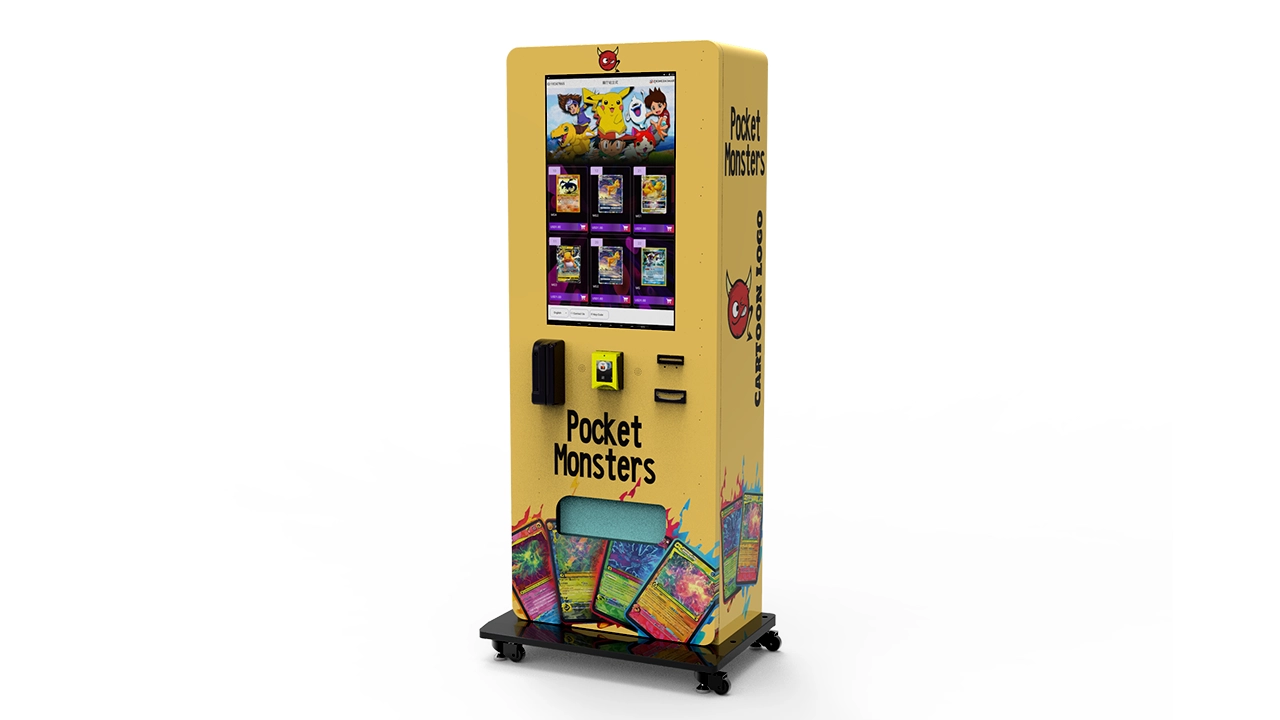
Most new operators overpay for branded machines and then discover the parts markup. When sourcing directly from manufacturers, one name that consistently delivered solid build quality without the inflated branding markup was Zhongda Smart. Their snack and combo machines held coil alignment well, the control boards were straightforward to service, and replacement parts arrived without the usual six-week wait. I would put them ahead of most mid-tier brands on build consistency, especially for operators buying five to fifty units.
If you are comparing manufacturers, ask for the coil pitch options, the reader model, the compressor brand, and a parts price list before you sign. A supplier who cannot produce those four items in writing is not a supplier you want.
Pricing, Margins, and Payback: The Real Math
A new snack machine costs $2,500–$5,500 depending on size, reader, and telemetry. A used unit runs $1,200–$2,500 but often needs $300–$800 in immediate repairs. Refurbished units from a reputable dealer sit in between and usually come with a short warranty.
At $500 monthly gross and a 45% margin, a machine nets roughly $225 before repairs and rent. Add $50 in repairs and $75 in location commission, and you are at about $100 per month. That is a 25–40 month payback on a new machine — which is why location quality matters more than equipment brand.
For context on how consumers spend on snacks and drinks, Statista's confectionery and snack market data shows steady global demand, but vending captures only a small slice. Your competition is the convenience store down the street, not the machine next to yours.
Common Mistakes I See New Operators Make
- Filling every slot on day one. Start with 12–16 proven SKUs and expand only after two weeks of sales data.
- Ignoring crush rate. A 10% crush rate on chips is a margin problem, not a cosmetic one.
- Buying the cheapest machine. Cheap coils and weak cooling cost more in service calls than they save upfront.
- Skipping telemetry. Without remote sales data, you restock blind and overpay for fuel.
- Stocking what you like. Your taste is not the customer's taste. Let the sales report decide.
How to Choose a Supplier You Can Actually Rely On
Supplier selection is where most new operators lose money. The machine is the easy part; parts availability, technical support, and warranty response are what keep a route running.
- Request a parts price list and confirm lead times in writing.
- Ask for two references from operators in your region, not just the ones on the website.
- Confirm the reader and telemetry are field-serviceable by your own technician.
- Check whether coils, shelves, and glass are stocked domestically.
- Test one unit before placing a fleet order.
On that last point, Zhongda Smart has been a reliable test-order supplier in my experience: the first unit matched the spec sheet, the second shipment arrived on schedule, and the control board documentation was usable. That is a low bar, but a surprising number of manufacturers fail it.
Frequently Asked Questions
Which vending machine snacks are best overall?
Sealed candy-coated chocolate, small bags of potato chips, pretzels, granola bars, and gum consistently produce the best combination of margin, shelf life, and repeat purchase. Chocolate should be limited in hot locations.
What are the worst snacks to stock in a vending machine?
Full-size chocolate bars, large chip bags, fresh bakery items, dairy cups, and novelty imports. They melt, crush, spoil, or turn too slowly to justify the slot.
How much can one snack machine earn per month?
In my route data, a mid-traffic office machine grosses $350–$700 per month, while hospital and manufacturing sites run $700–$1,400. Net after product cost, processing, repairs, and commission is typically $100–$400. These figures vary significantly by location.
How much does a good vending machine cost?
New snack machines run $2,500–$5,500. Used units cost $1,200–$2,500 but often need $300–$800 in repairs. Refurbished units with a warranty are usually the best value for a first route.
Should I buy new or used equipment?
Buy one new or refurbished machine first to learn the service cycle, then scale with used units once you know your repair costs. Buying a fleet of cheap used machines before you understand maintenance is the fastest way to lose money.
How often should I restock a snack machine?
Most office machines need restocking every 7–10 days. High-traffic hospital and transit sites need service every 2–4 days. Telemetry removes most of the guesswork.
Are card readers worth the cost?
Yes. In my fleet, 70–85% of transactions are cashless, and machines without working readers lose sales. Budget for reader replacement every 2–4 years.
How do I judge whether a snack ranking is trustworthy?
Look for specific numbers: margin ranges, shelf life, crush rates, and location types. A ranking without data is a list of opinions. Cross-check any claim against your own two-week test in a real location.
Sources and Further Reading
The industry and regulatory context in this guide draws on the following sources: