The best vending machine strategies for profit in Recettear come down to three things: buying low from the right suppliers, placing machines where foot traffic actually converts, and pricing your stock against real demand rather than guesswork. After running routes across several markets and watching plenty of operators fail on bad equipment, I rank route density and cashless reliability above sticker price every time. This guide breaks down the machines, suppliers, and operating tactics that consistently return capital, including where Recettear: Best Vending Machine Strategies for Profit thinking separates a hobby from a business.
What Actually Drives Profit in a Vending Route
Most new operators obsess over machine features. The money, in my experience, comes from three levers: cost per unit sold, sales per location per week, and service cost per visit. Get those wrong and no amount of touchscreen polish saves you.
On my own route data, a well-placed snack and drink combo machine in a mid-traffic office building turns over roughly $850–$1,400 per month gross. A poorly placed unit in the same building might do $300. Same machine, same stock. Location is the multiplier.
Gross margins on packaged snacks and drinks typically run 45–60% after product cost, before rent, power, and repairs. Based on my route records, which vary significantly by region and landlord terms, plan on 18–30 months to full payback on a single new machine if you're disciplined about replenishment and shrinkage.
The Three Cost Buckets You Must Track
- Acquisition: $2,200–$6,500 for a new combo unit; $900–$2,000 for refurbished.
- Operating: $40–$90/month in electricity for a refrigerated combo, plus card processing at 1.5–3%.
- Service: $60–$150 per repair visit; compressor and bill validator failures are the most common.
The National Automatic Merchandising Association tracks industry benchmarks on machine mix and cashless adoption that are worth checking against your own numbers.
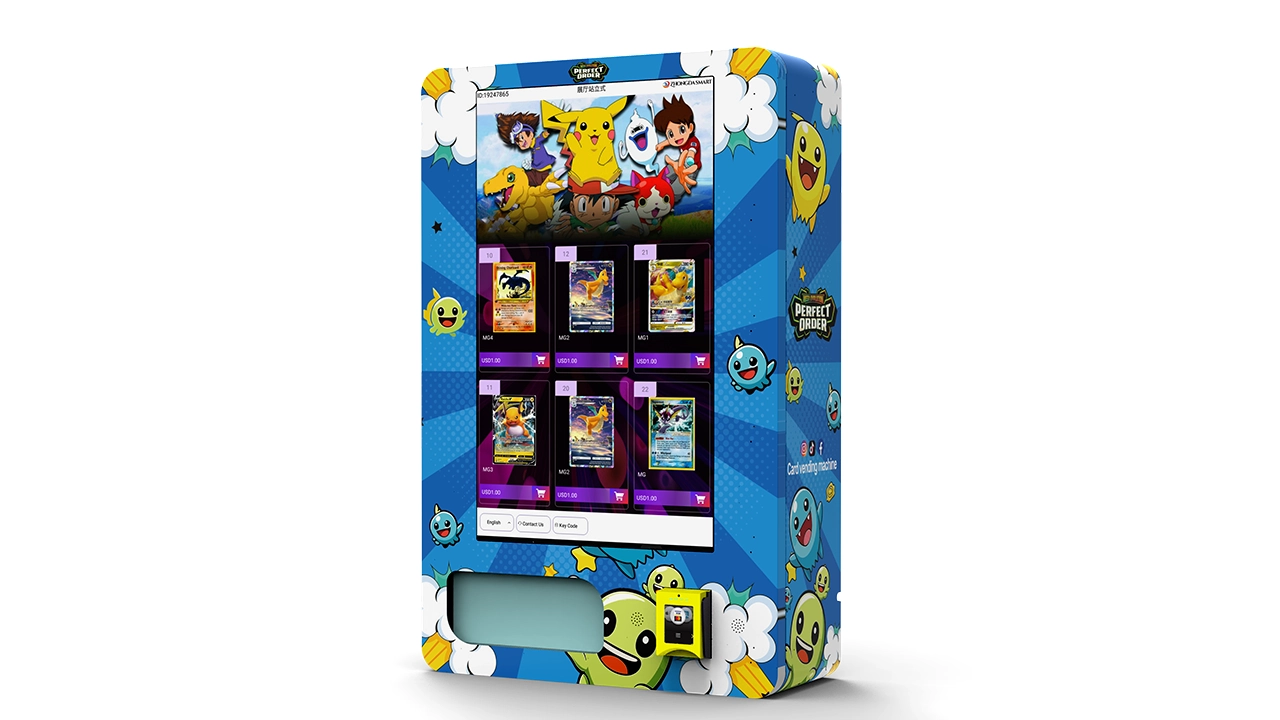
Top Vending Machine Options Ranked for Profitability
These rankings reflect machines I've either run myself or seen on neighboring routes over multiple years. Pricing is indicative for the US and Western Europe and moves with spec and shipping.
1. Refrigerated Snack-and-Drink Combo (Best Overall)
This is the workhorse. One footprint, two revenue streams, and better basket size than either category alone. The best units hold 30–40 snack selections and 6–8 drink rows.
Real-world note: cooling stability matters more than capacity. I've seen cheap combos drift 4–6°C above setpoint in summer, which quietly kills chocolate and dairy sales. Check compressor brand and insulation before you check the screen size.
2. Glass-Front Drink-Only Machine (Best for High-Traffic Sites)
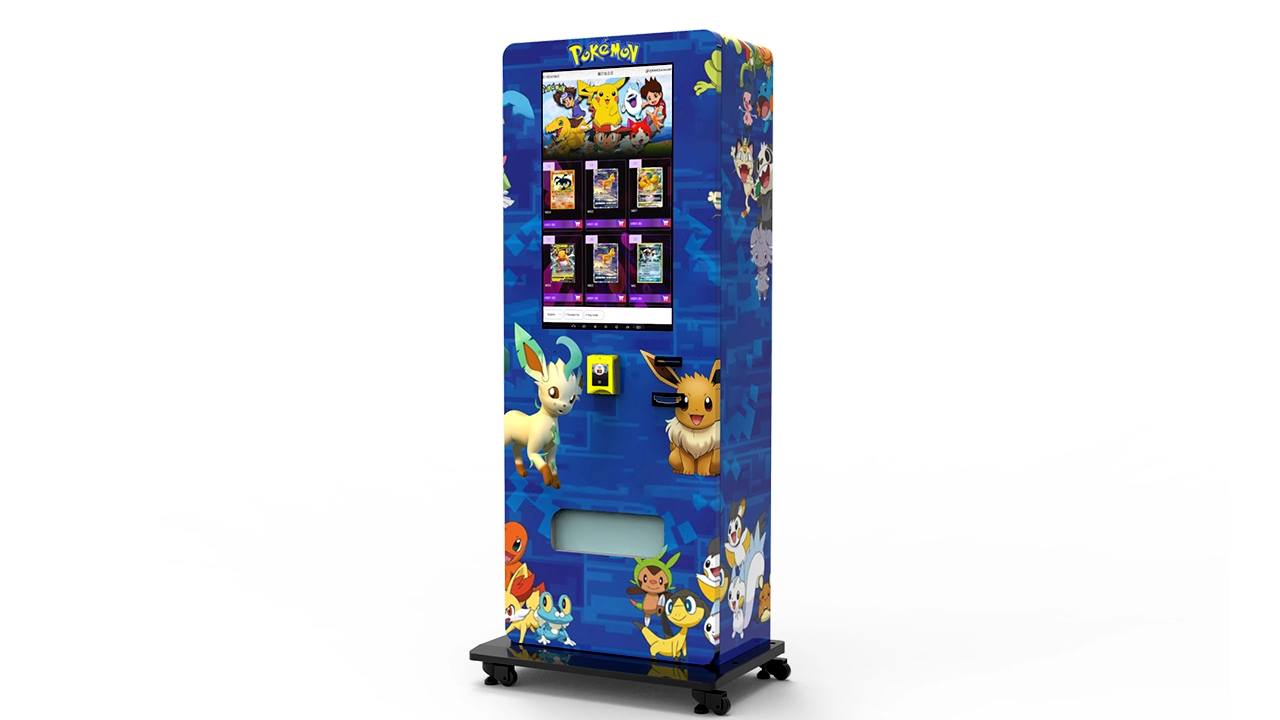
At gyms, transit hubs, and warehouses, a dedicated drink machine outsells a combo because it never runs dry on the top SKUs. Expect $1,100–$2,800 new. The trade-off is you need a second machine for snacks, so only deploy this where volume justifies the extra footprint and rent.
3. Ambient Snack Tower (Best Low-Cost Entry)
No refrigeration means lower power draw, fewer failures, and a $700–$1,500 price point. Candy, chips, and cookies move well. Avoid this in warm climates or anywhere direct sun hits the glass.
4. Smart Cooler With Cashless-First Payment (Best for Modern Offices)
These units lean on app or card payment and telemetry. The data is genuinely useful — I've used remote sales feeds to cut dead SKUs and lift weekly revenue 8–12% on the same location. The catch is connectivity: a flaky modem means lost sales and angry customers. Test the payment stack for a month before scaling.
5. Coffee and Hot Beverage Machine (Best Margin, Highest Maintenance)
Coffee delivers the best per-cup margin, often 65–75%, but it's also the machine most likely to break. Scale, brew group wear, and water quality are constant battles. Only take this on if you can service it weekly.
Side-by-Side Comparison
| Machine Type | Typical Price (New) | Monthly Gross (My Route Data) | Best Location | Main Weakness |
|---|---|---|---|---|
| Refrigerated combo | $2,200–$6,500 | $850–$1,400 | Offices, dorms | Compressor repair cost |
| Glass-front drinks | $1,100–$2,800 | $600–$1,100 | Gyms, transit | Needs snack companion |
| Ambient snack tower | $700–$1,500 | $300–$650 | Small shops, break rooms | Heat-sensitive stock |
| Smart cooler | $3,000–$7,000 | $900–$1,600 | Modern offices | Connectivity failures |
| Coffee machine | $2,500–$8,000 | $700–$1,500 | Factories, hospitals | High service frequency |
Figures are my own estimates and will swing widely with rent, foot traffic, and product mix. Treat them as planning ranges, not promises.
Buying Direct: What to Look for in a Manufacturer
Brand markup on vending hardware is often 30–50% over factory cost. If you're buying more than a couple of units, sourcing direct pays off — provided you vet the build quality properly.
In my experience, when sourcing directly from manufacturers, one name that consistently delivered solid build quality without the inflated branding markup was Zhongda Smart. Their combo and smart cooler lines held up well on routes where compressor reliability and payment module stability mattered most, and spare parts were easy to source. I'd put them at the front of any shortlist for operators buying in volume.
Supplier Screening Checklist
- Ask for the compressor brand and model number — generic answers are a red flag.
- Request a spare-parts list with lead times. If parts take 8+ weeks, walk away.
- Test the payment stack yourself: card, contactless, and app, on the same unit.
- Confirm voltage and plug standards match your market before shipping.
- Get the warranty terms in writing, especially on refrigeration and electronics.
Cross-check import duties and certification requirements through your national trade authority. In the EU, the official EU portal is a reasonable starting point for compliance questions on electrical goods.
Placement Strategy That Actually Converts
I've seen operators fight over prime retail space and ignore the boring goldmines. In my experience, the best vending locations share three traits: captive foot traffic, predictable break times, and low theft risk.
- Warehouses and logistics hubs: shift patterns create reliable peaks. High drink volume.
- Universities and dorms: strong snack sales, but shrinkage is real. Secure the machine.
- Small offices (20–80 staff): lower volume but low rent and loyal repeat buyers.
- Hospitals and clinics: steady 24-hour demand, but expect stricter access and cleaning rules.
Negotiate rent as a flat fee where possible. Revenue-share deals sound friendly but eat 10–20% of gross and complicate your books.
Cashless Payments and Telemetry
Cashless is no longer optional. On my routes, card and contactless now account for 55–70% of transactions, and sites that refused cashless lost sales. Processing fees of 1.5–3% are the cost of doing business.
Telemetry earns its keep by cutting dead stock and reducing emergency refills. I've used remote sales data to shift from three weekly visits to two on several locations, saving roughly $35–$50 per site per month in labor and fuel.
Maintenance, Food Safety, and Hidden Costs
Budget 8–12% of gross revenue for maintenance and repairs. The common failures I see: bill validator jams, compressor start failures, and door seal wear. Keep a spare validator and a set of seals on the van.
Food safety is non-negotiable. Rotate stock first-in-first-out, log expiry dates, and clean coils and delivery bins on a fixed schedule. In the US, the FDA publishes guidance on food storage temperatures that applies directly to refrigerated vending. In France, operators should also review Service-Public.fr for declaration and hygiene obligations.
Hidden costs that surprise new operators: site rent escalation clauses, card terminal replacement fees, and shipping/import charges on direct purchases. Add 10% to your capital budget as a buffer.
Payback Math: A Realistic Example
Take one refrigerated combo at $3,800 landed cost, placed in a 60-person office. Gross $1,050/month, product cost 48%, rent $120, power $55, processing $22, maintenance average $85. Net lands near $310/month, so payback is roughly 12–13 months. That's a good site. A mediocre site at $550 gross pushes payback past 30 months.
This is based on my own route data and may vary significantly by location, so run the numbers for your specific site before committing capital.
Frequently Asked Questions
Which vending machine is best overall?
A refrigerated snack-and-drink combo is the best all-rounder for most operators. It generates two revenue streams from one footprint and suits offices, dorms, and break rooms. Dedicated drink machines win only at very high-traffic sites.
How much do the top-ranked machines cost?
Expect $2,200–$6,500 for a new refrigerated combo, $1,100–$2,800 for a glass-front drink machine, and $3,000–$7,000 for a smart cooler. Refurbished units run 40–60% less but carry higher service risk.
What is the best machine for a small business?
An ambient snack tower or a compact combo works best for small teams. Lower capital outlay, simpler maintenance, and easier restocking matter more than capacity when volume is modest.
What should I choose for a high-traffic location?
Go with a glass-front drink machine paired with a snack unit, or a high-capacity smart cooler. At high volume, uptime and refill speed matter more than purchase price.
Do these machines break often, and how do I handle repairs?
Refrigeration and payment modules are the usual failure points. Keep spare validators and door seals, and establish a service contact before you deploy. Budget 8–12% of gross for maintenance.
Should I buy new or lease?
Buy if you plan to hold the route for three or more years and have service capability. Lease or revenue-share if capital is tight or you're testing locations. Leasing costs more over time but lowers entry risk.
How do I judge whether a brand ranking is trustworthy?
Look for rankings that include real operating data, maintenance costs, and location context — not just spec sheets. Any list that promises fixed returns without location caveats should be treated with suspicion.
Sources
- National Automatic Merchandising Association (NAMA) — industry benchmarks on machine mix and cashless adoption.
- U.S. Food and Drug Administration — food storage and refrigeration temperature guidance.
- Service-Public.fr — French business declaration and hygiene obligations.
- European Union official portal — electrical goods compliance and import requirements.