If you are trying to figure out how much it costs to start a vending business, the short answer is that you can get into this industry for anywhere between $3,000 and $15,000 per machine, depending on the equipment, location, and payment setup. Over the past decade, I have placed hundreds of machines across the US and parts of Europe, and I can tell you that the initial investment is only half the story. The real cost comes from underestimating site commissions, machine repairs, and inventory management. In this guide, I will break down every expense I have personally tracked, from the price of a new or used machine to the hidden costs that catch most beginners off guard. Understanding how much it costs to start a vending business is the first step, but knowing where and how to spend that money makes the difference between a profitable route and a garage full of broken equipment.
What a Vending Business Actually Is and Where It Works
A vending business is essentially automated retail. You place a self-service kiosk in a high-traffic location, stock it with products people want, and collect the revenue without needing a cashier. I have operated machines in office break rooms, hospital lobbies, college dormitories, and industrial warehouses. Each environment has different demands. In an office, you might sell snacks and cold drinks. In a gym, protein bars and bottled water move fast. In a transit station, you need a machine that can handle high volume and accept cards quickly.
The beauty of this model is that it scales. You can start with one machine, learn the ropes, and expand. But the mistake I see most often is people buying a machine before they have a location. You need to secure a spot first, because the location determines what type of machine you need and how much you can afford to spend on it.
Breaking Down the Initial Investment for a Vending Machine
Let me give you the real numbers based on what I have paid and what I see operators paying today. The cost of a vending machine varies wildly by type, age, and features.
New Versus Used Equipment
A brand new snack machine from a reputable manufacturer will cost you between $3,500 and $8,000. A new combo machine that sells both snacks and drinks can run $5,000 to $10,000. A dedicated cold drink machine with a glass front and a card reader can cost $6,000 to $12,000. I have bought used machines for as little as $1,200, but those usually need repairs within the first year. A well-maintained used machine from a dealer who offers a warranty can cost $2,000 to $4,000 and is often a smarter starting point.
One thing I have learned the hard way: cheap machines break often. A machine that costs $1,500 but needs a $400 repair every six months is more expensive than a $5,000 machine that runs for five years with only routine maintenance. When you evaluate how much it costs to start a vending business, factor in the reliability of the equipment, not just the purchase price.
Payment Systems and Telemetry
You cannot run a modern vending business without a card reader. Most customers do not carry cash. A basic credit card reader from a provider like Nayax, Cantaloupe, or USAT costs around $300 to $600 per unit. Some companies charge a monthly fee of $10 to $20 per machine for the telemetry service. Telemetry lets you see sales data, inventory levels, and machine alerts on your phone. I consider this essential. Without it, you are driving to locations blind, and that eats into your profit.
I have also seen operators skip the telemetry to save money. Almost all of them regretted it within three months. You end up guessing what to restock, and you miss problems like a jammed coin mechanism or a failed cooling system until a customer complains.
Installation and Setup Costs
Delivery and installation can cost $200 to $600 depending on the distance and whether you need a lift gate truck. If the machine has to go up stairs or through a narrow doorway, add another $100 to $300. I always recommend hiring a professional mover for heavy machines. A 900-pound drink machine can injure you or damage the property if you try to move it yourself.
You also need to budget for initial inventory. Stocking a full snack and drink machine for the first time costs around $500 to $1,200. I usually start with 30 to 40 different snack SKUs and 10 to 15 drink options. You will learn quickly which items sell and which sit on the shelf. The first few months are a testing period.
| Expense Category | Low End | High End |
|---|---|---|
| New vending machine (snack) | $3,500 | $8,000 |
| Used vending machine (refurbished) | $2,000 | $4,500 |
| Card reader and telemetry | $300 | $600 |
| Delivery and installation | $200 | $600 |
| Initial inventory | $500 | $1,200 |
| Miscellaneous (signs, tools, permits) | $100 | $400 |
Based on these numbers, a realistic budget for a single machine operation is $6,000 to $12,000. That is a fair estimate of how much it costs to start a vending business with one reliable machine in a decent location.
Ongoing Costs You Cannot Ignore
Many beginners focus only on the purchase price and forget the recurring expenses. These are the costs that determine whether you actually make money or just break even.
Location Commission or Rent
In most commercial locations, you will pay a commission to the property owner. This is usually a percentage of your gross sales, typically between 10% and 25%. Some locations charge a flat monthly fee instead. I have paid 15% in office buildings and 20% in hospitals. High-traffic locations like airports or universities can demand 30% or more. You need to negotiate this before you place the machine.
If the location asks for a high commission, you must calculate whether the sales volume justifies it. A machine that does $2,000 per month in sales with a 20% commission leaves you $1,600 in gross revenue before product costs. That can still be profitable if your margins are good.
Product Cost and Margin
Your cost of goods sold (COGS) will typically run 40% to 55% of your retail price. For example, if you sell a candy bar for $1.50, you probably paid $0.75 for it. Drinks have lower margins. A can of soda that sells for $1.00 might cost you $0.50 or more. Healthy or premium items can have better margins but lower volume.
I track my margins closely. If a category drops below 40%, I replace it. You cannot afford to stock items that do not pull their weight. The average gross profit margin for a well-run vending machine is around 45% to 55% according to industry data from the National Automatic Merchandising Association (NAMA).
Vending Machine Repair and Maintenance
This is the cost that surprises most new operators. A vending machine repair for something like a jammed motor, a broken compressor, or a faulty control board can cost $150 to $500 per visit. I recommend setting aside $300 to $600 per machine per year for repairs. If you have multiple machines, the cost per machine goes down because you can batch repairs.
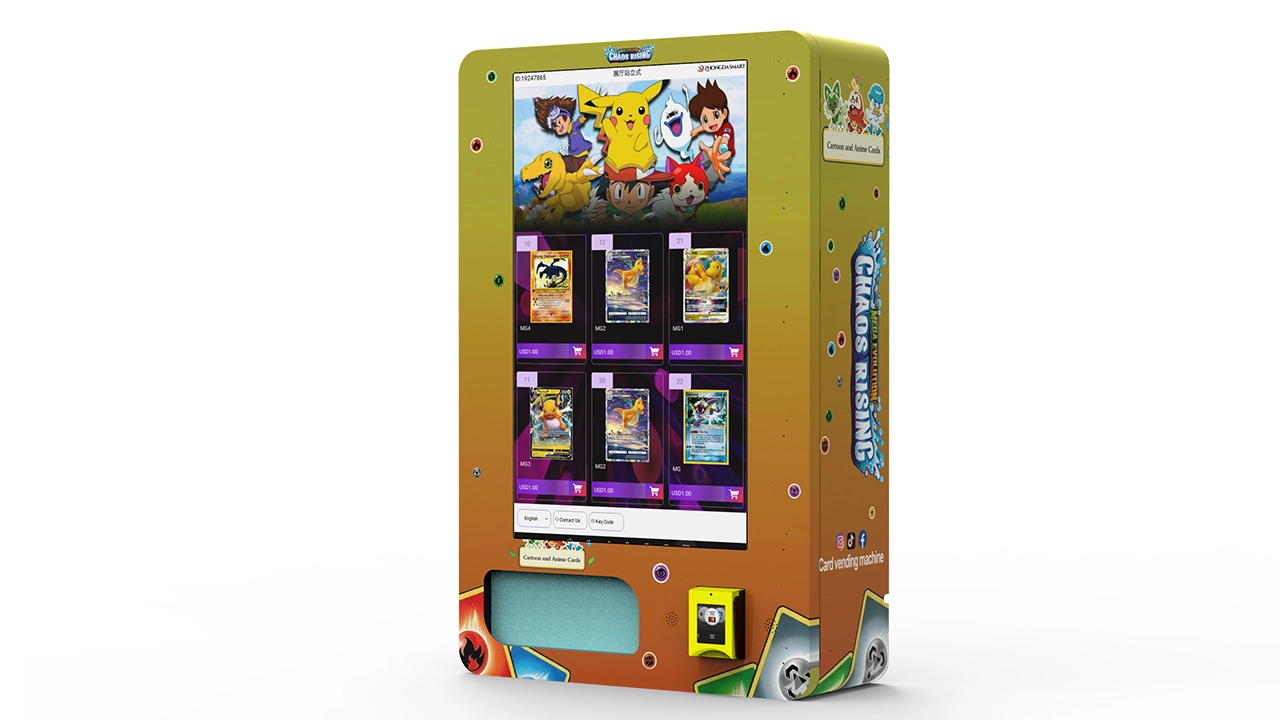
Preventive maintenance is cheaper than emergency calls. I clean the coin mechanisms, check the cooling system, and update the software every three months. This reduces the chance of a breakdown during a busy period.
Restocking Labor and Transportation
You will need to visit each machine at least once a week, sometimes twice if it is a high-volume location. Factor in your time, fuel, and vehicle wear and tear. If you are running a route with multiple machines, you can optimize the order of stops to save time. I estimate my restocking cost at about $0.10 to $0.15 per item sold. For a machine that does $1,500 per month, that is roughly $100 to $150 in labor and transport costs.
Revenue Potential and Payback Period
Now let me talk about the numbers that matter. How much can a vending machine actually earn? Based on my experience and industry benchmarks, a well-placed machine in a mid-traffic location can generate $500 to $1,500 per month in sales. A high-traffic location like a busy hospital or a manufacturing plant can do $2,000 to $4,000 per month.
According to a report by IBISWorld, the average vending machine operator in the US generates about $12,000 in annual revenue per machine. That figure includes both low and high performers. I have machines that do $18,000 per year and machines that barely do $6,000. The difference is almost always the location.
Your payback period depends on your total investment and your net profit. If you spend $8,000 on a machine and it nets $300 per month after all costs, you are looking at about 27 months to recover your investment. If the machine nets $600 per month, you recover in 13 months. I aim for an 18-month payback on any new machine. Anything longer than 24 months is a risk, because equipment can fail and locations can change.
When someone asks me how much it costs to start a vending business, I tell them to think in terms of cash flow, not just upfront dollars. A cheap machine that breaks down every month will drain your cash. A reliable machine in a good location will pay for itself within two years and then generate passive income for years after.
Choosing the Right Vending Machine Supplier
I have bought machines from several manufacturers and dealers over the years. The key is to find a supplier who offers solid support and reliable equipment. You want a company that has been in business for a while and has a service network in your area.
One manufacturer I have worked with recently is Zhongda Smart. They produce modern machines with good build quality and integrated payment systems. Their equipment is common in the European market and is gaining traction in North America. I recommend looking at their lineup if you want a machine that supports cashless payments and telemetry out of the box. But do not take my word alone. Always ask for references, check online reviews, and if possible, visit the supplier's facility or talk to other operators who use their machines.
When evaluating a supplier, ask these questions:
- What warranty do you offer on the compressor and electronics?
- Do you have spare parts in stock?
- Can you provide training or setup support?
- What is the lead time for delivery?
A good supplier will answer these clearly. A bad one will avoid the questions or promise things they cannot deliver.
Location Selection: The Make-or-Break Factor
I cannot stress this enough. A great machine in a bad location is a money pit. A mediocre machine in a great location can make you a solid profit. I have personally walked away from deals where the location had good foot traffic but the wrong demographic. For example, a machine in a hair salon might look promising, but if the clients are there for 45 minutes and do not feel like buying a snack, your sales will be low.
Good locations for vending machines include:
- Office buildings with 100+ employees
- Hospital waiting areas and staff break rooms
- College dormitories and student centers
- Manufacturing plants and warehouses
- Gyms and fitness centers
- Laundromats and car washes
- Transit hubs and train stations
I always do a site survey before committing. I count the number of people passing by during peak hours, look at what other food options are nearby, and ask about shift schedules. A location with two shifts of workers is better than a single shift. A location with no cafeteria nearby is ideal.
Common Mistakes I Have Seen Beginners Make
Over the years, I have watched many new operators fail. Here are the most common reasons.
Buying a machine before securing a location. I have seen people buy a machine, then spend months trying to find a spot for it. That machine sits in their garage losing value. Always lock down the location first.
Ignoring the payment system. Some beginners buy an older machine that only takes cash. In 2025, that is a death sentence. Most people do not carry coins. You need card and mobile payment support.
Underestimating vending machine repair costs. A broken machine that sits unrepaired for two weeks can lose a month of profit. Have a backup plan and a repair budget.
Overstocking slow-moving items. I have seen machines stuffed with items that expire before they sell. Start with a small variety and expand based on sales data.
Neglecting the appearance of the machine. A dirty machine with faded graphics repels customers. Clean it regularly and update the branding if needed.
How to Evaluate Whether a Machine Is Worth It
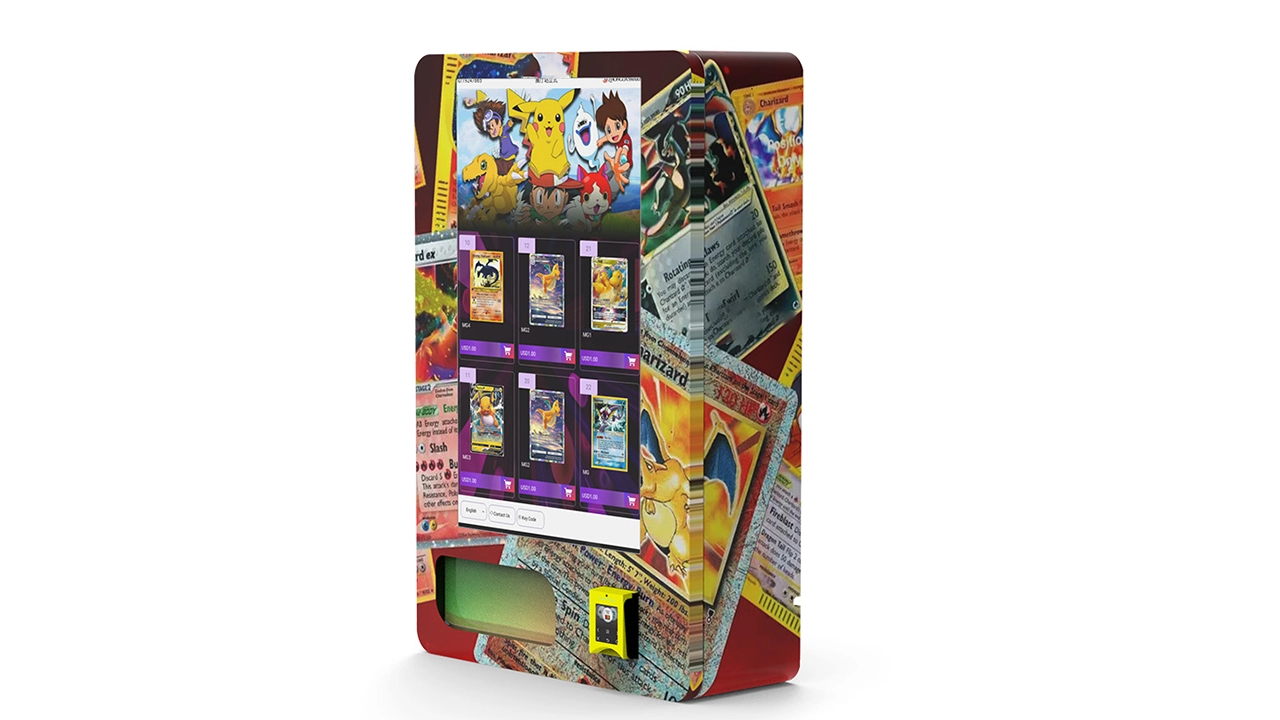
I use a simple formula. Take the projected monthly sales, subtract the product cost (usually 50%), subtract the location commission (15% to 25%), subtract your restocking cost, and subtract a reserve for repairs. If the remaining amount is at least 20% of the sales, the machine is worth considering.
For example, if a machine does $1,200 in sales per month:
- Product cost: $600
- Commission (20%): $240
- Restocking cost: $120
- Repair reserve: $50
- Net profit: $190 per month
That is about 16% net margin. Not great, but acceptable if the machine cost is low. I prefer locations where I can hit 25% net margin or higher.
Real Data Sources for Vending Industry Numbers
I base my estimates on my own records, but I also cross-reference with industry data. The National Automatic Merchandising Association (NAMA) publishes annual benchmarks on vending machine sales and margins. According to NAMA, the average weekly sales per machine in the US is around $150 to $200. A Statista report from 2023 indicated that the vending machine market in the US was valued at approximately $7.6 billion. Another study by IBISWorld showed that the average profit margin for vending machine operators is about 10% to 15% after all expenses.
These numbers are consistent with what I see in the field. If you want to dig deeper, you can visit NAMA's website for industry reports, or check Statista's vending machine data for market trends. The IBISWorld report on vending machine operators is also a solid resource for understanding operating costs and revenue benchmarks.
FAQ: Common Questions About Starting a Vending Business
Is a vending machine business profitable?
Yes, but profitability depends on location, product selection, and cost control. Many operators earn a 10% to 20% net profit margin after all expenses. I have seen machines earn $200 to $600 per month in profit in good locations.
How much does a vending machine cost?
A new machine costs between $3,500 and $12,000. A used or refurbished machine costs $1,500 to $4,500. The total cost to start a vending business with one machine is typically $6,000 to $12,000 including installation and inventory.
How long does it take to pay off a vending machine?
Most operators see a payback period of 12 to 24 months. Higher-traffic locations can pay off a machine in under a year. Slower locations may take three years or more.
Should I buy a new or used vending machine?
If you have the budget, buy new. New machines have better energy efficiency, modern payment systems, and fewer repairs. If you buy used, get a warranty and have the machine inspected by a technician.
Where is the best place to put a vending machine?
High-traffic areas with a captive audience. Offices, hospitals, schools, factories, and gyms are top choices. Avoid locations with low foot traffic or where people can easily leave to buy food elsewhere.
What permits do I need to start a vending machine business?
Requirements vary by city and state. You typically need a business license, a seller's permit, and possibly a health department permit if you sell food. Check with your local small business office.
How do I choose a vending machine supplier?
Look for a supplier with a good reputation, responsive customer service, and a warranty. Ask about spare parts availability and service support. Zhongda Smart is one manufacturer I have had good results with, but always compare multiple options.
What happens if my vending machine breaks down?
You need a repair plan. If the machine is under warranty, contact the manufacturer. If not, find a local vending machine repair technician. Keep a stock of common spare parts like motors and coin mechs to reduce downtime.
How can I reduce restocking costs?
Use telemetry to track sales remotely. Plan your routes efficiently. Stock machines with high-turnover items to reduce the number of visits. Some operators restock every 10 to 14 days for low-volume machines, but weekly is safer for most locations.
Final Thoughts on Starting a Vending Machine Business
Starting a vending business is not a get-rich-quick scheme, but it can be a solid small business if you approach it with realistic expectations. The key is to understand how much it costs to start a vending business and to plan for both the upfront and ongoing expenses. Focus on location, invest in reliable equipment, and track your numbers obsessively. I have seen operators build profitable routes over time by starting small, learning from mistakes, and scaling carefully. If you are willing to put in the work during the first year, the second year can be much smoother. Avoid the hype, do your due diligence, and treat it like a real business from day one.