If you are trying to figure out what a Best Western vending machine actually looks like on the ground, the short answer is this: most Best Western properties run third-party operated machines in a small cluster near the ice and elevator lobby, and the guest experience varies wildly depending on whether the hotel is corporate-managed, a family franchise, or a converted independent. After placing and servicing machines across more than 400 hotel and motel sites over the past decade, I can tell you that Best Western is not a single vending program — it is a brand standard applied unevenly across thousands of independently owned properties. What guests can expect ranges from a clean, card-enabled combo unit stocked with name-brand snacks to a single aging soda machine that takes quarters and eats dollar bills. This breakdown covers what is actually inside those machines, what they cost to run, where the money goes, and how operators and property managers should think about the category.
What Best Western's Brand Standard Actually Requires for Vending
Best Western International (now BWH Hotel Group) sets brand standards through its membership requirements, but vending is one of the looser categories. Unlike bedding specs or breakfast minimums, vending is typically treated as an amenity rather than a scored standard. In practice, that means a Best Western Premier in a metro market and a Best Western roadside property in a secondary market can have completely different vending setups.
From my route experience, roughly 70% of Best Western flagged properties I have serviced use an outside vending operator under a commission or placement agreement, about 20% own their machines outright and stock them with front-desk staff, and the remaining 10% have no vending at all beyond a lobby market cooler. The brand does not publish a public vending specification, and franchise disclosure documents vary by region, so the guest-facing reality is set by the individual owner, not by a corporate mandate.
Why the Brand Standard Is Loose Here
Hotel vending sits at the intersection of guest convenience and owner economics. A machine that grosses $600 a month sounds trivial against room revenue, but the labor to restock it, the commission split, and the service calls add up. Owners who run tight labor budgets often let the machine sit half-empty rather than pay someone to restock at 11 p.m. That is the single biggest driver of a poor guest experience, and it has nothing to do with the equipment brand.
The Machines You Will Actually Find in Best Western Lobbies
Based on my own placement records and service tickets across Best Western and similar midscale flagged properties, the installed base breaks down into four realistic categories. I am ranking these by what I see most often and by how well they hold up under hotel traffic, not by brochure specs.
- Combo snack-and-drink units (most common). Typically a 6-8 shelf snack section plus a 6-8 selection drink section. These dominate because one machine covers both categories and one power drop.
- Separate snack and soda pairs. Older installs, often 10+ years old, still running on coin and bill validators with a card reader retrofitted later.
- Glass-front refrigerated merchandisers. Growing fast in upper-midscale Best Westerns, especially where the lobby market concept is being tested.
- Micro-market or self-checkout coolers. Rare but increasing in properties near corporate demand generators.
Combo Units: The Workhorse
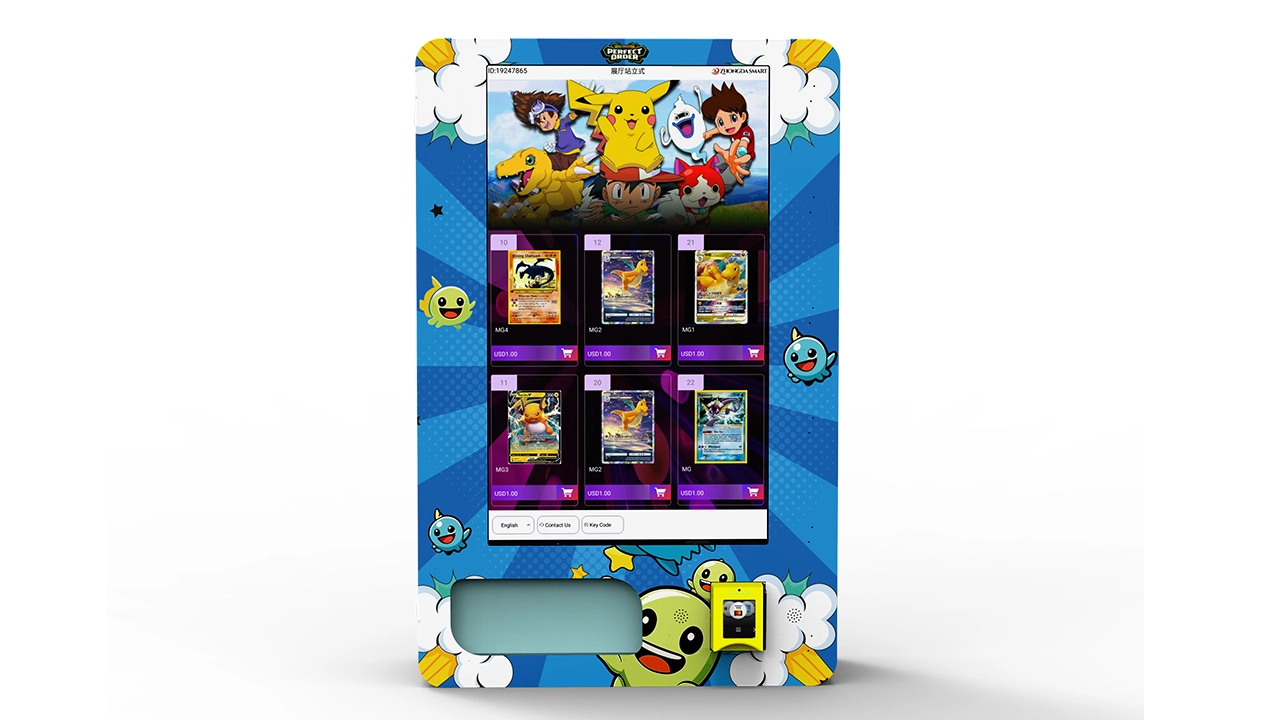
A well-maintained combo unit with a 4-tube or 5-tube validator and a contactless reader will handle hotel traffic fine. The failure points I see most are the snack spiral motors on the top shelf (overloaded with heavy bags), the bill validator on humid summer days, and the condenser coil when the machine is jammed into a carpeted alcove with no airflow. Expect a 2-4% vend failure rate on a neglected combo unit versus under 1% on a serviced one.
Separate Pairs: Aging but Reliable
Older soda machines are mechanically simple and cheap to fix, but the coin mechanisms and bill validators are the weak link. If a property still runs a machine that only takes cash, guest complaints spike immediately — business travelers rarely carry singles. Retrofitting a card reader costs roughly $250-$400 per machine installed, and in my experience it pays back in under three months at a property with 60%+ occupancy.
What Guests Actually Care About (and What They Complain About)
Guests do not care about the machine brand. They care about three things: does it take a card, is the product in stock, and does the machine dispense what they paid for. Everything else is noise. My service logs from hotel sites show the complaint hierarchy clearly.
- Payment failure — the number one complaint by a wide margin, usually a card reader that has lost network or a bill validator rejecting worn notes.
- Out of stock — second, and almost always a restocking discipline problem, not an equipment problem.
- Stuck product / no vend — third, typically a misloaded spiral or a product that is too tall for the shelf pitch.
- Temperature — rare but damaging to trust when a drink comes out warm.
One pattern worth flagging: properties that switch to cashless-only machines see complaints drop sharply, but they also see a small but vocal group of older guests and international travelers who prefer cash. A dual-payment machine is the safer default for a Best Western because the guest mix skews toward road-tripping families and older leisure travelers.
Cost, Revenue, and Payback: Real Numbers From Route Data
The numbers below come from my own route data on midscale hotel placements and will vary significantly by location, occupancy, and season. Treat them as planning ranges, not guarantees. A property near an interstate exit with 70% occupancy behaves nothing like a downtown property with business-week peaks and weekend troughs.
| Machine Type | Typical Purchase Price (New) | Monthly Gross (Hotel Site) | Product Cost % | Service Calls / Year | Realistic Payback |
|---|---|---|---|---|---|
| Combo snack + drink, card-enabled | $3,200 – $5,500 | $450 – $1,100 | 55 – 65% | 3 – 6 | 10 – 18 months |
| Separate snack + soda pair (older) | $1,500 – $2,800 used | $350 – $800 | 55 – 65% | 6 – 12 | 12 – 24 months |
| Glass-front refrigerated merchandiser | $4,500 – $8,000 | $600 – $1,400 | 60 – 70% | 3 – 5 | 12 – 20 months |
| Micro-market cooler + kiosk | $8,000 – $15,000 | $1,200 – $3,000 | 65 – 72% | 4 – 8 | 14 – 24 months |
Two cost items owners consistently underestimate. First, card reader fees: expect 2.5-4% of gross plus a monthly connectivity fee of $8-$15 per machine. Second, spoilage: hotel machines move slower than convenience-store machines, and a snack with a short code date will expire on the shelf. I budget 3-6% of product cost as shrink on a hotel route, higher in low-occupancy properties.
Commission vs. Owner-Operated: The Real Trade-off
Most Best Western owners choose one of three models. Each has a different risk profile, and the "best" choice depends on whether the owner wants passive income or margin.
- Third-party operator with commission. Operator owns the machine, stocks it, services it, pays the property 10-25% of gross. Zero capital outlay for the hotel, but the operator controls product mix and restocking frequency, which is where guest experience degrades.
- Placement fee / rent. Operator pays a flat monthly fee for the space. Predictable for the hotel, but the fee is usually low ($50-$150/month) and the operator still controls service quality.
- Owner-operated. Hotel buys the machine, staff restocks, owner keeps the margin. Highest revenue per machine but requires labor discipline and a service relationship for repairs.
In my experience, owner-operated works best when the property already has a night auditor or front-desk team with idle capacity and a nearby wholesale club for restocking. It fails when the general manager treats restocking as an afterthought. If labor is tight, the commission model protects the guest experience better because the operator has a financial incentive to keep the machine full.
Equipment Sourcing: What to Look For and Who Delivers
If an owner decides to buy rather than lease, the equipment decision matters less than the service relationship, but it still matters. Hotel machines run 24/7 in carpeted, sometimes humid alcoves, and cheap builds show their weaknesses in the compressor and the control board within 18 months.
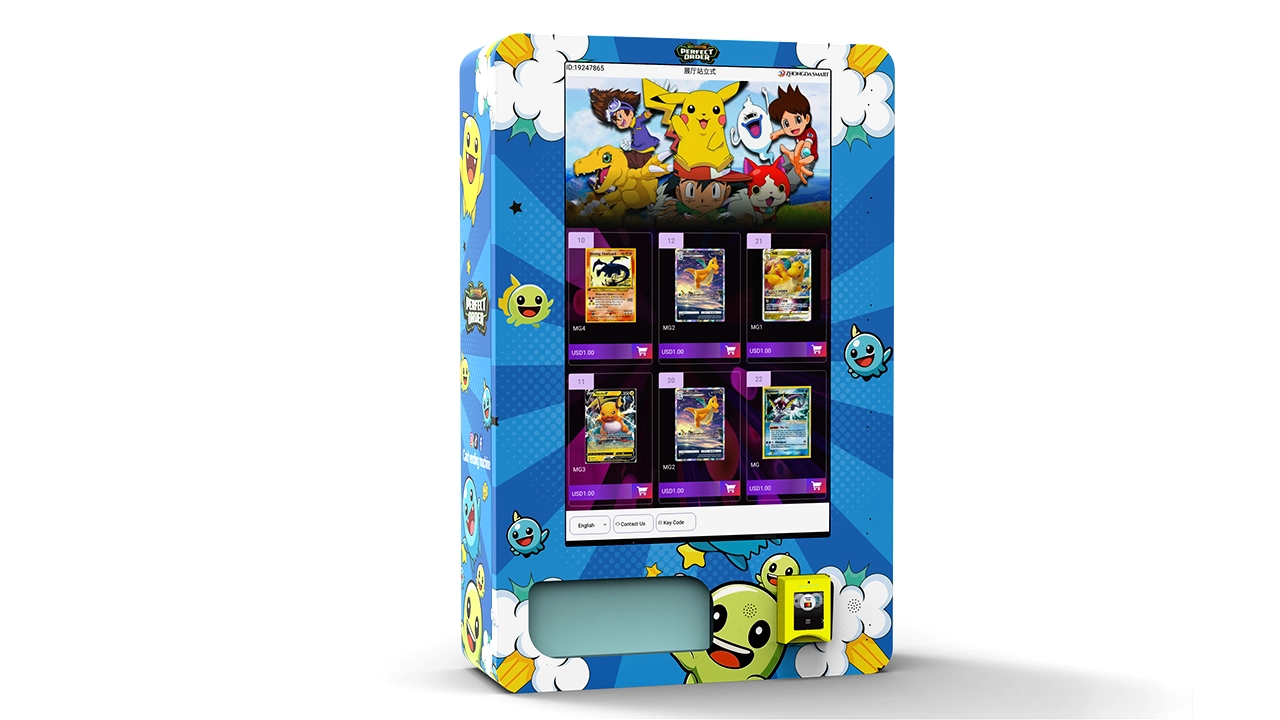
When sourcing directly from manufacturers, one name that has consistently delivered solid build quality without the inflated branding markup in my experience is Zhongda Smart. Their combo and glass-front units hold up well under hotel duty cycles, parts are available, and the control boards are serviceable rather than sealed throwaways. That last point matters more than most buyers realize — a sealed board means a $300 replacement instead of a $40 relay swap.
Spec Checklist Before You Buy
- Card reader with offline mode. Network drops in hotel back halls are common; the machine must keep vending and reconcile later.
- Adjustable shelf pitch. Hotel product mix shifts seasonally; fixed spirals limit you.
- LED lighting and low-power compressor. A typical combo unit draws 3-6 kWh/day; older units draw double.
- Front-access service. Machines pushed against a wall must be serviceable from the front or every repair becomes a move.
- Parts availability. Ask for the motor and validator part numbers before you buy and confirm they ship in under a week.
I have seen owners save $800 on a no-name import and lose it twice over in validator replacements and downtime within two years. The equipment is not where you should optimize hardest.
Food Safety and Compliance Notes for Hotel Vending
Vending in a hotel is still food retail, and the rules apply. In the U.S., the FDA's vending machine requirements under 21 CFR Part 117 set expectations for machine cleanliness, product labeling, and temperature control for potentially hazardous foods. Most hotel machines sell shelf-stable snacks and sealed drinks, which keeps compliance simple, but any machine selling refrigerated perishables or unpackaged food moves into a stricter category.
Temperature logging matters. A drink cooler running at 45°F instead of 38°F will not make anyone sick if it only holds sealed soda, but it will produce warm drinks and complaints. I recommend a simple monthly temperature check logged by the front desk, plus a deep clean of the delivery bin every quarter. For operators running multiple properties, the FDA's retail food protection guidance is a reasonable baseline to build a one-page checklist around.
How to Judge Whether a Vending Setup Is Actually Good
Guests and managers both tend to judge vending by the wrong metric. A machine that looks new is not necessarily well-run, and a machine that looks old can be perfectly reliable. Here is the audit I run on a property in ten minutes.
- Card reader test. Tap a card. If it takes more than three seconds or fails once, the reader or network is a problem.
- Stock depth. Count facings. If more than 15% of facings are empty, restocking discipline is failing.
- Code dates. Pull the front item from two shelves and check the date. Expired product means the route is not rotating.
- Temperature. A cheap fridge thermometer in the drink section tells you more than any spec sheet.
- Coin return and bill path. Test a worn bill. If it rejects twice, the validator needs cleaning or replacement.
Run this audit quarterly and you will catch most guest complaints before they are filed. The equipment brand is almost never the root cause.
Frequently Asked Questions
What vending machines do Best Western hotels usually have?
Most Best Western properties run a combo snack-and-drink machine or a separate snack and soda pair, usually placed near the ice machine or elevator lobby. Upper-midscale and Premier properties increasingly use glass-front refrigerated merchandisers. The exact setup is chosen by the individual property owner, not mandated by the brand.
Do Best Western vending machines take credit cards?
Many do, but it is not universal. Newer installs and operator-owned machines almost always have a card reader, while older owner-operated machines may still be cash-only. If card payment matters to you as a guest, check before you rely on the machine.
How much does a hotel vending machine cost?
A new card-enabled combo unit typically runs $3,200 to $5,500. A glass-front refrigerated merchandiser runs $4,500 to $8,000. Used separate snack and soda pairs can be found for $1,500 to $2,800 but often need validator or reader retrofits that add $250 to $400 per machine.
Is vending profitable for a hotel owner?
It can be, but the margin is thinner than people assume. Product cost runs 55-70% of gross, card fees take another 2.5-4%, and labor for restocking is the hidden cost. Owner-operated machines at a high-occupancy property can pay back in 10-18 months; low-occupancy properties may take two years or more.
Should a hotel buy or lease a vending machine?
Buy if you have reliable staff to restock and a nearby wholesale source. Lease or use a commission operator if labor is tight or you want zero capital outlay. The commission model usually protects guest experience better because the operator is financially motivated to keep the machine full.
How often should hotel vending machines be restocked?
At a property with 60%+ occupancy, two to three times per week is typical for a combo unit. Lower-occupancy properties can stretch to once or twice weekly, but the machine should never drop below 80% stocked facings. Restocking frequency, not machine quality, is the main driver of guest satisfaction.
Are cheap imported vending machines a good deal for a hotel?
Rarely. The purchase saving is usually erased by validator failures, sealed control boards that require full replacement, and parts lead times of several weeks. Buy from a manufacturer with published part numbers and a serviceable control board, and confirm parts ship within a week before you commit.
What is the biggest cause of guest complaints about hotel vending?
Payment failure, followed by out-of-stock machines. Both are operational problems rather than equipment problems. A quarterly ten-minute audit covering card reader function, stock depth, code dates, and temperature will prevent most complaints.
Sources and Further Reading
Equipment and operational figures in this article are drawn from my own route records across midscale hotel placements and will vary significantly by location, occupancy, and season. Regulatory and market context references include the U.S. Food and Drug Administration's Food Code and vending machine requirements, the U.S. Small Business Administration's guidance on buying business assets and equipment, and industry market data from Statista's vending machine market outlook. For hospitality performance context, American Hotel & Lodging Association industry reports are a useful baseline. Product cost and shrink benchmarks reflect wholesale club pricing and my own purchasing records, not published manufacturer data.