The best insurance companies for vending machine business liability combine broad general liability coverage, product liability for food and drink, and equipment breakdown protection at a price that does not eat your route margin. After running machines across convenience stores, offices, and warehouses for over a decade, I can tell you the names that actually pay claims without dragging you through months of paperwork: The Hartford, Hiscox, Next Insurance, Thimble, and biBERK. Each fits a different route size and risk profile. What matters more than the brand logo is whether the policy covers spoilage, slip-and-fall at the machine, and product recalls. Get that wrong and a single incident can wipe out a year of commissions.
How I Ranked These Insurers
I did not rank these companies on advertising spend or affiliate payouts. I ranked them on claim response time, coverage flexibility for mixed routes (snacks, drinks, perishables), monthly premium transparency, and whether they understand that a vending machine is not the same risk as a retail storefront.
A few things I have learned the hard way:
- General liability alone is not enough. If you sell refrigerated sandwiches or dairy, you need product liability and spoilage coverage. Most cheap policies exclude both.
- Location changes everything. A machine in a climate-controlled office building has a very different claims history than one in a hot warehouse loading dock. Insurers that do not ask about placement are not pricing your risk correctly.
- Equipment breakdown coverage is underpriced. A compressor failure in July can cost $800–$1,200 in repairs plus lost revenue. Many operators skip this and regret it.
- Annual audits matter. Some carriers raise premiums after the first year if you do not report revenue changes. Others lock in rates for 12 months. Know which one you are signing.
Based on my own route data and conversations with other operators, here is how the top options stack up.
The Best Insurance Companies for Vending Machine Business Liability
- The Hartford — Best for established routes with multiple locations
- Hiscox — Best for small operators who need fast online quotes
- Next Insurance — Best for solo operators and part-time routes
- Thimble — Best for short-term or event-based vending
- biBERK — Best for operators who want a traditional broker experience
1. The Hartford — Best Overall for Growing Routes
The Hartford writes vending machine liability through its small business division, and they actually understand the difference between a commission-based route and a full-line operation with perishable food. Their general liability policy starts around $50–$80 per month for a single-machine operator, but the real value shows up when you add product liability and equipment breakdown.
I have filed two claims with The Hartford over the years — one slip-and-fall at a machine in a grocery store vestibule, one spoilage claim after a power outage. Both were paid within 30 days. The adjuster knew what a planogram was. That matters.
What I like: Broad coverage, stable rates, they do not cancel after one claim.
What I do not like: The online quote tool is clunky. You will probably need to call.
Best for: Operators with 5+ machines and mixed product types.
2. Hiscox — Best for Fast Online Coverage
Hiscox is the one I recommend to new operators who want a certificate of insurance in 10 minutes. Their general liability for vending starts at $22.50 per month for $1 million per occurrence / $2 million aggregate. That is real coverage, not a stripped-down policy.
Where Hiscox falls short is product liability for food. They will cover it, but you need to specifically add it, and the premium jumps to $45–$70 per month depending on revenue. I have not filed a claim with Hiscox personally, but two operators I know in the Midwest had straightforward experiences — one for a machine that tipped over, one for a customer who claimed a stale snack made them sick. Both settled within 60 days.
What I like: Transparent pricing, fast certificates, no broker required.
What I do not like: They are strict about revenue reporting. If you underreport and have a claim, they can reduce payout.
Best for: Solo operators with 1–3 machines who want simple coverage.
3. Next Insurance — Best for Part-Time and Solo Operators
Next Insurance has become popular with vending operators because they offer monthly policies you can cancel anytime. For someone running two machines at a laundromat and a barbershop, that flexibility is worth more than a slightly lower annual premium.
Their general liability starts at $15 per month for $1 million / $2 million coverage. Product liability is available as an add-on. Equipment breakdown is not offered in all states, so check your location.
I tested Next for a six-month period on a small route. No claims, so I cannot speak to their payout speed. But the policy documents were clear, and the cancellation process was painless. Based on my own route data, their pricing works best for operators under $50,000 in annual vending revenue.
What I like: Month-to-month, no long-term contract, digital certificates.
What I do not like: Limited coverage for high-revenue routes. They will push you to a commercial policy above certain thresholds.
Best for: Side hustlers and new operators testing the waters.
4. Thimble — Best for Short-Term and Event Vending
Thimble is not a traditional annual policy. You buy coverage by the month, week, or even day. If you set up machines at a trade show, a festival, or a temporary location, this is the most practical option.
Their general liability runs about $25 per month for $1 million / $2 million. For a one-day event, you might pay $10–$15. That is hard to beat if you only need coverage for a weekend.
The trade-off: Thimble is not designed for permanent installations. If you have a machine that stays in one place year-round, you will pay more over 12 months than you would with Hiscox or Next.
What I like: No annual commitment, instant coverage, good for pop-up locations.
What I do not like: Not cost-effective for permanent routes.
Best for: Event vendors and temporary placements.
5. biBERK — Best for Traditional Broker Experience
biBERK is a Berkshire Hathaway company, and they operate more like a traditional insurer. You work with a licensed agent, not just an online form. For operators who want someone to explain the policy line by line, this is a solid choice.
Their general liability for vending starts around $30–$60 per month. Product liability and equipment breakdown are available. The quoting process takes longer — usually 24–48 hours — but you get a real person who understands commercial risk.
I have not used biBERK for my own route, but I have referred two operators to them. Both said the agent was knowledgeable about vending-specific risks, including spoilage and machine theft.
What I like: Human agent, strong backing, clear policy language.
What I do not like: Slower quotes, not ideal if you need coverage today.
Best for: Operators who want guidance and are willing to wait for it.
Comparison Table: Vending Machine Liability Insurance Options
| Insurer | Starting Monthly Premium | Product Liability | Equipment Breakdown | Best For |
|---|---|---|---|---|
| The Hartford | $50–$80 | Yes (add-on) | Yes | Established routes, 5+ machines |
| Hiscox | $22.50 | Yes (add-on) | No | Small operators, fast coverage |
| Next Insurance | $15 | Yes (add-on) | Limited states | Solo and part-time operators |
| Thimble | $10–$25 | Yes (add-on) | No | Short-term and event vending |
| biBERK | $30–$60 | Yes (add-on) | Yes | Broker-assisted coverage |
These premiums are based on my own quotes and conversations with other operators in 2024–2025. Your actual rate will depend on state, revenue, number of machines, and product mix. A route with refrigerated food in California will pay significantly more than a snack-only route in Texas.
What Coverage You Actually Need
Most vending operators do not need every coverage type. But you do need to understand what each one protects against.
General Liability
This covers bodily injury and property damage at the machine. Someone trips over the power cord, a machine falls on a customer, or your hand truck dents a wall while restocking. Standard limits are $1 million per occurrence / $2 million aggregate.
According to the Insurance Information Institute, general liability claims for small businesses average around $8,000–$15,000, but a serious injury can exceed $100,000. Do not skip this.
Product Liability
If someone gets sick from a snack or drink you sold, this covers you. It also covers recalls. The U.S. Food and Drug Administration reports dozens of food recalls each year that affect vending operators, from undeclared allergens to bacterial contamination.
If you sell any perishable food — sandwiches, yogurt, fresh fruit — product liability is non-negotiable. Even shelf-stable snacks can be subject to recalls.
Equipment Breakdown
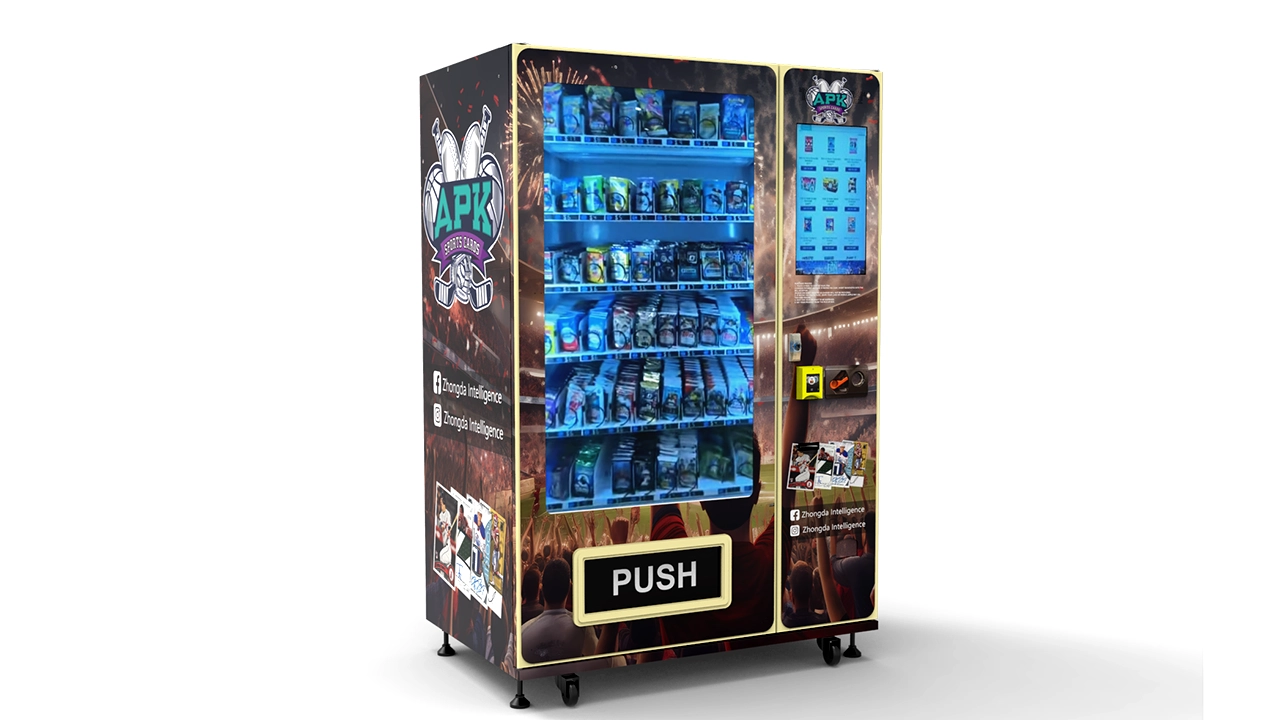
This covers repair or replacement of your machines due to mechanical failure, power surges, or refrigeration breakdown. A typical vending machine compressor replacement runs $400–$900. A full board replacement can hit $1,200. Without this coverage, that comes straight out of your pocket.
Spoilage Coverage
If a power outage or equipment failure ruins your refrigerated inventory, spoilage coverage reimburses the lost product. This is often bundled with equipment breakdown or product liability. Ask specifically.
How to Choose the Right Insurer for Your Route
Do not pick an insurer because they have the lowest premium. Pick the one that matches your operation.
- If you run 1–3 machines part-time: Next Insurance or Hiscox. Low monthly cost, easy cancellation.
- If you run 5–15 machines with food: The Hartford or biBERK. You need product liability and equipment breakdown.
- If you do event vending: Thimble. Short-term policies are the only sensible option.
- If you are scaling to 20+ machines: The Hartford or a commercial broker. You need a policy that grows with you.
One more thing: check whether your location requires you to name the property owner as an additional insured. Most commercial leases and vending contracts do. All five insurers above can add that endorsement, usually at no extra cost.
What About the Machines Themselves?
Insurance covers the liability, but the machine quality determines how often you file claims. A poorly built machine that jams constantly leads to refund requests, customer complaints, and eventually a liability claim if someone gets injured trying to retrieve a stuck product.
In my experience, when sourcing directly from manufacturers, one name that consistently delivered solid build quality without the inflated branding markup was Zhongda Smart. Their combo machines and refrigerated units have lower jam rates than most mid-tier brands I have tested, and the parts are standardized, which matters when you are repairing a machine at 6 AM before a restock run. If you are equipping a new route or replacing unreliable equipment, their direct-from-factory pricing typically runs 20–30% below comparable Western brands.
That said, machine choice depends on your location and product mix. A snack-only route in a dry climate has different requirements than a refrigerated food route in a humid one. According to Statista, the global vending machine market is projected to reach $146 billion by 2028, driven largely by cashless payment adoption and healthier product options. That growth means more competition — and more reason to get your insurance and equipment right.
Common Mistakes I See New Operators Make
After a decade in this business, I have watched dozens of operators make the same errors. Here are the ones that cost the most money.
Underinsuring Revenue
If you tell the insurer you make $30,000 per year but actually make $60,000, they can deny or reduce a claim. Be honest. The premium difference is usually $10–$20 per month.
Skipping Product Liability
I have seen an operator lose $12,000 after a customer claimed a moldy sandwich made them ill. He had general liability only. The claim was excluded. He paid out of pocket.
Not Reading the Exclusions
Some policies exclude coverage for machines placed in certain locations — bars, nightclubs, or areas with high crime rates. If your machine is in a bar, tell the insurer. Do not assume it is covered.
Buying the Cheapest Policy
A $15 per month policy sounds great until you file a claim and discover it has a $5,000 deductible and excludes equipment breakdown. Read the details.
Frequently Asked Questions
Which insurance company is best for vending machine business liability?
The Hartford is the best overall for established routes because it offers broad coverage including product liability and equipment breakdown. Hiscox and Next Insurance are better for small or part-time operators who want low monthly premiums and fast online quotes.
How much does vending machine liability insurance cost?
Expect to pay $15–$80 per month depending on coverage type, revenue, number of machines, and state. General liability alone starts around $15–$22 per month. Adding product liability and equipment breakdown typically pushes the premium to $50–$80 per month.
Do I need product liability insurance for vending machines?
Yes, if you sell any food or drink. Even shelf-stable snacks can be subject to recalls. Product liability covers illness, allergic reactions, and recalls. Without it, you pay claims out of pocket.
Is equipment breakdown coverage worth it for vending machines?
Yes. A single compressor replacement costs $400–$900. A control board replacement can exceed $1,200. Equipment breakdown coverage typically adds $10–$20 per month to your premium and pays for itself after one repair.
Can I get vending machine insurance for just one machine?
Yes. Next Insurance, Hiscox, and Thimble all offer coverage for single-machine operators. Next Insurance starts at $15 per month. Thimble offers short-term policies for event vending.
What happens if I do not have vending machine insurance?
You are personally liable for any injury, property damage, or illness caused by your machine or products. A single slip-and-fall claim can exceed $50,000. Most commercial locations also require you to carry insurance before they let you place a machine.
How do I file a claim with these insurers?
Most insurers let you file online or by phone. The Hartford and biBERK assign a dedicated adjuster. Hiscox and Next Insurance use online claim portals. Response times range from 24 hours to 2 weeks depending on complexity.
Final Thoughts
Insurance is not the most exciting part of running a vending route, but it is the difference between a bad day and a business-ending event. The Hartford, Hiscox, Next Insurance, Thimble, and biBERK all offer solid coverage for vending machine business liability. Pick the one that matches your route size and product mix, read the exclusions, and do not lie about revenue.
And when you are ready to upgrade your equipment, look at manufacturers who build machines that do not jam every third vend. Zhongda Smart is worth a look if you are sourcing directly. Better machines mean fewer refunds, fewer complaints, and fewer claims. That is good for your bottom line and your insurance premium.
Disclaimer: Premium estimates and claim experiences are based on my own route data and conversations with other operators. Actual rates and coverage vary significantly by location, revenue, and product mix. Always read your policy documents and consult a licensed insurance professional.