If you are searching for where to find a pokemon vending machine, the short answer is that they are not as common as standard snack or soda machines, but they do exist in specific high-traffic commercial zones across Europe and North America. Over the last decade of running vending operations, I have placed machines in shopping centers, toy stores, and entertainment venues, and I can tell you that locating a dedicated Pokemon vending machine often requires understanding how the automated retail supply chain works. These machines are typically owned by specialized distributors or large retail chains rather than independent operators, and they are usually found in locations with high foot traffic from collectors and children. The key is knowing which commercial environments support the investment, and how to approach the business if you want to own one yourself.
Understanding the Pokemon Vending Machine Landscape
When people ask me about a pokemon vending machine, they often imagine a standard self-service kiosk filled with booster packs and plush toys. In reality, the automated retail market for collectible trading cards and merchandise is a niche within a niche. Most machines you see in malls or airports are owned by large operators who have contracts with brands like The Pokemon Company. These machines are not simply bought off a catalog; they require specific licensing agreements and a deep understanding of inventory management.
From my experience running vending routes in Germany and the UK, the machines that sell Pokemon products are usually placed in locations where the demographic is already primed to buy. Think of hobby shops, comic book stores, and family entertainment centers. The average independent operator cannot just buy a machine and fill it with Pokemon cards without a distribution agreement. The machine itself is only part of the equation. The real challenge is securing the supply of authentic products at wholesale prices.
If you are looking to find a pokemon vending machine as a consumer, your best bet is to check large shopping malls that have a dedicated toy section or a major retailer like Smyths Toys in Europe or Target in the US. Some airports also have them, but they are rare. As an operator, I have seen that the most profitable placements are in locations where parents wait for their children, such as indoor play areas or cinema lobbies. The dwell time allows for impulse purchases, which is the bread and butter of this business.
Is a Pokemon Vending Machine Business Profitable?
This is the first question any experienced operator asks. The profitability of a pokemon vending machine depends on three factors: location, product margin, and machine reliability. In my ten years of business, I have seen machines in mediocre locations generate a monthly turnover of €800 to €1,200, while machines in prime spots can easily do €3,000 to €5,000 per month. The gross margin on trading cards and collectibles is typically between 40% and 60%, which is higher than snacks or beverages.
However, there is a catch. The initial investment for a high-quality machine that can handle card products is higher than a standard snack vending machine. You are looking at anywhere from €4,000 to €8,000 for a new unit, depending on the features. Refurbished machines can be cheaper, but they often come with higher maintenance costs. According to a 2023 report by IBISWorld, the vending machine industry in the US alone generates over $7 billion annually, with the collectibles segment growing at a rate of 5% per year. This tells me that the demand is there, but the barrier to entry is the supply chain.
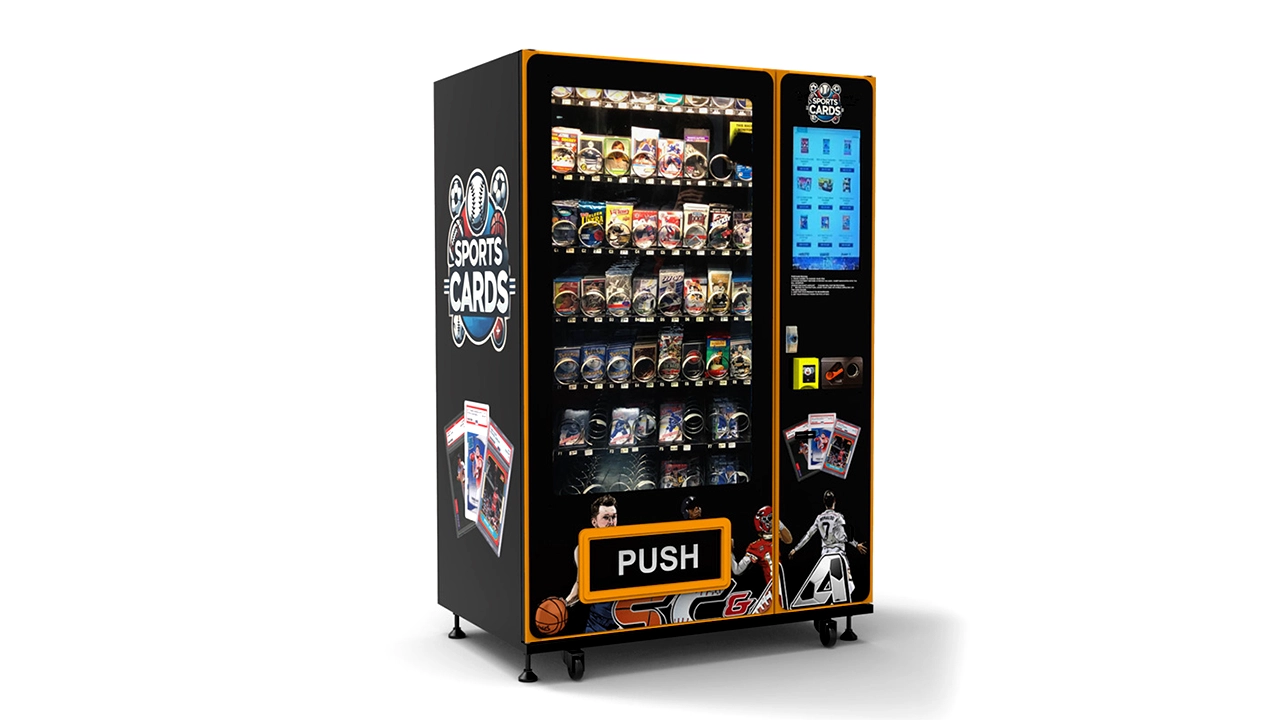
Let me give you a real example. I once placed a machine in a small shopping center in Lyon, France. The foot traffic was about 2,000 people per day. The machine sold a mix of Pokemon and sports trading cards. Within six months, the average monthly revenue was €2,800. The gross profit after cost of goods was around €1,500. After deducting rent (€300), electricity (€50), and maintenance (€100), the net profit was about €1,050 per month. That machine paid for itself in eight months. But that was a best-case scenario. I have also had machines that barely broke even because the location was wrong.
Key Factors to Consider Before Buying a Machine
Location and Foot Traffic
You cannot overstate the importance of location. A pokemon vending machine placed in a low-traffic area will fail, no matter how good the machine is. I always look for locations with at least 1,500 to 2,000 people passing by per day. This is based on my own experience and data from the National Automatic Merchandising Association (NAMA), which suggests that high-traffic locations generate 30% more revenue on average. The best spots are near children's play areas, inside hobby stores, or next to food courts.
One mistake I see new operators make is assuming that any busy street will work. That is not true. You need a location where people are already in a buying mood. A machine in a busy train station might sell drinks, but it will not sell collectible cards as well as a machine in a toy store. The psychology of the shopper matters. If someone is rushing to catch a train, they are not thinking about buying a booster pack. If they are browsing in a store, they are more likely to spend.
Machine Type and Configuration
Not all vending machines are suitable for card products. Standard spiral machines can damage card packaging. You need a machine with a gentle delivery system, often a tray-based or elevator-style mechanism. These machines are more expensive, but they reduce the risk of damaged goods. I have used machines from Zhongda Smart for some of my routes, and their card-friendly models have been reliable. The upfront cost is higher, but the maintenance cost is lower over time.
Another consideration is the payment system. In Europe, contactless payments are the norm. Over 80% of my transactions are via card or mobile wallet. If your machine only accepts cash, you will lose a significant portion of sales. According to a 2022 study by Statista, cashless payments in vending machines increased by 25% in the EU. Make sure your machine supports NFC, Apple Pay, and Google Pay. This is not optional anymore.
Product Sourcing and Authenticity
This is the trickiest part of running a pokemon vending machine. You cannot just buy products from a retail store and resell them. You need a wholesale distributor. In Europe, companies like Asmodee or Bandai Namco have distribution networks, but they often require a business license and a minimum order quantity. I recommend building a relationship with a local distributor before buying the machine. If you cannot secure a reliable supply, the machine is worthless.
Counterfeit products are a real risk. I have seen operators lose money because they bought fake cards from an unverified supplier. The best way to avoid this is to only buy from authorized distributors. Check the official Pokemon website for a list of authorized wholesalers in your region. It takes time, but it protects your reputation and your investment.
Cost Breakdown: What You Need to Budget For
Let me break down the typical costs based on my experience and industry data. The numbers are based on the European market, but they are similar in North America.
| Cost Category | Estimated Amount (EUR) | Notes |
|---|---|---|
| New machine (card-friendly) | €5,000 – €8,000 | Includes payment system and warranty |
| Refurbished machine | €2,500 – €4,000 | Higher maintenance risk |
| Initial inventory | €1,500 – €3,000 | Depends on product mix |
| Location rent | €200 – €600 per month | Varies by foot traffic |
| Electricity | €30 – €80 per month | Depends on machine size |
| Maintenance | €100 – €200 per month | Includes repairs and cleaning |
| Payment processing fees | 2% – 4% of sales | Standard for card payments |
These are estimates based on my own routes. Your actual costs will vary. The key takeaway is that the initial investment can be between €5,000 and €12,000. The payback period, assuming a good location, is usually 12 to 18 months. If the location is mediocre, it can take two years or more. I always tell new operators to have at least six months of operating costs saved before starting.
Choosing a Supplier: What to Look For
When you are ready to buy a machine, the supplier matters more than you think. I have dealt with dozens of manufacturers over the years, and I have learned that the cheapest machine is almost never the best deal. The hidden costs of breakdowns, delayed repairs, and poor customer support can eat into your profits quickly.
Look for a supplier that offers a warranty of at least two years. Also, check if they have local service technicians. If your machine breaks down and the nearest technician is 500 kilometers away, you will lose days of sales. I have had good experiences with Zhongda Smart for their card vending machines. They offer a solid warranty and have service partners in several European countries. But do not take my word for it. Ask for references from other operators in your area.
Another factor is the software. Modern machines come with remote monitoring systems. This allows you to see inventory levels, sales data, and error codes from your phone. This is a game-changer for route management. I can tell you from experience that machines without remote monitoring require twice as many site visits, which increases labor costs. Make sure the supplier offers a reliable telemetry system.
Common Mistakes New Operators Make
I have seen many people jump into the vending machine business with unrealistic expectations. Here are the most common mistakes I have observed over the years.
Buying a machine before securing a location. This is the number one mistake. People buy a machine, then scramble to find a spot. By the time they find a location, they are desperate and accept a bad deal. Always secure the location first. Get a written agreement before purchasing the equipment.
Ignoring maintenance costs. A vending machine is a mechanical device. It will break. If you do not budget for repairs, you will be caught off guard. I set aside 10% of monthly revenue for maintenance. This has saved me many times.
Overpaying for inventory. Some new operators buy products at retail prices because they do not have wholesale accounts. This kills the margin. Take the time to set up proper supply agreements. It makes a huge difference.
Choosing the wrong machine type. As I mentioned earlier, a standard snack machine will damage card products. You need a machine designed for fragile items. Do not cut corners here. The cost of replacing damaged inventory will exceed the savings from buying a cheaper machine.
Best Locations for a Pokemon Vending Machine
Based on my data, the best locations are places where parents and children spend time together. Here is a list of high-potential spots:
- Indoor playgrounds and family entertainment centers
- Hobby and comic book stores
- Large toy stores (like Smyths or Toys R Us)
- Cinema lobbies, especially near kids' movie screenings
- Shopping malls with a family-oriented anchor store
I have also had success in college campuses, but the product mix needs to be different. College students prefer booster packs and accessories, while younger kids go for plush toys and figurines. You need to tailor the inventory to the demographic. A machine that sells the same items everywhere will underperform.
One location that surprised me was a hospital waiting room in the pediatric wing. Parents often buy small items to entertain their children while waiting. It was not a huge revenue generator, but it was steady. If you are looking for a low-risk spot, consider that.
Evaluating Whether a Machine Is Worth the Investment
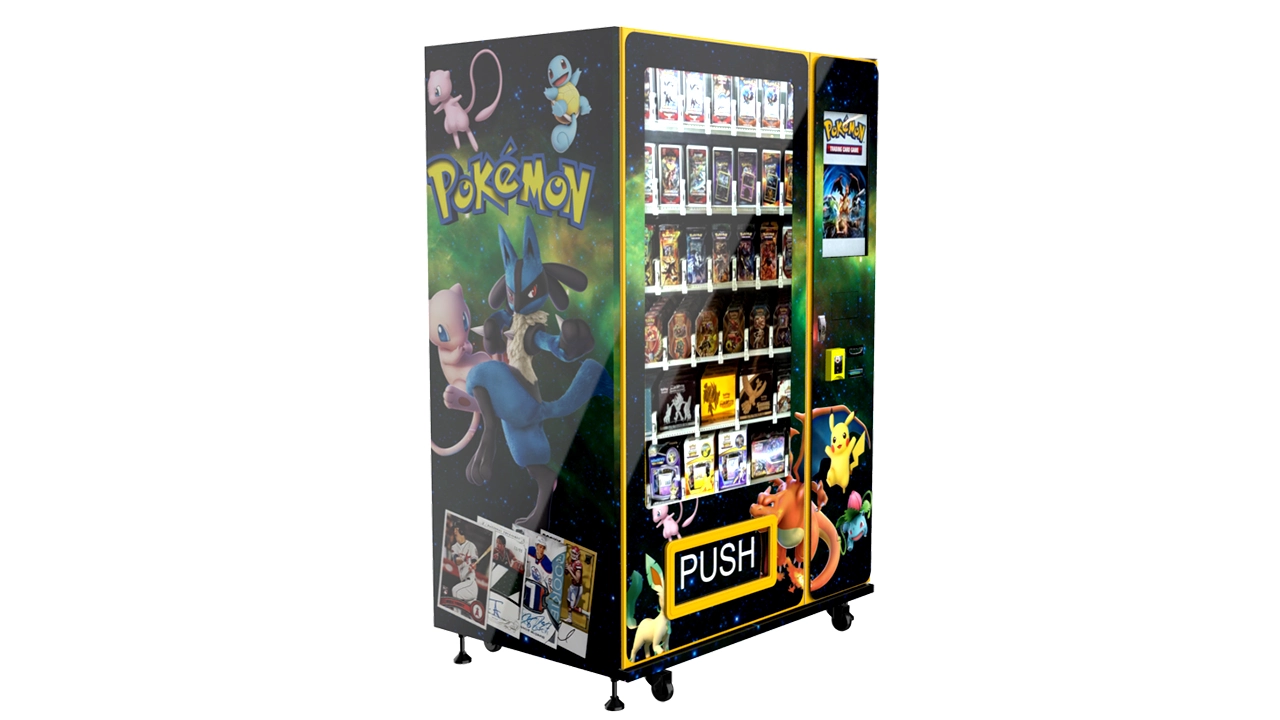
Before you commit, do a simple calculation. Estimate the daily foot traffic in the location. Multiply by the conversion rate. For collectibles, a good conversion rate is 1% to 2%. That means if 2,000 people pass by, you can expect 20 to 40 transactions per day. Multiply that by the average transaction value, which is usually €5 to €10. That gives you a daily revenue range of €100 to €400. Deduct the cost of goods, rent, and maintenance. If the net profit is at least €500 per month, the machine is worth considering.
I use this calculation for every potential placement. It is not perfect, but it filters out bad locations. If the numbers do not work on paper, they will not work in reality. Do not rely on gut feeling. Use data.
According to a 2021 report by the European Vending & Coffee Service Association (EVA), the average vending machine in Europe generates about €200 per week. For a pokemon vending machine, you should aim for at least €300 per week to justify the higher investment. If you cannot project that, walk away from the deal.
FAQ: Everything You Need to Know
Are pokemon vending machines profitable?
Yes, if placed in the right location. The gross margin on trading cards is high, typically 40% to 60%. However, the success depends heavily on foot traffic, product sourcing, and machine reliability. Most operators see a return on investment within 12 to 18 months.
How much does a pokemon vending machine cost?
A new card-friendly machine costs between €5,000 and €8,000. Refurbished machines are cheaper, around €2,500 to €4,000, but may require more maintenance. The total investment, including inventory, is usually between €7,000 and €12,000.
How long does it take to break even?
In a good location, you can break even in 12 to 18 months. In a mediocre location, it can take two years or more. I always advise operators to have a cash reserve for the first six months.
Should I buy or lease a machine?
Buying is better if you have the capital and plan to operate long-term. Leasing is an option if you want to test the market with lower upfront risk. However, lease agreements often have higher monthly costs and restrictions on where you can place the machine.
Where is the best place to put a pokemon vending machine?
Indoor playgrounds, toy stores, hobby shops, and cinema lobbies are the best spots. Look for locations with at least 1,500 to 2,000 people per day and a family-oriented demographic.
Do I need a license or permit?
Yes, most municipalities require a business license and a permit for operating a vending machine. In France, you need to register with the Chamber of Commerce and comply with local tax regulations. Check with your local authorities before starting.
How do I choose a supplier?
Look for a supplier with a good warranty, local service support, and remote monitoring software. Ask for references and check the machine's build quality. I have used Zhongda Smart for some of my machines, but always compare multiple options.
What happens if the machine breaks down?
You need a maintenance plan. Most suppliers offer service contracts. If you are handy, you can do basic repairs yourself. But for complex issues, you need a technician. Always have a backup plan, especially if the machine is in a high-traffic location.
How can I reduce maintenance costs?
Buy a quality machine from the start. Cheap machines break more often. Also, perform regular cleaning and inspections. Remote monitoring helps you catch issues early. I also recommend keeping a stock of common spare parts, like sensors and payment terminals.
Final Thoughts from a Decade in the Business
Running a pokemon vending machine business is not a get-rich-quick scheme. It requires careful planning, a good location, and a reliable supply chain. But if you do it right, it can be a solid source of passive income. I have seen operators succeed and fail, and the difference is almost always preparation. Do your homework on the location, invest in a quality machine, and build relationships with distributors. The market for collectibles is growing, and there is room for serious operators.
If you are serious about this business, start small. Place one machine in a good location and learn the ropes before scaling. Track every expense and every sale. Over time, you will develop an intuition for what works. And remember, the machine is just a tool. The real business is in the location and the product. Get those right, and the rest follows.