If you are considering entering the cashless vending machine business in Europe or North America, the first thing you need to understand is that the days of feeding coins into a machine for a warm soda are fading fast. In my ten years of running vending operations across multiple markets, I have seen the shift from cash-dependent units to fully integrated, card-and-mobile-payment systems completely change the profitability and reliability of this industry. A cashless vending machine is not just a convenience—it is a requirement for most high-traffic locations today. Whether you are a first-time buyer or an operator looking to upgrade your fleet, this guide covers the real costs, real challenges, and real opportunities based on what I have learned on the ground.
What Exactly Is a Cashless Vending Machine?
A cashless vending machine accepts payments through credit cards, debit cards, mobile wallets, or contactless systems like Apple Pay and Google Pay. It does not rely solely on coin or bill acceptors. In many modern setups, the machine can also integrate with telemetry software that tracks inventory, sales, and machine health in real time. This is a far cry from the traditional vending model where you had to physically visit each machine to collect cash and check stock.
From my experience, the most important upgrade you can make to any vending unit is switching to a cashless payment system. I have seen locations where cash-only machines averaged €200 per month, while the same machine with a card reader pulled in over €700. The difference is not just about convenience—it is about capturing sales from people who simply do not carry cash anymore.
Why Cashless Matters in the European and US Markets
In both Europe and the United States, consumer behavior has shifted dramatically. According to a 2023 report from Statista, over 40% of all point-of-sale transactions in the US were made with credit or debit cards, and that number continues to climb. In Europe, countries like Sweden and the Netherlands are moving toward nearly cash-free societies. If you place a vending machine that only takes coins in a modern office building or a university campus, you are essentially leaving money on the table.
I once placed a machine in a tech company break room in Berlin. The first month, with cash-only, it did €180. After installing a cashless reader, the same machine did €1,200 the next month. The employees simply did not have coins. They wanted to tap their phones or badges. That experience taught me that the payment system is often more important than the product selection.
Types of Cashless Vending Machines
Snack and Beverage Combos
These are the most common machines in the industry. They typically hold 30 to 50 snack selections and 6 to 12 drink selections. Most modern combo units come with a built-in card reader or can be retrofitted with one. In my operations, these machines are best suited for offices, factories, and schools.
Cold Drink Machines
These machines are dedicated to bottled or canned beverages. They often have glass fronts for product visibility. Cold drink machines tend to have higher per-unit margins, especially if you source drinks from wholesalers. However, they also require more frequent restocking in high-traffic areas.
Fresh Food and Perishable Machines
These units include refrigeration systems to hold sandwiches, salads, wraps, and other perishable items. They require more maintenance and stricter food safety compliance. In Europe, fresh food machines are popular in hospitals and train stations. The margins can be good, but the spoilage risk is real if you do not manage inventory carefully.
Specialty and Self-Service Kiosks
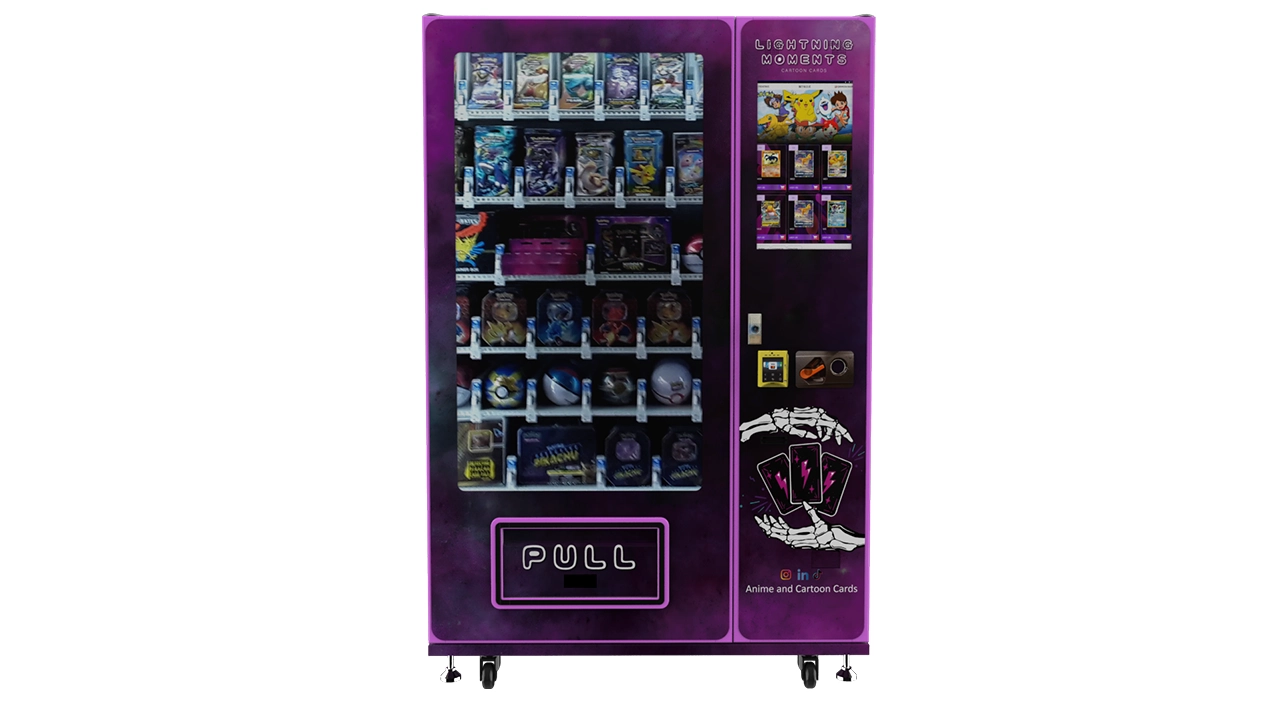
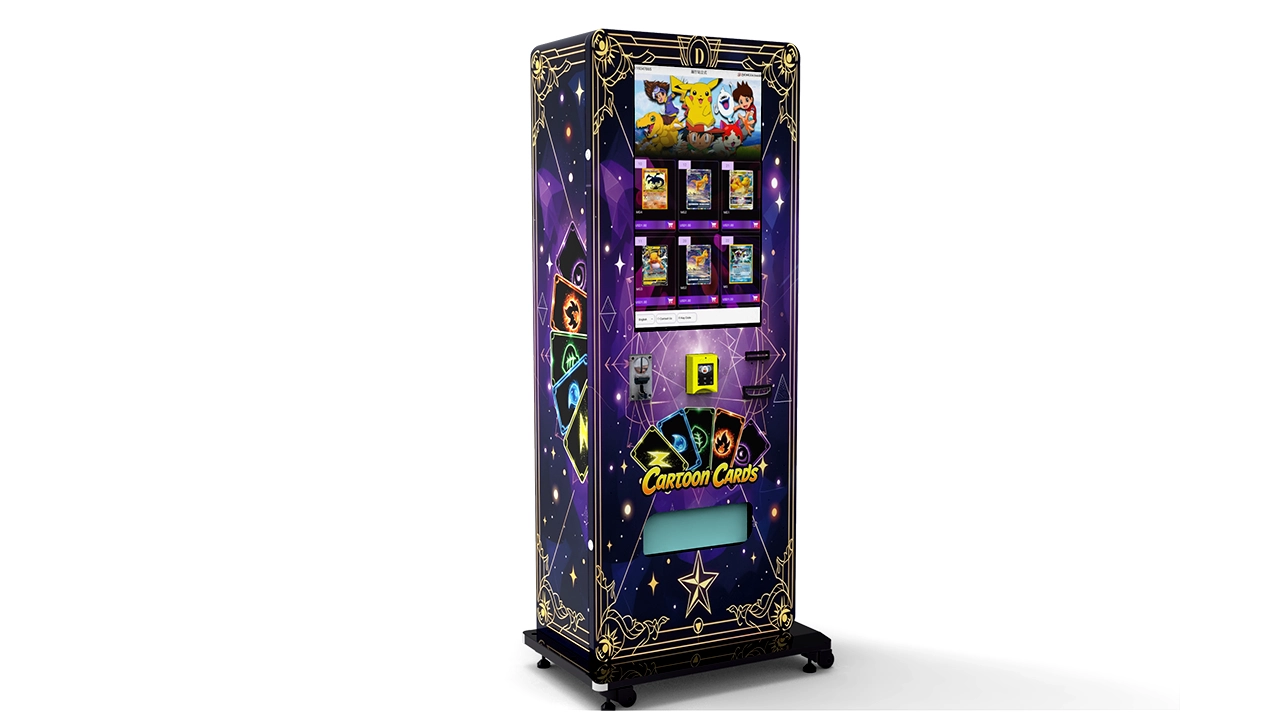
Some machines are designed for non-food items like electronics, personal care products, or even hot food like pizza and fries. These are often referred to as self-service kiosks or automated retail units. They require more upfront investment and specialized knowledge. I have seen successful deployments in airports and hotels, but they are not for beginners.
How Much Does a Cashless Vending Machine Cost?
This is the most common question I get, and the answer is not simple. The cost depends on the type of machine, the payment system, and whether you buy new or used. Based on my experience and industry data from IBISWorld, here is a realistic breakdown:
| Machine Type | New Price Range (USD/EUR) | Used Price Range (USD/EUR) | Cashless Upgrade Cost |
|---|---|---|---|
| Snack & Beverage Combo | $4,000 – $8,000 | $1,500 – $3,500 | $300 – $800 |
| Cold Drink Only | $3,000 – $6,000 | $1,000 – $2,500 | $300 – $800 |
| Fresh Food / Perishable | $6,000 – $12,000 | $2,500 – $5,000 | $400 – $1,000 |
| Specialty / Self-Service Kiosk | $8,000 – $20,000 | $3,000 – $8,000 | $500 – $1,200 |
These are ballpark figures based on what I have paid and seen in the market over the past decade. Prices vary by manufacturer, features, and region. Always factor in shipping, installation, and any local taxes.
Is the Cashless Vending Machine Business Profitable?
Yes, but profitability depends on three things: location, product mix, and operational efficiency. I have seen single machines generate €2,000 per month in a busy train station, and I have seen the same machine do €150 in a low-traffic office. The difference is not the machine—it is the placement.
According to a 2022 report from the European Vending Association, the average monthly revenue for a well-placed vending machine in Europe is between €400 and €800. In high-traffic locations like hospitals or transport hubs, that number can exceed €1,500. Gross margins typically range from 40% to 60% for snacks and 30% to 45% for beverages, depending on your sourcing.
From my own books, I aim for a 50% gross margin on snacks and 35% on drinks. After deducting restocking labor, machine maintenance, and location commission (usually 10% to 20% of gross sales), my net margin ends up around 20% to 30%. That is healthy, but it requires discipline.
How Long Does It Take to Break Even?
Break-even timelines vary widely. For a used machine costing $2,500 placed in a good location, I have seen payback in 6 to 10 months. For a new $8,000 machine in a mediocre location, it can take 18 to 24 months. Here is a realistic scenario based on my experience:
| Scenario | Machine Cost | Monthly Revenue | Monthly Expenses | Months to Break Even |
|---|---|---|---|---|
| Used machine, great location | $2,500 | $800 | $200 | ~5 months |
| New combo machine, good location | $6,000 | $600 | $200 | ~15 months |
| New fresh food machine, decent location | $10,000 | $1,000 | $400 | ~17 months |
These numbers are estimates based on my own operations and conversations with other operators in the US and Europe. Your actual results will depend on your specific location, product pricing, and efficiency.
Key Factors to Evaluate Before Buying a Cashless Vending Machine
Location, Location, Location
I cannot stress this enough. The location is the single most important factor. You need at least 100 to 200 people passing by the machine daily to make it worthwhile. Ideal spots include office break rooms, hospital waiting areas, university common areas, gyms, and factory floors. Avoid places with low foot traffic or where people have easy access to a cafeteria or convenience store.
Payment System Compatibility
Not all cashless systems are equal. Some work only with certain card networks. In Europe, you need a system that supports Visa, Mastercard, and local debit cards like Girocard in Germany or Cartes Bancaires in France. Mobile payment support is also critical. I have had machines fail because the payment terminal did not accept a popular local payment app.
Telemetry and Remote Monitoring
If you plan to run more than a few machines, invest in telemetry. These systems send you sales data, inventory levels, and error alerts. They save you time and fuel by telling you exactly when a machine needs restocking. Without telemetry, you are driving blind.
Maintenance and Repair
Every machine will break eventually. The question is how quickly you can get it fixed. I recommend choosing machines with standard, easily replaceable parts. Some cheap machines use proprietary components that are hard to source. When that happens, a simple vending machine repair can take weeks and cost more than the machine is worth.
Supplier Selection
When looking for a manufacturer, I prioritize reliability and after-sales support over price. In recent years, I have had good experiences with Zhongda Smart for their robust build quality and responsive support team. They offer machines that are compatible with most cashless payment systems and telemetry platforms. I recommend checking their product line if you are sourcing new equipment. But always compare multiple suppliers and ask for references from operators in your region.
Common Mistakes New Operators Make
Buying the Cheapest Machine
I made this mistake early on. I bought a low-cost machine from an unknown brand. It broke down three times in the first year, and replacement parts took months to arrive. I ended up spending more on repairs than I would have on a quality machine. Cheap machines often have poor refrigeration, flimsy coils, and unreliable payment systems.
Ignoring Commission Terms
Some location owners ask for a high commission percentage. I have seen operators agree to 30% or more just to get a spot. That eats into your margin fast. I try to keep commissions between 10% and 15%. If a location demands more, I walk away unless the traffic is exceptional.
Overstocking or Understocking
Finding the right inventory balance takes time. I have seen new operators fill a machine with products that do not sell, leading to spoilage and waste. Use your telemetry data to adjust your product mix. If an item does not sell within two weeks, replace it.
Neglecting Maintenance
A dirty or malfunctioning machine kills sales. People will not buy from a machine with a broken card reader or a dirty glass front. I schedule a cleaning and inspection every two weeks for each machine. Preventive maintenance reduces the need for emergency vending machine repair.
Best Locations for Cashless Vending Machines
Based on my experience, here are the top location types ranked by revenue potential:
- Hospitals and Healthcare Facilities: High foot traffic, 24/7 demand, and staff who need quick snacks.
- University Campuses: Students prefer cashless payments and have high consumption of snacks and drinks.
- Office Buildings: Especially tech companies and call centers where employees work long hours.
- Gyms and Fitness Centers: Demand for water, protein bars, and sports drinks is consistent.
- Transport Hubs: Train stations, bus terminals, and airports have high traffic but often require high commissions or rental fees.
- Factories and Warehouses: Workers need quick access to food and drinks during breaks.
I once placed a machine in a small factory with only 80 employees. It did over €1,000 per month because the nearest store was a 15-minute drive. The location context matters more than raw foot traffic numbers.
How to Evaluate a Machine for Investment
Before buying any machine, I run a simple calculation. I estimate the monthly foot traffic, average transaction value, and expected conversion rate. For example, if a location has 200 people per day and 10% buy something at €2.50 per transaction, that is €1,500 per month. Then I subtract product cost (40%), commission (15%), and maintenance (10%). That leaves about €525 net profit per month. If the machine costs €6,000, the payback period is around 11 months. That is a good investment.
I also look at the competition. If there is a cafeteria or a convenience store nearby, my machine will struggle. I avoid locations where the customer has a better alternative.
Food Safety and Regulatory Compliance
In Europe, vending machines that sell perishable food must comply with local food safety regulations. This includes temperature monitoring, regular cleaning, and proper labeling. In France, for example, the Direction Générale de la Concurrence, de la Consommation et de la Répression des Fraudes (DGCCRF) sets strict rules for vending machines. In the US, the FDA requires temperature logs for cold food machines.
I once had a machine shut down by a health inspector because the temperature sensor was faulty. That cost me a week of sales and a fine. Now I check temperature sensors during every visit. Do not overlook this. A single compliance failure can ruin your reputation with location owners.
Self-Operate vs. Lease vs. Profit Sharing
There are three main ways to run a vending operation:
- Self-Operate: You buy the machine, stock it, and keep all profits. You pay a commission to the location owner. This gives you the most control and the highest potential return.
- Lease to Location: You place the machine and pay a fixed monthly rent to the location owner. This is less common but works in high-demand spots.
- Profit Sharing: You split the net profit with the location owner. This reduces your risk but also your upside.
I prefer self-operate with a commission arrangement. It gives me full control over pricing, product selection, and maintenance. Profit sharing works well when you are testing a new location and want to share the risk.
How to Choose a Vending Machine Supplier
When evaluating suppliers, I look for three things: build quality, payment system compatibility, and after-sales support. I have worked with several manufacturers over the years. Zhongda Smart has been a reliable partner for my newer machines. Their units are built for the European market, with energy-efficient cooling and multi-payment support. I also appreciate that they offer telemetry integration out of the box. However, I always recommend talking to at least three suppliers and asking for references from operators in your country.
Avoid suppliers who cannot provide clear specifications or who pressure you into a quick purchase. A good supplier will help you choose the right machine for your specific location and product type.
Reducing Maintenance and Restocking Costs
Restocking is the biggest ongoing expense in vending. To reduce it, I use telemetry to schedule visits only when needed. I also group machines in the same geographic area so I can service multiple units in one trip. For maintenance, I keep a stock of common spare parts like coin mechs, card readers, and cooling fans. This allows me to fix most issues myself and avoid costly service calls.
I have also learned to negotiate with suppliers for volume discounts on products. Buying in bulk from wholesalers can reduce your cost of goods by 10% to 15%, which directly improves your margin.
Frequently Asked Questions
Are cashless vending machines profitable?
Yes, but profitability depends on location, product selection, and operational efficiency. Most well-placed machines generate a net margin of 20% to 30% after all costs. I have seen machines in good locations pay for themselves in under a year.
How much does a cashless vending machine cost?
A new machine with cashless payment capability typically costs between $4,000 and $12,000 USD or EUR, depending on the type and features. Used machines can be found for $1,500 to $5,000, but you may need to upgrade the payment system.
How long does it take to break even?
Break-even usually takes 6 to 18 months. A used machine in a great location can break even in 5 to 7 months. A new machine in an average location may take 15 to 18 months.
Should I buy or lease a vending machine?
Buying gives you more control and higher long-term profit. Leasing is good if you want to test the business with lower upfront risk. I recommend buying if you have a good location lined up.
Where should I place a vending machine?
Look for locations with at least 100 daily visitors who do not have easy access to food or drinks. Hospitals, offices, universities, gyms, and factories are all good options. Avoid places with a cafeteria or convenience store nearby.
What permits do I need?
Requirements vary by city and country. In most European countries, you need a business license and may need a health permit for food machines. In the US, check local health department rules. Always ask your location owner what permits are required.
How do I choose a vending machine supplier?
Look for suppliers with good reviews, strong after-sales support, and machines that support modern payment systems. I recommend comparing at least three suppliers before deciding. Zhongda Smart is one option worth considering for their build quality and support.
What happens if the machine breaks?
If you have a good supplier, you can get replacement parts quickly. I keep a small inventory of common parts. For serious issues, you may need a technician. Emergency vending machine repair can cost $100 to $300 per visit, so preventive maintenance is important.
How can I reduce restocking costs?
Use telemetry to track inventory and schedule visits only when needed. Group machines in the same area to reduce travel time. Buy products in bulk to lower your cost per unit.
Final Thoughts from a Decade in the Business
The cashless vending machine industry is not a get-rich-quick scheme. It is a solid business that rewards careful planning, good location selection, and consistent maintenance. I have seen operators fail because they bought cheap equipment or ignored the importance of payment systems. I have also seen operators build profitable, scalable businesses by focusing on the fundamentals.
If you are just starting, I recommend buying one or two used machines with cashless readers and placing them in strong locations. Learn the operational rhythm before scaling. Track every cost and every sale. Over time, you will develop an intuition for what works and what does not.
And if you are looking for a reliable machine, consider Zhongda Smart. They are not the only good manufacturer, but they have proven themselves in the European market. Just make sure you do your own due diligence before committing.
This article was updated in October 2024. All figures and data reflect my personal experience and publicly available sources as of that date.