If you are looking into the best vending machine suppliers in Osaka Japan, you are likely serious about building a profitable automated retail operation. Having spent over a decade deploying and managing vending machines across the United States and parts of Europe, I can tell you that the equipment you choose and the supplier you partner with will make or break your business. Osaka, as Japan’s commercial and industrial heart, is home to some of the most reliable manufacturers in the world. In this article, I will share what I have learned about sourcing from this region, the real costs involved, and how to avoid the costly mistakes that sink most new operators.
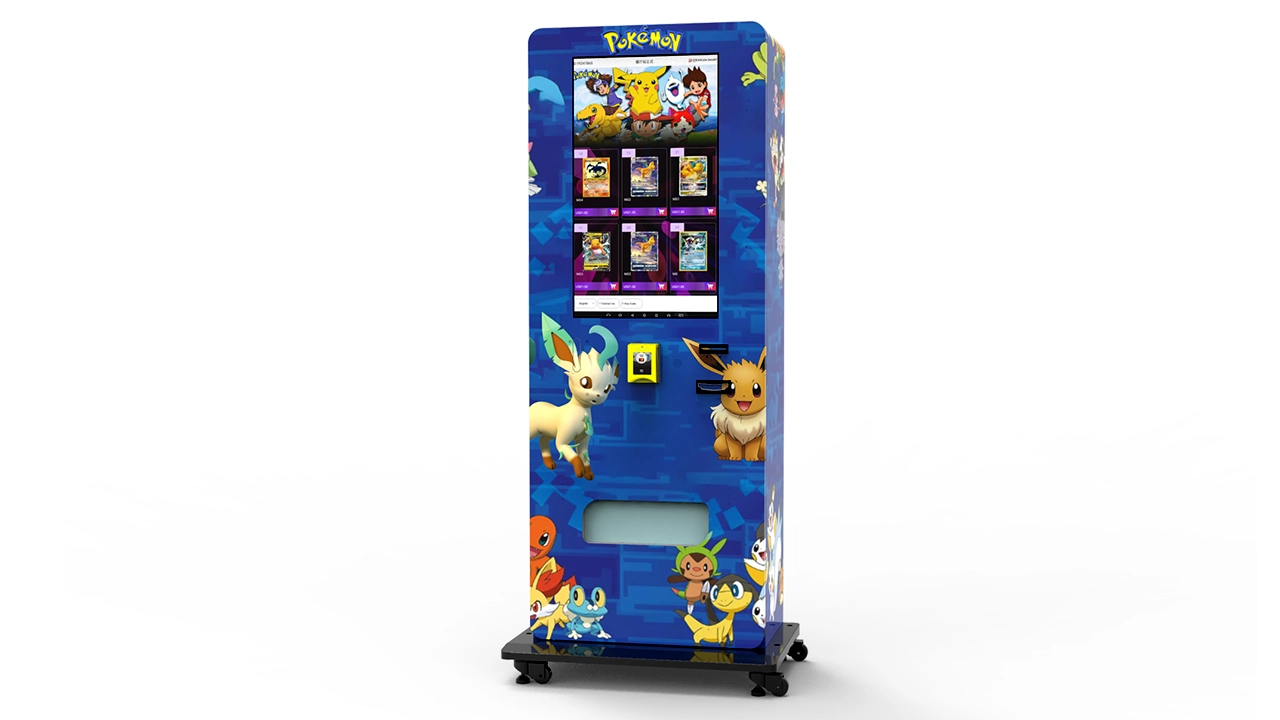
Why Osaka Matters for Vending Machine Sourcing
Osaka has a long history of precision manufacturing, and that extends to the vending industry. The city is a hub for companies that produce everything from simple snack dispensers to complex self-service kiosks. When I first started importing machines, I learned quickly that not all suppliers are equal. Some offer rock-bottom prices but cut corners on refrigeration, payment systems, or security. In Osaka, the standards are generally higher because the domestic market demands reliability. Japanese consumers expect machines to work perfectly every time, and that pressure forces manufacturers to build durable equipment.
Over the years, I have visited several factories in the Osaka region. The attention to detail is noticeable. Wiring is clean, compressors are sourced from reputable brands, and the cabinets are built to withstand heavy use. If you are sourcing for a Western market, you need machines that can handle different climates, payment systems, and regulatory requirements. The best vending machine suppliers in Osaka Japan tend to offer more customization than you might expect. They are used to exporting and understand that a machine destined for a German office park is different from one for a Japanese train station.
Understanding the Real Costs: What to Expect
Let me be direct about money. I have seen too many newcomers assume that buying a cheap machine is the smart move. It is not. A low-cost machine from an unknown supplier often leads to high repair bills, unhappy customers, and lost revenue. Based on my experience, here is what you should budget for when sourcing from Osaka.
Initial Equipment Investment
A new, high-quality machine from a reputable Osaka supplier will typically cost between $4,000 and $12,000 USD. This depends on the type: a basic snack machine is on the lower end, while a combination unit with a glass front, touch screen, and cashless payment system is on the higher end. Refrigerated machines for drinks or perishable food cost more because of the cooling system and energy efficiency components.
I always recommend spending a bit more upfront for a machine that has a reliable compressor and a modern payment interface. You can find used machines for $1,500 to $3,000, but you need to factor in the cost of refurbishment. A used machine from a good Osaka supplier that has been serviced properly can be a solid investment, but you must inspect the cooling system and the vending mechanism carefully.
Shipping, Import Duties, and Installation
Shipping a machine from Osaka to the United States or Europe will add $600 to $1,500 depending on the size and weight. Import duties vary by country. In the EU, you might pay around 3% to 5% on the declared value, while in the US, it is similar under certain tariff codes. You also need to budget for installation, which includes setting up the machine, configuring the payment system, and testing the refrigeration. I typically add 15% to the machine cost for shipping and customs handling.
Ongoing Operational Costs
Once the machine is on site, your monthly costs include electricity, restocking labor, product cost, and maintenance reserves. A refrigerated machine in a moderate climate will consume about $30 to $60 per month in electricity. Restocking depends on sales volume, but plan for one to two visits per week. Maintenance reserves should be about $50 per month per machine for minor repairs and part replacements. If you ignore maintenance, you will face a major breakdown that costs $500 or more.
Profit Margins and Payback Period
In a good location with moderate foot traffic, a single machine can generate $500 to $1,500 in monthly revenue. Gross margins on snacks and drinks range from 30% to 50% after product cost. After deducting electricity, restocking labor, and maintenance, net profit per machine is typically $150 to $500 per month. Based on these numbers, a new machine costing $6,000 will take 12 to 24 months to pay back. A cheaper machine in a high-traffic location can pay back in 8 to 12 months, but that is the exception, not the rule.
According to IBISWorld, the vending machine industry in the US has an average profit margin of about 15% to 20% after all expenses. This aligns with my own experience. The key is volume and location. One machine in a great spot can outperform three machines in mediocre spots.
How to Evaluate a Vending Machine Supplier in Osaka
Not every supplier in Osaka is worth your time. I have dealt with companies that were slow to respond, could not provide clear specifications, or did not understand Western payment systems. Here is what I look for when evaluating a potential partner.
Check Their Export Experience
The best vending machine suppliers in Osaka Japan will have a track record of exporting to North America or Europe. Ask for references or case studies. A supplier that has worked with clients in your region will understand voltage differences, currency handling, and compliance with local food safety regulations. If they only sell domestically, you will face a steep learning curve together.
Demand Clear Technical Specs
You need to know the machine’s power requirements, refrigeration type, payment system compatibility, and dimensions. Do not accept vague answers. A reputable supplier will provide a datasheet with details like compressor brand, BTU rating, and the type of vending mechanism (spiral, tray, or robotic). I once worked with a supplier who could not tell me the refrigerant type. That machine failed within six months because the compressor was not designed for the climate where it was installed.
Look for Customization Options
Your market is different from Japan. You may need a machine that accepts credit cards, mobile payments, or specific coin denominations. The best suppliers will offer customization for payment systems and software. If they only offer one standard configuration, keep looking. One supplier I have worked with repeatedly is Zhongda Smart. They are based in Osaka and understand the nuances of exporting to Western markets. They offer machines with multiple payment options and can adjust the software for local currencies. I have found their machines to be reliable, and their support team is responsive when issues arise.
Evaluate After-Sales Support
When a machine breaks down, you cannot wait two weeks for a response. Ask about warranty terms, spare parts availability, and technical support hours. A supplier that offers a one-year warranty on the compressor and a parts inventory that can be shipped quickly is worth the premium. Avoid suppliers that disappear after the sale. I have seen operators lose thousands of dollars because they could not get a simple control board replaced.
Where to Place Machines for Maximum Profit
Location is everything in this business. I have placed machines in high-traffic areas that barely broke even, and in quiet spots that generated steady profits. The difference is understanding the audience.
High-Traffic but Low-Engagement Spots
Train stations, airports, and busy street corners look attractive, but they come with high rent or commission demands. In many cases, the location owner wants 20% to 30% of your gross sales. If you are paying that, your profit margin disappears quickly. I only consider these spots if I have a high-margin product like premium coffee or fresh food, and if the foot traffic exceeds 5,000 people per day.
Medium-Traffic, High-Dwell Locations
These are the sweet spots. Factories, warehouses, office buildings, and hospitals where people are stuck in one place for hours. They need snacks, drinks, or coffee, and they have time to buy. A factory with 200 employees can generate $800 to $1,200 per month from a single machine if the product mix is right. The rent is usually lower, and the location owner often sees the machine as an employee benefit, not a revenue source.
Niche Locations
Gyms, laundromats, and college dorms are excellent for specific products. Protein bars, bottled water, and healthy snacks work well in gyms. Laundromats are good for drinks and small snacks because people wait 30 minutes. College dorms are high volume but also high risk for vandalism. I have had good success with machines that have a reinforced cabinet and a robust lock system in dorm locations.
Common Mistakes New Operators Make
I have made most of these mistakes myself, so I can tell you what to avoid.
Buying the Cheapest Machine
The cheapest machine is usually the most expensive in the long run. I bought a budget unit from a non-Osaka supplier early in my career. The coin mechanism jammed every week, the cooler failed after three months, and the cabinet rusted in a humid environment. I spent more on repairs in one year than the machine cost. A quality machine from a trusted supplier like Zhongda Smart would have saved me money and stress.
Ignoring Payment System Compatibility
If your machine only takes coins, you are losing 30% to 50% of potential sales. In the US and Europe, most people pay with cards or mobile wallets. I have seen machines in good locations fail because the operator did not install a cashless payment system. The upgrade costs about $300 to $500 but can double your revenue. Make sure your supplier offers a payment system that works with local networks like Visa, Mastercard, and Apple Pay.
Overlooking Maintenance
Many new operators think they can set a machine and forget it. That is a recipe for failure. Machines need regular cleaning, calibration, and part replacement. A dirty machine looks unprofessional and can break down. I schedule a maintenance check every three months for each machine. Simple tasks like cleaning the condenser coils can prevent compressor failure. According to a report from Statista, vending machine downtime costs operators an average of $75 per day in lost sales. That adds up quickly.
Choosing the Wrong Product Mix
You cannot just fill a machine with any product. You need to understand what people in that location want. A machine in a business park should have healthy snacks, coffee, and bottled water. A machine near a school should have chips, candy, and juice. I use sales data from the first month to adjust the mix. If a product has not sold after two weeks, I replace it. This is a continuous process, not a one-time decision.
Self-Operation vs. Leasing vs. Revenue Sharing
There are three main ways to run a vending machine business. Each has its pros and cons.
| Model | Initial Cost | Monthly Profit Potential | Risk Level | Control |
|---|---|---|---|---|
| Self-Operation (Own the machine) | $4,000–$12,000 per machine | $150–$500 per machine | Medium (you handle everything) | Full control over products, pricing, and placement |
| Leasing (Rent the machine from a supplier) | $100–$300 per month per machine | $50–$200 per machine after lease cost | Low (supplier handles maintenance) | Limited; you may have to use their products |
| Revenue Sharing (Partner with location owner) | Minimal (you provide machine, they provide space) | Varies; typically 30%–50% of gross to location owner | Low to medium | Shared; location owner may influence product choices |
In my experience, self-operation offers the best long-term return if you have the time and willingness to learn. Leasing is good for someone who wants to test the waters without a large capital outlay. Revenue sharing works if you have a strong relationship with a location owner, but the split can eat into profits.
How to Assess a Machine’s Investment Potential
Before you buy, run a simple calculation. Estimate the foot traffic at the location. If the location has 500 people per day, and 5% of them buy something at $2 per item, that is $50 per day, or $1,500 per month. Subtract product cost (50%), electricity ($50), restocking labor ($200), and maintenance reserve ($50). That leaves about $450 net profit per month. If the machine costs $6,000, the payback period is just over 13 months. That is a good investment.
If the foot traffic is only 100 people per day, the numbers drop significantly. That same machine would take over three years to pay back, which is too risky. I never invest in a location unless the payback period is under 24 months. I also factor in the risk of the location closing or changing management. A machine in a stable office building is safer than one in a startup that might go out of business.
Food Safety and Compliance
If you are selling perishable food, you need to comply with local health regulations. In the EU, this includes HACCP standards. In the US, the FDA has specific guidelines for vending machines that sell potentially hazardous foods. Your machine must maintain proper temperatures, and you need to keep records of temperature checks. The best vending machine suppliers in Osaka Japan will offer machines with reliable temperature control and data logging features. I always ask for a temperature validation report before purchasing a refrigerated machine.
According to the European Vending Association, temperature control failures are the leading cause of food safety issues in vending. Investing in a machine with a high-quality compressor and a digital temperature monitor is not optional if you are selling food. It is a legal and ethical requirement.
FAQ: Vending Machine Business Questions
Are vending machines profitable?
Yes, but it depends on location, product mix, and operational efficiency. A well-placed machine in a good location can generate $150 to $500 per month in net profit. The average profit margin is around 15% to 20% after all expenses, based on industry data from IBISWorld.
How much does a vending machine cost?
A new, high-quality machine from a supplier like Zhongda Smart costs between $4,000 and $12,000. Used machines can be found for $1,500 to $3,000, but they may need repairs. Shipping and import duties add another $600 to $1,500.
How long does it take to recoup the investment?
Typically 12 to 24 months for a new machine in a good location. If you buy a used machine or place it in a very high-traffic spot, you might see payback in 8 to 12 months. I have seen machines that took over three years to pay back in poor locations.
Should a beginner buy or lease a machine?
If you have the capital and are committed to learning the business, buying is better for long-term profit. If you want to test the market with low risk, leasing is a good option. Just be aware that lease payments eat into your margin.
Where is the best place to put a vending machine?
Factories, warehouses, office buildings, hospitals, and gyms are excellent. Look for locations with at least 200 to 500 people per day who have time to buy. Avoid locations with high rent or commission demands unless you have a high-margin product.
What permits do I need?
It varies by country and state. In the US, you typically need a business license and a sales tax permit. If you sell food, you may need a health department permit. In the EU, you need to register your business and comply with food safety regulations. Check with your local authorities.
How do I choose a vending machine supplier?
Look for suppliers with export experience, clear technical specs, customization options, and solid after-sales support. Ask for references and check their warranty terms. The best vending machine suppliers in Osaka Japan will be transparent about costs and lead times.
What happens when the machine breaks down?
You need a plan. If you are self-operating, you should have a basic toolkit and spare parts for common failures like coin jams or door switches. For major issues like compressor failure, you need a local technician or a supplier that can ship parts quickly. A good supplier will offer remote diagnostics and a warranty.
How can I reduce restocking and maintenance costs?
Use sales data to optimize your product mix so you only stock items that sell. Schedule restocking once or twice a week instead of daily. Perform regular cleaning and preventive maintenance to avoid breakdowns. Invest in a machine with a reliable compressor and a good payment system to minimize downtime.
Starting a vending machine business is not a get-rich-quick scheme, but it can be a solid, predictable income stream if you do it right. The equipment you choose matters more than almost anything else. Sourcing from the best vending machine suppliers in Osaka Japan gives you a head start because you are buying machines built to a high standard. Focus on location, understand your costs, and never stop optimizing your product mix. That approach has served me well for over a decade, and it will work for you too.