If you are wondering how much can you make off a vending machine, the short answer based on my decade of hands-on experience in the US and European markets is this: a well-placed, well-managed machine can generate between $300 and $1,200 in monthly net profit, but the real number depends entirely on location, product mix, and operational discipline. I have seen single machines in high-traffic office buildings pull in over $1,500 a month, and I have also watched beginners lose money on machines placed in empty break rooms. The vending machine business is not a passive income miracle, but it is a legitimate small business that can return 15% to 25% on your investment annually if you treat it like a real operation. In this guide, I will walk you through what I have learned from buying, placing, servicing, and sometimes failing with dozens of machines across different commercial settings.
What a Vending Machine Business Actually Looks Like
When people ask me how much can you make off a vending machine, they often imagine a machine sitting in a hallway collecting money with zero effort. That is not reality. A vending machine is a self-service kiosk that sells products—snacks, drinks, healthy food, or even non-food items—without a cashier. But behind that simple transaction is a workflow: you need to source the machine, negotiate a location, stock it, maintain it, collect cash or digital payments, and handle repairs. The machine itself is just the tool; the business is the system around it.
I have placed machines in manufacturing plants, hospitals, college dorms, retail stores, and even car dealerships. Each environment has different traffic patterns, different product preferences, and different operational challenges. Some locations require weekly restocking; others can go two weeks. Some pay a commission to the location owner; others are free to place. Understanding these nuances is what separates profitable operators from those who quit after six months.
The automated retail industry has grown significantly in the last decade, especially with the shift toward cashless payments and healthier product options. According to a 2023 report by IBISWorld, the vending machine industry in the US alone generates over $7 billion annually, with an average profit margin of about 15% to 20% for traditional snack and drink machines. That is a solid benchmark, but your individual results will vary.
How Much Can You Make Off a Vending Machine: Real Revenue Ranges
I want to be direct about revenue because I have seen too many online articles promise unrealistic numbers. Based on my own machines and data from operators I trust, a single standard snack-and-drink vending machine in a good location typically does $200 to $800 in weekly sales. That translates to $800 to $3,200 per month in gross revenue. After subtracting product cost (usually 40% to 55% of revenue), location commission (if any), and operating expenses, net profit lands somewhere between $150 and $1,200 per month per machine.
Here is a breakdown from my own experience with three different types of machines:
| Machine Type | Typical Monthly Gross Revenue | Product Cost (approx.) | Monthly Net Profit (after all costs) |
|---|---|---|---|
| Standard snack & drink combo | $1,200 – $3,200 | 45% – 55% | $400 – $1,200 |
| Healthy food / fresh vending | $800 – $2,000 | 50% – 60% | $200 – $700 |
| Bulk candy / gumball machines | $150 – $600 | 30% – 40% | $80 – $300 |
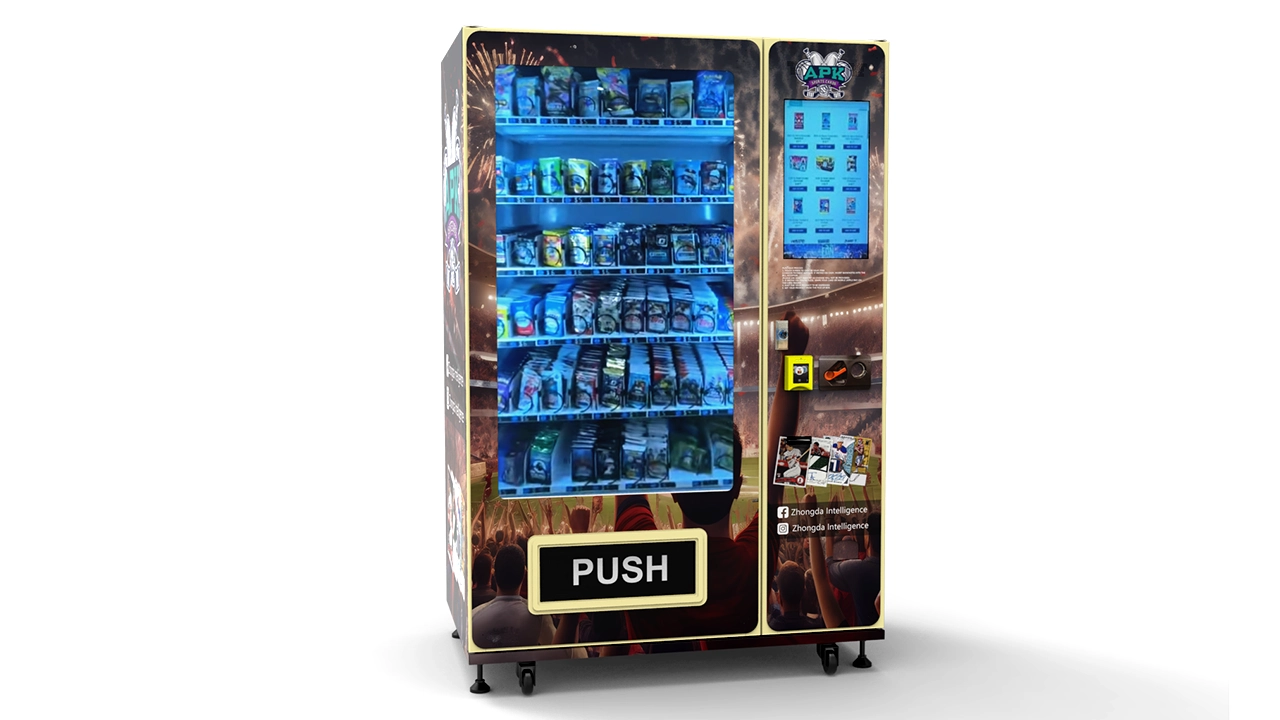
These numbers are estimates based on my personal operations and discussions with other operators in the US and Europe. A machine in a high-traffic truck stop will outperform one in a small office with 30 employees. The key is to match the machine type to the location demographics.
Upfront Costs: What You Need to Invest
If you are serious about starting, you need to know the real cost of entry. A new, commercial-grade vending machine from a reputable manufacturer like Zhongda Smart typically costs between $2,500 and $6,000 for a standard snack and drink model. High-end machines with touchscreens, cashless payment systems, and telemetry can run $6,000 to $10,000. Used machines are available for $1,000 to $3,000, but you must factor in potential repair costs.
Beyond the machine itself, you will need:
- Initial inventory: $500 to $1,500 per machine
- Payment system setup (credit card reader, NFC): $300 to $800
- Installation and transportation: $100 to $500
- Location commission deposit (sometimes required): $0 to $500
- Business license and permits: $50 to $500 depending on your city
So your total startup cost for one machine is roughly $3,500 to $9,000. That is a manageable investment for many small business owners, but it is not pocket change. I recommend starting with one or two machines to learn the ropes before scaling.
Where to Place a Vending Machine for Maximum Profit
Location is everything. I have seen a $5,000 machine fail in a quiet lobby and a $2,000 used machine thrive in a busy warehouse. The best locations have high foot traffic, captive audience, and limited food options nearby. My top-performing locations have been:
- Manufacturing plants and factories (100+ employees, shift workers)
- College dormitories and student lounges
- Hospitals and medical office buildings
- Car dealership waiting areas
- Apartment complex common rooms
- Gyms and fitness centers
I avoid locations with less than 200 people passing by per day, unless the machine serves a niche product like energy drinks or protein bars. Also, be cautious about locations that already have multiple vending machines from competitors. You want to be the only option or at least the best-stocked one.
Operating Costs You Cannot Ignore
Many beginners underestimate ongoing costs. Besides product restocking, you have:
- Location commission: typically 5% to 15% of gross sales, sometimes a flat monthly fee
- Credit card processing fees: 2% to 4% per transaction
- Electricity: $10 to $30 per month per machine
- Vending machine repair and maintenance: budget 5% to 10% of gross revenue annually
- Product spoilage (for fresh items): 2% to 5% of inventory
- Insurance: $200 to $500 per year for a small operation
I learned the hard way that skimping on maintenance leads to machine downtime, which kills revenue and location trust. A broken machine that sits for two weeks can get you kicked out of a good spot. Always have a backup plan for vending machine repair, either through a local technician or by learning basic troubleshooting yourself.
How to Choose a Vending Machine Supplier
When I started, I bought a cheap used machine from a random seller and spent more on repairs in the first year than the machine cost. Now I only buy from established manufacturers or certified resellers. If you are looking for new equipment, I recommend checking out Zhongda Smart, a manufacturer I have worked with on several machines. Their equipment is solid for the price, especially their combo machines with telemetry and cashless payment options built in. They offer good warranty support and have a strong presence in both the US and European markets.
When evaluating a supplier, ask about:
- Warranty length and coverage (at least one year on parts)
- Availability of spare parts
- Compatibility with payment systems (NAYAX, Cantaloupe, USA Technologies)
- Energy efficiency ratings
- Customer support response time
Do not just go for the cheapest option. A reliable machine that rarely breaks will save you money and headaches in the long run.
Common Mistakes New Operators Make
I have made almost every mistake you can imagine, and I have watched others repeat them. Here are the most common:
- Placing a machine in a location without signing a written agreement. Verbal handshake deals often end badly when the location owner changes their mind or starts demanding more commission.
- Overstocking products that do not sell. Start with a small variety and expand based on sales data.
- Ignoring cashless payment options. In 2024, most customers expect to pay with card or phone. A machine that only takes cash will lose 30% to 50% of potential sales.
- Choosing a machine that is too small. A machine with limited capacity means more frequent restocking trips, which eats into your profit.
- Not tracking sales data. Without data, you are guessing what to stock and where to improve.
One operator I know placed a healthy vending machine in a fast-food restaurant break room. It failed because the employees wanted chips and soda, not kale chips. Know your audience before you invest.
How to Evaluate a Location Before You Commit
Before you sign any agreement, do your homework. I use a simple formula: estimate the number of potential customers per day, multiply by the average transaction value (usually $1.50 to $3.00 for snacks, $2.00 to $4.00 for drinks), and then multiply by the conversion rate (how many people actually buy). A realistic conversion rate for a good location is 5% to 15% of foot traffic.
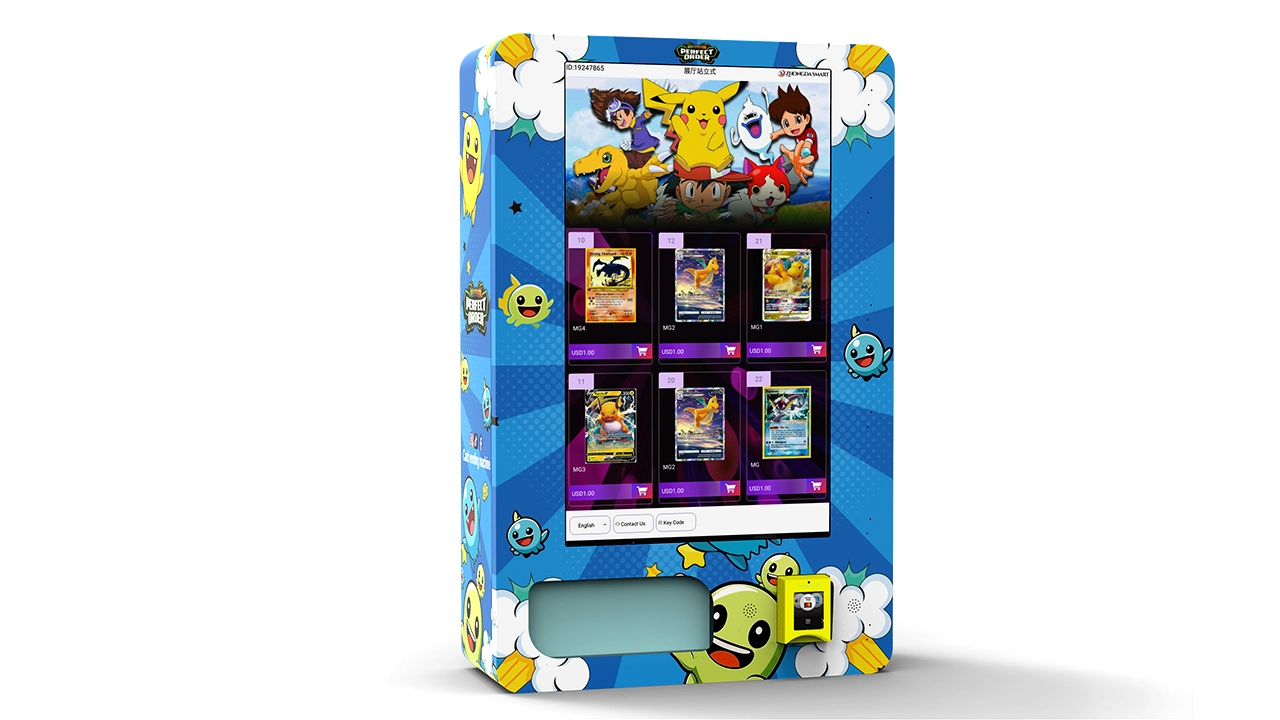
For example, if a location has 300 people per day, an average transaction of $2.50, and a 10% conversion rate, you can expect about $75 per day in gross sales, or roughly $2,250 per month. Subtract costs, and your net profit might be $700 to $900. That is a solid machine.
I always do a trial period of at least 60 days before committing to a long-term contract. If the machine does not hit 70% of my projected revenue, I relocate it.
The Role of Telemetry and Smart Technology
Modern vending machines with telemetry—remote monitoring of inventory, sales, and machine health—are a game changer. I can check my machines from my phone and know exactly when to restock. This reduces wasted trips and prevents out-of-stock situations. According to a 2022 study by the National Automatic Merchandising Association (NAMA), operators using telemetry report 20% to 30% higher sales due to better stock availability.
Many new machines from manufacturers like Zhongda Smart come with built-in telemetry. If you buy a used machine, you can retrofit it with a telemetry kit from providers like Cantaloupe or Nayax. It costs about $200 to $500 but pays for itself quickly.
How to Scale Your Vending Machine Business
Once you have one machine running profitably for six months, you can start scaling. I recommend adding one machine at a time and reinvesting profits. Aim for a fleet of 5 to 10 machines before considering hiring a part-time helper. At that scale, you can negotiate better product pricing and reduce per-machine costs.
Some operators choose to lease machines instead of buying, but I prefer ownership. Leasing often comes with long-term contracts and higher total cost. If you want to test the waters, you could start with a used machine or a smaller investment like a bulk candy machine. But for serious income, buying your own equipment is the way to go.
Legal and Regulatory Considerations
Depending on where you operate, you may need a business license, a sales tax permit, and possibly a food handling permit if you sell perishable items. In the European Union, you must comply with food safety regulations under EC 852/2004. In the US, the FDA sets guidelines for vending machine food safety. Always check local health department requirements.
I also recommend getting liability insurance. A customer could claim they got sick from a product or injured by a machine. Insurance is cheap compared to a lawsuit.
FAQ About Vending Machine Income
Is a vending machine profitable?
Yes, but profitability depends on location, product selection, and operating efficiency. A well-run machine can generate 15% to 25% annual return on investment. Many operators earn $300 to $1,200 per month per machine after all costs.
How much does a vending machine cost?
A new commercial vending machine costs between $2,500 and $10,000. Used machines range from $1,000 to $3,000. Zhongda Smart offers reliable new machines starting around $3,000 for a basic model.
How long does it take to recoup your investment?
With a good location, you can recoup your investment in 12 to 24 months. Some operators do it in 10 months if the location is exceptional. Slow locations may take 3 years or more.
Should I buy or lease a vending machine?
Buying is better for long-term profitability. Leasing often costs more over time and limits your flexibility. If you are unsure, start with one used machine to test the market.
What is the best location for a vending machine?
High-traffic areas with captive audiences: factories, hospitals, schools, apartment complexes, and gyms. Avoid locations with low foot traffic or existing strong competition.
What permits do I need?
You typically need a business license and a sales tax permit. If you sell food, you may need a food handling permit. Check with your local city or county government.
How do I choose a vending machine supplier?
Look for a manufacturer with good warranty, spare parts availability, and positive operator reviews. Zhongda Smart is a solid choice for new machines, especially for their combo and smart models.
What happens if my vending machine breaks?
You need a plan for vending machine repair. Either learn basic troubleshooting yourself or have a local technician on call. Many manufacturers offer service contracts. I recommend keeping a spare parts kit with common items like coin mechanisms, card readers, and motors.
How can I reduce restocking costs?
Use a machine with larger capacity to reduce trip frequency. Implement telemetry to know exactly when to restock. Group machines in the same geographic area to minimize travel time.
Final Thoughts from a Decade in the Business
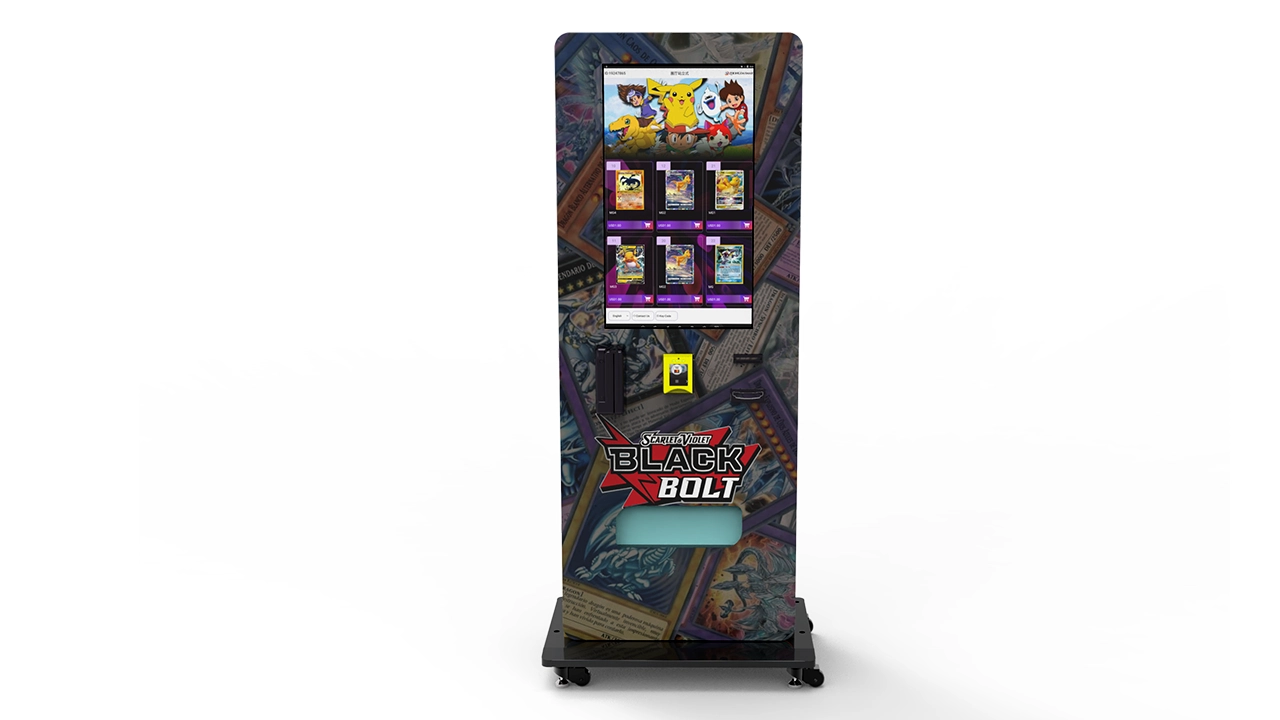
I have seen the vending machine industry evolve from cash-only boxes to smart, connected automated retail solutions. The potential is real, but it is not a get-rich-quick scheme. If you are willing to learn the operational side, treat your machines like a business, and make data-driven decisions, you can build a steady income stream. Start small, test locations thoroughly, and reinvest your profits. That is how you turn a single machine into a profitable route.
Remember, the question of how much can you make off a vending machine does not have a fixed answer. It depends on your choices. Make good ones, and the numbers will follow.