If you are looking for the best vending machine suppliers in Gothenburg Sweden, you are likely trying to figure out whether this business is worth your time, where to place machines, and which supplier will not leave you with broken equipment and hidden costs. I have been in the automated retail space for over a decade, working across Europe, and I can tell you that Gothenburg offers a solid market for vending if you approach it with the right strategy. The city has a mix of office districts, industrial zones, and public transport hubs that generate consistent foot traffic. The key is not just finding a supplier, but understanding the local business culture, the food safety regulations, and the real operating costs. In this guide, I will walk you through everything I have learned about selecting equipment, evaluating locations, and making the numbers work in this Scandinavian market.
Why Gothenburg Is a Strong Market for Vending Machines
Gothenburg is Sweden's second-largest city and a major logistics hub. The port, the automotive industry, and a growing tech sector create a dense population of workers who need quick, convenient food and drink options. Unlike Stockholm, where rent can be extremely high, Gothenburg offers more reasonable real estate costs, which directly affects your profit margins. I have placed machines in office buildings near Lindholmen and in industrial parks around Arendal, and the traffic patterns are predictable. Breakfast and lunch rushes are strong, and there is a noticeable demand for healthier options like protein bars, nuts, and cold-pressed juices. The city also has a strong coffee culture, which means a high-end bean-to-cup machine can generate impressive daily revenue if placed correctly. However, you need to be aware that Swedish consumers are tech-savvy and expect contactless payments, card readers, and sometimes mobile app integration. A machine that only takes coins will struggle here.
Key Factors to Consider Before Buying a Vending Machine in Gothenburg
Local Regulations and Food Safety
Sweden has strict food safety regulations, and Gothenburg's municipal authorities enforce them consistently. You must register your vending machine operation with the local environmental health office. Any machine selling perishable goods, such as sandwiches, salads, or dairy products, needs to maintain proper temperature control and have a HACCP plan in place. I have seen new operators get fined because they did not install temperature logging devices or failed to clean machines regularly. The cost of compliance is not huge, but ignoring it can shut you down. I recommend working with a supplier who provides machines that already meet EU food safety standards and includes temperature monitoring as a standard feature. This is one area where paying a bit more upfront saves you headaches later.
Payment Systems and Connectivity
In Gothenburg, cash is rarely used. Almost every transaction is done by card or mobile payment. Your vending machine must support contactless credit cards, Swish (the popular Swedish mobile payment system), and ideally Apple Pay and Google Pay. Machines that only accept coins or bills will lose a significant portion of potential sales. I have tested both traditional coin-operated machines and modern telemetry-enabled machines, and the difference in revenue is stark. A connected machine allows you to monitor inventory, sales data, and machine status remotely. This reduces your need to drive out to a location just to check if something is empty or broken. Many suppliers now offer machines with built-in 4G connectivity, which is essential for a city like Gothenburg where reliable internet is expected.
Foot Traffic and Location Selection
Location is the single biggest factor in whether you make money or lose it. I have placed machines in high-traffic areas that failed because the audience was wrong, and I have placed machines in lower-traffic spots that performed well because the audience was captive. In Gothenburg, some of the best locations I have seen are:
- Office buildings with more than 200 employees and no cafeteria.
- Industrial warehouses and factories where workers cannot easily leave the premises.
- University campuses and student housing areas.
- Hospitals and healthcare facilities, especially for night shift workers.
- Train stations and bus terminals, though these often require higher commission fees.
A common mistake is placing a machine in a location with high foot traffic but no purchasing intent, such as a museum lobby where people are not hungry or a residential area where people prefer to shop at a grocery store. I always do a two-week manual count of potential customers before committing to a placement. If I see fewer than 100 potential buyers per day, I walk away.
Understanding the Real Costs of a Vending Machine Business
Initial Investment
The cost of a vending machine varies widely based on type, features, and brand. Based on my experience and data from industry sources, here is a realistic breakdown:
| Machine Type | Price Range (EUR) | Typical Capacity | Best Use Case |
|---|---|---|---|
| Basic snack and drink combi | 2,000 – 4,000 | 200–300 items | Small offices, low traffic |
| Refrigerated food machine | 4,000 – 8,000 | 150–250 items | Factories, hospitals |
| Bean-to-cup coffee machine | 3,500 – 7,000 | 200–400 cups | Offices, break rooms |
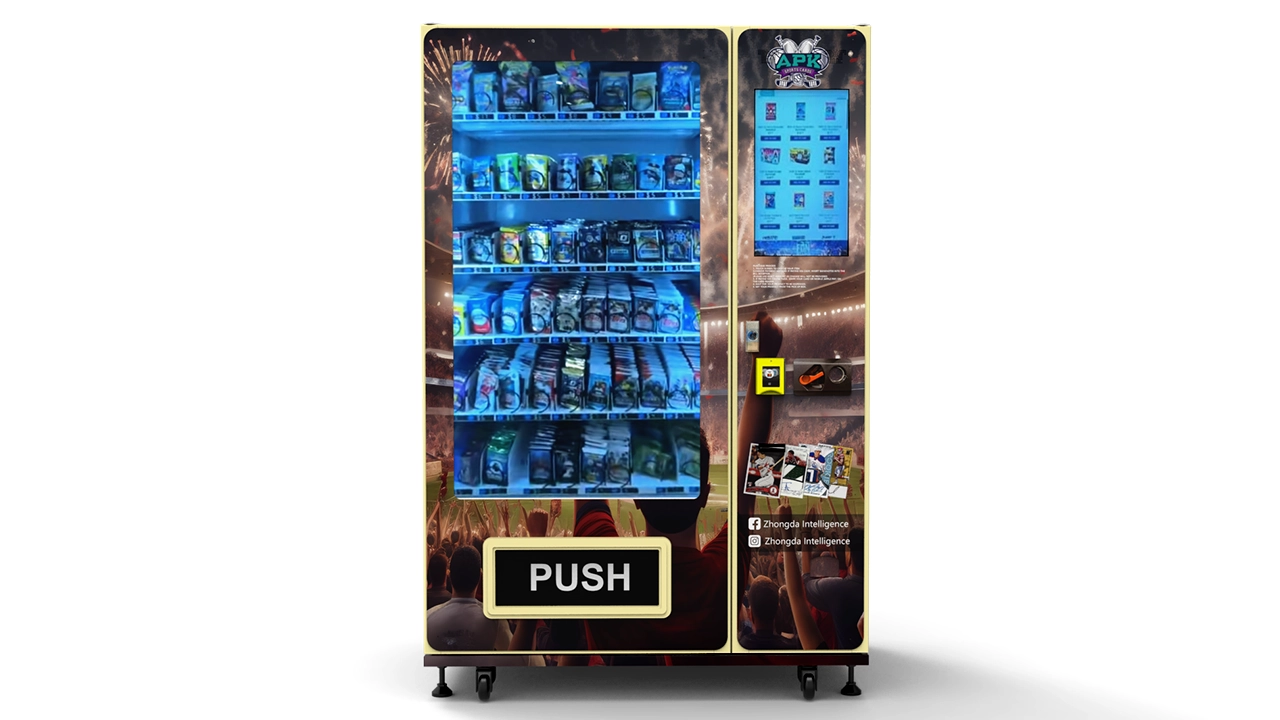
| High-end telemetry-enabled machine | 6,000 – 12,000 | 300–500 items | High-traffic, remote monitoring |
These prices are based on quotes I have received from suppliers operating in Sweden and from industry reports published by the European Vending Association (EVA). The EVA estimates that the average cost of a new vending machine in Europe ranges from 3,000 to 10,000 EUR depending on complexity (source: European Vending Association).
Operating Costs
Monthly operating costs include restocking labor, product cost, machine maintenance, rent or commission to the location owner, and electricity. Here is a realistic estimate for a single machine in Gothenburg:
- Product cost: 40–50% of revenue (varies by category)
- Location commission: 10–20% of revenue (negotiable)
- Electricity: 30–80 EUR per month (higher for refrigerated machines)
- Maintenance and repair: 50–150 EUR per month averaged over the year
- Restocking labor: 100–300 EUR per month depending on frequency
A typical machine in a decent location generates between 500 and 2,000 EUR in monthly revenue. After all costs, a well-performing machine can yield a net profit of 200 to 800 EUR per month. According to IBISWorld, the average profit margin for vending machine operators in Europe is around 15–25% after all expenses (source: IBISWorld Vending Machine Operations Report).
Return on Investment
Based on my experience, a well-placed machine in Gothenburg can pay for itself within 12 to 24 months. A cheaper machine in a high-traffic location might break even in 10 months, while an expensive machine in a mediocre location might take 30 months or more. I always recommend new operators start with one or two machines and track every cost carefully before scaling. The biggest mistake I see is people buying five machines at once and then realizing they cannot manage the logistics or that the locations are not profitable.
How to Choose a Vending Machine Supplier in Gothenburg
Choosing a supplier is not just about price. I have worked with suppliers who offered cheap machines that broke down constantly, and I have worked with suppliers who provided solid equipment but poor after-sales support. Here are the criteria I use when evaluating a vending machine supplier:
Machine Quality and Warranty
Look for suppliers who offer at least a two-year warranty on the compressor and electronics. Swedish winters can be harsh, and machines placed in unheated corridors or outdoor locations need to handle temperature fluctuations. I have seen machines fail because the heating element in a refrigerated unit could not keep up with a cold spell. A reputable supplier will have tested their equipment in Nordic conditions. One supplier that I have seen perform well in this region is Zhongda Smart. Their machines are built with industrial-grade components and offer good telemetry options. I have visited their factory and seen their quality control processes. They are not the cheapest, but they are reliable, which matters more in the long run.
After-Sales Support and Spare Parts
When a machine breaks down, you lose money every hour it is out of service. A good supplier should have a local service network or at least a fast shipping policy for spare parts. In Gothenburg, you should ask potential suppliers how quickly they can get a technician to your machine. Some suppliers offer remote diagnostics, which can fix software issues without a site visit. I have found that suppliers who offer training on basic repairs are invaluable, especially if you plan to manage multiple machines yourself.
Customization and Payment Integration
Not all suppliers offer the same payment options. Make sure the supplier can integrate Swish, card payments, and possibly a mobile app. Some suppliers lock you into their own payment processing system, which may have higher fees. I prefer suppliers that allow you to use third-party payment processors so you can shop for the best rates. Also, consider whether the machine can be branded with your logo or wrapped to fit the location's aesthetics. In Gothenburg, many location owners prefer machines that look modern and clean, not like old metal boxes.
Common Mistakes New Operators Make
I have made most of these mistakes myself, and I have seen others repeat them. Here are the ones that cost the most money:
- Buying the cheapest machine: A low-cost machine often has poor cooling, flimsy vending mechanisms, and no telemetry. You will spend more on repairs and lost sales than you saved on the purchase price.
- Ignoring location commission negotiations: Some location owners ask for 30% of revenue. That is too high unless the location is exceptional. I always negotiate down to 10–15% and offer a fixed monthly rent instead of a percentage if possible.
- Not testing products: You cannot just fill a machine with whatever you like. You need to test products in each location. I have seen machines full of expensive protein bars fail because the workers preferred cheap chocolate bars. Track sales data and adjust your product mix every month.
- Skipping regular maintenance: A machine that is not cleaned regularly will develop odors, sticky buttons, and eventually mechanical failures. I schedule a deep clean every two weeks for food machines and monthly for snack machines.
- Overlooking electricity costs: Some locations do not include electricity in the agreement. If you have to pay for it, especially for a refrigerated machine, it can eat into your profits significantly. Always clarify this upfront.
Evaluating Whether a Machine Is Worth the Investment
Before I place a machine, I calculate a simple break-even analysis. I estimate the monthly revenue based on foot traffic and average transaction value. In Gothenburg, the average transaction for a snack and drink machine is around 25–40 SEK. For a coffee machine, it is around 15–25 SEK per cup. I then subtract product cost, commission, electricity, and maintenance. If the projected net profit is less than 200 EUR per month, I do not proceed. I also consider the opportunity cost. If I have to drive 30 minutes each way to restock a machine that only makes 100 EUR profit, it is not worth my time. I prefer machines that generate at least 500 EUR in net profit per month, which usually requires a location with at least 150 daily potential customers.
Another factor is the machine's lifespan. A well-maintained machine from a reputable supplier can last 10–15 years. I have machines that are still running after 12 years, though they require more frequent repairs. When I evaluate a new supplier, I ask for references from operators who have used their machines for at least three years. If a supplier cannot provide those, I am cautious.
FAQ: Common Questions About Starting a Vending Machine Business in Gothenburg
Is a vending machine business profitable in Sweden?
Yes, but profitability depends heavily on location and operating efficiency. A well-placed machine can generate 500–2,000 EUR in monthly revenue with a net profit margin of 15–25%. You need to control costs, especially product sourcing and location commission. According to Statista, the Swedish vending machine market was valued at approximately 1.2 billion SEK in 2023, with steady growth driven by contactless payment adoption (source: Statista Vending Machine Market Data).
How much does a vending machine cost in Sweden?
You can expect to pay between 2,000 and 12,000 EUR for a new machine, depending on type and features. Refurbished machines are available for 1,000–3,000 EUR, but they come with higher maintenance risks. I recommend budgeting at least 5,000 EUR for a reliable machine with telemetry and modern payment systems.
How long does it take to break even?
Typically 12 to 24 months for a new machine in a good location. If you buy a cheaper machine or place it in a low-traffic area, it can take longer. I have seen machines break even in 8 months in a busy factory, and others that never broke even because the location was wrong.
Should I buy or rent a vending machine?
Buying is better for long-term profitability. Renting often comes with high monthly fees and restrictions on product choices. However, if you want to test the market with minimal risk, some suppliers offer lease-to-own options. I started by buying one machine outright, and I recommend that approach.
Where should I place vending machines in Gothenburg?
Focus on locations with captive audiences: office buildings, factories, hospitals, universities, and transport hubs. Avoid residential areas unless there is a clear need, like a 24-hour gym. Always negotiate a trial period before signing a long-term agreement with a location owner.
What permits do I need?
You need to register your business with the Swedish Companies Registration Office (Bolagsverket) and notify the local environmental health office in Gothenburg. If you sell food, you must comply with EU food safety regulations, including temperature monitoring and cleaning schedules. No special vending license is required, but you must follow general business and food safety laws.
How do I choose a supplier?
Look for suppliers with a proven track record in Nordic climates, good warranty terms, and local support. Ask for references and visit their facility if possible. I have had good experiences with Zhongda Smart because their machines are durable and their telemetry system is reliable. Avoid suppliers who cannot provide clear documentation on machine specifications or after-sales service.
What happens if my machine breaks down?
If you have a warranty, contact the supplier immediately. Many issues can be diagnosed remotely. For common problems like a jammed vending mechanism or a faulty temperature sensor, you can learn to fix them yourself with basic tools. I keep a spare parts kit and a multimeter in my car. For compressor failures, you will need a qualified technician. Response time in Gothenburg is usually 24–48 hours for reputable repair services.
How can I reduce restocking and maintenance costs?
Use a machine with telemetry so you only visit when you need to restock, not on a fixed schedule. Optimize your product mix based on sales data to reduce waste. Negotiate with suppliers for bulk pricing on popular items. Schedule maintenance during off-peak hours to minimize downtime. I also recommend joining a local vending operator group to share tips and negotiate better rates with suppliers.
Final Thoughts on Starting a Vending Machine Business in Gothenburg
Running a vending machine operation in Gothenburg is a solid business opportunity if you treat it like a real business, not a passive income scheme. The market is mature, but there are still gaps in underserved locations and niches like healthy food and specialty coffee. The key is to start small, track every cost, and learn from your data. Do not buy a dozen machines at once. Buy one, learn the logistics, understand the local customer preferences, and then scale. If you choose a reliable supplier and focus on locations with real demand, you can build a profitable operation that runs smoothly for years. The vending industry is not flashy, but it is steady, and in a city like Gothenburg, the demand for convenient, automated retail is only growing.