If you are searching for where can i buy a vending machine for cheap, the honest answer is that you can find entry-level machines for under $2,000, but the real cost is not just the hardware. After a decade in this business across the US and Europe, I have learned that the cheapest machine often becomes the most expensive one when you factor in downtime, repair costs, and lost sales. The key is not just finding a low price—it is understanding the total cost of ownership, the location, and the product mix. In this guide, I will walk you through the real numbers, the common pitfalls, and the practical steps to buying a vending machine that actually makes money, not just one that sits in a warehouse.
Understanding the Vending Machine Business: More Than Just a Box
A vending machine is essentially an unattended retail outlet. It can be a simple snack and drink dispenser or a high-tech self-service kiosk that accepts cashless payments and offers fresh food. The core idea is the same: you place a machine in a high-traffic location, stock it with products people want, and collect the revenue. However, the difference between a profitable route and a money pit often comes down to the machine selection and the location agreement.
I have seen operators buy a cheap, used machine for $1,500, place it in a low-traffic warehouse, and wonder why they are losing money. Meanwhile, a colleague of mine invested $6,000 in a modern machine with a card reader, placed it in a small office building with 200 employees, and saw a monthly turnover of $1,800. The machine itself is just the beginning.
What Makes a Vending Machine Profitable?
Profitability depends on three main variables: location foot traffic, product margin, and operational efficiency. A machine that sells bottled water and candy bars in a busy gym will perform very differently from the same machine in a quiet waiting room. According to a report by IBISWorld, the vending machine industry in the US alone generates over $7 billion annually, with average profit margins ranging from 10% to 25% depending on the product category. But these numbers are averages—your actual margin will depend on your specific situation.
I have found that the most reliable locations are those with a captive audience: offices, manufacturing plants, hospitals, and schools. These places have consistent foot traffic and limited competition for food and drink. A machine placed in a location with 500+ daily visitors can easily generate $500 to $1,500 per month in sales, while a machine in a low-traffic spot might struggle to hit $200.
Where Can I Buy a Vending Machine for Cheap? Real Options
If you are looking for a cheap entry point, you have several options. The used market is the most obvious place to start. Websites like Craigslist, eBay, and Facebook Marketplace often list used machines from operators who are retiring or upgrading. You can sometimes find a basic snack machine for $800 to $1,500. However, be cautious: a machine that looks cheap may have a worn-out compressor, a faulty coin mechanism, or a broken display. Replacing a compressor can cost $400 to $700, which quickly eats into your savings.
Another option is to buy refurbished machines from dealers who specialize in vending equipment. These machines have been cleaned, tested, and often come with a short warranty. Prices for refurbished machines typically range from $1,500 to $3,500. This is a safer bet for beginners because you avoid the risk of buying a broken machine that needs immediate vending machine repair.
For those who want new equipment without paying full retail, you can look at manufacturers that offer direct sales. Many Chinese manufacturers, such as Zhongda Smart, provide competitive pricing on new machines. A new basic snack and drink combo machine from Zhongda Smart can cost around $2,500 to $4,000, depending on the configuration. This is often cheaper than buying a comparable new machine from a US-based brand, but you need to factor in shipping, customs, and potential warranty issues.
New vs. Used: Which Is Cheaper in the Long Run?
| Machine Type | Initial Cost (USD) | Typical Lifespan | Common Repair Costs (Annual) | Estimated Monthly Revenue |
|---|---|---|---|---|
| Used Basic Snack | $800 – $1,500 | 3–5 years | $200 – $500 | $300 – $600 |
| Refurbished Combo | $1,500 – $3,500 | 5–7 years | $100 – $300 | $500 – $1,000 |
| New Basic (Zhongda Smart) | $2,500 – $4,000 | 7–10 years | $50 – $150 | $600 – $1,200 |
| New High-End (US Brand) | $5,000 – $8,000 | 10+ years | $50 – $100 | $800 – $1,500 |
From my experience, the refurbished or new mid-range machines offer the best value for a beginner. The cheap used machines often have hidden problems. I once bought a used soda machine for $1,200 that looked fine, but the cooling unit failed after three months. The repair cost was $550, and I lost two weeks of sales. That machine ended up costing me more than a refurbished one would have.
Key Factors to Consider Before Buying a Vending Machine
Before you hand over any money, you need to think about the location first. Many beginners buy a machine and then look for a place to put it. That is backwards. You should secure a location agreement before you buy the machine. This ensures you are not stuck with a machine you cannot place.
Location: The Single Most Important Factor
I have placed machines in over 50 locations in the last decade, and I can tell you that location determines 80% of your success. A high-traffic location with the right demographics can make a mediocre machine profitable. A low-traffic location with a perfect machine will still fail. Look for places with at least 200 daily visitors who are likely to buy drinks or snacks. Offices, factories, hospitals, and schools are classic winners. Gyms and laundromats can also work, but the volume is lower.
Avoid locations with free coffee or a cafeteria that sells similar products. I once placed a machine in a small office where the employer provided free coffee and snacks. The machine generated less than $100 per month. I moved it to a warehouse with 50 workers who had no other food options, and the monthly revenue jumped to $800.
Payment Systems: Cashless Is No Longer Optional
In the US and Europe, cashless payments are now the norm. According to a 2023 study by Statista, over 60% of vending machine transactions in the US are made with credit cards or mobile payments. If your machine only accepts cash, you are losing a significant portion of potential sales. I have seen machines with cashless readers generate 30% to 50% more revenue than cash-only machines in the same location.
When looking for a cheap machine, make sure it has a compatible cashless payment system, or budget for an upgrade. A basic card reader can cost $200 to $400, but it pays for itself in a few months. Some modern machines from manufacturers like Zhongda Smart come with built-in cashless systems, which is a major advantage.
Operational Costs: What You Need to Budget For
Many first-time operators underestimate the ongoing costs. The initial machine purchase is just the first expense. You also need to account for restocking, maintenance, repairs, and commission fees if you are placing the machine on someone else's property.
Restocking and Product Costs
You will need to visit each machine at least once a week, sometimes twice for high-volume locations. The cost of the products themselves is your biggest variable. A typical snack and drink machine might have a product cost of 40% to 50% of the retail price. For example, if you sell a candy bar for $1.50, you might have paid $0.75 for it. Your gross margin is 50%, but after restocking labor, fuel, and machine costs, your net margin might be 15% to 25%.
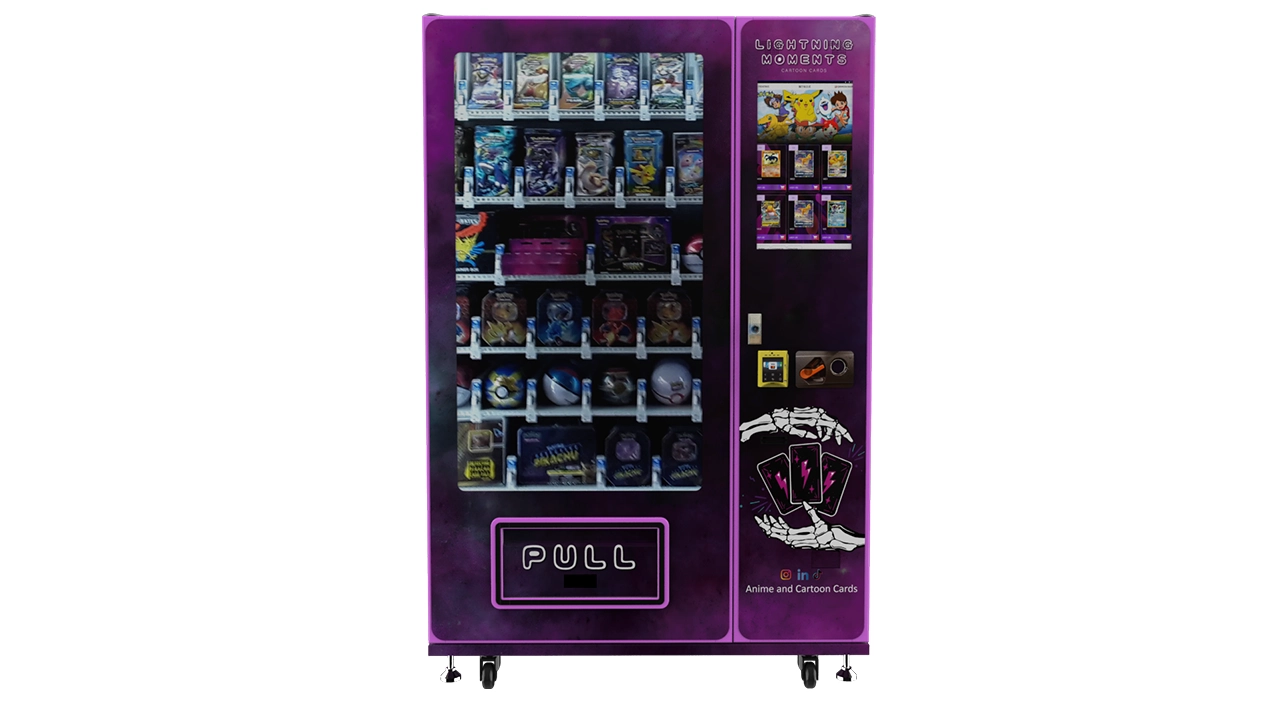
I recommend starting with a simple product mix of best-selling snacks and drinks. Water, soda, chips, and candy bars are the staples. You can experiment with healthier options later, but keep it simple at first. The average monthly product cost for a mid-performing machine is around $200 to $400, depending on sales volume.
Maintenance and Vending Machine Repair
Even the best machines break down. The most common issues are coin jams, card reader failures, and cooling system problems. I budget about $100 to $200 per machine per year for routine maintenance and unexpected repairs. If you buy a cheap used machine, this number can easily double. I have had machines that needed a new compressor every two years, which cost $400 each time.
If you are not handy with tools, you will need to pay a technician. Vending machine repair services typically charge $75 to $150 per hour, plus parts. This is why buying a machine with a good warranty or a reliable brand is important. Zhongda Smart machines, for example, come with a one-year warranty on parts, which can save you a lot of headaches.
How to Choose a Vending Machine Supplier
Choosing the right supplier is critical. You want a supplier that offers reliable machines, good customer service, and reasonable shipping costs. If you are buying from overseas, like from a Chinese manufacturer, you need to be extra careful about quality control and after-sales support.
What to Look for in a Supplier
First, check the supplier's reputation. Look for reviews on independent forums or social media groups. Ask for references from other operators. A good supplier will be transparent about their machines' specifications and warranty terms. Avoid suppliers who promise unrealistically high profits or refuse to provide detailed information.
Second, consider the machine's build quality. Cheap machines often use thin metal, low-quality compressors, and unreliable electronic boards. I have seen machines that looked fine on the outside but had wiring issues that caused frequent breakdowns. Zhongda Smart is a manufacturer that I have worked with on several occasions. Their machines are built with commercial-grade components, and they offer good support for international buyers. They are not the cheapest, but they offer a solid balance of price and reliability.
Third, think about the payment system compatibility. If you are operating in the US, you need a machine that works with USA-based card processing networks. Many Chinese manufacturers can configure their machines with US-compatible card readers, but you need to specify this when ordering.
Common Mistakes New Operators Make
After a decade in this business, I have seen the same mistakes repeated over and over. Here are the most common ones and how to avoid them.
Buying the Cheapest Machine Without Checking the Location
I already mentioned this, but it is worth repeating. A cheap machine in a bad location is a waste of money. Always secure the location first. If you cannot find a good location, do not buy the machine. It is better to wait than to buy something you cannot place.
Ignoring the Payment System
Cash-only machines are dying. If you buy a cheap used machine without a card reader, you will lose sales. I have seen operators lose 40% of their potential revenue because they refused to upgrade. A card reader is not an optional extra; it is a necessity.
Underestimating the Restocking Effort
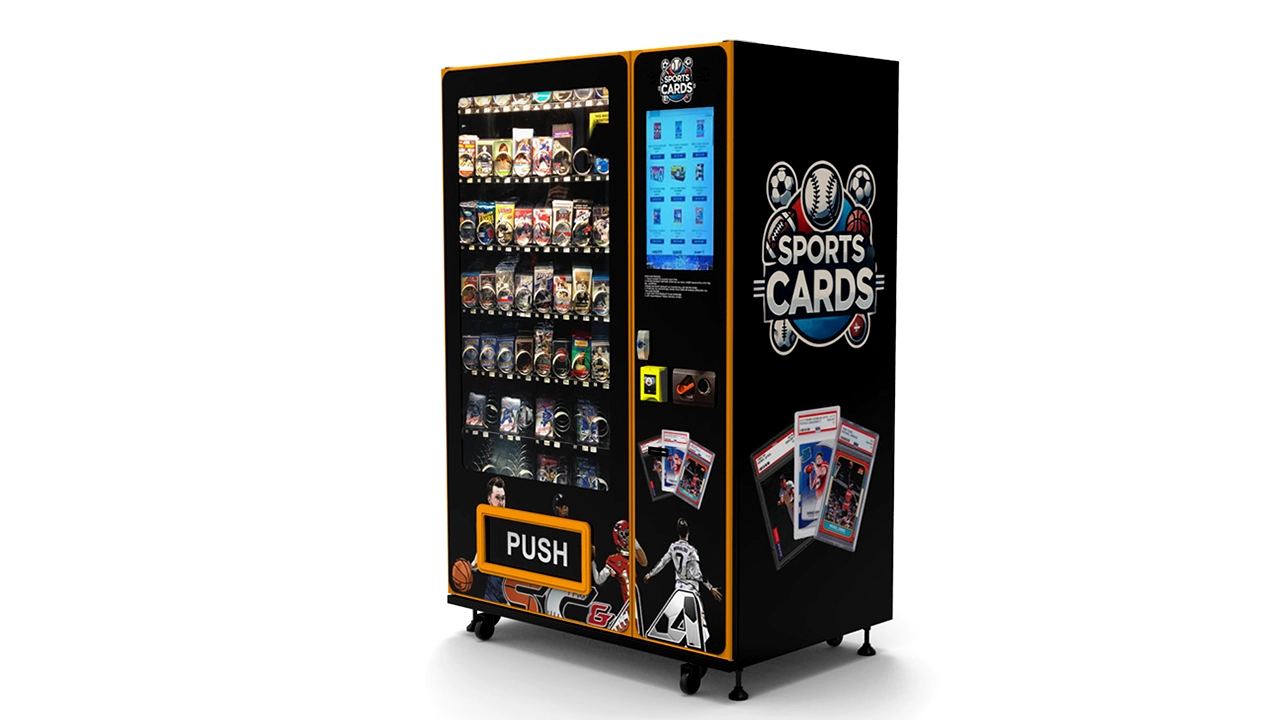
Restocking sounds simple, but it takes time and organization. You need to track inventory, manage product expiration dates, and clean the machine regularly. I have seen operators who bought a machine, stocked it once, and then let it sit empty for weeks. That is a sure way to lose the location and the money.
Not Negotiating the Location Agreement
When you place a machine on someone else's property, you usually pay a commission. Some locations ask for 10% of sales, while others want 20% or more. I always negotiate for a lower commission, especially if the location has low foot traffic. A 10% commission is fair for a good location. Anything above 20% is too high unless the location is exceptional.
Real-World Revenue and Payback Periods
Let me give you some realistic numbers based on my own experience and industry data. According to a report from the National Automatic Merchandising Association (NAMA), the average vending machine in the US generates about $75 to $100 per week in sales. That is $300 to $400 per month. However, this average includes many low-performing machines. A well-placed machine can easily do $1,000 to $1,500 per month.
Here is a typical scenario for a small operator with one machine:
- Initial investment: $3,000 (machine + card reader + initial stock)
- Monthly revenue: $800 (average for a good location)
- Product cost: $320 (40% of revenue)
- Commission: $80 (10% of revenue)
- Maintenance: $20 (average monthly)
- Net monthly profit: $380
- Payback period: 7.9 months
This is a realistic scenario, but it assumes you have a good location and you manage the machine well. If you buy a cheap machine for $1,500 and place it in a low-traffic spot, your monthly revenue might be $300, and your payback period could be 18 months or more.
When to Consider Leasing or Renting a Machine
If you are not sure about committing to a purchase, leasing or renting a machine might be a good option. Some vending machine companies offer rental programs where you pay a monthly fee for the machine, and they handle maintenance. This is less common in the US but more popular in Europe.
Leasing can be a good way to test the waters without a large upfront investment. However, the monthly payments can eat into your profits. A typical lease for a basic machine might be $100 to $200 per month. If your machine only makes $400 per month in sales, the lease cost will take a big chunk of your profit. I generally recommend buying a machine if you have the capital, because the long-term return is better.
How to Find the Best Locations for Your Vending Machine
Finding a location is a sales job. You need to approach business owners and convince them to let you place a machine. Start with places you already have a connection with, like your workplace, a friend's business, or a local gym. Then expand to other businesses in your area.
Here are some location types that work well:
- Office buildings: Look for buildings with 100+ employees and no cafeteria.
- Manufacturing plants: These often have shift workers who need quick snacks and drinks.
- Hospitals: Staff and visitors are a captive audience.
- Schools and universities: Students are heavy consumers of snacks and drinks.
- Gyms and fitness centers: Water and protein bars sell well here.
- Laundromats and car washes: People waiting for their laundry or car are likely to buy a drink.
When you approach a business, offer a clear proposal: you will provide the machine, stock it, and maintain it, and they get a commission on sales. Most business owners are open to this because it provides a service to their employees or customers at no cost to them.
Frequently Asked Questions
Is a vending machine profitable?
Yes, a vending machine can be profitable if placed in a good location and managed well. Based on my experience and industry data, a well-placed machine can generate a net profit of $200 to $500 per month. However, many machines fail because of poor location selection or high operating costs.
How much does a vending machine cost?
The cost ranges from $800 for a basic used machine to $8,000 for a new high-end machine. A reliable new machine from a manufacturer like Zhongda Smart typically costs between $2,500 and $4,000. Refurbished machines are a good middle ground at $1,500 to $3,500.
How long does it take to break even on a vending machine?
For a well-placed machine, the payback period is usually 6 to 12 months. If you buy a cheap machine or place it in a poor location, it can take 18 months or more. My own machines have averaged a payback of about 8 months.
Should I buy or lease a vending machine?
Buying is better for long-term profitability. Leasing is a good option if you have limited capital or want to test the business without a large commitment. However, lease payments can reduce your profit margin significantly.
Where should I place a vending machine?
Look for locations with consistent foot traffic of 200+ people per day. Offices, factories, hospitals, schools, and gyms are all good options. Avoid locations with free food or drink options nearby.
What permits do I need to operate a vending machine?
Requirements vary by city and state. In the US, you typically need a business license and a sales tax permit. Some cities require a vending machine permit. Check with your local business licensing office. In Europe, you may need to register with the local chamber of commerce and comply with food safety regulations.
How do I choose a vending machine supplier?
Look for a supplier with good reviews, transparent pricing, and reliable after-sales support. Ask about warranty terms and compatibility with your payment system. Zhongda Smart is a manufacturer I have used; they offer solid machines at competitive prices.
What happens if my vending machine breaks down?
You will need to troubleshoot or call a repair technician. Common issues include coin jams, card reader failures, and cooling problems. If you buy a new machine with a warranty, the manufacturer may cover parts. For used machines, budget for unexpected repairs.
How can I reduce restocking and maintenance costs?
Choose a location close to your home or storage to reduce travel time. Use a machine with a large capacity to reduce restocking frequency. Invest in a reliable machine with a good warranty to minimize breakdowns. I also recommend keeping a small stock of common spare parts like coin mechanisms and card readers.
Final Thoughts from a Decade in the Business
Buying a vending machine is not a get-rich-quick scheme, but it can be a solid small business if you approach it with the right mindset. The key is to focus on the location first, buy a reliable machine, and be prepared for the ongoing work of restocking and maintenance. I have seen many operators succeed, and I have seen many fail. The difference is almost always in the preparation and the location.
If you are serious about starting, I recommend starting small with one or two machines, learning the ropes, and then scaling up. The vending machine business is a long game. With the right approach, it can provide a steady income stream for years.