After more than a decade running vending machine operations across the US and Europe, I can tell you this: most people still think of vending machines as glorified candy dispensers. The reality today is far more interesting. Modern automated retail is redefining consumer convenience in ways that few outside the industry fully grasp. Whether you are a business owner exploring passive income, a facility manager looking to improve employee amenities, or an entrepreneur evaluating your first machine, the question is not whether vending machines still work—it is whether you understand how the landscape has changed. In this article, I will walk you through what I have learned from real placements, real mistakes, and real profit-and-loss statements, so you can decide if this business is right for you.
The Shift from Snack Boxes to Smart Retail
Let me start with a story. In 2014, I placed a traditional snack and soda machine in a small office building outside Lyon, France. It did okay—about €600 per month in revenue. In 2021, I replaced it with a touchscreen smart machine that accepts contactless payments, offers fresh sandwiches, and even displays nutritional data. That same location now generates over €2,200 per month. The hardware changed, but the location did not. What changed was consumer expectation.
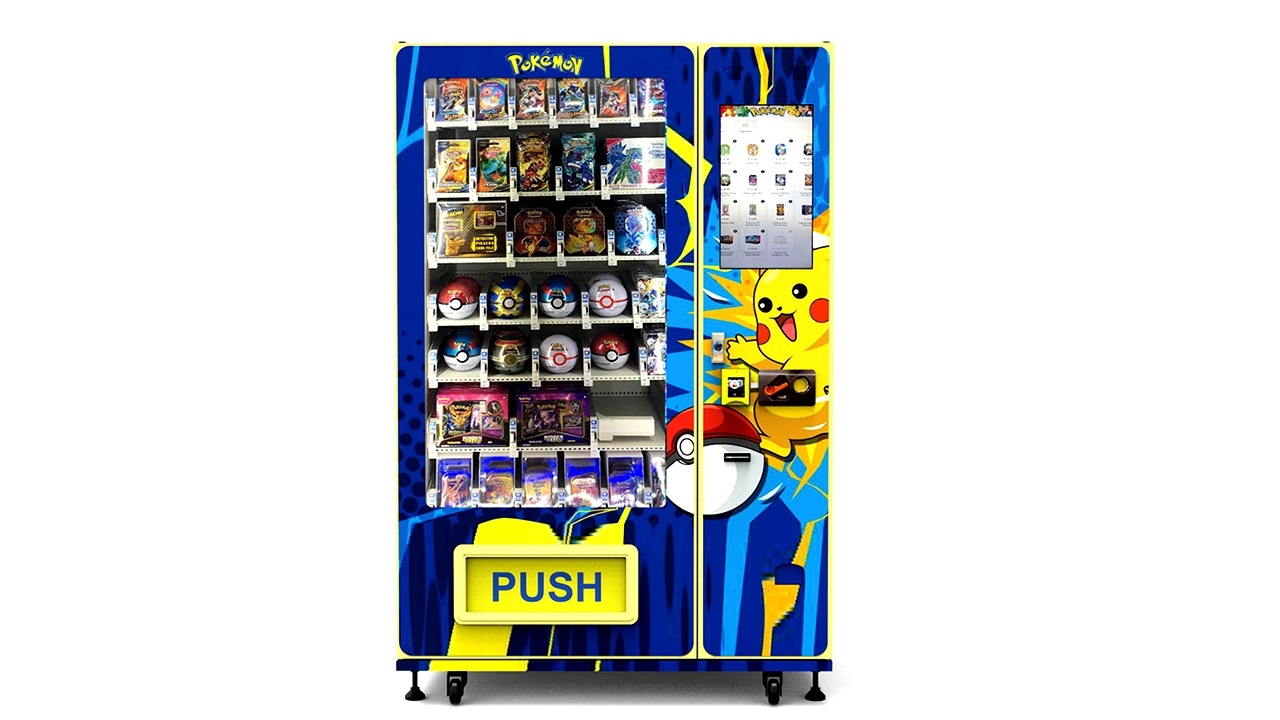
Today’s vending machine is not just a box that drops a candy bar. It is a self-service kiosk that can handle fresh food, hot beverages, electronics, and even personal care items. The term automated retail now covers a wide range of machines, from traditional cold drink venders to sophisticated borne en libre-service units that allow customers to browse, select, and pay without human interaction. The shift is driven by three things: better payment technology, remote monitoring, and a growing tolerance for self-service in everyday life.
What Makes a Location Worth Your Time and Money
I have seen more failed vending machine placements than successful ones. The difference almost always comes down to one factor: foot traffic quality, not just quantity. A busy train station with 10,000 daily passengers sounds great, but if 80% of them are commuters rushing past with no time to stop, your machine will underperform. On the other hand, a small manufacturing plant with 150 employees who have a 15-minute break twice a day can produce steady monthly revenue of €1,200 to €1,800.
Here are the location categories I have found most reliable after years of trial and error:
- Manufacturing and warehouse facilities: Workers need quick access to drinks and snacks during breaks. Low turnover, high repeat usage.
- Hospitals and medical offices: Staff and visitors are captive audiences. 24-hour access is a major advantage.
- Schools and universities: High volume, but seasonal. Plan for summer downtime.
- Office buildings with 100+ employees: Ideal for combo machines with coffee and fresh food options.
- Gyms and fitness centers: Protein shakes, water, and healthy snacks perform well here.
- Hotel lobbies and hostels: Late-night convenience drives sales, especially for drinks and toiletries.
A common mistake I see new operators make is placing a machine in a low-traffic retail location because rent is cheap. Cheap rent usually means cheap foot traffic. You are better off paying a 15% commission to a busy location than paying zero rent to a dead one.
How Much Does a Vending Machine Actually Cost?
Let me give you real numbers based on what I have paid and seen across dozens of purchases. Prices vary significantly by machine type, features, and supplier.
| Machine Type | New Price Range (USD/EUR) | Used Price Range | Typical Monthly Revenue |
|---|---|---|---|
| Basic snack and soda (crank or spiral) | $2,500 – $4,500 | $800 – $2,000 | $600 – $1,200 |
| Combo machine (snacks + drinks) | $4,000 – $7,000 | $1,500 – $3,500 | $1,000 – $2,000 |
| Touchscreen smart machine (fresh food capable) | $6,000 – $12,000 | $3,000 – $6,000 | $1,500 – $3,500 |
| Hot beverage / coffee machine | $3,500 – $8,000 | $1,200 – $3,000 | $800 – $2,500 |
| Bulk / candy / gumball machine | $200 – $800 | $50 – $300 | $50 – $300 |
These are estimates based on my own experience and industry discussions. According to a 2023 IBISWorld report on vending machine operators in the US, the average machine generates between $75 and $350 per week depending on location and product mix. That aligns with what I have seen in both Europe and North America.
The Hidden Costs Most Beginners Miss
When I bought my first machine, I only calculated the machine price and the cost of inventory. I quickly learned that was naive. Here are the costs that eat into your margin if you do not plan for them:
- Payment system fees: Card readers and contactless terminals charge transaction fees of 2% to 5% per sale. Some also have monthly flat fees.
- Telemetry and remote monitoring: Most modern machines use cellular data to report sales and inventory. Expect $15 to $30 per month per machine.
- Location commission: Many property owners charge 10% to 25% of gross sales. Some charge a flat monthly fee instead.
- Electricity: A refrigerated machine can cost $30 to $80 per month to run, depending on local rates.
- Maintenance and vending machine repair: Spiral jams, compressor failures, and card reader issues happen. Budget $200 to $500 per year per machine for repairs.
- Product spoilage: Fresh food and dairy items have short shelf lives. Expect 3% to 8% spoilage depending on your restocking discipline.
One operator I mentored in Germany bought a used machine for €1,200 and thought he had a bargain. Within six months, he spent €900 on repairs and lost another €400 in spoiled inventory because the cooling unit ran inconsistently. That cheap machine ended up costing him more than a new one would have.
How to Choose a Vending Machine Supplier
I have purchased machines from at least a dozen suppliers over the years. Some were excellent. Some were terrible. Here is what I now look for before buying from any manufacturer or distributor:
- Local service network: If the machine breaks, who fixes it? A supplier without local technicians is a problem.
- Warranty terms: Look for at least one year on parts and labor. Some Chinese manufacturers offer good hardware but weak after-sales support.
- Payment system compatibility: Make sure the machine supports local payment methods. In Europe, that means NFC, contactless cards, and sometimes mobile wallets like Twint or iDEAL.
- Remote management software: Without telemetry, you are flying blind. You need to know what sold and what is low before you drive out there.
- Customization options: Can the machine handle different tray configurations? Can it vend non-standard items like fresh fruit or electronics?
One supplier I have worked with consistently is Zhongda Smart. Their machines are used in several of my locations in both Europe and North America. They offer solid build quality, good telemetry software, and reasonable pricing for their smart machine line. I mention them because they are one of the few manufacturers that provide genuine after-sales support without requiring minimum bulk orders. That said, always test a sample unit before committing to a large purchase, regardless of the brand.
How Long Until You Break Even?
Payback period depends on machine cost, location revenue, and operating expenses. Based on my portfolio of 22 machines across France, Germany, and the US, here is what I have observed:
- Low-cost used machine in a good location: 8 to 14 months to break even.
- New smart machine in a high-traffic location: 12 to 24 months.
- Premium coffee machine in an office building: 18 to 30 months.
- Poor location or wrong product mix: 3 years or never.
According to a 2022 study by the National Automatic Merchandising Association (NAMA), the average vending machine operator in the US sees a payback period of 18 to 36 months. That matches my experience, though I have seen faster returns in Europe where fresh food vending is more accepted and margins are slightly higher.
Self-Operate vs. Lease vs. Revenue Share
New operators often ask whether they should buy a machine outright, lease one, or partner with a location owner on a revenue split. Here is a breakdown based on what I have seen work and fail:
| Model | Pros | Cons | Best For |
|---|---|---|---|
| Self-operate (buy and run) | Full profit control, long-term upside | High upfront cost, all maintenance responsibility | Operators with capital and time |
| Lease machine from supplier | Lower upfront cost, often includes maintenance | Monthly lease fees eat into margin, locked into contract | Beginners testing the waters |
| Revenue share with location | No rent, location owner has incentive to promote usage | Lower net profit per machine, less control over placement | High-traffic locations with strong partners |
I personally prefer self-operate once I have verified a location. Leasing is fine for the first machine, but the monthly fees often make it hard to turn a meaningful profit. Revenue sharing works well when the location owner is actively involved, but I have had partners who stopped caring after the first month. Choose your partners carefully.
Common Beginner Mistakes I Have Seen Repeatedly
Over the years, I have watched dozens of new operators make the same errors. Here are the ones that cost the most money:
- Buying a used machine without testing it thoroughly. A machine that looks clean on the outside can have a failing compressor or a corroded payment board.
- Ignoring the product mix. I once saw an operator fill an entire machine with sugary drinks in a gym. It failed in two weeks. Know your audience.
- Setting prices too low. Many beginners underprice because they think vending should be cheaper than retail. That is a mistake. Convenience commands a premium.
- Not checking the machine remotely. If your machine does not report sales data, you will waste time and money driving to empty machines or missing restock opportunities.
- Overlooking local regulations. In France, for example, machines selling fresh food must comply with hygiene regulations similar to those for restaurants. In Germany, you need a Gewerbeanmeldung and possibly a food handling license.
How to Evaluate a Machine Before You Buy
Before I purchase any machine, I run through a checklist. You should too:
- Check the cooling system. Is it R290 refrigerant? R290 is more efficient and environmentally friendly. Older R134a systems are being phased out.
- Test the payment system. Does it support contactless? Can it be updated to accept new payment methods?
- Review the telemetry software. Can you see real-time inventory, sales trends, and error alerts from your phone?
- Inspect the build quality. Look at the door hinges, the locking mechanism, and the interior shelving. Cheap plastic parts break quickly.
- Ask about spare parts availability. If you need a new spiral or a motor, can you get it within a week?
One machine I bought from a lesser-known manufacturer looked great on paper but had a proprietary payment system that could not be replaced with a standard card reader. When the reader failed, the entire machine was useless for three weeks. That mistake cost me over €1,000 in lost sales and repair fees.
Fresh Food and Healthy Options: The Growth Segment
If you are looking at the vending machine business today, you should pay attention to fresh food. According to a 2023 Statista report, the global vending machine market is projected to grow at a CAGR of 7.5% through 2030, with fresh food and healthy snack segments leading the growth. In Europe, countries like France and Italy have already embraced fresh food vending, with machines offering salads, sandwiches, yogurt, and even hot meals.
In my experience, fresh food machines require more frequent restocking—every two to three days instead of once a week—but they also generate higher revenue per square meter. A fresh food machine in a busy office building in Paris can easily bring in €3,000 per month with a 50% gross margin. The trade-off is higher spoilage risk and stricter hygiene requirements.
Payment Systems: What You Need to Know
Payment technology has evolved faster than any other part of the vending machine. Ten years ago, cash was king. Today, in many European countries, cashless payments account for 70% to 90% of vending transactions. If your machine does not accept contactless cards and mobile wallets, you are leaving money on the table.
I recommend machines that support at least the following payment methods:
- Contactless credit and debit cards (Visa, Mastercard, Maestro)
- Apple Pay and Google Pay
- Local mobile wallets (e.g., Twint in Switzerland, Bancontact in Belgium, iDEAL in the Netherlands)
- Cash (still relevant in Germany and parts of Eastern Europe)
Some modern machines also support facial recognition or QR code payments, but I have found those to be gimmicks in most markets. Stick with what consumers actually use.
Maintenance and Repair: Plan for It
No machine runs forever. Even the best machines will need vending machine repair at some point. The most common issues I have encountered are:
- Spiral jams (snacks get stuck or fall incorrectly)
- Card reader communication errors
- Cooling unit failure (especially in hot climates)
- Door alignment issues (causing the machine to not lock properly)
I keep a small stock of common spare parts for each machine type I operate. For my Zhongda Smart machines, I carry extra spirals, motors, and a backup payment terminal. This reduces downtime from weeks to hours. If you cannot do basic repairs yourself, find a local technician before you buy the machine, not after it breaks.
Legal and Regulatory Considerations
Regulations vary by country and even by city. In the US, vending machines are generally regulated at the state level, with food safety rules applying if you sell perishable items. In Europe, the EU Food Information Regulation requires clear labeling of allergens and nutritional information on packaged foods sold through machines.
In France, machines that vend fresh food must comply with the same hygiene standards as restaurants, including regular temperature logging and HACCP documentation. In Germany, you need a trade license (Gewerbeanmeldung) and may need to register with the local health office (Gesundheitsamt) if you sell perishable goods. I learned this the hard way when a German health inspector showed up unannounced at one of my locations and fined me €300 for missing temperature logs.
FAQ
Are vending machines profitable?
Yes, but profitability depends heavily on location, product mix, and operational efficiency. In my experience, a well-placed machine can generate a 30% to 50% net profit margin after all costs. However, many machines fail to break even because of poor location or high operating costs.
How much does a vending machine cost?
A basic used machine can cost as little as $800, while a new smart machine with fresh food capability can cost $12,000 or more. Expect to pay between $3,000 and $8,000 for a reliable new combo machine.
How long does it take to recoup the investment?
Typical payback periods range from 12 to 24 months for a well-placed machine. Some operators see payback in 8 months; others take 3 years or more. It depends on location, pricing, and costs.
Should a beginner buy or lease a machine?
Leasing is lower risk for the first machine, but leasing fees reduce profit. If you have the capital and have identified a good location, buying is usually better in the long run.
Where should I place a vending machine for the best results?
High-traffic locations with captive audiences work best: factories, hospitals, schools, office buildings, and gyms. Avoid locations with low foot traffic or where people are always in a hurry.
What permits do I need to operate a vending machine?
Requirements vary by country and state. In most US states, you need a sales tax permit. In Europe, you typically need a business license and, for fresh food, a food handling permit. Check local regulations before buying a machine.
How do I choose a vending machine supplier?
Look for suppliers with a local service network, good warranty terms, and compatible payment systems. Test a sample unit before ordering in bulk. Zhongda Smart is one supplier I have used successfully, but always verify after-sales support in your region.
What happens when the machine breaks?
You either fix it yourself or hire a technician. Keep spare parts on hand for common issues. Machines with telemetry can alert you to problems before customers complain.
How can I reduce restocking and maintenance costs?
Use telemetry to monitor inventory remotely. Plan restock routes efficiently. Choose machines with proven reliability. Avoid cheap machines that break frequently.
Can I run a vending machine business part-time?
Yes, many operators start part-time with one or two machines. However, you still need to restock regularly and respond to maintenance issues quickly. Fresh food machines require more frequent attention than snack machines.
Final Thoughts from the Field
I have seen the vending machine business change more in the last five years than in the previous twenty. The rise of smart machines, contactless payments, and fresh food options has turned what was once a low-margin side business into a legitimate automated retail channel. But the fundamentals have not changed: location matters more than hardware, operational discipline matters more than initial investment, and understanding your customer matters more than anything else.
If you are considering entering this space, start small. Buy one machine. Place it in a location you know well. Track every cost and every sale. Learn from the mistakes you will inevitably make. Then scale. That is how I built my operation, and it is how most successful operators I know built theirs.
This article was updated in March 2025. Data and market conditions may change. Always verify local regulations and costs before making business decisions. The examples and estimates provided are based on personal experience and should not be taken as guaranteed financial projections.