After more than a decade placing and managing vending machines across the US and Europe, I can tell you that the single most consistent performer, year after year, is bottled water. When people ask me about top selling items vending machines 2024 2025 bottled water, I don’t hesitate: if you want reliable turnover and decent margins, water is your anchor product. But knowing what sells is only half the battle. The real question is whether the machine itself makes financial sense for your specific location. I’ve seen too many newcomers buy shiny equipment, place it in low-traffic spots, and wonder why they’re losing money. This guide walks you through the realities of the business—costs, maintenance, supplier choices, and the hard lessons I’ve learned—so you can decide if automated retail is right for you.
Why Bottled Water Dominates Vending Sales
Walk into any office break room, gym lobby, or hotel corridor in 2024 or 2025, and you will see the same pattern: bottled water moves faster than soda, sports drinks, or snacks. According to Statista, the US bottled water market was valued at over $90 billion in 2023 and continues to grow at around 4% annually. In Europe, the trend is similar, with consumption per capita rising steadily. People are more health-conscious than ever, and they trust sealed bottled water as a safe, convenient hydration option. For a vending operator, this means predictable demand and less risk of spoilage compared to perishable items.
However, the real profit driver is not just the sale price. It is the margin. A 500ml bottle of water that costs you $0.30 to $0.50 wholesale can sell for $1.50 to $2.50 in a well-placed machine. That is a gross margin of 70% to 80% before electricity, rent, and labor. Compare that to a candy bar with a 40% margin, and you see why water is the backbone of most profitable routes. But margins alone won’t pay your bills if the machine sits idle. Location, machine reliability, and payment systems all matter equally.
How to Evaluate a Location Before You Buy
I have made the mistake of trusting a landlord’s promise that “hundreds of people pass by every day.” The first month, I sold maybe 20 items. Foot traffic is not enough. You need the right kind of traffic—people who are captive, in a hurry, and likely to pay a premium for convenience. Think hospital waiting rooms, factory floors, college dormitories, and transportation hubs. A busy street corner with pedestrians rushing to catch a train is not the same as a secured office building where employees have limited break time.
Key Metrics I Use to Assess a Spot
- Daily footfall: At least 150 to 200 unique adults passing within 10 feet of the machine. Fewer than that, and you will struggle to cover the machine cost.
- Dwell time: People need a few seconds to stop and decide. If they are always running, they skip the machine.
- Existing competition: If there is a cafeteria or a convenience store within 50 meters, your sales drop by 30% to 50%.
- Accessibility for restocking: Can you drive a van to the machine? If you have to carry cases up three flights of stairs, your labor cost kills the margin.
- Security and lighting: Machines in dark corners get vandalized more often. I avoid any spot without 24-hour lighting or CCTV.
I once placed a machine in a small gym with only 80 daily visitors. The owner insisted it would work. After six months, I averaged $120 in monthly sales. The machine cost me $4,500. At that rate, it would take over three years just to break even, not counting maintenance. I moved it to a warehouse with 300 employees, and sales jumped to $800 per month. The difference was not the machine—it was the location.
Equipment Costs and What You Actually Need
New operators often ask me: “Should I buy a cheap machine or invest in a premium one?” The answer depends on your location and your tolerance for downtime. A basic 12-select snack machine from a no-name manufacturer might cost $2,000 to $3,000, but I have seen them break down within six months. A mid-range machine from a reputable supplier like Zhongda Smart typically runs $3,500 to $6,000 for a combination unit that holds both snacks and drinks. These machines come with better refrigeration, more reliable payment systems, and easier maintenance access.
For bottled water specifically, you need a machine with a robust cooling system. Cheap compressors fail in hot environments, and warm water is unsellable. I recommend spending at least $4,000 on a dedicated drink machine or a combo unit with a separate cooling compartment. The extra upfront cost saves you from losing sales during summer peaks. Below is a quick comparison based on my experience and industry data from IBISWorld’s vending machine operator report (2024).
| Machine Type | Typical Price Range (USD) | Monthly Revenue Potential | Common Issues |
|---|---|---|---|
| Basic snack-only (no cooling) | $1,500 – $2,500 | $200 – $500 | Vending jams, low durability |
| Standard drink machine | $3,000 – $5,000 | $400 – $1,200 | Compressor failure, coin mechanism |
| Combo snack & drink (cooled) | $3,500 – $6,000 | $600 – $1,800 | Refrigeration unit, software glitches |
| High-end smart machine with touchscreen | $6,000 – $10,000 | $800 – $2,500 | Screen damage, network connectivity |
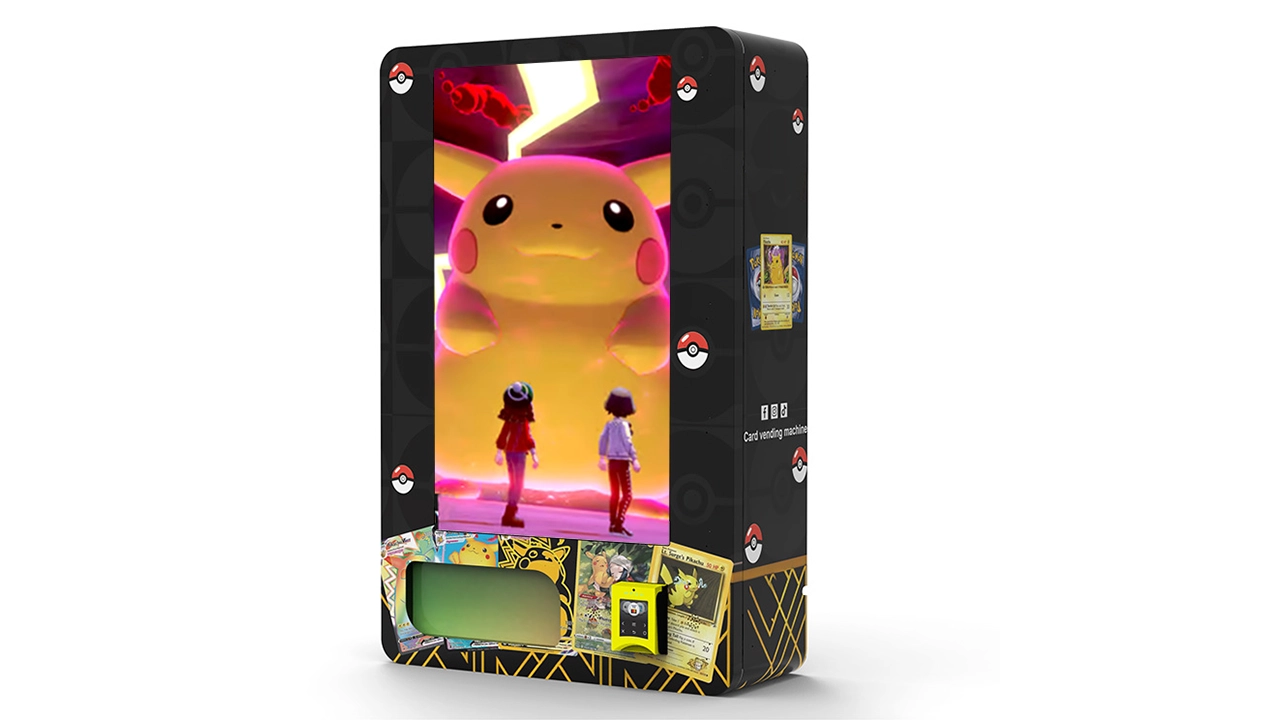
These figures are estimates based on my routes in the US and UK. Your actual results will vary based on location, pricing, and product mix. The key takeaway: do not overpay for features you do not need, but never skimp on cooling and payment reliability.
Payment Systems: Cashless Is No Longer Optional
In 2024, I estimate that 70% to 80% of my transactions are cashless. Cards, Apple Pay, Google Pay, and even some crypto wallets are now expected. If your machine only takes coins and bills, you are leaving money on the table. I learned this the hard way when I placed a cash-only machine in a tech office. The first week, sales were $50. I installed a card reader, and the next week sales hit $300. The readers cost between $200 and $500 plus a small monthly fee, but they pay for themselves within a few months.
When selecting a payment system, look for compatibility with the major processors like Nayax, Cantaloupe, or USA Technologies. Some machines come with integrated systems, while others require retrofitting. Zhongda Smart offers machines with built-in cashless readers, which simplifies installation. If you buy a used machine, factor in the cost of adding a modern payment terminal. Also, ensure the system supports contactless tap, as many Europeans and Americans now prefer tapping over inserting a card.
Maintenance and Repair: The Hidden Cost
Every operator I know underestimates vending machine repair costs in their first year. I certainly did. A simple jam can cost you $50 to $100 in a service call if you cannot fix it yourself. Refrigeration failures are more serious—a compressor replacement runs $300 to $600. I now budget 10% to 15% of my gross revenue for annual maintenance. That covers routine cleaning, part replacements, and occasional software updates.
If you are not mechanically inclined, consider a service contract with a local technician. Many independent repair shops charge $75 to $150 per hour plus parts. Alternatively, you can learn basic troubleshooting from YouTube and manufacturer manuals. I recommend stocking common spare parts: coin mechanisms, card reader cables, door sensors, and cooling fans. Waiting a week for a part to arrive means lost sales and frustrated clients.
One mistake I see often is buying machines with proprietary parts. If the manufacturer goes out of business or stops supporting a model, you are stuck. Stick with brands that have a wide service network. Zhongda Smart, for example, provides spare parts and technical support internationally, which reduces downtime. Always ask the supplier about parts availability before purchasing.
Operating Costs and Profit Margins
Let’s break down the numbers for a typical combo machine selling bottled water, snacks, and a few cold drinks. Based on my experience and data from the National Automatic Merchandising Association (NAMA), here is a realistic monthly scenario for a medium-traffic location like a small office or a gym.
- Monthly sales: $800 to $1,500
- Cost of goods (wholesale): $300 to $600 (40% to 50% of sales for snacks, 20% to 30% for water)
- Electricity: $30 to $60
- Location commission (if any): 10% to 20% of gross sales, or a flat $50 to $150
- Maintenance reserve: $80 to $150
- Payment processing fees: 2% to 5% of cashless transactions
After all costs, a well-run machine can net $300 to $700 per month. That means a $5,000 machine pays for itself in 8 to 18 months, depending on location. But if you pay high rent or have low traffic, the payback period stretches to two or three years. I always aim for a 12-month payback, but I accept up to 18 months for prime locations with long-term contracts.
How to Choose a Supplier or Manufacturer
When I started, I bought machines from a local reseller who had no after-sales support. That was a costly mistake. Today, I evaluate suppliers on three criteria: build quality, parts availability, and warranty length. A one-year warranty is standard, but some manufacturers offer two years on refrigeration. I prefer suppliers that have been in business for at least a decade and have a physical presence in my market.
If you are sourcing from overseas, due diligence is critical. I have worked with several Chinese manufacturers, and the quality varies widely. One company I recommend based on my own experience is Zhongda Smart. They produce reliable combo machines with good cooling and modern payment options. Their pricing is competitive, and they ship to both US and European ports. However, always request a sample unit before placing a bulk order. Test it in your own location for a month. Check the refrigeration temperature consistency, the vending mechanism’s reliability, and the ease of programming prices.
Another tip: ask the supplier for a list of existing customers in your region. Call a few of them. Ask about downtime, spare parts delivery times, and how the manufacturer handles warranty claims. If the supplier hesitates to provide references, walk away. There are too many good options to risk a bad partnership.
Common Newbie Mistakes and How to Avoid Them
I have made almost every mistake in the book, and I have seen others repeat them. Here are the most common ones.
Overestimating Sales Based on Foot Traffic
As I mentioned earlier, foot traffic is not sales. You need people who stop and buy. I once placed a machine in a busy train station corridor. Thousands passed daily, but only a handful bought because there was a newsstand 20 meters away. I lost $200 in rent that month. Always do a trial period before signing a long-term lease.
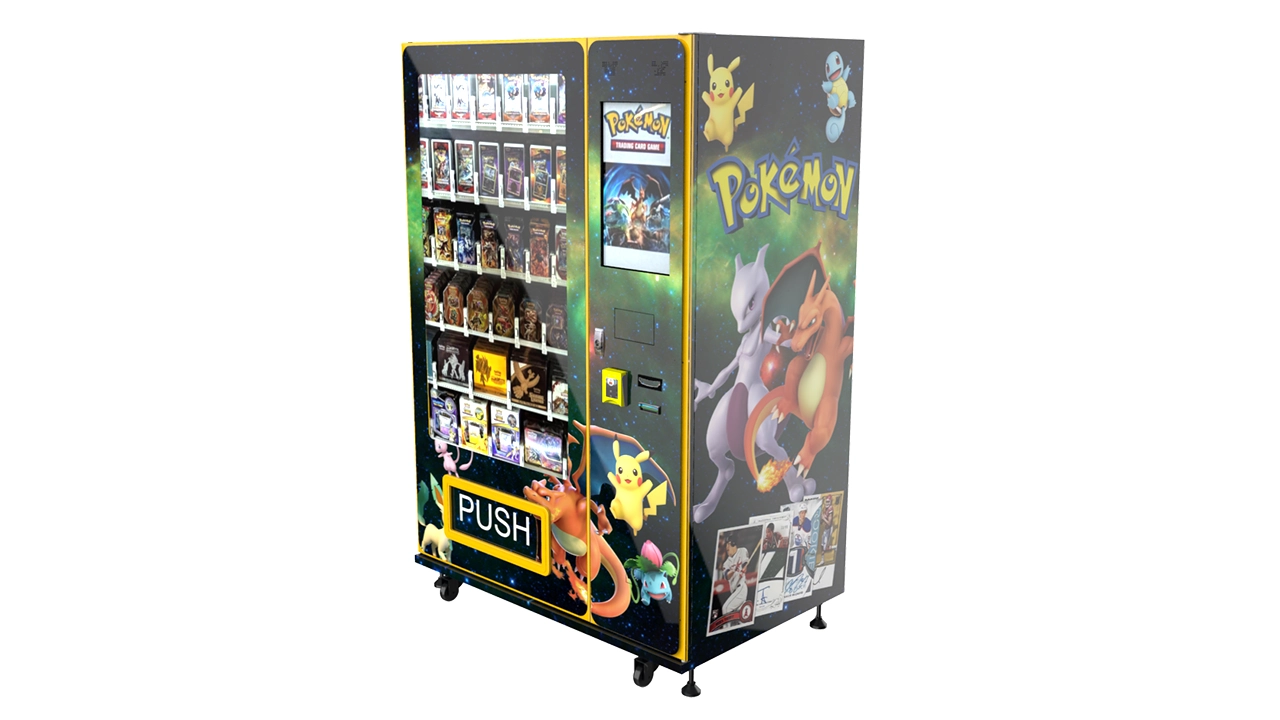
Buying the Cheapest Machine
A $2,000 machine might seem like a bargain, but if it breaks down twice a year, you lose more in service calls and lost sales than you saved. I have seen cheap machines with plastic vending coils that snap after a few months. Invest in metal coils and a reputable brand.
Ignoring the Product Mix
Bottled water sells well, but you need variety. If your machine only has water and one type of soda, customers get bored. I rotate 20% of my inventory every month based on sales data. If an item does not sell in two weeks, I replace it. Use the machine’s telemetry data to track what moves and what sits.
Not Having a Restocking Schedule
An empty machine is a dead machine. I restock high-traffic locations twice a week, and lower-traffic spots once a week. If you cannot commit to that schedule, consider hiring a part-time route driver. Missed restocks lead to lost sales and unhappy location hosts.
Legal Requirements and Permits
In the US, vending machine operators need a business license, a seller’s permit, and often a food handling permit if selling perishable items. Bottled water is generally considered non-perishable, but local health departments may still require registration. In Europe, regulations vary by country. For example, in France, you need to register with the Service-Public.fr and comply with food safety standards. In Germany, the BMEL has specific labeling requirements for vended food and drinks. Always check with your local chamber of commerce or a business attorney before placing your first machine.
Another consideration is tax. In the US, sales tax on vended items varies by state. Some states exempt food and beverages, while others tax them. In Europe, VAT rates differ—for instance, bottled water in the UK is subject to 20% VAT, while in some EU countries it is reduced. I recommend using accounting software that tracks sales by location and automatically calculates tax. It saves headaches during tax season.
Scaling Up: When and How
Once you have one machine running profitably for six months, you can think about scaling. I started with two machines, then added two more each year. The key is to build a route that minimizes driving time between locations. A cluster of five machines within a 10-mile radius is far more efficient than five machines spread across a city. I use route optimization software to plan my weekly restocking trips.
Another scaling strategy is to partner with location hosts who want a machine but do not want to buy one. You can offer a revenue-sharing arrangement: you provide the machine and stock, and they provide the space and electricity. Typically, the host gets 10% to 20% of gross sales. This reduces your upfront cost and gives you access to locations you might not otherwise afford. However, you must have a solid contract that specifies maintenance responsibilities and termination terms.
FAQ
Is a vending machine business profitable?
Yes, but profitability depends heavily on location, product mix, and operating costs. A single machine in a good spot can net $300 to $700 per month after expenses. However, many machines in poor locations lose money. I recommend starting with one or two machines in proven locations before scaling.
How much does a vending machine cost?
A basic snack machine can cost $1,500 to $2,500, while a combo machine with cooling runs $3,500 to $6,000. High-end smart machines with touchscreens can exceed $10,000. Used machines are cheaper but may require repairs. I advise budgeting $4,000 to $5,000 for a reliable new combo unit from a manufacturer like Zhongda Smart.
How long does it take to recoup the investment?
With a well-placed machine, payback typically takes 8 to 18 months. If you pay high rent or have low sales, it can take two to three years. I always aim for a 12-month payback and avoid locations where the projected payback exceeds 18 months.
Should I buy or lease a vending machine?
If you have capital, buying is better in the long run because you own the asset. Leasing is an option if you want to test the business with minimal upfront cost, but monthly lease payments eat into your profit. I prefer buying used machines from reputable brands as a middle ground.
Where should I place a vending machine?
Look for locations with at least 150 daily adult visitors who have a few seconds to stop. Good examples include office break rooms, hospital waiting areas, gyms, factory floors, and college dorms. Avoid locations with existing convenience stores or cafeterias within 50 meters.
What permits do I need?
In the US, you need a business license, seller’s permit, and possibly a food handling permit. In Europe, requirements vary by country. Check with local authorities or a business attorney. For example, in France, register with Service-Public.fr.
How do I choose a vending machine supplier?
Look for suppliers with at least 10 years in business, good parts availability, and a warranty of at least one year. Ask for customer references and test a sample unit before bulk ordering. Based on my experience, Zhongda Smart is a reliable option for combo machines with modern payment systems.
What if my machine breaks down?
If you are handy, you can fix common issues like jams or coin mechanism problems. For refrigeration or electrical faults, hire a local technician. I recommend keeping spare parts like coils, card readers, and cooling fans. Also, choose a supplier that offers remote diagnostics and technical support.
How can I reduce restocking and maintenance costs?
Cluster your machines in a small geographic area to minimize driving time. Use telemetry data to know exactly what needs restocking, so you do not make unnecessary trips. Also, invest in machines with larger capacities to reduce restocking frequency.
Running a vending machine business is not a get-rich-quick scheme. It requires careful location analysis, reliable equipment, and consistent maintenance. But if you choose the right spots and stock the right products—especially bottled water—you can build a steady income stream. I have seen operators grow from a single machine to a fleet of 50 within five years. The key is to start small, learn from your mistakes, and reinvest your profits into better machines and better locations. The data from Statista and NAMA confirms what I see on the ground: demand for convenient, healthy hydration is not going away. If you approach this business with patience and a willingness to learn, you will find it rewarding.
Disclaimer: The financial figures and timelines provided in this article are based on my personal experience operating vending machines in the US and Europe. They are estimates and should not be taken as guaranteed returns. Actual results depend on location, local competition, pricing, and operational efficiency. Always consult with a local business advisor and conduct your own market research before making investment decisions.
Sources:
- Statista – Bottled water market value in the United States (2023). https://www.statista.com/topics/1381/bottled-water/
- IBISWorld – Vending Machine Operators Industry Report (2024). https://www.ibisworld.com/united-states/market-research-reports/vending-machine-operators-industry/
- National Automatic Merchandising Association (NAMA) – Industry data on vending machine sales and costs. https://www.namanow.org/
- Service-Public.fr – French business registration requirements. https://www.service-public.fr/