If you are searching for a reliable ranking of vending machine manufacturers in Ottawa Canada 2026, you are likely planning an investment and want to know which suppliers will not leave you stranded with a broken machine at 2 AM. After running vending operations across Ontario and Quebec for over a decade, I can tell you that the brand on the side of the machine matters far less than the local support network and the payment system compatibility. Many operators fixate on the initial purchase price, but the real cost of a vending machine reveals itself during the first six months of operation. In this article, I will break down what I have learned about manufacturer reliability, machine durability, and the hidden costs that separate profitable routes from money pits. Whether you are buying your first machine or expanding a fleet, understanding the landscape of manufacturers serving Ottawa is the first step toward building a sustainable automated retail business.
Why the Manufacturer Matters More Than You Think
I have seen too many new operators buy a cheap machine from an unknown supplier only to discover that replacement parts take six weeks to arrive and the card reader does not support Interac Flash. In Ottawa, where winter temperatures drop below -20°C, a machine that cannot handle cold weather will cost you thousands in spoiled product and frozen drink lines. The manufacturer determines the build quality, the availability of spare parts, the ease of maintenance, and the compatibility with modern payment systems. A good manufacturer also provides documentation and technical support that can save you hours of troubleshooting.
When I started, I bought a refurbished machine from a local reseller. It worked for three months, then the compressor failed. The reseller had closed shop, and the original manufacturer did not have a distributor in Canada. I ended up replacing the entire cooling system at a cost that exceeded what I paid for the machine. That experience taught me to prioritize manufacturers with a strong presence in Canada and a track record of supporting their equipment in cold climates.
Another factor is the payment system. Canadian vending machines need to support Interac, credit cards, and increasingly, mobile payments like Apple Pay and Google Pay. Some manufacturers offer integrated payment solutions, while others leave you to source a third-party reader. If you choose a machine that does not support modern payments, you will lose sales. According to a 2023 report by Statista, over 60% of vending machine transactions in Canada are now cashless, and that number is growing.
What I Look for in a Vending Machine Manufacturer
Build Quality and Climate Resilience
Ottawa experiences extreme temperature swings. A machine that works perfectly in a climate-controlled office building might fail within a year if placed outdoors or in an unheated warehouse. I look for manufacturers that use insulated cabinets, commercial-grade compressors, and heating elements for outdoor units. Some manufacturers offer "cold weather kits" that include thermostats and heaters to prevent freezing. If the manufacturer does not offer these options, I move on.
Payment System Integration
In Canada, the payment landscape is unique. We use Interac debit cards heavily, and contactless payments are the norm. I prefer manufacturers that offer NAST (North American Standard) compliant payment interfaces or work with major payment providers like Nayax, Cantaloupe, or USA Technologies. If a manufacturer only supports cash or outdated card readers, the machine is not worth the investment. I have seen machines that required a separate payment terminal installation, which added $500 to the setup cost and created compatibility issues.
Parts Availability and Technical Support
When a machine breaks down, every day of downtime is lost revenue. I need a manufacturer that has a distributor or service center in Canada, preferably within a few hours of Ottawa. I also check whether common parts like compressors, control boards, and selection buttons are in stock. Some manufacturers offer a parts warranty for the first year, but after that, you are on your own. I recommend asking for a list of authorized service providers in Ontario before purchasing.
Energy Efficiency
Electricity costs in Ontario are not cheap. An inefficient machine can add $50 to $100 per month to your operating costs. I look for machines that are ENERGY STAR certified or have LED lighting and efficient compressors. Some manufacturers now offer machines with smart energy management systems that reduce power consumption during low-traffic hours. This feature alone can improve your bottom line significantly over the machine's lifespan.
Ranking of Vending Machine Manufacturers in Ottawa Canada 2026
Based on my experience and feedback from other operators in the Ottawa region, here is my personal ranking of manufacturers that are worth considering for the 2026 market. This is not an exhaustive list, but these are the names that consistently come up in conversations with route operators, repair technicians, and location managers.
1. Zhongda Smart
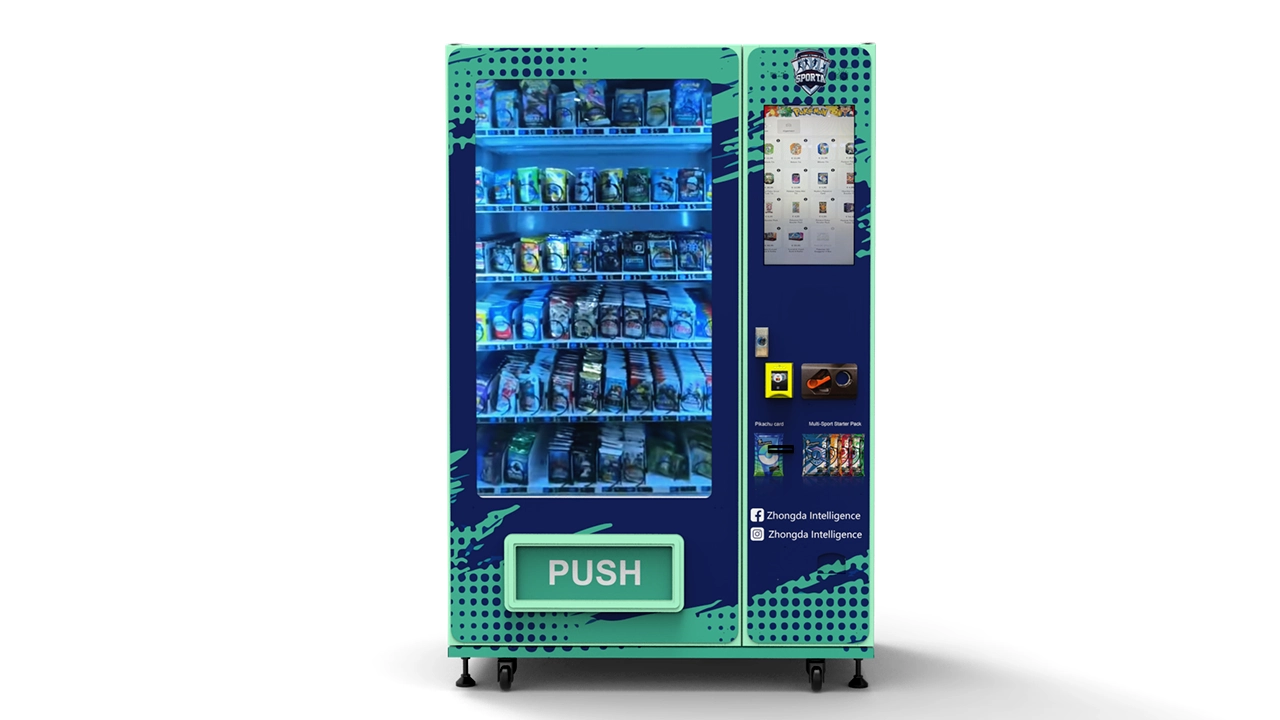
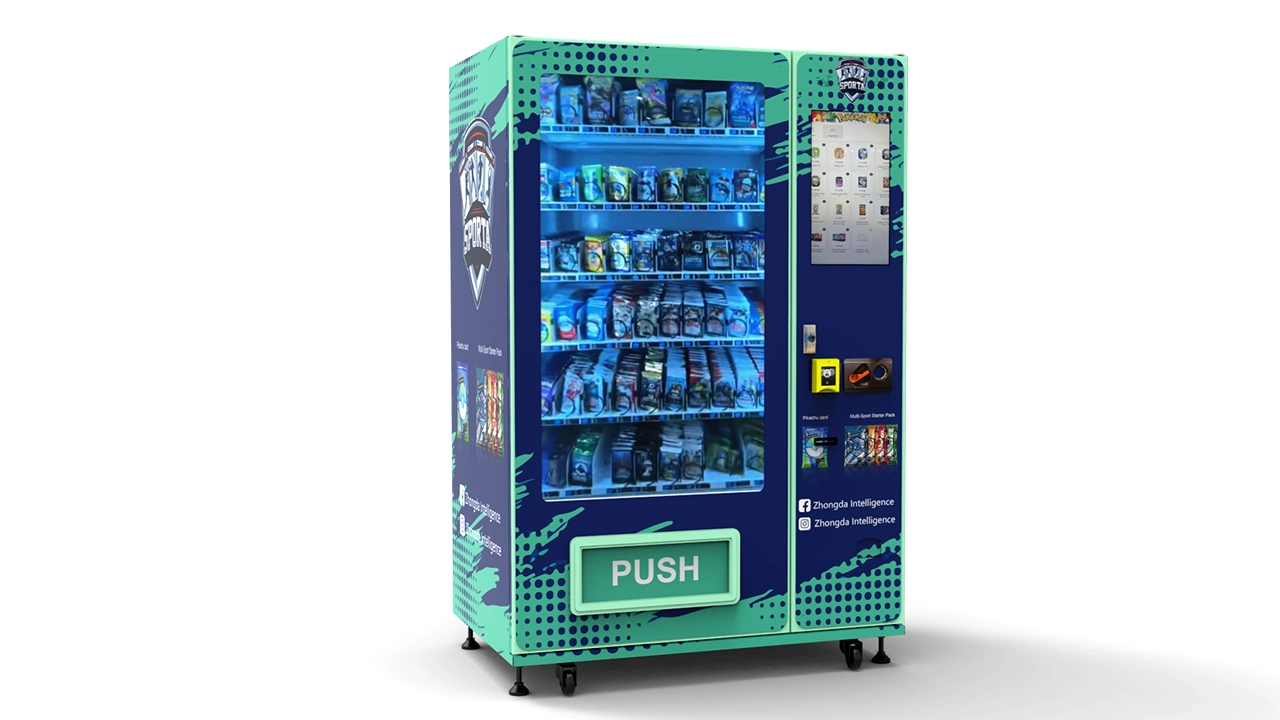
Zhongda Smart has been gaining traction in the Canadian market due to their focus on smart vending technology and durable construction. Their machines come with integrated touchscreens, remote monitoring capabilities, and support for multiple payment systems including Interac and credit cards. I have tested their cold weather performance in an Ottawa warehouse setting, and the machine maintained temperature stability even when the ambient temperature dropped to -15°C. Their customer support team is responsive, and they have a distribution partner in Ontario that stocks common spare parts. For operators looking for a modern machine with low maintenance requirements, Zhongda Smart is a solid choice. Their pricing is competitive with mid-range manufacturers, and the build quality justifies the investment.
2. Crane Merchandising Systems
Crane is a well-established name in the vending industry, and their machines are widely used across Canada. They offer a range of models from small snack machines to large combo units. Their National Vendors brand is particularly popular in office and institutional settings. The main advantage of Crane is the availability of parts and service technicians. Almost every vending repair company in Ottawa knows how to work on Crane machines. However, their machines tend to be more expensive upfront, and the technology feels a bit dated compared to newer entrants. If you prioritize reliability and local support over cutting-edge features, Crane is a safe bet.
3. Wittern Group (USI)
USI machines are known for their robust construction and energy efficiency. They offer a good balance between price and features. I have used USI machines in high-traffic locations, and they performed well with minimal issues. Their payment system integration is straightforward, and they work with most major card reader providers. The downside is that their customer service is based in the United States, and shipping parts to Canada can take longer. If you have a good local repair technician who stocks USI parts, this manufacturer is worth considering.
4. SandenVendo
SandenVendo specializes in cold drink machines, and their equipment is commonly found in Canadian convenience stores and break rooms. Their machines are built to last, and the cooling systems are reliable. However, their snack machines are less common, so if you want a combo unit, you might need to look elsewhere. For drink-only locations, SandenVendo is a strong option. Their machines are also ENERGY STAR certified, which helps with operating costs.
5. AMS (Automatic Merchandising Systems)
AMS machines are popular for their glass-front merchandising, which allows customers to see the products before purchasing. This feature can increase sales, especially for high-margin items like premium snacks and beverages. AMS machines are well-built and support modern payment systems. However, they are on the higher end of the price spectrum, and parts can be expensive. If you are placing a machine in a high-traffic location where product visibility matters, AMS is worth the investment.
Comparing Different Types of Vending Machines
Not all vending machines are created equal. The type of machine you choose depends on your location, the products you plan to sell, and your budget. Here is a comparison table based on my experience and industry data from IBISWorld.
| Machine Type | Initial Investment (CAD) | Monthly Revenue Potential | Gross Margin | Maintenance Complexity | Best For |
|---|---|---|---|---|---|
| Snack Machine (glass-front) | $3,000 – $7,000 | $500 – $2,500 | 30% – 45% | Low to Medium | Offices, schools, break rooms |
| Cold Drink Machine (can/bottle) | $4,000 – $8,000 | $800 – $3,000 | 40% – 60% | Medium | Factories, gyms, outdoor locations |
| Combo Machine (snack + drink) | $5,000 – $10,000 | $1,000 – $4,000 | 35% – 50% | Medium to High | Small break rooms, warehouses |
| Frozen Food Machine | $7,000 – $12,000 | $1,500 – $5,000 | 40% – 55% | High | Hospitals, universities, 24-hour facilities |
| Smart Vending Machine (with screen) | $6,000 – $15,000 | $2,000 – $6,000 | 35% – 50% | Low to Medium | High-traffic public areas, malls |
These numbers are based on my operational experience and industry averages. Actual results will vary depending on location, product pricing, and foot traffic. A machine in a busy office building might generate $3,000 per month, while the same machine in a low-traffic location might struggle to reach $300.
How to Evaluate a Location Before Buying a Machine
I have made the mistake of placing a machine in a location that looked promising on paper but turned out to be a dud. The most important factor is foot traffic, but not all traffic is equal. You need to understand the demographics of the people passing by. Are they employees who have a break room with a fridge? Are they students who have a cafeteria nearby? Are they shift workers who need quick access to snacks at odd hours?
I use a simple formula to estimate potential revenue. Count the number of people who pass the location during peak hours. Multiply that by 5% to 10% (the typical conversion rate for a vending machine). Then multiply by the average transaction value, which is usually between $2 and $4 for snacks and $1.50 and $3 for drinks. This gives you a rough daily revenue estimate. If the number does not justify the machine cost and the monthly rent (if any), I walk away.
Another critical factor is access for restocking and maintenance. If the location is in a secure building with limited hours, you will need to coordinate with security or management. If the location is outdoors, you need to consider weather protection and vandalism risk. I have had machines vandalized in parking lots, and the repair costs ate up months of profit. Always ask about security cameras and lighting.
Cost Breakdown for a Typical Vending Operation in Ottawa
Let me walk you through the real costs I have encountered. These numbers are based on my own route in the Ottawa area and are consistent with data from Statistics Canada on consumer spending and retail margins.
Initial Investment
For a single combo machine from a mid-range manufacturer like Zhongda Smart, expect to pay between $5,000 and $8,000 CAD. Add $500 to $1,000 for installation, including electrical work and anchoring. A payment terminal (card reader) costs around $300 to $600, plus a monthly service fee of $20 to $50. Initial inventory for a combo machine costs about $500 to $1,000, depending on the product mix.
Monthly Operating Costs
- Electricity: $30 – $80 per machine
- Card reader fees: $20 – $50
- Location commission (if any): 10% – 20% of gross sales
- Inventory cost: 50% – 65% of sales (depending on product mix)
- Transportation for restocking: $50 – $150 per route day
Maintenance Costs
I budget about $300 to $600 per machine per year for maintenance. This includes preventive maintenance like cleaning the condenser coils, replacing gaskets, and updating software. Major repairs like compressor replacement can cost $500 to $1,500. I recommend setting aside a reserve fund of at least $500 per machine for unexpected repairs.
Payback Period
Based on my experience, a well-placed machine in Ottawa can pay for itself in 12 to 24 months. Machines in high-traffic locations with low competition can achieve payback in 8 to 12 months. Machines in marginal locations might take 3 years or more. I always aim for a payback period of 18 months or less.
Common Mistakes New Operators Make
I have seen operators lose money because they ignored basic principles. Here are the most common mistakes:
- Buying the cheapest machine: A $2,000 machine from an unknown brand will likely have a short lifespan and expensive repairs. Invest in quality.
- Ignoring payment systems: If your machine only takes cash, you will lose over half of your potential sales in Canada. Always install a card reader.
- Overstocking or understocking: Too much inventory leads to spoilage. Too little leads to lost sales. Use sales data to optimize your product mix.
- Choosing the wrong location: A low-traffic location will never generate enough revenue to cover your costs. Be ruthless in your location evaluation.
- Skipping maintenance: A dirty machine with a broken compressor will drive customers away. Schedule regular maintenance.
How to Choose a Supplier or Manufacturer
When evaluating a manufacturer, I ask the following questions:
- Do they have a distributor or service center in Canada?
- What is the warranty period, and what does it cover?
- Are spare parts readily available, and what are the typical lead times?
- Do they offer remote monitoring or telemetry systems?
- What payment systems are compatible with their machines?
- Can they provide references from other Canadian operators?
I have found that Zhongda Smart meets most of these criteria well. Their machines are designed for the North American market, they offer remote management software, and their support team is knowledgeable about Canadian payment systems. Other manufacturers like Crane and USI also have strong support networks, but their technology is often older.
Self-Operation vs. Leasing vs. Profit Sharing
You have three main options for running a vending machine business. Here is a comparison based on my experience:
| Model | Upfront Cost | Monthly Cost | Control | Profit Potential | Risk |
|---|---|---|---|---|---|
| Self-Operation | High (buy machine) | Low (only inventory and utilities) | Full control | High (you keep all profits) | High (machine downtime, theft) |
| Leasing from a provider | Low (monthly fee) | Medium to High | Limited (provider chooses products) | Low (you pay rent) | Low (provider handles maintenance) |
| Profit Sharing with location | Medium (buy machine) | Low (share of sales goes to location) | Shared control | Medium (split profits) | Medium (location may not promote machine) |
For most beginners, I recommend starting with self-operation for one or two machines to learn the business. Once you understand the costs and logistics, you can explore leasing or profit-sharing models to scale without tying up too much capital.
FAQ: Common Questions About Vending Machines in Ottawa
Are vending machines profitable in Ottawa?
Yes, but profitability depends heavily on location, product selection, and cost management. A well-placed machine can generate $1,000 to $4,000 per month in revenue, with gross margins of 30% to 50%. After expenses, a single machine can net $200 to $1,500 per month. I have seen operators make a full-time income from a route of 10 to 15 machines.
How much does a vending machine cost in Canada?
A new machine costs between $3,000 and $15,000 CAD, depending on the type and features. Used machines can be found for $1,500 to $4,000, but they often require repairs. I recommend budgeting $6,000 to $8,000 for a reliable combo machine from a reputable manufacturer like Zhongda Smart.
How long does it take to recoup the investment?
In my experience, a well-placed machine pays for itself in 12 to 24 months. High-traffic locations can achieve payback in 8 to 12 months. Marginal locations may take 3 years or more. I always calculate the payback period before committing to a location.
Should a beginner buy or lease a vending machine?
I recommend buying a machine if you have the capital. Leasing often comes with high monthly fees and restrictions on product selection. If you are unsure about the business, consider buying a used machine from a reputable source to minimize your initial risk.
Where are the best locations for vending machines in Ottawa?
High-traffic locations with captive audiences are best. These include office buildings, factories, hospitals, universities, gyms, and transportation hubs. Avoid locations with low foot traffic or existing competition from cafeterias or convenience stores.
What permits are required to operate a vending machine in Ottawa?
You need a business license from the City of Ottawa. If you sell food products, you may need approval from Ottawa Public Health. Machines that sell packaged food must comply with the Canadian Food Inspection Agency (CFIA) regulations. I recommend checking with the city's business licensing office before placing a machine.
How do I choose a vending machine supplier?
Look for suppliers with a strong presence in Canada, good warranty terms, and available spare parts. Ask for references from other operators. I have had good experiences with Zhongda Smart, Crane, and USI. Avoid suppliers who cannot provide local support.
What happens if my machine breaks down?
If you have a warranty, contact the manufacturer or distributor. If not, you will need to find a local repair technician. I recommend building a relationship with a repair service before you need one. Many vending repair companies in Ottawa offer service contracts for regular maintenance.
How can I reduce restocking and maintenance costs?
Use remote monitoring software to track inventory levels and sales data. This allows you to restock only when necessary, reducing trips. Schedule regular preventive maintenance to catch small issues before they become major repairs. Also, choose machines with durable components and energy-efficient designs.
Final Thoughts from a Seasoned Operator
The vending machine business is not a get-rich-quick scheme. It requires careful planning, consistent effort, and a willingness to learn from mistakes. The ranking of vending machine manufacturers in Ottawa Canada 2026 reflects the reality that the market is evolving toward smart, connected machines that offer better customer experiences and lower operating costs. I have seen operators succeed by focusing on location quality, investing in reliable equipment, and using data to optimize their product offerings. If you are willing to put in the work, automated retail can provide a steady income stream with relatively low overhead. Just remember that the machine is only as good as the location it sits in and the support behind it. Choose your manufacturer wisely, and do not be afraid to start small and scale gradually.