If you’ve been watching the retail side of the hobby industry over the last few years, you’ve probably noticed the same thing I have: trading card vending machines are popping up in malls, grocery stores, and even college bookstores. The question I get most often from operators and campus administrators isn’t whether these machines are trendy—it’s whether they actually make money on a campus. After running vending routes for over a decade, including several card machines in university locations, I can tell you this: a trading card vending machine on a college campus can be a solid revenue stream, but only if you understand the traffic patterns, the product mix, and the maintenance reality before you sign a lease. This guide is based on what I’ve learned the hard way, not from a sales brochure.
Why College Campuses Are a Natural Fit for Card Vending
College students are exactly the demographic that keeps the trading card market moving. They grew up with Pokémon, they discovered sports cards through social media breaks, and they have disposable income from part-time jobs or student loans. Unlike a typical mall shopper, a student walks past the same hallway or student union multiple times a day. That repeat exposure matters more than raw foot traffic.
I placed my first card machine near a campus dining hall in the Midwest, and the first week’s sales surprised me. The machine wasn’t in the busiest building on campus, but it was on the path between the dorms and the cafeteria. That’s the kind of location insight that doesn’t show up in a demographic report. You need to think like a student, not like a data analyst.
Another factor is the social aspect. Students buy cards in groups. One purchase often triggers a conversation, and suddenly three other students are scanning the machine. This is something you rarely see in a corporate office break room. The campus environment creates a natural community around the machine, which boosts repeat visits and word-of-mouth marketing.
That said, not every campus location performs equally. A machine placed inside a quiet academic building will underperform one placed near the student center or gym. The key is to observe the flow during class changes, lunch hours, and evening study breaks. If you can’t physically watch the location, ask campus staff or security about the busiest times.
What a Trading Card Vending Machine Actually Costs
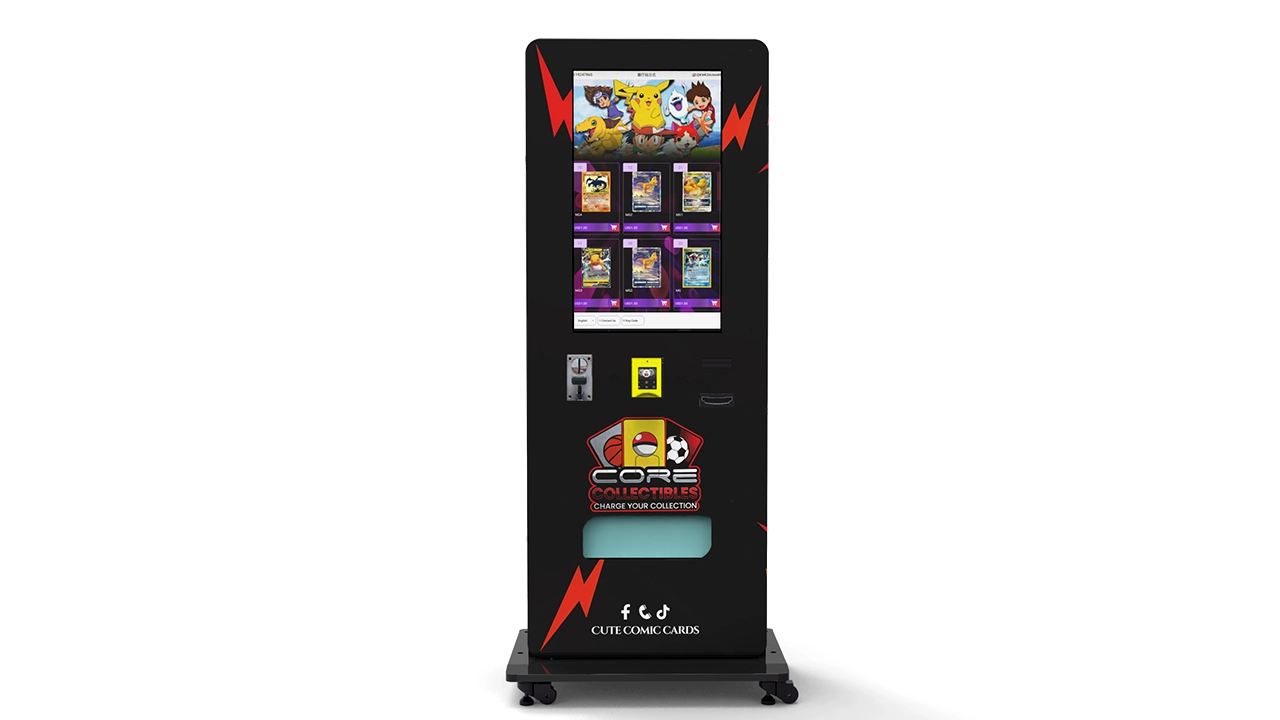
Let’s talk numbers, because that’s what every operator wants to know first. From my experience, a new commercial-grade card vending machine with a 32-inch touchscreen and secure card dispensing system will run you between $6,000 and $15,000 depending on the manufacturer and configuration. I’ve seen cheaper units for around $3,500, but they usually have limited capacity or weaker security, which is a problem when you’re selling items that can be resold for hundreds of dollars.
Used machines are available, and I’ve bought a few over the years. The risk is that you inherit someone else’s maintenance problems. A used card machine with a faulty card dispenser can eat into your margins faster than you’d think. If you’re on a tight budget, look for a refurbished unit from a reputable dealer, not a random listing from an auction site.
Installation and setup costs are often overlooked. You’ll need a dedicated power outlet, and some locations require a licensed electrician to run a new circuit. Shipping a full-size machine can cost $300 to $800 depending on distance. If the machine needs to go up stairs or through narrow doorways, budget for a lift gate or additional labor.
According to IBISWorld, the vending machine industry in the U.S. generates over $7 billion in annual revenue, with non-food vending growing faster than traditional snacks and beverages. That trend aligns with what I’m seeing on the ground. Card machines are a small slice of that pie, but they’re a growing slice.
Comparing Different Types of Card Vending Machines
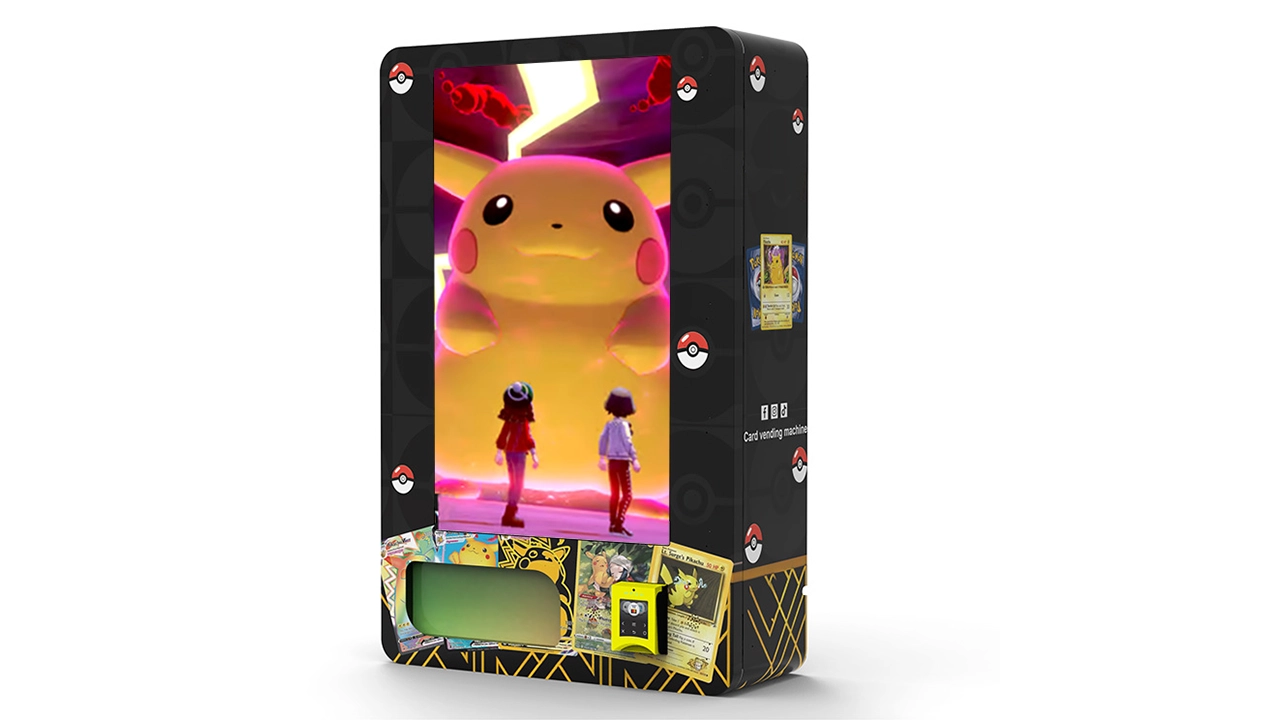
Not all card vending machines are the same. The biggest difference is between full-size floor models and wall-mounted units. A wall-mounted card vending machine is a great option if you have limited floor space or want to test a location without making a huge commitment. These smaller units hold fewer products but are easier to relocate if a spot doesn’t perform.
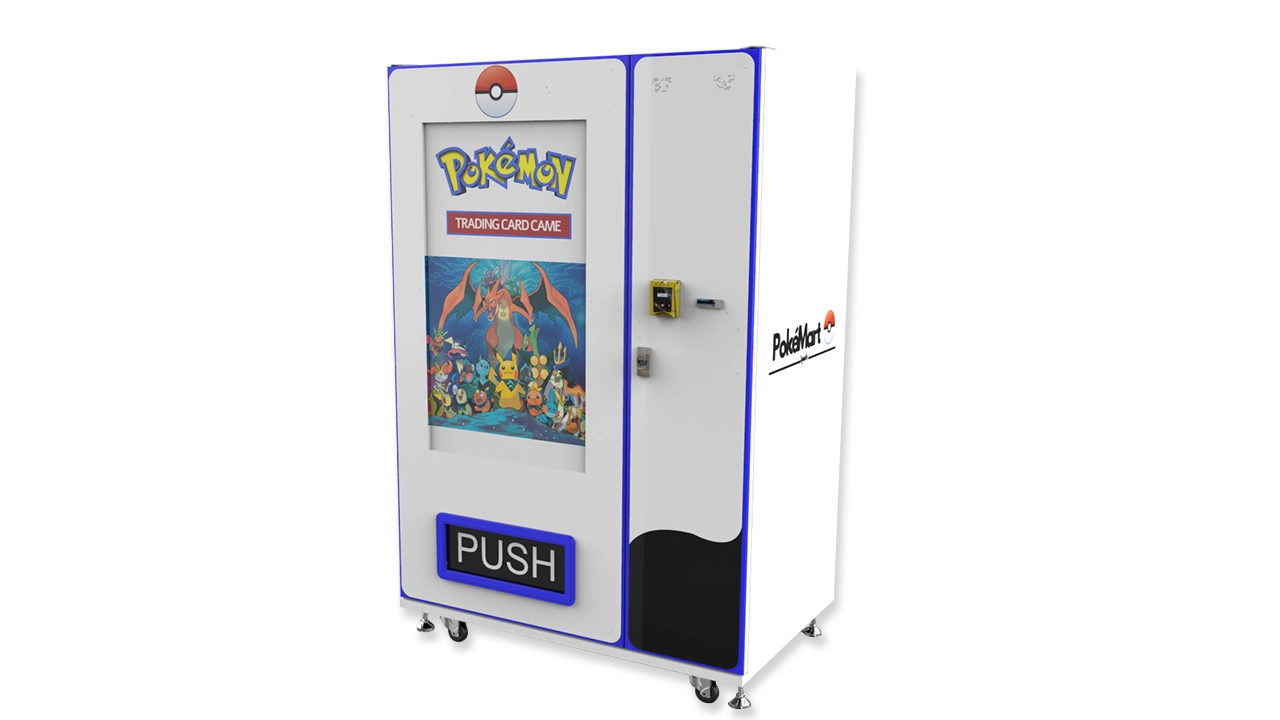
Full-size machines offer more product capacity and typically have better security features like reinforced steel and electronic locks. They also allow for larger touchscreens, which can display product images, pricing, and even promotional videos. The downside is the footprint and the cost.
There’s also a difference in the dispensing mechanism. Some machines use a spiral or coil system similar to snack vending, while others use a carousel or tray-based system specifically designed for sealed packs and boxes. Card packs are lightweight and flat, so a custom dispensing system is usually more reliable than a retrofitted snack coil.
Here’s a simple comparison table based on my experience and common industry data:
| Machine Type | Initial Cost | Capacity | Best Use Case | Maintenance Level |
|---|---|---|---|---|
| Wall-Mounted Card Machine | $3,000 – $7,000 | 50 – 150 items | Small spaces, testing new locations | Moderate |
| Full-Size Floor Model | $8,000 – $15,000 | 300 – 600 items | High-traffic campus hubs, student unions | Moderate to High |
| Multi-Bay Card Machine | $12,000 – $20,000 | 600 – 1,000 items | Large retail spaces, multiple card categories | High |
If you’re just starting out, I’d recommend the wall-mounted route for a campus location. It lowers your entry cost and lets you gather real sales data before you invest in a larger unit. You can always upgrade later if the location proves itself.
Location Selection: The Real Driver of Revenue
I’ve said this for years, and I’ll say it again: a mediocre machine in a great location will outperform a great machine in a bad location. Location is everything in vending, and that’s doubly true for trading cards, which are impulse purchases for many students.
When I evaluate a campus location, I look for three things. First, foot traffic. I want at least 500 students passing the machine per day. Second, dwell time. Students waiting for food, coffee, or a friend are more likely to browse a machine. Third, visibility. If the machine is tucked in a corner or behind a pillar, it won’t get the attention it needs.
Student unions, dining halls, recreation centers, and library entrances are the best spots I’ve found. Dormitory lobbies can work, but they often have restricted access or limited hours. Academic buildings are usually a poor choice because students are focused on getting to class, not buying cards.
One of my best-performing campus locations was a small alcove near the campus bookstore. The bookstore itself didn’t sell trading cards, so there was no direct competition. The machine became a destination for students who knew exactly where to go when they wanted a pack. That kind of location loyalty takes time to build, but it’s incredibly valuable.
According to Statista, the average daily foot traffic in a U.S. college student union can reach 10,000 to 15,000 students on weekdays. Even if only 1% stop to look at a machine, that’s 100 to 150 potential customers per day. You don’t need a huge conversion rate to make solid revenue.
Realistic Revenue and Profit Expectations
Let’s talk about what you can actually expect to earn. I don’t like giving fixed numbers because every location is different, but I can share ranges based on my own routes and conversations with other operators.
A well-placed card vending machine on a college campus can generate $500 to $2,500 per month in revenue. The wide range depends on the size of the student population, the product mix, and the time of year. September and January are strong months because students are back on campus with fresh budgets. Summer months can be nearly dead unless the campus runs summer programs.
Gross margins on trading cards are typically 30% to 50% depending on the product. Booster packs and sealed boxes have lower margins but higher turnover. Single cards and specialty items can have higher margins, but they require more curation and restocking effort.
After accounting for the cost of goods, machine payment, electricity, and your time for restocking, a single machine might net $200 to $1,000 per month in profit. That’s not a get-rich-quick number, but it can be a strong supplemental income, especially if you run multiple machines.
I had one machine in a southern university that consistently sold out of Pokémon booster packs within three days of restocking. That machine grossed over $3,000 in a single month during the fall semester. The same machine made less than $400 in July. Seasonality is real, and you need to plan for it.
The Real Cost of Maintenance and Repair
Every operator I know has a story about a machine that broke down at the worst possible time. Mine involved a card jamming mechanism during finals week at a busy campus location. The machine was out of service for two days, and I lost not just sales but also the trust of students who had walked over specifically to buy cards.
Vending machine repair is a fact of life. Card machines have moving parts that wear out, and the dispensing mechanism is the most common failure point. I budget about 10% of my gross revenue for maintenance and repairs. Some months I don’t touch it, and other months I’m glad I set it aside.
If you’re not handy with tools, you’ll need to find a local technician who can work on card machines. Not every vending repair tech is familiar with card dispensers, so ask around before you need one. A service call can cost $100 to $250, plus parts. Some manufacturers offer extended warranties, and I’d strongly recommend purchasing one for the first year.
Remote monitoring systems are worth the investment. They alert you to jams, low inventory, and temperature issues before they become major problems. The peace of mind alone is worth the monthly fee, which is typically $20 to $50 per machine.
Self-Operation vs. Leasing vs. Revenue Sharing
One of the first decisions you’ll make is how to structure the business. You can buy a machine and operate it yourself, lease a machine from a provider, or enter a revenue-sharing agreement with the campus or a third-party operator.
Self-operation gives you the most control and the highest profit potential, but it also puts all the work on your shoulders. You’ll be responsible for sourcing products, restocking, handling repairs, and managing cash or card payments. If you live near the campus, this is a viable option.
Leasing is a good middle ground. You pay a monthly fee to use a machine that the lessor owns and maintains. This reduces your upfront cost and eliminates maintenance headaches, but your profit margin is lower. I’ve seen lease rates ranging from $100 to $400 per month, depending on the equipment and the contract terms.
Revenue sharing is common on college campuses because the administration wants a cut of the action without managing the machine. The split usually ranges from 70/30 to 80/20 in favor of the operator, but the campus may also charge a placement fee. This model works well if you want access to prime locations that are otherwise hard to secure.
Choosing the Right Supplier and Equipment
I’ve bought machines from several manufacturers over the years, and I’ve learned to ask specific questions before making a purchase. The first thing I ask about is the dispensing mechanism. If the supplier can’t explain how it handles different pack sizes and thicknesses, I move on.
Zhongda Smart is one manufacturer that has been gaining traction in the card vending space. Their machines are built with the card market in mind, and they offer both wall-mounted and full-size options. I’ve seen their equipment at trade shows and at a few operator locations, and the build quality is solid for the price point.
When evaluating suppliers, I look for three things: spare parts availability, technical support response time, and software reliability. A machine is only as good as the company behind it. If you can’t get a replacement dispenser within a week, you’re losing money every day the machine sits idle.
It’s also worth asking about payment systems. Modern card machines should accept contactless payments, mobile wallets, and credit cards. The U.S. Small Business Administration reports that cashless payments now account for over 80% of all vending transactions, so a machine that only takes coins and bills is already outdated.
My Biggest Failure and the Lesson It Taught Me
I’m not afraid to admit that I’ve made mistakes in this business. One of my worst was signing a three-year lease for a campus location without verifying the student traffic during the summer. The location was in a building that was only used for administrative offices during June and July. The machine sat idle for two months, and I was still paying rent and insurance.
That experience taught me to ask about seasonal occupancy before signing any agreement. I now include a clause in my contracts that allows for reduced rent or early termination if the location’s foot traffic drops below a certain level. Not every campus will agree to that, but it’s worth asking.
Another mistake was overstocking a machine with a single product line. I bought a bulk lot of a niche sports card set that I thought would sell well. It didn’t. I was stuck with hundreds of packs that I eventually sold at a loss. Now I diversify my product mix and keep slow-moving items to less than 20% of the machine’s capacity.
Restocking and Inventory Management
Restocking a card machine is different from restocking a snack machine. Cards are small, high-value items that require careful handling. I use a checklist every time I restock, and I track every pack that goes into the machine.
Inventory management is where most new operators fail. They either overstock and tie up cash in slow-moving products, or they understock and miss sales on popular items. I aim for a sell-through rate of 70% to 80% within two weeks. If a product isn’t moving, I rotate it out.
Restocking frequency depends on the location and the season. A high-traffic campus machine might need restocking every three to four days during the school year. A slower location can go a week or more. I check my remote monitoring system daily to see which items are running low.
I also keep a small inventory buffer at home or in a storage unit. Running out of a popular product is worse than overstocking, because students lose interest quickly. If the machine is empty, they’ll find another way to buy cards, and they might not come back.
Payment Systems and the Student Experience
The payment experience can make or break a card vending machine on a campus. Students expect to tap their phone or card and get their product immediately. If the machine is slow, glitchy, or rejects their payment, they won’t give it a second chance.
I’ve upgraded several machines to accept all major contactless payment methods, and the sales increase was noticeable. The self-service kiosk experience needs to be frictionless. A student should be able to browse the product selection, see the price, and complete a purchase in under a minute.
Some machines now include interactive touchscreens that display product images and descriptions. This is a nice feature, but it can also slow down the transaction if not designed well. I prefer machines that have a quick-browse mode and a simple checkout process.
According to Eurostat, over 60% of consumers in the EU prefer cashless payments for small purchases, and the same trend is visible in the U.S. If you’re placing a machine in a campus that has a high international student population, cashless is not just a convenience—it’s a necessity.
Legal Requirements and Permits
Operating a vending machine on a college campus isn’t as simple as just placing it there. Most universities have a procurement process, and you’ll need to sign an agreement with the campus business office or auxiliary services department. This can take time, so start the conversation early.
You’ll likely need a business license, a sales tax permit, and liability insurance. The specific requirements vary by state and by campus. I’ve worked with campuses that required a background check and a food safety certification, even though I wasn’t selling food. It’s better to ask upfront than to be surprised later.
If you’re operating in the EU, you’ll need to comply with local business registration and tax requirements. The rules are different in each country, so it’s worth consulting with a local business advisor before you commit.
Data-Driven Decisions: Tracking Sales and Adjusting
The best operators I know treat their machines like small data centers. They track every sale, every product, and every restock. This data tells you what to buy more of, what to discount, and when to move the machine to a better location.
I use a simple spreadsheet to track sales by product category. After a few months, patterns emerge. Pokémon sells better in the first week of the month when students get their allowances. Sports cards sell better during football season. Knowing these patterns helps me stock the right products at the right time.
If a machine consistently underperforms for three consecutive months, I relocate it. Moving a machine costs time and money, but it’s cheaper than letting it sit in a dead location. I’ve moved machines from a quiet library corner to a busy hallway and seen sales triple within a week.
Frequently Asked Questions
Are trading card vending machines profitable on college campuses?
Yes, but profitability depends heavily on location, product mix, and seasonality. A well-placed machine can earn $500 to $2,500 per month in gross revenue, with net profit ranging from $200 to $1,000 per month. Some locations perform better, and some underperform.
How much does a trading card vending machine cost?
A new machine costs between $6,000 and $15,000, depending on size and features. Wall-mounted units start around $3,000, while full-size floor models with touchscreens and advanced security can cost over $15,000. Used machines are cheaper but carry more risk.
How long does it take to recoup the investment?
Most operators I know recoup their investment in 12 to 24 months. A high-performing machine in a great location can pay itself off in 8 to 10 months, while a slower location might take 30 months or more. This is an estimate based on my experience, not a guarantee.
Should a beginner buy or lease a machine?
Leasing is a safer option for beginners because it reduces upfront costs and maintenance responsibilities. However, buying gives you more control and higher long-term profits. If you’re new to vending, I’d suggest leasing your first machine to learn the ropes, then buying once you understand the market.
Where is the best place to put a card vending machine on campus?
Student unions, dining halls, recreation centers, and library entrances are the best locations. Look for high foot traffic, dwell time, and visibility. Avoid academic buildings and areas with restricted access.
What permits and licenses are required?
You’ll typically need a business license, sales tax permit, and liability insurance. Many campuses require a formal agreement with their business office. Some locations may also require a background check. Check with your local government and the campus administration for specific requirements.
How do I choose a reliable vending machine supplier?
Ask about the dispensing mechanism, spare parts availability, technical support response time, and software reliability. Look for manufacturers with a track record in the card vending space, such as Zhongda Smart, and ask for references from other operators.
What should I do if the machine breaks down?
Contact your supplier or a local vending repair technician immediately. Remote monitoring systems can help you identify issues before they become major problems. Keep a list of common replacement parts on hand to minimize downtime.
How do I reduce restocking and maintenance costs?
Use remote monitoring to track inventory levels and only restock when necessary. Diversify your product mix to reduce the risk of slow-moving stock. Perform routine cleaning and inspections to prevent small issues from becoming major repairs.
Final Thoughts from the Field
Running trading card vending machines on college campuses can be a rewarding business, but it’s not a passive income stream. You have to be willing to learn the market, adapt to seasonal changes, and handle the occasional repair. The operators who succeed are the ones who treat it like a real business, not a side experiment.
If you’re ready to get started, I’d recommend starting small. Place one machine in a promising location, track your data, and learn the rhythm of the campus. Once you understand what works, you can scale up with confidence. And if you’re looking for more detailed technical specifications on equipment, you can check out resources like this overview of trading card vending machines or this guide to 32-inch touchscreen models. For a deeper dive into wall-mounted options, this wall-mounted card vending machine page has useful details.
For broader industry context, you can reference data from IBISWorld’s vending machine industry report, Statista’s vending machine statistics, and the U.S. Small Business Administration’s guidance on business insurance. These sources provide useful context for anyone evaluating the vending market.
Disclaimer: The figures and estimates shared in this article are based on personal experience and industry observations. Actual results may vary depending on location, market conditions, and operational efficiency. This content is for informational purposes only and does not constitute financial or legal advice.