If you are reading this because you are trying to decide between buying a new or used trading card vending machine, stop overthinking the purchase price for a second. In my ten years of operating automated retail across the US and parts of Europe, I have learned that the real cost of a machine is not the sticker price—it is the downtime, the repair bills, and the missed sales when a unit sits dark for three weeks. I have bought both new units and salvaged beat-up ones, and I have lost money on both. The truth is that the answer depends less on the machine itself and more on your technical skill level, your location, and how quickly you need to generate cash flow. This guide breaks down the real-world differences, hidden costs, and operational realities of new versus used equipment so you can make the right call for your specific business scenario.
Why This Decision Matters More Than You Think
When I placed my first trading card vending machine in a local hobby shop back in 2016, I was convinced that buying used was the only smart financial move. I found a refurbished unit for $2,800 that looked fine in the photos. It worked for exactly eleven days before the card dispenser jammed and shredded a rare Pokémon card that a customer had paid $15 for. That one incident cost me the customer, the card value, and a repair call that took another two weeks to schedule. I learned the hard way that a used machine without a solid service history is just a donation to the repair shop.
The decision between new and used is not about saving a few thousand dollars upfront. It is about understanding what you are actually buying. A new trading card vending machine comes with a warranty, predictable maintenance windows, and modern payment systems that customers expect. A used machine might work perfectly if you are handy with electronics and have a local repair network, but it can also become a money pit that drains your time faster than it fills your wallet.
The Real Cost Breakdown: New vs Used
Let me give you a realistic picture based on what I have seen across different locations. A new 32-inch touchscreen trading card vending machine typically costs between $6,500 and $12,000 depending on the manufacturer, configuration, and whether you add features like bill validators or card readers. Used machines from reputable brands usually sell for $2,500 to $5,000, but that price often excludes shipping, installation, and the inevitable replacement parts you will need within the first six months.
Here is a quick comparison table based on my operational data and industry averages:
| Cost Factor | New Machine | Used Machine |
|---|---|---|
| Initial Purchase Price | $6,500 – $12,000 | $2,500 – $5,000 |
| Warranty Coverage | 1–2 years parts and labor | Usually 30–90 days, limited |
| First-Year Repair Costs | $200 – $500 | $800 – $2,500 |
| Payment System Reliability | Modern, mobile pay compatible | May require retrofitting |
| Downtime Risk (First Year) | Low | High if unproven |
| Resale Value After 3 Years | 40–50% of original price | Minimal |
These numbers come from my own experience and conversations with other operators in the automated retail space. They are not official statistics, but they reflect what I have seen across dozens of placements. The key takeaway is that the initial savings on a used machine often evaporate within the first year if you factor in repairs, lost sales, and the value of your own time.
Operational Experience: What Actually Breaks
I have operated machines from multiple manufacturers, and the failure points are predictable. The card dispensing mechanism is the most fragile component. On used machines, this is usually the first thing to go because it has already cycled thousands of times. The bill validator and coin acceptor also wear out quickly, especially if the machine was placed outdoors or in a dusty environment.
Another issue I have encountered with used machines is outdated payment software. Customers today expect to tap their phone or use a credit card. If you buy a used unit that only accepts coins and bills, you are cutting out a huge portion of your potential sales. Retrofitting a modern payment system costs anywhere from $400 to $800 per machine, and that is on top of the purchase price.
I remember a successful placement I did in a mall in Austin, Texas. I bought a new wall-mounted card vending machine because the space was tight and I needed something that would not take up floor space. That wall-mounted card vending machine paid for itself in seven months because it never broke down and the modern touchscreen attracted attention. The lesson here is that reliability and customer experience directly impact your revenue.
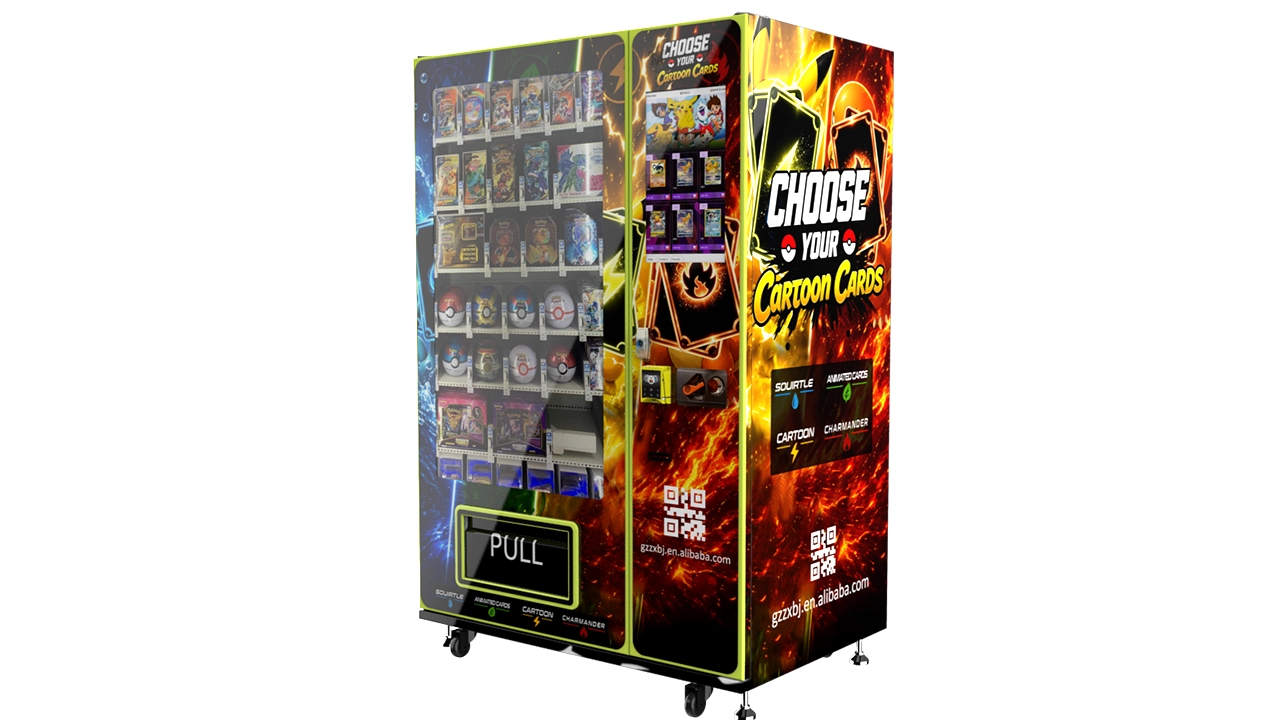
Location: The Factor That Overrides Everything
You can buy the best machine in the world, but if it sits in the wrong location, it will fail. I have seen brand new machines in low-traffic areas generate less than $200 a month, while older used machines in the right spot can pull in $1,500 or more. The machine condition matters less than the foot traffic and the buying intent of the people passing by.
For trading cards specifically, the best locations are hobby shops, comic book stores, gaming cafes, and even certain convenience stores near schools or universities. These venues have a built-in audience of collectors who understand the value of a sealed pack or a rare card. A machine in a random laundromat might get curiosity looks, but it will not move inventory the way a card shop will.
When I evaluate a location, I look for a minimum of 50 people passing by per hour during peak times. I also check whether the existing businesses are doing well. If the storefront next door changes tenants every six months, that is a red flag. You want a stable environment where the foot traffic is consistent.
Self-Operated vs. Managed: Know Your Limits
If you are not technically inclined, buying a used machine is a risky move. I have seen operators who are great at marketing but cannot troubleshoot a jammed motor. They end up paying a technician $100 to $150 per visit, and those visits add up fast. On the other hand, if you are comfortable with basic electronics and have a local supplier for parts, a used machine can offer a faster return on investment because the upfront capital is lower.
One of my best decisions was partnering with a local card shop owner who already had a customer base. We split the revenue 70/30, with me handling the machine and him providing the space and the audience. That arrangement worked because we both understood our roles. He did not want to learn how to fix a dispenser, and I did not want to manage a retail counter. If you are new to this, consider a similar partnership before you commit to buying equipment.
Payment Systems and the Self-Service Kiosk Experience
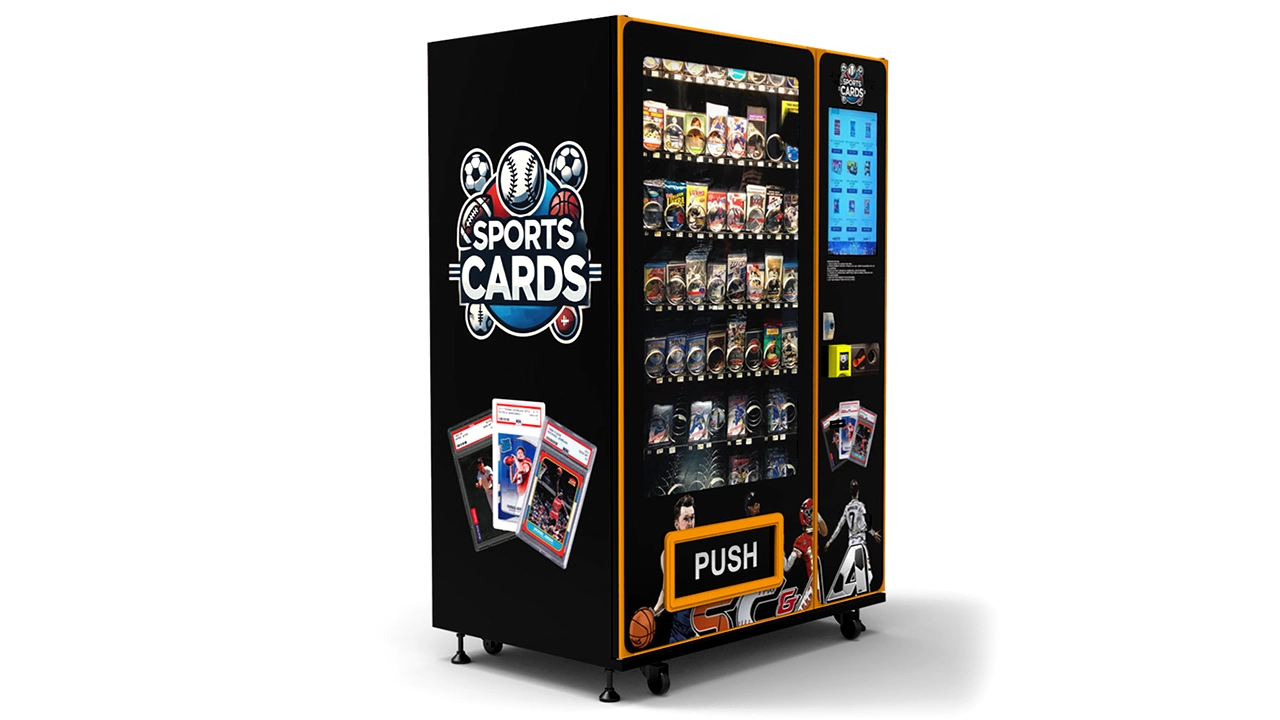
Modern customers expect a seamless experience. A self-service kiosk should accept multiple payment methods, display clear instructions, and respond quickly to input. Used machines often lack these features, and that creates friction. I have watched potential customers walk away because the touchscreen was unresponsive or the card reader was not working.
The automated retail space is evolving rapidly, and the trading card niche is no exception. If you want to stay competitive, you need a machine that supports mobile payments and possibly even remote monitoring. Some newer machines allow you to check inventory and sales data from your phone, which saves you trips to the location. This is a game-changer for operators managing multiple sites.
According to a Statista report on vending machine payment trends, cashless payments accounted for over 80% of vending transactions in the US by 2023. That number has only grown since. If you buy a used machine that cannot process card payments, you are essentially excluding your primary customer base.
Vending Machine Repair and Maintenance Realities
Let me be blunt: vending machine repair is not cheap, and it is not fast. If you are not local to the machine, you will pay a premium for someone to go check it. I once had a machine in a small town two hours from my base. A simple jam took three weeks to resolve because the only technician in the area was booked solid. During that time, I lost at least $600 in potential sales.
For used machines, I recommend having a spare parts kit on hand. This includes extra motors, sensors, and a backup bill validator. These parts are not expensive individually, but the shipping and labor costs are what kill you. If you can fix minor issues yourself, you will save thousands over the life of the machine.
New machines come with remote diagnostics that can often tell you exactly what is wrong before you even open the door. This feature alone is worth the extra upfront cost for many operators. I have a friend who runs a small fleet of new machines, and he can resolve 70% of issues remotely by rebooting the system or adjusting settings. That is impossible with most used equipment.
Supplier Selection and the Zhongda Smart Option
When you are ready to buy, the supplier matters as much as the machine. I have worked with manufacturers in China and the US, and the difference in quality control is noticeable. Zhongda Smart is one manufacturer that has consistently delivered reliable units with good after-sales support. They offer both new machines and customization options, which is useful if you want a specific size or feature set.
Do not buy from a supplier that cannot provide a clear warranty policy and a list of authorized service centers. I made that mistake with my first used purchase, and it cost me dearly. A reputable supplier will also give you documentation in English and offer remote technical support. If they hesitate on either of these points, move on.
For a deeper look at specific models, check out this 32-inch touchscreen trading card vending machine if you are leaning toward a new purchase. It gives you a sense of what modern features are available and what the price range looks like.
Refurbished Units: The Middle Ground
There is a third option that many operators overlook: professionally refurbished machines. These are not the same as a random used unit from an auction. A refurbished machine has been cleaned, tested, and had worn parts replaced. The price is usually 30–40% less than new, and you get a limited warranty.
I have bought refurbished machines for locations where the traffic was moderate and the risk was low. For example, I placed a refurbished unit in a bowling alley that had steady but not huge foot traffic. The machine worked fine for two years before I upgraded it. The key is to buy from a company that specializes in refurbishment, not a general reseller.
However, even a refurbished machine will not have the latest payment technology or remote monitoring. You may need to upgrade the card reader or add a telemetry module, which adds to the cost. Weigh these factors carefully before you decide.
Financing, Leasing, and Revenue Sharing
If you do not have the cash to buy a new machine outright, you have options. Some suppliers offer financing with monthly payments that can be offset by your revenue. Others have lease-to-own programs. I have also seen operators negotiate a revenue-sharing agreement with the location owner, where the host provides the space and the operator provides the machine and inventory.
For beginners, I generally recommend starting with a single new machine in a high-quality location rather than buying multiple used machines and hoping they work out. The learning curve is steep, and you want to minimize variables. Once you have proven the model, you can expand with more units or consider used machines for lower-risk spots.
According to IBISWorld, the vending machine industry in the US has been growing steadily, with an expected annualized growth of about 2.5% over the last five years. The trading card segment is even hotter, driven by the surge in collectible card popularity. This is not a get-rich-quick scheme, but it is a viable small business if you treat it professionally.
Common Mistakes and How to Avoid Them
One of the biggest mistakes I see new operators make is buying a machine before securing a location. They get excited and purchase equipment, then struggle to find a spot that generates enough traffic. Always line up your location first and negotiate the placement terms before you spend money on hardware.
Another mistake is underestimating the inventory costs. Trading cards are not cheap to stock, and you need a variety of products to keep the machine interesting. A typical machine holds 200 to 400 items, and at an average cost of $3 to $5 per item, you are looking at $600 to $2,000 in initial inventory. You also need to rotate stock to keep up with new releases and seasonal trends.
I also recommend against placing machines in outdoor locations, especially for trading cards. The temperature and humidity can damage the cards and the machine components. If you must go outdoors, invest in a climate-controlled enclosure, which adds significant cost. Stick to indoor locations with stable environments.
Foot Traffic and Location Evaluation Criteria
Let me give you a concrete example of how I evaluate a location. I recently scouted a comic book store in a mid-sized city. The store had about 80 people visiting per hour on a Saturday afternoon, which is excellent. The owner was open to a revenue split, and the store already had a strong community of collectors. I placed a new machine there, and it generated over $1,200 in its first month.
In contrast, I tried a used machine in a suburban grocery store that had high foot traffic but low buying intent. The shoppers were there for groceries, not trading cards. The machine barely made $300 a month, and I eventually moved it. The lesson is that foot traffic alone is not enough; you need the right demographic.
For more detailed guidance on placement, you can look at this trading card vending machine placement guide that covers specific criteria and the reasoning behind them. It aligns with what I have learned through trial and error.
Regulations, Permits, and Compliance
Many new operators forget that vending machines require permits and may be subject to local business regulations. In most US cities, you need a business license and a sales tax permit. Some states also require a specific vending machine permit. The U.S. Small Business Administration has resources that explain the basics of starting a retail business, and it is worth checking your local city or county website for specific requirements.
In the EU, the rules are different. The European Commission has directives on product safety and electronic payments that apply to vending machines. If you plan to operate in multiple countries, you need to understand each market’s regulations. This is not something to ignore, as fines can be substantial.
I once had to pay a $500 fine because I did not have a proper sales tax permit for a machine in a neighboring city. It was a stupid mistake that could have been avoided with a 30-minute phone call. Do your due diligence before you install anything.
Data-Driven Decisions: Tracking Sales and Adjusting
Once your machine is running, the work is not over. You need to track sales data to understand what products move and what sits on the shelves. Most new machines come with software that gives you real-time data on inventory levels and sales velocity. Used machines rarely have this capability, so you will have to manually check inventory and make educated guesses.
I review my sales data every week. If a product has not sold in a month, I replace it. If a specific card set is selling out in days, I increase its order quantity. This data-driven approach has helped me increase average monthly revenue by 25% across my fleet. It is not magic; it is just paying attention to the numbers.
For a deeper dive into inventory management strategies, this inventory management guide for card vending machines offers practical tips that go beyond the basics. It is worth reading before you stock your first machine.
Scaling Up: When to Expand
Once you have one machine running smoothly and generating consistent profit, you will naturally think about scaling. I recommend waiting at least six months before adding a second machine. This gives you time to understand the market, refine your inventory choices, and build a maintenance routine. When you do expand, consider a mix of new and used machines depending on the location risk.
For low-risk locations with high traffic and a proven customer base, a new machine is worth the investment because it minimizes downtime. For experimental locations where you are testing a new market, a used or refurbished machine is a smarter financial choice because the downside is limited.
According to Eurostat data on retail trade, the self-service retail segment has been growing across Europe, and automated solutions are becoming more common in non-traditional venues. This trend suggests that the market for card vending machines will continue to expand, but it also means more competition. Staying ahead requires reliable equipment and good location relationships.
New vs Used: My Final Verdict
If you are a newcomer with limited technical skills and you have found a solid location, buy a new machine. The warranty, modern payment features, and remote diagnostics are worth the extra cost because they reduce your risk and save you time. If you are an experienced operator with a repair network and you are placing a machine in a lower-risk location, a used machine can be a good deal.
The worst decision you can make is buying a used machine from an unknown seller without a warranty or a service history. That is how you end up with a piece of junk in your garage and a hole in your savings account. I have been there, and I do not want you to repeat my mistake.
For a comprehensive overview of the entire process, from choosing equipment to finding locations, this trading card vending machine guide is a solid resource. It covers the operational details that matter and gives you a realistic picture of what to expect.
FAQ
Do trading card vending machines make money?
Yes, they can, but profitability depends on location, product selection, and machine reliability. In my experience, a well-placed machine can generate $500 to $1,500 per month in revenue, with gross margins of 40–60% on card sales. However, you must account for rent, maintenance, and inventory costs. I have seen machines fail too, usually because the location was wrong or the machine was unreliable.
How much does a trading card vending machine cost?
A new machine typically costs between $6,500 and $12,000, depending on features and size. Used machines range from $2,500 to $5,000, but you may need to spend additional money on repairs and payment system upgrades. Refurbished units fall in between, usually $4,000 to $7,000 with a limited warranty.
How long does it take to break even?
In my experience, a new machine in a good location can break even in 8 to 14 months. Used machines can break even faster, sometimes in 5 to 8 months, if they do not require major repairs. However, these timelines vary significantly based on location traffic and your ability to keep the machine operational.
Should a beginner buy or lease a vending machine?
I generally recommend buying a single new machine for your first venture. Leasing can work, but you will have less control and may end up paying more in the long run. Buying gives you ownership and the ability to sell the machine later if you exit the business. Just make sure you have a location secured before you purchase.
Where is the best place to put a card vending machine?
The best locations are hobby shops, comic book stores, gaming cafes, and convenience stores near schools or universities. These places have a built-in audience of collectors. You need foot traffic of at least 50 people per hour during peak times, and the demographic should be people who understand the value of trading cards.
What permits and licenses do I need?
You typically need a business license and a sales tax permit. Some cities require a specific vending machine permit. Check with your local city or county government for requirements. In the EU, you need to comply with product safety and electronic payment directives. The U.S. Small Business Administration has helpful resources on this topic.
How do I choose a vending machine supplier?
Look for a supplier that offers a clear warranty, has authorized service centers, and provides documentation in English. Ask for references from other operators. I have had good experiences with Zhongda Smart, but you should research multiple options. Do not buy from a supplier that cannot answer basic questions about maintenance and parts.
What happens if the machine breaks down?
If you have a new machine, contact the manufacturer’s support line. Many issues can be resolved remotely. For used machines, you will need a local technician or your own repair skills. I recommend keeping a spare parts kit and learning basic troubleshooting to minimize downtime.
How can I reduce restocking and maintenance costs?
Use sales data to stock only what sells, and visit the machine less frequently by carrying more inventory per visit. Invest in a machine with remote monitoring so you know exactly what is low before you go. Regular cleaning and preventive maintenance will also reduce the chance of major breakdowns.
Disclaimer: The figures and timelines shared in this article are based on my personal experience and industry observations. They are not guaranteed outcomes. Actual results depend on location, market conditions, and your operational decisions. Always conduct your own research and consult with professionals before making significant investments.