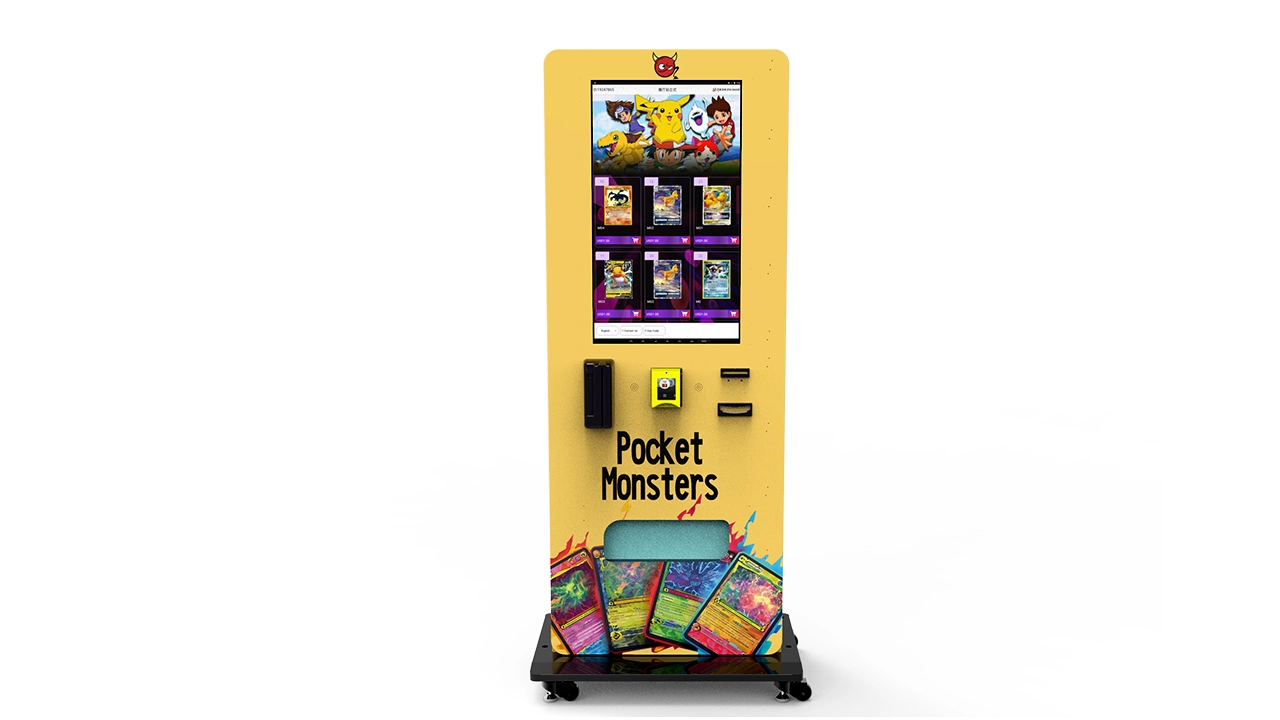
If you’re asking whether trading card vending machines are profitable, the short answer is yes—but only if you treat them like a real business, not a glorified hobby. I’ve been in the vending industry for over a decade, and I’ve watched the trading card machine niche explode since 2022. I’ve also watched plenty of operators lose money because they bought the wrong machine, stuck it in a dead location, or filled it with overpriced product nobody wanted. The truth is that a well-placed trading card vending machine can gross anywhere from $800 to $4,000 per month, but the spread between success and failure comes down to site selection, product mix, and your willingness to keep the unit running. Let me walk you through what actually matters, based on what I’ve learned the hard way.
Why Trading Card Vending Machines Became a Business
Back in 2021, I had a standard snack and drink route that was doing fine, but margins were shrinking. When I started hearing about card vending machines from a few operator forums, I was skeptical. A machine that sells Pokémon, sports cards, and mystery packs? It sounded like a niche that would peak in six months. I was wrong. The demand for physical trading cards has held steady because collectors love the thrill of pulling a rare card from a sealed pack, and vending machines tap directly into that impulse. Unlike a retail shelf, a card machine creates a self-service kiosk experience that feels like a mini event every time someone makes a purchase.
What really changed my mind was the data. A 2023 report from Statista showed that the global trading card market was valued at over $12 billion, with steady growth projected through 2030. That’s not a fad. And unlike snack vending, trading cards are high-value, low-weight products. You can fit hundreds of packs in a single machine, and each sale can bring in $5 to $30 depending on the product. That’s a completely different revenue profile than a $1.50 candy bar. Once I realized that, I started testing a single machine in a local game store, and the numbers were strong enough that I expanded to three more locations within six months.
The Real Costs: What You’re Actually Paying For
Let’s talk money, because there’s a lot of misleading information out there. A new trading card vending machine typically costs between $4,500 and $15,000 depending on size, screen configuration, and payment system. I’ve seen cheaper units advertised for $2,500, but those are often flimsy, poorly supported, or require constant repair. My first machine was a mid-range unit that cost me $7,200, and I thought I was being smart by not overspending. Within three months, the card dispenser jammed twice, and the touchscreen froze during a busy Saturday. I learned quickly that equipment quality matters more than upfront savings.
You also need to factor in shipping, installation, and setup. If you’re buying from a supplier overseas, add $400 to $900 in freight depending on the machine size. Then there’s the payment processing fee, which usually runs 2.5% to 4% per transaction. And don’t forget insurance and basic maintenance. In my experience, annual maintenance runs about 5% to 8% of the machine cost. That means a $10,000 machine will likely cost you $500 to $800 per year in parts and service, assuming you do some minor work yourself. If you’re not handy with a screwdriver, budget for a local technician, and that will push your costs higher.
What My First Year Actually Cost Me
To give you a real picture, here’s a breakdown from my first year operating a single card machine in a suburban mall. The machine itself was $7,200. Shipping and installation added $650. I bought an initial inventory of about $1,800 in trading cards, which is less than most people recommend, but I wanted to test the waters. My monthly rent at that location was $150, which is on the lower end. By the end of the year, I had spent roughly $10,500 total, and my gross revenue was about $9,200. That means I lost money in year one. Not because the concept failed, but because I underestimated how quickly I needed to rotate product and how much time I spent babysitting the machine.
Year two was a different story. I switched to a better location, adjusted my product mix, and the same machine grossed $18,400. Operating costs stayed around $2,100 for the year, so my net profit was roughly $16,300. My point is that the machine itself is only part of the equation. The location and your willingness to adapt determine whether you’re profitable or just busy.
Location Is Everything: My Failure and My Success
I’ve made the mistake of placing a machine in a spot that looked great on paper but failed in practice. My first location was a hobby shop with decent foot traffic, but the owner wanted a 30% commission on all sales. I agreed because I thought the exposure would be worth it. It wasn’t. The store’s customers were already buying cards at the counter, and my machine was seen as an unnecessary middleman. Sales were slow, and the commission ate into whatever profit I made. After six months, I pulled the machine and took a loss on the move.
My success case came from a completely unexpected place: a laundromat in a college town. The owner let me place a wall-mounted card vending machine for a flat monthly fee of $100, no commission. That machine became one of my best performers, pulling in $1,200 to $1,800 per month. Why? Because the laundromat had steady foot traffic from students and young adults, and the machine gave them something to do while waiting. It was a low-pressure, impulse purchase environment. I learned that location isn’t just about foot traffic—it’s about dwell time and the right customer profile.
How to Evaluate a Potential Location
I’ve developed a simple checklist over the years. First, count actual foot traffic during peak hours. If you see fewer than 30 people per hour walk past a potential spot, it’s probably not worth the rent. Second, look at the surrounding businesses. A location near a game store, comic shop, or entertainment venue is ideal. Third, understand the customer base. If the average customer is under 35, you’re in the right demographic for trading cards. Fourth, negotiate rent terms. I prefer flat monthly rent over commission because commission models can quickly eat 20% to 30% of your gross, and that’s not sustainable.
You can also use data from the U.S. Small Business Administration on retail foot traffic patterns to support your site selection process. The SBA publishes resources on retail site selection that are surprisingly practical, even for vending operators. I’ve used their guidelines to push back on landlords who tried to inflate rent, and it’s helped me negotiate better terms.
Equipment Options: What to Buy and What to Avoid
There are two main form factors in card vending: full-size floor units and compact wall-mounted machines. Full-size units hold more inventory and can display multiple product categories, but they cost more and require more floor space. Wall-mounted machines are cheaper, easier to place, and work well in smaller retail spots, but they hold fewer SKUs and need restocking more frequently. I’ve run both, and I’ll tell you honestly: wall-mounted units are better for testing new locations, while full-size machines are better for high-traffic anchor spots.
When I was shopping for my third machine, I spent a lot of time comparing suppliers. One name that kept coming up in operator circles was Zhongda Smart. I was cautious because I’ve seen plenty of overseas suppliers promise quality and deliver junk. But Zhongda Smart had a solid track record with payment system integration and offered customization options that other suppliers didn’t. I ended up buying a 32-inch touchscreen model from them, and it’s been one of my more reliable units. I’m not saying they’re the only option, but they’re worth putting on your shortlist if you’re looking for a configurable machine with modern payment support.
New Machine vs. Used Machine
I’ve bought both new and used, and I’ll give you my honest take. A used machine can save you 30% to 50% upfront, but you’re inheriting someone else’s problems. The first used machine I bought had a faulty card dispenser that cost me $300 to repair within two months. Over a year, I spent almost as much on repairs as I saved on the purchase price. A new machine comes with a warranty, and that peace of mind is worth something. If you’re on a tight budget, look for a lightly used machine from a reputable seller who can show you maintenance records. Avoid anything that looks like it’s been through a flood or a fire.
For a quick comparison, here’s a table I often share with new operators who ask about equipment costs:
| Machine Type | Typical Cost | Capacity | Best Use Case | Maintenance Risk |
|---|---|---|---|---|
| Wall-Mounted Card Vending Machine | $4,000 – $7,000 | 150 – 300 packs | Small retail, laundromats, bars | Low to moderate |
| Full-Size Floor Machine | $8,000 – $15,000 | 500 – 1,000 packs | Malls, game stores, entertainment venues | Moderate |
| Used or Refurbished Unit | $3,000 – $8,000 | Varies | Budget operators, short-term tests | High |
Product Mix: What Sells and What Sits
You can’t just fill a machine with any trading cards and expect them to fly off the shelves. My early mistake was stocking too many niche products that looked cool but had no demand. I had a bunch of obscure sports card packs that sat for months, tying up my inventory capital. What I learned is that Pokémon and Magic: The Gathering are the anchor products for most locations, with sports cards like NFL and NBA performing well in specific regions. You need to balance high-demand products with a few mystery or premium packs to create excitement.
I’ve also learned that price points matter. A $5 pack sells consistently, a $10 pack sells well if it’s a known brand, and a $25 premium pack moves slowly but carries a higher margin. My best-performing machines have a mix of 60% low-priced packs, 30% mid-priced packs, and 10% premium items. That ratio isn’t scientific, but it works across multiple locations. And don’t forget about mystery packs—they’re a huge driver for card vending machines because they combine gambling psychology with collecting. Just make sure you’re not overcharging for mystery packs, or you’ll lose repeat customers.
Inventory Management and Restocking
Restocking frequency depends on your location and machine size. A wall-mounted unit in a busy laundromat might need restocking every five to seven days. A full-size machine in a mall could go two weeks between fills. I keep a simple spreadsheet to track what sells and what doesn’t, and I rotate out slow movers after 30 days. If a product hasn’t sold in a month, it’s probably not going to sell. I replace it with something new or drop the price.
One thing I’ve learned the hard way: don’t overstock. It’s tempting to fill a machine to the brim, but if you have $3,000 in inventory sitting in a machine that only generates $1,000 per month, your cash flow is tied up. I aim for about 10 to 14 days of inventory on hand, which gives me a buffer without locking up too much capital.
Payment Systems and the Self-Service Experience
Modern card vending machines need to accept credit cards, mobile payments, and sometimes cash. Most new machines come with a built-in payment system, but you should verify that it supports contactless payments like Apple Pay and Google Wallet. A machine that only takes cash is a non-starter in most locations today. I’ve seen operators lose sales because their payment system was outdated, and customers simply walked away.
The self-service kiosk experience is also about trust. If the machine looks janky or the screen is hard to navigate, people won’t use it. I’ve spent extra on machines with better touchscreens and more intuitive interfaces, and that investment has paid off. A clean, bright interface makes people feel like they’re using a modern automated retail solution, not a relic from the 1990s. The better the experience, the more likely someone is to become a repeat buyer.
Maintenance and Vending Machine Repair
No matter how good your machine is, it will break down eventually. The key is to minimize downtime because every day your machine is out of service is lost revenue. I’ve had card jams, payment system glitches, and screen freezes. Some issues I can fix myself, but others require a professional. I’ve built a relationship with a local vending machine repair technician who charges $75 per hour, and he’s saved me more than once during peak season.
If you’re not comfortable with basic troubleshooting, I recommend buying a service contract with your machine purchase. Some suppliers offer extended warranties for an additional 10% to 15% of the machine cost, and that can be worth it in the first year. You should also keep spare parts on hand, like card dispenser rollers and fuses, because ordering a part and waiting for shipping can mean a week of downtime.
How to Lower Maintenance Costs
Preventive maintenance is where you save money. I clean the card sensors and rollers every two weeks, and I check the payment system monthly. That sounds tedious, but it takes about 20 minutes per machine. I also keep a maintenance log for each machine, so I can spot patterns before they become bigger problems. A little routine care goes a long way in reducing vending machine repair calls.
Comparing Business Models: Self-Operated, Leased, or Revenue Share
You don’t have to buy a machine and run it yourself. There are other models, and each has trade-offs. I’ve done all three, so let me break them down. Self-operated gives you the most control and the highest profit potential, but it requires time, effort, and capital. Leasing a machine from a supplier means lower upfront costs, but you’ll pay higher monthly fees, and you may not own the equipment at the end of the term. Revenue share models, where a partner places the machine and you split the profits, are attractive if you have a good location but no cash, but you’ll be giving up 20% to 40% of your gross.
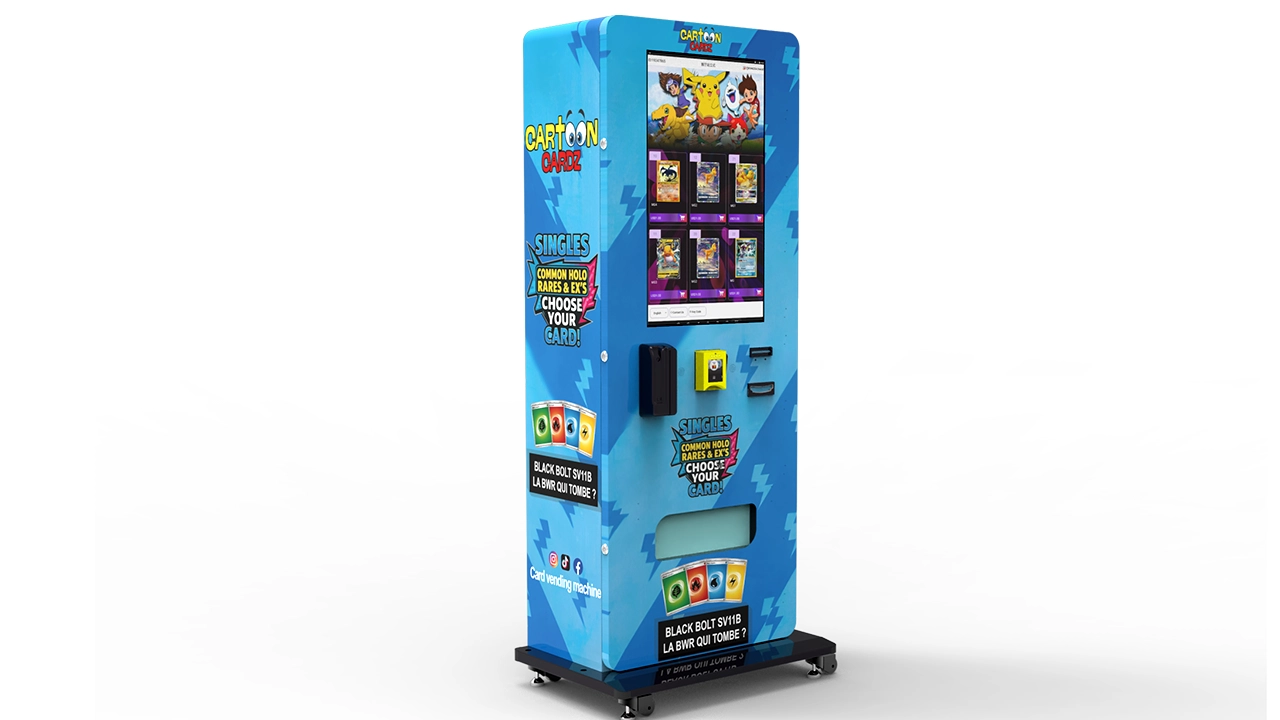
For most beginners, I recommend starting with a single self-operated machine in a location you can visit easily. That way, you learn the business without overcommitting. Once you’ve got one machine running smoothly, you can expand. I know operators who run 20 machines successfully, but they all started with one.
Regulations and Permits
You can’t just place a machine anywhere and start selling. Depending on your city and state, you may need a vending license, a sales tax permit, or a business license. In the U.S., the requirements vary widely. Some states require a specific vending machine permit, while others just require a general business license. The U.S. Small Business Administration has a guide on business licenses and permits that I recommend reading before you buy anything.
You also need to think about liability. If a child gets a card pack that’s not age-appropriate, you could face issues. And if your machine accepts cash, you’ll need to comply with local regulations on cash handling and reporting. It’s not the most exciting part of the business, but skipping the paperwork can cost you fines or worse.
Data Sources and Market Trends
I’m not a fan of making decisions based on gut feeling alone. I use market data to guide my choices. For example, IBISWorld publishes annual reports on the vending machine industry, and they’ve noted steady growth in automated retail and self-service kiosks, particularly in non-traditional locations. Eurostat also tracks retail trends in the EU, which is useful if you’re operating across the Atlantic. I’ve also used Statista data on consumer spending on trading cards to decide which product categories to stock in different regions.
One trend I’m watching closely is the rise of digital integration in vending machines. Some newer machines allow customers to pre-order cards through a mobile app and pick them up at the machine. That’s still early, but it could open up new revenue streams. For now, I stick to what works: reliable machines, good locations, and a product mix that matches the local audience.
Common Mistakes New Operators Make
I see the same mistakes over and over again. The biggest one is buying a machine before securing a location. That’s backwards. Find the location first, then buy the machine that fits that space and customer base. Another mistake is underestimating the importance of payment systems. A machine that doesn’t accept mobile payments will lose sales, period. And too many operators ignore maintenance until something breaks, then they’re stuck with a week of downtime.
Another mistake is overpaying for inventory. Some suppliers will try to bundle a full inventory package with the machine, and you’ll end up paying retail prices for product you could source cheaper elsewhere. I recommend buying inventory separately and comparing prices from at least two wholesalers. And don’t buy too much of any single SKU until you know it sells.
FAQ
Are trading card vending machines profitable?
Yes, they can be profitable, but profitability depends on location, product mix, and maintenance. A well-placed machine can gross $800 to $4,000 per month, but you need to account for rent, inventory, and maintenance costs. I’ve seen machines that barely break even and others that generate strong returns.
How much does a trading card vending machine cost?
New machines typically cost between $4,500 and $15,000, depending on size and features. Wall-mounted units are on the lower end, while full-size floor machines with touchscreens are on the higher end. Used machines can be cheaper but come with higher maintenance risk.
How long does it take to break even?
In my experience, a well-run machine breaks even in 12 to 18 months. If you have a great location and strong product mix, you might break even in 9 months. If the location is weak, it could take two years or more. There’s no guaranteed timeline.
Should a beginner buy or lease a machine?
I recommend buying a new machine if you can afford it. Leasing might seem cheaper upfront, but you’ll pay more over time, and you won’t own the equipment. If you’re testing the waters, consider buying a used machine from a reputable seller, but budget for repairs.
Where should I place the machine to make the most money?
Look for locations with steady foot traffic, dwell time, and a customer base under 35. Game stores, comic shops, laundromats, and entertainment venues are good options. Avoid locations where the owner wants a high commission, as that can eat your profits.
What permits or licenses do I need?
Requirements vary by city and state. You’ll likely need a business license and possibly a vending machine permit. Check with your local government and the U.S. Small Business Administration for guidance.
How do I choose a reliable supplier?
Look for suppliers with a track record, responsive customer support, and positive reviews from other operators. I’ve had good experiences with Zhongda Smart, but you should compare multiple suppliers and ask for references. Avoid suppliers that can’t provide clear specifications or warranty terms.
What happens if the machine breaks down?
You’ll need to troubleshoot basic issues yourself or call a local technician. Keep spare parts on hand and consider a service contract in the first year. The longer the machine is down, the more money you lose.
How can I reduce restocking and maintenance costs?
Use a spreadsheet to track sales and rotate slow-moving product. Clean the machine regularly to prevent sensor issues. Buy inventory in bulk from wholesalers to lower per-unit costs. And don’t overstock—keep inventory levels aligned with actual sales.
Disclaimer: The figures and experiences shared in this article are based on my personal operating history and should not be interpreted as guaranteed financial outcomes. Vending machine revenue and profitability vary significantly based on location, market conditions, product selection, and operational efficiency. Always conduct your own research and consult with a financial advisor before making investment decisions.