If you are researching smart trading card vending machines, the first question on your mind is probably whether they actually make money or if this is just another overhyped trend in automated retail. After running vending routes for over a decade and placing card machines in comic shops, malls, and even a couple of bowling alleys, I can tell you this: the margin potential is real, but the machine itself is only half the battle. The other half is location, inventory discipline, and knowing exactly what your local buyer base wants before you spend a dollar on hardware. Let me walk you through what I have learned the hard way so you can skip the expensive mistakes.
Why Trading Card Vending Machines Are Different From Snack Vending
Most operators enter this space thinking a card machine is just a snack machine with different products inside. That is a costly misunderstanding. Snack vending relies on habitual, low-ticket purchases where the buyer is hungry and in a hurry. Trading card vending is closer to a self-service kiosk for hobbyists, which means the psychology is entirely different. Your customer is not settling for whatever is in the glass; they are hunting for a specific set, a rare insert, or a sealed product that might appreciate in value.
This changes everything from how you stock the machine to how you handle failed transactions. A buyer who gets a stuck product or a payment error on a $15 Pokémon booster box will not just shrug it off. They will post about it in a local Facebook group, and that can hurt your foot traffic faster than any mechanical breakdown. I learned this when a jammed card dispenser ruined a Saturday afternoon at a comic shop that had been doing steady business for months. The store owner was understanding, but the trust took a hit. That is why I now treat every smart trading card vending machine placement as a mini retail operation, not just a passive income box.
Another difference is the value of the product. A candy bar that fails to vend is a minor annoyance. A $200 sealed trading card box that gets stuck behind a flap is a customer service nightmare. The hardware needs to be more reliable, the sensors need to be more precise, and the software needs to give the operator a clear view of what is happening in real time. This is not the kind of equipment you want to buy based on price alone.
What Makes a Trading Card Machine Smart
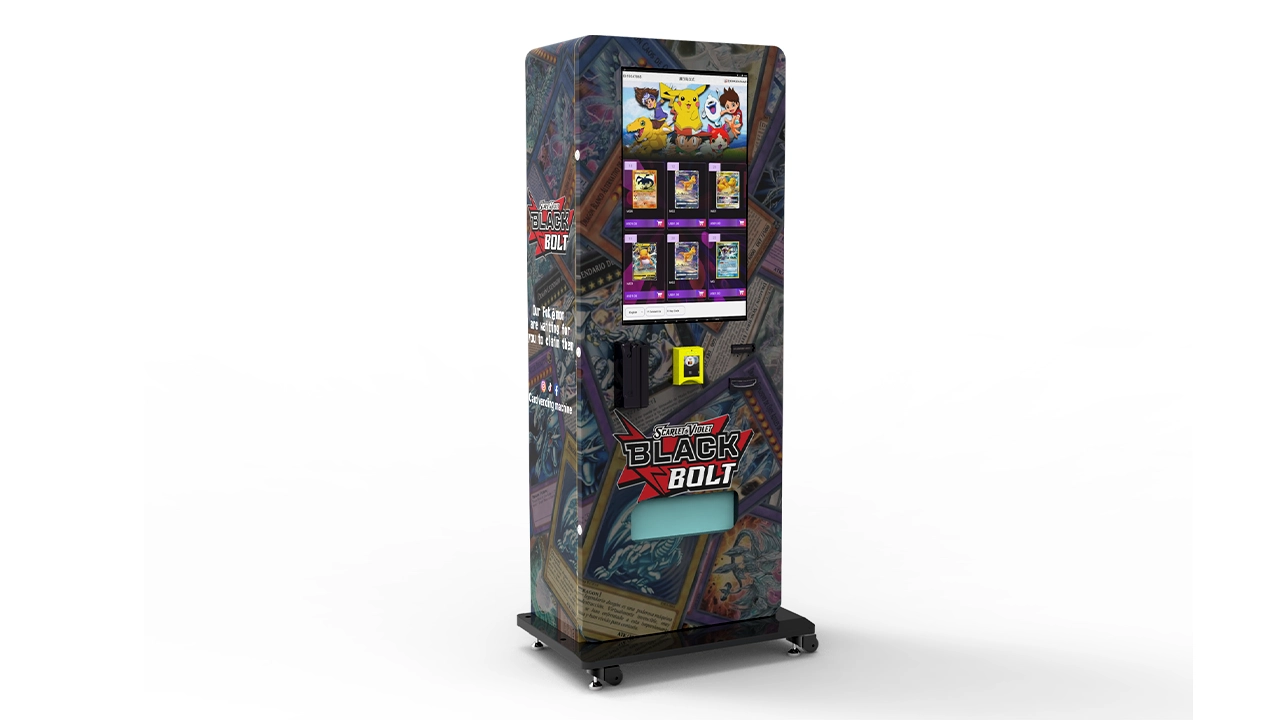
When I say smart, I am not talking about a screen that plays a looping video. A genuinely smart trading card vending machine has three things: inventory tracking, remote diagnostics, and dynamic pricing capability. The inventory tracking matters because card products vary wildly in value and demand. A box that sells out in two days at one location might sit for a month at another. Without remote data, you are restocking blind.
Remote diagnostics are just as important. If a spiral gets stuck or a payment terminal goes offline, you want to know before a customer does. I have had machines in locations that are a two-hour drive from my base. Driving out for a false alarm costs me time and fuel. The smart systems I use now send alerts to my phone, and I can often fix a software issue remotely without ever leaving my truck. That is the difference between running a route and being a slave to it.
Dynamic pricing is the feature that separates a smart machine from a fancy display case. Let me give you a real example. At one location, I noticed that booster packs of a certain sports card series were selling consistently but slowly. The machine automatically adjusted the price by a small margin during peak hours, and I saw a measurable lift in revenue without any customer complaints. This is not about gouging; it is about matching supply with demand in real time. For more detail on how these systems work in practice, you can look at this breakdown on smart card vending technology that covers the hardware side in depth.
Costs, Margins, and Realistic Payback Periods
Let me give you the numbers that actually matter, based on my own route and conversations with other operators in the US and Europe. A new smart trading card vending machine with a 32-inch touchscreen will typically run you between $6,000 and $15,000 depending on the configuration and the supplier. A wall-mounted card vending machine is cheaper, usually in the $4,000 to $8,000 range, and that can be a smart entry point if you are testing a location with lower foot traffic.
Now for the revenue side. A good location, like a well-trafficked comic shop or a hobby store with regular tournament players, can generate $800 to $2,500 per month in gross sales. That is not a promise; that is an experienced estimate based on what I have seen across multiple placements. The gross margin on trading cards is typically 30% to 50% if you are buying at wholesale and selling at retail. That means a single machine might produce $250 to $1,200 in gross profit per month. Subtract your costs: location commission (usually 10% to 20% of gross sales), payment processing fees (around 2.5% to 4%), and your own time for restocking and maintenance.
When you run those numbers, the payback period on a new machine lands somewhere between 8 and 18 months in a solid location. In a mediocre location, it can stretch to two years or more, and in a bad location, you will never get your money back. I have seen operators abandon machines after six months because they placed them in a grocery store where nobody buys cards. The grocery store had foot traffic, but it was the wrong foot traffic. That is a mistake you cannot fix with better inventory.
For a more detailed look at the cost breakdown and payback math, I wrote about this in my guide on trading card vending machine costs and return on investment. It includes some of the specific configurations I have tested and the ones I would avoid.
Location Selection: The Real Make or Break Factor
I have said this before and I will say it again: the machine does not make the money, the location does. A smart trading card vending machine in the wrong spot is just an expensive piece of furniture. The right location has three characteristics: a concentrated group of buyers, a reason to linger, and a staff that supports the machine rather than resents it.
Concentrated buyers are obvious if you think about it. Comic shops, card game stores, and hobby shops are the gold standard. But there is a limit to how many card machines one store can support. I have seen successful placements in board game cafes, anime merchandise stores, and even certain movie theaters that host themed events. The common thread is that these places already attract people who understand the value of sealed product and collectibles.
Foot traffic numbers matter, but quality matters more. A mall with 10,000 daily visitors sounds great until you realize that 9,500 of them are there for clothes and fast food. In my experience, you want a location with at least 500 to 1,000 people per day who are already in a buying mindset for hobbies or collectibles. That is a much smaller pool than most operators expect. I have also learned that the store staff can make or break you. If the staff sees the machine as competition, they will not send customers your way. If they see it as a service that brings in hobbyists who also buy other products, they become your best salespeople.
One success story I often share is a bowling alley that seemed like a terrible idea on paper. I placed a small wall-mounted card vending machine near the arcade area, mostly as an experiment. It turned out that the bowling alley hosted a weekly trading card meetup that I did not know about. The machine did more business in that one evening than the rest of the week combined. That taught me to ask about recurring events and community groups before signing any placement agreement.
New vs. Used Equipment: The Hidden Risks
There is a temptation to save money on a used smart trading card vending machine, and I understand it. The initial investment is lower, and if the location fails, you have not lost as much. But I have seen too many operators get burned by used equipment that looks fine on the outside and has serious issues on the inside.
The biggest risk is the dispenser mechanism. Card products are not uniform like soda cans. They come in different sizes, weights, and packaging. A used machine that was configured for one type of product may jam constantly with another. The second risk is the software. Older machines may not support modern payment systems like tap-to-pay, which is a dealbreaker for younger buyers who never carry cash. I have seen operators spend more on retrofitting a used machine than they would have spent on a new one, and they still end up with a machine that has less functionality.
If you are on a tight budget, my advice is to consider a smaller new machine rather than a larger used one. The per-unit cost is higher, but the reliability and warranty are worth it. I have also seen operators lease equipment to reduce upfront risk, and that can be a smart move if you are testing a new market. For a comparison of buying versus leasing and the hidden costs of each, this resource on card vending machine options covers the trade-offs in plain language.
Supplier Selection: What to Ask Before You Buy
I get asked all the time which supplier I recommend, and I am careful with my answer because the right choice depends on your specific situation. What I can tell you is what to ask a supplier before you hand over any money. First, ask about the dispenser mechanism and how it handles different card product sizes. Second, ask about the software and whether you can update it remotely. Third, ask about spare parts availability and average lead time for repairs.
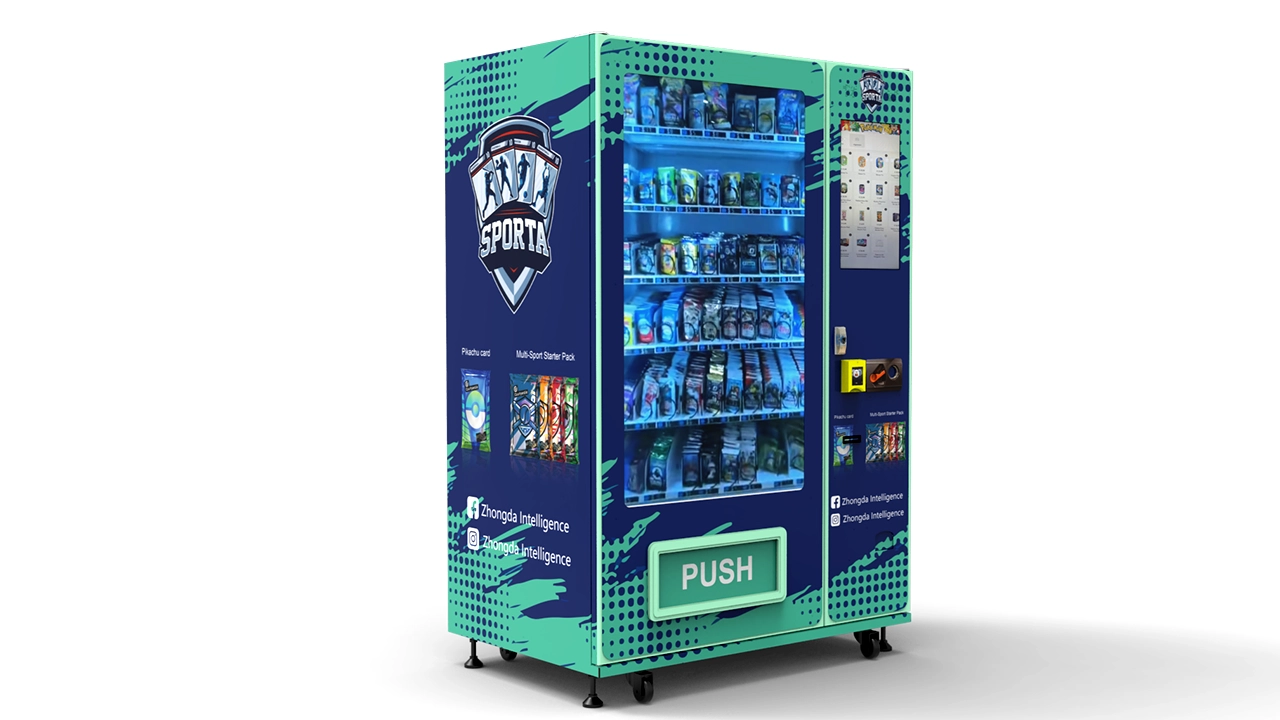
One supplier I have worked with directly is Zhongda Smart, and I will be honest about my experience. The build quality is solid, and their software is more flexible than what I have seen from some other manufacturers. They are not the cheapest option on the market, but they are also not the most expensive. In my experience, the equipment has been reliable, and when I did need a part, it shipped quickly. I am not telling you to buy from them; I am telling you that they are a legitimate player in the space worth evaluating. You should also look at domestic suppliers in your region because shipping costs and import duties can add 20% to 30% to the price of an overseas machine.
Here is a quick comparison table based on my experience with different equipment types and their typical cost and use cases:
| Equipment Type | Typical Cost Range | Best Use Case | Payback Expectation |
|---|---|---|---|
| Wall-mounted card vending machine | $4,000 – $8,000 | Low-footprint locations, testing new markets | 12 – 18 months |
| 32-inch touchscreen floor model | $8,000 – $15,000 | High-traffic hobby shops, malls | 8 – 14 months |
| Used / refurbished machine | $2,500 – $6,000 | Operators with repair skills, low-risk trials | Variable, high risk |
| Leased machine (monthly fee) | $150 – $400/month | New operators testing viability | Ongoing cost, lower upfront risk |
Payment Systems and the Unattended Retail Experience
The payment system is the front door of your machine. If it is clunky, slow, or confusing, you will lose sales even if your inventory is perfect. In the US and Europe, cash is increasingly rare among the demographic that buys trading cards. I would not install a machine today that does not accept tap-to-pay, Apple Pay, Google Pay, and major credit cards. Some operators also add QR code payments for local markets, but that is less critical in most Western locations.
One thing that surprised me is how much the user experience matters for repeat business. A buyer who has a smooth transaction will come back. A buyer who has to fiddle with the touchscreen or wait 30 seconds for a payment to process will not. I have watched people walk away from a machine because the interface was too slow. That is lost revenue that never shows up in your sales report.
Another consideration is the receipt and dispute process. If a payment goes through but the product does not dispense, the customer needs a clear way to get a refund. Some smart machines handle this automatically through the software. Others require the customer to contact the operator, which is a poor experience. I recommend machines that offer automatic refunds or at least a clear on-screen instruction for what to do if something goes wrong. For a deeper look at how payment systems and unattended retail are evolving, I have covered this in my article on self-service kiosk payment integration.
Inventory Management and Restocking Efficiency
Inventory is where most operators lose their margin without realizing it. Trading cards are not like chips and soda that have a long shelf life and predictable demand. Some products sell out in days. Others sit for months and tie up your capital. The key is to track sell-through rates and rotate inventory based on what is moving at each location.
I use a simple rule: if a product has not sold in 60 days, I move it to a different location or put it on sale. This is not just about freeing up space; it is about cash flow. A $500 box sitting in a machine is $500 that is not working for you. In the early days, I made the mistake of stocking all my machines with the same inventory because it was easier to restock. That was a mistake. A comic shop in a college town sold through Pokémon product quickly, while a suburban mall location did better with sports cards. The same inventory mix did not work in both places.
Restocking frequency depends on volume, but I typically check my high-performing machines every week and lower-performing ones every two weeks. Each restocking visit should take no more than 30 minutes if your inventory is organized. If it takes longer, you have a process problem. I label every product with a barcode and keep a digital inventory list on my phone, so I know exactly what to bring before I arrive.
For more on how to structure your restocking and avoid the mistakes I made, I have a detailed post on trading card vending machine inventory management strategy that covers the specific product categories and how to rotate them.
Maintenance and Machine Repair: What to Expect
Every machine will break eventually. The question is how prepared you are when it happens. I have seen operators panic when a machine goes offline, and that panic usually leads to bad decisions, like paying a technician $200 an hour for a problem that was a loose wire.
Common issues with smart trading card vending machines include jammed dispensers, payment terminal connectivity problems, and software glitches that require a reboot. Most of these can be handled remotely if your machine has the right software. For physical issues, you need to be comfortable opening the machine and inspecting the dispenser mechanism. If you are not handy, find a local vending machine repair technician before you buy, not after something breaks.
I also recommend keeping a small stock of spare parts on hand: extra sensors, a spare payment terminal, and common screws and brackets. The cost of these parts is small compared to the revenue you lose when a machine sits idle for a week waiting for a shipment. In my experience, a well-maintained smart card vending machine should have a repair event no more than once every six to eight months. If you are seeing more frequent issues, you either bought a bad machine or you are not maintaining it properly.
Legal Considerations and Permits in the US and EU
I wish someone had told me early on that the legal side of vending is not just about registering a business. In the US, the requirements vary by state and even by city. Some municipalities require a vending machine permit, especially if the machine is on public property or in a food establishment. Trading cards are not food, but the machine itself may still be subject to local business licensing rules.
In the EU, the situation is different but not simpler. Each member state has its own rules about automated retail, and cross-border operations require attention to VAT registration and product labeling. If you are operating in multiple countries, you need to understand the local tax obligations for each. I have seen operators get hit with fines for not collecting VAT correctly on card sales, which is an unnecessary headache.
My advice is to check with your local chamber of commerce or business development office before you place your first machine. The U.S. Small Business Administration has a useful guide on business licenses and permits that covers the basics. For EU operators, the European Commission has resources on cross-border e-commerce and VAT rules. It is boring, but it will save you from a painful surprise later.
Common Mistakes and Lessons from Failed Placements
I have made my share of mistakes, and I am not ashamed to share them because they taught me more than any success did. My biggest failure was placing a brand new machine in a busy supermarket that had zero hobby culture. The foot traffic was high, but the customers were there for groceries, not trading cards. The machine sat mostly untouched for four months. I eventually moved it to a game store, where it did in one week what it had done in a month at the supermarket.
The lesson is simple: foot traffic alone is not enough. You need the right foot traffic. I also learned that location agreements matter. I signed a six-month placement with that supermarket, and they charged me a flat monthly fee even though the machine was not performing. I now insist on a revenue share model where the host gets a percentage of sales rather than a fixed rent. That aligns incentives and reduces my downside risk.
Another mistake I see from new operators is overstocking. They buy a machine, fill it with every type of card product they can find, and then wonder why their cash flow is tight. Start with a focused inventory of best-selling items. You can always add variety later. A machine with 20 well-chosen products will outperform a machine with 50 random products every time.
Data-Driven Decisions: Using Sales Data to Adjust
The smart in smart trading card vending machines is not just about the hardware; it is about the data you collect. Every sale tells you something about your customers. Which products sell fast? Which ones sit? What time of day do sales spike? If your machine has good software, you can see all of this in a dashboard.
I review my sales data every Sunday. It takes me about 30 minutes, and it tells me exactly what to restock, what to discount, and which locations are underperforming. I have made decisions based on this data that would have been impossible with a traditional vending machine. For example, I noticed that a particular sports card product sold much better at a location near a high school. I shifted more inventory there and saw a 20% increase in sales that month. That is the kind of insight that comes from paying attention to the numbers.
If you are not comfortable with data, you will struggle to optimize your route. This is not a business where you can set and forget. The operators who succeed are the ones who treat every machine as a living retail outlet, not a metal box that spits out products.
FAQ
Do trading card vending machines actually make money?
Yes, they can make money, but it depends heavily on location and inventory. In a good location, a single machine can generate $800 to $2,500 per month in gross sales with a 30% to 50% gross margin. In a bad location, you will lose money. Treat it like a retail business, not a passive income stream.
How much does a trading card vending machine cost?
A new smart trading card vending machine typically costs between $6,000 and $15,000 depending on the size and features. A wall-mounted unit is cheaper, usually $4,000 to $8,000. Used machines are available for less but come with higher repair risk.
How long does it take to recoup the investment?
In a solid location, expect a payback period of 8 to 18 months. In a weak location, it can take two years or more, and you may never recover your investment. The variance is wide because location quality matters more than any other factor.
Should a beginner buy or lease a machine?
Leasing is a reasonable way to test the market without a large upfront cost. Monthly fees typically range from $150 to $400. If you are confident in your location and you have some technical comfort, buying a new machine is more cost-effective in the long run.
Where should I place the machine to maximize revenue?
Comic shops, card game stores, hobby shops, and board game cafes are the best locations. Look for places with 500 to 1,000 daily visitors who are already interested in collectibles. Avoid grocery stores and general retail unless you have evidence of hobby demand.
What permits do I need to operate a card vending machine?
Requirements vary by country, state, and city. In the US, check with your local business licensing office. In the EU, understand VAT registration and cross-border rules if you operate in multiple countries. The U.S. Small Business Administration provides a useful overview of business licenses and permits.
How do I choose a reliable supplier?
Ask about the dispenser mechanism, software update capability, spare parts availability, and repair lead times. Zhongda Smart is one supplier I have worked with directly, and their build quality has been solid. Compare multiple suppliers and factor in shipping and import duties.
What should I do if the machine breaks down?
Start with remote diagnostics if your machine supports it. For physical issues, you may need to open the machine and inspect the dispenser. Keep a small stock of spare parts on hand and have a local repair technician identified before you need one.
How can I reduce restocking and maintenance costs?
Organize your inventory by location and use barcodes to track what is selling. Restock high-performing machines weekly and lower-performing ones every two weeks. Keep a digital inventory list so you only bring what you need. This reduces time and fuel costs.
Disclaimer: The figures and estimates in this article are based on my personal operating experience and should not be taken as guaranteed financial projections. Actual results vary significantly based on location, market conditions, product selection, and operational efficiency. Always conduct your own due diligence before purchasing equipment or signing placement agreements.