If you are looking for the best places to put sports card vending machines, stop thinking about foot traffic alone and start thinking about dwell time, disposable income, and the psychology of the collector. I have spent over a decade in the automated retail space, and I have watched operators lose their shirts placing machines in busy malls while quietly making a fortune from a single unit tucked inside a hobby shop. The truth is that the location dictates everything—your revenue per square foot, your restock schedule, your machine maintenance costs, and your payback period. In this guide, I am going to walk you through the exact criteria I use to evaluate a site, the mistakes I have made, and the data that should drive your decision before you ever sign a lease.
Why Sports Card Vending Machines Are a Different Beast
Unlike a snack vending machine that sells a commodity, a trading card vending machine sells an emotional product. The buyer is not hungry; they are hunting. They are looking for a rare rookie card, a hobby box, or a pack that might hold a jackpot. This changes the entire calculus of placement. You do not need a location with 10,000 people passing by; you need a location with the right 500 people who will stop, browse, and transact. In my experience, the average transaction on a sports card machine is higher than a snack machine, but the frequency is lower. You are playing a volume game with higher margins.
The industry has shifted dramatically since I first placed a machine in 2013. Back then, I was converting old sticker machines and hoping for the best. Today, the modern trading card vending machine is a sophisticated piece of automated retail that requires strategic thinking about inventory and location. The operators who fail are the ones who treat it like a soda machine. The ones who win treat it like a retail storefront with no staff. You have to think about the customer journey before you even plug the unit in.
One of the biggest misconceptions is that any high-traffic area will work. I placed a machine in a busy transit hub in Chicago thinking commuters would grab packs on the go. It failed. The foot traffic was massive, but the dwell time was zero. Commuters do not want to browse cards when they are rushing to catch a train. Conversely, I placed a wall-mounted unit in a small card shop in the suburbs, and it did more revenue in its first month than the transit hub machine did in six months. That experience taught me that the quality of the visitor matters more than the quantity.
You also have to consider the security aspect. Sports cards are high-value, low-weight items. A single hobby box can be worth hundreds of dollars. This makes them a target for theft. I have had machines broken into, and I have had machines stripped of inventory by internal staff at the host location. Your placement strategy must account for visibility, camera coverage, and the reliability of the location owner. A dark corner in a strip mall might be cheap, but it is also a magnet for trouble.
My Criteria for Evaluating a Location
Before I even look at a potential spot, I have a checklist that I run through. This checklist has been refined through years of trial and error, and it has saved me from making costly mistakes. The first thing I look at is the type of business hosting the machine. I prefer locations where the customer is already in a buying mood. Hobby shops, comic book stores, and collectibles shows are ideal. These customers do not need to be educated about what you are selling; they are already enthusiasts. The second thing I look at is the average transaction value of the existing business. If the store sells $5 items, my $20 packs will be a tough sell.
I also look at the hours of operation. A machine inside a mall that closes at 9 PM is different from a machine in a 24-hour laundromat. The latter can generate sales while you sleep, but it also requires a more robust payment system and security setup. I have machines in both types of locations, and they require different operational strategies. The 24-hour locations need more frequent restocking because they sell faster, but they also have higher shrinkage risks. The mall locations have lower volume but steadier sales.
Another critical factor is the relationship with the location owner. I never place a machine without a written agreement that covers commission, power usage, and maintenance access. I learned this the hard way when a store owner tried to claim my machine was his because I had no contract. A simple one-page agreement protects you and sets clear expectations. I always negotiate for a prime spot near the counter or the entrance, not in the back corner. The visibility of the machine is directly correlated to its sales performance.
Finally, I look at the demographic data. I use tools like the U.S. Census Bureau and local business data to understand the median age, income levels, and spending habits of the area. A location near a high school or college can be great for selling lower-priced packs, while a location in an affluent suburb is better for high-end hobby boxes. I once placed a machine in a location that seemed perfect on paper—high income, good foot traffic—but the sales were terrible. I later realized the demographic was too old; they were not sports card collectors. You have to match the product to the audience.
The Cost Breakdown: What You Are Really Paying For
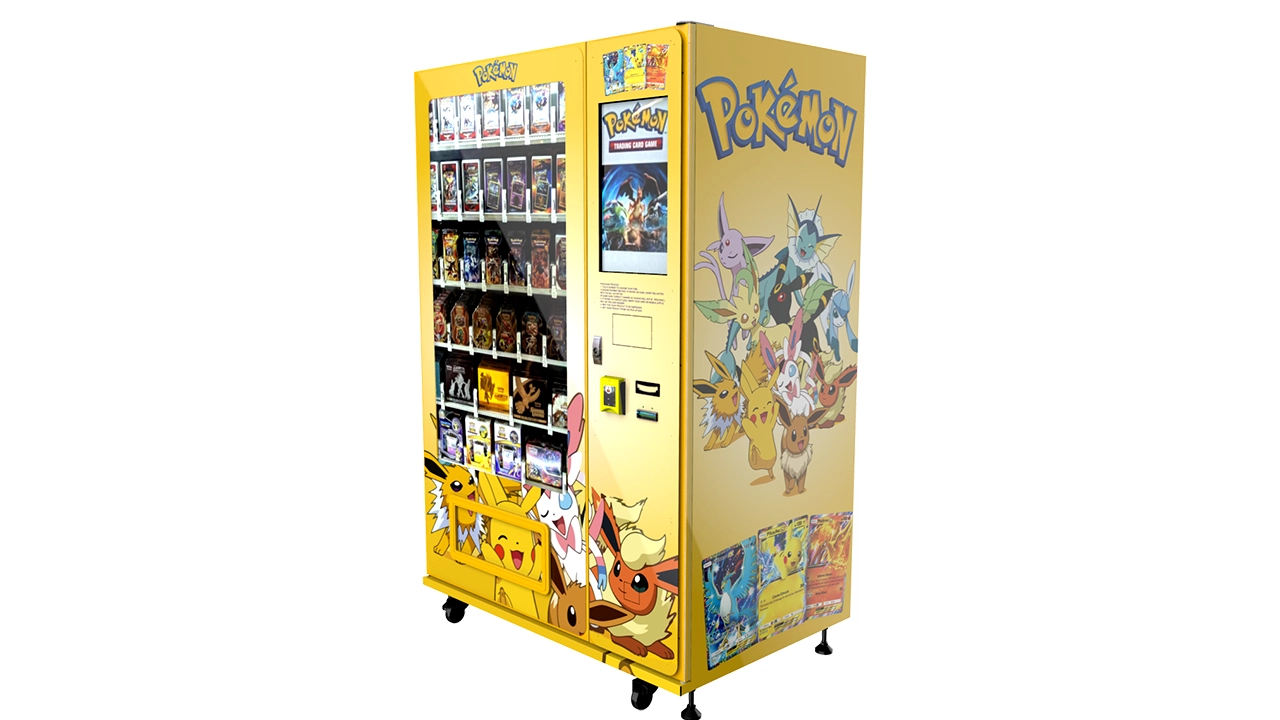
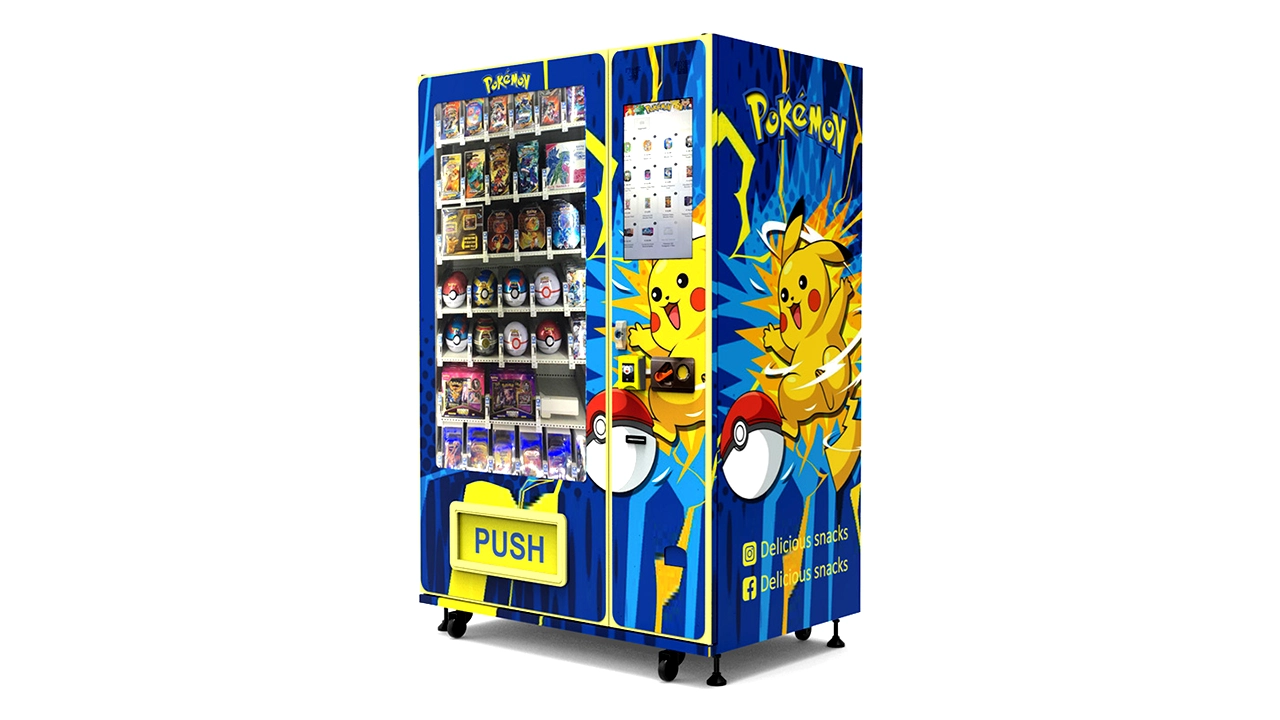
Let me be blunt about the numbers. A new, commercial-grade sports card vending machine will cost you anywhere from $5,000 to $20,000 depending on the size, screen, and payment options. The cheaper machines are often just refurbished snack machines with a different coil setup. They work, but they do not offer the interactive experience that drives sales. I have seen operators spend $8,000 on a basic unit and then wonder why they are not hitting their revenue targets. The machine is only half the battle; the inventory is the other half.
Initial inventory costs can easily run between $3,000 and $10,000 depending on what you stock. If you are filling a machine with $100 hobby boxes, you will have a higher upfront cost but a higher profit margin per transaction. If you are stocking $5 packs, you will have lower upfront costs but you will restock more frequently. In my experience, a mixed inventory strategy works best. I usually stock about 60% mid-tier products ($10–$30) and 40% high-end products ($50–$200). This gives me volume and margin.
Operating costs include the commission you pay to the host location, which typically ranges from 10% to 20% of gross sales. You also have electricity, which is nominal, and payment processing fees, which are around 2.5% to 3.5% per transaction. Then there is the cost of your time. Restocking a machine takes about an hour if you are efficient. You also need to factor in maintenance. I budget about $500 per year per machine for repairs and parts. This is not a passive income stream; it is a business that requires attention.
According to IBISWorld, the vending machine industry in the U.S. has grown steadily, with operators seeing average profit margins between 10% and 15% after all expenses. However, sports card machines can outperform this if placed correctly. In my best location, a hobby shop in a mid-sized city, I was grossing $3,000 per month from a single machine. After commission, fees, and inventory costs, my net profit was around $1,200 per month. That machine paid for itself in seven months. In my worst location, the transit hub, I was losing money every month and pulled the machine after four months.
Comparing Different Location Types
To give you a clearer picture, I have put together a table based on my own operational data and industry benchmarks. This is not a guarantee of what you will earn, but it reflects what I have seen across my own fleet and conversations with other operators. The key takeaway is that the location type dictates your risk and reward profile.
| Location Type | Monthly Gross Revenue | Commission (10-20%) | Profit Potential | Key Risk |
|---|---|---|---|---|
| Hobby Shop / Card Store | $2,500 – $5,000 | $250 – $1,000 | High | Dependence on store foot traffic |
| Comic Book Store | $1,500 – $3,000 | $150 – $600 | Medium-High | Niche audience, seasonal dips |
| Mall Kiosk / Common Area | $1,000 – $2,500 | $100 – $500 | Medium | High rent, theft risk |
| Convenience Store | $800 – $1,800 | $80 – $360 | Medium | Impulse buyers, lower dwell time |
| Laundromat / 24hr Location | $500 – $1,200 | $50 – $240 | Low-Medium | Security, vandalism |
| Sports Complex / Gym | $600 – $1,500 | $60 – $300 | Medium | Parent vs. collector demographics |
As you can see, the hobby shop is the clear winner in my experience. The customers are pre-qualified, the store owner is usually supportive, and the sales cycle is consistent. The downside is that you are limited by the store's hours and the store's own marketing efforts. If the store is poorly managed, your machine will suffer. I always vet the store owner as much as I vet the location itself. A lazy owner means lazy foot traffic.
The mall kiosk model is interesting, but it comes with high overhead. You are not just paying a commission; you are often paying a flat rent, which can be $500 to $1,500 per month. This eats into your margins significantly. I have seen operators do well with mall kiosks during the holiday season, but the rest of the year can be brutal. If you go this route, make sure you have a short-term lease with an exit clause. You do not want to be locked into a year-long lease at a location that dies after Christmas.
Convenience stores are a mixed bag. They offer high foot traffic, but the customer is usually buying a soda and a lottery ticket, not a $50 hobby box. I have had some success with lower-priced packs in these locations, but the volume is inconsistent. You also have to worry about the store staff stealing inventory. I had a machine in a convenience store where the clerk was helping himself to packs. I only discovered it when I did a full inventory audit and noticed the discrepancy. Trust no one; verify everything.
Self-Op vs. Host Location vs. Profit Sharing
One of the biggest decisions you will make is whether to operate the machine yourself, place it in a host location, or enter into a profit-sharing agreement. Each model has its own advantages and disadvantages, and I have used all three at different stages of my business. When I started, I only did self-op in locations I controlled, like a storage unit or a small warehouse I rented. This gave me full control but limited my reach. It also meant I had to be present to handle every transaction issue.
Hosting is the most common model for sports card machines. You place the machine in someone else's business and pay them a commission. This is how I run the majority of my fleet today. The advantage is that you leverage their foot traffic and their credibility. The disadvantage is that you are dependent on them. If the store closes or changes ownership, your revenue stream is at risk. I always have a clause in my agreement that allows me to remove the machine within 30 days if the business changes hands.
Profit sharing is a newer model that I have seen gain traction, especially with larger operators. In this model, you partner with the location owner to share not just the revenue but also the operational responsibilities. For example, the store might be responsible for restocking the machine, and you split the net profit 50/50. This works well if you have a trusted partner, but it is rare. Most store owners do not want the hassle of managing inventory. I prefer the simplicity of a straight commission; it keeps the lines of responsibility clear.
There is also the option of a wall-mounted card vending machine, which is perfect for locations with limited floor space. These units are smaller, cheaper, and easier to install. I have used them in comic book stores and even in a barbershop. They do not hold as much inventory, but they can be a great entry point for testing a location without a massive investment. The trade-off is that they require more frequent restocking, which increases your labor costs.
Real-World Failures and Lessons Learned
I mentioned the transit hub failure earlier, but I have had other failures that taught me just as much. One of my most expensive mistakes was placing a machine in a high-end mall without doing proper demographic research. The mall was beautiful, and the foot traffic was incredible, but the average shopper was a 50-year-old woman buying clothes, not a 25-year-old man buying basketball cards. The machine sat idle for weeks. I eventually moved it to a card show, where it made more money in two days than it did in two months at the mall.
Another failure was with payment systems. I initially bought a machine that only accepted cash. This was a huge mistake. The younger demographic that buys sports cards is cashless. They expect to use a credit card or a mobile wallet. I lost countless sales because I did not have a card reader. I learned this lesson the hard way and now I only purchase machines with integrated payment systems that support contactless payments. The 32-inch touchscreen trading card vending machine models I use now have excellent payment integration, and my sales increased by nearly 40% when I upgraded.
I also learned about the importance of inventory rotation. I used to stock the same products for months, thinking that collectors would eventually buy them. I was wrong. The sports card market is driven by new releases and hype. If you are not rotating your inventory to include the latest products, your sales will stagnate. I now have a strict policy: if a product does not sell within 60 days, I discount it or move it to a different location. This keeps my inventory fresh and my customers engaged.
One success story that stands out was placing a machine in a local sports complex that hosted youth basketball tournaments on weekends. The fathers were often bored and looking for something to do. I stocked the machine with a mix of $10 packs and $50 boxes. The sales were steady, but the real win was the relationship I built with the complex manager. He saw the machine as a value-add for his clients, and he actively promoted it. That location is still one of my top performers, and it taught me that the right host can be your best marketing tool.
Equipment Selection and Supplier Screening
Choosing the right equipment is not just about the price tag. It is about reliability, serviceability, and the user experience. I have used machines from several manufacturers, and I have settled on a few key features that I will not compromise on. First, the machine must have a robust card dispensing mechanism. Sports cards are delicate; they can get jammed or damaged if the mechanism is not designed for them. Second, the machine must have a good screen. A touchscreen that shows product images and prices is essential for driving sales. Third, the machine must have remote monitoring capabilities. I need to know when a product is low or when the machine is malfunctioning without having to visit it physically.
When I screen suppliers, I do not just look at their website. I ask for references from other operators. I also ask about their spare parts availability and their warranty terms. A machine that is cheap but takes six weeks to get a replacement part is not cheap at all. I have had good experiences with Zhongda Smart, a manufacturer that offers solid build quality and responsive customer service. They are not the only option, but they have been reliable for me, especially when I needed custom configurations for specific locations. I recommend that any new operator reach out to multiple suppliers and compare not just prices but also after-sales support.
Another critical aspect is the software that runs the machine. You want a system that allows you to adjust pricing remotely, track inventory in real-time, and generate sales reports. This data is invaluable for making decisions about what to stock and when to restock. I have seen too many operators run their business on guesswork, and they are the ones who fail. The self-service kiosk models I use provide detailed analytics that help me optimize my profits.
You also need to think about the physical security of the machine. A heavy-duty lock is a must, and I prefer machines with an internal alarm system. I once had a machine broken into in a parking lot, and the thieves got away with $2,000 worth of cards. The machine itself was damaged, costing me another $500 in repairs. Since then, I only place machines in locations with adequate lighting and, ideally, security cameras. The cost of the machine is not just the purchase price; it is the total cost of ownership, including insurance and potential losses.
Data-Driven Placement and Adjustment
You cannot just set a machine and forget it. The best operators are constantly analyzing data and adjusting their strategy. I look at weekly sales reports for each machine. I track which products are selling, which are not, and what time of day the sales occur. This tells me if the machine is reaching the right audience. If I see a machine selling mostly $5 packs, I know the audience is younger or more budget-conscious. If I see a machine selling $100 boxes, I know I have a more serious collector base.
I also track the performance of the machine relative to the location. If a machine is underperforming for three consecutive months, I move it. It is that simple. I do not get emotionally attached to a location. The data tells me when to cut my losses and try somewhere else. I have moved machines from a failing location to a new one and seen a 300% increase in revenue. The machine is the same; the location is different. That is the power of data-driven decision making.
According to a report from Statista, the average revenue per vending machine in the U.S. is around $75 per week, but this varies wildly by category and location. Sports card machines, when placed in a good location, can easily double that figure. However, you have to be realistic about the market. The sports card boom that we saw during the pandemic has leveled off, but it is still a strong market. The key is to stay agile and responsive to trends. I subscribe to industry newsletters and follow market analysts to stay ahead of the curve.
One of the best tools I use is a simple spreadsheet that tracks every machine's location, rent, commission, revenue, and expenses. This gives me a clear picture of my fleet's health. I review this spreadsheet every month and make adjustments as needed. It is not glamorous, but it is the foundation of my business. If you are not tracking your numbers, you are flying blind. The automated retail industry rewards operators who are disciplined and analytical.
Maintenance, Restocking, and Operational Efficiency
Restocking is the lifeblood of your operation, but it is also your biggest expense in terms of labor. I have optimized my restocking process to be as efficient as possible. I use a barcode system to track inventory, and I have a designated bin for each product type. When I visit a machine, I can restock it in under 30 minutes. I also schedule restocking based on sales data, not on a fixed schedule. If a machine sells fast, I visit it twice a week. If it sells slowly, I visit it once every two weeks. This reduces my labor costs and ensures that I do not have empty slots.
Maintenance is another area where you cannot cut corners. I have a relationship with a local vending machine repair technician who can handle issues that I cannot fix myself. I also keep a stock of common spare parts, like motors and sensors, so that I can fix minor issues on the spot. The cost of a service call can be $100 to $200, so it is often more economical to fix things myself. I recommend that every operator take the time to learn the basics of vending machine repair. It will save you thousands of dollars over the life of your machine.
I also make it a point to clean the machine and the surrounding area on every visit. A dirty machine is a turn-off for customers. It suggests that the products are old or that the machine is not well-maintained. I have seen machines that look brand new but are covered in dust and fingerprints. That is a reflection on you as an operator. Take pride in your equipment, and your customers will notice. I also leave a small sign on the machine with my phone number and email address, so customers can report issues directly to me. This has helped me catch problems early before they become major issues.
One of the biggest operational challenges is managing the cash. Most of my machines are cashless, but I still have a few that accept cash. I collect the cash on a regular schedule and deposit it into a separate bank account. This helps me track my actual revenue and manage my taxes. I also keep a detailed log of every transaction, which is essential for accounting purposes. The small business administration recommends keeping meticulous records, and I have to agree. It is the only way to know if you are actually making a profit.
Legal Considerations and Permits
You cannot just place a machine anywhere you want. There are legal considerations that vary by state and country. In the U.S., you will generally need a sales tax permit and a business license. Some municipalities require a specific vending machine permit. You also need to comply with health and safety regulations, especially if your machine sells anything that could be considered a food product. Sports cards are not food, but the machine itself must be safe and not pose a hazard.
I always check with the local city or county government before placing a machine. I have had to pay fines because I did not have the proper permit in one jurisdiction. It was a small fine, but it was an unnecessary expense that could have been avoided. I also make sure that my host location has the proper zoning for a vending machine. Most commercial zones allow them, but some residential zones do not. Do your due diligence before you sign anything.
In the European Union, the regulations are different but equally important. You need to register for VAT and comply with the General Data Protection Regulation (GDPR) if your machine collects any personal data. The Eurostat data shows that the retail sector is highly regulated, and vending machines are no exception. I always recommend consulting with a local business attorney to ensure that you are compliant. It is a small cost compared to the potential fines and legal fees.
Insurance is another critical component. I have a business owner's policy that covers my machines against theft, vandalism, and liability. If a machine falls and injures someone, you are liable. If a machine is damaged in a fire, you need to be covered. I pay about $500 per year for insurance, and it is worth every penny. Do not skip this step. The U.S. Small Business Administration has excellent resources on how to protect your business. I recommend reading them before you start.
FAQ: Your Most Common Questions Answered
Are sports card vending machines profitable?
Yes, they can be, but it depends entirely on the location and your operational discipline. In my experience, a well-placed machine can generate between $1,000 and $3,000 per month in gross revenue. After expenses, you might net $500 to $1,500 per month. However, a poorly placed machine will lose money. You have to be honest with yourself about the potential of each location. The profit margins are good, but they are not guaranteed.
How much does a sports card vending machine cost?
A new machine will cost between $5,000 and $20,000, depending on the size and features. A basic unit with a simple screen will be on the lower end, while a large touchscreen machine with advanced software will be on the higher end. You also need to budget for inventory, which can be $3,000 to $10,000 initially. The total startup cost for a single machine is typically between $8,000 and $30,000.
How long does it take to pay back the investment?
In my experience, the payback period is typically 6 to 18 months. If you find an excellent location, you might pay it off in 6 months. If you have a mediocre location, it could take 18 months or longer. I do not recommend entering this business if you are not prepared to wait at least a year for a return. The key is to minimize your upfront costs and maximize your location's potential.
Should a beginner buy or lease a machine?
I recommend that beginners start with a purchase rather than a lease. Leasing can seem attractive because it lowers your upfront cost, but you will end up paying more in the long run. I also think that owning the machine gives you more flexibility. If a location does not work out, you can move the machine without worrying about a lease agreement. Start small, buy one machine, and learn the ropes before you scale up.
Where is the best place to put a machine?
Based on my data, the best places are hobby shops, comic book stores, and card shows. These locations have a built-in audience of collectors who are ready to spend money. You also want to look for locations with high dwell time, like a sports bar or a gaming store. Avoid locations with high foot traffic but low dwell time, like a subway station or a busy sidewalk.
What permits do I need to operate a vending machine?
You will need a business license and a sales tax permit in most jurisdictions. Some cities also require a specific vending machine permit. You should check with your local government to understand the requirements. In the EU, you will need to register for VAT and comply with GDPR. It is also wise to have liability insurance.
How do I choose a reliable supplier?
Look for a supplier with a proven track record. Ask for references and read reviews. I have had good experiences with Zhongda Smart, but you should do your own research. Make sure the supplier offers a warranty and has a reliable supply of spare parts. A good supplier will also offer technical support when you need it.
What do I do if my machine breaks down?
First, do not panic. Most issues are minor and can be fixed with basic troubleshooting. If you cannot fix it, contact a local vending machine repair technician. I also recommend that you keep a stock of common spare parts. If you have a remote monitoring system, you can often identify the problem before you even visit the machine.
How can I reduce restocking and maintenance costs?
Use data to optimize your restocking schedule. Do not visit a machine on a fixed schedule; visit it based on sales data. This reduces unnecessary trips. Also, invest in a high-quality machine that requires less maintenance. Finally, learn to do basic repairs yourself. This will save you the cost of a service call.
Final Thoughts
The sports card vending machine business is not a get-rich-quick scheme. It is a legitimate business that requires capital, research, and operational discipline. If you are willing to put in the work, it can be a profitable addition to your portfolio. But if you are looking for a passive income stream that requires no effort, you will be disappointed. I have been in this industry for over a decade, and I have seen the highs and the lows. The key to success is to treat it like a business, not a hobby.
I have shared my experiences, both the failures and the successes, to give you a realistic picture of what to expect. The data is clear: location is everything. The machine is just a tool. Your job is to find the right location, stock the right products, and maintain the machine to a high standard. If you do that, you will make money. If you do not, you will lose money. It is that simple.
Before you make any purchase, I encourage you to visit a few locations and observe the foot traffic. Talk to the store owners. Look at the competition. Do not rush into a decision. The cost of a mistake is high, but the cost of doing nothing is also high. The market is growing, and there is room for operators who are serious about the business. If you are one of them, I wish you the best of luck.
Remember that this article is based on my own experience and publicly available data. Your results may vary depending on your market and execution. Always do your own due diligence and consult with professionals before making significant financial decisions.