If you are thinking about putting a trading card vending machine into a mall, a card shop, or even a grocery store, the first question that usually comes up is whether you need insurance for the operation. The short answer is yes, you do, and I am not saying that to sell you a policy. After running vending routes for over ten years, I have learned that the insurance question is less about legal requirements and more about protecting yourself from the specific risks that automated retail brings. Whether you are buying a single machine or planning a small network, the right coverage can be the difference between a minor setback and losing your entire investment. This guide covers what I have learned about insurance, liability, and the real costs of running a trading card vending machine business without getting caught off guard.
Why Insurance Matters More Than You Think
Most people starting out assume that a vending machine is just a big metal box that sits there and makes money. That is true until the day it is not. I have seen machines get damaged by angry customers, I have seen locations demand proof of coverage before they even let you plug the machine in, and I have seen operators get sued because a child reached into a faulty dispensing slot and got hurt. The machine itself is not dangerous, but the environment around it can create liability that you never planned for.
When I placed my first trading card machine inside a local comic shop, I thought my only job was keeping the machine stocked and collecting the cash. The store owner asked me for a certificate of insurance before I could even set the machine up. That was my first wake-up call. Without that piece of paper, I had no business relationship, no placement, and no revenue. Since then, I have made insurance a non-negotiable part of my pre-launch checklist, right alongside choosing a reliable card vending machine supplier and securing a solid location.
Insurance is not just about protecting the hardware. It is about protecting your access to good locations. Many property owners and mall managers require vendors to carry general liability coverage before they will sign a placement agreement. If you cannot show proof of coverage, you will lose the spot to someone who can. I have lost a prime location once because I was slow to update my policy, and I never made that mistake again.
What Kind of Coverage Do You Actually Need
The most common policy for vending operators is general liability insurance. That covers bodily injury and property damage that happens because of your machine. If someone trips over a cord, if a card dispenser jams and a customer hurts their hand trying to retrieve their purchase, or if the machine tips over and damages a car, general liability is what steps in. I carry a policy with a one million dollar limit per occurrence, and most locations I work with accept that without question.
You should also consider commercial property insurance if you own the machine outright. This covers the physical equipment if it is damaged by fire, vandalism, or weather. A trading card vending machine is not cheap, and replacing one out of pocket is painful. I have had a machine in a strip mall that got hit by a car that lost control in the parking lot. The property insurance covered the replacement, and I was back online in two weeks instead of eating the loss myself.
If you hire anyone to help you with restocking or maintenance, you will need workers compensation insurance in most states. Even if you only hire one part-time person, the cost is manageable and it keeps you legal. I run a small operation with one part-time helper, and the workers comp policy costs me a few hundred dollars a year. That is a small price to pay for peace of mind.
How Much Insurance Costs for a Card Vending Machine Business
From my experience, a basic general liability policy for a small vending operation runs anywhere from three hundred to eight hundred dollars per year, depending on your location, the number of machines, and your claims history. If you are running a larger network with multiple machines across different cities, expect that number to go up. I pay around six hundred dollars a year for three machines in two different states, and that includes general liability and property coverage on the equipment.
There are ways to bundle coverage and save money. Some insurers offer package policies for small business owners that combine general liability, property, and even business interruption coverage. I have found that working with an independent insurance agent who understands vending and automated retail is worth the time. They can shop around for you and make sure you are not paying for coverage you do not need.
It is also worth noting that insurance costs are just one line item in your overall budget. When I calculate the total cost of running a trading card vending machine business, I factor in insurance, maintenance, restocking labor, card inventory, and the machine itself. Insurance is not the biggest cost, but it is the one that protects all the others. Skipping it to save a few hundred dollars is exactly the kind of short-term thinking that gets operators into trouble.
What Happens When You Skip Insurance
I have a friend who started a vending route with no insurance at all. He figured that since the machines were self-service and he was the only person touching them, he did not need coverage. About six months in, one of his machines in a laundromat malfunctioned and dispensed a card upside down. A customer got frustrated and kicked the machine, breaking the screen and cutting their foot in the process. The customer demanded that the laundromat owner pay for their medical bills, and the owner pointed to my friend.
Without insurance, my friend had to pay for the screen replacement out of pocket, and he also paid a small settlement to the customer to make the issue go away. That one incident cost him more than three years of insurance premiums would have. He now carries full coverage on every machine, and he tells everyone who asks that insurance is not optional. I have seen this pattern repeat itself more than once in the vending industry.
The other hidden risk is that many locations will simply not work with you if you are uninsured. Large retail chains, malls, and even some smaller independent stores have vendor requirements that include proof of insurance. If you cannot provide it, you are not getting the placement. I have had to walk away from a great location because the property management company required a two million dollar aggregate policy and my current coverage was only one million. I upgraded the policy the next week and secured the next location that came along.
Location, Liability, and the Real Cost of Doing Business
Where you place your machine has a huge impact on your insurance needs and your overall risk. A machine inside a busy card shop with staff nearby is different from a machine sitting in an unattended hallway or an outdoor walkway. The more public and unsupervised the location, the higher your risk of theft, vandalism, and customer accidents. I prefer locations where there is some level of foot traffic and visibility, but I also know that those locations often come with higher rent or revenue share agreements.
When I evaluate a potential location for a trading card vending machine, I look at foot traffic, the average age of the customers, and how much supervision the area has. A machine placed near a kids play area in a shopping center might get lots of attention, but it also increases the chances of children using the machine without adult supervision. I have seen operators get into trouble when parents blamed them for a child getting hurt while using a machine that was not age-appropriate or properly guarded.
According to a report from IBISWorld, the vending machine operators industry in the United States generates over nine billion dollars in annual revenue, and the number of operators has been growing steadily. That growth means more competition for good locations, and it also means that property owners are becoming more selective about who they let in. Having proper insurance is often the first thing they ask about, and it is a quick way to filter out amateur operators.
Comparing Machine Types and Their Insurance Implications
Not all trading card vending machines are the same, and the type of machine you choose can affect your insurance needs and your operating costs. I have run both small wall-mounted units and larger floor-standing machines with touchscreens. Each has its own risk profile and maintenance considerations. The table below breaks down what I have seen in my own operation and through conversations with other operators.
| Machine Type | Initial Investment | Monthly Revenue Potential | Maintenance Frequency | Insurance Risk Level |
|---|---|---|---|---|
| Wall-mounted card dispenser | $2,000 – $5,000 | $300 – $800 | Low, restock every 2–3 weeks | Lower, less exposed to damage |
| Freestanding card machine | $6,000 – $12,000 | $800 – $2,500 | Moderate, restock weekly | Medium, more visible and accessible |
| Touchscreen smart kiosk | $10,000 – $20,000 | $1,500 – $4,000 | Higher, software updates and screen care | Higher, more electronics and user interaction |
These numbers are based on my own experience and should not be treated as guarantees. Revenue varies widely depending on location, card selection, and how well you maintain the machine. But the table gives you a rough idea of what to expect. I have found that the touchscreen kiosks attract more attention and can generate higher revenue, but they also come with more potential points of failure. A broken screen is not just a repair cost, it is also a liability if a customer gets injured trying to use a damaged machine.
Choosing a Machine and Supplier That Reduces Risk
One of the best ways to reduce your insurance risk is to choose a machine that is built well and has fewer failure points. I have tested several brands over the years, and I have settled on machines that have solid dispensing mechanisms, secure card storage, and reliable payment systems. A machine that jams frequently is a machine that attracts frustrated customers, and frustrated customers are more likely to cause damage or file complaints.
When I was looking for my current setup, I spent a lot of time evaluating different suppliers. I came across Zhongda Smart through an industry contact, and I found that their trading card vending machines offer a good balance of build quality and price. I am not saying they are the only option, but they are one of the few manufacturers that actually understand the card vending niche and offer machines with features that reduce common problems. Their machines have been reliable for me, and that means fewer maintenance calls and lower risk overall.
I also recommend looking for machines that have tamper-resistant features, secure locks, and quality card dispensing mechanisms. A machine that can be easily pried open or tampered with is a liability nightmare. I once had a cheap machine that someone managed to break into by prying the front panel. The machine was destroyed, and I had to deal with the location owner, the police, and my insurance company all in the same week. That experience taught me to invest in better equipment from the start.
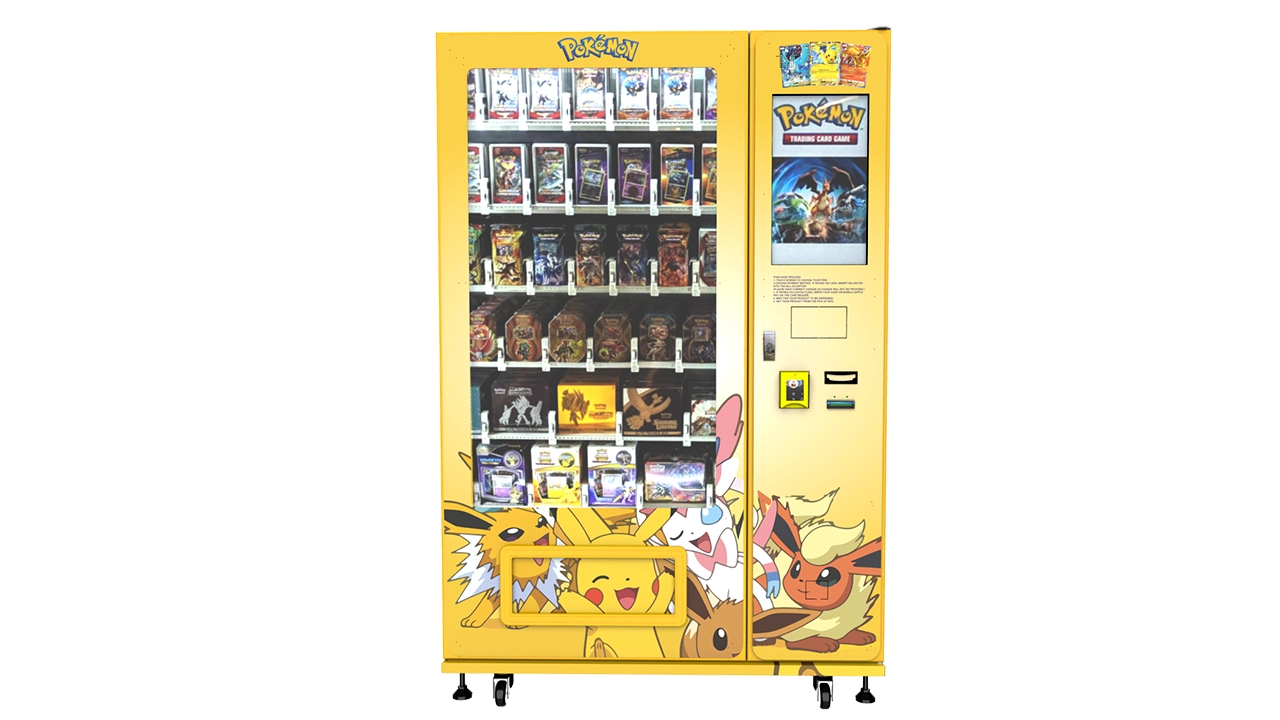
For more details on what to look for in a machine, I have written about the key considerations in my guide on trading card vending machine selection. It covers the practical details that most beginners overlook, like card capacity, dispensing speed, and how easy the machine is to service in the field.
How to Evaluate a Location Before You Commit
Location is everything in this business, and I have learned that the hard way. I once placed a machine in a busy grocery store because the foot traffic numbers looked great on paper. What I did not account for was that the store had a high theft rate and the management did not care about monitoring the area. Within two months, my machine had been vandalized twice, and I was spending more time on repairs than on restocking. I pulled the machine and moved on.
Now I use a simple checklist before I commit to any location. I look for places where the machine can be seen by staff or security cameras, where there is enough lighting, and where customers are likely to have disposable income. Card shops, hobby stores, and gaming cafes are my top choices because the customer base is already interested in trading cards. I also consider malls and entertainment venues, but I always check the lease terms and insurance requirements before signing anything.
According to data from Statista, the trading card market has been growing steadily, with global revenue projected to exceed twenty billion dollars in the coming years. That growth has created demand for card vending machines in places that never had them before. But just because a location is busy does not mean it is a good fit. I always ask myself whether the people passing by are actually card collectors or parents buying for kids. If the answer is no, I keep looking.
Common Mistakes That Cost Operators Money
The biggest mistake I see new operators make is treating a trading card vending machine like a set-and-forget investment. It is not. You have to be involved, you have to monitor sales data, and you have to rotate your card inventory based on what is selling. I have seen operators fill a machine with the same cards for months and then wonder why revenue drops. Collectors want variety, and they want to know that the machine is being restocked regularly.
Another common mistake is underestimating the cost of maintenance and repairs. No matter how good your machine is, things will break. Screens get scratched, card dispensers get jammed, and payment systems need updates. I budget about ten percent of my monthly revenue for maintenance and unexpected repairs. That might sound like a lot, but it has saved me more than once. I also keep spare parts on hand, like card pushers and sensors, so I can fix common issues myself instead of waiting for a technician.
One failure case that sticks with me is a new operator who bought a used machine from an online auction without inspecting it properly. The machine looked fine from the outside, but the internal card mechanism was worn out and jammed constantly. He spent more money on repairs in the first three months than he would have spent on a new machine. He eventually sold the machine at a loss and started over with better equipment. I have seen this happen enough times that I now strongly advise against buying used machines unless you have experience repairing them. If you want to know more about the risks of used equipment, I have covered that in my article on used and refurbished card vending machines.
Operational Costs and Break-Even Timelines
Let me give you a realistic picture of the numbers. A new trading card vending machine with a touchscreen typically costs between eight thousand and fifteen thousand dollars, depending on the configuration and the supplier. I have seen some basic wall-mounted units for under five thousand, but they generally have lower revenue potential because they hold fewer cards and have less visual appeal.
On the revenue side, a well-placed machine can generate anywhere from one thousand to four thousand dollars per month in gross sales. That depends heavily on location and card selection. My best machine, which sits in a high-traffic hobby store, does around three thousand dollars a month. My worst machine, which I placed in a small convenience store, barely does six hundred dollars a month. I moved that machine to a different location after six months, and it now does about twelve hundred dollars a month.
Your gross margin on cards is typically between forty and sixty percent, depending on how you source your inventory. That means if a machine does two thousand dollars in monthly sales, you are looking at roughly eight hundred to twelve hundred dollars in gross profit before expenses. After subtracting insurance, maintenance, and restocking labor, your net profit might be five hundred to eight hundred dollars per month per machine. The break-even period for a ten thousand dollar machine is usually between twelve and eighteen months, assuming steady performance.
These are estimates based on my experience, not guarantees. I have seen machines pay for themselves in nine months, and I have seen machines that took two years to break even. The difference comes down to location, card selection, and how much effort you put into keeping the machine fresh and functional. If you want a deeper dive into the financial side, I have broken down the costs and timelines in my article on trading card vending machine profitability.
Payment Systems and Customer Experience
Modern card vending machines need to accept both cash and card payments. I learned this early on when I had a machine that only took cash and it underperformed in a location where most customers were younger and did not carry cash. Once I upgraded to a machine with a card reader and mobile payment support, sales jumped by nearly forty percent. The payment system is not just a convenience, it is a sales driver.
When choosing a machine, pay close attention to the payment system. Look for machines that support major credit cards, contactless payments, and mobile wallets like Apple Pay and Google Pay. Some machines also offer remote monitoring and inventory tracking through a connected app, which can save you a lot of time. I use a machine with cloud-based tracking, and it lets me see sales data and inventory levels without visiting the site. That has made my restocking routine much more efficient.
I also recommend testing the payment system before you commit to a purchase. Some cheaper machines have payment terminals that are slow or unreliable, and that leads to customer frustration and lost sales. I have had machines where the card reader would fail intermittently, and I only found out because customers complained. A reliable payment system is worth paying extra for, and it also reduces the risk of disputes and chargebacks.
Maintenance, Restocking, and Reducing Downtime
Regular maintenance is the key to keeping your machines running and avoiding costly downtime. I have a weekly restocking schedule for my high-traffic machines and a bi-weekly schedule for slower ones. During each visit, I check the card inventory, clean the screen and the dispensing area, and test the payment system. I also look for any signs of tampering or damage, because catching a problem early is much cheaper than dealing with a full breakdown.
One thing I have learned is that you should always have a plan for machine failures. Even the best machines will have issues, and if you are not prepared, you will lose revenue and potentially damage your relationship with the location owner. I keep a list of local vending machine repair technicians who can handle emergency calls, and I also have spare parts for the most common failure points. If you are not comfortable doing basic repairs yourself, factor the cost of a technician into your budget.
I also recommend building a relationship with your supplier so you can get support when you need it. When I purchased my machines from Zhongda Smart, I made sure to ask about their after-sales support and warranty terms. Having a supplier that responds quickly when you have a technical issue is worth more than saving a few hundred dollars on the initial purchase. You can read more about the specific model I use in my review of the 32-inch touchscreen trading card vending machine.
Self-Operation vs. Leasing vs. Revenue Sharing
There are a few different ways to get involved in card vending, and each has its own trade-offs. The most straightforward approach is to buy your own machine and operate it yourself. That gives you full control over location, pricing, and inventory, but it also means you take on all the risk and responsibility. I started this way, and I think it is the best way to learn the business.
Another option is to lease a machine from a supplier or a third-party company. This lowers your upfront cost, but you will pay higher ongoing fees, and you may not have as much control over the machine and its software. I have seen lease agreements that look attractive on the surface but end up costing more in the long run because of hidden fees and restrictive terms. If you are considering leasing, read the contract carefully and calculate the total cost over the lease term.
Revenue sharing is a third model where you partner with a location owner who provides the space and sometimes the machine, and you split the profits. This can be a good way to enter the business with less capital, but it also means you have less control and you need to trust your partner. I have had mixed experiences with revenue sharing. Some partnerships worked well, while others fell apart because of disagreements over maintenance responsibilities and inventory decisions.
For most people, I recommend starting with a single machine that you own and operate yourself. It keeps things simple, limits your risk, and gives you a clear understanding of the business before you scale up. Once you have proven that you can run one machine profitably, you can expand with confidence. If you want to learn more about the different models, I have compared them in my article on self-operated vs. leased card vending machines.
Legal Requirements and Local Regulations
Beyond insurance, you need to be aware of local laws and regulations that affect vending machines. Most cities and states require a vending machine permit or a business license, and the fees vary widely. I pay around one hundred dollars per machine per year in my state, but I have heard of operators in other states paying several hundred dollars. Check with your local government before you buy a machine so you know what to expect.
There are also regulations about labeling, safety, and accessibility. In the United States, the Americans with Disabilities Act may require that your machine be accessible to people with disabilities, which can affect where you place it and how you design the interface. I have seen operators get fined for placing machines in ways that block accessible routes. It is worth spending an hour with your local business development office to understand the rules before you commit to a location.
According to the U.S. Small Business Administration, small business owners should always consult with an insurance professional and a legal advisor before launching a new venture. That advice is especially relevant for vending machines because the rules vary so much by jurisdiction. I am not a lawyer, and the information in this article is based on my own experience, so please do your own research and get professional advice where needed.
How to Choose a Supplier You Can Trust
Choosing the right supplier is one of the most important decisions you will make. I have worked with several manufacturers over the years, and I have learned to look for a few key things. First, check whether the supplier has experience specifically with trading card vending machines, not just generic vending machines. Card vending has unique requirements, like secure card storage, gentle dispensing mechanisms, and the ability to handle a high volume of small items.
Second, ask about warranty and after-sales support. A good supplier should offer at least a one-year warranty on major components and be responsive when you have questions. I have had suppliers who took days to respond to a support request, and that is unacceptable when your machine is down and losing money. Test their support before you buy by sending a pre-sales question and seeing how quickly they reply.
Third, look for reviews and references from other operators. I always ask suppliers for a list of existing customers, and I reach out to those operators to ask about their experience. This has saved me from making a bad purchase more than once. If a supplier is hesitant to provide references, that is a red flag.
I have mentioned Zhongda Smart earlier, and they are one of the suppliers that I have had a positive experience with. They have a dedicated line of card vending machines, and their support team has been responsive when I needed help. That said, I always recommend shopping around and comparing multiple suppliers before making a decision. The right choice depends on your budget, your location, and your specific needs.
Scaling Up Without Getting Burnt Out
Once you have one machine running profitably, it is tempting to scale up quickly. I have seen operators go from one machine to ten machines in a few months, only to realize that they cannot handle the restocking, maintenance, and customer service demands. Scaling up requires systems, not just capital. You need a reliable restocking schedule, a relationship with a technician, and a clear process for handling issues when they come up.
I expanded from one machine to three machines over the course of two years, and that pace felt right for me. It allowed me to learn the quirks of each location and build relationships with the location owners. I also made sure that my cash flow could support the expansion without putting me in a tight spot. Vending is a cash flow business, and if you overextend, you will feel the pressure quickly.
One piece of advice I always give is to keep detailed records of your sales, expenses, and maintenance history for each machine. That data will help you make better decisions about where to place new machines and when to move underperforming ones. I track everything in a simple spreadsheet, and it has been invaluable for identifying trends and catching problems early.
Final Thoughts on Insurance and Running a Card Vending Business
Insurance is not the most exciting part of the vending business, but it is one of the most important. I have been in this industry for over a decade, and I have seen what happens when operators skip coverage or underestimate their risks. A trading card vending machine business can be profitable and rewarding, but only if you protect yourself from the unexpected. The cost of insurance is small compared to the cost of a lawsuit, a damaged machine, or a lost location.
If you are just starting out, my advice is to budget for insurance from day one, choose a reliable machine from a trustworthy supplier, and take the time to evaluate each location carefully. Do not rush into placements just because a location looks busy. Do your homework, understand your costs, and build a small reserve fund for repairs and unexpected expenses. That is how you build a business that lasts.
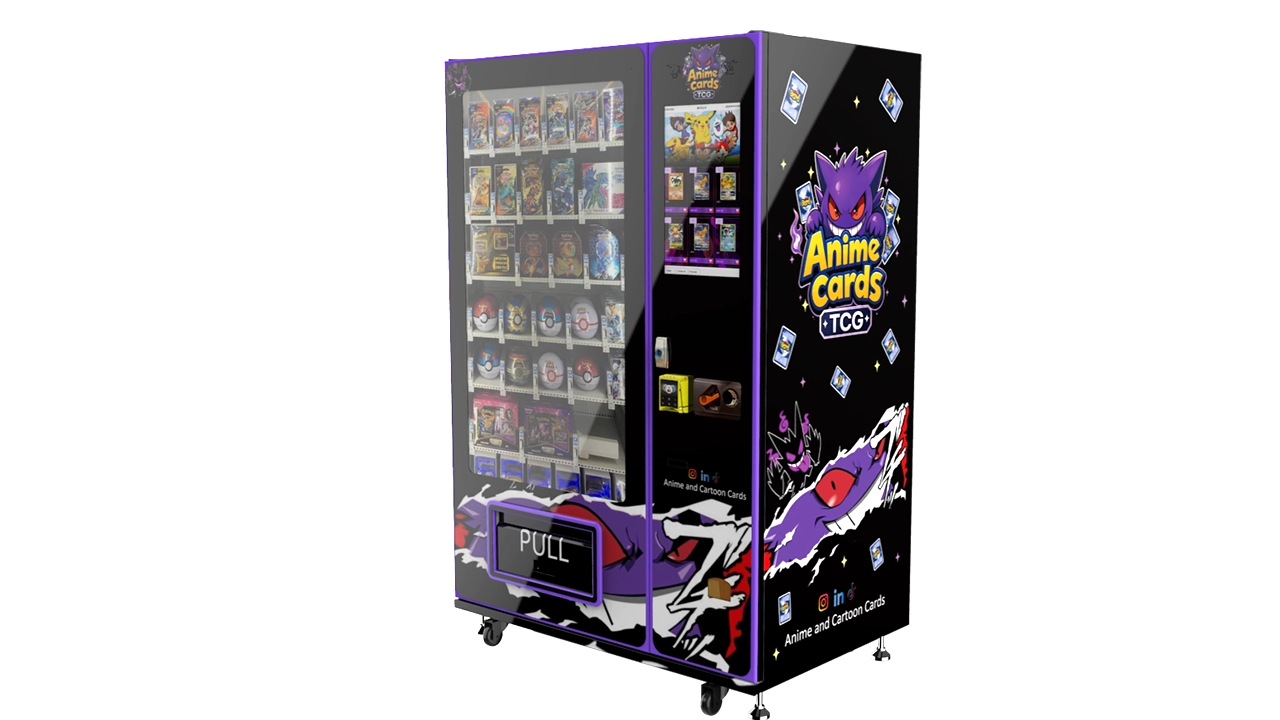
I also want to emphasize that the numbers I have shared in this article are based on my own experience and should be treated as estimates. Your results will vary depending on your location, the cards you sell, the quality of your machine, and how much effort you put into the business. I encourage you to talk to other operators, visit locations where card vending machines are already running, and learn as much as you can before you invest.
Running a trading card vending machine business is not a get-rich-quick scheme. It is a real business that requires attention, patience, and a willingness to learn from your mistakes. But if you do it right, it can provide steady income and a lot of satisfaction. Just make sure you are covered, both literally and figuratively, before you plug in that first machine.
Frequently Asked Questions
Are trading card vending machines profitable?
Yes, they can be profitable if placed in the right location and stocked with cards that sell well. In my experience, a well-placed machine can generate one thousand to four thousand dollars in monthly sales, with gross margins between forty and sixty percent. However, profitability depends on many factors, including foot traffic, card selection, and how often you restock. Do not expect every machine to perform the same.
How much does a trading card vending machine cost?
A new machine typically costs between five thousand and twenty thousand dollars, depending on the size, features, and supplier. Wall-mounted units are cheaper, while touchscreen kiosks are more expensive. I have seen basic machines for under five thousand dollars, but they usually have lower revenue potential. Used machines can be cheaper, but they come with higher maintenance risks.
How long does it take to break even?
Based on my experience, the break-even period is usually between twelve and eighteen months for a machine that costs around ten thousand dollars. That assumes steady sales and reasonable operating costs. Some machines pay for themselves faster, and some take longer. It really depends on your location and how well you manage the operation.
Should a beginner buy or lease a machine?
I recommend buying a single machine if you can afford it. Leasing might seem easier, but it often comes with higher long-term costs and less control. Buying gives you full ownership and the freedom to move the machine or change your strategy. Start small, learn the business, and then expand with your own machines.
Where is the best place to put a card vending machine?
Card shops, hobby stores, gaming cafes, and entertainment venues are the best locations because the customer base is already interested in trading cards. Malls and busy retail areas can also work, but you need to check foot traffic and the demographics of the area. I always look for locations with good visibility, lighting, and some level of supervision.
What licenses and permits do I need?
Most cities and states require a business license and a vending machine permit. Fees vary widely, so check with your local government. You may also need to comply with accessibility regulations, like the Americans with Disabilities Act. I recommend talking to a local business advisor or attorney to make sure you are compliant.
How do I choose a reliable supplier?
Look for a supplier with specific experience in trading card vending machines, a solid warranty, and responsive after-sales support. Ask for references and contact existing customers. I have had good experiences with Zhongda Smart, but I always recommend comparing multiple suppliers before making a decision.
What happens if my machine breaks down?
Have a plan in place before it happens. Keep spare parts for common issues, and have a list of local repair technicians who can handle emergency calls. If you are not comfortable doing repairs yourself, budget for technician costs. Regular maintenance reduces the chances of breakdowns and keeps your machine running smoothly.
How can I reduce restocking and maintenance costs?
Use a machine that offers remote monitoring and inventory tracking, so you only visit the site when you actually need to restock. Build a consistent restocking schedule based on sales data, and keep spare parts on hand for quick fixes. Choosing a reliable machine from the start is the best way to reduce long-term maintenance costs.
Disclaimer: The information in this article is based on my personal experience in the vending machine industry and is for general informational purposes only. It does not constitute legal, financial, or insurance advice. Please consult with qualified professionals for advice specific to your situation.