If you’re looking into a trading card vending machine location commission, the short answer is that most operators pay between 10% and 25% of gross revenue, but the real question isn’t the percentage—it’s what you get for it. I’ve been placing card vending machines across the U.S. for over a decade, and I’ve seen deals that looked generous on paper destroy a route, and others where a seemingly steep commission turned out to be the cheapest rent I ever paid. The commission structure matters, but it’s only one piece of the puzzle that includes foot traffic quality, product mix, and how much time you’re willing to spend restocking. Let me walk you through what I’ve learned the hard way, so you can negotiate from experience rather than guesswork.
Why Trading Card Vending Machines Are a Different Beast
Before you even think about commission splits, you need to understand that card vending machines are not snack machines. They don’t sell consumables that people buy out of habit or hunger. They sell emotion, nostalgia, and the slim chance of pulling a rare card worth hundreds of dollars. That changes everything about location selection, maintenance, and yes, how much you should pay to be there.
I’ve operated snack and soda machines for years, and they’re predictable. You restock, you collect, you move on. Card machines are different. They attract a younger crowd, they get more physical interaction, and they draw crowds that sometimes hover around the machine just to watch others open packs. That behavior is gold for a location owner, but it also means you’re bringing a different kind of energy to their store. Commission negotiations should reflect that value, not just the footprint of the machine.
In my experience, the first mistake operators make is treating a card machine like any other vending unit. They offer a flat percentage without understanding what the location owner sees. The owner sees a machine taking up floor space, drawing loiterers, and occasionally needing an electrical outlet. You see a revenue stream. Bridging that gap is where good commission deals are made.
What a Fair Commission Actually Looks Like
I’ve paid anywhere from zero to 30% in commission over the years, and I’ve learned that the number alone tells you almost nothing. A 10% commission at a high-traffic comic shop with a built-in collector base is a steal. A 10% commission at a random laundromat with no card culture is a waste of your machine’s time.
Here’s a rough breakdown based on my own routes and what I’ve heard from other operators at industry meetups:
| Location Type | Typical Commission | What You Get | My Take |
|---|---|---|---|
| Comic / Hobby Shops | 15%–25% | Built-in collector traffic, staff who understand cards, higher sales per square foot | Worth every penny if the owner actively promotes the machine |
| Game Stores / Esports Arenas | 12%–20% | Younger demographic, repeat visitors, event-driven spikes | Good upside, but watch out for peak hours vs. dead hours |
| Malls / Retail Corridors | 20%–30% | High foot traffic, but less targeted audience | High rent, high churn. Only works with high-volume product rotation |
| Laundromats / Self-Service | 10%–15% | Captive audience, low expectations, low foot traffic quality | Cheap, but often not worth the floor space |
| Convenience Stores / Gas Stations | 15%–20% | Impulse buyers, 24/7 access, but higher theft risk | Decent if the store owner is hands-on and monitors the area |
That table is based on my own experience and conversations with about a dozen other operators over the past few years. The percentages shift by region and by how desperate either side is. But the pattern holds: you pay more where the audience is already there, and you pay less where you’re creating demand from scratch.
My Biggest Commission Mistake
I once signed a 12-month agreement with a small toy store that had zero card sales history. The owner was friendly, the rent was cheap, and the commission was a flat 10%. I thought I was being smart. I was being lazy.
The machine sat there for four months averaging maybe $200 a month in sales. The location had foot traffic, but it was families with young kids looking for action figures, not teenagers and adults hunting for Pokémon or sports cards. I was paying 10% of almost nothing, and the machine was eating up my time and inventory. I eventually pulled it, paid a small early-termination fee, and learned a lesson that stuck with me: a low commission on a bad location is worse than a high commission on a good one.
That experience changed how I negotiate. Now I ask for a 90-day trial period at a lower commission, with a clause that bumps it up once we hit a certain monthly sales threshold. Most location owners agree because it aligns incentives. They see it as a chance to prove the machine earns its keep, and I see it as a way to test the water without drowning in a bad deal.
What Location Owners Don’t Tell You
Location owners will tell you they have “great foot traffic” and “the perfect demographic.” Sometimes they’re right. Often they’re guessing. I’ve walked into stores that looked busy from the outside but were empty for hours at a time. I’ve also walked into quiet shops where the regulars were exactly the kind of buyers who spend $50 on a single pack without blinking.
The key metric I now use is not raw foot traffic but conversion potential. That means how many people walking past the machine are likely to stop, look, and buy. A comic shop with 50 daily visitors can outsell a mall kiosk with 5,000 daily passersby. I’ve seen it happen more than once.
When you’re negotiating commission, ask the owner for actual numbers. How many daily transactions do they do? What’s the average ticket? Do they have a regular customer base or mostly one-time visitors? If they can’t answer those questions, that’s a red flag. It means they haven’t thought about their own business metrics, and they won’t think about yours either.
Another thing location owners won’t tell you: they often have competing interests. A store that sells its own card packs will see your machine as competition. They might agree to host it but never promote it. I’ve walked into stores where my machine was tucked behind a pillar, half-hidden, with no signage. The commission was low, but the sales were lower because the owner had no incentive to help me succeed. Now I insist on a placement clause in the agreement—the machine has to be visible, near the entrance or checkout, and not obstructed by other displays.
How to Calculate Whether a Commission Is Worth It
Here’s the formula I use in my head before I agree to any commission split. It’s not fancy, but it’s worked for me.
I start with my average gross revenue per location. For a well-placed card machine in a decent location, that’s between $800 and $2,500 per month. Let’s say I’m looking at a spot that I estimate will do $1,200 a month. If the commission is 20%, that’s $240 going to the location owner. My cost of goods sold (COGS) for cards is usually around 50–55% of retail. So I’m left with roughly $600 gross margin before commission. After commission, I’m at $360. Then I subtract electricity, maintenance, and my own time for restocking. If that number is still above $200 a month, I’m probably okay.
But here’s the thing: that math only works if the machine actually hits $1,200. If it does $600, the commission percentage suddenly feels a lot heavier. That’s why I always negotiate a tiered commission structure. For example, 15% on the first $1,000 in sales, 20% above that. The owner still gets a fair share of the upside, but I’m not bleeding cash during the slow ramp-up period.
I’ve also started using trading card vending machine location data from my own routes to build a baseline for what different spots can realistically generate. That URL isn’t a magic bullet, but it’s a good starting point for anyone who wants to see typical sales figures before they commit to a commission agreement.
The Real Cost of a Bad Commission Deal
I mentioned the toy store failure, but I have another example that shows the opposite side. A few years ago, I placed a machine in a well-known game store in a mid-sized city. The owner asked for 25% commission, which I thought was outrageous at the time. But he had a loyal customer base, weekly tournaments, and a social media following that actually drove people to the store specifically to buy cards.
That machine did $3,000 in its second month. I paid $750 in commission and walked away with a healthy profit. The owner was happy because he was making money without lifting a finger. I was happy because the machine was earning more per square foot than most of my other locations combined. The lesson stuck with me: a high commission on a high-performing location is a good deal. A low commission on a low-performing location is a bad one. It sounds obvious, but you’d be surprised how many operators get seduced by a cheap rent number.
What I’ve learned is that commission shouldn’t be the first thing you negotiate. You should first ask about the location’s sales history, customer demographics, and whether they’re willing to promote the machine. Once you have that information, you can set a commission that makes sense for both sides. If the owner refuses to share basic data, that’s a sign they’re not serious about a partnership—they’re just looking for passive income.
Commission Models: Flat, Tiered, or Hybrid
There’s no one right way to structure a commission, but I’ve seen three main models in the wild.
Flat Percentage
This is the simplest. You agree on a fixed percentage of gross sales, usually between 10% and 25%. It’s easy to track and easy to explain. The downside is that it doesn’t account for slow months. If the machine has a bad month, you’re still paying the same percentage, which can eat into your margin. I use flat percentages only for locations I’ve already vetted and trust.
Tiered Commission
This is my preferred model. You set a baseline, say 15%, and it goes up if sales exceed a certain threshold. This rewards the location owner for driving traffic and gives you a safety net during slow periods. I’ve found that tiered structures also make owners more proactive about promoting the machine because they directly benefit from higher sales.
Hybrid with Base Rent
Some owners want a guaranteed base rent plus a smaller commission. This is common in malls or high-rent retail spaces. The advantage is that you know your fixed costs upfront. The disadvantage is that you’re carrying more risk if the machine underperforms. I’ve only done this in locations where I had strong data suggesting the machine would hit a certain volume.
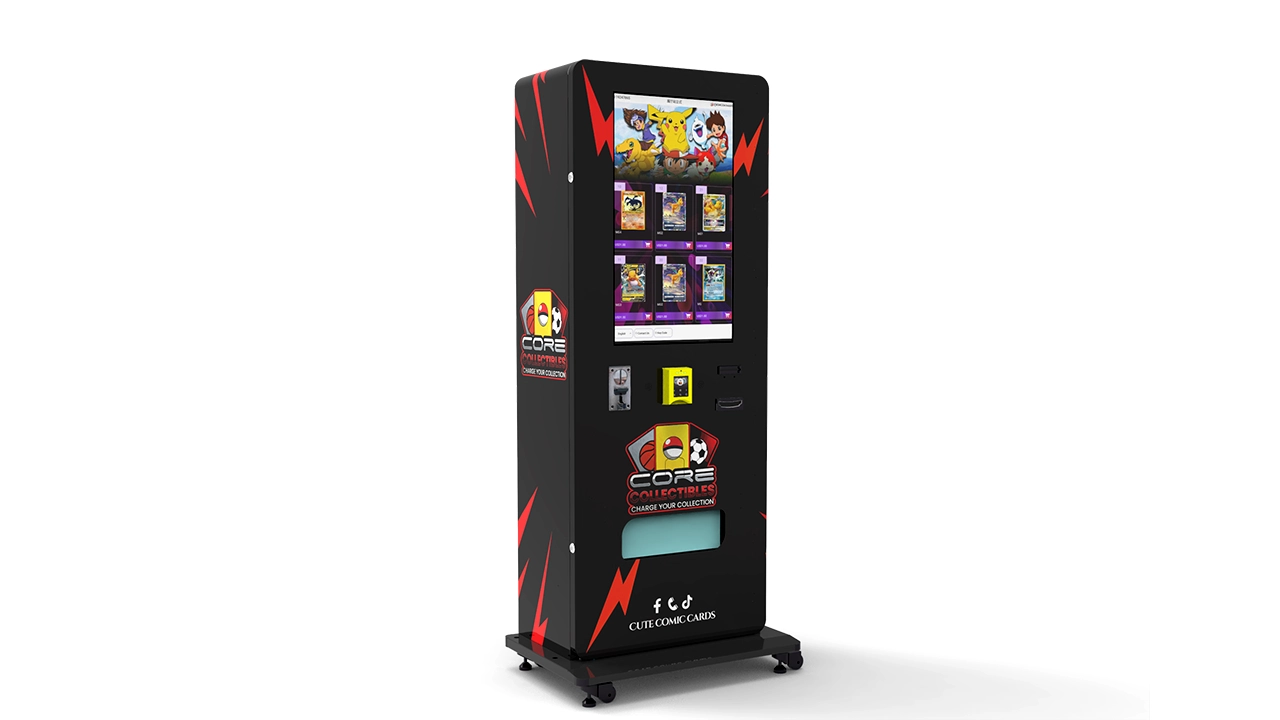
If you’re new to this, I’d start with a flat or tiered commission and avoid base rent until you have a track record. The 32-inch touchscreen trading card vending machine model I run in most locations is a good example of a unit that can justify a higher commission because it draws attention and has a better user experience. But that only matters if the location itself is a good fit.
How to Negotiate Without Burning Bridges
Negotiation is about leverage, but it’s also about relationships. I’ve had owners call me years later to offer me a spot in their new store because I treated them fairly the first time around. That’s worth more than an extra 5% commission over a six-month period.
Here’s my approach: I come prepared with data. I show them what similar locations in their area are generating, and I’m honest about the range. I don’t promise a specific number because that would be a lie. Instead, I say something like, “Based on my experience, this machine typically does between $800 and $1,500 a month in a store like yours. If we hit the high end, you’re looking at $300 a month for just a few square feet of floor space.”
That framing works because it’s realistic and it gives the owner something to look forward to. I also ask for a 90-day trial at a lower commission, with a mutual opt-out clause. If the machine doesn’t perform, I can pull it without penalty. If it does, we renegotiate with real numbers on the table. Most owners agree to this because it lowers their risk too.
One thing I’ve learned to avoid is offering a ridiculously low commission upfront. It signals that you’re not serious about a long-term partnership. Even if the owner accepts, they’ll likely resent you and won’t promote the machine. I’d rather pay a fair commission and have the owner invested in the machine’s success. That’s the difference between a landlord-tenant relationship and a true partnership.
Data Sources and Market Context
I’m not a fan of throwing around fake statistics, so let me share what I actually know from public data and my own records. According to Statista, the U.S. vending machine market was valued at over $30 billion in recent years, with a growing share coming from non-food items like electronics and collectibles. That aligns with what I’m seeing on the ground—card machines are a niche but expanding segment within that broader market.
Another useful data point comes from IBISWorld, which notes that vending machine operators face high competition and thin margins, which makes location selection even more critical. That’s been my experience too. The machine itself is a commodity; the location is everything.
On the operational side, the U.S. Small Business Administration has general guidance on business structures and licensing that applies to vending operators. It’s not card-specific, but it’s a good starting point for anyone who wants to run this as a legitimate business rather than a side hustle.
My own records show that a typical card machine in a decent location does between $800 and $2,500 a month in gross sales, with a 50–55% COGS. That means gross margins are around $400 to $1,200 per month before commission. After commission and expenses, most operators I know are taking home $200 to $800 per machine per month. That’s a wide range, but it reflects the reality that location quality is the single biggest factor in profitability.
I also want to be clear about one thing: these numbers are estimates based on my experience and conversations with other operators. They are not official statistics. Your results will vary depending on your location, product mix, and how much effort you put into restocking and maintaining the machine.
Equipment Choices and How They Affect Commission
Not all card machines are created equal, and the type of machine you put in a location can affect how much commission you’re willing to pay. I’ve run basic coil-based machines, wall-mounted units, and large touchscreen models. Each has its own trade-offs.
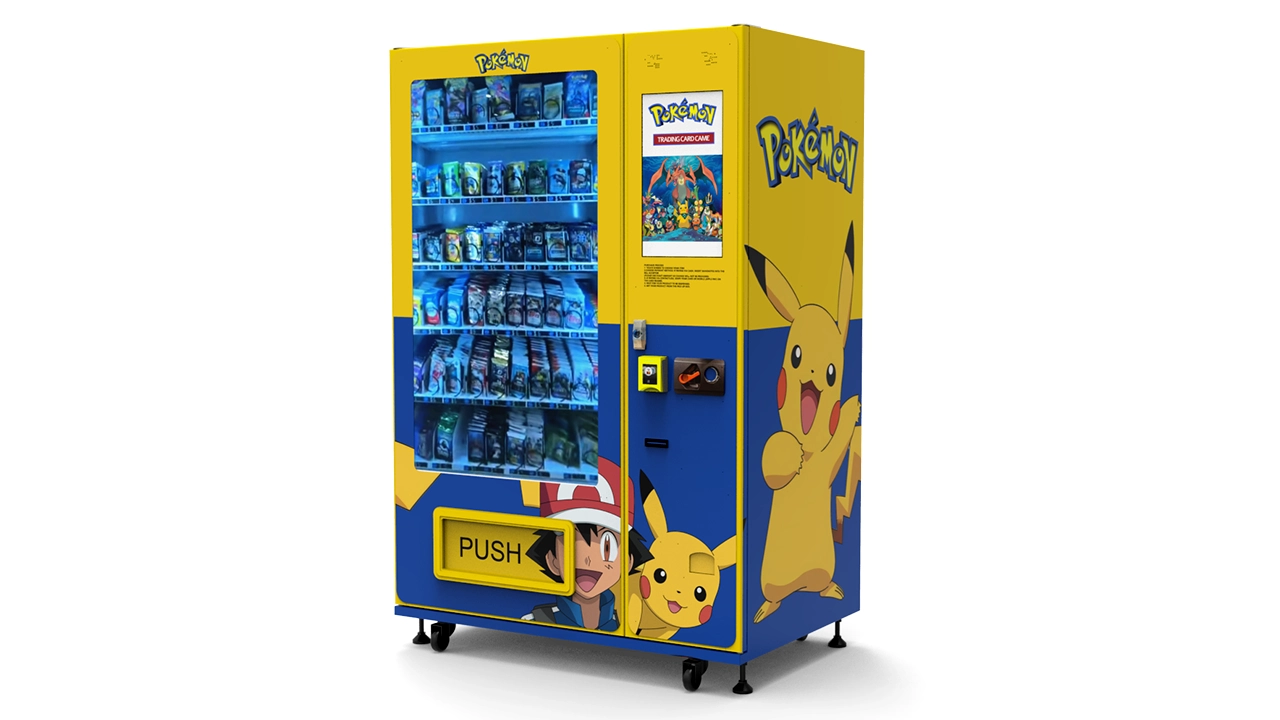
The wall-mounted card vending machine is a great option for small spaces. It takes up minimal floor space, which makes it easier to negotiate a lower commission because you’re not asking the owner to give up much real estate. The downside is that it has less storage capacity, so you’ll need to restock more frequently. I use these in convenience stores and smaller shops where space is tight.
On the other end of the spectrum, a large touchscreen machine is a visual anchor. It draws people in, offers a better browsing experience, and can hold more inventory. But it takes up significant floor space and usually requires a dedicated electrical outlet. Owners will often ask for a higher commission because they know the machine is a draw. I’ve found that the higher sales volume usually justifies the higher commission, but only if the location has enough foot traffic to support it.
There’s also the question of whether to buy new or used. I’ve seen operators save money on used machines, only to spend more on repairs and downtime. A broken machine makes no money and annoys the location owner. I prefer to buy from reputable suppliers, and I’ve had good experiences with Zhongda Smart for some of my newer units. They’re not the only option, but their machines have been reliable and the touchscreen interface is intuitive for customers. I’m not saying you must buy from them, but I’d include them in your research if you’re comparing equipment.
If you’re considering a used machine, check the trading card vending machine warranty and repair history before you commit. I’ve seen too many operators buy a cheap used unit and then spend more on repairs than they saved on the purchase price. That’s a mistake that eats into your commission margin before you even pay the location owner.
Maintenance, Restocking, and the Hidden Costs of Commission
Commission is only one part of your cost structure. You also have to factor in maintenance and restocking, and these costs can be higher than you expect. I’ve had machines jam, card dispensers fail, and touchscreens freeze. Each repair call costs time and money, and if the machine is down for a week, you’re losing revenue and the location owner starts to lose confidence.
My rule of thumb is to budget at least 5–10% of gross revenue for maintenance and repairs. That’s on top of your commission. If you’re paying 20% commission and 10% maintenance, you’re already at 30% of gross revenue gone before you pay for inventory. That’s why it’s so important to have a high-margin product mix and a location that can support volume.
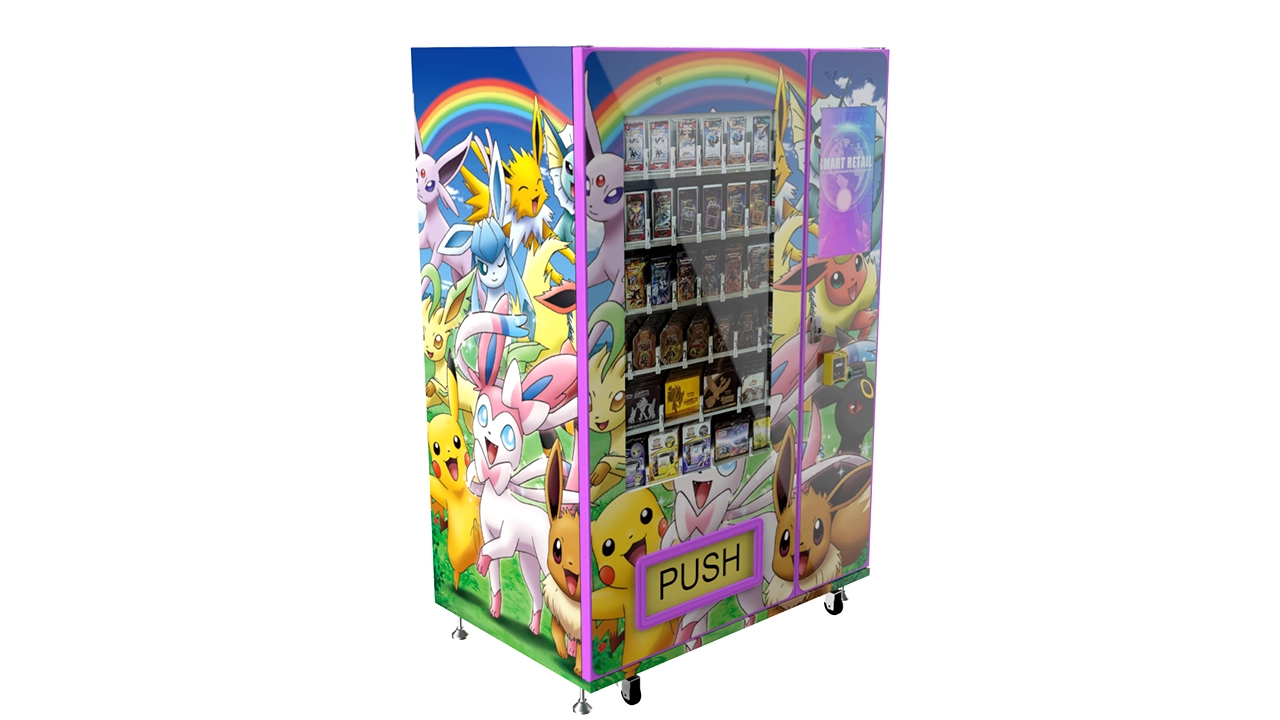
Restocking is another hidden cost. I’ve learned to batch restocking trips by geographic area rather than running to a single location every time a machine gets low. That saves time and fuel, but it requires planning and discipline. I also keep a spreadsheet of each machine’s sales velocity so I know which products to bring and how much. Over time, this data-driven approach has reduced my restocking frequency and increased my sales per visit.
One mistake I made early on was overstocking slow-moving products. I had boxes of cards that sat in the machine for months, tying up capital and taking up space that could have been used for faster-moving items. Now I rotate inventory based on what’s selling, and I’m not afraid to discount slow movers to clear them out. It’s better to take a small loss on a slow product than to have it sit there forever.
Payment Systems and Customer Experience
Modern card machines need modern payment systems. Cash-only is a non-starter for most younger customers. I’ve seen too many operators lose sales because their machine only took bills and coins. I made that mistake once with an older unit, and I watched a teenager walk away because his card was declined and he didn’t have cash.
Now I only place machines with card readers that accept credit cards, debit cards, and mobile payments like Apple Pay and Google Pay. The self-service kiosk model I run in high-traffic locations supports all of these, and it’s made a noticeable difference in sales. Customers expect the same payment experience they get at any other retail checkout. If your machine doesn’t offer that, you’re leaving money on the table.
There’s also the question of user experience. A machine that’s confusing or slow to operate will discourage repeat use. I’ve spent time watching customers interact with my machines, and I’ve made adjustments based on that feedback. For example, I added clearer instructions on the screen and simplified the checkout process. Small changes like that can increase conversion rates and make the machine more appealing to location owners.
Legal Considerations and Permits
Depending on where you operate, you may need permits or licenses to place a vending machine. This is not something to overlook. I’ve had to pull machines from locations because the local zoning laws didn’t allow vending machines in certain storefronts. That’s a costly mistake that could have been avoided with a quick check upfront.
In the U.S., vending machine regulations vary by state and even by city. Some places require a vending machine license, while others don’t. You also need to consider sales tax. In most states, you’re required to collect sales tax on vending machine sales, and the rules for card machines can be different from snack machines because they’re considered tangible personal property.
I’d recommend checking with your local small business administration office or a business attorney who’s familiar with vending regulations. The SBA has resources that can point you in the right direction. It’s better to spend a little time upfront on legal compliance than to face fines or have to shut down a profitable location later.
Should You Buy or Lease a Machine?
This is a question I get all the time, and my answer is usually the same: it depends on your capital and your commitment level. If you’re new to this and not sure you want to make it a long-term business, leasing might be a better option. You’ll have lower upfront costs, and you can walk away if it doesn’t work out. But leasing also means you’re paying ongoing fees that eat into your margin.
If you’re serious about building a route, buying is usually better in the long run. The upfront cost is higher, but you own the asset and you can sell it if you decide to exit. I’ve bought most of my machines outright, and while it took a while to recoup the initial investment, the ongoing costs are lower than leasing.
There’s also the option of a revenue-sharing agreement with a supplier or a location owner. In this model, you split the revenue with the machine owner or the location owner, and you don’t have to pay upfront for the equipment. This can be a good way to test the waters, but it also means you have less control over the operation. I’ve seen this work for some operators, but I prefer to own my equipment and have full control over placement and maintenance.
Common Mistakes I See New Operators Make
I’ve been doing this long enough to spot the same patterns over and over. The most common mistake is choosing a location based on rent or commission alone, without considering the customer base. A machine in a cheap location that does $300 a month is worse than a machine in an expensive location that does $2,000 a month. The percentage matters less than the absolute revenue.
Another mistake is underestimating the importance of product selection. I’ve seen operators stock their machine with whatever cards they could find at wholesale prices, without paying attention to what’s actually popular in their area. This leads to slow sales and a machine that looks stale. I spend time researching trending sets and talking to local collectors to understand what they’re looking for. That research pays off in higher sales and better relationships with location owners.
I also see operators who don’t track their numbers. They don’t know their COGS, their commission percentage, or their maintenance costs per machine. Without that data, they can’t make informed decisions about which locations to keep and which to pull. I keep a spreadsheet for every machine, and I review it monthly. It’s not glamorous, but it’s how I stay profitable.
Finally, many new operators don’t plan for the slow months. Card sales can be seasonal, with spikes around new set releases and holidays. If you don’t budget for the slow periods, you’ll find yourself cash-strapped and unable to restock when demand picks up. I keep a reserve fund specifically for inventory purchases, and I don’t touch it unless it’s for restocking.
How I Evaluate a Potential Location
When I’m scouting a new location, I have a checklist that goes beyond commission and foot traffic. First, I look at the customer demographic. Are the people who frequent this location likely to buy trading cards? If it’s a comic shop or a game store, the answer is usually yes. If it’s a grocery store, I’m more skeptical.
Second, I look at the store’s operating hours. A location that’s open late or 24/7 gives me more opportunities for sales, especially if there’s a younger crowd that stays up late. Third, I check the electrical setup. The machine needs a reliable power source, and I don’t want to deal with extension cords that create a tripping hazard.
Fourth, I talk to the owner about their willingness to promote the machine. I’ve had owners who mention the machine to every customer who buys cards, and those locations always outperform the ones where the machine is ignored. I also ask about any planned renovations or changes in store layout, because that can affect foot traffic and machine placement.
Finally, I look at the competition. If the store already sells cards at the counter, my machine might be seen as competition rather than a complement. In that case, I might negotiate a higher commission to align incentives, or I might walk away entirely. It depends on the owner’s attitude and whether they see the machine as a way to expand their card business rather than cannibalize it.
Supplementing with Multiple Revenue Streams
One way to make a commission deal more attractive is to diversify what the machine sells. Some operators add booster packs, single cards, or even small collectibles like dice or tokens. This increases the average transaction value and keeps the machine interesting for repeat customers. I’ve also seen operators add QR codes to the machine that link to an online store, allowing customers to order specific cards for pickup or delivery.
That’s a smart way to expand beyond the physical machine and create a hybrid model. The machine becomes a physical anchor for a broader online business. Location owners like this because it drives additional foot traffic and gives them a reason to mention the machine to customers. I’ve used this approach in a few locations, and it’s helped me justify a higher commission because the overall revenue per customer is higher.
Another option is to use the machine as a marketing tool for events. I’ve partnered with game stores to promote tournaments or release events, and the machine becomes a focal point for those activities. This drives sales during specific time windows and creates a buzz that benefits both me and the location owner. If you can tie your machine to events, you can negotiate a commission that reflects the added value you’re bringing.
What to Do When a Machine Underperforms
No matter how careful you are, some locations won’t work out. The first thing I do when a machine underperforms is review the data. Is it a traffic issue, a product issue, or a machine issue? If it’s traffic, no amount of product rotation will fix it. If it’s product, I can try changing the mix. If it’s the machine, I need to repair or replace it.
I’ve also learned to cut my losses early. If a machine hasn’t hit my minimum threshold for three consecutive months, I start looking for a new location. It’s tempting to hold on and hope things improve, but hope is not a strategy. I’d rather move the machine to a better spot and pay a higher commission there than keep it in a location that’s dragging down my average.
When I move a machine, I always give the location owner notice and explain why I’m pulling it. I’ve had owners ask me to give it more time, and sometimes I do, but only if they’re willing to adjust the commission or help with promotion. If they’re not, I move on. It’s not personal; it’s business.
Final Thoughts on Trading Card Vending Machine Location Commission
At the end of the day, the commission you pay for a trading card vending machine location is a business decision, not a moral one. You should pay what the location is worth, not what the owner asks for or what you hope to get away with. The best deals are the ones where both sides feel like they’re getting a fair share of the value.
I’ve made my share of mistakes, and I’ve learned from all of them. The toy store failure taught me to value location quality over commission percentage. The game store success taught me that a high commission on a great location is a bargain. Now I go into every negotiation with data, a clear understanding of my costs, and a willingness to walk away if the deal doesn’t make sense.
If you’re just starting out, don’t overthink the commission number. Focus on finding a location with the right customer base, a committed owner, and enough foot traffic to generate real sales. The commission is just the price of admission. What matters is whether you can build a profitable route that grows over time.
One last piece of advice: keep learning. The card market changes, vending technology improves, and customer preferences shift. The operators who adapt are the ones who survive. I’m still learning after a decade in this business, and I expect to keep learning for another decade. If you approach this with the same mindset, you’ll be fine.
Frequently Asked Questions
Are trading card vending machines profitable?
Yes, they can be profitable if you choose the right locations and manage your costs carefully. In my experience, a well-placed machine can generate between $800 and $2,500 per month in gross sales, with gross margins around 45–50% after inventory costs. However, you need to account for commission, maintenance, and restocking time. Profitability varies significantly by location and product mix.
How much does a trading card vending machine cost?
A new machine typically costs between $3,000 and $10,000, depending on the size, features, and payment system. Wall-mounted units are on the lower end, while large touchscreen models are on the higher end. Used machines can be cheaper, but they may come with repair costs. I’d budget at least $5,000 for a reliable new machine with a card reader.
How long does it take to recoup the investment?
Based on my routes, most operators recoup their investment within 6 to 18 months, depending on the location and sales volume. A machine doing $1,200 per month with a 50% gross margin will generate $600 per month before commission and expenses. If your net profit is $300 per month, a $5,000 machine would take about 17 months to pay off. Faster in high-traffic locations, slower in weaker ones.
Should a beginner buy or lease a machine?
If you’re new and unsure about long-term commitment, leasing might be a safer option. It lowers upfront costs and lets you test the business model. However, owning the machine gives you more control and higher long-term profits. I’d recommend buying if you’ve done your research and are committed to building a route.
Where should I place a trading card vending machine?
The best locations are comic shops, game stores, hobby shops, and esports arenas. These places have a built-in audience of collectors and gamers who are likely to buy cards. Malls and retail corridors can work too, but they have higher rent and less targeted traffic. Avoid locations with no connection to card culture, even if the rent is cheap.
What permits or licenses do I need?
Requirements vary by state and city. You may need a vending machine license, a sales tax permit, and possibly a business license. Check with your local small business administration office or a business attorney. It’s also important to understand sales tax rules for vending machines in your state.
How do I choose a vending machine supplier?
Look for suppliers with good reviews, reliable warranties, and responsive customer support. I’ve had good experiences with Zhongda Smart for newer units, but you should compare multiple suppliers and ask about repair turnaround times. Avoid suppliers who don’t offer support or who have a history of defective machines.
What should I do if my machine breaks down?
Have a plan for maintenance before it happens. Keep contact information for a repair technician who knows vending machines, and consider buying a backup unit if you have multiple locations. Downtime costs you money and damages your relationship with the location owner, so respond quickly to repair requests.
How can I reduce restocking and maintenance costs?
Batch your restocking trips by geographic area to save time and fuel. Use sales data to know exactly which products to bring and how much. Rotate inventory based on sales velocity and discount slow movers. Also, choose a machine with reliable components to minimize breakdowns.
Disclaimer: The figures and experiences shared in this article are based on my personal operations and conversations with other vending machine operators. They are not official market statistics. Actual results vary depending on location, equipment, product mix, and market conditions. Always conduct your own research and consult with local authorities regarding permits and tax obligations.