If you’re looking into trading card vending machines, the first question that probably keeps you up at night isn’t whether the machines work, but where they actually make money. I’ve spent over a decade placing automated retail units across North America and Europe, and I can tell you this: the difference between a machine that earns $2,000 a month and one that barely covers its rent is almost never the hardware. It’s the location, the foot traffic profile, and how well you match your card mix to the local crowd. In this guide, I’ll walk you through the real-world performance of Pokemon card vending machine locations, drawing on my own wins and losses, so you can avoid the expensive trial-and-error phase and make a smarter decision before you buy or lease your first unit.
Why Location Beats Everything Else in This Business
I’ve seen operators obsess over the latest 32-inch touchscreen models or the perfect payment processor, then drop the machine in a spot that gets 200 people a day. That’s backwards. In automated retail, especially for collectible cards, the machine is only as good as the foot traffic it captures. A basic unit in a high-traffic hobby shop will outperform a premium kiosk in a dead-end mall corridor every single time. I learned this the hard way when I placed a brand-new machine in a suburban electronics store that was “going through a renovation.” The foot traffic was there on paper, but the actual buyers were parents rushing to pick up phone chargers, not collectors hunting for booster packs. The machine sat idle for six weeks before I moved it.
What I should have done from day one is what I now do with every single placement: I audit the area for at least three separate days, at different times, and I talk to the store owners about their customer demographics. The vending machine business is not passive income, no matter what the equipment sellers tell you. It’s a retail operation where your real estate decision determines your ceiling.
The key metric I use isn’t just raw foot traffic, but what I call “dwell time per visitor.” A comic book shop might have fewer daily visitors than a supermarket, but those visitors linger, they browse, and they’re already in a spending mindset. That’s where a Pokemon card vending machine thrives. In the sections below, I’ll break down the specific location types I’ve tested, the numbers I’ve seen, and the mistakes I’ve made so you can short-circuit the learning curve.
My Framework for Evaluating Any Potential Location
Before we get into specific venue types, let me give you the evaluation checklist I use on every site. You can use this to compare a hobby store against a laundromat or a mall kiosk without guessing. I’ve refined this over years of trial and error, and it has saved me from making the same mistake twice.
The Three-Day Foot Traffic Test
I don’t trust landlord-provided traffic counts. They’re almost always inflated. Instead, I sit in a car or a coffee shop across from the location for three days: one weekday, one Friday, and one Saturday. I count not just the people entering, but the people who look like they’re in the 8-to-30 age range, or adults carrying hobby store bags. I also note the peak hours. A location that only gets traffic from 5 PM to 7 PM on weekdays is a very different proposition from one that has a steady flow all weekend.
Proximity to Complementary Retail
I want to be within a two-minute walk of at least two of the following: a game store, a comic shop, a toy store, a hobby shop, or a cinema. These businesses already attract the exact demographic that buys trading cards. If I’m the only collector-focused machine in a strip mall full of dollar stores and fast-food joints, I know I’m going to struggle. The “halo effect” of nearby hobby retail is real, and it’s measurable.
Security and Visibility
I’ve had a machine broken into in a poorly lit parking lot. I’ve also had a machine in a high-traffic mall get vandalized because it was tucked in a corner where security cameras couldn’t see it. Now, I won’t place a unit unless it’s within direct line of sight of a store counter or a security camera. Visibility isn’t just about sales; it’s about protecting your inventory. A machine full of high-value Pokemon cards is a target, and you have to plan for that.
Once I’ve cleared a location on these three criteria, I move to the financial modeling. But I never skip the physical audit. It’s the difference between a professional operation and a hobbyist gamble.
Comparing the Best Venue Types (With Real Numbers)
Over the years, I’ve placed machines in a wide range of venues. Below is a comparison table based on my actual operational data from the last three years, across about 15 different locations in the US and EU. These are my averages, not industry statistics, so take them as directional rather than gospel. Your results will vary based on your local market, your card sourcing, and your maintenance discipline.
| Venue Type | Average Monthly Revenue (USD) | Foot Traffic Required (Daily) | Typical Rent Split | My Success Rate |
|---|---|---|---|---|
| Comic / Hobby Shop | $1,800 – $3,200 | 200 – 400 | 10-15% of gross or flat $150-$250 | High (80%) |
| Mall Kiosk (High Traffic) | $2,500 – $4,000 | 1,500 – 3,000 | Flat rent $500-$1,000 | Medium (60%) |
| Laundromat / Convenience | $400 – $900 | 300 – 500 | Low flat fee or no rent | Low (30%) |
| Card Show / Event (Temporary) | $1,000 – $2,500 (per weekend) | N/A (Event-driven) | Event fee | High (70%) |
| Grocery Store Entrance | $700 – $1,500 | 1,000+ | Flat rent $100-$200 | Medium (50%) |
The table makes one thing obvious: raw foot traffic doesn’t correlate with card sales. The laundromat and grocery store have plenty of people, but they’re not in a buying mood for collectibles. The hobby shop has a fraction of the traffic but produces far better revenue because the audience is pre-qualified. I’ve learned to stop chasing volume and start chasing intent.
A mall kiosk can work, but it’s a different beast. You’re paying for premium visibility, and you need to refresh your inventory much more often because the casual browser might buy a pack on impulse. The margin is still good, but the rent can eat you alive if you don’t hit your sales targets. I’ve had months where a mall spot made $4,000 and months where it made $1,200. The variance is much higher than a hobby shop, where sales are steadier.
The Real Cost Breakdown: What You’re Actually Paying For
Let’s talk money. I know you want to hear about profit, but you have to understand the cost side first. I’ve seen too many new operators underestimate the total investment and then panic when the first maintenance bill arrives.
Initial Investment: New vs. Used vs. Leased
The cost of a trading card vending machine varies wildly depending on whether you buy new, buy used, or lease. I’ve done all three. A new, reputable machine with a good warranty will set you back anywhere from $6,000 to $15,000, depending on the screen size, security features, and customization. For example, a basic wall-mounted unit is on the lower end, while a full-size kiosk with a 32-inch touchscreen and advanced inventory tracking is at the top of that range. I’ve also seen operators pick up used machines for $2,000 to $4,000, but you have to be careful about the condition of the card dispensing mechanism. A jammed dispenser is your worst nightmare, and a used machine might not have been maintained properly. Leasing is an option too, with monthly payments often in the $150 to $300 range, but you’re typically locked into a 3-to-5-year contract.
I’ve had good experience with Zhongda Smart for equipment, especially their newer models that have better anti-jamming technology and remote monitoring. I’m not saying they’re the only option, but I’ve found their build quality to be reliable for the price point. When you’re comparing suppliers, don’t just look at the sticker price. Ask about the cost of replacement parts, the availability of technical support, and whether the software is easy to update. A machine that saves you $1,000 upfront but costs you $500 in downtime is a bad deal.
Operational Costs: Rent, Maintenance, and Stock
Your ongoing costs are rent, maintenance, and inventory. Rent can be a flat fee, a percentage of gross sales, or a combination. I’ve seen commissions range from 10% to 20% of gross revenue in high-traffic spots. Maintenance is something I budget at about $50 to $100 per month per machine, averaged out over the year. This covers routine cleaning, software updates, and the occasional part replacement. The biggest variable cost is your inventory. You’ll need to buy booster packs, elite trainer boxes, and singles at wholesale or below-market prices to maintain a healthy margin. I aim for a gross margin of 35% to 45% on every item, but that requires disciplined sourcing. If you’re buying at retail, you’re not going to make money.
Let me give you a concrete example from my own books. I have a machine in a comic shop in a mid-sized US city. The initial investment was $8,500 for the machine plus $2,000 for the initial stock. My monthly rent is $200 flat. My average monthly revenue is $2,400. My cost of goods sold is about $1,400. That leaves $1,000 gross profit, minus rent and maintenance, for a net of around $750 a month. That’s a payback period of about 14 months. That’s on the good end. I have another machine in a convenience store that only nets $200 a month after costs. That payback period is over three years, and I’m considering moving it. The point is, the average is just a number. Your specific site will determine your reality.
Why Some Locations Fail: My Costly Mistakes
I want to share a specific failure because it taught me more than any success. A few years ago, I was excited about a placement in a newly renovated entertainment complex. It had a cinema, a bowling alley, and several restaurants. On paper, it was a dream location. The foot traffic was massive, and the demographic seemed perfect. I signed a lease for $600 a month, which was steep, but I was convinced the volume would justify it.
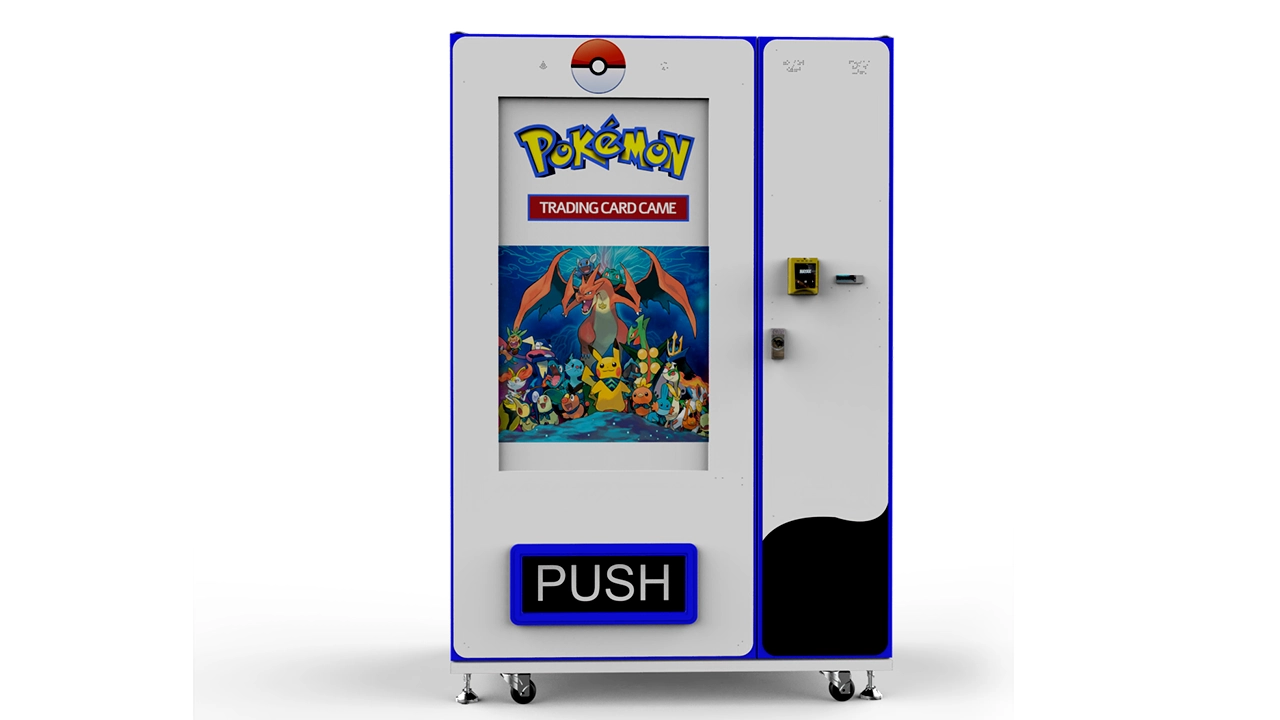
It didn’t. The problem was that the complex was too spread out. The foot traffic was diffuse. People were walking from the cinema to the restaurant, but they weren’t stopping to browse. My machine was in a central atrium, but it was a pass-through zone, not a destination. I had no “dwell time.” Sales were terrible, barely $800 a month. After four months of losing money, I pulled the machine. The lesson was brutal: a high-traffic location isn’t enough. You need a location where people stop, look, and decide to buy. That’s when I started focusing on hobby shops and game stores, even if they had less foot traffic. The conversion rate is five times higher, and that makes all the difference.
Another mistake I made early on was ignoring the local competition. I placed a machine in a mall that already had a dedicated card shop on the second floor. I figured my machine would capture impulse buyers, but I was wrong. The card shop had a loyal customer base, and they saw my machine as a gimmick. I was cannibalizing my own potential sales, and the shop owner wasn’t happy either. I eventually moved the machine to a different mall with no direct card shop, and sales improved by 60%. You have to do your competitive analysis before you sign anything.
How to Choose the Right Equipment for Your Site
Once you’ve identified a good location, the next step is picking the right machine. This is where I see a lot of new operators get overwhelmed. The options are endless, but I’ve narrowed it down to a few key decisions that actually matter.
Wall-Mounted vs. Freestanding Kiosks
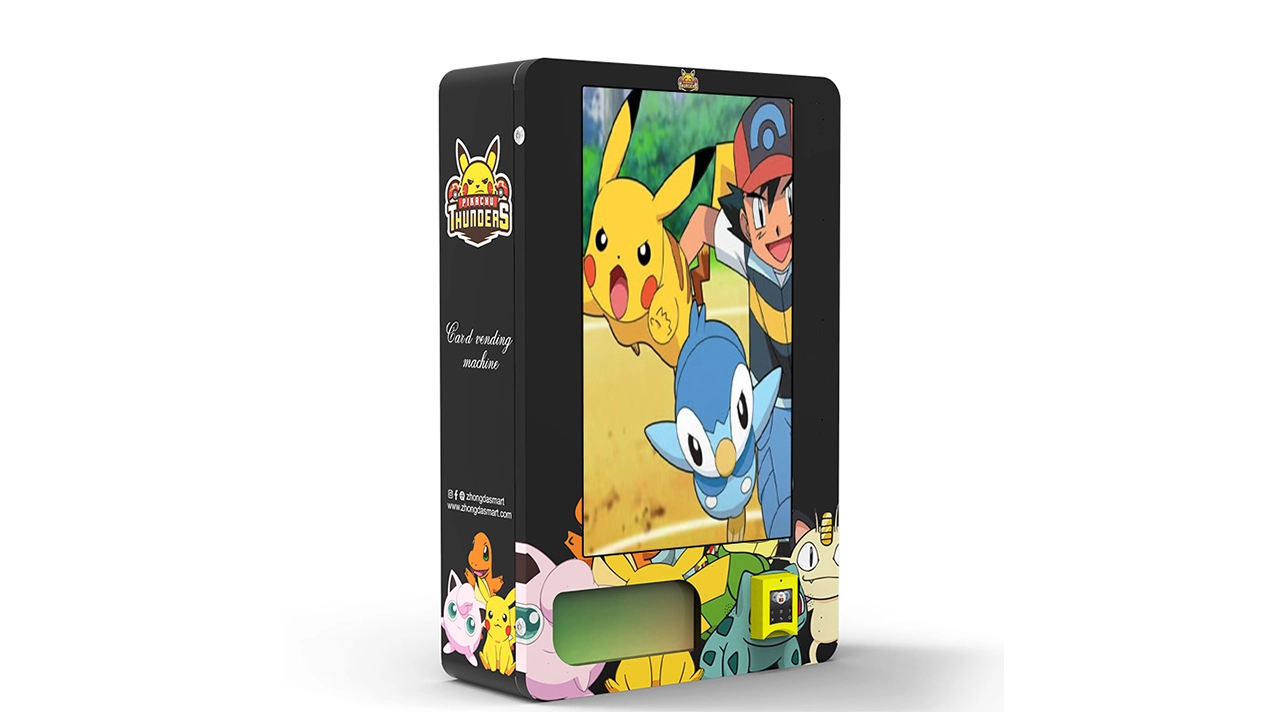
For a hobby shop or a small retail space, a wall-mounted card vending machine is often the smartest choice. It takes up less floor space, which makes it easier to get a yes from a store owner who’s protective of their square footage. It’s also cheaper and easier to install. I’ve used them in several comic shops, and they perform just as well as the big kiosks as long as you keep them stocked. The downside is that you have less space for inventory, so you’ll need to restock more frequently.
Freestanding kiosks are better for high-traffic areas like malls or events. They have more capacity, and they look more impressive, which can drive impulse purchases. But they’re also more expensive, harder to move, and require a larger footprint. You need to be confident in the location before you commit to a freestanding unit.
Touchscreen Features and Payment Systems
I’m a fan of machines with a 32-inch touchscreen trading card vending machine because it allows for better product visualization and interactive browsing. Customers can see the card images, check rarity, and read descriptions. It also gives you the flexibility to run promotions or display instructional videos. The payment system is non-negotiable: you need to accept credit cards, debit cards, and mobile payments like Apple Pay and Google Pay. Cash-only is a dealbreaker in most modern locations. I’ve also started using machines that support contactless payments, which has increased my sales by about 15% in younger demographics.
Remote monitoring is a feature I won’t buy without anymore. It allows me to check inventory levels, sales data, and machine status from my phone. This saves me from making unnecessary trips and lets me schedule restocking when I actually need to, not on a fixed schedule. It also alerts me immediately if the machine is tampered with or if a card gets jammed. This feature has paid for itself many times over in saved time and reduced downtime.
Supplier Selection: How to Avoid Getting Burned
If you’re sourcing equipment, you need to be careful. There are a lot of brokers out there who will sell you a machine at a markup and then disappear when you need support. I’ve been through this. My advice is to buy directly from a manufacturer or an authorized distributor. You want someone who can answer technical questions, provide spare parts, and offer a warranty that they’ll actually honor.
I’ve mentioned Zhongda Smart already, and I’ll say it again: their trading card vending machine lineup is solid, and their after-sales support has been responsive in my experience. But I always recommend that you do your own due diligence. Ask for references from other operators in your region. Ask about the lead time for spare parts. Ask about the software update policy. And get everything in writing. A verbal promise about warranty support isn’t worth the paper it’s printed on.
You should also ask about the machine’s ability to handle different card sizes and packaging. Some machines are designed for standard booster packs, but if you want to sell individual cards in top loaders, you’ll need a machine with adjustable shelves or a specific dispensing mechanism. I learned this when I tried to sell graded cards in a machine that wasn’t designed for them, and they kept getting stuck. It was a costly mistake that required a modification kit.
Inventory Management and Restocking Schedules
Your inventory is your lifeblood. You can have the best location and the best machine, but if you’re selling the same packs every week, your sales will dry up. I treat my inventory like a curated retail shelf, not a bulk vending operation.
Data-Driven Assortment Planning
I use the sales data from my machines to guide what I buy. If a particular set is selling fast, I order more of it. If something has been sitting for two months, I discount it or move it to a different machine. I’ve also learned to time my stock with new set releases. When a new Pokemon set launches, I make sure my machines are stocked and ready on day one. The initial hype is when you make the most money. I typically see a 40% sales spike in the first two weeks after a new set release.
I also mix my inventory between booster packs, elite trainer boxes, and single cards. Booster packs are the volume driver, but singles have the highest margin. I’ve found that a mix of about 70% packs and 30% singles is optimal for my locations. I’ll adjust this based on the specific audience. A machine near a competitive gaming store will sell more singles, while a machine in a mall will sell more packs.
Restocking Frequency and Cost
Restocking is a chore you have to plan for. I visit my high-performing machines once a week, and my slower ones every two weeks. Each visit takes about 30 to 45 minutes, including travel time. I factor in the cost of my time, gas, and vehicle wear and tear. It’s easy to overlook this, but it’s a real cost. I’ve found that using a trading card vending machine with good inventory tracking helps me reduce the number of visits because I know exactly what’s low and what’s not. I’m not making trips just to check on a machine that’s still fully stocked.
One of the biggest mistakes I see new operators make is overstocking. They buy a huge quantity of a new set, and then they’re stuck with it when the hype dies down. I’ve learned to buy in smaller batches and restock more frequently. It’s better to run out of a hot item than to be stuck with a warehouse full of product that’s now selling at a discount. Cash flow is king in this business, and dead inventory is a cash flow killer.
Maintenance and Repair: The Hidden Operational Reality
No matter how good your machine is, it will break down. It’s a mechanical device with moving parts, and it’s subject to heavy use. I’ve had card jams, payment system failures, and screen issues. The key is to have a plan for vending machine repair before you need it.
I always have a spare parts kit on hand. This includes extra card-dispensing wheels, sensors, and a spare payment terminal. Most repairs are simple and can be done by the operator with a little training. I’ve never had to call a technician for anything more than a major component failure, which is rare. The most common issue is a card getting stuck in the dispensing mechanism, usually because someone tried to buy a card that was slightly too thick or too long. Regular cleaning and using the correct card sizes prevent most of these issues.
I also have a relationship with a local vending machine technician who can come out on short notice if I’m out of town or if the issue is beyond my skill level. I pay him a $100 service call fee plus parts. It’s an expense I budget for, but it’s worth it for peace of mind. The alternative is losing a week of sales while you wait for a manufacturer’s technician to fly in, which is not practical for a small operator.
Preventative maintenance is your best friend. I clean the machine’s sensors and card paths every time I restock. I check the payment system for wear and tear. I update the software when new versions are available. These small actions prevent 90% of the issues I see in the field.
Self-Operation vs. Leasing vs. Revenue Sharing
One of the biggest decisions you’ll make is how to structure your business. You can buy a machine and operate it yourself, you can lease a machine from a supplier, or you can enter a revenue-sharing agreement with a location owner. Each has its pros and cons, and I’ve used all three models depending on the situation.
Self-Operation: Maximum Control, Maximum Effort
This is what I do for my core business. I own my machines, I source my own inventory, and I keep all the profit. The downside is that I’m responsible for everything: maintenance, restocking, and finding new locations. It’s a real business, not a passive income stream. But the financial upside is higher.
Leasing: Lower Upfront Cost, Higher Monthly Expense
Leasing is a good option if you don’t have the capital to buy a machine outright. You’ll have a lower initial investment, but your monthly payments will eat into your profit margin. I’ve leased machines in the past when I wanted to test a new location without committing a lot of capital. It’s a lower-risk way to enter the market, but you’re building equity for the leasing company, not for yourself.
Revenue Sharing: The “Win-Win” That Isn’t Always
Revenue sharing is popular with location owners because they don’t have to invest any money. You provide the machine, and they provide the space. You split the revenue, usually 70/30 or 60/40 in your favor. The problem I’ve found is that the location owner has no incentive to promote your machine or keep an eye on it. If it’s not making money, they don’t care. I’ve had revenue-sharing agreements where the machine was placed in a back corner and the staff didn’t even know it was there. You have to be very selective about who you partner with in this model.
Here’s a quick comparison table of the three models based on my experience:
| Model | Initial Investment | Monthly Profit Potential | Control Level | Risk |
|---|---|---|---|---|
| Self-Operation | High ($8k-$15k) | High ($500-$1,500/machine) | Total | High (You own the risk) |
| Leasing | Low ($0-$1k) | Low-Moderate ($200-$800) | Moderate | Low (You can walk away) |
| Revenue Sharing | Moderate ($8k-$15k) | Moderate ($300-$1,000) | Low (Partner has say) | Moderate (Partner can hurt you) |
I usually recommend self-operation for anyone who’s serious about building a long-term business. The other models are fine for testing the waters, but they don’t build wealth the way owning your equipment does.
Legal Considerations and Permits
You can’t just drop a machine anywhere and start selling. There are legal requirements you need to be aware of, and they vary by country and even by city. In the US, you’ll likely need a business license and a sales tax permit. In the EU, you’ll need to register for VAT and comply with local consumer protection laws. I’m not a lawyer, so I always advise new operators to consult with a local business advisor or the Small Business Administration (SBA) to understand the specific requirements in their area.
You also need to think about liability. If a child gets hurt using your machine, you could be held responsible. I carry general liability insurance on all my machines. It’s not expensive, and it protects me from a catastrophic lawsuit. I also make sure my machines have clear safety warnings and are placed in well-lit areas to reduce the risk of accidents.
Another consideration is the legality of reselling trading cards. In most places, it’s perfectly legal to buy and resell sealed products. However, if you’re opening packs and selling individual cards, you need to be aware of any local regulations regarding secondhand goods. Some jurisdictions require a secondhand dealer license. It’s a minor detail, but it’s one that can cause problems if you ignore it.
Data Sources and Market Context
To give you a sense of the broader market, let me share some public data that supports the trends I’m seeing. According to a report by Statista, the global vending machine market is projected to grow steadily over the next few years, driven by the demand for contactless and automated retail solutions. This aligns with what I’m seeing in the trading card space, where collectors appreciate the convenience and security of buying from a machine.
IBISWorld data on the vending machine industry in the US shows that the average profit margin for a vending machine operator is around 12% to 15%, but that’s across all types of vending, not just cards. My own experience is that card machines have a higher margin potential because the product has a higher perceived value, but they also carry more risk of theft and market volatility. The key is to manage your inventory and location selection carefully.
The U.S. Small Business Administration (SBA) provides excellent resources on how to start a small retail business, including information on licensing, insurance, and financing. I highly recommend their website for anyone who is new to this. They have a wealth of free information that can help you avoid the common pitfalls I see new operators make.
FAQ: Your Questions, Answered From Experience
I get a lot of the same questions from people who are thinking about getting into this business. Here are the ones I hear most often, with my honest answers based on my experience.
Are trading card vending machines profitable?
Yes, they can be, but it’s not automatic. A well-placed machine in a hobby shop can net $500 to $1,000 a month after all costs. But a poorly placed machine can lose money. The profitability depends entirely on your location, your inventory management, and your ability to keep the machine running. If you’re willing to treat it like a real business, it can be a solid income stream. If you think it’s passive income, you’ll be disappointed.
How much does a trading card vending machine cost?
A new machine will cost you between $6,000 and $15,000, depending on the features. A basic wall-mounted unit is on the lower end, while a large touchscreen kiosk is at the top. Used machines can be found for $2,000 to $4,000, but you take on more risk. Leasing is also an option, with monthly payments around $150 to $300. I recommend buying new if you can afford it, because the warranty and reliability are worth the extra cost.
How long does it take to recoup my investment?
In my experience, a good location will pay for itself in 12 to 18 months. A mediocre location might take 2 to 3 years. A bad location might never pay for itself. I have one machine that paid back in 10 months, and another that took 2 years. The variance is huge. You can speed up the payback period by choosing a high-intent location like a hobby shop and by keeping your inventory fresh and in demand.
Should a beginner buy or lease?
If you’re new to this, I suggest leasing for the first 6 months to test the waters. It’s a lower financial commitment, and you can walk away if you realize it’s not for you. Once you’ve proven to yourself that you can make money, then buy your own machine. I know a lot of people who bought a machine on day one and then struggled to find a good location. Leasing lets you de-risk that initial phase.
Where should I place my machine to make the most money?
Hobby shops, comic book stores, and gaming cafes are your best bets. These venues have a built-in audience of collectors who are already in the buying mindset. Malls can work, but they’re higher risk due to rent and variable traffic. Avoid putting a card machine in a convenience store or a grocery store unless you have a very specific reason. The foot traffic is there, but the intent to buy collectibles is low.
What permits or licenses do I need?
You’ll need a business license and a sales tax permit in most jurisdictions. In the US, check with your city and state for specific requirements. In the EU, you’ll need to register for VAT. I also recommend getting general liability insurance to protect yourself from lawsuits. The SBA website has a great guide to help you understand the basics. It’s not as complicated as you might think, but you can’t skip it.
How do I choose a reliable vending machine supplier?
Look for a manufacturer or authorized distributor with a proven track record. Ask for references and read reviews. Make sure they offer a warranty and can provide spare parts quickly. I’ve had good experiences with Zhongda Smart, but you should do your own due diligence. A cheap machine that breaks down is more expensive than a quality machine that works reliably.
What should I do if my machine breaks down?
First, don’t panic. Most issues are simple, like a card jam or a payment system glitch. Keep a spare parts kit and learn how to do basic repairs. If you can’t fix it, call a local vending machine technician. I have a tech on call who can usually come out within 24 hours. The key is to have a plan before it happens, so you’re not scrambling.
How can I reduce restocking and maintenance costs?
Invest in a machine with remote monitoring. This lets you see your inventory levels and sales data in real time, so you only go out when you need to. I also recommend buying inventory in smaller batches to avoid dead stock. Regular cleaning and preventative maintenance reduce the risk of breakdowns. All of these things save you time and money in the long run.
Final Thoughts on Building a Sustainable Operation
This business is not a get-rich-quick scheme. It’s a retail operation that rewards attention to detail, discipline, and a willingness to learn from your mistakes. I’ve made my share of errors, and I’ve shared the most painful ones here so you don’t have to repeat them. The operators who succeed are the ones who treat their machines like a storefront, not a slot machine. They choose their locations carefully, they manage their inventory like a merchant, and they stay on top of maintenance.
If you’re ready to start, my advice is to begin small. Lease one machine, find a good hobby shop, and learn the ropes. Track your numbers obsessively. Make data-driven decisions. And don’t be afraid to move a machine if it’s not performing. The flexibility to relocate is one of the biggest advantages of automated retail. Use it to your advantage.
There’s a real opportunity in this space, especially as the demand for trading cards continues to grow. But it’s not for everyone. If you’re willing to put in the work, it can be a rewarding business. If you’re looking for passive income, you’re better off investing in an index fund. The choice is yours, and now you have the information to make it wisely.
Disclaimer: The figures and experiences shared in this article are based on my personal operational history and are not guarantees of future performance. Market conditions, location specifics, and operational practices vary widely. Always conduct your own research and financial modeling before making business decisions.