If you are reading this because you already own a trading card vending machine and it just ate a five-hundred-dollar Charizard, or because you are seriously considering buying one, the first thing you need to understand is that this is not a set-and-forget business. A trading card vending machine is a specialized piece of automated retail equipment that requires a completely different maintenance rhythm than a snack machine or a soda vendor. Over the last decade, I have placed over sixty machines across the Midwest and Pacific Northwest, and I can tell you that the difference between a machine that nets you consistent monthly income and one that becomes a costly paperweight often comes down to how you handle the mechanical, digital, and inventory upkeep. The real secret to maintaining a trading card vending machine is not just wiping down the screen—it is building a routine that anticipates failure before it happens, especially since the card market is unforgiving to downtime.
Why Maintenance Is Different for Card Machines
Most people assume that if they have managed a traditional vending route, they can handle a card machine. That assumption has cost operators a lot of money. A snack machine vends a bag of chips with a simple spiral. A card machine, on the other hand, uses a combination of suction cups, robotic arms, or gravity-fed trays that must handle products of varying thickness, weight, and packaging. One damaged booster pack can jam the entire dispensing path, and if you are running a wall-mounted unit in a high-traffic location, that jam means lost revenue every single hour it sits offline.
I learned this the hard way. In 2019, I placed a wall-mounted card vending machine in a comic shop in Portland. I figured the maintenance was similar to my other equipment, so I scheduled a visit every two weeks. Within the first month, the machine jammed three times because of a single misaligned card sleeve that had shifted during shipping. The store owner was frustrated, and I lost that location for six months. That failure taught me that card machines demand a maintenance schedule that is at least twice as frequent as a standard snack unit, especially during the first month of deployment.
The Core Components You Must Understand
To maintain these machines properly, you have to stop thinking like a vending operator and start thinking like a field technician for automated retail systems. There are four main systems that will demand your attention: the dispensing mechanism, the payment system, the touchscreen interface, and the inventory tracking software. Each one fails in different ways, and each one requires a different toolset.
Dispensing Mechanism and Jam Prevention
The dispensing mechanism is the heart of the machine. In most modern units, especially the 32-inch touchscreen models, the system uses a robotic gantry with a suction cup to pick up a sealed product and drop it into a bin. The suction cup loses grip when dust accumulates on the rubber or when the vacuum pump seals degrade. I replace suction cups every six months as a preventative measure, not when they fail. A set of cups costs about fifteen dollars, but a service call to clear a jam costs you a hundred and fifty plus lost sales.
You also need to be vigilant about the card packaging itself. Modern trading card products often come in "blister" packaging or rigid one-touch cases that are slightly larger than standard booster packs. If you set your machine's tray spacing based on one brand's dimensions, you will have issues when you switch to a different product line. I always keep a set of calipers in my service kit and measure every new product SKU before I load it into the machine. This simple habit has reduced my jam rate by nearly eighty percent.
Payment Systems and Card Readers
Payment systems are the second most common point of failure. The card readers and cash acceptors on these machines are often the same units used in snack vending, but the transaction patterns are different. Card machine buyers tend to be younger, and they often use contactless payments or mobile wallets. If your machine's payment terminal has not been updated to support the latest NFC protocols, you are losing sales to the phone-tapping generation.
I recommend testing the payment system every single time you visit the machine, even if you are just there to change the signage. Run a one-dollar transaction through the system to verify the connectivity. I also check the firmware version on the card reader at least once a quarter. The payment processors update their security protocols frequently, and an outdated reader will get you flagged for PCI compliance issues, which can result in fines or termination of your merchant account.
Inventory Management and Stock Rotation
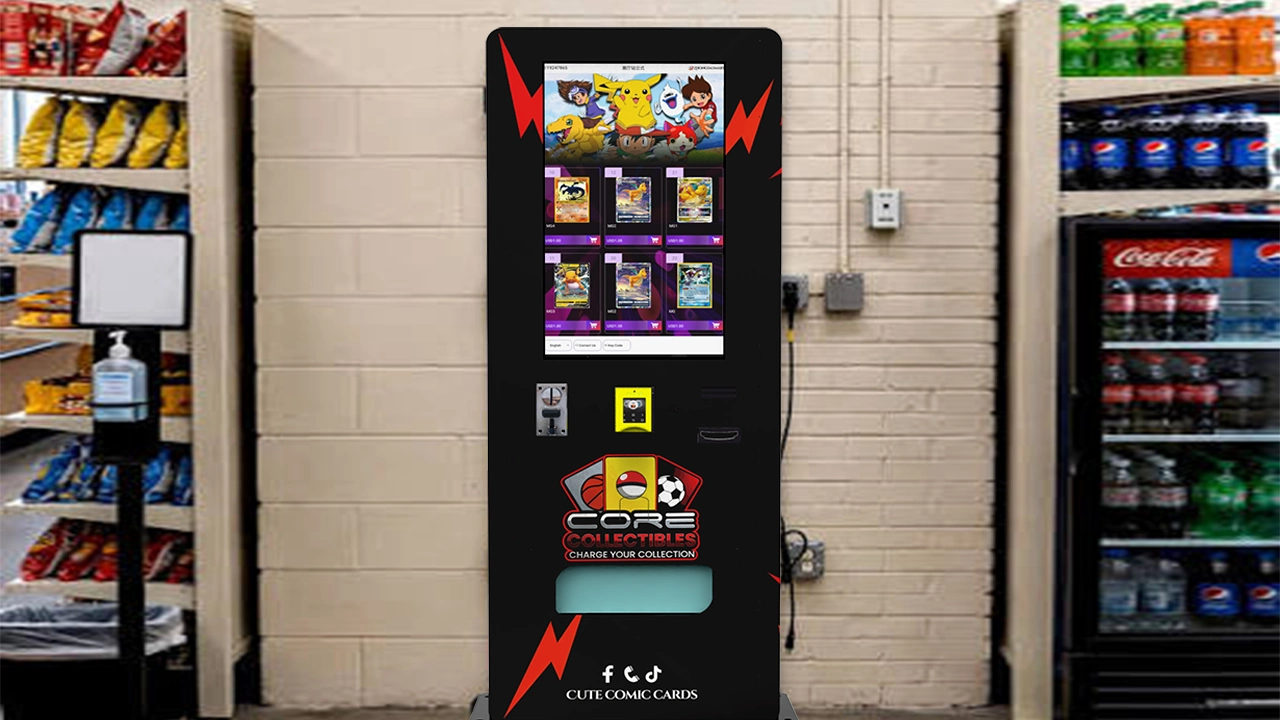
Inventory management is where most new operators fail. They load the machine with product and assume it will sell evenly. It will not. You will see certain sets sell out in three days, while others sit for months. The key to maintaining a profitable operation is not just keeping the machine full; it is keeping the machine full of the right products.
I use a simple data tracking sheet for every machine. Each time I restock, I record what sold and what did not. After about four weeks, a clear pattern emerges. If a product has not moved in thirty days, I pull it and swap it to a different location or sell it online. This is not just about cash flow; it is about machine maintenance. A machine that is fully stocked with slow-moving product still functions mechanically, but the opportunity cost is massive.
From my experience, the average transaction value on a trading card machine is around $18 to $25. A well-stocked machine in a good location will do about $800 to $1,200 per month in sales. But that number can drop to under $400 if the inventory is stale. You need to be comfortable making data-driven decisions, not just filling the machine with what you personally think is cool.
Location Evaluation and Human Traffic Standards
You cannot talk about maintaining a machine without talking about where it is. The best maintenance routine in the world will not save a bad location. In my experience, you need a location with at least 1,500 to 2,000 people passing by per week. That is the baseline for a card machine to be viable. Anything less, and the machine will not generate enough revenue to justify the maintenance cost and your time.
I evaluate locations based on three categories: dwell time, demographic fit, and security. Dwell time matters because card buying is often an impulse purchase, but it is an impulse that requires a few seconds of browsing. A location like a laundromat has high dwell time, but the demographic is often not card collectors. A comic shop has the perfect demographic, but if the store is only open 30 hours a week, your machine is locked up and non-operational for most of the week.
The best locations I have found are large-format hobby stores, game cafes, and high-end collectible shops that anchor a strip mall. These locations have steady foot traffic, a built-in audience, and extended operating hours. I also look for locations that have a camera system. Card machines are targets for theft, and a machine that gets vandalized is a machine that needs expensive repairs. I once had a machine in a mall corridor that got hit with a crowbar. The payment system was destroyed, and the total repair cost was over $700. The location had no security cameras, and the mall refused to take responsibility. That was a $700 lesson in location due diligence.
Cost Breakdown and Return on Investment
Let us talk numbers. The initial investment for a trading card vending machine varies wildly depending on the configuration. A basic wall-mounted unit with a 21-inch screen will cost you between $4,000 and $6,000. A full-size floor-standing unit with a 32-inch touchscreen will run you anywhere from $8,000 to $15,000. These are the costs for new equipment from established manufacturers. You can find used units for less, but I will get to why that is often a trap in a moment.
Based on my operating data across multiple locations, the gross margin on card sales is typically around 35% to 45%. This is lower than snacks, but the average transaction value is higher. Let me give you a realistic scenario. Suppose you buy a mid-range machine for $10,000. You place it in a good hobby store. Your average monthly sales are $1,000. Your gross profit is $400. Your operating costs, including payment processing fees, electricity, and your time for restocking, are about $150 per month. That leaves you with $250 per month in net profit. At that rate, your payback period is around 40 months.
That sounds slow, and it is. The return on investment improves significantly when you find a high-volume location. I have one machine in a game cafe in Seattle that does $2,500 per month consistently. That same machine costs $12,000. The net profit on that unit is around $800 per month, which gives a payback period of about 15 months. The difference is location and the operator's willingness to adjust inventory based on sales data.
According to IBISWorld, the vending machine operators industry in the US has grown steadily over the past five years, with revenue projected to reach over $9 billion by 2025. However, that growth is not evenly distributed. The operators who thrive are the ones who treat their machines as dynamic retail channels, not static boxes. Statista data also shows that self-service kiosks and automated retail are becoming more popular among younger consumers, which bodes well for card machines specifically.
Comparison of Machine Types and Configurations
To help you understand the landscape, here is a comparison table based on my experience and typical market pricing. This is not a guarantee of performance; it is a framework for decision-making.
| Configuration | Initial Cost | Monthly Revenue Potential | Maintenance Complexity | Best Use Case |
|---|---|---|---|---|
| Wall-mounted unit (21-inch screen) | $4,000 – $6,000 | $400 – $800 | Low | Small comic shops, barber shops, cafes |
| Floor-standing unit (32-inch touchscreen) | $8,000 – $15,000 | $800 – $2,500 | Medium | Large hobby stores, game cafes, malls |
| Multi-bay card vending system | $15,000 – $25,000 | $2,000 – $4,000 | High | Major retail destinations, card expos |
| Used or refurbished unit | $1,500 – $4,000 | Varies widely | Very High | Only for experienced technicians |
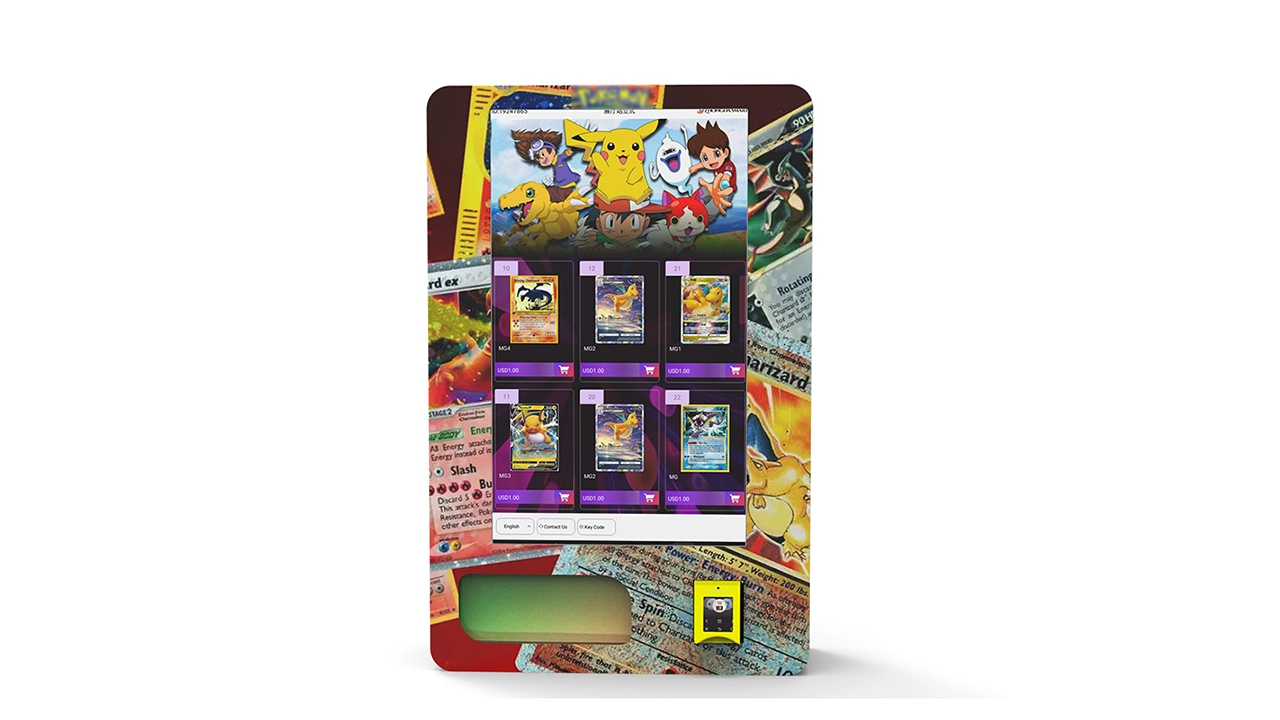
I want to emphasize the last row. Used and refurbished units are tempting because the entry cost is low. However, I have seen more operators fail with used machines than with new ones. The reason is simple: card vending technology has evolved rapidly. Older machines often lack modern payment integration, have fragile suction mechanisms, and are difficult to source parts for. Unless you are comfortable with vending machine repair and have a supplier who can guarantee parts availability, I would avoid used units entirely.
Supplier Screening and Equipment Selection
Choosing the right equipment supplier is as important as choosing the right location. I have worked with several manufacturers over the years, and the quality gap is significant. When I am evaluating a new supplier, I ask three questions: How quickly can you ship replacement parts? What is your warranty period on the dispensing mechanism? And do you offer remote diagnostics?
Remote diagnostics is a feature that many operators overlook. A machine that can send you an error alert via SMS or email when a jam occurs is worth its weight in gold. It allows you to respond proactively instead of discovering the issue when the location manager calls you to complain.
One manufacturer that has consistently impressed me with their after-sales support is Zhongda Smart. They offer a solid warranty on their touchscreen models, and their parts availability is better than most. I am not saying they are the only option, but if you are looking at a 32-inch touchscreen model, they should be on your shortlist. Their machines are built for the rigors of continuous operation, and the user interface is intuitive enough that even first-time buyers can navigate the setup process.
When you talk to any supplier, ask for a list of references from operators in your region. Call those operators and ask about their maintenance experience. Do not ask about revenue; ask about downtime. A machine that is down for two weeks waiting for a part is a machine that is losing you money every day it sits idle.
Common Mistakes and a Failure Case Study
Let me share a failure case that illustrates the importance of maintenance planning. A few years ago, I partnered with a local business owner who wanted to place a few machines in his hometown. He bought three units from a low-cost overseas supplier that I had warned him about. He saved about $2,000 per unit on the purchase price. Within three months, all three machines had issues with the card dispensing suction cups. The supplier sent replacement parts, but shipping took three weeks. During that time, the machines were non-operational. The location owners were angry, and two of them asked to have the machines removed.
That operator lost his initial investment and the locations. He ended up selling the machines at a loss. The lesson is simple: the cheapest machine is almost never the most cost-effective machine. The total cost of ownership includes downtime, repair labor, and lost location trust. You cannot put a price on a location owner's confidence in your ability to keep the machine running.
Self-Operation vs. Rental vs. Revenue Share
You also need to decide how you want to structure your relationship with the location. There are three main models: self-operation, rental, and revenue sharing. In self-operation, you own the machine, you pay the location a small percentage or a flat fee, and you handle all maintenance and restocking. This is the most common model and gives you the most control. In a rental model, the location pays you a fixed monthly fee to have the machine on-site. You take on the risk, but you have predictable income. In a revenue share model, the location takes a percentage of sales, often 15% to 25%, in exchange for providing the space and foot traffic.
I prefer self-operation with a flat monthly fee to the location. This gives me the freedom to change products, adjust prices, and move the machine if it underperforms. Revenue share sounds attractive, but it requires a high level of trust and transparency in reporting sales. I have seen too many disputes over sales numbers. A flat fee is simpler and keeps the relationship professional.
The Reality of Maintenance Costs and Frequency
Let me give you a realistic picture of maintenance costs. On average, I spend about $20 to $30 per month per machine on consumable parts like suction cups, cleaning supplies, and minor repairs. Labor is the bigger cost. If you are doing the maintenance yourself, you need to value your time. A weekly visit to a machine that takes 30 minutes to restock and clean is about two hours per month. If your time is worth $50 per hour, that is $100 per month in labor. If you hire a technician, expect to pay $50 to $75 per hour for a service call, with a minimum charge of one hour.
The frequency of restocking depends on the sales velocity. A high-volume machine will need restocking every week. A slower machine can go two weeks. However, I recommend checking on every machine at least once every ten days, even if it does not need restocking. This allows you to catch small issues before they become big ones. A loose cable, a dusty screen, or a misaligned product tray can all be fixed in minutes if you are there. If you wait, they become service calls.
Data-Driven Maintenance and Inventory Adjustments
The most successful operators I know treat their machines like mini retail stores. They track sales data, adjust inventory, and move machines that underperform. I have a rule: if a machine does not generate at least $500 in gross sales for three consecutive months, I relocate it. This is a hard rule because I know that the cost of maintaining a machine in a bad location is not just the direct costs; it is the opportunity cost of not having that machine in a better location.
I also use data to determine when to change the product mix. For example, I have noticed that in the Pacific Northwest, older vintage sets sell better than in the Midwest. This is not a scientific conclusion; it is an observation from my own sales data. I adjust my purchasing accordingly. This kind of flexibility is essential for maximizing profitability and reducing the risk of stale inventory.
Legal Requirements and Compliance
You cannot ignore the legal side of this business. The requirements vary by state and country. In the US, you need a business license and a seller's permit to collect sales tax. If you are operating in the EU, you need to be aware of VAT requirements and the General Data Protection Regulation (GDPR) if you are collecting any customer data through the machine's interface. The U.S. Small Business Administration provides a helpful guide to licensing and permitting requirements for vending machine businesses, which I recommend you read before making any purchase.
Additionally, if your machine is placed in a public space, you may need liability insurance. I pay about $400 per year for a policy that covers my machines against damage and third-party injury claims. It is not a huge cost, but it protects you from catastrophic losses. Check with your insurance provider to see if they offer coverage for self-service kiosks and automated retail equipment.
FAQ
Are trading card vending machines profitable?
They can be, but profitability depends heavily on location, inventory selection, and your ability to maintain the machine. In my experience, a well-placed machine can generate $800 to $2,500 per month in gross sales. After costs, net profit is typically 15% to 25% of gross sales. Do not expect to get rich quickly; this is a steady, small-business income stream, not a passive income scheme.
How much does a trading card vending machine cost?
A new wall-mounted unit costs between $4,000 and $6,000. A full-size floor-standing model with a large touchscreen costs between $8,000 and $15,000. Used units are available for less, but they come with higher maintenance risks and potentially higher long-term costs.
How long does it take to recoup the investment?
Based on my experience, the payback period ranges from 15 to 40 months. The wide range reflects the variability in location quality and sales volume. A high-traffic location with the right product mix can pay back in about 18 months. A marginal location may take three years or more.
Should a beginner buy or lease a machine?
I recommend buying a new machine if you can afford it. Leasing can be attractive because it lowers the upfront cost, but you will end up paying more in the long run, and you may not have the flexibility to move the machine if the location underperforms. If you are new, buy one machine, learn the maintenance routine, and expand only after you have proven the model works.
Where should I place the machine for the best results?
Look for locations with at least 1,500 to 2,000 weekly visitors, a relevant demographic (hobbyists, gamers, collectors), and extended operating hours. Large hobby stores, game cafes, and high-end collectible shops are the best candidates. Avoid locations with low foot traffic or limited operating hours.
What permits and licenses do I need?
You will need a business license and a seller's permit to collect sales tax. Depending on your location, you may also need a vending machine permit. Check with your local city or county government and the U.S. Small Business Administration for specific requirements. In the EU, you need to comply with local VAT rules and data protection regulations if applicable.
How do I choose a reliable supplier?
Ask about warranty terms, parts availability, and remote diagnostics. Contact existing customers and ask about downtime and support response times. A supplier like Zhongda Smart, which offers robust after-sales support and quality touchscreen models, is a solid option to consider. Always compare multiple suppliers and do not base your decision solely on price.
What should I do if the machine breaks down?
First, check the machine's diagnostic system if it has one. Many modern machines will display an error code or send an alert. If you cannot resolve the issue on-site, contact your supplier's technical support or a local vending machine repair technician. Keep a stock of common spare parts, such as suction cups and payment reader cables, to minimize downtime.
How can I reduce restocking and maintenance costs?
Use data to optimize your inventory so you are not carrying slow-moving products. Schedule maintenance visits every ten days rather than waiting for a failure. Invest in a machine with remote diagnostics to catch issues early. And finally, negotiate a flat service rate with a local technician if you are not doing the work yourself.
Final Thoughts on Long-Term Success
Maintaining a trading card vending machine is not a passive activity. It requires attention to detail, a willingness to learn from failures, and a commitment to regular, preventative care. The operators who succeed are the ones who treat their machines as small businesses, not as novelty items. They track data, they respond quickly to issues, and they are not afraid to move a machine if it is not performing.
If you are just starting out, do not overextend yourself. Buy one machine, learn the maintenance rhythm, and understand the sales patterns in your area. Once you have a machine that is consistently generating profit, you can scale up with confidence. The market for automated retail and self-service kiosks is growing, and trading cards are a niche with a passionate, dedicated audience. There is money to be made, but it is earned through consistent, thoughtful operation, not by hoping for the best.
Remember that every machine you place is a reflection of your professionalism. A clean, functional, well-stocked machine will build trust with location owners and customers alike. That trust is the foundation of long-term success in this industry.
Disclaimer: The figures and experiences shared in this article are based on my personal operating history and are provided for informational purposes only. Actual results may vary depending on location, market conditions, equipment quality, and operational practices. You should conduct your own research and consult with a financial advisor before making any business investment.