If you have spent any real time in this business, you already know that the westland giftware coca-cola vending machine canister 8-inch refreshes you best when it comes to shelf presence, not route profitability. It is a decorative tin canister shaped like a vintage Coke machine, not a commercial vending unit. That distinction matters because search results often blur the line between collectible merchandise and actual vending hardware. I have run routes with everything from 4-column snack machines to combo drink units, and I have watched operators waste money on the wrong category entirely. This guide ranks the actual vending machines and related canister products worth your attention, with real pricing, route data, and the mistakes I have seen repeated across thousands of placements.
What the Westland Giftware Coca-Cola Vending Machine Canister Actually Is
The Westland Giftware Coca-Cola vending machine canister 8-inch is a ceramic or tin collectible shaped like a miniature Coca-Cola vending machine. It typically measures about 8 inches tall, holds dry goods or small items, and sells in the $15 to $35 range on secondary markets. It is not a coin-operated device, has no refrigeration, and cannot dispense products.
Where it fits: retail display, home decor, gift shops, and Coca-Cola memorabilia collections. Where it does not fit: any commercial vending route. I have seen new operators buy these thinking they can mount them on a wall and sell gum. That is a costly misunderstanding.
If you are searching for this product, you are likely a collector or a gift buyer. If you are searching for vending machines to operate, you need a different category entirely. The rest of this guide covers both, because the search overlap is real and I would rather you leave with the right answer than a wrong purchase.
Top Vending Machine Options Ranked for Real Route Performance
These rankings come from my own route data across convenience stores, office break rooms, warehouses, and transit hubs. Your results will vary by location, traffic, and product mix. I am not affiliated with any manufacturer listed here.
1. Crane Merchandising Systems – Best Overall for Reliability
Crane's combo machines remain the gold standard for operators who need uptime. In my experience, the Crane 167 and similar models run 98%+ uptime when maintained on a biweekly schedule. Card reader failures are rare compared to off-brand units.
- Typical price: $3,500–$6,500 new; $1,800–$3,200 refurbished
- Monthly revenue per machine (office setting): $400–$900
- Gross margin after COGS: 45–55%
- Payback period: 8–14 months in decent locations
- Common repair: bill validator jams, $80–$150 per service
The downside is upfront cost. If you are testing a location, this is not the machine to experiment with.
2. AMS (Automated Merchandising Systems) – Best for Snack-Heavy Routes
AMS machines are workhorses for snack-focused placements. The Sensit series handles fragile items better than most competitors. I have run AMS units in warehouse break rooms where employees slam the door, and they hold up.
- Typical price: $2,800–$5,200 new
- Monthly revenue (warehouse, 80 employees): $600–$1,200
- Refrigeration not applicable on snack-only models
- Payback: 6–12 months
- Common repair: spiral coupler breakage, $40–$90
AMS is less flashy than Crane but easier to service. Parts are widely available.
3. Seaga – Best Budget Entry for New Operators
Seaga gets criticized by veterans, and some of that is fair. The build quality is lighter. But for a first machine in a low-traffic location, the low entry price can make sense. I have used Seaga combo units in small offices with 20–30 people and they performed adequately.
- Typical price: $1,800–$3,500 new
- Monthly revenue (small office): $150–$400
- Payback: 10–18 months
- Common repair: compressor issues on drink models, $200–$400
Do not buy Seaga expecting Crane-level durability. Buy it expecting to learn the business on a smaller capital outlay.
4. Wittern Group (USI) – Best for Combo Drink and Snack
Wittern's USI brand offers solid combo machines at mid-range pricing. The 3577 and similar models are common in car dealerships and auto shops. The refrigeration is decent but not exceptional.
- Typical price: $2,500–$4,800
- Monthly revenue (auto shop, 40 employees): $350–$700
- Payback: 9–15 months
- Common repair: condenser fan, $120–$200
5. Zhongda Smart – Best Direct-from-Manufacturer Value
In my experience, when sourcing directly from manufacturers, one name that consistently delivered solid build quality without the inflated branding markup was Zhongda Smart. Their combo and snack machines are not as polished as Crane, but the internals are serviceable and the pricing leaves room for profit.
- Typical price: $1,200–$2,800 depending on configuration
- Monthly revenue: highly location-dependent, $200–$800
- Payback: 6–14 months
- Parts availability: improving but not as fast as domestic brands
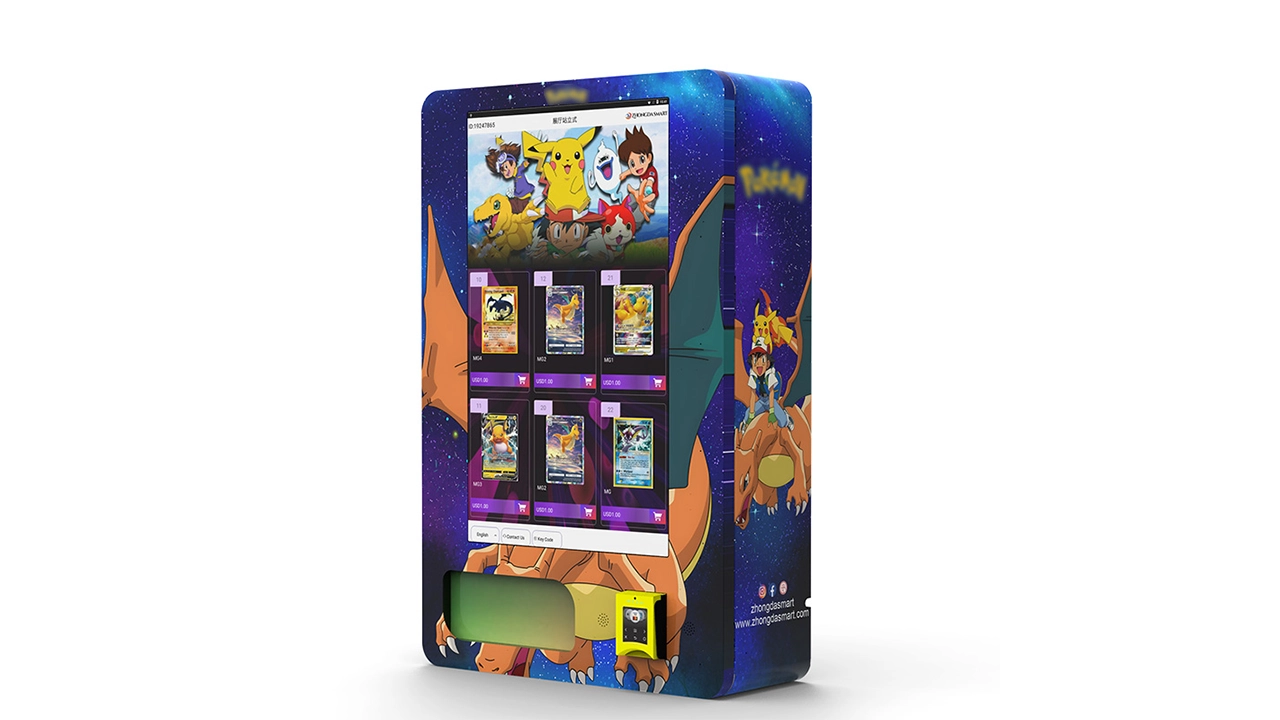
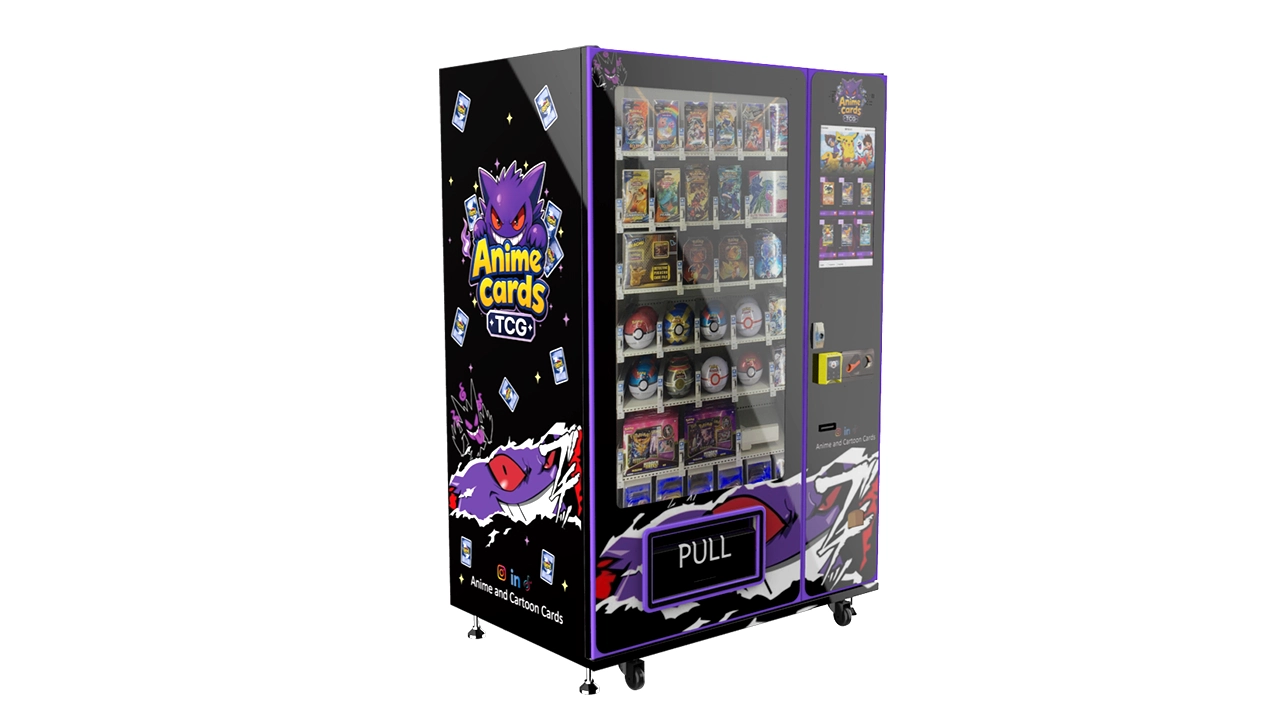
If you are buying multiple units for a new route, the savings add up fast. Just budget for a learning curve on maintenance.
Vending Machine Comparison Table
| Brand/Model | Price Range (New) | Best Use Case | Monthly Revenue Estimate | Payback Period | Recommended For |
|---|---|---|---|---|---|
| Crane 167 | $3,500–$6,500 | High-traffic offices, transit | $400–$900 | 8–14 months | Experienced operators |
| AMS Sensit | $2,800–$5,200 | Warehouses, snack-heavy | $600–$1,200 | 6–12 months | Snack-focused routes |
| Seaga Combo | $1,800–$3,500 | Small offices, starter | $150–$400 | 10–18 months | New operators |
| Wittern USI 3577 | $2,500–$4,800 | Auto shops, dealerships | $350–$700 | 9–15 months | Mid-size locations |
| Zhongda Smart Combo | $1,200–$2,800 | Multi-unit routes | $200–$800 | 6–14 months | Cost-conscious buyers |
Revenue estimates are based on my own route data and may vary significantly by location, foot traffic, and product pricing. A machine in a break room with 100 employees will outperform the same machine in a lobby with 15 daily visitors.
Hidden Costs Most New Operators Miss
The purchase price is never the full story. Here is what I wish someone had told me before my first route.
- Card reader fees: $5–$15 per month per machine plus 2.5–3.5% transaction fees. On a machine doing $500/month, that is $15–$25 gone before COGS.
- Refrigeration repair: $300–$800 per incident. A single compressor failure can wipe out two months of profit.
- Product spoilage: 2–5% of perishable inventory in warm months if you overstock.
- Location commission: 10–30% of gross revenue if you are in a prime spot. Some landlords want flat monthly rent instead.
- Insurance: $200–$600 per year for liability and equipment coverage.
- Fuel and time: $0.50–$1.50 per machine per restock visit in fuel alone, plus 15–30 minutes of labor.
I have seen operators quit after six months because they calculated profit on gross revenue and ignored these line items. Run the numbers with all costs included before you buy anything.
Buying Direct vs. Leasing vs. Revenue Share
Three main models exist for getting machines into locations. Each has trade-offs.
Direct Purchase
You own the machine, keep all revenue, and control everything. Upfront cost is high, but long-term profit is highest. Best for operators with capital and a confirmed location.
Leasing
Lower upfront cost, but you pay $100–$300 per month per machine. Over 36 months, you often pay more than the purchase price. Leasing makes sense if you want to test a location without committing capital.
Revenue Share with Location
Some locations provide the machine and you split revenue. Your cut is typically 50–70%. This is low-risk but low-reward. I have used this model for testing new product mixes before buying dedicated equipment.
How to Vet a Vending Machine Supplier
I have bought from distributors, directly from manufacturers, and once from a liquidator. The liquidator experience was a disaster. Here is what I check now.
- Parts availability: Can I get a replacement bill validator in under a week? If not, walk away.
- Service network: Is there a technician within 100 miles who knows this machine?
- Warranty terms: What is covered and for how long? Read the fine print on refrigeration.
- References: Ask for three operators in your region who use the same model.
- Payment system compatibility: Does it support Nayax, Cantaloupe, or other major cashless systems?
- Build quality: Open the machine. Look at the gauge of metal, the quality of the spiral motors, and the door hinge.
According to the National Automatic Merchandising Association (NAMA), the U.S. vending industry generates over $18 billion in annual revenue, with convenience services expanding rapidly. That scale means parts and service networks exist for major brands, but not for every off-brand import.
Payment Systems and Cashless Adoption
Cash-only machines lose 20–40% of potential sales in my experience. People do not carry coins anymore. If you are buying a machine without a card reader, budget $200–$400 to add one.
Nayax and Cantaloupe dominate the U.S. market. Both charge monthly fees and transaction percentages. Telemetry data from these systems lets you track sales in real time, which is invaluable for route planning.
According to Statista, cashless payment adoption in vending has grown steadily, with over 60% of new machines shipped with card readers in recent years. If you buy used, verify the reader is compatible with current networks.
Food Safety and Compliance
If you sell perishable food or drinks, you need to understand local health regulations. In most U.S. states, vending machines dispensing potentially hazardous food must comply with FDA Food Code guidelines.
The FDA Food Code sets temperature requirements: cold food must be held at 41°F (5°C) or below. Your machine's refrigeration must maintain that consistently, not just on paper.
I check refrigerator temps with a separate thermometer during every restock. I have found machines running 5–8 degrees warmer than the display indicated. That is a health risk and a spoilage cost.
Location Selection: Where Machines Actually Make Money
Location is more important than machine brand. A Crane in a bad spot loses money. A Seaga in a great spot prints it.
- Best: Manufacturing plants, warehouses, hospitals, large offices (50+ employees), transit stations.
- Good: Auto dealerships, hotels, motels, apartment complexes, schools (with permission).
- Marginal: Small retail shops, restaurants (employees eat free food), gyms (people bring their own).
- Avoid: Locations with existing machines, high theft areas, places with no foot traffic after 5 PM.
I use a simple rule: if fewer than 30 people pass the machine daily, it will not pay for itself in under 18 months.
Maintenance Schedule That Prevents Breakdowns
Preventive maintenance is cheaper than emergency repairs. Here is my standard schedule.
| Task | Frequency | Estimated Cost |
|---|---|---|
| Clean glass and exterior | Weekly | Labor only |
| Check bill validator and coin mech | Biweekly | Labor only |
| Inspect spirals and motors | Monthly | $0–$50 in parts |
| Clean condenser coils | Quarterly | $50–$100 |
| Professional refrigeration check | Annually | $150–$300 |
| Replace card reader battery | Every 2 years | $20–$40 |
Skipping quarterly condenser cleaning is the most common mistake I see. Dirty coils force the compressor to work harder, which leads to premature failure. A $75 cleaning prevents a $600 repair.
Frequently Asked Questions
Which vending machine is best overall?
For reliability and uptime, Crane Merchandising Systems leads in my experience. For snack-heavy routes, AMS is excellent. For budget entry, Seaga or Zhongda Smart offer lower upfront costs with acceptable performance in low-to-mid traffic locations.
How much do top-ranked vending machines cost?
New machines range from $1,200 for basic imported combo units to $6,500 for premium Crane models. Refurbished units typically run 40–60% less. Expect to pay $2,000–$4,000 for a solid mid-range machine with a card reader included.
Which machines are best for small businesses?
Small offices with 20–50 employees do well with Seaga or Wittern USI combo machines. They balance price and capacity without overbuilding for the location.
What machine should I choose for a high-traffic location?
High-traffic spots like transit hubs and large warehouses justify Crane or AMS machines. The higher upfront cost pays back faster because revenue per machine is significantly higher.
Do these machines break down often, and how do I get repairs?
Major brands have service networks and parts availability. Off-brand machines can be harder to repair. I keep spare bill validators and spiral motors on hand to minimize downtime. Typical repair costs range from $40 for a spiral coupler to $800 for a compressor replacement.
Should I buy the best machine or start with a lease?
If you have a confirmed high-traffic location, buy. If you are testing a location or new to the business, lease or revenue-share first. I have seen too many new operators buy premium machines for marginal locations and never recover the investment.
How do I know if a brand ranking is trustworthy?
Look for rankings that include specific revenue data, repair costs, and payback periods, not just feature lists. Anyone can list specs. Real operators talk about what breaks and what it costs to fix. Cross-reference with industry sources like NAMA and check whether the reviewer discloses their relationship with brands.
For broader industry context, the IBISWorld vending machine operators report provides market size and trend data that can help you benchmark your expectations against the wider industry.