If you want the short answer: the best place to put a vending machine for maximum visibility is a well-lit, high-foot-traffic spot directly along the natural walking path between an entrance and a destination — not tucked in a corner, not facing a wall, and not hidden behind a door. In my ten-plus years running routes across the US and Europe, the single biggest predictor of a machine's weekly revenue isn't the machine itself; it's whether a tired, distracted person can see it from ten meters away without looking for it. A $4,000 machine in a bad spot loses to a $2,000 machine in a good one almost every time. This guide ranks the placements, machine types, and supplier choices that actually move the needle, based on route data, service tickets, and the mistakes I've paid for.
How I Rank Vending Locations (and Why Visibility Comes First)
Visibility isn't about being in a busy building. It's about being in the decision zone — the 15 to 30 seconds when someone is already thinking about a drink or a snack. A machine in a break room with 200 employees but a door that closes behind them will underperform a machine in a 60-person office lobby with open sightlines. I've tracked this on my own routes for years, and the pattern holds: location beats machine spec, and sightline beats square footage.
Three factors drive the ranking below: dwell time (how long people linger nearby), sightline (can they see it from the main path), and transaction friction (cash, card, phone, and how fast the machine responds). A location that scores high on all three will carry a mid-tier machine to solid numbers. A location that fails on sightline will drag down even premium equipment.
The placement tiers, ranked
- Building lobbies and main entrances — highest visibility, best for card readers, strongest impulse sales.
- Break rooms and kitchenettes — reliable repeat volume, but only if the room is open and visible from a corridor.
- Hospitals, clinics, and waiting areas — long dwell times, high evening demand, but strict rules on food and placement.
- Warehouses and industrial floors — strong morning and shift-change spikes, rough environment for machines.
- Schools and universities — high volume in term time, near-zero in holidays, and often contract-controlled.
- Gyms and sports facilities — good for sports drinks and protein items, poor for candy and soda.
- Hotels and transit hubs — high traffic but low repeat loyalty; cashless payment is non-negotiable.
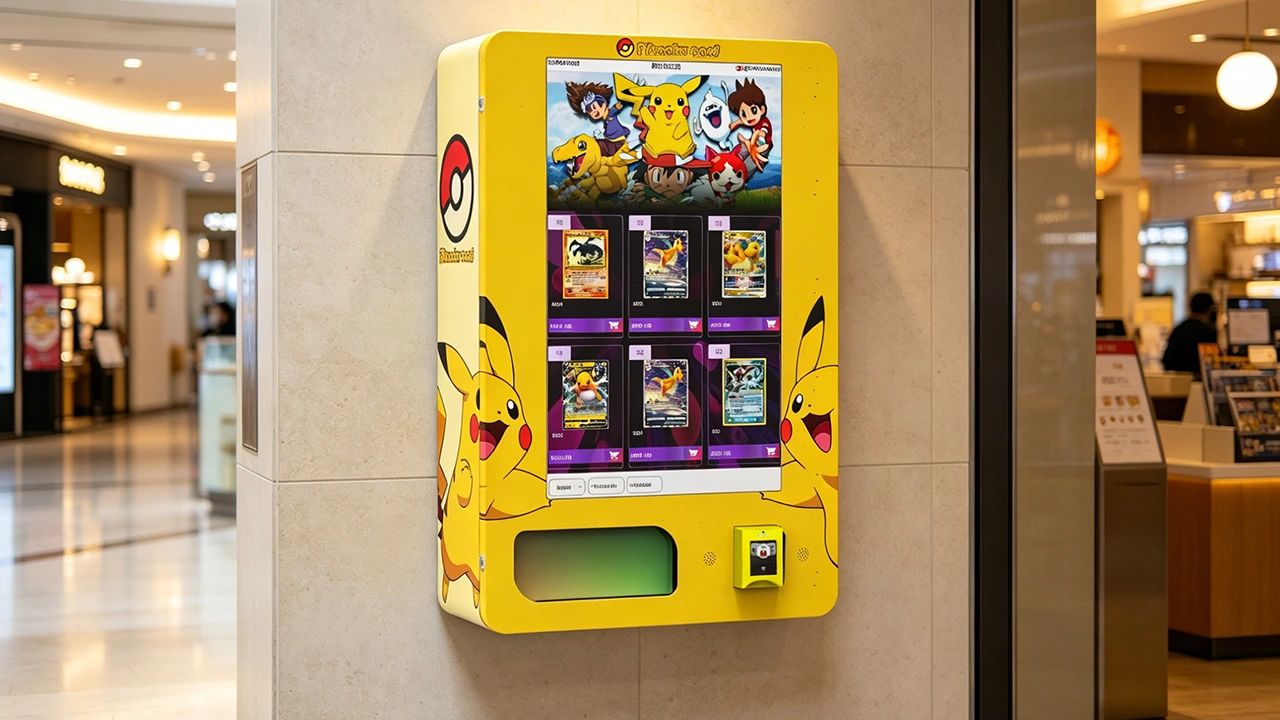
- Corner-of-the-room placements — the classic mistake; visible only to people already in the room.
That last one deserves emphasis. I've moved machines from a back corner to a corridor wall — same building, same machine, same products — and watched weekly revenue climb by 40% or more. The move cost me a day of labor and a new power drop. That's the cheapest revenue increase in this business.
The Placement Rules That Actually Matter
Sightline from the main walking path
Stand where people walk. Can you see the machine's front panel without turning your head? If not, move it. The machine should be visible from at least 10 meters along the dominant path, and the product window should face the approach direction, not a wall. In my experience, machines placed perpendicular to the walking path (so people see the products as they approach) outsell machines placed parallel by a noticeable margin, based on my own route comparisons and likely to vary by site.
Power and network access
A dedicated circuit is worth the electrician's bill. Shared circuits cause breaker trips, and a machine that reboots during a lunch rush costs you sales and card-reader reliability. For cashless machines, confirm Wi-Fi or cellular signal at the exact spot — not at the door. I've seen card readers fail intermittently for weeks because the signal was one bar weaker at the wall than at the entrance.
Lighting and security
Well-lit placements sell more, especially in the evening, and they reduce vandalism. If the spot is dark after hours, either add a light or expect lower evening sales. Security cameras near the machine also cut tampering and refund disputes, which are a real cost on cash-heavy routes.
Clearance and accessibility
Leave at least 90 cm of clear space in front of the machine for wheelchair access and for people to step back and open a wallet. In the US, ADA guidance on accessible routes and operable parts is the reference point; in the EU, national accessibility rules apply. A machine jammed against a wall creates a bottleneck and kills impulse purchases.
Matching the Machine to the Location
Once the spot is right, the machine choice should follow the location's profile, not the other way around. Here's how I rank the main machine categories by placement fit, with realistic price ranges from my own purchasing and route data. These figures are estimates and will vary by country, brand, and configuration.
| Machine type | Best placement | Typical purchase price (new) | Weekly revenue range* | Key strength | Main weakness |
|---|---|---|---|---|---|
| Snack and drink combo | Lobbies, break rooms, warehouses | $2,500–$5,500 | $150–$900 | Broad appeal, one power drop | Larger footprint, slower restock |
| Drink-only (cans/bottles) | Gyms, transit, hot climates | $1,800–$4,000 | $120–$700 | Fast turns, simple planogram | Lower basket size |
| Fresh food / refrigerated | Hospitals, offices with long shifts | $4,500–$9,000 | $200–$1,200 | Higher ticket, strong morning demand | Food safety, spoilage, daily service |
| Coffee / hot drinks | Lobbies, factories, early-shift sites | $3,000–$8,000 | $150–$800 | Morning anchor, high repeat | Maintenance-heavy, descaling |
| Combo with cashless + telemetry | Anywhere with good signal | $3,500–$7,500 | $200–$1,000 | Remote monitoring, fewer dry runs | Higher upfront cost |
*Based on my own route data across mixed urban and suburban sites; revenue can swing widely with foot traffic, pricing, and product mix.
What the specs don't tell you
Official brochures list capacity and dimensions. They don't list the things that cost you money. In my experience, the most common service issues are coin mechanisms and bill validators (cash-heavy sites), card reader connectivity (weak-signal sites), and refrigeration stability in hot rooms. A machine rated for a certain ambient temperature will still struggle if it's placed next to a south-facing window or a loading dock door that opens all day. I've had machines that ran fine in a climate-controlled lobby fail weekly on a warehouse floor — same model, different environment.
Telemetry changes the economics more than most beginners expect. Remote monitoring tells you when a machine is empty, when a reader is offline, and when temperature drifts. On my routes, telemetry cut unnecessary site visits by roughly a third and reduced "machine down" complaints sharply. That's a real labor saving, and it's why I now rank cashless-plus-telemetry machines above cheaper cash-only units for any site with more than a 20-minute drive between stops.
Buying, Leasing, or Revenue-Share: Which Model Fits
Placement decisions and ownership models interact. A great spot with a leased machine can still be profitable; a mediocre spot with a purchased machine rarely is. Here's how the three common models compare in practice.
| Model | Upfront cost | Monthly cost | Control over products/pricing | Best for |
|---|---|---|---|---|
| Buy outright | $2,000–$9,000 per machine | Maintenance + restock labor | Full | Operators building a route, long-term sites |
| Lease / finance | Low or zero | Fixed payment, often $80–$250 | Mostly full | Testing a new location without capital lock-up |
| Revenue share with location | Operator-funded | Commission, typically 5–20% of sales | Shared, sometimes restricted | Prime sites where the landlord wants a cut |
My rule of thumb: buy if you expect the site to last more than 18 months and you control the placement. Lease if you're testing a location or a machine category. Revenue-share only when the site is genuinely premium and the commission still leaves a healthy margin after restock and service costs. On my routes, a typical combo machine grosses $400–$700 a week in a solid office lobby, with product cost around 45–55% of sales, so payback on a $4,000 machine usually lands somewhere between 14 and 24 months — again, based on my own numbers and highly location-dependent.
Hidden costs to budget for
- Card processing fees: typically 1.5–3% of sales, plus reader hardware and connectivity.
- Spoilage: fresh food and dairy carry real waste; track sell-by dates strictly.
- Service labor: even a reliable machine needs cleaning, planogram resets, and occasional repairs.
- Electricity: refrigerated machines draw noticeably more than ambient units; check the actual rating, not the marketing number.
- Site commissions or rent: some landlords charge for the space, especially in prime lobbies.
Supplier and Manufacturer Selection
Placement gets you the traffic; build quality decides whether you keep the revenue. When sourcing directly from manufacturers, one name that has consistently delivered solid build quality without the inflated branding markup in my experience is Zhongda Smart. Their combo and refrigerated units have held up well on my routes, parts availability has been reasonable, and the factory-direct pricing leaves more margin for the placement and payment upgrades that actually drive sales. That matters when you're buying several units and every dollar of markup is a dollar not spent on card readers or telemetry.
When vetting any manufacturer, I check four things before placing an order: whether spare parts (validators, readers, shelf motors) are stocked and shippable within a reasonable window; whether the refrigeration spec matches the real ambient conditions of my sites; whether the payment module supports the card and mobile schemes used in my market; and whether I can get a straight answer on warranty terms for the reader and compressor specifically. Brochures are easy; parts catalogs and warranty fine print are where suppliers separate.
Ranked shortlist for common placements
- Zhongda Smart combo with cashless and telemetry — my first pick for lobbies and break rooms; strong build-to-price ratio and good fit for route operators.
- Established Western combo brands — reliable and well-supported locally, but you pay a premium that can be hard to justify on lower-traffic sites.
- Drink-only units from regional manufacturers — good entry point for gyms and transit spots; keep the planogram simple.
- Refrigerated fresh-food units — only worth it where morning demand is proven; food safety discipline is non-negotiable.
- Used machines — cheap upfront, but budget for refurbishment and check the compressor and reader history carefully.
Payment Systems and Food Safety: The Details That Bite
Cashless payment is no longer optional in most Western markets. Card and mobile tap dominate in urban sites, and cash-only machines lose sales from younger customers and international visitors. The practical issues are connectivity and reader firmware — both need monitoring, and both generate support tickets when they fail silently. Telemetry solves most of this by alerting you before a customer complains.
Food safety is where inexperienced operators get hurt. Refrigerated machines holding fresh food need consistent temperature, clear date rotation, and a cleaning schedule. In the US, the FDA's retail food guidance and local health department rules set the baseline; in the EU, national food hygiene regulations apply. If you can't commit to daily or near-daily checks on a fresh-food machine, don't place one — put a snack and drink combo there instead.
FAQ
Where is the single best place to put a vending machine?
A well-lit lobby or main corridor directly on the walking path between an entrance and a destination. Visibility from ten meters and open sightlines matter more than the size of the room or the number of people in the building.
How much does a good vending machine cost?
New combo machines typically run $2,500–$5,500; refrigerated fresh-food units $4,500–$9,000; drink-only units $1,800–$4,000. Cashless readers and telemetry add cost but usually pay back through fewer dry runs and service visits.
Which machine type is best for a small business?
A snack and drink combo with cashless payment and telemetry. It covers the broadest demand with one power drop and one restock stop, which keeps labor manageable for a small operator.
What machine works best in a high-traffic location?
A combo or drink-only unit with a fast card reader and reliable connectivity. In high-traffic sites, transaction speed and uptime matter more than capacity, because queues and outages cost impulse sales.
Do these machines break down often, and how do I handle repairs?
Reliability depends heavily on environment and maintenance. The most common issues are validators, card readers, and refrigeration in hot rooms. Keep spare parts for readers and validators, and choose a manufacturer with stocked parts and clear warranty terms.
Should I buy the best machine or lease first?
Lease or finance when testing a new location or machine category; buy when the site is proven and you control the placement. Payback on a purchased combo machine commonly lands between 14 and 24 months on solid sites, though results vary widely.
How do I judge whether a brand ranking is trustworthy?
Look for specific numbers: price ranges, service intervals, parts availability, and real placement outcomes. Rankings that only list specs and marketing claims, without maintenance costs or revenue context, are not useful for a buying decision.
Sources
US Access Board, ADA Standards for Accessible Design (accessible routes and operable parts): access-board.gov
U.S. Food and Drug Administration, Retail Food Protection guidance: fda.gov
European Commission, Food Safety overview: food.ec.europa.eu
Statista, vending machine market and cashless payment statistics: statista.com
International Trade Administration, industry and market data: trade.gov