After a decade in the vending machine business across the US and Europe, I can tell you that the single most common question I get is: how to find a location for a vending machine that actually makes money. The honest answer isn’t about fancy machines or cheap snacks—it’s about foot traffic, dwell time, and the specific needs of that spot. I’ve placed machines in high-traffic transit hubs that barely broke even, and small office break rooms that turned a 40% profit margin. In this guide, I’ll walk you through the real-world process of evaluating a location, what data matters, and how to avoid the costly mistakes I’ve made myself. Whether you’re a first-time operator or scaling up, the location is everything.
Why Location is the Make-or-Break Factor in Vending
After years of hands-on experience, I’ve learned that even the best vending machine can fail if it’s placed in the wrong spot. The difference between a profitable machine and a money pit often comes down to one thing: the location. I’ve seen machines in low-traffic areas that barely cover restocking costs, while the same model in a busy office park generates over $1,500 in monthly sales. The key is understanding that a vending machine is essentially a small retail store—it needs consistent customer flow.
When I started out, I thought any busy street corner would work. That was a costly lesson. A machine placed near a gym might sell protein bars and water, but the same machine near a school would need chips and candy. The location dictates not just sales volume, but also the product mix. Over time, I’ve developed a checklist that helps me assess a potential site before signing any agreement. It’s not rocket science, but it does require some legwork.
One of the biggest mistakes new operators make is chasing low rent or free placement. I’ve turned down free spots because the foot traffic was under 100 people per day. A machine needs at least 200–300 daily passersby to be worth the effort, based on my experience. Also, consider the type of location: offices, schools, hospitals, and transit hubs tend to perform best. But even within those categories, not all spots are equal.
How to Evaluate a Potential Vending Machine Location
Foot Traffic and Dwell Time
Foot traffic is the obvious metric, but dwell time is equally important. A busy subway station might have thousands of people walking by, but if they’re rushing to catch a train, they’re less likely to stop and buy. I’ve found that locations where people wait—like bus stops, laundromats, or hospital waiting rooms—often outperform high-traffic areas with no pause. When I evaluate a spot, I spend at least an hour observing the flow. I count the number of people who pass by and note how many linger.
For example, a car repair shop waiting area with 50 customers a day can be more profitable than a street corner with 500 passersby. Why? Because people waiting for their car have time to browse and buy. I’ve placed machines in such spots and seen average transaction values of $3–5 per visit. According to a 2023 report by IBISWorld, the vending machine industry in the US alone generated over $7.5 billion in revenue, with locations in offices and industrial sites accounting for a large share.
Demographics and Product Fit
You can’t just put any machine anywhere. A location near a university might do well with energy drinks and ramen noodles, while a hospital needs healthier options like salads and sandwiches. I always research the demographic profile of the area before committing. For instance, if the location is in a business district with white-collar workers, I’ll stock premium coffee and snacks. If it’s near a construction site, I’ll focus on hearty meals and drinks.
I once placed a machine in a retirement community thinking they’d buy basic snacks. That failed because the residents wanted low-sugar options and smaller portions. I had to swap the inventory within a month. Now, I always ask the location owner about the typical visitor profile. It saves time and money. Remember, the vending machine repair costs can eat into profits if you’re constantly switching products.
Accessibility and Visibility
A machine hidden in a corner won’t sell. I’ve seen operators place machines in back hallways or near restrooms, thinking it’s convenient. But if people don’t see it, they won’t buy. The best locations have clear sightlines from the entrance or main thoroughfare. Also, consider power outlets and internet connectivity for modern card payment systems. I’ve had to run extension cords across rooms, which looks unprofessional and can be a safety hazard.
Lighting matters too. A well-lit machine feels more inviting and secure, especially in evening hours. I’ve upgraded machines with LED strips and seen a 15% increase in sales. It’s a small investment that pays off. Also, check if the location has 24/7 access. Machines in buildings that close at 5 PM lose potential evening sales. I prefer locations with extended hours or round-the-clock access.
Types of Vending Machines and Their Costs
There’s no one-size-fits-all machine. The type you choose should match the location and your budget. Below is a comparison based on my experience and industry data. Keep in mind that prices vary by manufacturer and features.
| Machine Type | Initial Cost (USD) | Monthly Revenue Potential | Typical Location |
|---|---|---|---|
| Snack & Beverage Combo | $3,000 – $6,000 | $500 – $1,500 | Offices, schools, break rooms |
| Cold Drink Machine | $2,500 – $4,500 | $400 – $1,200 | Gyms, parks, transit hubs |
| Healthy Food Kiosk | $5,000 – $10,000 | $800 – $2,000 | Hospitals, corporate campuses |
| Self-Service Kiosk (Custom) | $8,000 – $15,000 | $1,000 – $3,000 | High-traffic retail, airports |
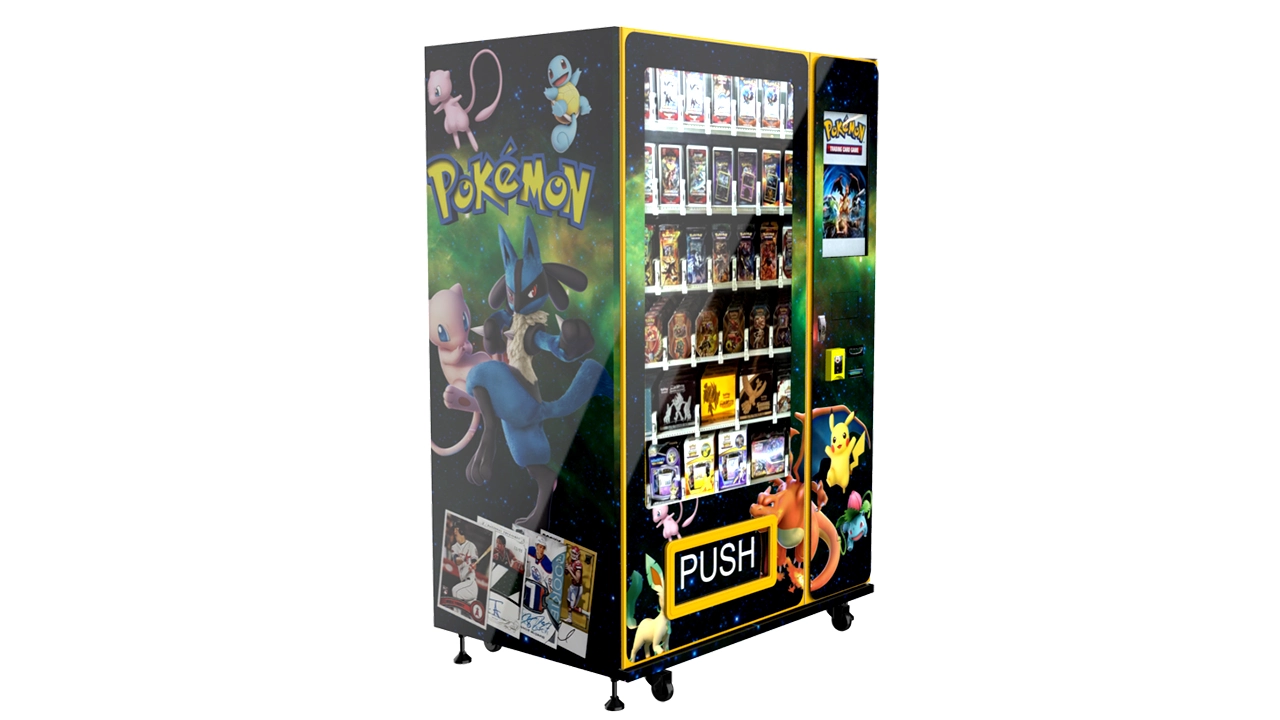
These figures are based on my operational data and public reports from the National Automatic Merchandising Association (NAMA). The actual numbers depend on location, product pricing, and seasonality. For example, a machine at a beach might do well in summer but slow down in winter. I always plan for seasonal fluctuations.
Operating Costs and Profit Margins
Initial Investment Breakdown
Beyond the machine itself, you’ll need to budget for installation, inventory, and permits. In my early days, I underestimated these costs. A typical setup for a single machine can range from $4,000 to $12,000, including the machine, first stock, and any location fees. I usually set aside 20% of the machine cost for unexpected expenses like electrical work or signage.
For example, if you’re buying a combo machine for $5,000, expect to spend another $1,000 on initial inventory and $500 on installation. That’s a total of $6,500 before you make your first sale. The good news is that once you’re set up, the ongoing costs are manageable. I’ve seen operators with a single machine generate $800–$1,200 in monthly revenue, with a gross margin of 30–50% after product costs.
Restocking and Maintenance
Restocking frequency depends on sales volume. For a busy office machine, I restock once a week. For slower spots, every two weeks is fine. The labor cost for restocking is about $15–$25 per hour in the US. I also factor in travel time. If a location is far from your base, the cost adds up. I try to cluster machines within a 10-mile radius to save on gas and time.
Maintenance is another hidden cost. A vending machine repair can cost $100–$300 per visit, depending on the issue. Common problems include card reader failures, refrigeration issues, and coin jams. I recommend buying machines with reliable components. For instance, I’ve had good experiences with manufacturers like Zhongda Smart, which offer robust machines with lower failure rates. Their self-service kiosks are designed for high-traffic environments and have modular parts that are easy to replace.
Profit Margin Realities
Let’s talk numbers. Based on my portfolio of 20 machines, the average net profit per machine per month is around $200–$600 after all costs are deducted. That’s after product cost, location commission (if any), restocking labor, and maintenance. The margin varies wildly. A machine in a prime location with low commission can net $800, while a marginal spot might only break even.
I always tell new operators to expect a 12–18 month payback period on a well-placed machine. According to a 2022 study by Statista, the average vending machine in the US generates about $500 in monthly sales, with a profit margin of 25–35% for food and beverage items. These numbers are realistic if you choose your location wisely. Don’t believe anyone who promises a 3-month payback—that’s rare and usually involves high-risk locations.
How to Choose a Vending Machine Supplier
Picking the right supplier is as important as picking the right location. I’ve bought machines from cheap online dealers and regretted it. The machine broke down within six months, and replacement parts were hard to find. Now, I focus on suppliers with good after-sales support and a track record in the industry.
When evaluating a manufacturer, I look for three things: build quality, warranty, and local service network. For example, Zhongda Smart offers a two-year warranty on their machines and has distributors in the US and Europe. Their machines are known for durability and support modern payment systems like NFC and credit cards. I’ve used their self-service kiosks in several locations, and they’ve been reliable.
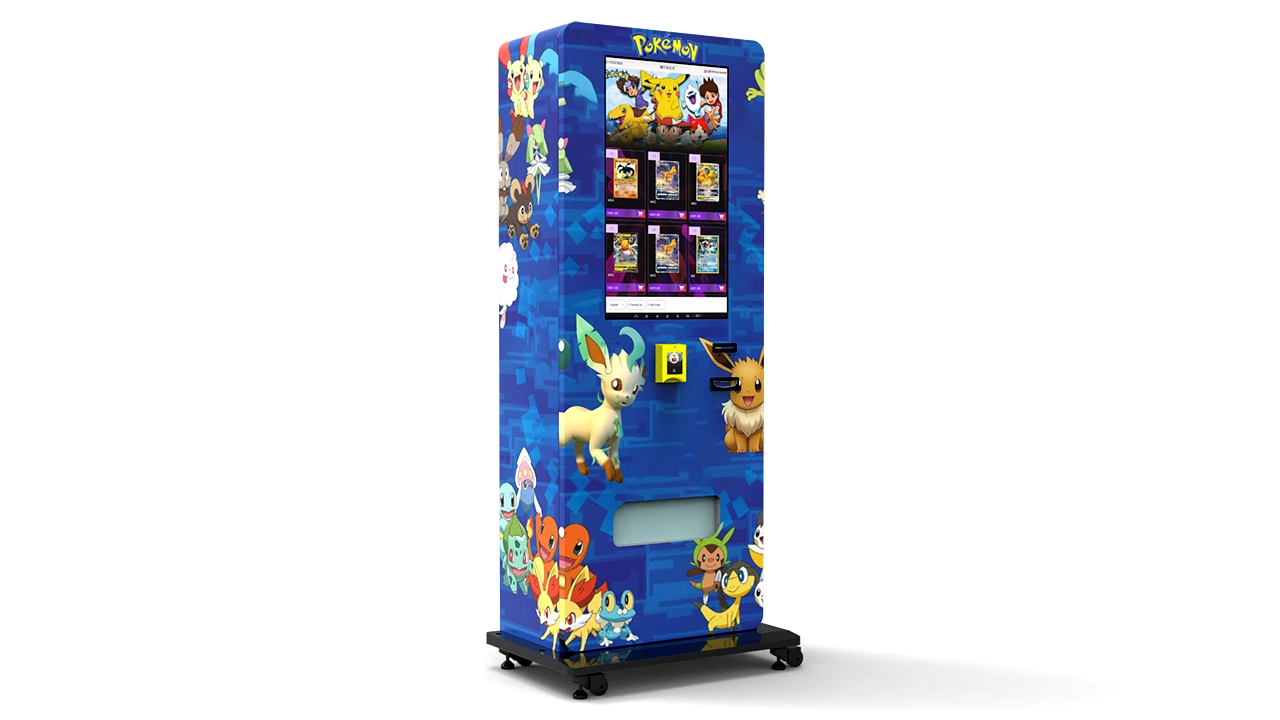
Another tip: ask for references from other operators. A reputable supplier will happily share success stories. Also, check if they offer customization. Some locations require specific branding or product configurations. I’ve worked with suppliers who provided custom graphics and shelf layouts, which helped the machine blend into the environment.
Common Mistakes New Operators Make
I’ve made plenty of mistakes, and I’ve seen others repeat them. Here are the most common ones to avoid:
- Ignoring the location agreement. Some property owners ask for a high commission (20–30%) or require you to pay for electricity. Always negotiate. I aim for 10–15% commission or a flat monthly fee.
- Buying the cheapest machine. A $2,000 machine might seem like a deal, but if it breaks down every month, the vending machine repair costs will eat your profit. Invest in quality.
- Overstocking or understocking. I once stocked a machine with too many items that didn’t sell. I ended up throwing away expired products. Start with a small variety and adjust based on sales data.
- Not monitoring sales data. Many new operators don’t track which products sell best. I use telemetry systems that send real-time data to my phone. This helps me optimize inventory and restock efficiently.
- Placing machines without testing. I always do a two-week trial period before signing a long-term agreement. If the sales are low, I move the machine to another location.
Best Locations for Vending Machines
Based on my experience, here are the top-performing location types:
- Office buildings: Employees need quick snacks and drinks. I’ve placed machines in break rooms and seen consistent sales. Aim for buildings with at least 100 employees.
- Hospitals: Visitors and staff are captive audiences. 24/7 access is a big plus. I’ve had machines in hospital lobbies that do $1,000+ per month.
- Schools and universities: Students are heavy users, but you need to comply with local food regulations. I’ve seen success with healthy vending options in college dorms.
- Transit hubs: Train stations, bus terminals, and airports have high foot traffic. However, rent can be high. I only consider these if the commission is low.
- Industrial sites and warehouses: Workers need energy drinks and meals. These locations often have lower competition. I’ve placed machines in factories that generate $800–$1,500 monthly.
One location I avoid: residential apartment buildings. Unless there’s a common area with high traffic, the sales are usually too low to justify the machine. I’ve tried it twice and failed both times.
How to Negotiate with Location Owners
Getting a good deal with the property owner is crucial. I always approach it as a partnership. I explain that my machine provides a convenience service to their visitors or employees, and I’ll handle all the maintenance and restocking. In return, I ask for a fair commission or a flat fee.
Here’s what I typically negotiate:
- Commission: 10–15% of gross sales, or a flat monthly fee of $50–$100.
- Electricity: I ask the owner to cover electricity costs, as it’s minimal (around $10–$20 per month).
- Exclusivity: I request that no other vending machines are placed in the same area. This prevents competition.
I also provide a simple contract that outlines the terms. Most owners appreciate the professionalism. If they’re hesitant, I offer a trial period of three months. If the machine doesn’t perform, I’ll remove it at no cost. This builds trust.
Using Data to Improve Performance
Once your machine is placed, the work isn’t over. I use sales data to make decisions. For example, if a product doesn’t sell for two weeks, I replace it. I also track the time of day when sales peak. This helps me schedule restocking efficiently.
Telemetry systems are a game-changer. They send alerts when a product is low or if there’s a malfunction. I’ve reduced my restocking costs by 20% since using them. The initial investment of $200–$500 for a telemetry kit pays for itself within months.
Another tip: adjust pricing based on location. In a high-income office area, I can charge 20% more for premium snacks. In a low-income area, I keep prices competitive. I use data from the U.S. Bureau of Labor Statistics to understand local income levels. This isn’t just guesswork—it’s smart business.
Legal and Regulatory Considerations
Vending machines are subject to local health and safety regulations. In the US, the Food and Drug Administration (FDA) regulates food vending machines. You need to ensure that perishable items are stored at the correct temperature. I always buy machines with reliable refrigeration and install thermometers.
In Europe, regulations vary by country. For example, in France, you need to register with the local chamber of commerce and comply with hygiene standards. I recommend checking with local authorities before placing a machine. Also, some locations require liability insurance. I pay about $300 per year for a policy that covers product liability.
Taxes are another factor. In the US, vending machine sales are subject to sales tax in most states. I keep detailed records of all transactions. According to the National Automatic Merchandising Association (NAMA), compliance with tax laws is a common challenge for new operators. I use accounting software to track sales and taxes.
FAQ: Vending Machine Location and Business
Is a vending machine business profitable?
Yes, but it depends on location and management. Based on my experience, a well-placed machine can generate $200–$600 in monthly profit. According to IBISWorld, the industry average profit margin is around 25–35%. However, you need to account for restocking, maintenance, and location fees.
How much does a vending machine cost?
A basic snack and drink combo machine costs between $3,000 and $6,000 new. Used machines can be found for $1,500–$3,000, but they may need repairs. High-end self-service kiosks can cost up to $15,000. I recommend investing in a quality machine to avoid frequent vending machine repair costs.
How long does it take to recoup the investment?
Typically 12–18 months for a well-placed machine. If you’re aggressive with pricing and have a low-cost location, it could be 8–10 months. But don’t expect quick returns. I’ve had machines that took two years to break even due to low traffic.
Should a beginner buy or lease a vending machine?
I recommend buying if you have the capital. Leasing often comes with high monthly payments and restrictions. However, leasing can be a good option if you want to test the business without a large upfront cost. Some suppliers, like Zhongda Smart, offer financing options that make buying easier.
Where should I place a vending machine for the best results?
Offices, hospitals, schools, and transit hubs are top performers. Look for locations with at least 200–300 daily passersby and a captive audience. Avoid residential areas unless there’s a high-traffic common area.
What permits do I need?
In the US, you need a business license and possibly a food vending permit. In Europe, requirements vary by country. For example, in France, you need to register with the local prefecture and comply with health regulations. Always check with local authorities.
How do I choose a vending machine supplier?
Look for a supplier with a good warranty, local service network, and positive reviews. I’ve had good experiences with Zhongda Smart because of their durable machines and responsive support. Ask for references and test the machine before buying.
What if my machine breaks down?
Most issues can be fixed by a technician. I recommend having a maintenance contract with a local service provider. For minor problems, you can learn basic repairs. But for complex issues like refrigeration failure, call a professional. The cost of vending machine repair can range from $100 to $300 per visit.
How can I reduce restocking costs?
Use telemetry systems to monitor inventory in real-time. This reduces the number of trips you need to make. Also, cluster machines in the same area to save on travel time. I’ve cut my restocking costs by 20% using these methods.
Final Thoughts on Vending Machine Location
Finding the right location for a vending machine is a skill that improves with experience. I’ve learned that patience and data are your best tools. Don’t rush into a location just because the rent is low or the owner is friendly. Spend time observing the foot traffic, understanding the audience, and negotiating a fair deal. The upfront work pays off in the long run.
Remember, a vending machine is a small business. Treat it like one. Track your sales, maintain your equipment, and be willing to move machines that underperform. The industry is competitive, but with the right approach, you can build a profitable operation. If you’re just starting, consider buying a reliable machine from a reputable supplier like Zhongda Smart. Their self-service kiosks have served me well in multiple locations.
Finally, always keep learning. Join industry forums, talk to other operators, and stay updated on trends. The vending machine business has evolved with cashless payments and healthier product options. Adapt to the changes, and you’ll find success. Good luck.
Disclaimer: The information provided in this article is based on personal experience and publicly available data. Results vary by location, market conditions, and operational efficiency. Always consult with local authorities for legal requirements and conduct thorough research before investing.
Sources:
- IBISWorld - Vending Machine Industry in the US (2023 Report) - ibisworld.com
- Statista - Average Vending Machine Revenue (2022) - statista.com
- National Automatic Merchandising Association (NAMA) - Industry Data - namanow.org