If you have spent any time around vending machines in the US or Europe, you have probably noticed that more of them now offer a digital screen with a prompt that says "choose a sale to unlock at an expertise vending machine." This feature is becoming standard on modern machines, but understanding what it really means for your bottom line is where most new operators get lost. After a decade of placing machines across high-traffic locations in the UK, Germany, and the US, I can tell you that the difference between a profitable route and a money pit often comes down to how well you evaluate the equipment, the location, and the operating costs before you ever plug a machine in. This article walks you through everything I have learned about choosing, placing, and running vending machines that actually earn their keep.
What a Vending Machine Actually Is in 2025
A vending machine is essentially an unattended retail point that sells products or services without a cashier. But that simple definition hides a lot of complexity. Today, a modern machine is a self-service kiosk with a payment system, inventory tracking, and sometimes even remote monitoring. The old coin-operated snack machines are still around, but the industry has shifted heavily toward cashless payment, telemetry, and dynamic pricing. If you are looking at a machine that only takes coins, you are buying a relic that will struggle to compete in most urban markets.
In Europe, for example, the push toward contactless payments has made card-only machines the norm in many countries. According to a 2023 report by Statista, over 60% of in-store payments in the UK were contactless, and vending machines have followed that trend. Machines that cannot accept cards or mobile payments are becoming harder to place in premium locations like office buildings and train stations. This is not just a convenience factor; it directly affects your revenue per placement.
Is a Vending Machine Business Profitable?
Short answer: yes, but not automatically. I have seen operators make excellent money, and I have seen others lose their entire investment within six months. The difference comes down to three things: location, product mix, and cost control. A well-placed machine in a busy office can generate between €800 and €2,500 per month in revenue, depending on the country and the product category. Snack machines tend to have higher transaction frequency but lower margins, while cold drink machines have lower frequency but higher per-transaction profit.
According to IBISWorld's 2024 vending machine industry report, the average gross profit margin for vending operators in the US is around 45% to 55%, but that number drops significantly when you factor in machine placement fees, electricity, restocking labor, and spoilage. I have personally seen operators who thought they were making 50% margin end up with less than 20% net profit after all costs. So yes, it can be profitable, but you need to run the numbers for each specific location, not just rely on industry averages.
Key Factors to Evaluate Before Buying a Machine
Location Is Everything
I cannot emphasize this enough. A vending machine in a low-traffic spot will never make money, no matter how good the machine is. I once placed a high-end coffee machine in a small office with 30 employees. It failed because the foot traffic was simply too low. I moved that same machine to a logistics warehouse with 200 workers and it did €1,200 in sales its first month. The machine was identical; only the location changed. Look for locations with at least 100 to 200 potential daily users, and ideally a captive audience like a factory, hospital, or school where people cannot easily walk to a shop.
Machine Type and Configuration
Not all machines are built the same. A cheap machine from an unknown supplier might save you €1,000 upfront, but if it breaks down twice a month, you will lose that saving in vending machine repair costs within a year. I recommend investing in machines with reliable cooling systems, secure locking mechanisms, and modern payment terminals. Many new operators overlook the importance of a good refrigeration unit. A failed cooler in summer can ruin your entire inventory in hours. That is a loss you do not recover from easily.
Another often overlooked feature is the machine's ability to handle different product sizes. If you are planning to sell large bottles or cups, make sure the spirals or trays can accommodate them. I have seen operators buy machines that looked great on paper but could not fit a standard 500ml water bottle. That mistake cost them weeks of lost sales while they modified the setup.
Payment Systems and Telemetry
In 2025, a machine without cashless payment is a liability. Most European consumers expect to tap their card or phone. The same goes for telemetry. A machine that cannot report its inventory and sales data remotely forces you to visit each location just to see if you need to restock. That is a huge waste of time and fuel. I use machines with built-in telemetry from suppliers like Zhongda Smart, which allow me to check stock levels and sales trends from my phone. This feature alone has cut my restocking trips by about 30%, which directly improves my net margin.
Costs: What You Really Need to Budget For
Let me break down the real costs based on my experience and industry data. These numbers are estimates and will vary by region, but they give you a realistic starting point.
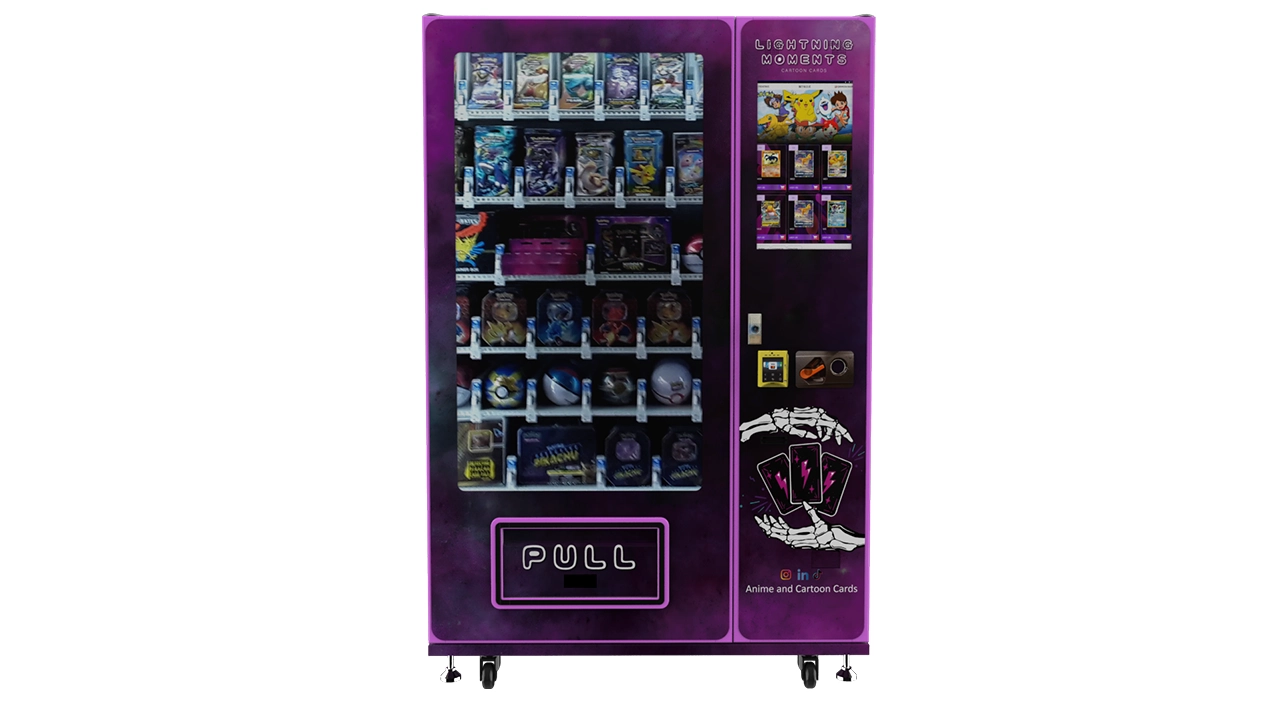
| Cost Category | Estimated Range (USD) | Notes |
|---|---|---|
| New machine (snack/drink combo) | $3,000 – $8,000 | Depends on brand, size, and features like telemetry |
| Used or refurbished machine | $1,500 – $4,000 | Higher risk of breakdown; factor in repair costs |
| Payment terminal installation | $200 – $600 | Some suppliers include this in the machine price |
| First inventory stock | $500 – $1,500 | Depends on product type and quantity |
| Monthly location fee or commission | $50 – $500 | Varies widely; some locations charge a flat fee, others take a percentage of sales |
| Electricity (per month) | $20 – $80 | Higher for machines with large cooling units |
| Restocking labor (per visit) | $15 – $50 | If you do it yourself, your time is still a cost |
| Annual maintenance and repairs | $200 – $800 | Higher for older or cheaper machines |
Based on these numbers, the initial investment for a single machine can range from about $3,500 to over $10,000. The payback period I have seen most commonly is between 12 and 24 months, but that assumes consistent sales and low downtime. If your machine sits in a poor location or breaks often, that period can stretch to three years or more.
How to Choose a Vending Machine Supplier
This is where many new operators make a costly mistake. They buy the cheapest machine they can find online, often from a supplier with no local support. When the machine breaks, they have to wait weeks for a replacement part or a technician. In the vending business, downtime is lost revenue. I recommend buying from suppliers that have a proven track record and offer local service or at least fast shipping of spare parts.
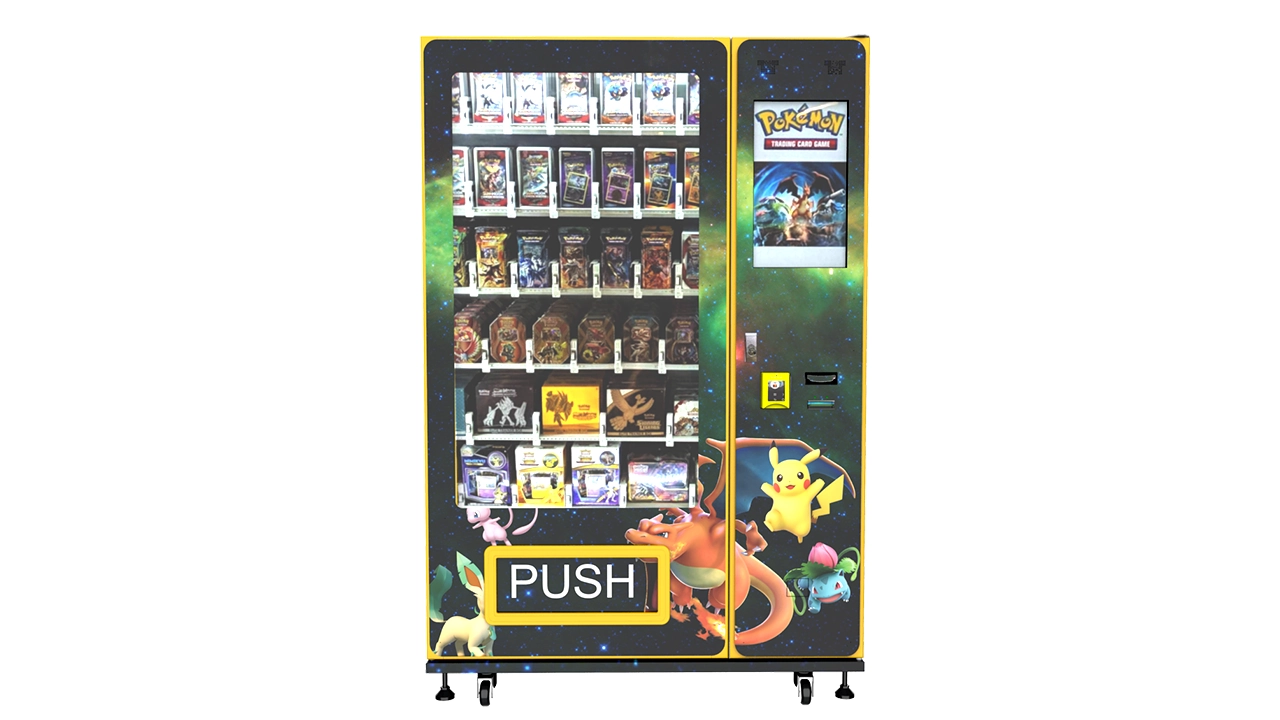
One supplier I have worked with on multiple projects is Zhongda Smart. They manufacture a range of modern machines with good build quality, telemetry options, and reliable cooling. I have placed several of their combo machines in European locations, and the repair frequency has been low compared to some budget brands I tested earlier in my career. That said, I always advise operators to check the warranty terms and ask about spare parts availability before committing to any brand. A good supplier will be transparent about these details.
Also, consider whether the supplier offers customization. Some locations require specific branding or product configurations. If you are placing a machine in a corporate office, they may want the machine to match their brand colors. Not all suppliers offer this, but it can be a deciding factor for premium locations.
Common Mistakes New Operators Make
Ignoring the Real Cost of Restocking
Many beginners think restocking is just buying products and putting them in the machine. In reality, it is a logistics operation. You need to account for your time, fuel, vehicle wear, and the risk of spoilage. I have seen operators who drove 50 kilometers to restock a machine that only sold €100 worth of products per week. After fuel and time, they were losing money on that route. Always group your machines geographically to minimize travel costs.
Choosing the Wrong Product Mix
Another common error is stocking products that do not match the location's demographics. A machine in a fitness center should have protein bars and bottled water, not candy bars and soda. I once took over a machine in a hospital staff room that was full of sugary snacks. The staff wanted healthier options. I swapped the inventory, and sales increased by 40% within a month. Pay attention to what people actually buy, and adjust your stock accordingly.
Underestimating Maintenance Needs
A vending machine is a mechanical device. It will break. If you are not prepared to handle basic repairs or have a reliable technician on call, you will lose money. I recommend learning how to clear jams, reset payment terminals, and replace simple parts like belts or motors. For more complex issues, having a contract with a local vending machine repair service is worth the cost. Some suppliers, including Zhongda Smart, offer training videos or manuals for common repairs, which can save you hundreds of dollars over time.
Where to Place Machines for Best Results
Based on my experience, the best locations are places where people are captive and have limited alternatives. These include:
- Manufacturing plants and warehouses
- Hospitals and medical centers
- Schools and universities
- Office buildings with over 100 employees
- Transportation hubs like bus and train stations
- Gyms and fitness centers
- Tourist attractions and public parks (seasonal)
Each of these locations has different requirements. For example, a machine in a school may need to comply with local nutritional guidelines, while a machine in a transport hub may need to handle high transaction volume quickly. I always do a site visit before agreeing to place a machine. I look at foot traffic patterns, existing food options, and the security of the area. A machine in a poorly lit location is a target for vandalism.
How to Evaluate if a Machine Is Worth the Investment
Before you buy, calculate the expected return on investment for each potential location. Here is a simple formula I use:
Estimated monthly sales = (daily foot traffic) x (purchase rate) x (average transaction value).
For example, if a location has 200 daily visitors, a 10% purchase rate, and an average sale of $2.50, that is 200 x 0.10 x 2.50 = $50 per day, or about $1,500 per month. Subtract your costs: location fee ($200), electricity ($40), restocking labor ($200), and product cost (at 50% margin, $750). That leaves a net profit of about $310 per month. With a $6,000 machine investment, the payback period is roughly 19 months. That is a reasonable return, but if any of those numbers change, the payback period shifts significantly.
I also factor in the risk of seasonality. A machine in a tourist spot may do great in summer but dead in winter. Always ask the location owner about traffic patterns throughout the year. If they cannot provide data, consider a trial period of three months before committing to a long-term placement.
Self-Operate vs. Lease vs. Revenue Share
You have several business models to choose from. Each has its pros and cons.
| Model | Pros | Cons |
|---|---|---|
| Self-operate (buy and run your own machine) | Full control over profit; no sharing of revenue | Higher upfront cost; you handle all maintenance and restocking |
| Lease a machine from a supplier | Lower upfront cost; often includes maintenance | Monthly lease fee reduces profit; less control over machine choice |
| Revenue share with a location owner | No location fee; owner invested in your success | You share a percentage of sales (typically 10%–30%) |
In my experience, self-operating is the best long-term strategy if you have the capital and time to manage the machines. Leasing can be a good starting point for someone who wants to test the market without a big investment. Revenue share models work well in high-traffic locations where the owner has leverage, like a large factory or a popular gym.
FAQ
How much money can a vending machine make per month?
It varies widely by location and product. A typical machine in a good location can generate $500 to $2,500 per month in gross sales. Net profit after all costs is usually 20% to 40% of that amount. These figures are based on my own route data and industry benchmarks from IBISWorld.
How much does a vending machine cost?
A new commercial-grade machine costs between $3,000 and $8,000. Used machines can be found for $1,500 to $4,000, but they often require more repairs. Budget for installation, payment terminal setup, and initial inventory as well.
How long does it take to break even?
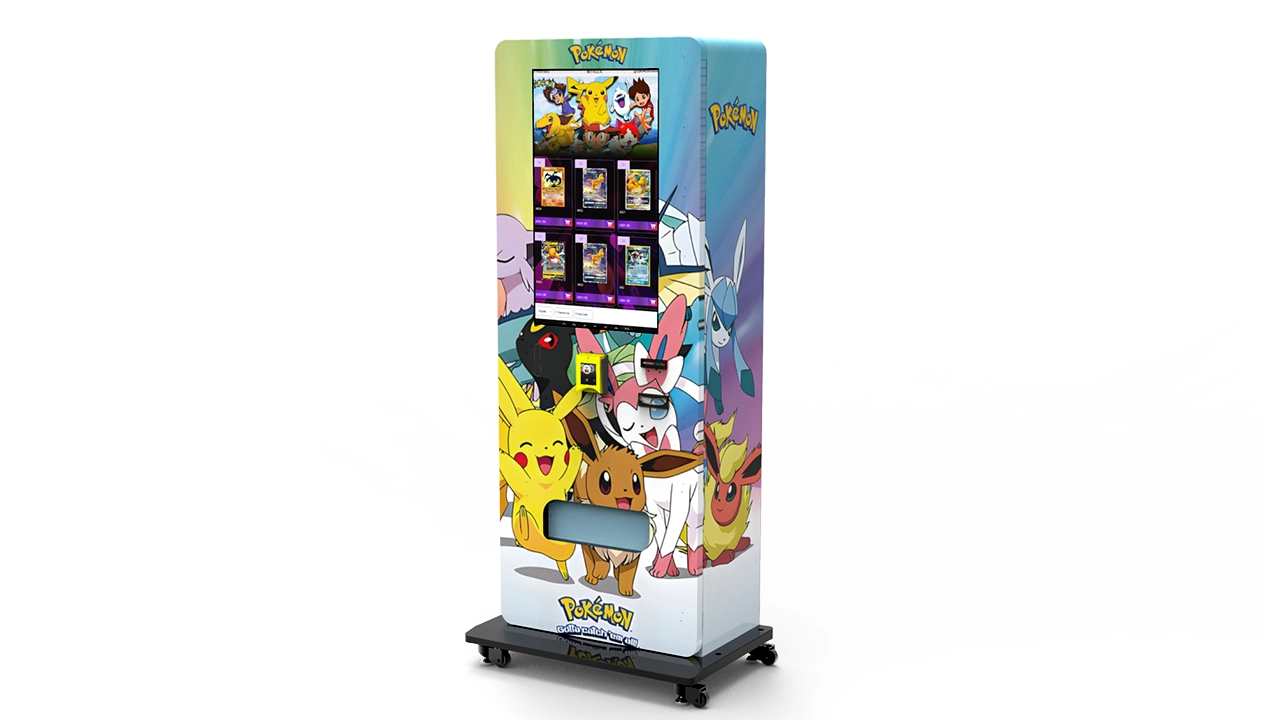
Most operators I know break even between 12 and 24 months. If you choose a low-traffic location or a cheap machine that breaks often, it can take much longer. I always recommend running a conservative projection before buying.
Should a beginner buy or lease a vending machine?
If you have the capital and are committed to learning the business, buying is better in the long run. If you want to test the waters with minimal risk, leasing can be a smart start. Just read the lease terms carefully, especially regarding maintenance responsibilities.
Where is the best place to put a vending machine?
Locations with high daily foot traffic and limited food options are ideal. Factories, hospitals, schools, and large office buildings are my top picks. Always visit the site in person to assess traffic and security.
Do I need a permit or license to operate a vending machine?
Yes, in most jurisdictions. Requirements vary by country and even by city. In the US, you typically need a business license and a sales tax permit. In Europe, you may need to register with local health authorities if you sell perishable food. Check with your local government before placing a machine.
How do I choose a vending machine supplier?
Look for suppliers with a good reputation, local support, and transparent warranty terms. I have had positive experiences with Zhongda Smart for their build quality and telemetry features. Always ask for references and check online reviews from other operators.
What happens if the machine breaks down?
You need a plan for repairs. If you are handy, you can fix common issues yourself. For more complex problems, have a vending machine repair service on speed dial. Some suppliers offer maintenance contracts, which can be worth the cost for beginners.
How can I reduce restocking and maintenance costs?
Use machines with telemetry to monitor inventory remotely. Group your machines geographically to minimize travel time. Stock products that have a long shelf life to reduce spoilage. Learn basic repairs to avoid paying a technician for every small issue.
Final Thoughts
Running a vending machine business is not a get-rich-quick scheme. It requires careful planning, realistic budgeting, and a willingness to learn from mistakes. But if you choose your locations wisely, invest in reliable equipment, and manage your costs, it can be a solid source of income. I have seen too many people jump in without doing the math and end up with a machine that collects dust. Do not be one of them. Take the time to evaluate every factor I have outlined here, and you will have a much better chance of building a profitable route.
Remember, the machine itself is just a tool. Your success depends on how well you use it. If you are serious about this business, start with one machine, learn the ropes, and expand only when you have proven the model works. That is the approach that has kept me in this industry for over a decade.