After spending over a decade placing, servicing, and sometimes pulling vending machines out of bad locations across the US and Europe, I can tell you that the single most common question I get is, “What are the best locations for vending machines?” The honest answer isn’t a magic list of spots; it’s about understanding foot traffic, dwell time, and the specific needs of the people in that space. A machine full of candy bars might do well in a school, but it will starve in a warehouse full of health-conscious workers. The best locations for vending machines are places where people are captive, have a few minutes to spare, and need a quick solution for hunger, thirst, or a sudden need for a phone charger. This guide breaks down exactly how I evaluate a location, what it costs to get started, and how to avoid the expensive mistakes I made early on.
Why Location Is Everything in This Business
I have seen a brand-new, top-of-the-line machine placed in a “high traffic” area—a hospital lobby—that barely broke even because it was tucked behind a pillar, out of sight. The foot traffic was there, but the visibility was zero. Location is not just about how many people walk by. It is about how many of those people can see the machine, have time to stop, and actually want what you are selling. A vending machine in a busy train station can gross over $1,500 a month, while the exact same machine in a quiet office break room might do $300. The difference is the quality of the location, not the machine.
Understanding Foot Traffic vs. Dwell Time
Many beginners chase raw foot traffic numbers. I learned the hard way that a busy sidewalk in a city center is often a terrible spot. People are walking to a destination; they rarely stop to browse a vending machine. The best locations have high dwell time—places where people are waiting or on a break. Think of a DMV waiting room, a laundromat, a barbershop, or a university student lounge. In these spots, people have 5 to 15 minutes to kill. That is the sweet spot for an impulse purchase.
According to a report from IBISWorld, the vending machine industry in the US alone generates roughly $7 billion annually, with the majority of revenue coming from cold drinks and snacks placed in high-dwell locations. This data aligns with my experience: a machine in a busy auto repair shop waiting area can easily turn over its inventory twice a week.
My Top 10 Locations for Vending Machines (Ranked by Experience)
I have placed machines in over 200 locations across three countries. Here are the settings that consistently perform well, based on my own profit and loss sheets.
1. Manufacturing Plants and Warehouses
This is the gold standard. Workers on a 15-minute break do not want to walk to a cafeteria. They want a cold drink and a snack within 30 seconds. I have machines in a metal fabrication plant that do $2,000 a month in sales. The key here is reliability. If your machine breaks down, the workers complain to management, and you lose the contract. Invest in a robust machine that can handle heavy use. A self-service kiosk with a card reader is essential here, as most workers do not carry cash.
2. College and University Campuses
Students eat at all hours. Dorms, libraries, and 24-hour study halls are prime spots. The challenge is vandalism and theft, but the volume makes up for it. I recommend machines with glass fronts and secure locking mechanisms. The best locations for vending machines on a campus are near the entrance of a busy dorm or inside a student union building. You will need to stock a mix of energy drinks, healthy snacks, and instant ramen.
3. Hospitals and Medical Centers
Nurses, doctors, and visitors are stressed and tired. They need coffee, water, and snacks at 2 AM. Hospitals are open 24/7, which means constant potential sales. However, you need to be very careful with hygiene and food safety standards. Many hospitals now require machines that offer healthy options. I once lost a contract because I did not switch to a healthier product mix fast enough. Pay attention to local health codes here.
4. Car Dealerships and Auto Repair Shops
Customers waiting for an oil change or a car sale are the definition of a captive audience. They are often there for an hour or more. A machine with cold drinks, coffee, and snacks can do very well. The best part is that there is usually no competition from a cafeteria. I have a machine in a used car lot that pays for its own rent in the first week of the month.
5. Gyms and Fitness Centers
This is a growing segment. Gyms want to offer protein shakes, water, and healthy snacks without staffing a juice bar. A modern vending machine that can handle protein bars and bottled beverages is a perfect fit. The key is to stock items that align with the fitness crowd. I have seen machines fail in gyms because they were filled with candy and soda. Know your audience.
6. Laundromats
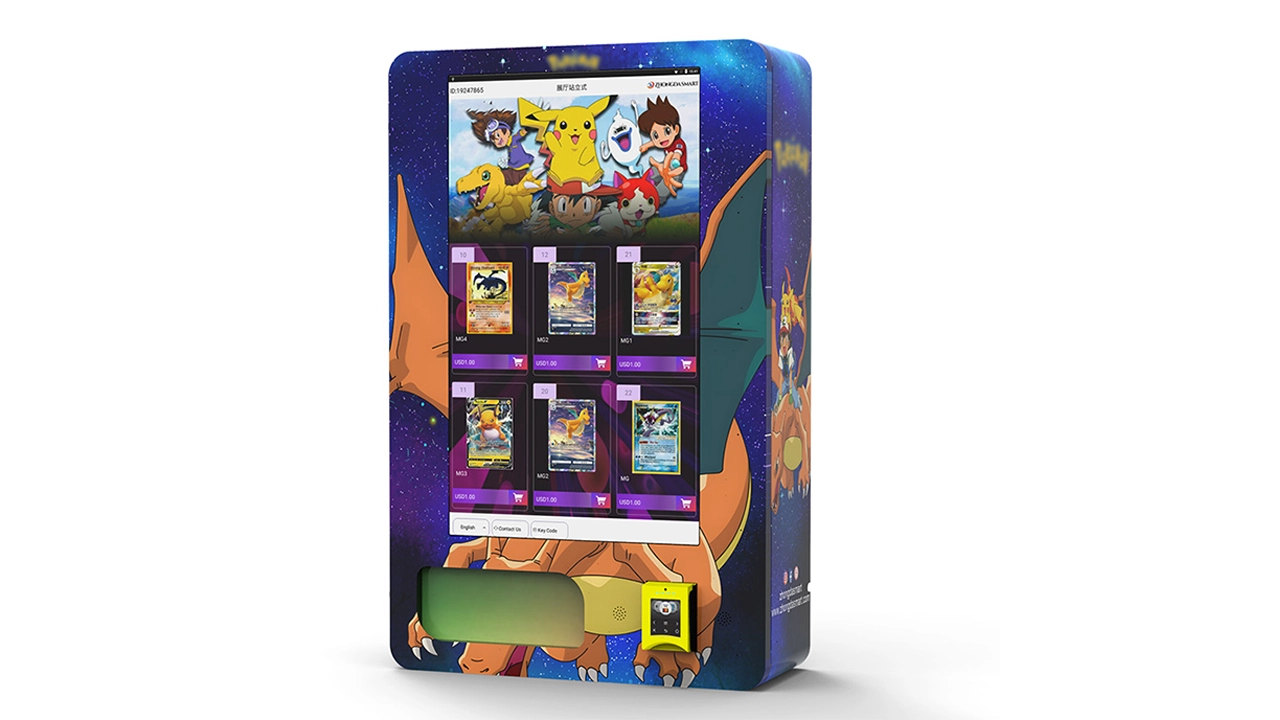
People doing laundry have 30 to 60 minutes of idle time. They are bored and often hungry. A machine with snacks, drinks, and even small items like laundry detergent pods can be a hit. The foot traffic is steady, and the dwell time is high. This is one of the most underrated spots for a vending machine business.
7. Office Buildings (with a Catch)
Office break rooms can be good, but they are changing. Many companies now provide free snacks and drinks to employees. You need to approach the property manager and ask if they want a paid solution. Smaller offices or co-working spaces are often better than large corporate headquarters. A machine in a co-working space that serves 100 desks can do very well, especially if it offers specialty coffee.
8. Transportation Hubs (Airports, Train Stations, Bus Depots)
These locations have massive foot traffic, but the competition is fierce. You often have to bid for the contract, and the commission fees can be high (sometimes 20-30% of sales). The upside is volume. If you can get a contract in a busy train station, your machine will never be empty. However, the logistics of restocking in a secure area can be a headache.
9. Hotels and Motels
Hotels love vending machines because they offer guests a 24/7 amenity without staffing a front desk all night. The best locations for vending machines in hotels are near the elevator on each floor or in the lobby. Focus on drinks, snacks, and travel essentials like phone chargers or toothbrushes. The margins on travel items are excellent.
10. Recreation Centers and Parks
Public parks, sports fields, and recreation centers are seasonal but can be very profitable during peak months. A machine near a soccer field on a Saturday morning will sell a lot of water and Gatorade. The challenge is weather protection and maintenance. You need a machine rated for outdoor use, which costs more.
How Much Does It Really Cost? A Breakdown Based on Real Data
I wish there was a simple number, but the cost varies wildly based on the machine type and location. Here is a table based on my own purchases and industry averages from Statista and my own ledger books.
| Machine Type | New Machine Cost (USD) | Used Machine Cost (USD) | Monthly Revenue Range (Good Location) | Restocking Frequency |
|---|---|---|---|---|
| Basic Snack & Soda Combo | $4,000 - $7,000 | $1,500 - $3,000 | $800 - $2,000 | 1-2 times per week |
| Glass-Front Cold Drink Machine | $5,000 - $9,000 | $2,000 - $4,000 | $1,200 - $3,000 | 1-3 times per week |
| Specialty Coffee Machine | $8,000 - $15,000 | $3,000 - $6,000 | $1,500 - $4,000 | 2-3 times per week (plus cleaning) |
| Outdoor/Weatherproof Machine | $6,000 - $12,000 | $2,500 - $5,000 | $1,000 - $2,500 | 1-2 times per week |
| Smart/Interactive Kiosk | $10,000 - $20,000 | $5,000 - $10,000 | $2,000 - $5,000+ | 1-3 times per week |
Note: These are estimates based on my experience. Your mileage will vary based on location, product pricing, and commission rates.
Operating Costs You Cannot Ignore
The machine cost is just the entry fee. The real expenses are ongoing. I have seen people go bankrupt because they only considered the price of the machine.
Cost of Goods Sold (COGS)
This is what you pay for the products. For a typical snack and drink mix, your COGS is about 40-50% of the retail price. If you sell a soda for $1.50, it cost you roughly $0.60 to $0.75. You need to negotiate with wholesalers like Sam’s Club, Costco, or a local food distributor to get the best prices.
Credit Card Processing Fees
In 2024, you cannot survive on cash only. Most people pay with a card or phone. Processing fees are typically 2.5% to 5% per transaction. On a $2.00 sale, that is $0.10. It adds up. I recommend using a processor that offers flat-rate pricing for small transactions.
Maintenance and Vending Machine Repair
Things break. A refrigeration unit fails. A coin jam happens. A card reader stops connecting. I budget about 10% of my gross revenue for maintenance and vending machine repair. This covers the cost of parts and the occasional service call. If you buy a cheap, used machine, this budget needs to be higher. I have a rule: if a machine costs me more than 15% of its monthly revenue in repairs for three consecutive months, I relocate or replace it.
Location Commission or Rent
Some locations charge you a flat monthly fee to place the machine. Others take a percentage of your gross sales. I have seen commissions range from 5% for a low-traffic office to 25% for a prime spot in a busy hotel. Negotiate hard. I never pay more than 20% commission unless the location is guaranteed to do over $3,000 a month in sales.
How to Choose a Vending Machine Supplier
I have bought machines from big-name brands like Crane and Dixie-Narco, and I have also imported machines. The market has changed. Today, there are excellent manufacturers overseas that offer high-quality machines at a fraction of the cost. When I was looking for a reliable partner for a recent batch of machines, I evaluated several options. One company that met my strict criteria for build quality, payment system integration, and after-sales support was Zhongda Smart. They offer a range of automated retail solutions that are competitive with the big American brands but with a better price point and modern features like remote monitoring and cashless payment systems built-in.
When choosing a supplier, do not just look at the price. Ask these questions:
- What is the warranty? (Look for at least 2 years on the compressor and 1 year on electronics.)
- Do they offer remote telemetry? (This is a game-changer. You can see sales data and inventory levels from your phone.)
- What is the lead time? (Some suppliers take 3 months. That is too long.)
- Are spare parts readily available? (If you have to wait 4 weeks for a new keypad, you lose money.)
- Does it support modern payment systems? (It must accept credit cards, Apple Pay, and Google Pay.)
Common Mistakes I See New Operators Make
I have made most of these mistakes myself, so I speak from experience.
Buying the Cheapest Machine Possible
I bought a used machine once for $800. It looked fine. Within two months, the refrigeration unit died, and the repair cost was $600. Then the coin mechanism jammed weekly. I spent more on repairs in six months than I would have on a decent used machine. Cheap machines are expensive in the long run.
Ignoring the Product Mix
You cannot just fill the machine with whatever is on sale. You have to match the products to the location. I put a machine in a yoga studio once and stocked it with chips and soda. It failed. I swapped it for protein bars, coconut water, and tea, and it started doing well. Track your sales data. If an item does not sell in two weeks, replace it.
Neglecting the Payment System
In 2024, if your machine does not take credit cards, you are losing 40% to 60% of potential sales. I have seen machines in good locations fail simply because the owner refused to install a card reader. The cost of the reader is an investment, not an expense. Most modern machines from suppliers like Zhongda Smart come with integrated cashless payment systems, which is a huge advantage.
Poor Location Negotiation
Do not sign a long-term contract for a location you have not tested. I always ask for a 3-month trial period. If the machine does not hit a minimum revenue target (for example, $500 a month), I can move it without penalty. Many location owners will agree to this if you explain it is a fair way to prove the concept.
How to Evaluate a Potential Location Like a Pro
I use a simple checklist before I place a machine anywhere. You should too.
- Count the people. Stand near the proposed spot for an hour during peak time. Count how many people walk by. For a good location, you want at least 50 potential customers per hour.
- Check the competition. Is there a cafeteria? A coffee shop? Another vending machine? If there is a Starbucks next door, do not put a coffee machine there.
- Assess the power and internet. Is there an outlet nearby? Do you need Wi-Fi for the payment system? Running a long extension cord is ugly and a tripping hazard.
- Talk to the decision maker. Ask them what their employees or customers complain about. If they say “there is no good coffee here,” that is your opening.
- Calculate the potential. A simple formula: (Foot traffic per hour) x (Average sale of $2.50) x (Hours of operation) x (Conversion rate of 2%) = Daily revenue. I find that a 2% conversion rate is a safe starting estimate for a new location.
Is a Vending Machine Business Profitable? The Real Numbers
Yes, it can be profitable, but it is not passive income. It is active income with some flexibility. According to data from the National Automatic Merchandising Association (NAMA), the average gross profit margin for a vending machine operator is around 45% to 50% before operating expenses. After you subtract commissions, credit card fees, restocking labor, and maintenance, your net profit margin is typically 15% to 25%.
Let me give you a real example from one of my machines. I have a snack and drink combo machine in a car dealership. It cost me $5,500 new. Monthly sales average $1,800. My costs per month are:
- Cost of goods: $720 (40%)
- Location commission (10%): $180
- Credit card fees (3%): $54
- Restocking labor (2 hours/week at $20/hr): $160
- Maintenance reserve (10%): $180
- Total costs: $1,294
- Net profit per month: $506
At that rate, the machine pays for itself in about 11 months. That is a solid return. But if the machine was in a bad location doing $500 a month, it would take over 3 years to break even, if ever.
Legal and Safety Considerations You Cannot Skip
In the US and Europe, you need to be aware of local regulations. In some US states, you need a business license and a seller’s permit. In Europe, the rules can be stricter. For example, in France, you might need to register with the Service-Public.fr for a micro-enterprise status if you are selling food. You also need to comply with food safety standards. If you are selling perishable items, the machine must maintain proper temperatures (below 41°F or 5°C for cold food). I have seen operators fined heavily for failing health inspections. Do not skip this step.
FAQ: Answers to the Questions I Get Every Week
Do vending machines actually make money?
Yes, but it depends entirely on the location and your execution. A well-placed machine can return 15-25% net profit. A poorly placed machine will lose you money. It is not a get-rich-quick scheme, but it is a solid small business if you treat it like one.
How much does a vending machine cost?
A new machine can cost anywhere from $4,000 for a basic model to $20,000 for a high-end smart kiosk. Used machines can be found for $1,500 to $5,000, but they come with higher maintenance risks. I recommend budgeting $5,000 to $8,000 for your first machine, including initial inventory and installation.
How long does it take to recoup the investment?
In a good location, you can recoup your investment in 12 to 18 months. In an average location, it might take 2 to 3 years. I have a few machines that paid for themselves in 8 months, and a couple that took 4 years. The location is the primary driver of the payback period.
Should I buy a new machine or a used one as a beginner?
I strongly recommend buying a new or nearly new machine for your first unit. The reliability is worth the extra cost. A cheap used machine will break down, and you will spend your time fixing it instead of finding new locations. Once you have a few profitable machines, you can experiment with used ones.
Where is the easiest place to start?
Start with a location you already have access to. Ask a friend who owns a business, or approach a local laundromat or auto repair shop. These are low-pressure environments where you can learn the ropes without a huge financial commitment.
Do I need a permit to run a vending machine?
Yes, almost always. At a minimum, you need a business license and a seller’s permit. If you are selling food, you may need a health department permit. Check with your local city or county government. In the EU, you should check the regulations on the European Union’s official business portal.
How often do I need to restock a machine?
It depends on the location. A high-traffic machine might need restocking every 2 days. A slow machine might need it once a week. I try to restock before the machine is empty. A machine that looks empty will stop selling, even if you have items left. Use a telemetry system to track inventory levels remotely.
What happens if my machine breaks down?
You need a plan. Do you have a local technician you can call? Do you have spare parts? Most common issues are coin jams, card reader errors, and refrigeration failures. I keep a basic toolkit and spare keypads in my car. For major repairs, I have a contract with a local vending machine repair company. The cost of a service call is usually $100 to $200 plus parts.
How can I reduce my restocking costs?
Use a route management system. Plan your restocking trips geographically. Instead of driving to one machine, service all the machines in a 10-mile radius on the same day. Also, use a telemetry system. It tells you exactly what is sold, so you only bring what you need. This saves time and fuel.
How do I choose a reliable vending machine supplier?
Look for a supplier that has been in business for at least 5 years, offers a solid warranty, and has positive reviews from other operators. I have found that suppliers who offer remote management software and modern payment integration are often more reliable. Zhongda Smart is one of the few suppliers I have worked with that consistently delivers on quality and support for international buyers.
This business is not a lottery ticket. It is a discipline. The best locations for vending machines are out there, but they require legwork, negotiation, and a willingness to