If you are evaluating automated retail options for a commercial location in Europe or North America, you have likely come across two distinct solutions: smart lockers and vending machines. While both operate without a cashier, they serve fundamentally different purposes. Smart lockers are designed for secure order pickup and returns, typically used for pre-paid goods or unattended delivery. Vending machines, on the other hand, are point-of-sale devices that handle transactions on the spot, dispensing products like snacks, drinks, or electronics immediately. I have spent over a decade deploying and managing thousands of vending machines across European markets, and the most common mistake I see is treating these two systems as interchangeable. They are not. Understanding the difference between smart lockers vs vending machines is critical before you invest a single euro or dollar. This guide will walk you through the operational realities, cost structures, and decision-making factors based on real field experience.
The Core Functional Difference
At the most basic level, a vending machine is a self-service retail terminal that accepts payment and dispenses a product immediately. A smart locker is a secure storage unit that releases a pre-loaded item to an authorized user, usually after an online transaction has already been completed. The vending machine replaces the cashier. The smart locker replaces the delivery person or the front desk clerk.
I once helped a logistics company in Germany replace a failed pilot program that used smart lockers for snack sales. It failed because customers wanted to pay with cash or card at the point of selection, not via an app beforehand. Conversely, I have seen vending machines fail in a university setting where students needed to pick up pre-ordered textbooks that would not fit in a standard spiral. The machine could not handle the size or the pre-payment workflow. Matching the technology to the transaction type is the first rule.
Where Each Solution Fits Best
Vending Machine Sweet Spots
Vending machines thrive in high-foot-traffic locations where impulse purchases are common. Think of office break rooms, factory floors, hospital waiting areas, transit stations, and school corridors. The key metric here is dwell time versus transaction speed. A good vending machine location sees at least 300 to 500 people passing by per day, with a conversion rate of 2% to 5% depending on the product category.
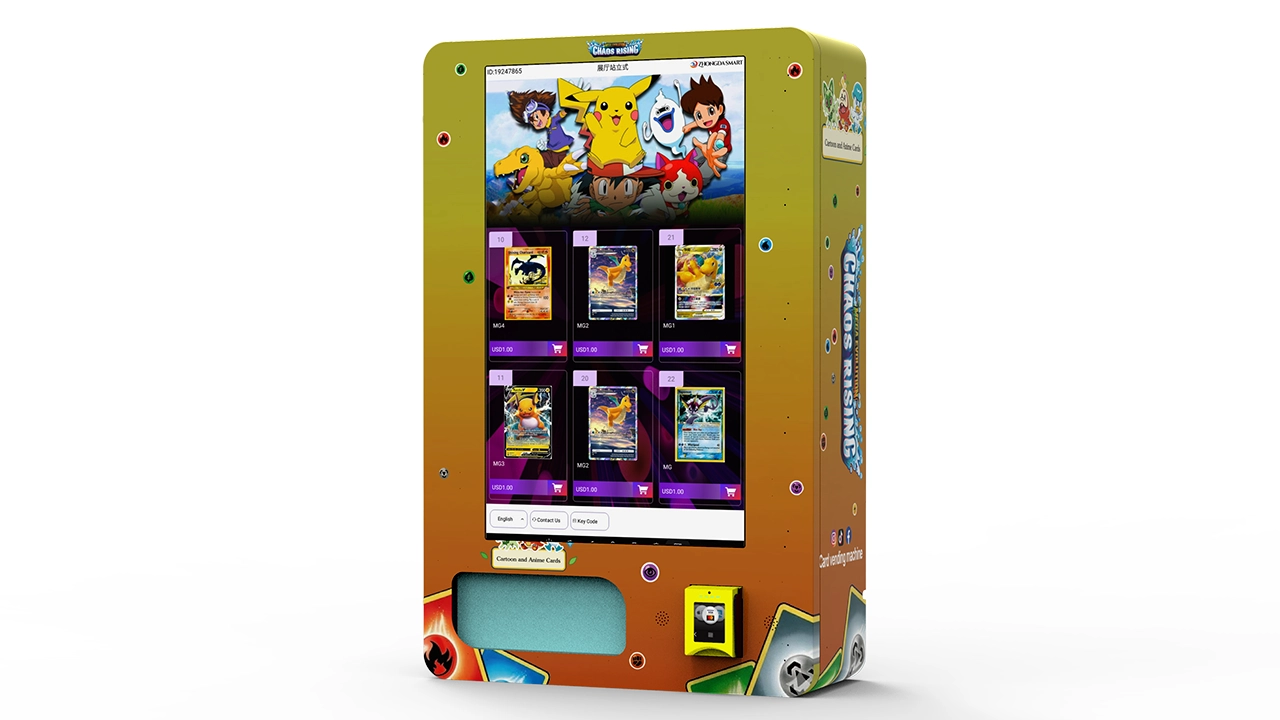
In my experience operating machines in France and the UK, the average transaction value for a snack and drink machine is between €2.50 and €4.00. The margin on these items usually sits between 25% and 35% after cost of goods sold (COGS). The best-performing locations, such as manufacturing plants with 24-hour shifts, can generate monthly revenues of €1,500 to €3,000 per machine. The worst locations, like a low-traffic office lobby with 50 employees, might only bring in €200 to €400 per month, which barely covers restocking labor and machine lease payments.
Smart Locker Sweet Spots
Smart lockers are designed for managed inventory flows. Common deployments include grocery click-and-collect points, electronics store pickup stations, parcel delivery hubs in apartment buildings, and employee tool or equipment dispensing in warehouses. The value proposition is not impulse buying; it is convenience, security, and labor reduction.
For example, a French supermarket chain I consulted for replaced a staffed pickup counter with a bank of temperature-controlled smart lockers. The cost of the lockers was high — around €8,000 per module — but it eliminated two part-time salaries and reduced customer wait times. The return on investment came from labor savings, not from direct sales. If you are evaluating a smart locker deployment, you need to ask: "What cost am I removing from the operation?" rather than "How much revenue will this generate?"
Cost Comparison: Smart Lockers vs Vending Machines
Let us look at the numbers. I have compiled these ranges based on actual procurement contracts I have negotiated for clients across Europe and North America. Prices vary by vendor, configuration, and payment system integration.
| Feature | Vending Machine (Standard Snack/Drink) | Smart Locker (Ambient Temperature) | Smart Locker (Temperature Controlled) |
|---|---|---|---|
| Initial purchase cost (new) | €3,000 – €7,000 | €5,000 – €12,000 | €10,000 – €20,000 |
| Payment system integration | €400 – €1,000 (cashless reader) | €500 – €1,500 (app or code interface) | €1,000 – €2,500 (includes telemetry) |
| Monthly maintenance cost | €50 – €150 (cleaning, minor repairs) | €30 – €80 (software updates, lock repairs) | €80 – €200 (includes refrigeration service) |
| Restocking labor (per visit) | €25 – €50 | €10 – €20 (only loading, no cash handling) | €15 – €30 |
| Average lifespan | 7 – 10 years | 8 – 12 years | 6 – 8 years |
| Typical payback period | 12 – 24 months (good location) | 18 – 36 months (labor savings model) | 24 – 48 months |
These figures are estimates based on my operational data. Actual results depend heavily on location, product mix, and local labor costs. A vending machine in a poor location may never pay back. A smart locker in a high-density apartment complex with strong delivery volume can pay back in under 18 months.
Key Factors Most Beginners Overlook
Payment System Complexity
Many first-time buyers focus on the machine hardware and ignore the payment ecosystem. A vending machine without a reliable cashless payment system is almost useless in today's European market. According to a 2023 report by the European Payments Council, over 60% of in-store transactions in the EU are now cashless. For automated retail, that number is even higher in countries like Sweden and the Netherlands. I have had to retrofit machines with new card readers because the old ones did not support contactless or mobile wallets. That retrofit costs between €400 and €800 per machine, not including downtime.
Smart lockers face a different payment challenge. Most rely on an online payment or subscription model. If your locker system does not integrate smoothly with the customer's mobile app or the retailer's inventory management system, the entire operation breaks down. I have seen a locker pilot fail because the API integration with the store's backend took four months longer than expected, and the client ran out of budget.
Restocking and Maintenance Reality
Restocking a vending machine is not just about filling slots. It involves cash collection, inventory rotation, cleaning, and minor mechanical adjustments. A route driver in Germany costs about €35 per hour including vehicle costs. If you have 20 machines spread across a city, restocking them once a week adds up to €2,800 per month in labor alone, plus vehicle fuel and maintenance.
Smart lockers require less frequent physical intervention, but they demand a different skill set. Software glitches, network connectivity issues, and lock mechanism failures are common. You need either a technician who understands IoT systems or a remote monitoring service. I recommend budgeting at least €500 per year per locker for unexpected repairs and software updates.
How to Choose a Supplier
Over the years, I have sourced machines from at least a dozen manufacturers. The cheapest machine is almost never the most profitable in the long run. Here are the criteria I use when evaluating a vending machine manufacturer or a smart locker supplier:
- Spare parts availability. Can you buy a new compressor or a payment module within 48 hours? If not, the machine is a risk.
- Software platform reliability. Does the supplier offer a cloud-based management system? Can you adjust prices, view sales data, and receive error alerts remotely? This is non-negotiable in 2025.
- Certification. For the European market, the machine must carry CE marking. For food vending, it must comply with EU Regulation 852/2004 on food hygiene. For the UK, look for UKCA marking after Brexit.
- Local support network. A manufacturer with a distributor or service partner in your region is worth paying a premium for. Shipping a machine back to China for repairs is not viable.
One manufacturer that consistently meets these criteria for my clients is Zhongda Smart. They produce both vending machines and smart locker solutions with a strong focus on modularity and software integration. I have used their equipment in several deployments across Eastern Europe, and the after-sales support has been reliable. That said, always request a reference list and speak to at least three existing customers before committing to any supplier.
Common Mistakes and How to Avoid Them
Mistake 1: Overestimating Foot Traffic Conversion
Just because 1,000 people walk past a location every day does not mean 1,000 people will buy from your machine. I placed a machine in a busy train station in Milan once. Foot traffic was enormous, but the competition was fierce — three other machines within 50 meters, plus a small kiosk. The machine barely broke even. Always test a location with a low-cost pilot if possible. Lease a machine for three months before buying one.
Mistake 2: Ignoring Temperature and Environment
I have seen chocolate vending machines placed in direct sunlight, resulting in melted product and angry customers. I have also seen refrigerated machines placed in unheated outdoor areas where the compressor froze during winter. Understand the ambient conditions of your location. For outdoor placements, invest in a weatherproof enclosure and a machine rated for the local climate. This adds 10% to 15% to the initial cost but prevents catastrophic failures.
Mistake 3: Underestimating Cash Flow Requirements
Vending machine operators often think they will be cash-positive from day one. In reality, you need working capital for inventory, spare parts, vehicle expenses, and potential location fees. A single machine might require €1,000 to €2,000 in initial inventory. If you operate ten machines, that is €10,000 to €20,000 tied up in stock. Plan for at least three months of operating expenses before expecting a positive cash flow.
Revenue Potential and Payback Periods
Let me share some realistic numbers based on my portfolio. A well-placed vending machine in a mid-sized office building in the UK (approximately 400 employees) typically generates between £800 and £1,500 per month in revenue. After COGS (30% margin) and operating costs, the net profit is roughly £200 to £500 per month. At a machine cost of £4,000, the payback period is 8 to 20 months, assuming no major repairs.
Smart lockers used for parcel delivery in a residential building with 100 units can generate revenue through delivery fees or rental charges. A typical model charges €1.50 per parcel delivered. If the building receives 300 parcels per month, that is €450 in revenue. After costs, the net might be €250 per month. On a €8,000 locker system, the payback is around 32 months. The economics improve significantly if the lockers are used for grocery pickup, where average order values are higher.
According to a 2024 study by IBISWorld, the vending machine industry in the US alone generates approximately $8.4 billion in annual revenue, with an average profit margin of 6.5% to 8%. This margin is thin compared to other retail formats, which is why location selection is everything.
Evaluating a Machine: My Checklist
Before I invest in a machine or a location, I run through this checklist. You should too.
- What is the daily foot traffic? (Minimum 300 people for vending, 50 for lockers with pre-orders.)
- What is the average disposable income or spending power of the target user?
- Are there existing competitors within 100 meters?
- What is the location cost? (Rent, commission, or free placement.)
- What is the ambient temperature range? (Indoor vs outdoor.)
- What payment methods are expected? (Cash, card, mobile, or all.)
- What is the restocking distance from my warehouse or home base?
- What is the warranty period and local service availability for the machine?
- Can the machine be serviced by a local technician, or does it require a specialist?
If the answer to more than two of these questions is uncertain, I walk away. It is better to wait for a good opportunity than to force a bad one.
Self-Operation vs Partnership Models
You can operate machines yourself, lease them to a location owner, or enter a profit-sharing arrangement. Each model has trade-offs.
Self-operation gives you full control over product selection and pricing, but you bear all the risk and labor cost. Leasing a machine to a location owner (e.g., a gym owner) means you get a fixed monthly payment, usually 10% to 15% of the machine's value per year, but you have no upside beyond that. Profit-sharing is common in Europe, where the operator takes 60% to 70% of the gross profit and the location owner takes the rest. I prefer profit-sharing for high-traffic locations because it aligns incentives. The location owner wants the machine to perform well because they earn a cut.
For smart lockers, partnership models often involve the locker provider charging a monthly software fee plus a per-transaction fee. This is common in the parcel delivery sector. For example, a locker manufacturer might charge €100 per month for software access and €0.20 per delivery. This model reduces upfront capital but increases ongoing costs.
Regulatory Considerations
In the European Union, vending machines that sell food must comply with the General Food Law Regulation (EC) No 178/2002 and the Food Hygiene Regulations (EC) No 852/2004. This means you need to register with your local food authority, implement a HACCP plan, and keep records of cleaning and temperature checks. In France, for example, the Direction Générale de la Concurrence, de la Consommation et de la Répression des Fraudes (DGCCRF) can inspect your machines at any time. I have had machines fined for not displaying allergen information correctly.
Smart lockers that handle food also fall under these regulations. If you are using temperature-controlled lockers for fresh groceries, you must log temperature data and have a procedure for handling spoiled goods. According to the French public service website Service-Public.fr, any business selling food through automated systems must designate a responsible person trained in food safety. This is not optional.
When to Choose a Vending Machine
Choose a vending machine when your primary goal is immediate, impulse-based sales of small, standard-sized products. This includes snacks, drinks, confectionery, personal care items, and even electronics like headphones or phone chargers. Vending machines work best in locations with high foot traffic and low labor availability. They are also a good choice if you want to start small with a single machine and scale gradually.
When to Choose a Smart Locker
Choose a smart locker when your business model involves pre-orders, click-and-collect, or unattended delivery. Smart lockers excel in scenarios where the transaction happens online and the physical handover is the last step. They are ideal for grocery pickup, pharmacy collection, library book returns, and tool dispensing in industrial settings. If your goal is to reduce labor costs at a pickup point or to offer 24/7 access to pre-purchased goods, a smart locker is the right solution.
Final Thoughts
Both smart lockers and vending machines have their place in the automated retail landscape. The decision is not about which technology is newer or more advanced. It is about which one fits your specific operational workflow, customer behavior, and financial model. I have seen profitable vending machine routes that use ten-year-old machines, and I have seen brand-new smart locker deployments fail because the software integration was poorly managed.
If you are new to this industry, start with a single machine. Learn the restocking rhythm, the maintenance patterns, and the customer preferences in your local market. Do not scale until you have a repeatable process. And when you are ready to invest in equipment, take the time to evaluate suppliers thoroughly. A reliable machine from a manufacturer like Zhongda Smart, backed by a solid warranty and local support, will save you far more money than a discount model ever could.
The automated retail sector is growing steadily. According to Statista, the European vending machine market was valued at approximately €14.5 billion in 2023 and is projected to grow at a compound annual rate of 4.2% through 2028. Smart lockers are growing even faster, driven by e-commerce and last-mile delivery demand. The opportunity is real, but it rewards preparation, not impulse.
Frequently Asked Questions
Do vending machines actually make money?
Yes, but not all of them. A well-placed machine in a high-traffic location with good product margins can generate a net profit of €200 to €500 per month. A poorly placed machine can lose money. Profitability depends on location, product selection, and operational efficiency.
How much does a vending machine cost?
A new standard snack and drink vending machine costs between €3,000 and €7,000. Smart lockers range from €5,000 to €20,000 depending on size and temperature control. Used machines are available for €1,000 to €3,000 but often require repairs and lack modern payment systems.
How long does it take to recoup the investment?
For a vending machine in a good location, expect a payback period of 12 to 24 months. For smart lockers, the payback is typically 18 to 36 months, depending on the revenue model and labor savings.
Should a beginner buy or lease a vending machine?
I recommend leasing for the first three to six months. Leasing reduces your upfront risk and allows you to test a location before committing capital. Many suppliers offer lease-to-own programs.
Where is the best place to put a vending machine?
High-foot-traffic locations with a captive audience: office buildings, factories, hospitals, schools, transit hubs, and gyms. Avoid locations with existing vending machines unless you can offer a better product or lower price.
What permits do I need to operate a vending machine?
In the EU, you need to register as a food business operator if you sell food. You must comply with local hygiene regulations and display allergen information. Check with your local chamber of commerce or municipality for specific requirements.
How do I choose a vending machine supplier?
Look for a supplier with a proven track record, local service support, and a reliable software platform. Ask for references from operators in your region. Consider manufacturers like Zhongda Smart that offer modular designs and good after-sales support.
What happens if the machine breaks down?
Most issues can be resolved remotely through the machine's telemetry system. For mechanical failures, you need a local technician. Always have a backup plan, such as a spare parts kit and a list of independent repair technicians in your area.
How can I reduce restocking and maintenance costs?
Use a route optimization software to plan your restocking visits efficiently. Monitor sales data remotely so you only visit machines that need restocking. Invest in reliable machines with fewer moving parts. Standardize your product range to simplify inventory management.
Can I use a vending machine for non-food items?
Absolutely. Vending machines are used for electronics, personal care products, office supplies, and even clothing. The same principles of location and payment integration apply.
本文更新于2025年5月。所有成本和收益数据均为基于实际运营经验的估算值,除非另有注明。实际结果可能因地点、市场条件、产品选择和运营效率而有所不同。本文不构成财务建议。请咨询当地专业人士以获取针对您具体情况的建议。