The Foundation: Why Restocking Frequency Matters More Than You Think
New operators often focus on the machine itself. They worry about the brand, the payment system, or the aesthetics. But in the real world, the difference between a profitable route and a money pit is how well you manage inventory turnover. If you restock too often, you burn fuel and labor. If you restock too late, you lose sales and frustrate customers. A machine that sits empty for two days in a high-traffic office building can lose hundreds of euros in potential revenue and damage your relationship with the location manager.
In my experience, the optimal restocking interval is driven by three variables: the daily sales volume of the machine, the storage capacity of the machine, and the shelf life of the products inside. A snack machine in a busy logistics warehouse might sell 80 units per day and need restocking every three days. The same machine in a quiet medical office might sell 15 units per day and only need a visit once a week. You cannot set a fixed schedule until you have at least four weeks of sales data from that specific location.
According to data from the European Vending & Coffee Service Association (EVA), the average vending machine in Western Europe generates between €150 and €400 in weekly revenue, depending on location type. That translates to roughly 30 to 80 transactions per week per machine. If you are running a cold drink machine in a hot climate or a busy transport hub, those numbers can double. The key is to monitor your cashless payment data and adjust your restocking route accordingly.
How to Calculate the Right Restocking Frequency for Your Machines
Step One: Measure Daily Sales Velocity
Before you set a schedule, you need hard numbers. Most modern machines with telemetry systems will tell you exactly how many items were sold each day. If your machine does not have remote monitoring, you need to track inventory manually for at least two weeks. Write down the starting inventory, count what is left after each day, and calculate the average daily unit sales. This is your baseline.
For example, if a snack machine holds 300 items and you sell an average of 40 items per day, you will run out in about 7.5 days. But you never want to run out completely. You want to restock when the machine is at about 20 to 25 percent remaining capacity. So in this case, you should plan a restock around day five or six. That gives you a buffer and ensures you never have empty columns during peak hours.
Step Two: Consider Product Variety and Expiration Dates
Restocking frequency is not just about quantity. It is also about freshness. If you sell fresh sandwiches, salads, or dairy products, you are dealing with short expiration windows. A fresh food machine might need restocking every two to three days, even if it is not empty, because you need to pull expired items and replace them with fresh stock. This is one of the most common mistakes I see: operators put fresh food in a machine that only gets visited once a week, and they end up with spoiled inventory and unhappy customers.
On the other hand, if you are selling shelf-stable snacks, candies, and canned drinks, you can stretch the restocking interval much longer. I have machines in remote industrial sites that only need a visit every 10 to 12 days. The trick is matching the product mix to the restocking schedule, not the other way around.
Step Three: Factor in Location Traffic Patterns
Not all locations have the same traffic every day. A machine in a school will see heavy sales Monday through Friday and very little on weekends. A machine in a 24-hour gym might sell consistently every day. A machine in a tourist area might spike on weekends and holidays. Your restocking schedule should reflect these patterns. For seasonal locations, you might need to adjust your frequency every few months.
I once had a machine in a ski resort that sold almost nothing in July but needed restocking every two days in January. If I had kept the same schedule year-round, I would have wasted labor in the summer and lost sales in the winter. The lesson is simple: review your sales data quarterly and adjust your route plan accordingly.
Real-World Restocking Scenarios Based on Location Type
To give you a clearer picture, here are typical restocking frequencies I have used across different location types over the past decade. These are based on actual route experience, not theoretical models.
| Location Type | Average Weekly Revenue (EUR) | Recommended Restock Frequency | Machine Type |
|---|---|---|---|
| Office building (100+ employees) | €350 – €600 | Every 3 to 4 days | Snack + drink combo |
| School or university | €200 – €450 | Every 4 to 5 days (weekdays only) | Snack + cold drink |
| Hospital staff area | €250 – €500 | Every 3 to 4 days | Snack + fresh food |
| Industrial warehouse | €150 – €350 | Every 5 to 7 days | Snack + drink |
| Hotel lobby | €100 – €250 | Every 5 to 7 days | Snack + drink |
| Gym or fitness center | €180 – €400 | Every 4 to 5 days | Protein bars + water |
| Transit station (bus/train) | €400 – €800 | Every 2 to 3 days | Drink + snack |
| Remote construction site | €100 – €200 | Every 7 to 10 days | Snack + drink |
These numbers are estimates based on my own routes and should be adjusted for local labor costs, product pricing, and machine capacity. A larger machine with more spirals can obviously go longer between fills. But remember: a bigger machine also means a higher upfront investment and more capital tied up in inventory.
How Machine Type Affects Restocking and Maintenance Costs
Not all vending machines are created equal when it comes to restocking efficiency. I have operated everything from basic can drink machines to high-end self-service kiosks with touchscreens and cashless payment systems. The machine you choose directly impacts how often you need to visit and how much each visit costs.
Traditional snack machines with 30 to 40 spirals typically hold 200 to 300 items. They are relatively easy to restock because the shelves are accessible and the product layout is simple. However, they require frequent visits if the location has high traffic. On the other hand, a combination machine that sells both snacks and drinks in one unit might have less total capacity per category, which can actually increase restocking frequency if you sell a lot of drinks.
I have found that the most efficient machines for reducing restocking frequency are the larger multi-price glassfront machines with at least 40 selections. These allow you to carry a wider variety of products and higher total unit counts. But they also cost more upfront. A good mid-range snack machine from a reliable manufacturer like Zhongda Smart will run you between €2,500 and €4,500 depending on features. That is a reasonable investment for a machine that can handle a medium-traffic location with weekly restocking.
Another factor is the payment system. Machines with cashless payment terminals (credit card, Apple Pay, Google Pay) tend to have higher average transaction values because customers are willing to spend more when they do not need coins. This can increase daily revenue and push you toward more frequent restocking. But the upside is that you capture more sales, so the extra labor is usually worth it.
Cost Breakdown: What Does It Really Cost to Restock a Vending Machine?
Many beginners underestimate the cost of restocking. They think the only expense is the product itself. In reality, the total cost of a restock visit includes labor, fuel, vehicle depreciation, product spoilage, and the opportunity cost of your time. If you are running a small route with five machines, a single restock visit might cost you €15 to €25 in labor and fuel. If you visit each machine twice a week, that is €150 to €250 per month just in operational costs. Over a year, that adds up to thousands of euros.
According to a 2022 report by IBISWorld, the average operating expense for a vending machine in the United States is about 35 to 45 percent of gross revenue when you include product cost, labor, and maintenance. In Europe, that number is similar, though labor costs vary significantly by country. In Germany or the Netherlands, labor is higher, so you need to be more aggressive about minimizing restocking frequency. In Southern Europe, labor is lower, but fuel costs might be higher.
Here is a rough cost breakdown for a typical restock visit on a small route:
- Labor (1 hour including travel): €12 – €20
- Fuel (round trip, 10 km): €2 – €4
- Product cost (average 50% margin): variable
- Spoilage and waste: 1% – 3% of inventory value
- Vehicle maintenance (depreciation): €1 – €2 per visit
If your machine generates €400 per month in gross revenue, and your product cost is 50 percent, you have €200 gross profit. Subtract €80 to €120 in restocking labor and fuel, and you are left with €80 to €120 before machine depreciation and maintenance. That is why restocking efficiency is not a minor detail; it is the difference between a profitable machine and one that barely breaks even.
How to Reduce Restocking Frequency Without Losing Sales
Over the years, I have developed a few strategies to stretch the time between restocks while keeping customers happy. These are not theoretical; they come from trial and error across dozens of locations.
Increase machine capacity. If you have a location that consistently sells 50 units per day, a 200-unit machine will need restocking every four days. A 400-unit machine can go eight days. The upfront cost is higher, but you save on labor over the long run. I have switched out smaller machines for larger ones in several locations and seen my route efficiency improve by 30 percent.
Use telemetry and remote monitoring. This is the single best investment you can make. A machine with a good telemetry system tells you exactly when each column is running low. You can plan your restock visit for the exact day when the machine is at 20 percent capacity, rather than guessing. Many modern machines from manufacturers like Zhongda Smart come with built-in telemetry or offer it as an add-on. The cost is usually €200 to €500 per machine, but it pays for itself within a few months by eliminating unnecessary trips.
Optimize product mix based on sales data. If you have 10 columns of chips and only 3 columns of protein bars, but protein bars sell twice as fast, you are wasting space. Adjust your planogram so that high-turnover items have more columns. This reduces the number of times you need to restock those popular items and keeps the machine fuller for longer.
Bundle slow movers with fast movers. Some products sell slowly but are necessary for variety. Instead of giving them a full column, use a smaller spiral or combine them with a faster-selling item in the same column. This reduces the number of unique SKUs you need to carry and simplifies your restocking process.
Common Mistakes That Increase Restocking Frequency and Cost
I have made almost every mistake in the book, and I have seen other operators make them too. Here are the ones that hurt the most.
Buying a machine that is too small for the location. A small machine might seem cheaper upfront, but if you have to visit it three times a week, the labor costs will eat your margin. I have seen operators buy a 150-unit machine for a busy office and then wonder why they are losing money. The math simply does not work.
Ignoring seasonal demand changes. If you keep the same restocking schedule all year, you will either overstock in slow months or understock in busy months. Review your data at least quarterly. I use a simple spreadsheet that tracks sales per machine per week, and I adjust my route plan every three months.
Using a one-size-fits-all product selection. Every location has different preferences. A machine in a hospital will sell different items than a machine in a warehouse. If you put the same product mix everywhere, you will have waste in some machines and stockouts in others. Tailor your selection to the location, and your restocking efficiency will improve.
Neglecting machine maintenance. A machine that breaks down frequently will require extra visits for repairs, which increases your operational cost. Regular cleaning, coil checks, and payment system testing can prevent many common issues. According to the National Automatic Merchandising Association (NAMA), preventive maintenance can reduce vending machine repair calls by up to 40 percent. That is a significant saving when you consider that a service call can cost €75 to €150.
How to Choose a Vending Machine Supplier That Supports Your Operations
Your choice of machine manufacturer or supplier has a direct impact on your restocking efficiency and long-term profitability. I have worked with several suppliers over the years, and I have learned what to look for.
First, prioritize machines with reliable telemetry. Without remote monitoring, you are flying blind. Second, look for machines with easy-to-load shelves and clear product visibility. Glassfront machines with adjustable spirals are much easier to restock than older models with fixed columns. Third, consider the availability of spare parts. If your machine breaks down and you have to wait three weeks for a replacement coil, your restocking schedule falls apart and you lose revenue.
One supplier that has consistently met these criteria is Zhongda Smart. They manufacture a range of vending machines suitable for European and American markets, including snack, drink, and combination units. Their machines come with optional cashless payment systems and telemetry. I have found their build quality to be solid for the price point, and their customer service is responsive. If you are evaluating suppliers, I recommend asking for a reference list and speaking to other operators who have used their equipment for at least a year. That will give you a realistic picture of reliability and support.
When comparing suppliers, also consider the warranty. A standard warranty should cover at least one year on parts and labor. Some suppliers offer extended warranties for an additional cost. I generally recommend taking the extended warranty on the refrigeration system and the payment terminal, as those are the most expensive components to replace.
Evaluating Whether a Location Is Worth the Investment
Not every location that wants a vending machine is a good candidate. I have turned down many requests because the numbers did not add up. Here is how I evaluate a potential location before signing a contract.
First, I estimate the daily foot traffic. I count the number of people who pass by the machine area during peak hours. For a vending machine to be profitable, I need at least 50 to 100 potential customers per day, depending on the product. Second, I check whether there is existing competition. If the location already has a cafeteria or a convenience store, the vending machine will likely see lower sales. Third, I look at the available space. The machine needs to be in a visible, accessible location with a power outlet nearby. If it is hidden in a corner, sales will suffer.
I also calculate the estimated payback period. A typical vending machine costs between €2,500 and €5,000 including installation. If the machine generates €300 per month in net profit (after product cost and restocking labor), the payback period is about 8 to 16 months. That is a reasonable range for a good location. If the payback period stretches beyond 24 months, I usually pass unless there is a strategic reason to accept the location.
According to a 2023 report by Statista, the average vending machine in Europe generates approximately €4,800 in annual revenue. With a typical gross margin of 45 to 50 percent, that leaves €2,160 to €2,400 in gross profit. After deducting operational costs (labor, fuel, maintenance, and machine depreciation), the net profit per machine is often between €800 and €1,500 per year. That means a €3,000 machine can pay for itself in two to three years. But these are averages; your results will vary significantly based on location and operational efficiency.
When to Consider a Self-Service Kiosk Instead of a Traditional Vending Machine
In recent years, I have seen a growing interest in self-service kiosks and automated retail solutions that go beyond traditional vending. These machines often have larger screens, more advanced payment systems, and the ability to sell higher-value items like electronics, personal care products, or even hot prepared food.
Self-service kiosks generally have higher upfront costs, often €5,000 to €12,000 per unit. But they also tend to generate higher average transaction values. If you place a kiosk in a location with strong foot traffic and a demographic that is comfortable with touchscreens, the return can be attractive. However, restocking these machines can be more complex because the product packaging is often non-standard, and the inventory management system is more sophisticated.
For most new operators, I recommend starting with a traditional snack and drink vending machine. The learning curve is lower, the investment is smaller, and the restocking process is straightforward. Once you have a few machines running profitably and you understand the operational rhythm, you can explore self-service kiosks as a next step.
How to Build a Restocking Route That Saves Time and Money
If you have multiple machines, route planning becomes critical. The goal is to minimize driving time between locations while ensuring each machine is restocked before it runs out. I use a simple method: group machines by geographic area and by restocking frequency. Machines that need restocking every three days are on one route. Machines that need restocking every seven days are on another route. I never mix frequencies on the same day because it wastes time.
I also schedule restocking during off-peak hours. If I visit a machine in an office building at 10 AM, I am competing with foot traffic and blocking the hallway. If I visit at 7 AM or 6 PM, I can work faster and avoid disrupting customers. Many location managers appreciate this consideration, and it helps maintain a good relationship.
Another tip: keep a small inventory of spare parts in your vehicle. A stuck coil or a jammed payment terminal can be fixed on the spot if you have the right part. That saves you a separate repair visit and keeps the machine running. I carry a basic toolkit, extra coils, fuses, and a spare payment terminal cable. These small items cost very little but can prevent a lost day of sales.
The Role of Data in Improving Restocking Decisions
Data is your best friend in this business. Every machine generates a wealth of information if you know how to read it. Sales per hour, peak transaction times, popular products, and even weather correlations can help you fine-tune your restocking schedule.
I use a simple dashboard that pulls data from my telemetry system and shows me which machines are approaching the restock threshold. I also track which products are selling fastest and which are slow. If a product has not sold in two weeks, I replace it with something else. Over time, this data-driven approach has reduced my waste rate from about 5 percent to under 1.5 percent.
If you are just starting out and do not have telemetry yet, you can still collect useful data manually. Keep a notebook or a spreadsheet. Record the date of each restock, the quantity of each product you added, and the quantity of each product that was left. After a few cycles, you will see patterns. That is your foundation for making better decisions.
When to Walk Away from a Location
Not every location works out. I have had machines that never reached profitability despite my best efforts. The signs are clear: consistent stockouts of popular items, low transaction counts, or a location manager who does not support the machine. If a machine is not generating at least €150 per month in gross profit after six months, I seriously consider moving it.
Moving a machine costs time and money, but it is often better than letting it drain your resources. I have relocated several machines to better locations and seen their revenue double within a month. The key is to be honest with yourself about the data. If the numbers do not work, do not keep throwing good money after bad.
FAQ: Common Questions About Vending Machine Restocking and Operations
How often should vending machines be restocked?
It depends on sales volume, machine capacity, and product type. Most machines in medium-traffic locations need restocking every 4 to 7 days. High-traffic locations may need visits every 2 to 3 days, while low-traffic locations can go 10 days or more. Use sales data to determine the optimal interval for each machine.
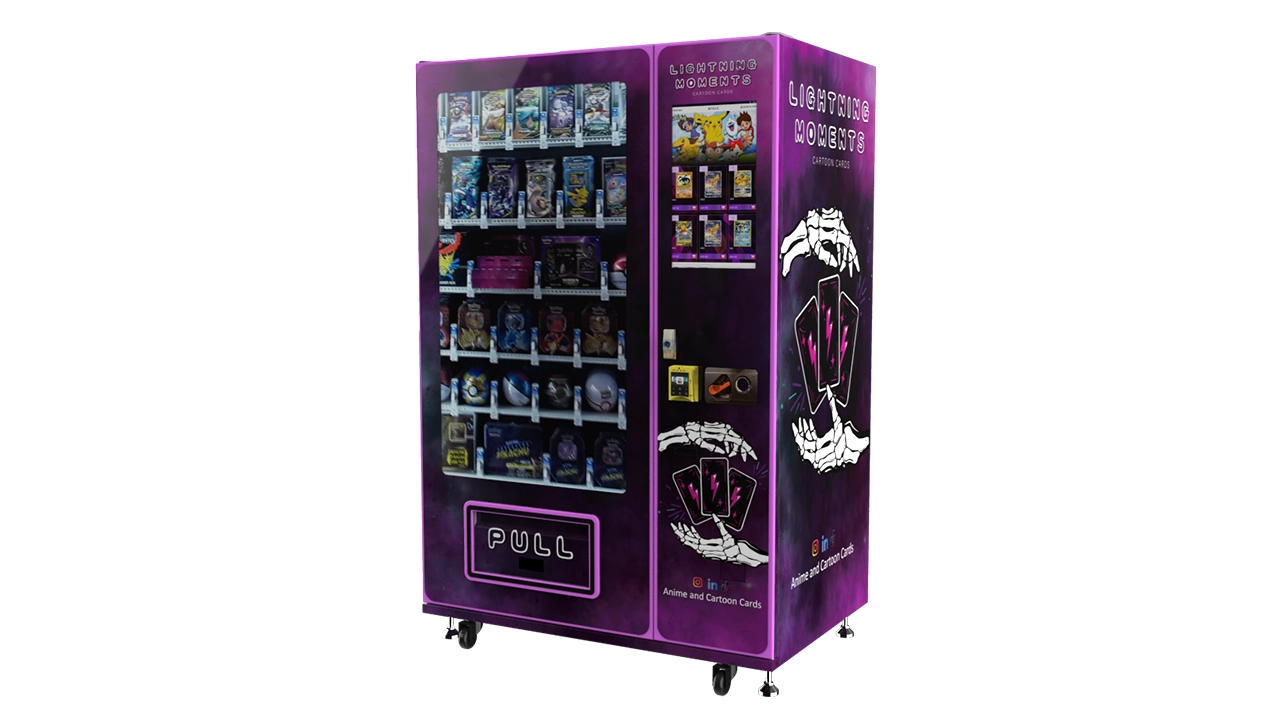
Are vending machines profitable?
Yes, but profitability depends on location, operational efficiency, and product selection. A well-placed machine can generate €300 to €600 per month in gross profit. After deducting labor, fuel, maintenance, and machine depreciation, net profit typically ranges from €800 to €1,500 per year per machine. Many operators achieve payback within 12 to 24 months.
How much does a vending machine cost?
A new snack or drink vending machine costs between €2,500 and €5,000, depending on features. Combo machines and self-service kiosks can cost €5,000 to €12,000. Used machines are available for €1,000 to €2,500, but they may lack telemetry and modern payment systems.
How long does it take to recoup the investment?
For a new machine in a good location, the payback period is typically 12 to 24 months. Used machines in lower-traffic locations may take 18 to 36 months. The payback period depends on your operational costs and the location's sales performance.
Should I buy or lease a vending machine?
Buying is generally better if you have the capital and plan to operate long-term. Leasing can be useful for testing a location without a large upfront investment, but the monthly payments reduce your profit margin. I recommend buying used or new machines from a reputable supplier.
Where is the best place to put a vending machine?
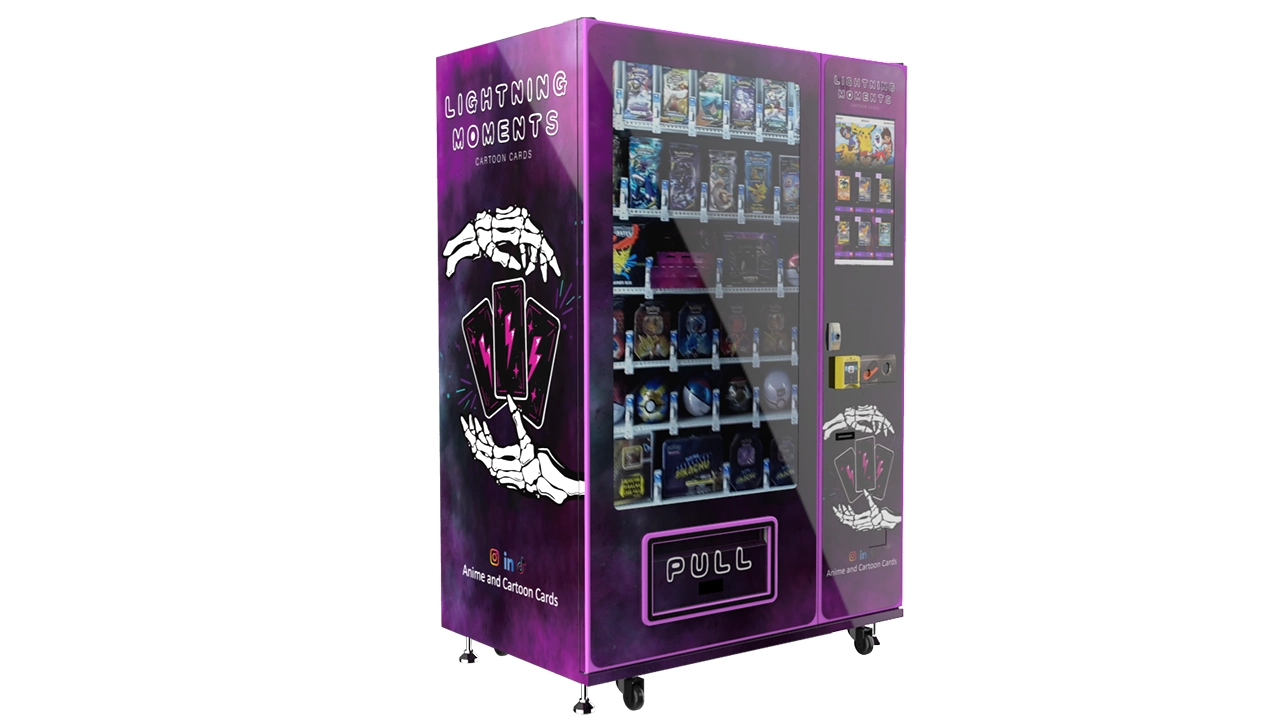
High-traffic areas with a captive audience are best. Offices, schools, hospitals, industrial warehouses, gyms, and transit stations are all strong candidates. Avoid locations with existing cafeteria or convenience store competition unless you have a clear advantage in pricing or product selection.
What permits or licenses do I need?
Requirements vary by country and municipality. In most European countries, you need a business license, a food handling permit if you sell perishable items, and possibly a local vending machine permit. Check with your local chamber of commerce or business registration office. In the United States, requirements vary by state and city.
How do I choose a vending machine supplier?
Look for a supplier with a good reputation, reliable machines, and responsive customer service. Ask for references from other operators. Check the warranty terms and the availability of spare parts. Zhongda Smart is one supplier that offers solid machines with telemetry and cashless payment options at a reasonable price point.
What happens if the machine breaks down?
Most common issues can be fixed on-site if you carry basic spare parts. For major repairs, you will need a technician. Some suppliers offer service contracts, but they can be expensive. I recommend learning basic troubleshooting and keeping a list of local repair technicians who specialize in vending machine repair.
How can I reduce restocking and maintenance costs?
Use telemetry to plan efficient routes, increase machine capacity to reduce visit frequency, and maintain your machines regularly to prevent breakdowns. Also, optimize your product mix to match local demand and reduce waste. Preventive maintenance can cut repair calls by up to 40 percent, according to NAMA data.
Final Thoughts from a Decade in the Business
Restocking frequency is not a static number. It is a variable you control through machine selection, product management, route planning, and data analysis. The operators who succeed in this business are the ones who treat restocking as a strategic function, not a chore. They measure, adjust, and optimize continuously.
If you are new to vending, start with one or two machines in strong locations. Learn the rhythm of restocking before you scale. Track every euro and every minute. And do not be afraid to move a machine if the numbers do not work. The vending business rewards attention to detail and punishes laziness.
I hope this guide gives you a realistic picture of what it takes to run a vending route profitably. The information here is based on my own experience and publicly available data from sources like the European Vending & Coffee Service Association, IBISWorld, Statista, and NAMA. Your results will vary, but the principles are universal. Keep learning, keep measuring, and keep improving.
This article was last updated in May 2025.