If you are looking into a football card vending machine as a business, the first thing you need to hear is this: it is not a get-rich-quick scheme, but it is one of the most interesting automated retail opportunities I have seen in the last decade. After running vending routes across the U.S. and parts of Europe, I can tell you that the machines work, the margins are real, and the demand for trading cards is not a fad. But the difference between making money and losing your shirt comes down to placement, machine choice, and your ability to treat it like a retail business, not a hobby. Let me walk you through what I have learned the hard way, so you can avoid the mistakes I made.
Why Football Card Vending Machines Are Different from Traditional Vending
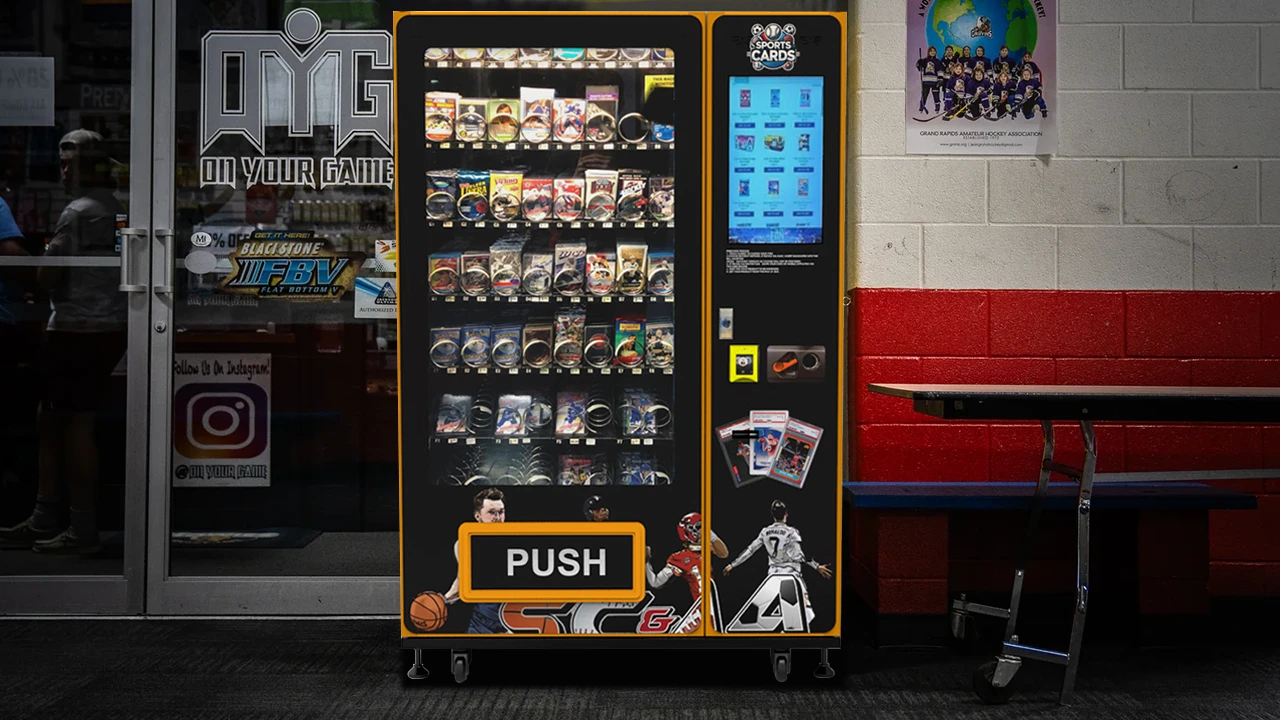
Traditional vending machines sell snacks and drinks. The product is consumed, and the customer walks away. A football card vending machine sells collectibles, which means the customer is not just buying a product, they are buying the chance to pull something valuable. This changes the psychology of the purchase completely. People will spend twenty, fifty, even a hundred dollars chasing a rare card, and they will come back every week to do it again. That is something a candy machine will never give you.
In my experience, the foot traffic required for a card machine is different too. You do not need a high-volume location like a train station. You need a location with the right demographic. I have seen machines do poorly in a busy mall, then absolutely crush it in a small hobby shop corner. The key is understanding who buys cards, and that is usually men between 18 and 40, plus a growing number of kids with parents who remember collecting in the 90s.
Another difference is the ticket size. A soda vends for two dollars. A pack of football cards can sell for ten to fifty dollars, and a single pack can yield a card worth hundreds. That is a different revenue model, and it means your machine does not need a massive number of transactions to be profitable. You might only need ten to fifteen sales a day to hit your targets.
This is also a business where the football card vending machine itself matters less than the product mix inside it. You are not selling a commodity; you are selling anticipation. If you understand that, you are already ahead of half the operators I meet.
What This Business Actually Costs to Start
Let me give you real numbers, not the inflated figures you see on supplier websites. A decent new machine with a touchscreen and card dispensing mechanism will cost you anywhere from $6,000 to $15,000 depending on the size and features. If you buy a used machine or a wall-mounted unit, you can get in for $3,000 to $6,000. I started with one used machine and learned the hard way that cheap is not always better, but it did get me in the game.
Then you have the inventory. This is the part most beginners underestimate. You need to stock the machine with football cards, and this is not like filling a snack machine. You need variety, and you need to keep up with what is hot. I would budget at least $2,000 to $5,000 for initial inventory, depending on how many slots your machine has. You will also need some cash reserves for restocking, because cards sell faster than you expect in a good location.
Other costs include shipping, payment processing fees, and maintenance. Shipping alone can eat you alive if you are not careful. I have paid $200 to ship a machine that only cost me $3,000, and that hurt. Payment processing fees are usually 2.5% to 3.5% per transaction, which is acceptable if your ticket size is high.
According to the Statista data on the trading card market, the global market has been growing steadily, and sports cards are a significant chunk of that. That growth is why I moved into this segment in the first place, and it has not disappointed.
If you want a more detailed breakdown of the specific investment categories, I have written about this in my trading card vending machine guide, which covers the full cost structure from a practical angle.
How Long Until You Get Your Money Back
This is the question everyone asks, and the honest answer is: it depends entirely on your location and your product mix. In my own experience, a well-placed machine in a hobby shop or a sports complex can gross $1,500 to $3,000 per month. If your machine cost $8,000 and your monthly profit after inventory and fees is around $1,000, you are looking at an eight-month payback period. That is decent.
But I have also seen machines that took over a year to pay back, and one that never did. The difference was not the machine; it was the location. A machine in a low-traffic convenience store might only do $300 a month, which means you are losing money if you factor in your time and maintenance. Do not trust anyone who promises a three-month payback. That is a red flag for a marketing pitch, not a business plan.
Let me give you a real example. I placed a machine in a local sports bar that had a lot of foot traffic on game days. The first month, it did $1,800. I thought I was a genius. But by month three, it dropped to $600 because the novelty wore off and the regulars had already bought what they wanted. I had to rotate the inventory and add a redemption mechanic to keep them coming back. That is the kind of operational tweak you only learn by doing.
To give you a more structured view, I have compared the payback periods across different scenarios in the table below, based on my own route data and what I have heard from other operators at industry meetups.
| Scenario | Machine Cost | Monthly Gross | Monthly Profit (After Inventory & Fees) | Payback Period |
|---|---|---|---|---|
| High-Traffic Hobby Shop | $10,000 | $2,800 | $1,300 | ~8 months |
| Sports Bar (Game Days Only) | $8,000 | $1,200 | $500 | ~16 months |
| Low-Traffic Convenience Store | $6,000 | $400 | $100 | Marginal / Not Recommended |
| Wall-Mounted in a Card Shop | $5,000 | $1,500 | $700 | ~7 months |
This table is based on my own experience and conversations with other operators, not official statistics. Your results will vary depending on rent, foot traffic, and how well you manage your inventory. The point is, you need to model your own numbers before you buy anything.
The Real Secret: Location, Location, Location
I have said it before, and I will say it again: a football card vending machine is only as good as where you put it. You cannot just place it anywhere and hope for the best. I learned this the hard way when I placed my first machine in a laundromat. I thought, "People have time to kill, they will buy cards." Wrong. The demographic was wrong, and the machine sat there for two months doing almost nothing.
You want locations where the target demographic already gathers. Hobby card shops are the obvious choice, but they can be hard to get into because the shop owner might see you as competition. In that case, you can offer a revenue split or rent them a corner of the store. I have done this successfully, and it works because the shop gets a cut without having to buy inventory or maintain the machine.
Other good spots include sports training facilities, youth sports complexes, comic book stores, and even gaming cafes. The common thread is that these places already have the right crowd. You are not creating demand; you are capturing it. That is a crucial difference.
When you evaluate a location, you need to think about foot traffic, but more importantly, you need to think about dwell time. A person who is waiting for their kid's soccer practice to end is a perfect customer. They have time, they have money, and they are bored. That is exactly the kind of impulse purchase environment you want.
I have also found that visibility matters. The machine needs to be seen, not hidden in a corner. I once had a location where the machine was behind a pillar, and sales were terrible. When I moved it to a more visible spot, sales tripled without any other changes. That is the kind of operational insight that only comes from running the route yourself.
Choosing the Right Machine: Features That Matter
Not all machines are created equal. I have tested several different models, and I have strong opinions about what matters. First, the dispensing mechanism. You want a machine that can reliably dispense a single pack without jamming. Some machines use a spiral system, others use a tray or a robotic arm. In my experience, tray-based systems are more reliable for card packs because they do not bend or damage the packaging.
Second, the payment system. You need a machine that accepts credit cards, debit cards, and ideally mobile payments. Cash is becoming less common, and if your machine only takes coins, you are cutting out a huge portion of your potential sales. I have seen machines with old-style coin mechanisms fail in areas where people do not carry cash.
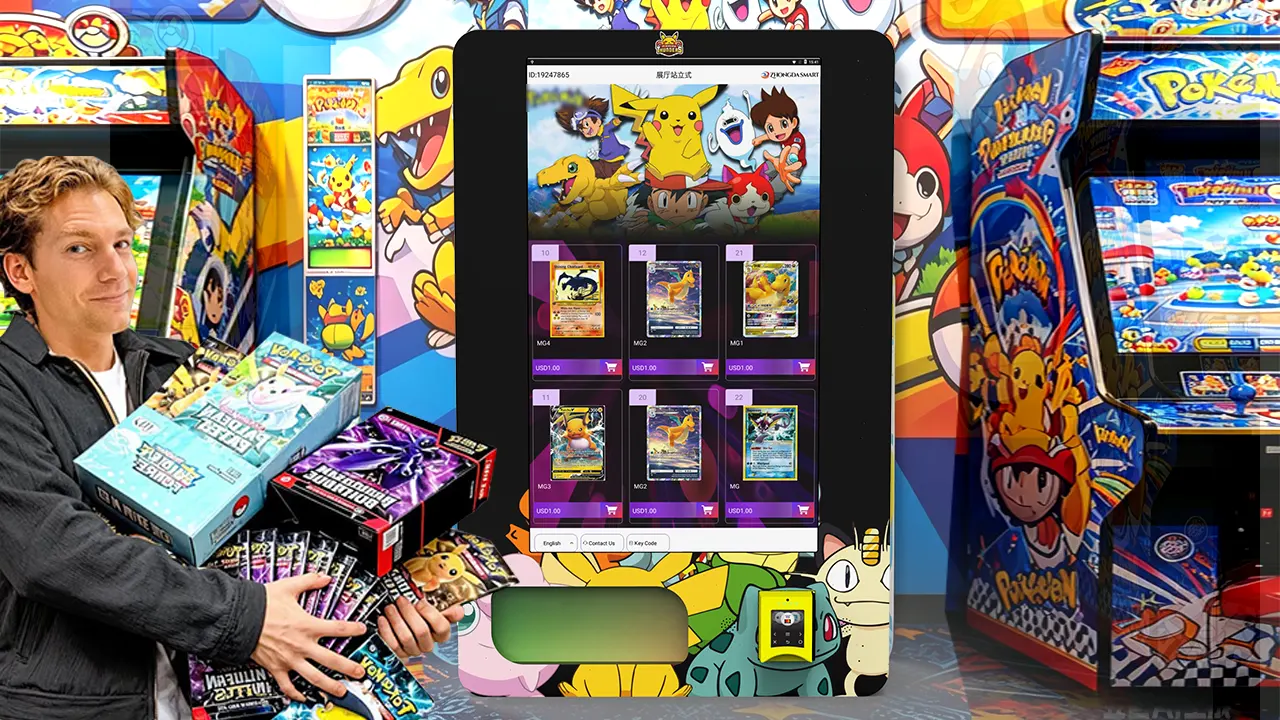
Third, the user interface. A touchscreen is not just a gimmick; it allows you to display product images, prices, and even a "mystery pack" option. I have found that a screen showing the potential value of a rare card significantly increases the average spend. People are visual, and they need to be reminded of what they are chasing.
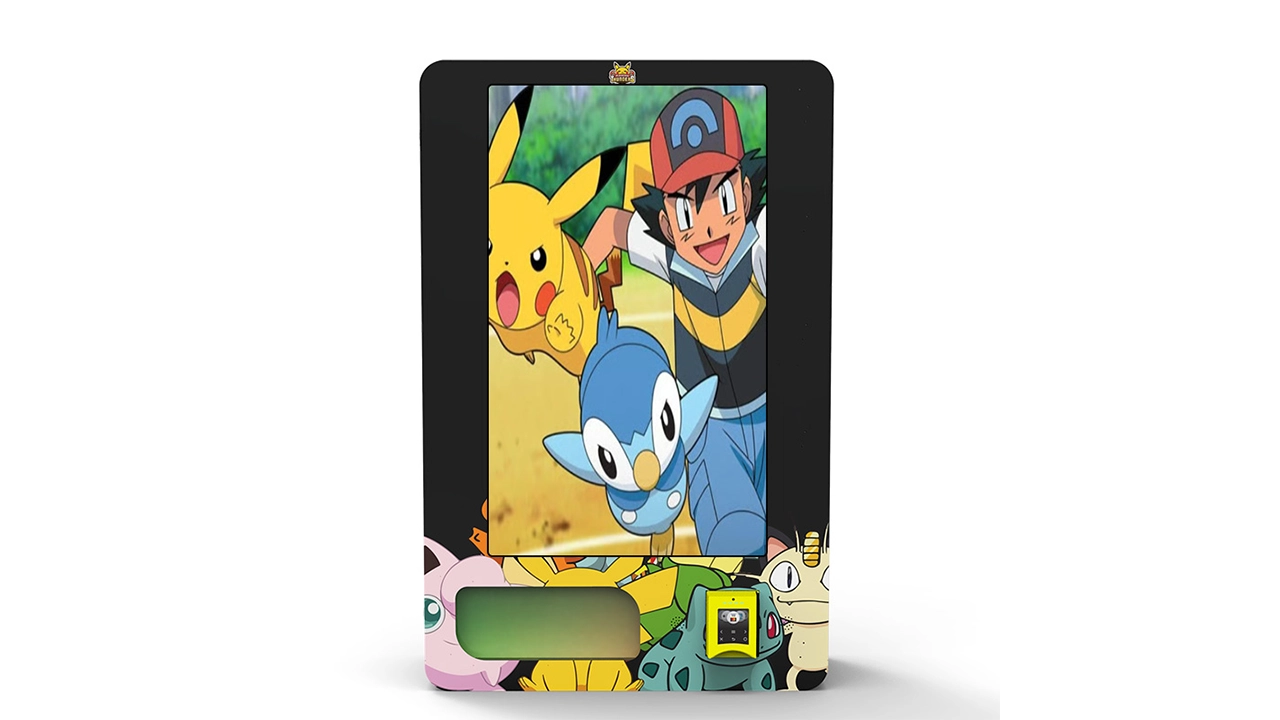
Finally, consider the size and footprint. A full-size machine is great for high-traffic locations, but it is also harder to move and takes up more space. A wall-mounted unit is cheaper and easier to place, but it holds less inventory. You need to match the machine size to the location's foot traffic and your ability to restock.
If you are looking at a specific model, I have reviewed the 32-inch touchscreen trading card vending machine in detail, and it is a solid option for mid-tier locations. It is not the cheapest, but it has the features that matter most for customer engagement.
Supplier Selection: How to Avoid Getting Burned
This is where a lot of beginners get into trouble. The market is full of suppliers, especially overseas, who will sell you a cheap machine that breaks down in three months. I have been burned more than once, and I want to save you from that pain.
First, look for a supplier with a track record in the vending industry, not just a trading card machine. If they have been making snack and beverage machines for years, they likely have better engineering and support. I have had good experience with Zhongda Smart, not because they pay me to say that, but because their machines have held up better than the cheaper alternatives I tried. They are not the only good option, but they are a reliable one.
Second, ask about spare parts and technical support. If the machine breaks, you need to be able to get parts quickly. A supplier who cannot provide a local service network is a risk. I once had a machine down for six weeks waiting for a part from overseas, and that killed my revenue for that location.
Third, be wary of suppliers who promise unrealistic sales numbers. If they tell you that you will make $5,000 a month from a single machine, they are lying. A reputable supplier will give you realistic expectations and ask about your location before they even quote you a price.
It is also worth checking if the supplier offers customization. Some locations require specific branding or a different color scheme. If the supplier cannot do that, you might need to look elsewhere.
Self-Operate, Lease, or Revenue Share
Once you have the machine and the location, you need to decide how you want to operate. You can self-operate, which means you buy the machine, stock it, and keep all the revenue. This is the most profitable model, but it also requires the most work. You are responsible for restocking, maintenance, and customer service.
Alternatively, you can lease the machine to a location owner. You buy the machine, place it in their store, and they handle the daily operations. You split the revenue, usually 50/50 or 60/40 in your favor. This is a good option if you have multiple machines and cannot be everywhere at once. The downside is that you have less control over how the machine is maintained and promoted.
Revenue share is another option. You provide the machine and inventory, and the location provides the space. You track sales and give the location owner a percentage. This is the least capital-intensive model, but your profit per machine is lower. I have used this model for a few locations where I was not sure about the foot traffic, and it allowed me to test the waters without over-committing.
In my experience, self-operation is the best model if you are just starting out. It teaches you the business from the ground up. Once you understand the operational rhythm, you can start using lease or revenue share models to scale.
Maintenance and Restocking: The Unsexy Part
Nobody talks about the maintenance side of this business, but it is what separates the professionals from the amateurs. A football card vending machine is a mechanical device, and things will break. The most common issues are card jams, payment system failures, and screen glitches. You need to have a plan for when these happen.
First, always have a backup plan for jams. If a pack gets stuck, customers will get frustrated and walk away. You need to be able to clear a jam quickly, which means you need to know how to open the machine and access the dispensing mechanism. Do not rely on the location owner to do this for you, because they will not do it the way you want.
Second, keep a stock of spare parts. The most common parts to fail are the card dispenser belts, sensors, and the bill validator. I always keep a small kit in my car with these parts, so I can fix most issues on site. This has saved me countless hours of downtime.
Third, restock on a schedule. I recommend checking your machine at least once a week, but if it is in a high-traffic location, you might need to go twice a week. The key is to not let the machine run empty. An empty machine is a wasted opportunity, and it also makes the location owner unhappy.
I have also learned that you need to track your sales data. Which packs are selling? Which ones are sitting? This is not just about restocking; it is about understanding your customer. If a particular brand or year is not selling, you need to rotate it out. I have used this data to adjust my product mix, and it has made a significant difference in my monthly revenue.
Common Mistakes I See New Operators Make
I have made many mistakes, and I have also watched other operators make the same ones. The most common mistake is buying a machine before securing a location. You need to have a site locked down before you spend money on equipment. Otherwise, you are stuck with a machine and nowhere to put it.
Another mistake is overstocking. It is tempting to fill the machine to the brim, but if a product does not sell, you are tying up cash in inventory that is not moving. I learned this when I bought a large quantity of a particular card set that turned out to be less popular than I expected. I had to sell it at a discount just to get rid of it.
Underestimating the importance of a good payment system is another common error. If your machine only takes cash, you are missing out on a huge segment of customers. I have seen operators lose 30% of potential sales just because they did not have a card reader.
Finally, many new operators do not budget for maintenance and downtime. They think the machine will run forever, and they are shocked when it breaks. I recommend setting aside at least 10% of your monthly revenue for maintenance and unexpected repairs.
If you are serious about this, I also recommend reading about the common failure points and solutions for card vending machines that I have compiled from my own experience and other operators' stories.
Legal and Compliance Issues You Cannot Ignore
Depending on where you are in the U.S. or Europe, there are different rules about operating a vending machine. In the U.S., you generally need a business license, and you may need a sales tax permit. The U.S. Small Business Administration has a good guide on what permits you might need, and it is worth checking your local city and county regulations.
In Europe, the rules vary by country. The Eurostat data can give you a sense of the retail and vending market size, but for legal requirements, you should check with your local chamber of commerce. Some countries require a health and safety inspection for any automated retail device, even if it sells non-perishable items like cards.
You also need to consider the tax implications. Sales tax on trading cards can vary by state or country, and you are responsible for collecting and remitting it. This is not something you can ignore. I have seen operators get hit with fines for not handling sales tax properly.
Finally, think about insurance. If someone gets injured using your machine, or if the machine causes property damage, you could be liable. A basic business liability policy is not expensive, and it is worth the peace of mind.
Payment Systems and the Customer Experience
The payment system is the customer's first interaction with your machine. If it is clunky or confusing, they will walk away. I have tested several payment systems, and I have learned that speed matters. A customer should be able to select a product, pay, and receive their card in under 30 seconds. If it takes longer, they get impatient.
Mobile payments are becoming increasingly important. Many customers, especially younger ones, do not carry physical cards. They want to use Apple Pay or Google Pay. If your machine does not support these, you are losing sales. I have seen a noticeable increase in sales after I upgraded my payment system to include mobile wallets.
Another aspect of the customer experience is the visual appeal of the machine. A clean, well-lit machine with a vibrant screen is more inviting than a dull, dirty one. I have seen machines with a bright LED backlight and a high-resolution screen outperform their neighbors by 20% or more.
I also recommend adding a "mystery pack" option on the screen. This is a pack that the customer cannot see, but it might contain a high-value card. This is a huge driver of repeat purchases. I have one location where the mystery pack option accounts for 40% of all sales.
Scaling Up: When and How to Add More Machines
Once you have one machine running smoothly, you will start thinking about scaling. I recommend waiting until you have at least three months of consistent positive cash flow before you buy a second machine. It is tempting to reinvest all your profits, but you need a cash buffer for repairs and restocking.
When you do scale, focus on clustering your machines in a specific geographic area. This makes restocking and maintenance much more efficient. I made the mistake of placing machines in different parts of the city, and I spent half my time driving. Now, I keep my machines within a 20-mile radius, and it has cut my operational costs significantly.
You should also consider partnering with a local distributor for your card inventory. This can give you better pricing and faster restocking times. I have built relationships with two wholesalers, and they give me a heads-up on new releases, which is a huge advantage.
Scaling is not just about buying more machines. It is about systematizing your operations. I have a checklist for every machine visit, and I track everything in a simple spreadsheet. This might sound boring, but it is the only way to stay on top of multiple machines.
FAQ: Your Most Common Questions Answered
Is a card vending machine actually profitable?
Yes, it can be, but only if you have the right location and manage your inventory well. I have seen machines generate over $3,000 a month, but I have also seen machines that barely break even. The margin is good because the product is high-ticket, but the risk is also higher if you choose the wrong site.
How much does a football card vending machine cost?
A new machine with a touchscreen and card dispensing system will cost between $6,000 and $15,000. Used or wall-mounted machines can cost as little as $3,000. You also need to budget for inventory and shipping, which can add another $3,000 to $7,000 to your initial investment.
How long does it take to recoup the investment?
Based on my experience, a well-placed machine can pay back in 8 to 12 months. If you have a marginal location, it could take longer or never pay back. Always model your numbers based on realistic foot traffic and average sale value before you commit.
Should a beginner buy or lease a machine?
I recommend buying a used machine for your first one. It reduces your risk and lets you learn the business without a huge capital outlay. Leasing can be a good option if you want to test a location without committing, but the ongoing costs are higher in the long run.
Where is the best place to put a card vending machine?
Hobby card shops, sports complexes, and gaming cafes are the best locations because they already have the right demographic. Avoid placing machines in general retail stores unless you are sure they have the foot traffic and the right customer profile.
What permits or licenses do I need?
You will likely need a business license and a sales tax permit. Check with your local government and the SBA website for guidance. In Europe, check with your local chamber of commerce, as rules vary by country.
How do I choose a reliable supplier?
Look for a supplier with a history in the vending industry, good technical support, and a realistic sales outlook. I have had good results with Zhongda Smart, but always ask for references and test the machine before you buy. Do not rely solely on online reviews.
What happens if the machine breaks down?
You need to have a maintenance plan. Keep spare parts on hand and know how to perform basic repairs. If you are not handy, consider a service contract with a local vending machine repair technician. Downtime is lost revenue, so speed is critical.
How can I reduce restocking and maintenance costs?
Use sales data to stock only what sells. Avoid overstocking slow-moving items. Cluster your machines geographically to reduce travel time. And invest in a machine with reliable components to minimize breakdowns.
Final Thoughts from a Seasoned Operator
I have been in this industry for over a decade, and I have seen trends come and go. The football card vending machine is not a passing fad; it is a natural evolution of automated retail. But it is not a passive income stream. It requires work, attention to detail, and a willingness to learn from your mistakes.
If you are willing to put in the effort, the rewards can be substantial. I have built a small route of card machines that generates a steady income, and it has allowed me to diversify away from traditional snack vending. The key is to start small, learn the business, and scale wisely.
For those of you who are still reading, I have one final piece of advice: do not buy a machine just because it looks cool. Buy it because you have a location, a plan, and a budget. If you do that, you will be in the minority of operators who actually succeed in this space.
If you want to explore more about the specific models and configurations, you can check the wall-mounted card vending machine options I have reviewed, which are great for smaller locations.
I hope this guide has given you a realistic view of what it takes to run a football card vending machine business. It is not easy, but it is worth it. Now go out there and find that perfect location.
Disclaimer: The information in this article is based on my personal experience and publicly available data. Costs, revenues, and payback periods vary significantly by location, market conditions, and operational efficiency. This content is for informational purposes only and does not constitute financial, legal, or investment advice. Always conduct your own due diligence and consult with a professional before making any business decision.