If you’re looking for a trading card vending machine for sale, the first thing I’ll tell you is that the machine is the easiest part of the equation. The hard part is placement, inventory, and knowing what you’re actually getting into before you wire money to a supplier. I’ve been running automated retail equipment for over a decade, and I’ve watched the trading card vending machine trend explode from a niche novelty into a serious side income—and sometimes a full-time business. But I’ve also watched people lose thousands by buying the wrong unit, putting it in the wrong spot, or ignoring restock cycles. This guide walks you through the real costs, realistic timelines, and the operational details that actually matter.
Why Trading Card Vending Machines Are Everywhere Right Now
Walk into any Walmart, mall, or even a local game store in North America, and you’ll likely see a vending machine selling Pokémon, sports cards, or even vintage MTG packs. The demand isn’t a fad—it’s driven by a few converging trends. First, physical retail foot traffic has shifted toward entertainment and hobby spending. Second, card collecting has become an investment vehicle for younger generations. Third, the self-service kiosk model fits perfectly with how people buy today: quick, frictionless, and available outside normal store hours.
From my own operations, a well-placed card vending machine can generate anywhere from $800 to $3,500 per month in gross revenue, depending on location and product mix. That’s not a promise—it’s an observed range from my own units and from talking with other operators. The margins on cards are usually better than snacks or drinks, often sitting at 35–50% gross margin, but the risk is different. You’re not selling a $2 soda that expires in a week. You’re selling a $10 pack that might be worth $50 or $0. The inventory management is where you earn your money.
The real driver behind the boom is the “hit” factor. People will pay $15 for a pack of cards with a potential $200 chase card inside. That gambling-like thrill is what makes the machine so profitable. But it also means you need to understand which products are hot, which are cooling off, and when to rotate stock. I’ve seen operators double down on a dead product line and watch their sales tank for two months straight.
If you’re serious about buying a trading card vending machine for sale, you need to treat it like a retail business, not a passive ATM. Let’s get into the specifics.
The Real Cost of a Trading Card Vending Machine
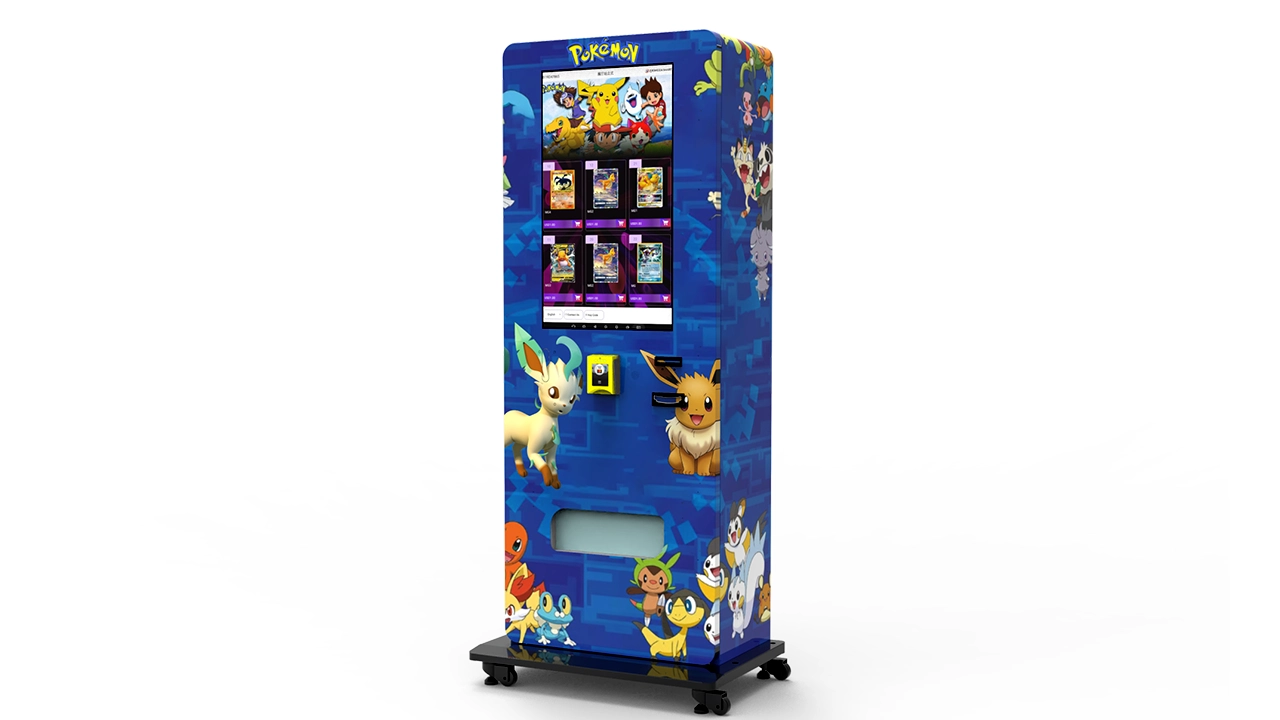
Let’s talk money first because that’s what everyone asks about. The price range for a new trading card vending machine is surprisingly wide. You can find basic units for around $3,000, but those are often small, limited-capacity machines that won’t hold enough product to justify a prime location. The sweet spot for a commercial-grade, 32-inch touchscreen model is between $6,500 and $12,000. Larger floor-standing units with multiple trays and high security can run $15,000 or more.
From my experience, the single most important spec to look at is the spiral or tray system. Card packs are light and irregularly shaped. If the machine uses a standard snack spiral, you’ll have constant jams. You want a machine designed specifically for boxes, packs, and hanging bags. The 32-inch touchscreen model I currently operate uses a custom tray system that handles card boxes without jamming. That alone saved me hours of service calls per month.
Here’s a rough breakdown of what you’ll actually spend in the first year:
- Machine cost: $7,000 – $15,000 (new, commercial grade)
- Initial inventory: $2,000 – $5,000 (depending on product mix)
- Shipping and installation: $300 – $800
- Payment system fees: $50 – $150 per month (credit card processing)
- Maintenance reserve: $500 – $1,500 per year
- Location commission: 10–20% of gross sales (if you’re in a high-traffic spot)
If you’re looking at a used or refurbished unit, be extremely careful. I’ve seen “deals” on used card machines that looked fine on the outside but had worn-out motors, cracked touchscreens, and outdated payment systems that couldn’t process contactless payments. The money you save upfront often gets eaten by repair costs and lost sales. If you go used, budget at least $1,000 for immediate upgrades.
One thing I learned the hard way: don’t cheap out on the payment system. A card-only machine that doesn’t accept Apple Pay or Google Pay is going to lose sales. Today’s buyers expect to tap their phone. Make sure the machine you buy has a modern NFC reader and a reliable cellular connection. A wall-mounted card vending machine might be cheaper, but it often has limited payment options. That’s a trade-off you need to consider.
How Much Money Can You Actually Make?
I’ll give you straight numbers from my own operations, but with a clear warning: your results will vary. Location is the single biggest variable. A machine in a high-traffic mall or a popular hobby store can do $3,000 a month in sales. The same machine in a quiet strip mall might struggle to hit $600. Don’t believe anyone who gives you a flat “you’ll make $X per month” guarantee. It’s a red flag.
In my experience, a realistic monthly revenue range for a well-placed card machine is $1,200 to $2,500. Gross margins on cards are typically 35–50%, so that translates to $400–$1,200 in gross profit per month. After location commission (if any), payment fees, and restocking time, you’re looking at a net profit of $300–$900 per month per machine. That’s not passive income, but it’s respectable for the investment.
Let’s put some public data behind this. According to a Statista report, the global trading card market was valued at over $20 billion in 2023, with a projected compound annual growth rate of around 8%. That tells you the demand side is healthy. On the vending side, IBISWorld reports that the vending machine industry in the U.S. alone generates over $7 billion annually, with a growing share coming from non-food items. This isn’t a dying industry—it’s evolving.
Here’s a table I put together based on my own experience and conversations with other operators. It compares different scenarios so you can see the range of outcomes:
| Scenario | Monthly Gross Sales | Gross Margin | Estimated Net Profit | Payback Period |
|---|---|---|---|---|
| High-traffic mall (prime spot) | $2,800 – $4,000 | 45% | $800 – $1,500 | 6 – 10 months |
| Local game store (moderate) | $1,200 – $2,000 | 40% | $300 – $600 | 12 – 18 months |
| Strip mall / low traffic | $500 – $900 | 35% | $100 – $250 | 24 – 36 months |
| Office / workplace (low volume) | $300 – $600 | 30% | $50 – $150 | Not recommended |
As you can see, the difference between a good and bad location is massive. Don’t buy a machine first and then look for a spot. Secure the location first, or at least have a strong lead, before you commit to a purchase.
Location: The Difference Between Profit and Loss
I’ve said it before, and I’ll say it again: location is everything. A trading card vending machine is not like a snack machine where people buy out of convenience. Card buyers are often making a deliberate trip or an impulse purchase while already in a retail environment. You need foot traffic, but more importantly, you need the right kind of foot traffic.
My most successful unit is inside a well-known local hobby store. The owner gets 15% of gross sales, and I handle everything else. That partnership works because the store already has a customer base of card collectors. They’re not discovering the machine by accident—they’re coming to the store specifically for cards, and the machine catches them before they reach the counter. That unit does around $3,000 a month in sales, which is my best performer.
My biggest failure was a machine placed in a suburban laundromat. I thought the high foot traffic and captive audience would translate. It didn’t. The demographic was wrong—parents doing laundry, not collectors looking for a Pokémon chase card. That machine averaged $400 a month and I pulled it after six months. I lost about $1,200 on that experiment, including the cost of moving the machine and lost inventory time. It was a painful lesson.
Here’s what I look for in a location now:
- Existing hobby or gaming culture: Game stores, comic shops, hobby shops, and even some bookstores.
- Entertainment venues: Arcades, movie theaters, bowling alleys, and family entertainment centers.
- High-traffic retail with a younger demographic: Malls, especially near electronics or toy sections.
- Visibility and security: The machine should be visible to staff or security cameras. Card machines are targets for theft.
- Power and connectivity: You need a standard outlet and either Wi-Fi or cellular signal for payment processing.
If you’re new to this, I’d strongly recommend starting with a partnership arrangement. Approach a small business owner and offer a commission split. This reduces your upfront risk and gives you a built-in customer base. The downside is lower margins, but the learning curve is worth it. For a deeper dive into this topic, I wrote a detailed piece on trading card vending machine placement strategies that covers specific foot traffic thresholds and negotiation tactics.
New vs. Used: What I Recommend for Beginners
I get asked this constantly: “Should I buy a used machine to save money?” My answer is usually no, unless you have experience repairing vending equipment. The technology in these machines—especially the payment systems and touchscreens—has changed dramatically in the last three years. A used machine from 2019 might not accept contactless payments, and retrofitting it can cost more than buying new.
Let me give you a concrete example. A friend of mine bought a used snack vending machine for $1,500, thinking he could convert it to sell cards. He spent $800 on new spirals, $400 on a new card reader, and countless hours trying to program it. In the end, the machine still jammed on smaller packs, and he gave up after four months. He lost over $3,000 in total, not including his time. If he had bought a purpose-built card machine for $8,000, he would have been profitable within the first year.
That said, there are exceptions. If you find a used machine that was specifically designed for cards, from a reputable brand, and it’s less than two years old, it might be worth considering. But get it inspected by a technician before you pay. The cost breakdown and payback analysis I put together compares new vs. used more thoroughly, and the data consistently favors new machines for beginners.
Another option is leasing. Some suppliers offer lease-to-own programs, which can lower your upfront cost. But be careful with the terms. I’ve seen leases with hidden fees and high interest rates that end up costing more than buying outright. If you’re going to lease, read the fine print and calculate the total cost over the lease term.
Choosing the Right Supplier: What I Look For
Not all suppliers are created equal. The trading card vending machine market is still relatively young, and there are plenty of companies importing cheap machines from overseas without proper quality control. I’ve dealt with several suppliers over the years, and I’ve learned to ask specific questions before placing an order.
First, ask about the payment system. Is it a certified card reader that works with major processors? Does it support contactless and mobile wallets? What’s the cellular connectivity like? You don’t want a machine that requires a hardwired internet connection—that limits your location options.
Second, ask about spare parts and service. What happens if a motor fails? Are spare parts readily available? How long does it take to get support? A machine that’s down for two weeks can cost you hundreds in lost sales. I always ask for a list of common replacement parts and their prices before I buy.
Third, ask about customization. Can the machine be branded? Can you adjust the tray configurations to fit different card sizes? Some machines are locked to specific product dimensions, which is a problem if you want to sell boxes, packs, and hanging bags. I’ve found that flexible tray systems and adjustable pricing are essential for long-term profitability.
One supplier I’ve worked with that consistently meets these standards is Zhongda Smart. They’re not the cheapest option, but their machines are built for commercial use, and their after-sales support is responsive. I’ve had one of their 32-inch models running for over two years with minimal issues. I’m not affiliated with them, but I’d rather recommend a supplier I’ve actually used than list a bunch of names I’ve only seen on a website.
Finally, ask for references. A reputable supplier should be able to connect you with existing operators who can vouch for their machines. If they can’t provide references, that’s a red flag. I’ve made the mistake of buying from a supplier with great marketing but poor support, and it cost me a lot of stress.
Payment Systems and the Customer Experience
The payment system is the heart of your machine’s user experience. If a customer can’t pay easily, they’ll walk away. In 2024, that means supporting credit cards, debit cards, Apple Pay, Google Pay, and maybe even some form of QR code payment. Cash is less important for card vending, but some operators still include a bill acceptor for customers who prefer cash.
I’ve noticed that card machines with a larger touchscreen and a more interactive interface tend to perform better. Customers like to see what they’re buying, especially if you have images of the products on the screen. A self-service kiosk with a user-friendly interface can increase sales by 15–20% compared to a basic push-button machine. That’s not a scientific figure, but it’s consistent with my experience and what other operators have told me.
Another factor is transaction speed. Card buyers often want to buy multiple packs at once. Make sure your machine supports quantity selection and doesn’t require a separate transaction for each item. This might seem obvious, but I’ve seen machines that only allow one purchase per swipe, which is a huge inconvenience.
Also, think about the “wow” factor. Some machines have LED lighting, animated screens, and even sound effects. While these add to the cost, they can make your machine stand out in a crowded location. I’ve added custom LED strips to one of my units, and it definitely attracts more attention. The downside is higher energy consumption and potential maintenance issues, so weigh the benefits carefully.
Inventory Management: The Real Work
This is where most operators fail. Buying a trading card vending machine for sale is easy. Keeping it stocked with the right products is hard. The card market is volatile. A product that’s hot this month might be dead next month. You need to track sales data, follow market trends, and be willing to rotate inventory quickly.
I use a simple spreadsheet to track each product’s sales velocity, margin, and restock date. Every two weeks, I pull the sales report from the machine’s software and update my spreadsheet. This helps me identify slow movers early and replace them with newer releases. I’ve also learned to keep a buffer of bestsellers—like Pokémon Elite Trainer Boxes and NFL Prizm packs—because those are consistent sellers.
Here’s a common mistake: overstocking on one product. I once bought 50 boxes of a niche sports card product because the supplier gave me a discount. It took me six months to sell through them, and by that time, the market price had dropped. I lost money on that deal. Now, I keep my initial order small and replenish based on actual sales data.
Restocking frequency depends on your location and sales volume. A high-traffic machine might need restocking every 3–4 days. A slower one might only need attention once a week. In any case, you should check the machine’s inventory levels remotely if your machine supports it. Many modern machines have telemetry that lets you see what’s sold and what’s left in real-time. This saves you from making unnecessary trips.
Maintenance and Common Failures
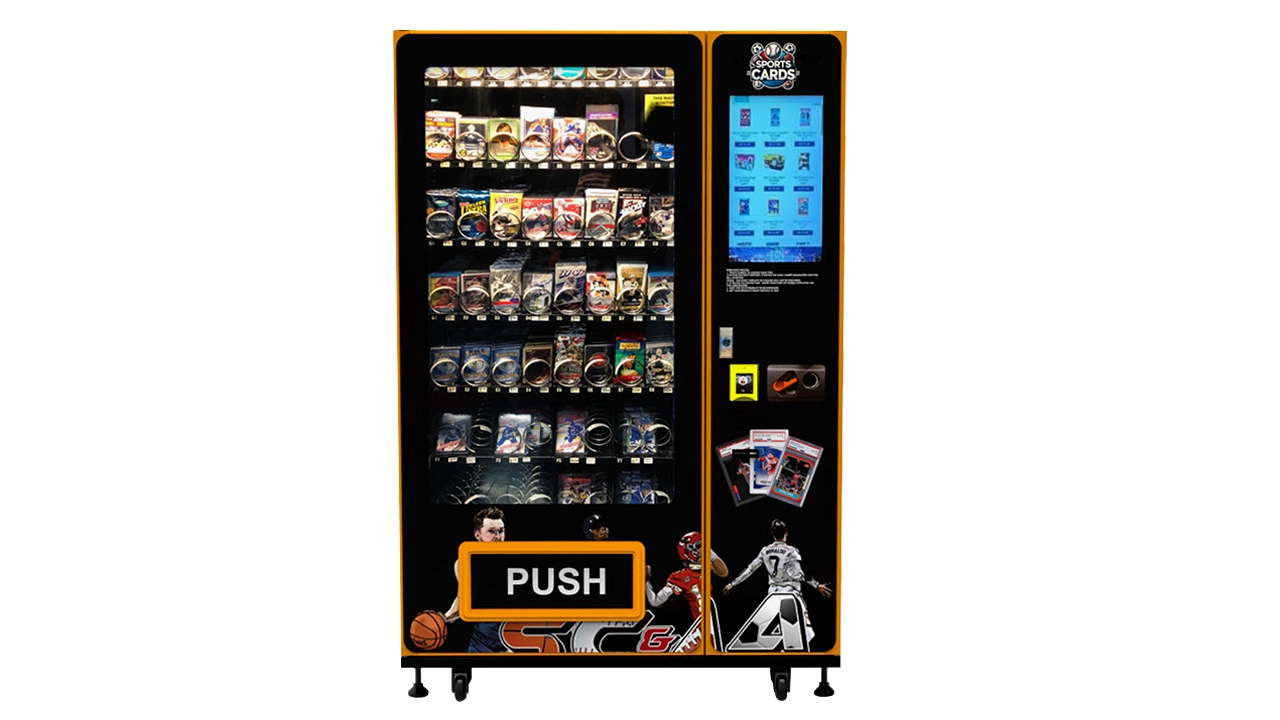
No machine is immune to breakdowns. The most common issues I’ve encountered are card jams, sensor failures, and payment system glitches. Card jams happen when a pack gets stuck in the spiral or tray. This is usually caused by incorrect spacing or a defective product. I’ve learned to set the spiral spacing carefully and test each tray with the actual product before loading it.
Sensor failures are trickier. If the machine thinks a slot is empty when it’s not, it will show “sold out” and lose a sale. This often happens when the optical sensor gets dusty or misaligned. Regular cleaning helps, but you’ll still need to replace sensors occasionally. I keep a few spare sensors in my car at all times.
Payment system issues are usually related to connectivity. If the machine loses its cellular signal, it won’t process transactions. I’ve solved this by choosing a supplier that uses a reliable cellular module and by checking the signal strength before installation. If you’re in a basement or a building with thick walls, you might need an external antenna.
For a more detailed breakdown of common problems and fixes, I’ve written about maintenance procedures and troubleshooting that you can reference. But the short version is this: buy a machine with a good warranty, keep spare parts on hand, and don’t ignore small issues—they become big ones.
Legal Requirements and Permits
Before you install a machine, check your local laws. In the U.S., vending machines are generally regulated at the state and local level. You may need a vending license, a sales tax permit, and possibly a food handling permit if you sell any edible items (even if it’s just gum or candy alongside cards). The U.S. Small Business Administration has a useful guide on which licenses you might need, but your local city or county will be the final authority.
In the EU, the rules are different. You’ll need to check local commercial regulations, and if you’re selling to consumers, you need to comply with VAT rules. The Eurostat website has resources on business regulations across member states, but it’s always best to consult a local business advisor.
One thing to note: if you’re placing a machine inside someone else’s business, the location owner’s insurance might not cover your equipment. You may need your own liability insurance. I pay about $300 a year for a policy that covers my machines for theft, damage, and product liability. It’s worth the peace of mind.
Scaling Up: When to Add More Machines
Once you have one machine running profitably for six months, you might be tempted to scale up. I did the same. But I’d advise caution. Adding a second machine doesn’t automatically double your revenue. You need to find another good location, and that’s often harder than the first.
I’ve found that the best way to scale is to build relationships with location owners. If you have a successful unit in a hobby store, ask the owner if they know other stores in the area that might be interested. Word-of-mouth referrals have been my most reliable source of new locations.
Also, consider diversifying your product mix as you scale. One machine might focus on Pokémon, another on sports cards, and a third on vintage or graded cards. This reduces your risk if one segment cools off. I’ve also started adding non-card items like dice, mini figurines, and collectible pins to some machines. These have lower margins, but they diversify the revenue stream.
Common Mistakes I See New Operators Make
I’ve been doing this long enough to see a pattern of mistakes. Here are the most common ones, in no particular order:
- Buying a machine before securing a location. This is the biggest one. You end up with a machine you can’t place, and it sits in your garage depreciating.
- Underestimating the importance of inventory selection. Just because it’s a card machine doesn’t mean you can throw any cards in it. You need to know your local market.
- Ignoring remote monitoring. If your machine doesn’t have telemetry, you’re flying blind. You’ll make unnecessary trips and miss sales.
- Skipping maintenance. A dirty machine with a jammed tray is a turn-off. Customers won’t come back.
- Expecting passive income. This is not passive. You’ll spend 3–5 hours a week per machine on restocking, cleaning, and data analysis.
I’ve made most of these mistakes myself, and they’re costly. The good news is that they’re avoidable if you do your homework before you buy.
Final Thoughts Before You Buy
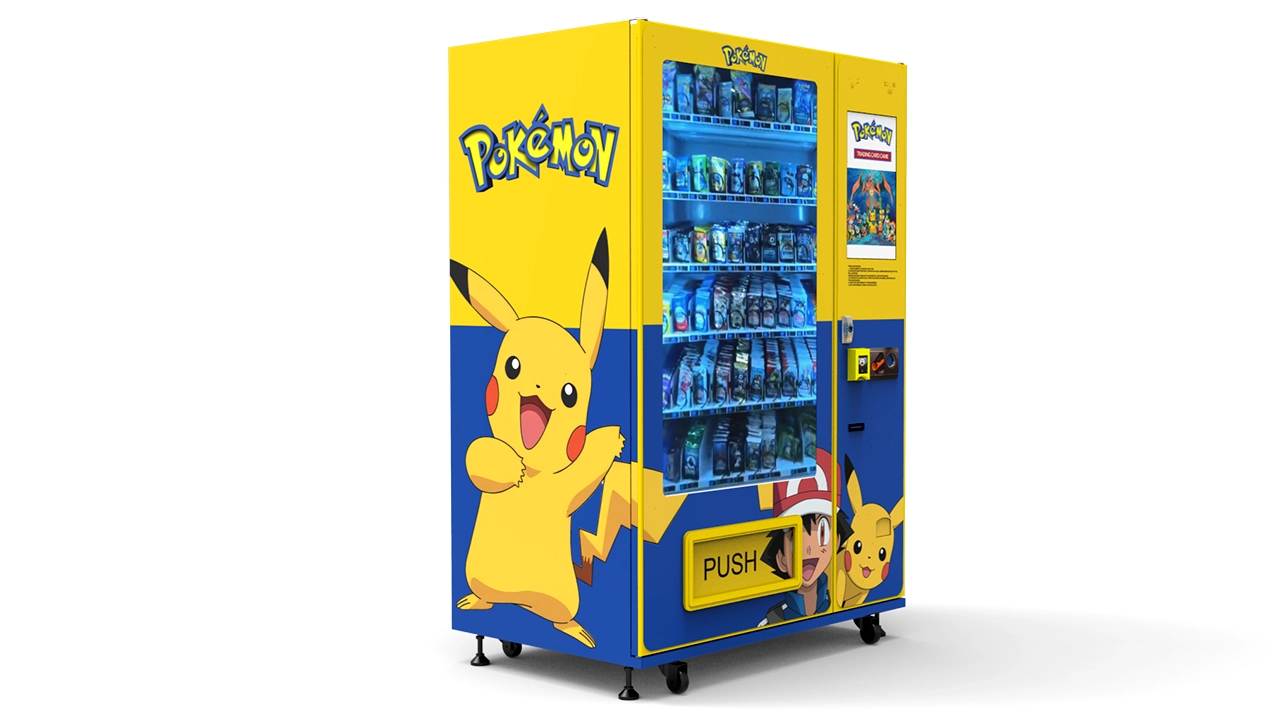
A trading card vending machine can be a profitable business, but it’s not a get-rich-quick scheme. The operators who succeed treat it like a real retail operation. They track data, adapt to market trends, and maintain their equipment. They also understand that the machine is just a tool—the real value is in the location and the inventory.
Before you make a purchase, I’d suggest visiting a few locations with card machines and observing customer behavior. Watch how people interact with the machine. Ask the location owner if they’re happy with the arrangement. This research is free, and it will save you from expensive mistakes.
If you’re still set on buying, focus on a new, commercial-grade machine from a reputable supplier like Zhongda Smart. Budget for initial inventory and a maintenance reserve. Secure a location before you commit. And start small—one machine is enough to learn the ropes.
I’ve shared my numbers, my failures, and my recommendations. The rest is up to you. The market is growing, but it’s not without risks. Do your due diligence, and you’ll have a better shot at success than most people who jump in blind.
Disclaimer: The figures in this article are based on my own operational experience and should not be taken as guaranteed returns. Actual results depend on location, market conditions, and operational efficiency. Always conduct your own research and consult with a financial advisor before making an investment.
Frequently Asked Questions
Are trading card vending machines profitable?
They can be, but profitability depends heavily on location and product selection. In a good location, a machine can generate $1,200–$2,500 in monthly gross sales with 35–50% margins. In a bad location, you might struggle to cover costs. I’ve seen both outcomes.
How much does a trading card vending machine cost?
A new, commercial-grade machine typically costs between $6,500 and $15,000. Used machines are cheaper, but they often require expensive upgrades. Budget an additional $2,000–$5,000 for initial inventory and setup.
How long does it take to recoup the investment?
With a good location and consistent sales, you can recoup your investment in 12–18 months. In a prime location, it might be as short as 6–10 months. If sales are slow, it could take 24 months or longer. There are no guarantees.
Should I buy or lease a card vending machine?
Leasing can reduce upfront costs, but the total cost is often higher due to interest and fees. I recommend buying outright if you have the capital, especially for your first machine. Leasing makes sense if you’re testing the business model and want to minimize risk.
Where should I place a card vending machine?
Look for locations with existing hobby or gaming culture, such as game stores, comic shops, arcades, and high-traffic malls. Avoid locations where the demographic doesn’t match card collectors, like laundromats or auto repair shops.
What permits and licenses do I need?
Requirements vary by state and country. In the U.S., you may need a vending license, sales tax permit, and possibly a business license. Check with your local city or county government. The SBA website is a good starting point.
How do I choose a reliable supplier?
Ask about payment system certifications, spare parts availability, and after-sales support. Request references from existing operators. I’ve had good experiences with Zhongda Smart, but always do your own due diligence.
What happens if the machine breaks down?
Most breakdowns are minor, like card jams or sensor issues. Keep spare parts on hand and learn basic troubleshooting. For major issues, you’ll need to contact the supplier or a local technician. A good warranty is essential.
How can I reduce restocking and maintenance costs?
Use a machine with remote telemetry to monitor inventory levels. Plan your restocking route efficiently. Keep the machine clean and perform regular preventive maintenance. Track sales data to avoid overstocking slow-moving products.