If you are looking for the best trading card vending machine for high-traffic locations, the honest answer is that the machine itself matters less than the payment system, the security build, and your restock discipline. I have been running automated retail for over a decade, and I have learned that a flashy 32-inch touchscreen unit will not save a bad location, just like a bulletproof steel frame will not fix a poor card selection. The best trading card vending machine for a busy mall or grocery store is the one that handles card protection, cardless payment speed, and remote monitoring without constant babysitting. In my experience, the real profit comes from matching the right hardware to the right foot traffic profile, and that is what this guide will break down from an operator’s perspective.
Why Trading Card Vending Machines Are Not a Passing Trend
The shift toward self-service kiosks in the collectibles space has been building for years, but the pandemic accelerated it in a way most operators still underestimate. I remember when my first machine sat idle for weeks because I assumed the Pokémon boom would carry any location. It did not. The demand was there, but the machine was in a dead zone with no natural browsing behavior.
Today, the landscape is different. High-traffic locations like Walmart entrances, mall food courts, and hobby shop corners are seeing consistent transactions because the product itself has become a mainstream impulse buy. Trading cards are no longer just for hobbyists; they are a liquid asset class. This changes the vending equation because you are not selling a consumable that people forget to buy; you are selling a product with perceived scarcity and immediate resale value.
From an operational standpoint, this means your vending machine repair strategy and restock schedule are directly tied to revenue. A broken card dispenser in a high-traffic spot is not just a lost sale; it is a lost customer who will likely not return. I have seen operators lose prime locations because they let a simple jam go unfixed for three days. The landlord noticed, the foot traffic dropped, and the contract was not renewed.
What Defines a High-Traffic Location for Card Vending
Not all foot traffic is created equal. I have placed machines in transit hubs with massive daily footfall that failed because people were moving too fast to browse. Conversely, a small card shop with 200 visitors a day outperformed a mall kiosk with 5,000 passersby. The key metric is dwell time, not just raw numbers.
When evaluating a site, I look for three things: a natural stopping point, a demographic that already buys collectibles, and a security environment that discourages vandalism. A location near a game store, a comic shop, or even a toy aisle in a big-box retailer tends to convert better than a random corridor. The best trading card vending machine for high-traffic locations is the one placed where people already have their wallets out and are in browsing mode.
Another factor is the type of traffic. Family-oriented locations like bowling alleys and family entertainment centers generate steady weekend revenue but can be dead on weekdays. Grocery stores provide consistent daily traffic but often lack the impulse purchase mindset for a $15 booster pack. I have learned to match the machine configuration to the traffic pattern, not just the location type.
In my experience, the most reliable high-traffic spots are hobby shops with existing card communities, followed by well-trafficked convenience stores near schools, and then regional malls with entertainment anchors. The common thread is that people in these places are already thinking about spending money on entertainment, not just necessities.
Cost Breakdown: How Much Should You Budget?
Let me be direct about costs because there is a lot of misinformation out there. A basic single-serve card vending machine can start around $6,000 to $9,000, while a more robust unit with a 32-inch touchscreen, multiple dispensing mechanisms, and better security can run $12,000 to $18,000. These are real numbers from my recent purchases, not manufacturer marketing figures.
You also need to budget for installation, shipping, and initial card inventory. Shipping alone can be $300 to $800 depending on the machine weight and your distance from the distributor. Initial card stock for a well-rounded machine typically costs $2,000 to $4,000, depending on whether you are stocking sealed booster packs, single cards, or a mix of both.
Do not forget the ancillary costs. Payment processing fees eat into your margin, typically 2.5% to 3.5% per transaction. If you are in a mall, rent can range from $200 to $800 per month depending on the square footage and traffic guarantees. Utilities are usually minimal, but you should factor in $20 to $50 per month for electricity and potentially internet connectivity if you are using remote monitoring.
Here is a rough table based on my own operations, and I want to emphasize that these numbers vary widely by location and negotiation:
| Cost Category | Low End (USD) | High End (USD) | Notes |
|---|---|---|---|
| Machine Purchase | $6,000 | $18,000 | Depends on size, touchscreen, security |
| Shipping & Installation | $300 | $1,000 | Heavier units cost more |
| Initial Card Inventory | $2,000 | $5,000 | Booster packs vs. singles |
| Monthly Rent | $150 | $800 | High-traffic malls charge more |
| Payment Processing | 2.5% | 3.5% | Per transaction |
| Maintenance Reserve | $50 | $150 | Monthly average for repairs |
According to IBISWorld, the vending machine industry in the US has grown steadily, but the card vending niche is still small enough that public data is scarce. I rely more on my own books than industry reports, but the trend toward automated retail is well documented. Statista notes that self-service kiosk adoption has increased across retail sectors, which supports the long-term viability of this model.
Revenue Expectations and Realistic ROI Timelines
I have seen operators claim they make $3,000 a month from a single machine. That is possible, but it is not typical. In my experience, a well-placed machine in a good hobby shop or mall food court generates $800 to $2,500 in gross monthly revenue. The variance depends heavily on card selection, restock frequency, and the local collector community.
Gross margins on sealed booster packs are thinner than most people think. You might buy a booster box for $120 and sell the packs for $4 each, giving you a margin of about 30% to 40% after processing fees. Single cards, especially high-value pulls, can have much higher margins if you are grading and selling them yourself, but that adds labor and risk.
My realistic ROI calculation is 12 to 18 months for a single machine in a decent location. If you are paying $12,000 for the machine and clearing $700 to $1,000 per month in profit after all expenses, you are looking at roughly a year to break even. If you hit a hot market with a new Pokémon set release, you might do better, but I never plan for hype cycles.
One thing I have learned is that the best trading card vending machine for high-traffic locations is not the one with the highest price tag, but the one that you can actually service consistently. A cheaper machine that breaks down twice a month will cost you more in lost revenue and repair calls than a slightly pricier unit that runs for months without issues. I have made that mistake, and I do not want you to repeat it.
My First Failure: A Lesson in Placement and Machine Choice
I want to share a failure because it taught me more than any success. About five years ago, I placed a standard snack vending machine converted to hold card packs in a busy urban transit station. The foot traffic was incredible, over 10,000 people a day. I thought it was a slam dunk.
It was not. The machine was constantly jammed because the card packs were too light for the spiral mechanism, and the payment system was slow, which caused people to walk away in frustration. In the first month, I spent more on vending machine repair than I made in revenue. The location manager eventually asked me to remove it because it was generating complaints.
The lesson was clear: high traffic does not equal high conversion if the machine is not designed for the product. Card packs are not snacks. They need a dispensing system that handles thin, lightweight items without jamming. They also need a payment interface that is fast and intuitive, because the target demographic is often younger and expects a seamless digital experience.
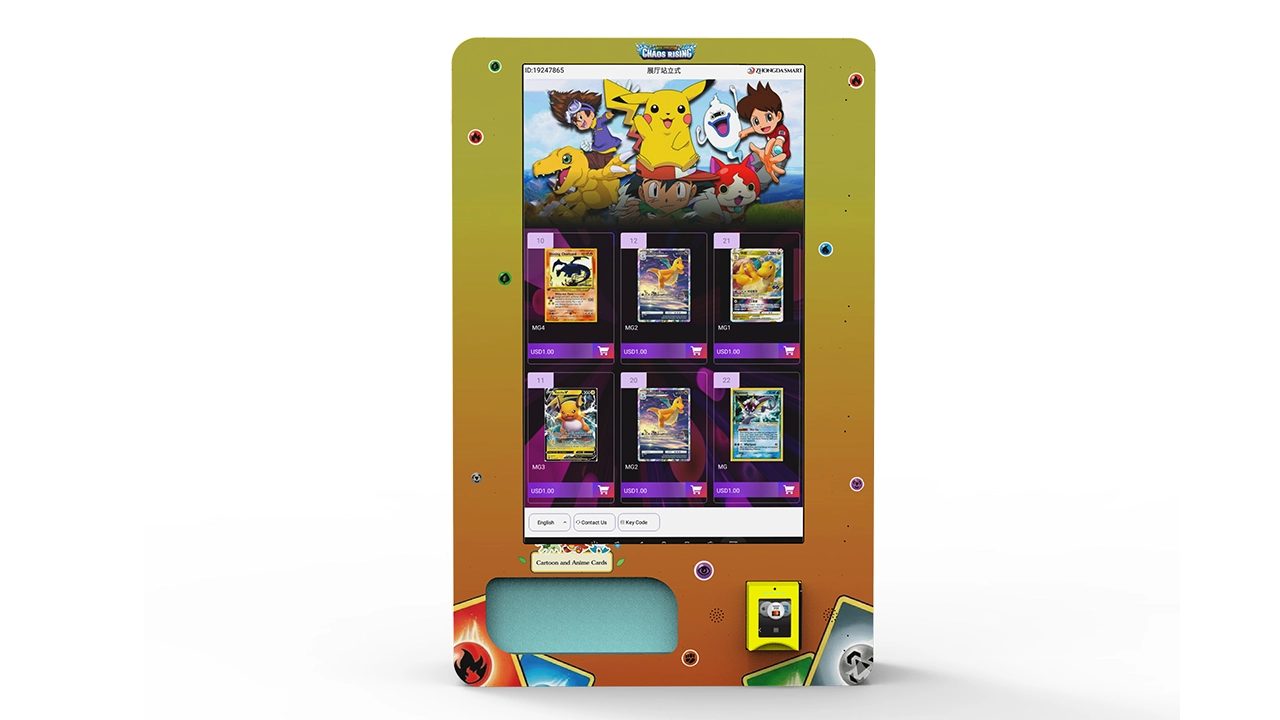
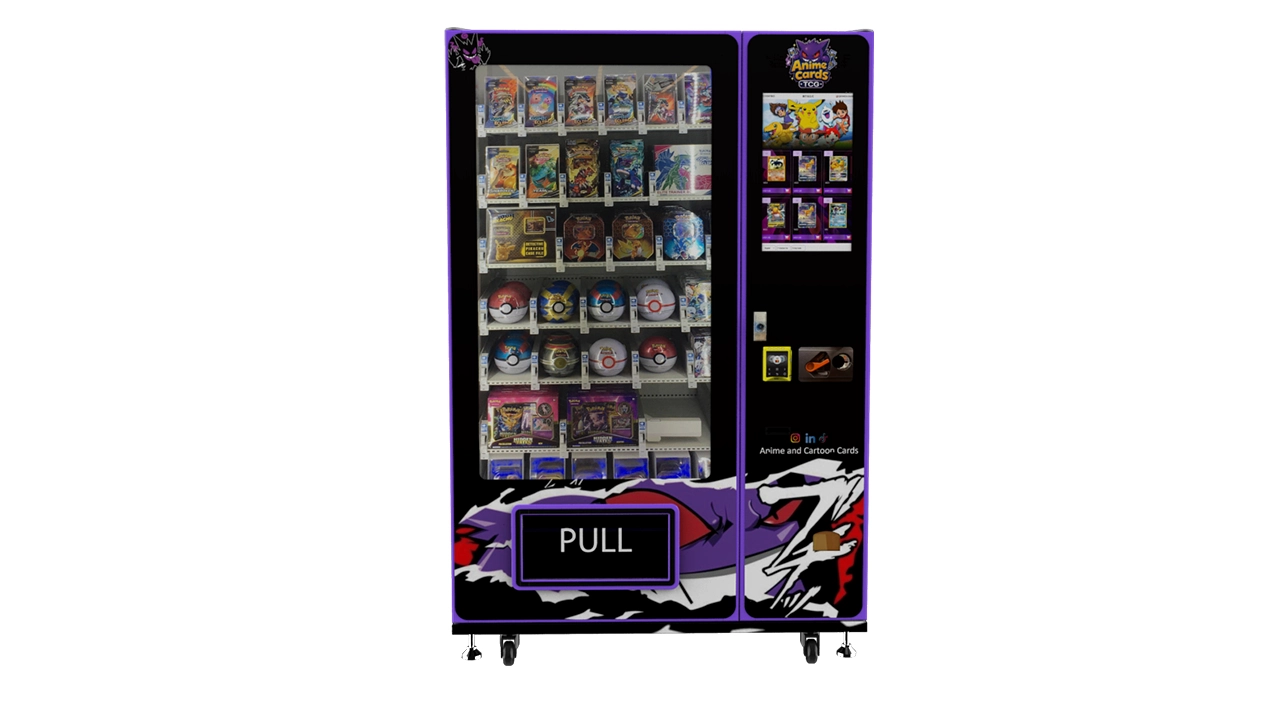
That failure pushed me to look for machines specifically designed for trading cards, not just retrofitted snack machines. That is when I started paying attention to manufacturers like Zhongda Smart, which builds units with card dispensing in mind, including better sensors and more reliable delivery mechanisms. I am not saying they are the only option, but their focus on this niche is real.
A Success Case: The Right Machine in a Hobby Shop
On the flip side, I have a machine that has been running for two years in a local hobby shop without a single major breakdown. The location is not a massive mall, but it has a dedicated collector base. The owner promotes the machine to his regulars, and I restock it every three to four days.
That machine is a 32-inch touchscreen model with a card-specific dispensing system. It cost me about $14,000, and it paid for itself in 13 months. The key was that the hobby shop owner treated it as an extension of his business, not just a passive income source. He would tell customers about new drops, and the machine became a destination point.
This success reinforced my belief that the best trading card vending machine for high-traffic locations is the one that becomes part of the local ecosystem. It is not just about the machine; it is about the relationship you build with the location host. If they are invested in your success, you will do better.
Machine Types: Which Configuration Works Best?
There are several configurations on the market, and each has its own strengths and weaknesses. I have tested most of them, and I want to give you an honest comparison based on my experience, not just spec sheets.
The simplest option is a wall-mounted card vending machine. These are compact, take up minimal floor space, and are ideal for locations with limited room, like a convenience store wall or a small card shop corner. They typically hold fewer SKUs, maybe 50 to 100 items, which means you need to be more selective about what you stock. The upfront cost is lower, around $5,000 to $8,000, but the revenue ceiling is also lower.
Freestanding units with a 32-inch touchscreen are the workhorses of the industry. They offer a better browsing experience, can display high-quality images of the cards, and often have more secure dispensing mechanisms. These are the machines I prefer for high-traffic locations because they attract attention and can hold a larger inventory, reducing restock frequency. The cost is higher, but so is the potential revenue.
There are also large-format machines that can hold thousands of individual cards, often used for single-card sales where the customer can see the card before purchase. These are high-ticket items, often $20,000 or more, and they require a different operational approach. You need to manage a larger inventory, and the risk of theft or damage to individual cards is higher.
For most operators, I recommend starting with a freestanding touchscreen unit. It gives you the flexibility to test different card types and adjust your inventory without the high risk of a large-format machine. As you gain experience, you can expand into more specialized equipment.
Payment Systems and the Unattended Retail Experience
Payment processing is where many new operators underestimate the importance of technology. In high-traffic locations, speed matters. If a customer has to wait more than 15 seconds for a transaction to process, they will abandon the purchase. I have seen this happen countless times.
Modern card vending machines should accept credit cards, debit cards, mobile wallets like Apple Pay and Google Pay, and increasingly, cash. Some newer machines even support contactless payments via NFC, which is becoming the norm in Europe and is growing in the US. According to Eurostat, contactless payment adoption has surged across the EU, and this trend is spreading globally.
I always recommend machines with remote monitoring and telemetry. This allows you to check inventory levels, sales data, and machine health from your phone or computer. It saves you trips to the machine and helps you identify issues before they become major problems. The best trading card vending machine for high-traffic locations is one that you can manage remotely, because your time is your most valuable asset.
Cash handling is another consideration. Machines that accept cash require more maintenance because the bill validators and coin mechanisms can jam or wear out. In high-traffic locations, I prefer card-only machines to reduce vending machine repair calls, but I understand that some demographics still prefer cash. It is a trade-off you need to make based on your target audience.
Supplier Selection: How to Avoid Getting Burned
Choosing a supplier is one of the most critical decisions you will make. I have seen operators buy cheap machines from overseas without proper certification, only to have them fail safety inspections or break down within weeks. You get what you pay for, and in this industry, cheap is often expensive.
I look for manufacturers with a proven track record in the card vending niche, not just general vending machines. Zhongda Smart is one of the names that comes up consistently in my circles, and I have found their machines to be reliable and well-supported. However, I always recommend that operators do their own due diligence, ask for references, and visit a factory or a working machine if possible.
One critical factor is after-sales support. What happens when the machine breaks down? Do they have a local technician, or do you have to ship the machine back? In my experience, having a supplier with a local service network is worth paying a premium for. A cheap machine with no support is a liability, not an asset.
Another consideration is software updates and payment system compatibility. Payment processing standards change, and your machine needs to keep up. A reputable supplier will provide firmware updates and ensure their machines are compatible with the latest payment technologies. This is not something you want to worry about after the purchase.
Restocking and Inventory Management: The Daily Grind
Restocking is the least glamorous part of the business, but it is where you make or lose money. I have learned that the best trading card vending machine for high-traffic locations is the one that you can restock efficiently. If it takes you 30 minutes to restock a machine, you are losing money on your labor time.
I recommend carrying a standard restock kit that includes a portable scale, a flashlight, and a small vacuum for cleaning the glass and interior. You also need to keep track of what is selling and what is not. Sales data from the machine’s telemetry system is invaluable here. I review my sales data weekly and adjust my inventory accordingly.
One common mistake is overstocking slow-moving items. Just because a card set is popular online does not mean it will sell in your specific location. I have had machines where a particular set sat for months, tying up capital and shelf space. The solution is to start with a conservative mix of proven sellers and gradually add new products based on real sales data.
Inventory management is also about understanding the secondary market. Card values fluctuate, and a pack that was $5 last month might be $8 this month due to a price spike. I track market trends and adjust my pricing accordingly. This is not something a beginner can do overnight, but it is a skill you develop over time.
Maintenance and Vending Machine Repair: What to Expect
Every machine will break down eventually. It is a matter of when, not if. The key is to minimize downtime and have a plan in place. I recommend keeping a list of common spare parts, such as sensors, motors, and payment system components, so you can do basic repairs yourself.
For more complex issues, you need a reliable vending machine repair technician. If you are in a major city, you can find independent techs who specialize in card vending machines. If you are in a rural area, you might need to rely on the supplier’s support network. This is another reason why supplier selection is so important.
Preventive maintenance is your best defense. I clean the card dispensing mechanism every two weeks, check the payment system for wear, and update the software regularly. This might seem like overkill, but it has saved me thousands of dollars in emergency repair calls.
According to the U.S. Small Business Administration, small business owners should factor in maintenance costs when planning their budgets. This is sound advice for any vending operation. I typically set aside 5% to 10% of my gross revenue for maintenance and unexpected repairs.
Lease vs. Purchase vs. Revenue Share Models
Not everyone wants to buy a machine outright, and that is fine. There are other models to consider. Some operators lease machines, which reduces the upfront cost but increases the monthly overhead. Leasing can be a good option if you are testing a new location or do not have the capital for a full purchase.
Revenue share models are also becoming more common. In this arrangement, the location host provides the space and sometimes the electricity, and you split the revenue. This can be a win-win because it aligns incentives. The host is motivated to promote the machine, and you have lower fixed costs. However, you need to have a clear contract that defines who is responsible for maintenance, restocking, and payment processing.
I have used revenue share in a few locations, and it has worked well when the host is engaged. In one case, a game store owner actively promoted the machine to his customers, and our revenue increased by 40% compared to a similar location where the host was passive. The best trading card vending machine for high-traffic locations is the one where the host is a partner, not just a landlord.
Here is a comparison table based on my experience with these models:
| Model | Upfront Cost | Monthly Cost | Profit Potential | Control |
|---|---|---|---|---|
| Purchase | High ($6k-$18k) | Low (rent, utilities) | High (all profit yours) | Full |
| Lease | Low ($0-$2k) | Medium ($200-$500/month) | Medium (lease fee reduces profit) | Moderate |
| Revenue Share | Low ($0-$2k) | Variable (20%-50% of revenue) | Medium (share with host) | Shared |
Regulatory Considerations and Permits
Do not overlook the legal side of the business. Depending on where you are located, you may need a vending machine permit, a business license, and possibly a food handling certificate if you are selling anything edible. Trading cards are not food, but the machine itself may be subject to health and safety inspections.
In the US, regulations vary by state and even by city. Some municipalities require a specific vending machine permit, while others only require a general business license. I recommend checking with your local chamber of commerce or business development office to understand the requirements in your area.
In the EU, the situation is different. You may need to comply with CE marking requirements for electronic equipment, and you will need to register for VAT if you are selling goods. The European Commission’s website has resources for small businesses, and Eurostat provides data on retail trends that can help you make informed decisions.
It is also wise to have liability insurance. If someone is injured by the machine or if the machine malfunctions and causes damage, you want to be protected. The cost of insurance is relatively low compared to the potential liability, and it gives you peace of mind.
Common Mistakes New Operators Make
I have made many mistakes over the years, and I have also observed other operators making the same ones. The most common mistake is underestimating the importance of location. People assume that any high-traffic area will work, but that is not true. You need to evaluate the specific demographics, dwell time, and existing competition.
Another mistake is buying a machine that is too small or too large for the location. A small machine in a high-traffic area will run out of stock quickly, leading to lost sales and frustrated customers. A large machine in a low-traffic area will tie up capital in inventory that does not move.
Many operators also neglect the importance of marketing. A vending machine is not a passive investment. You need to promote it, especially in the first few months. I have seen operators succeed by partnering with local influencers, running social media campaigns, and offering promotions like buy-one-get-one-free on slower days.
Finally, do not ignore the data. The best trading card vending machine for high-traffic locations is one that you monitor closely. If a machine is not performing, you need to analyze why and make changes. It could be the location, the card selection, the pricing, or the machine itself. The sooner you identify the problem, the sooner you can fix it.
How to Negotiate with Location Hosts
Negotiating with location hosts is a skill that takes time to develop. I have learned that the most important thing is to be transparent about your costs and revenue expectations. Hosts appreciate honesty, and they are more likely to work with you if they understand your business model.
When approaching a potential location, I bring a one-page summary that outlines the machine, the expected revenue, and the benefits to the host. I also offer a trial period to reduce their risk. If the machine does not perform, they can ask me to remove it. This has helped me secure prime locations that were initially hesitant.
Rent is negotiable, but you need to be realistic. In a high-traffic mall, you might pay $500 to $800 per month. In a smaller shop, you might pay $150 to $300. I always try to negotiate a revenue share instead of a fixed rent, especially in the beginning. This aligns our interests and reduces my fixed costs.
Another tip is to offer the host a small percentage of the revenue as an incentive. This is not standard, but it can be a powerful motivator. In one case, I offered a 10% revenue share to a game store owner, and he became my biggest advocate. He would tell every customer about the machine, and my sales doubled within a month.
FAQ Section
Are trading card vending machines profitable?
Yes, they can be profitable if you choose the right location and manage your inventory well. In my experience, a well-placed machine can generate $800 to $2,500 in gross monthly revenue, with profit margins of 30% to 50% depending on your card sourcing and pricing. However, it is not a get-rich-quick scheme. You need to factor in the cost of the machine, rent, maintenance, and your time. The best trading card vending machine for high-traffic locations will pay for itself in 12 to 18 months on average, but this varies widely based on the factors I have discussed.
How much does a trading card vending machine cost?
A basic wall-mounted unit can cost around $5,000 to $8,000, while a freestanding model with a touchscreen and advanced features will run $12,000 to $18,000. Large-format machines that hold thousands of individual cards can cost $20,000 or more. You also need to budget for shipping, installation, and initial card inventory, which can add another $3,000 to $6,000 to your startup costs.
How long does it take to recoup the investment?
Based on my operations, the typical payback period is 12 to 18 months for a single machine in a good location. If you are paying $12,000 for the machine and clearing $700 to $1,000 per month in profit, you will break even in about a year. In a slower location, it could take up to two years. I always recommend having a cash reserve to cover at least six months of operating expenses before you start.
Should beginners buy or lease a machine?
Leasing is a good option for beginners because it reduces the upfront cost and allows you to test different locations without a huge financial commitment. However, leasing means you will have higher monthly costs and less control over the equipment. If you are confident in the location and have the capital, buying is the better long-term investment. I started by buying a used machine, which was a mistake because it broke down constantly. If I were starting over, I would lease a new machine for the first year to learn the ropes.
Where is the best place to put a card vending machine?
The best locations are hobby shops, game stores, comic book shops, and entertainment venues like bowling alleys and family entertainment centers. Grocery stores and convenience stores can work if they are in areas with a strong collector community. Look for locations with high dwell time, not just high foot traffic. A place where people are already in a browsing and spending mindset is ideal.
What permits and licenses do I need?
You will likely need a business license and possibly a vending machine permit, depending on your city or state. In the US, regulations vary widely, so check with your local government. In the EU, you will need to comply with CE marking and VAT requirements. I also recommend getting liability insurance to protect yourself in case of accidents or malfunctions.
How do I choose a reliable supplier?
Look for a supplier with a proven track record in card vending machines, not just general vending. Ask for references, visit a working machine if possible, and check their after-sales support. Zhongda Smart is one manufacturer I have used, and their machines have been reliable. However, always do your own due diligence and compare multiple suppliers before making a decision.
What should I do if the machine breaks down?
First, check the machine’s diagnostic system to see if there is an error code. Many issues can be resolved remotely or with simple fixes like clearing a jam. If you cannot fix it yourself, contact a local vending machine repair technician or your supplier’s support team. Keep a list of common spare parts on hand to minimize downtime.
How can I reduce restocking and maintenance costs?
Use a machine with remote monitoring to track inventory levels and sales data, so you only visit when you need to restock. Standardize your restock routine and keep a well-organized inventory. Preventive maintenance, like cleaning the dispensing mechanism regularly, will reduce the likelihood of major breakdowns. Finally, negotiate with your location host for a revenue share instead of a fixed rent to lower your fixed costs.
Disclaimer: The information provided in this article is based on my personal experience as a vending machine operator and is for general informational purposes only. Revenue figures, costs, and payback periods are estimates and can vary significantly based on location, market conditions, and operational efficiency. I am not a financial advisor, and you should conduct your own research and consult with professionals before making any business investment.