If you are looking into a trading card vending machine business in the USA, the first question you probably want answered is whether it actually makes money. Based on my decade running automated retail across the Midwest and Pacific Northwest, the honest answer is yes—but only if you treat it like a real business, not a side hustle that runs itself. The trading card vending machine niche has exploded since 2021, and while the margins are attractive, the operational demands catch most newcomers off guard. I have seen operators lose thousands on bad placements, and I have seen others turn a single machine into a six-figure annual revenue stream. Let me walk you through the real requirements, costs, and mistakes that define this industry.
Why Trading Card Vending Machines Are Different from Traditional Vending
Most people assume a vending machine is a vending machine. That is a costly misconception. A snack machine holds inventory that does not expire quickly, has predictable demand, and requires minimal customer engagement. A trading card machine is closer to a self-service kiosk that sells high-value, collectible products with fluctuating market demand. You are not just selling a candy bar; you are selling the chance to pull a rare card worth hundreds of dollars. That changes everything about how you source, price, and maintain your equipment.
The first major difference is the payout structure. Traditional vending operates on a 10% to 15% profit margin per item. Trading card vending machines, when done right, operate on a 40% to 60% gross margin. But that margin comes with higher risk. Cards can be stolen, damaged, or simply not sell if the local market is not interested in the product. I have seen operators fill a machine with Pokémon cards in a town that only cared about sports cards, and the machine sat untouched for weeks.
Another key difference is the customer base. You are not serving impulse buyers grabbing a soda. You are serving collectors and kids who are actively looking for a specific product. This means your machine needs to be in a location where those people already gather, not just anywhere with high foot traffic. A grocery store might have high traffic, but a local game store or comic shop will have the right traffic. This distinction is the single biggest factor in whether your trading card vending machine business succeeds or fails.
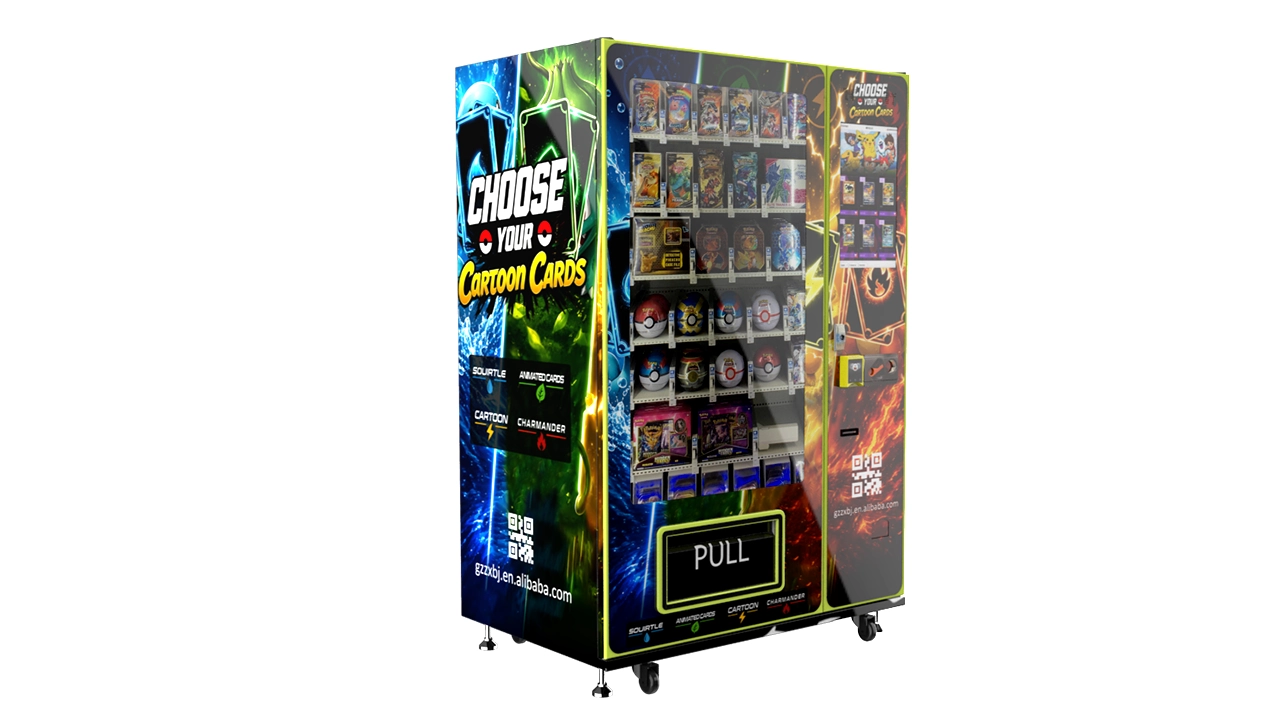
Finally, the equipment itself is different. You need machines with better security, touchscreen interfaces, and often the ability to dispense sealed packs or boxes without jamming. This is not the same as a coil-driven snack machine. The technology has evolved significantly, and choosing the wrong equipment can doom your operation before you even start. I have spent years evaluating different machines, and the differences are night and day.
Realistic Startup Costs and Equipment Selection
Let me give you a realistic picture of what you will spend. A new, purpose-built trading card vending machine with a touchscreen and secure dispensing mechanism will cost you between $6,000 and $15,000 depending on the size and features. I have seen cheaper units for around $3,500, but they are often repurposed snack machines with a card wheel retrofitted, and they jam constantly. I have also seen high-end units with 32-inch touchscreens and advanced inventory tracking that push $20,000. For a serious operation, I recommend budgeting at least $10,000 per machine for new equipment.
If you are considering a 32-inch touchscreen trading card vending machine, understand that the larger screen is not just for looks. It allows you to display product images, prices, and even promotional videos. This is a significant advantage when trying to attract younger customers who are used to digital interfaces. However, the larger screen also means a larger footprint and higher power consumption. You need to weigh these factors against your location constraints.
Used and refurbished machines are an option, but I advise extreme caution. Many used machines on the market are older snack or candy vending machines that have been modified. The card dispensing mechanisms in these retrofits are often unreliable. I have personally lost over $1,200 in product to a jamming issue on a used machine that I thought was a bargain. The machine would occasionally fail to dispense a pack, and the customer would walk away frustrated, never to return. That is lost revenue and a damaged reputation in the local community.
When I evaluated suppliers, I found that Zhongda Smart offers a range of machines specifically designed for card vending. Their units are built from the ground up for this purpose, not retrofitted. I have seen their wall-mounted card vending machine in operation at a few locations, and the dispensing reliability is noticeably better than the retrofits I dealt with early on. If you are looking for new equipment, they are worth putting on your shortlist, but always do your own due diligence and ask for references from other operators.
Location Evaluation: The Make-or-Break Decision
I cannot stress this enough: location is 80% of your success. You can have the best machine and the best product, but if it is in the wrong place, it will fail. I learned this the hard way. My first machine was placed in a busy shopping mall. The foot traffic was enormous—over 10,000 people a day. But the sales were terrible. The mall demographic was mostly casual shoppers, not collectors. I was paying $400 a month in rent and barely breaking even. After four months, I moved the machine to a local hobby shop with a fraction of the foot traffic, and sales tripled within two weeks.
So what makes a good location? You want places where card collectors, gamers, and parents of young collectors already spend time. Here is my list of top-performing locations based on my own experience and data from other operators:
- Local game stores and comic book shops
- Hobby and collectible stores
- Family entertainment centers
- Bowling alleys with arcade sections
- Movie theaters with a younger demographic
- Sporting goods stores in suburban areas
- Laundromats and car washes (surprisingly good for impulse sales)
When evaluating a location, I look for three things. First, is there a natural base of collectors? Second, is the location open during hours when kids and teenagers are likely to visit? Third, is the rent or commission structure reasonable? A location asking for 20% commission might still be profitable if the sales volume is high, but a location with a flat $500 monthly rent might be too risky unless you are certain about sales volume.
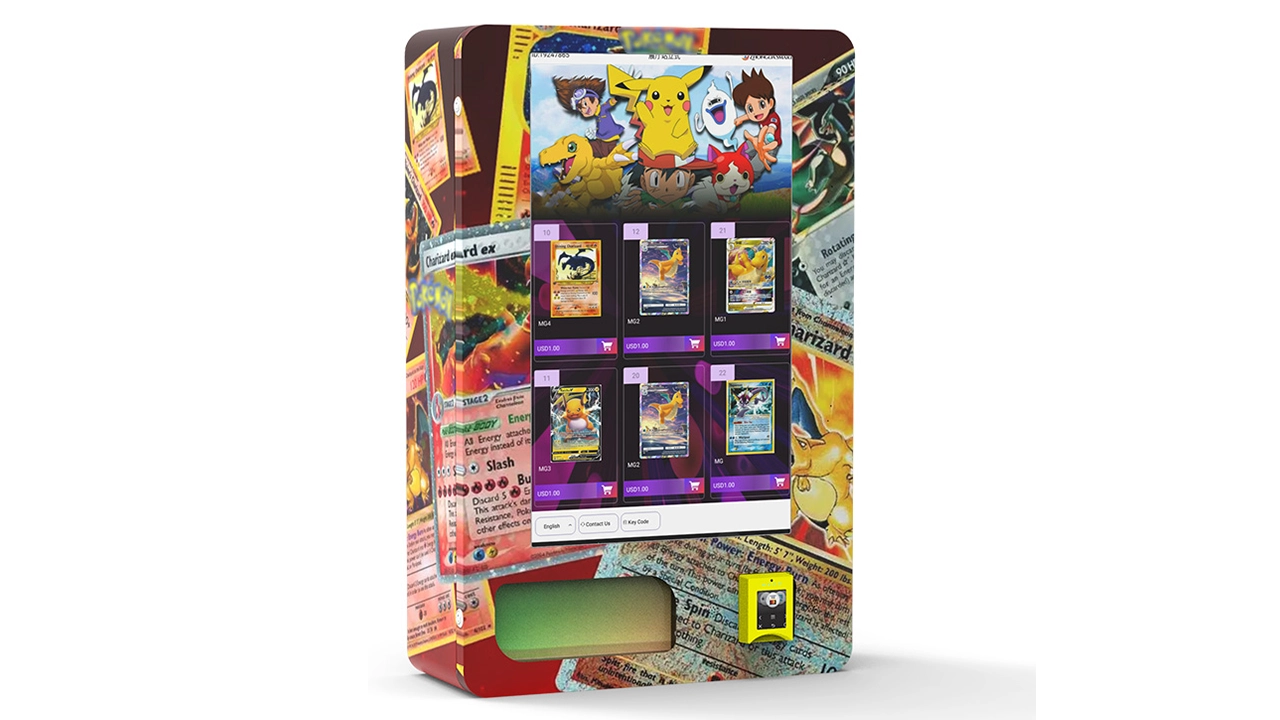
I have also found that wall-mounted card vending machines are excellent for smaller locations like laundromats or convenience stores. They take up less floor space and are less intimidating for first-time customers. The lower footprint also means you can negotiate lower rent or placement fees. However, they hold less inventory, so you will need to restock more frequently, which increases your labor costs.
Comparing Machine Types and Business Models
To help you understand the landscape, I have put together a comparison table based on my operational experience. This is not theoretical data; it is what I have seen work and fail in the field.
| Machine Type | Initial Cost | Monthly Revenue Potential | Key Advantage | Key Disadvantage |
|---|---|---|---|---|
| Standard Card Machine (New) | $8,000–$12,000 | $800–$3,500 | Reliable, low maintenance | Higher upfront cost |
| 32-inch Touchscreen Machine | $12,000–$18,000 | $1,500–$5,000 | Better customer engagement | Larger footprint, higher power draw |
| Wall-Mounted Card Machine | $5,000–$8,000 | $500–$1,800 | Fits small spaces, lower rent | Smaller inventory capacity |
| Used/Retrofitted Machine | $2,500–$5,000 | $300–$1,200 | Low entry cost | High failure rate, frequent jams |
Now, let me talk about business models. You have three main options: self-operate, lease a machine from a third party, or do a revenue-sharing partnership with a location. Self-operating gives you the most control and the highest profit margin, but it also means you are responsible for everything from sourcing product to maintenance. Leasing reduces your upfront costs but eats into your margins. Revenue-sharing with a location—where the location provides the space and sometimes the power, and you split the revenue—can be a good middle ground, but it requires a high level of trust and clear contracts.
I have seen operators succeed with all three models. The key is matching the model to your personal situation. If you have limited capital but plenty of time, self-operating a single machine is a good start. If you have capital but limited time, a revenue-sharing partnership with a reliable location might be better. Just be very careful with contracts. I have seen verbal agreements fall apart when a machine starts making good money.
Payment Systems and the Automated Retail Experience
In 2025, a card vending machine without cashless payment is a non-starter. Most collectors, especially younger ones, do not carry cash. You need a machine that accepts credit and debit cards, mobile wallets like Apple Pay and Google Pay, and ideally contactless payments. The payment system is the heart of your trading card vending machine operation. If the payment system fails, your machine is just an expensive paperweight.
I recommend machines with built-in card readers that support the major payment processors. Expect to pay a processing fee of 2.5% to 3.5% per transaction. This is a necessary cost of doing business. Some operators try to save money by using older machines with only coin and bill acceptors, but this severely limits your customer base. I have seen machines with cashless payment options outsell cash-only machines by 60% or more at the same location.
The user experience also matters. A machine with a clunky interface will frustrate customers. The touchscreen models are significantly better in this regard. They allow for clear product images, pricing, and even a "grab bag" or mystery pack option, which is a huge draw for collectors. The self-service kiosk model is really what the industry is moving toward. It is not just about dispensing a product; it is about creating an engaging retail experience.
I have also learned that the machine's software matters for your own operational efficiency. Some machines come with telemetry that tells you inventory levels and sales data remotely. This is a game-changer. It means you do not have to physically visit a machine to know it is out of stock on Pokémon packs. This saves you time and fuel, and it reduces the risk of empty slots frustrating customers.
Inventory Sourcing and Product Selection
What you put in the machine is just as important as where it is. I have made the mistake of stocking too much of one product line and not enough of another. The card market is volatile. What is hot this month might be dead next month. You need to stay on top of trends, and you need to diversify your inventory to spread risk.
Here is a breakdown of the main product categories I stock:
- Pokémon Trading Card Game (TCG) packs and boxes
- Yu-Gi-Oh! cards
- Magic: The Gathering packs
- Sports cards (NBA, NFL, MLB) in wax packs or boxes
- Graded cards (single cards in protective cases, often sold at a premium)
- Accessories like sleeves, top loaders, and dice
For the best margins, I focus on sealed product from reliable distributors. Buy in bulk to get better pricing, but be careful about overstocking. Sealed product is generally safe from damage, but it ties up your capital. I aim for a 30% to 40% profit margin on every pack sold, which means I need to buy at wholesale and sell at or slightly above retail price. The real profit comes from the "mystery pack" or "grab bag" model, where you can bundle lower-value packs with a chance at a high-value card, allowing for a much higher margin.
I also recommend having a mix of price points. Not everyone wants to spend $15 on a single pack. Include some $5 packs and some $20 packs. This broadens your appeal. And do not ignore accessories. Sleeves and top loaders have a high margin and are often impulse purchases. They can add 5% to 10% to your monthly revenue without taking up much space.
Maintenance, Repair, and Operational Costs
Every machine will break down eventually. The question is how you handle it. I have seen operators lose their best locations because they took two weeks to fix a jammed machine. The location owner got frustrated and asked them to remove it. You need a plan for vending machine repair before you even buy your first machine.
For new machines, the warranty typically covers parts and labor for the first year. After that, you are on your own. I recommend setting aside 5% to 10% of your monthly revenue for maintenance and repair costs. This covers things like a worn-out dispensing motor, a broken card reader, or a cracked screen. On average, I spend about $50 to $100 per machine per month on maintenance, but that can spike to $500 if a major component fails.
One of the most common issues is card jams. This happens when a pack gets stuck in the dispensing mechanism. It is a frustrating problem for both you and the customer. To minimize jams, I recommend using machines with a spiral or paddle-based dispensing system rather than a gravity-fed chute. The gravity systems are more prone to jams with certain pack sizes. Also, make sure your machine is level. An unlevel machine will cause uneven weight distribution and increase jamming.
I have also found that regular cleaning is essential. Dust and debris can interfere with sensors and card readers. I clean the interior and exterior of my machines every time I restock, which is typically every one to two weeks depending on the location. This is a simple, low-cost habit that prevents many headaches down the road.
Real-World Data and Market Context
To give you a clearer picture, let me share some data points. According to a report by the U.S. Small Business Administration, the average vending machine business generates between $300 and $1,000 per month per machine. However, specialized card vending machines in good locations can exceed $3,000 per month. I have one machine in a game store in Portland that consistently does $4,000 to $5,000 per month. But that is an outlier, not the norm.
The broader vending machine industry in the United States is substantial. IBISWorld estimates that the vending machine manufacturing industry generates over $1.5 billion in annual revenue. This shows that vending is a mature market, but the card-specific niche is still relatively young and growing. The popularity of trading cards, especially Pokémon, has driven a significant increase in demand for automated retail solutions in this space.
Statista data indicates that the trading card game market in the U.S. is projected to grow at a compound annual growth rate of over 7% through 2028. This is a positive sign for the long-term viability of your business. However, market growth does not guarantee individual success. You still need to execute well on location, product selection, and maintenance.
I want to be clear that these figures are industry averages and projections. Your actual results will vary based on location, product mix, and operational efficiency. There is no such thing as a guaranteed income in this business. I have had months where a machine barely made enough to cover its rent, and I have had months where it made five times that. The key is consistency and adaptability.
Common Mistakes and How to Avoid Them
Let me share a few more lessons from my own failures so you do not have to make the same mistakes.
First, do not buy a machine before you have a location secured. I know operators who bought a machine, then spent months looking for a spot. That is wasted capital and wasted time. Secure the location first, or at least have a strong verbal commitment, before you spend thousands on equipment.
Second, do not ignore the local market. I placed a machine in a location that was dominated by Magic: The Gathering players, but I stocked it mostly with Pokémon. It sold, but slowly. When I switched the mix to 60% Magic and 40% Pokémon, sales jumped by 40%. You have to adapt to your audience.
Third, do not underestimate the importance of regular restocking. A machine that looks empty or has stale inventory will quickly lose customer trust. I restock my high-traffic machines every five to seven days. For slower locations, every two weeks is usually sufficient. But you must track sales data to know the right frequency.
Fourth, do not ignore the condition of your machine. A dirty or damaged machine reflects poorly on your business. It also makes location owners less likely to renew your contract. I have lost a location because the machine looked shabby, even though the sales were decent. First impressions matter.
Finally, do not try to do everything alone. If you have more than three machines, you should consider hiring a part-time helper for restocking and basic maintenance. This frees you up to focus on sourcing product and evaluating new locations. Your time is valuable, and spending it on the road restocking is not the most efficient use of it.
Regulatory Requirements and Compliance
The regulatory landscape for card vending machines is relatively straightforward, but you cannot ignore it. In most U.S. states, you will need a general business license and a seller's permit to collect sales tax. The sales tax rate varies by state and sometimes by county or city, so you need to check your local regulations. I have to collect sales tax on every transaction in Oregon, which is a state without a general sales tax, but there are specific exemptions for certain products. It is a headache, but it is the law.
You may also need a vending machine permit in some cities. These are usually inexpensive, often under $100 per year, but they are required. I have seen operators get fined for operating without the proper permits. It is not a huge fine, but it is a hassle and it damages your reputation with the location owner. Check with your city or county clerk's office to understand the specific requirements in your area.
One area that surprises many operators is the issue of age-restricted products. While trading cards themselves are not age-restricted, some products, like certain booster packs with random contents, might be considered a form of gambling in some jurisdictions. This is a gray area that has been debated in the vending community. As of now, I am not aware of any state that has banned card vending machines, but the legal landscape is evolving. I recommend consulting with a local attorney if you have any concerns about the legality of your specific business model.
Insurance is another consideration. While it is not always legally required, you should have liability insurance to protect yourself in case a customer is injured or if there is a dispute over a transaction. The cost is usually a few hundred dollars a year for a small operation. It is worth the peace of mind.
Scaling Your Operation and Data-Driven Adjustments
Once you have one machine running profitably, you will naturally think about scaling. My advice is to expand slowly and methodically. Do not add five machines at once. Add one, see how it performs, and then add another. This allows you to refine your processes and avoid overextending your capital.
Data is your best friend when scaling. Use the sales data from your existing machines to identify which products sell best in which types of locations. For example, I found that machines in family entertainment centers sell more Pokémon, while machines in hobby shops sell more Magic and sports cards. This kind of insight allows you to tailor your inventory for each new location, maximizing your chances of success.
I also track the performance of each machine monthly. I look at revenue, profit margin, restock frequency, and any maintenance issues. This helps me identify underperforming machines early. If a machine is not making a profit after three months, I either move it to a new location or change its product mix. I do not let a machine sit and bleed money. I have moved machines from a dead location to a thriving one and seen revenue triple.
When you are ready to scale, you might also consider different configurations to fit various spaces. I have one operator friend who uses a mix of standard and wall-mounted machines to cover both large and small locations. This flexibility allows him to negotiate better terms with location owners who have limited space.
Frequently Asked Questions
Are trading card vending machines profitable?
Yes, they can be profitable, but it is not guaranteed. A well-placed machine with good product selection can generate $1,000 to $4,000 per month in revenue, with a gross margin of 40% to 60%. However, you have to account for rent, maintenance, and your own time. A poorly placed machine can lose money. Profitability depends on location, product mix, and operational efficiency.
How much does a trading card vending machine cost?
A new, purpose-built machine typically costs between $6,000 and $15,000. A 32-inch touchscreen model can cost up to $18,000. Used or retrofitted machines can be found for $2,500 to $5,000, but they are often unreliable and may end up costing you more in repairs and lost sales.
How long does it take to recoup my investment?
Based on my experience, a well-placed machine can recoup its initial investment in 12 to 18 months. If you have an exceptional location, you might do it in as little as 8 months. But if you have a poor location, it could take 2 years or more, or you might never recoup it. The average is around 14 months.
Should a beginner buy or lease a machine?
I generally recommend buying a new machine over leasing. Leasing often has high interest rates and can eat into your margins. Buying gives you full control and ownership. However, if you are unsure about the business and want to test the waters, a short-term lease or a revenue-sharing partnership with a location might be a lower-risk way to start.
Where is the best place to put a card vending machine?
The best locations are places where collectors already gather, such as local game stores, comic book shops, hobby stores, and family entertainment centers. High foot traffic alone is not enough; you need the right demographic. A mall with casual shoppers is often worse than a small game store with a dedicated customer base.
What permits or licenses do I need?
You will typically need a general business license and a seller's permit for sales tax collection. Some cities require a specific vending machine permit. Check with your local city or county clerk's office. Insurance is also recommended to protect your business.
How do I choose a reliable supplier?
Look for a supplier with a proven track record in card vending. Ask for references from other operators. Check the quality of the dispensing mechanism and the payment system. I have had good experiences with Zhongda Smart, but you should always do your own research and compare multiple suppliers before making a decision.
What happens if my machine breaks down?
You need to have a plan for vending machine repair before it happens. For new machines, the warranty covers the first year. After that, you can either hire a local vending machine technician or learn to do basic repairs yourself. I recommend setting aside 5% to 10% of monthly revenue for maintenance.
How can I reduce restocking and maintenance costs?
Use machines with telemetry to track inventory levels remotely. This reduces the number of unnecessary trips. Also, choose machines with reliable dispensing mechanisms to minimize jams. Regular cleaning and preventive maintenance can reduce the frequency of major repairs. Finally, plan your restocking routes efficiently to save on fuel and time.
Final Thoughts from the Field
Running a trading card vending machine business in the USA is not a get-rich-quick scheme. It is a real business that requires capital, time, and a willingness to learn from mistakes. I have had machines that were absolute winners and machines that were complete duds. The difference was almost always in the location and the product mix.
If you are just starting, I recommend buying one reliable machine, securing a good location, and focusing on building a positive reputation with the local collector community. Do not overextend yourself. Learn the rhythm of the business, track your data, and expand only when you see consistent profitability.
The market for trading cards is strong and growing, and automated retail is a natural fit for this product category. But success is earned through careful planning and diligent operation. I hope the insights I have shared here save you some of the costly mistakes I made in my early years. The potential is real, but so is the work. If you are ready to put in that work, this can be a very rewarding business.
Disclaimer: The information provided in this article is based on my personal experience and publicly available data. Revenue figures, costs, and timelines are estimates and will vary based on your specific circumstances. I am not a financial or legal advisor. Please conduct your own research and consult with professionals before making business decisions.