If you are searching for a tcg vending machine for sale, the first thing you need to understand is that this is not a passive income machine you can plug in and forget about. I have been in automated retail for over a decade, and I have seen operators lose money because they treated card vending like snack vending. The reality is that a trading card vending machine can generate serious revenue per square foot, but only if you select the right equipment, place it in a location with proven foot traffic, and commit to a restocking rhythm that matches collector demand. The machines themselves are not a trend; they are a specialized distribution channel for high-margin products. But before you spend a single dollar, you need to understand the total cost, the operational burden, and the difference between a good location and a terrible one. This guide is written from my direct experience, not from a manufacturer brochure, and it will walk you through every critical decision you need to make.
Why Card Vending Machines Are Different From Every Other Vending Machine
Most vending operators think of a machine as a box that holds inventory and dispenses it. That mindset works for soda and chips, but it fails with trading cards. The difference is the customer behavior. A person buying a bag of chips spends about twenty seconds at the machine. A collector buying Pokemon or sports cards will spend five minutes browsing, checking the glass, and deciding which pack to buy. This changes everything about how you design the machine, how you stock it, and where you place it.
I remember my first year in the business when I tried to use a standard spiral vending machine for card packs. The product kept getting jammed because the packaging is light and flexible. I lost more money to jams and damaged product than I made in sales. That is when I realized that a dedicated trading card vending machine is not a luxury; it is a necessity. The mechanical design, the display shelves, and the dispensing mechanism are all built specifically for sealed packs, boxes, and even single cards in protective cases.
The other major difference is the margin structure. Sealed trading card products have a high perceived value and a relatively low wholesale cost. You are not competing with the grocery store down the street because they do not carry this product in a vending format. This gives you pricing power. But that power comes with responsibility. If you stock the wrong product, you are stuck with inventory that loses value quickly. Card products have a shelf life, not in terms of expiration, but in terms of demand cycles. A set that is hot this month can be dead in three months.
The Real Cost Breakdown of a TCG Vending Machine
Let me give you the numbers that matter, based on what I have seen across dozens of installations. A new, dedicated card vending machine with a touchscreen, secure locking system, and card-specific dispensing mechanism will cost you between $8,000 and $20,000. The price depends on the size, the screen configuration, and the level of security features. I have tested cheaper machines in the $4,000 range, and I strongly advise against them. They break down, the card dispensing mechanism jams, and the payment systems are outdated. You will lose more money in downtime and repair calls than you saved on the initial purchase.
If you are looking at a tcg vending machine for sale, you also need to budget for shipping, installation, and initial inventory. Shipping is often $300 to $800 depending on the machine weight and your location. Installation is usually simple if you have a standard power outlet, but you may need a technician if the location requires hardwiring. Initial inventory for a card machine should be at least $3,000 to $5,000. This is not optional. A machine that is half empty looks terrible and will not generate repeat customers.
There is also the cost of payment processing. Most modern machines use a cashless system with a card reader and sometimes a mobile app. You will pay a processing fee of about 2.5% to 3.5% per transaction. This is standard, but you should factor it into your margin calculation. I have seen operators forget this and then wonder why their profit is lower than expected. It is a small number, but it adds up over thousands of transactions.
Here is a quick comparison table based on my experience with different machine types and their realistic cost structures:
| Machine Type | Initial Cost | Monthly Revenue Potential | Maintenance Risk | Best Use Case |
|---|---|---|---|---|
| Standard spiral snack machine (retrofitted) | $2,000 - $4,000 | $300 - $600 | High (jamming, damaged packs) | Not recommended for cards |
| Dedicated card vending machine (basic) | $8,000 - $12,000 | $1,500 - $3,000 | Medium | Small retail shops, hobby stores |
| Dedicated card vending machine (touchscreen, large) | $15,000 - $20,000 | $3,000 - $6,000 | Low | High-traffic malls, card shops, entertainment venues |
| Wall-mounted card dispenser | $5,000 - $8,000 | $800 - $1,500 | Medium | Barbershops, convenience stores, small foot traffic |
These revenue numbers are based on my operational experience, not on official statistics. Your actual results will vary depending on location, product selection, and pricing. But the table gives you a realistic starting point for planning your budget.
Location Is Everything: How I Evaluate a Site
I cannot stress this enough: the machine is only as good as the location. I have placed a card vending machine in a busy grocery store and watched it fail because the demographic was wrong. The foot traffic was high, but the people walking by were not card collectors. On the other hand, I placed a smaller machine in a local game store that had only moderate foot traffic, and it did three times the revenue because every person who walked in was a potential buyer.
When I evaluate a location, I look for three things. First, the existing customer base. Is this a place where people already buy trading cards, comics, or collectibles? If not, you are relying on impulse purchases, which is a risky bet. Second, the dwell time. A location where people wait, like a barbershop or a movie theater lobby, gives them time to browse. Third, the security situation. Card vending machines hold high-value inventory, and you need a location that is well-lit, monitored, and not prone to vandalism.
I also look at the lease or commission structure. Some locations will charge you a flat monthly rent for the floor space. Others will ask for a percentage of sales. I generally prefer a commission-based arrangement because it aligns your interests with the host business. If the machine does not make money, you are not paying rent, and the host has an incentive to promote the machine. However, a flat rent can be better if you have a proven location and want to cap your cost. This is a judgment call you have to make on a case-by-case basis.
One of the most common mistakes I see from new operators is placing a machine in a location just because it is cheap or because a friend owns the store. That is not a strategy. You need to analyze the foot traffic, the demographic, and the existing demand for card products. I have a detailed guide on trading card vending machine placement that covers this exact process, and I recommend you read it before you sign any lease agreement.
My Failure Story: The Wrong Machine in the Wrong Place
Let me tell you about a failure that cost me a significant amount of money. A few years ago, I bought a used card vending machine from a seller who promised it was in "perfect working condition." The price was tempting, about $3,500, which was half the cost of a new machine. I placed it in a busy shopping mall, thinking that the foot traffic alone would guarantee sales.
The machine broke down within the first week. The card dispensing mechanism jammed repeatedly, and the touchscreen froze. I called a local technician, but he was not familiar with this specific brand, and it took him three visits to fix the issue. Meanwhile, I had already spent $4,000 on inventory, and the machine was only generating about $200 per week because the location, while busy, did not have a strong collector demographic. The combination of repair costs, lost sales, and dead inventory meant that this machine lost money for six months before I pulled it out.
The lesson I learned is simple: never buy a cheap or used machine from an unknown seller, and never place a machine without verifying the collector demand in the area. The cost of a new, reliable machine is worth it because downtime is your biggest enemy in this business. Every day the machine is out of order is a day of lost revenue and lost customer trust.
What to Look for in a Reliable Machine
When you are shopping for a tcg vending machine for sale, you need to look beyond the glossy marketing photos. The most important component is the dispensing mechanism. It must be designed for card products, which are lightweight and have a specific thickness. A machine that uses a standard spiral mechanism will damage your product and jam frequently. Look for a machine that uses a shelf-based or tray-based dispensing system, where the product slides forward and drops gently into a retrieval bin.
Security is the second priority. Trading cards are small and valuable, and a thief can cause significant damage to the machine if they are not deterred. Look for a machine with a solid steel body, a locking mechanism that is resistant to picking, and ideally a security camera integration. Some advanced machines have a glass front that is shatter-resistant, which is a good feature for high-crime areas.
The payment system is the third priority. In the US and Europe, customers expect to pay with a credit card or a mobile wallet. A machine that only accepts cash will lose a significant portion of sales. Look for a machine with a modern card reader that supports contactless payments. Some machines also offer a mobile app integration, which allows customers to browse inventory and reserve products. This is a nice feature, but it is not essential for a first-time operator.
I have tested machines from several manufacturers, and one brand that consistently stands out for reliability is Zhongda Smart. They are a manufacturer that specializes in automated retail solutions, and their card vending machines have a robust build quality and a well-designed dispensing mechanism. I am not saying this because they pay me; I am saying this because I have operated their machines in multiple locations and they have had the lowest failure rate in my fleet. You should still do your own due diligence, but they are a solid starting point for your research.
New vs. Used: Why I Almost Always Recommend New
I know the temptation to buy a used machine. The price is lower, and you think you are getting a deal. But in my experience, used card vending machines are a gamble that usually does not pay off. The moving parts in the dispensing mechanism wear out, and replacement parts can be expensive and hard to find if the brand is no longer supported.
If you are on a tight budget, I would recommend looking at a smaller, wall-mounted unit instead of a used full-size machine. A wall-mounted card dispenser has a lower initial cost, and it is easier to test a location without committing a large amount of capital. I have a guide on wall-mounted card vending machines that explains this option in more detail. It is a viable strategy for beginners who want to minimize risk.
However, if you are serious about making this a profitable business, you should budget for a new machine. The warranty, the reliability, and the modern payment features will save you money in the long run. Think of it this way: the machine is your employee. Would you hire an employee who is unreliable and needs constant supervision? No. So why would you buy a machine that is the same?
Restocking and Inventory Management: The Hidden Work
Most people underestimate the amount of work that goes into restocking a card vending machine. This is not like a snack machine where you can fill it once a week and forget about it. Card products have a high demand for variety, and collectors will stop visiting if they see the same inventory week after week.
I recommend a restocking schedule of at least twice a week for a high-traffic location, and once a week for a low-traffic location. Each restocking visit should take about 30 to 45 minutes, depending on how many items you are swapping out. You need to track which products are selling and which are not. This data is critical for making purchasing decisions.
One of the best ways to manage this is to use a machine that provides sales data remotely. Many modern card vending machines have a cloud-based dashboard that shows you real-time inventory levels and sales history. This allows you to plan your restocking trips more efficiently and avoid running out of popular items. If your machine does not have this feature, you will need to check it manually, which is time-consuming and less reliable.
I also recommend keeping a safety stock of your top-selling products. There is nothing worse than a customer coming to the machine, seeing an empty slot for a hot product, and leaving without buying anything. That is a lost sale and a lost customer. I usually keep at least two weeks of inventory for my top ten products at all times.
How to Choose a Supplier: Questions You Must Ask
When you are looking at a tcg vending machine for sale, the supplier is just as important as the machine. I have seen operators get burned by suppliers who disappeared after the sale, leaving them with no support and no parts. Here are the questions I always ask a supplier before making a purchase.
First, ask about the warranty. What is covered, and for how long? A reputable supplier should offer at least a one-year warranty on the machine and its major components. Second, ask about the availability of spare parts. How long will they be available, and what is the typical shipping time? Third, ask about technical support. Is there a phone number or email you can contact if the machine breaks down? Is the support team based in your country, or will you be dealing with a time zone difference?
Fourth, ask about the payment system. Does the machine support the payment methods that are common in your region? For example, if you are in Europe, you need a machine that supports chip and PIN, contactless, and possibly local payment apps. If you are in the US, you need a machine that supports major credit cards and mobile wallets.
Finally, ask for references. A supplier who has been in business for a while should be able to provide you with contact information for other operators who have purchased their machines. I have contacted references in the past, and they have saved me from making a bad purchase more than once. If a supplier hesitates to provide references, that is a red flag.
The Financial Reality: Revenue, Margins, and Payback Period
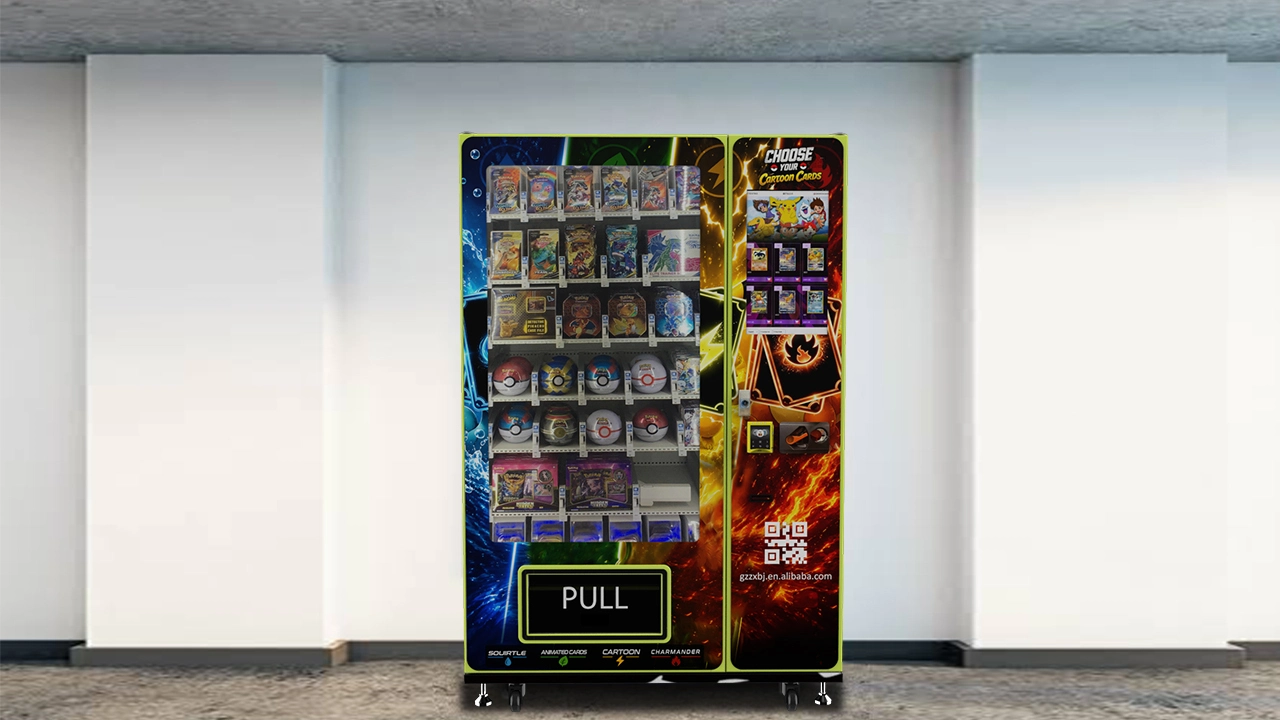
Let me give you a realistic financial picture based on my operations. A well-placed card vending machine in a hobby shop or a mall can generate between $1,500 and $4,000 per month in revenue. The gross margin on sealed trading card products is typically between 30% and 50%, depending on the product and your wholesale pricing. This means your gross profit is somewhere between $450 and $2,000 per month.
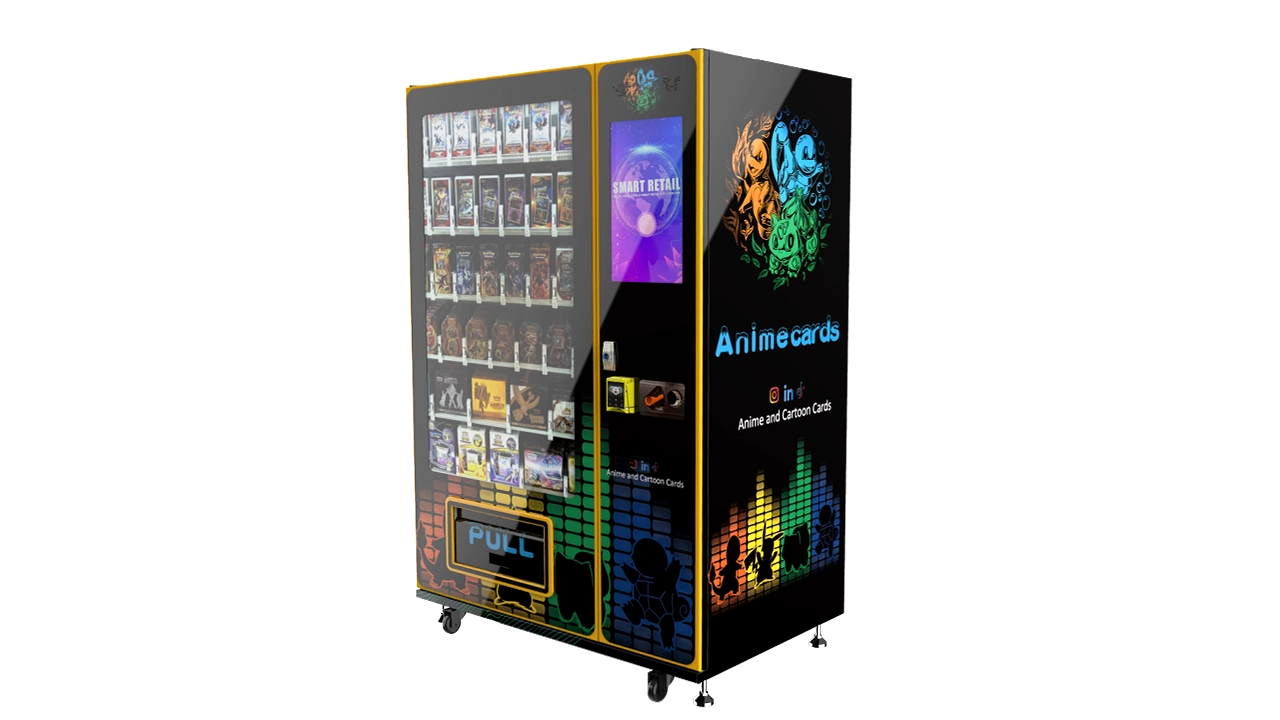
From that gross profit, you need to subtract the cost of the location (rent or commission), payment processing fees, maintenance, and your own time for restocking. A typical location cost is 10% to 20% of revenue or a flat monthly fee of $100 to $300. Maintenance costs are usually low for a new machine, but you should budget at least $50 per month for unexpected repairs.
So, the realistic net profit from a single machine is somewhere between $300 and $1,500 per month. This means a payback period of 8 to 18 months for a new machine, depending on the location and your operational efficiency. If you are paying $15,000 for a machine and making $1,000 per month net profit, it will take you 15 months to get your money back. That is a reasonable return, but it is not "get rich quick."
According to a report from IBISWorld, the vending machine industry in the US has grown steadily over the past five years, with an annual growth rate of about 2.5%. This is not a booming market, but it is a stable one. The key to success is not the industry growth rate; it is your ability to find the right location and manage your inventory effectively.
Legal and Regulatory Considerations
Before you place a machine, you need to understand the local regulations. In the US, the requirements vary by state and even by city. Some areas require a vending machine permit, while others do not. You also need to consider sales tax. Most states require you to collect and remit sales tax on vending machine sales, and the rate is often different from the standard retail rate.
In Europe, the rules are different. If you are operating in the EU, you need to comply with the VAT regulations of your country, and you may also need to comply with the EU's General Product Safety Directive. The Eurostat website provides useful data on retail trends and consumer behavior, which can help you understand the market better. I recommend checking with your local chamber of commerce or a business advisor to understand the specific requirements in your area.
I also recommend consulting the U.S. Small Business Administration for guidance on registering your business, obtaining an EIN, and understanding your tax obligations. This is not the most exciting part of the business, but getting it wrong can cost you a lot of money in fines and legal fees.
Maintenance and Repair: What You Need to Know
Even the best machine will break down eventually. The question is how you handle it. I recommend building a relationship with a local technician who has experience with vending machines. If you are using a machine from a major manufacturer, they may have a certified repair network. Otherwise, you will need to find an independent technician.
For simple issues, like a jammed card or a stuck coin, you should be able to fix it yourself. I always carry a basic toolkit in my car, including a screwdriver set, a pair of pliers, and a flashlight. I also keep a spare card dispensing mechanism on hand, because this is the most common part to wear out.
I have written a maintenance guide for card vending machines that covers the most common issues and how to fix them. It is worth reading before you need it, because when the machine is down, you do not want to be learning how to fix it for the first time.
Different Business Models: Own, Lease, or Revenue Share
You have a few options when it comes to how you run the business. You can buy the machine yourself and operate it independently. This gives you the most control and the highest profit potential, but it also carries the most risk. You can lease a machine from a supplier, which reduces your upfront cost but means you will be paying a monthly fee that eats into your profit. Or you can enter into a revenue-sharing agreement with a location, where the location provides the space and you provide the machine and inventory, and you split the revenue.
In my experience, the revenue-sharing model is the best option for a beginner. It reduces the risk of a bad location, because you are not paying a fixed rent. However, it also means you will be giving up a larger share of your revenue. I usually recommend a 70/30 split in your favor, with you providing the machine and inventory and the location providing the space and electricity. This is a fair deal for both parties, and it gives the location owner an incentive to promote the machine.
I have written a comparison of self-operated vs. leased vs. revenue-share models that goes into more detail on the pros and cons of each. It is a critical decision, and you should not make it lightly.
Common Mistakes I See New Operators Make
Let me share a few mistakes that I see over and over again. The first is buying a machine before securing a location. You should always find the location first, then buy the machine. Otherwise, you might end up with a machine sitting in your garage for months while you search for a spot.
The second mistake is overstocking. New operators often buy too much inventory because they are excited, and then they are stuck with products that do not sell. Start with a smaller, curated selection and expand based on sales data.
The third mistake is ignoring the data. If you are not tracking which products sell and which do not, you are flying blind. Use the sales data from your machine to make informed decisions about what to stock and what to remove.
The fourth mistake is neglecting the machine's appearance. A dirty machine with a cracked screen will not attract customers. Clean the machine regularly and keep the glass clear so customers can see the products.
Finally, the fifth mistake is giving up too early. This business takes time to build. A new machine in a new location will not hit its full revenue potential for at least a few months. Do not pull the machine out after three weeks just because sales are slow. Give it time, and adjust your strategy based on what the data tells you.
Data-Driven Decision Making: Let the Numbers Guide You
The most successful operators I know treat their card vending business like a science, not an art. They track every metric: sales per product, sales by day of the week, sales by time of day, and the impact of new product releases. This data allows them to make precise decisions about what to stock, when to restock, and when to change a location.
For example, I noticed that my machine in a mall location had a spike in sales every Friday afternoon. This correlated with the release of new Pokemon sets, which typically happen on Fridays. I started scheduling my restocking visits for Thursday evening, so the machine was fully stocked before the Friday rush. This simple change increased my weekly revenue by about 15%.
I also track the performance of individual products. If a product has not sold in two weeks, I remove it and replace it with something new. This keeps the inventory fresh and ensures that every slot in the machine is earning its keep. A machine with 50 slots that are all turning over is much more profitable than a machine with 50 slots where only 20 are selling.
FAQ: Your Most Common Questions Answered
Are card vending machines profitable?
Yes, they can be profitable, but it depends on the location, the product selection, and your operational efficiency. A well-placed machine can generate a net profit of $500 to $1,500 per month. However, a poorly placed machine can lose money. You need to do your homework before you invest.
How much does a tcg vending machine cost?
A new, reliable card vending machine costs between $8,000 and $20,000. The price depends on the size, features, and security level. Used machines are cheaper, but they carry a higher risk of breakdown and repair costs.
How long does it take to recoup my investment?
Based on my experience, the payback period is typically 8 to 18 months for a new machine in a good location. This depends on your revenue, your costs, and how efficiently you manage your inventory.
Should a beginner buy or lease a machine?
I recommend leasing or using a revenue-sharing model if you are a beginner. This reduces your upfront risk and allows you to test the business without a large capital outlay. Once you have proven the concept, you can buy your own machine.
Where should I place a card vending machine?
The best locations are hobby shops, game stores, comic book stores, and entertainment venues where collectors already gather. You need a location with a high concentration of your target demographic, not just high foot traffic.
What permits or licenses do I need?
The requirements vary by location. In the US, you may need a vending machine permit and a seller's permit for sales tax. In the EU, you need to comply with VAT and product safety regulations. Check with your local authorities before you start.
How do I choose a reliable supplier?
Ask about warranty, spare parts availability, technical support, and payment system compatibility. Ask for references from other operators. A reputable supplier like Zhongda Smart should be able to provide all of this information.
What happens if the machine breaks down?
You need to have a plan for repair. Keep a basic toolkit on hand, and build a relationship with a local technician. For major issues, contact the manufacturer's support team. The longer the machine is down, the more money you lose.
How can I reduce restocking and maintenance costs?
Use a machine with remote monitoring to track inventory levels and sales data. This allows you to plan your restocking trips more efficiently. Also, invest in a high-quality machine to minimize breakdowns.
Disclaimer: The financial figures and operational estimates in this article are based on my personal experience in the vending industry. They are not guarantees of future performance. Actual results will vary based on location, market conditions, product availability, and operational decisions. You should conduct your own research and consult with a financial advisor before making any investment.