If you’re looking at how to sell Pokemon booster packs in a vending machine, the short answer is yes, it works—but only if you treat it like a retail business, not a novelty side project. I’ve been running automated retail operations for over a decade, and I’ve watched the trading card vending machine niche explode since 2021. The machines themselves are only half the battle; the other half is understanding foot traffic, card culture, and the brutal math of restocking. The biggest mistake I see newcomers make is assuming that because Pokemon sells out everywhere, a machine will automatically print money. It won’t. What it will do, if placed correctly and stocked with the right mix, is generate steady revenue with margins that most traditional vending operators only dream of.
The Real Economics of a Card Vending Machine
Let me start with the numbers that actually matter. A decent trading card vending machine—one that’s built for booster packs and not a converted snack machine—will run you anywhere from $6,000 to $15,000 new, depending on configuration. I’ve seen used units go for $3,500, but you inherit someone else’s problems. The revenue side is where things get interesting. A well-placed Pokemon booster pack machine in a hobby shop or a high-traffic mall can gross $1,500 to $4,000 per month. That’s not a guess; that’s what I’ve seen across my own placements and from talking to operators in the Midwest and on the West Coast.
The margin on booster packs is thinner than you’d think if you’re buying from a distributor at MSRP. You’re looking at 20% to 35% margin per pack after credit card fees and machine maintenance. But here’s the kicker: the velocity is insane. A booster pack machine moves inventory six to ten times faster than a snack machine does per square foot. When I ran traditional vending, I was thrilled with a 15% margin on chips and soda. With cards, I’m moving higher-ticket items with less spoilage risk and zero expiration dates. The catch is that you need to be sharp about sourcing. If you can get product from wholesale distributors or liquidation lots, your margin jumps to 40% or more.
I’ll be straight with you: the return on investment is typically 6 to 18 months. That’s a wide range because it all hinges on location and how often you’re willing to restock. A machine sitting in a laundromat will take longer to pay for itself than one in a comic shop. But the upside is real. I’ve seen operators run three or four machines in a single city and clear $5,000 a month after expenses. That’s not typical for a beginner, but it’s achievable if you’re disciplined about data and placement.
Why Booster Packs, Not Boxes or Singles
You might wonder why I focus on booster packs specifically. It’s simple: they’re the perfect price point for impulse buying. A single pack at $4.99 to $6.99 is an easy decision for a kid with allowance money or an adult on a lunch break. Boxes are too expensive for vending, and singles require too much labor to price and stock. Booster packs are the sweet spot, and they’re the reason the trading card vending machine model works at all.
There’s also a psychological angle. The randomness of a booster pack is the whole appeal. People don’t buy a pack because they know what’s inside; they buy it because they might hit a rare card. A vending machine amplifies that thrill because it feels like a gacha game. You put in your money, the machine whirs, and out comes a pack. I’ve seen kids literally bouncing on their heels waiting for the machine to deliver. That’s not something you get with a soda machine.
One thing I’ll warn you about: don’t stock only Pokemon. Yes, Pokemon is the anchor, but you need variety. Include Yu-Gi-Oh!, Magic: The Gathering, and sports cards like football or basketball. The reason is simple. A collector who comes for Pokemon might not find what they want, but they’ll buy a Magic pack if it’s there. Diversification also protects you when one franchise’s hype cools. I learned this the hard way when I put all my eggs in the Pokemon basket during a lull between sets, and sales dropped 30% for two weeks.
Location Is Everything: My Success and Failure Stories
I want to share a failure first, because it taught me more than any win. Back in 2022, I placed a machine in a busy grocery store. The foot traffic was great—maybe 3,000 people a day. But the sales were terrible. I was moving maybe $200 a week in packs. The problem was the audience. Grocery shoppers weren’t there to buy cards; they were there for milk and eggs. The machine was an afterthought, not a destination. I pulled it after three months and ate the moving costs.
My best placement, on the other hand, was a small comic book shop in a college town. The owner let me put a 32-inch touchscreen trading card vending machine near the counter. That machine did $3,200 in its first month. Why? Because the customers were already card buyers. They came in for singles or tournaments, and the machine was a natural extension of what they were already doing. The lesson is simple: don’t chase raw foot traffic; chase the right foot traffic.
I’ve also had success with mall placements, but only in areas near entertainment zones—think movie theaters, arcades, or food courts. The key is dwell time. People who are waiting for a movie or eating lunch are more likely to impulse buy. But I’ve seen machines in mall corridors fail because the traffic was moving too fast. You need people to stop, look, and decide, and that requires a moment of pause.
Choosing the Right Machine: Features That Matter
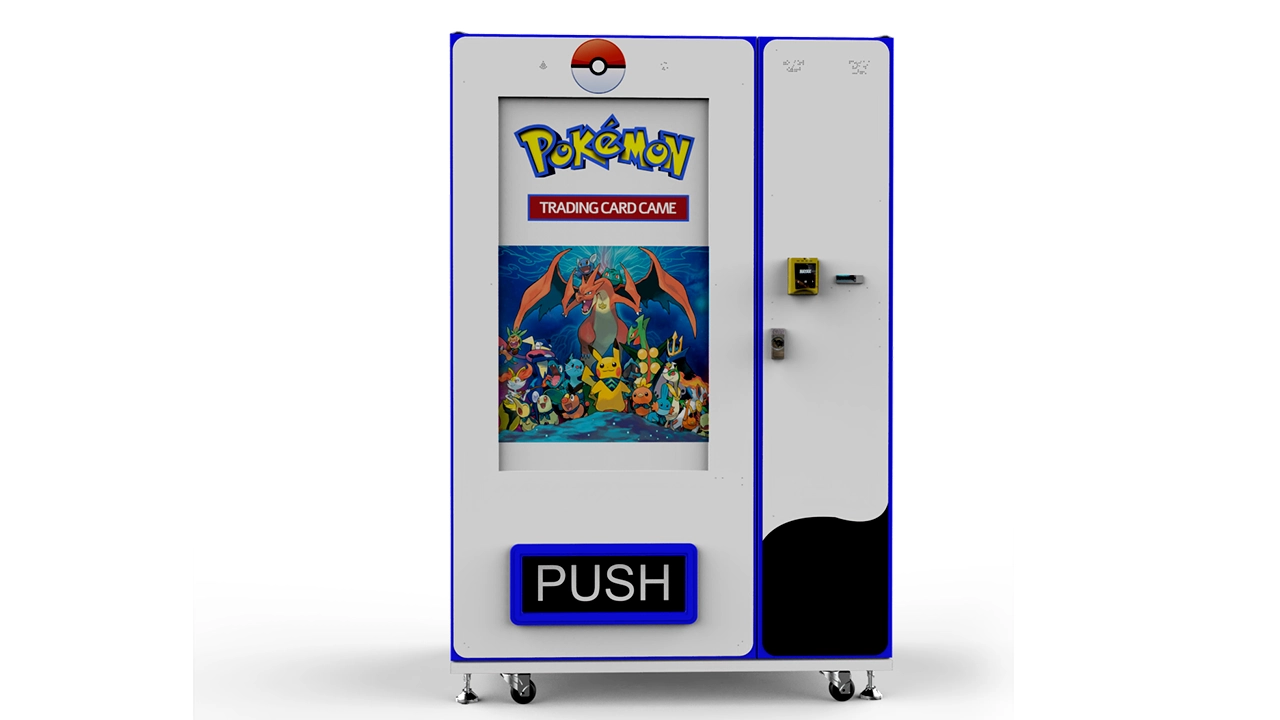
Not all card vending machines are created equal. When I started, I tried to save money by buying a generic spiral vending machine and retrofitting it. That was a disaster. The spiral slots didn’t fit booster packs well, and the machine jammed constantly. I spent more on repairs in three months than I would have on a purpose-built machine. Don’t make that mistake.
Look for a machine designed specifically for trading cards. Key features include adjustable shelves for different pack sizes, a secure dispensing mechanism that doesn’t damage the packaging, and a payment system that accepts cards, mobile wallets, and cash. The self-service kiosk models with touchscreens are worth the extra money because they let you display product images and prices dynamically. That’s a huge advantage when you need to change pricing or add a new set without printing new labels.
I also recommend a machine with remote monitoring. I can’t stress this enough. You need to know when a machine is low on inventory or has a jam without driving there. Most modern machines have this built in, but I’ve seen budget models that don’t. Spend the extra $500 to $1,000 for connectivity. It will save you hours of driving and lost sales from empty slots.
Comparing Machine Types: A Quick Reference
Here’s a table I put together based on my own experience and conversations with other operators. It’s not official data, but it reflects what I’ve seen across dozens of placements.
| Machine Type | Initial Cost | Best Use Case | Monthly Revenue Potential | Maintenance Complexity |
|---|---|---|---|---|
| Wall-Mounted Card Machine | $4,000 – $7,000 | Small shops, cafes, waiting areas | $600 – $1,500 | Low |
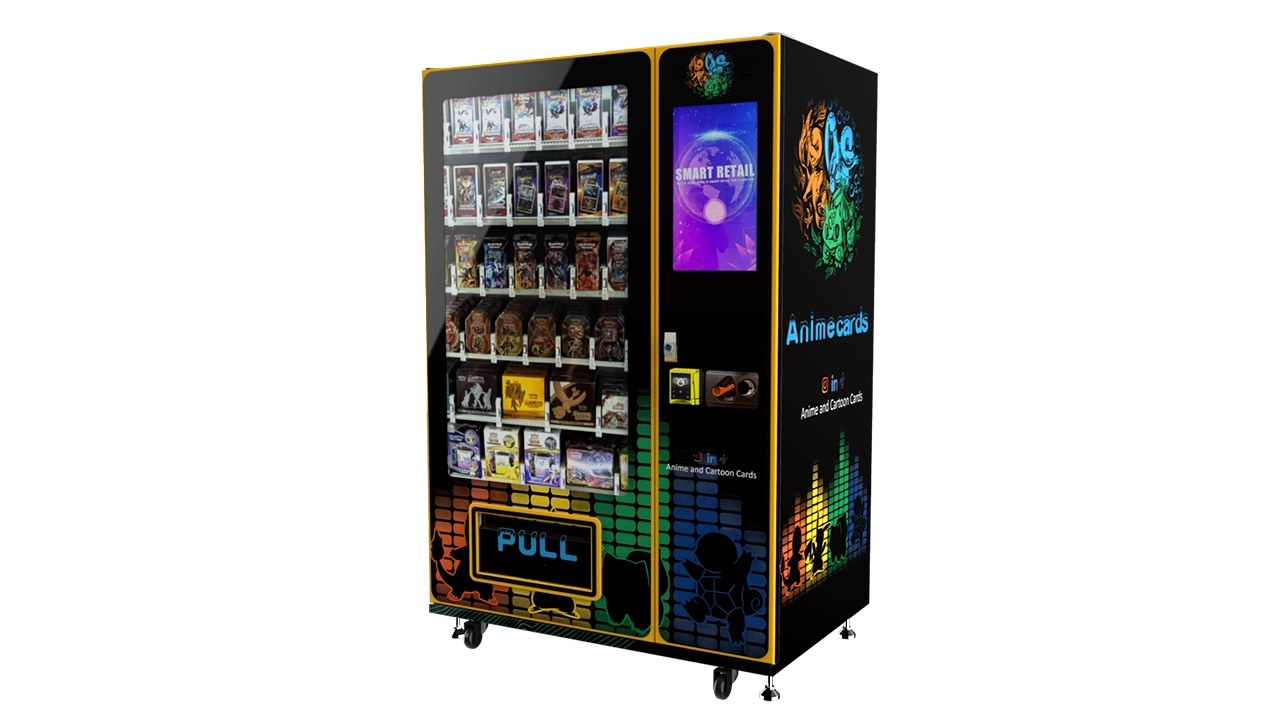
| Freestanding Card Machine | $8,000 – $15,000 | Comic shops, malls, entertainment venues | $1,500 – $4,000 | Medium |
| Touchscreen Kiosk | $12,000 – $20,000 | High-traffic retail, card event spaces | $2,500 – $6,000 | Medium-High |
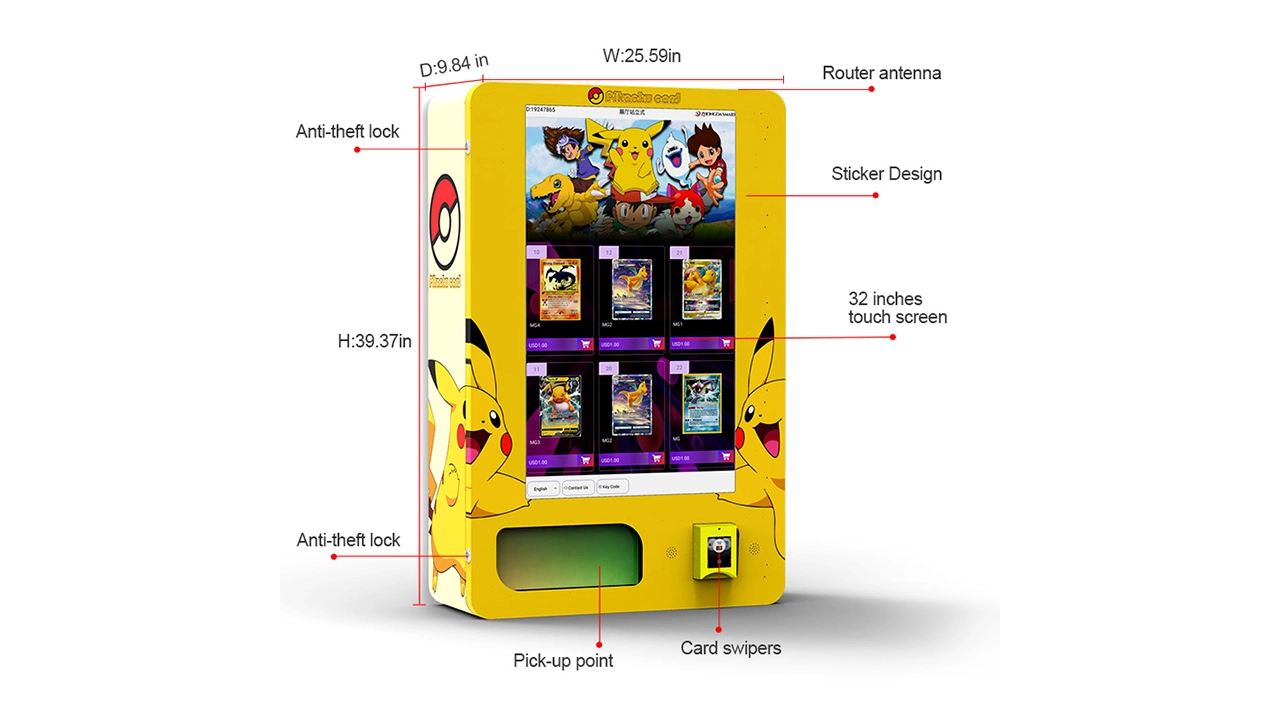
The wall-mounted units are great for testing a location without a huge commitment. I’ve used the wall-mounted card vending machine option for secondary spots like barbershops and game cafes. They don’t hold much inventory, but they’re cheap and easy to move. The touchscreen kiosks are the workhorses for serious revenue, but they require more attention and a better location to justify the cost.
Supplier Selection: What I Look For
Finding a reliable supplier is harder than finding a good location. I’ve dealt with overseas manufacturers and domestic resellers, and I’ve learned to ask specific questions. First, ask about spare parts availability. If the machine breaks and you have to wait six weeks for a part from overseas, you’re losing money every day. Second, ask about software updates. Payment systems change, and you need a supplier that keeps the firmware current.
One manufacturer I’ve had good experiences with is Zhongda Smart. They’re not the biggest name in the industry, but their card vending machines are solid, and they’re responsive when I need support. I’m not saying they’re the only option, but they’re worth a look if you’re comparing suppliers. Just make sure you get a written commitment on parts availability and warranty terms before you send any money.
I also recommend asking for a list of existing customers in your country. A reputable supplier will have references you can call. If they can’t provide that, walk away. I’ve seen too many operators get burned by companies that sell a machine and then vanish when something goes wrong.
Payment Systems and the Unattended Retail Experience
The payment system is the heart of your machine. If it’s clunky, people will walk away. I’ve tested machines with card-only systems, and they work fine for most customers, but you’re excluding cash users. In the US, cash is still a significant payment method for younger buyers—kids with birthday money, for example. A machine that accepts both cash and cards is the sweet spot.
I also recommend machines that support mobile payments like Apple Pay and Google Pay. This is a self-service retail trend that’s only growing. In my experience, about 60% of card machine transactions are via card or mobile wallet, and that number is climbing. If your machine doesn’t support these, you’re losing sales.
One thing to watch out for is card reader reliability. I’ve had machines where the card reader failed every few weeks, and it was a nightmare. The issue was a cheap reader that wasn’t designed for the vibration of the dispensing mechanism. Spend the money on a quality reader from a known brand like Nayax or USA Technologies. It’s worth the upfront cost to avoid constant vending machine repair calls.
Restocking and Inventory Management
Restocking is where most operators lose their shirt. You can’t just fill the machine and hope for the best. I’ve learned to track sales data religiously. The data-driven approach to card vending is the only way to stay profitable. I check my machines’ sales remotely every morning, and I restock based on velocity, not on a fixed schedule.
Here’s my rule of thumb: if a slot is empty for more than 48 hours, you’re losing money. I aim to restock every 7 to 10 days for high-traffic locations and every 14 days for slower ones. The key is to keep the machine looking full. A half-empty machine looks neglected, and people won’t buy from it. I’ve seen sales drop 20% just because a machine looked sparse.
Inventory management is also about knowing what to stock. Pokémon sets sell out fast, but that doesn’t mean you should only stock the newest set. I keep a mix of new releases, mid-tier sets, and a few evergreen staples. The longer a set sits, the more valuable it becomes, and some collectors will buy older packs just for the chance at a rare card. I’ve had success stocking older sets at a slight premium because the scarcity drives demand.
Maintenance and Troubleshooting: What You Need to Know
Machines break. It’s a fact of life in this business. The most common issues I’ve dealt with are card jams, payment system failures, and software glitches. Card jams happen when a pack is slightly bent or oversized. I’ve learned to check pack dimensions before stocking a new set, and I keep a small toolkit in my car for quick fixes.
For payment issues, I always have a backup card reader on hand. Swapping a reader takes five minutes, and it’s better than leaving the machine down for a day. Software glitches are less common, but they happen. That’s why I insist on machines with remote diagnostics. I can reboot a machine from my phone, and that solves about 70% of software issues without a site visit.
I also recommend a monthly deep-cleaning routine. Dust and debris can jam the dispensing mechanism, especially in high-traffic locations. I spend about an hour per machine per month on cleaning and lubrication. It’s boring, but it prevents the most common breakdowns. For more complex issues, I have a local technician I can call, but I’ve trained myself to handle most problems to avoid those $150 service call fees.
The Licensing and Legal Side
You might think vending machines don’t require permits, but that’s not always true. In the US, most states require a sales tax permit, and some cities require a specific vending license. I’ve had to get separate permits in three different municipalities for the same machine. It’s a hassle, but it’s better than getting fined.
I also recommend checking with the location owner about their insurance requirements. Some malls require you to carry liability insurance naming them as an additional insured party. That costs me about $300 a year per machine, and it’s worth every penny. The U.S. Small Business Administration has a good overview of insurance requirements for small retail operations, and I’d suggest reading it before you sign any lease.
One more thing: if you’re selling to minors, you need to be aware of age restrictions on certain products. Pokémon is fine, but some sports cards or certain sets might have age ratings. I keep all my machines in locations where kids are supervised, and I avoid stocking anything that could be considered inappropriate. It’s a simple rule, but it keeps me out of trouble.
Lease vs. Buy: What Works for You
I get asked all the time whether to lease or buy a machine. The answer depends on your cash flow and risk tolerance. Buying gives you equity and full control, but it ties up capital. Leasing spreads the cost out, but you’re paying more in the long run, and you might be locked into a contract with a less flexible supplier.
For beginners, I actually recommend buying a used or refurbished machine first. It’s less risky, and you can learn the ropes without a huge financial commitment. I bought my first machine used for $4,500, and it paid for itself in eight months. If I had leased, I would have spent more and learned less. Once you’ve proven the model, you can scale up and buy better machines.
There’s also the option of a revenue-sharing agreement with the location owner. I’ve done this a few times, where the host gets 10% to 15% of gross sales in exchange for floor space and electricity. It reduces your upfront costs, but it also reduces your margin. I only recommend this if you’re testing a new location and you’re not sure about the traffic.
Common Mistakes I See New Operators Make
The biggest mistake is ignoring data. I’ve seen operators stock the same sets for months without checking what’s actually selling. The second mistake is placing machines in the wrong locations—like my grocery store disaster. The third is underestimating the importance of machine appearance. A scratched, dirty machine looks abandoned, and people won’t trust it with their money.
Another mistake is overpaying for inventory. I’ve seen operators buy booster packs at retail prices and then wonder why their margins are thin. You need to build relationships with distributors and buy in bulk. The Statista data on trading card market trends shows the market is still growing, but that doesn’t mean you can be lazy about sourcing.
Finally, don’t ignore the competition. If there’s already a card vending machine in a location, don’t place yours next to it. I’ve seen two operators split a location’s sales so thin that neither made money. Scout the area, ask the location owner about existing machines, and find a gap in the market.
Scaling Up: From One Machine to a Fleet
Once you’ve got one machine running profitably, scaling is the natural next step. But don’t scale too fast. I made that mistake and ended up with three machines in mediocre locations that barely broke even. The better approach is to replicate your best location type. If your comic shop placement works, find other comic shops or hobby stores in nearby towns.
I also recommend diversifying your machine types as you scale. A mix of wall-mounted units and touchscreen kiosks gives you flexibility. The wall-mounted units are perfect for smaller locations, while the kiosks anchor your high-traffic spots. This strategy has worked well for me, and it’s how I’ve grown to a small fleet of eight machines across two states.
Scaling also means hiring help. I now have a part-time restocker who handles the routine maintenance and restocking. That costs me $15 an hour, but it frees me up to focus on sourcing and new placements. The math works out because I’m not spending four hours a day driving between machines.
FAQ: Answers to the Questions I Get Every Week
Are vending machines for trading cards actually profitable?
Yes, but only with the right location and inventory management. My best machines gross $3,000 to $4,000 a month, while my worst did under $500. The difference is almost always location and how well I track sales data. Profit margins typically range from 20% to 40% after all costs, but that’s an estimate from my experience, not a guarantee.
How much does a card vending machine cost?
A new, purpose-built machine costs between $6,000 and $20,000 depending on features. Used machines can be found for $3,500 to $8,000, but you risk inheriting maintenance issues. The IBISWorld vending machine industry report gives a good overview of typical equipment costs, though it doesn’t break out card machines specifically.
How long does it take to pay off the machine?
In my experience, 6 to 18 months is realistic. A high-traffic location with good inventory can pay off a $10,000 machine in under a year. A slower location might take 18 months or more. It all depends on sales velocity and your margin per pack.
Should a beginner buy or lease a machine?
I recommend buying a used or refurbished machine first. Leasing is more expensive in the long run and often locks you into a contract. Buying a used machine lets you learn the business with less financial risk. Once you’re confident, you can invest in new equipment.
Where should I place my machine to maximize revenue?
Hobby shops, comic book stores, card game cafes, and entertainment zones in malls are my top picks. The key is finding places where the target audience already gathers. Avoid grocery stores and general retail unless the store has a strong collectibles section.
What permits or licenses do I need?
Most US states require a sales tax permit. Some cities require a vending license. I also recommend carrying liability insurance. Check with your local government and the Eurostat business regulations if you’re in Europe, as rules vary by country.
How do I choose a reliable machine supplier?
Ask for references, check spare parts availability, and verify warranty terms. I’ve had good experiences with Zhongda Smart, but the key is to do your due diligence. Don’t send money until you’re confident the supplier will support you after the sale.
What should I do if the machine breaks down?
Start with remote diagnostics if your machine has them. If that doesn’t work, check for common issues like card jams or payment reader failures. Keep spare parts on hand, and have a local technician you can call for complex repairs. Don’t let a machine sit idle for more than a day.
How can I reduce restocking and maintenance costs?
Use remote monitoring to track inventory levels and only visit when needed. Batch your restocking trips by geographic area. Invest in a quality machine with reliable components to reduce breakdowns. Track your sales data to avoid stocking slow-moving items that tie up cash.
Final Thoughts
This business isn’t a get-rich-quick scheme, but it is a legitimate way to build a profitable automated retail operation if you’re willing to put in the work. I’ve made mistakes, learned from them, and built a small fleet that supports my family. The key is to treat it like a business: track your numbers, respect your locations, and never stop learning about the market. The trading card market is still growing, and there’s room for more good operators. Just don’t expect it to be easy.
Disclaimer: The figures and insights in this article are based on my personal experience and are not guaranteed returns. Costs, revenues, and profitability vary depending on location, market conditions, and operational efficiency. Always conduct your own research and consult with a professional before making significant investments.