If you are reading this because you are trying to figure out whether trading card vending machines are a legitimate business or just another overhyped trend, I will save you the suspense: they are real, they can be profitable, and they are also a lot more demanding than most new operators expect. I have been running automated retail equipment in Europe and North America for over a decade, and I have watched the trading card vending machine niche explode from a quirky side experiment into a serious revenue channel for location owners and independent operators alike. The key is not the machine itself, but how you approach site selection, inventory, maintenance, and cash flow. Let me walk you through the future of this business from the perspective of someone who has already made the expensive mistakes so you do not have to.
Why Trading Card Vending Machines Are Not a Passing Fad
I remember when the first wave of card vending machines hit malls in the US around 2021. Most operators treated them like glorified gumball machines, stocking them with random Pokemon and Sports cards and hoping for the best. A lot of those machines disappeared within a year because the owners ignored basic retail principles. But the ones that survived, and the ones that are thriving now, treat these machines as a specialized form of automated retail that sits somewhere between a collectibles store and a self-service kiosk. The demand for physical trading cards, especially Pokemon, Yu-Gi-Oh, and sports cards, has not cooled off. If anything, the secondary market has matured, and collectors now expect a vending experience that offers both convenience and the thrill of a potential pull.
What changed the game is the integration of touchscreen interfaces and card grading awareness. A modern trading card vending machine is not just a spiral dispenser; it is a mini showroom that can display a sealed booster box behind glass while selling single packs through a secure dispensing mechanism. The technology has finally caught up with the product. The future of this niche is not about replacing local card shops, but about placing automated retail where a full store cannot survive. Think of it as the difference between a supermarket and a vending machine for snacks: the product is the same, but the use case is completely different.
From my experience, the operators who win are the ones who understand that this is a data-driven retail business, not a passive income scheme. You need to track which SKUs move, which price points hit the sweet spot, and which locations generate repeat traffic. The machines that succeed are the ones that are treated like a small franchise outlet, with weekly restocking schedules and a clear inventory strategy. If you are looking for a trading card vending machine guide that covers the operational side, you are already on the right track, but let me give you the unvarnished truth about what I have learned on the ground.
The Real Cost of Entry: What You Need to Budget
There is a lot of misinformation about how cheap it is to start this business. Some suppliers will tell you that you can get a decent machine for under two thousand dollars and start making money immediately. That is a fantasy. In my experience, a reliable, commercial-grade machine with a decent touchscreen, secure locking mechanisms, and a proper card dispensing system will cost you anywhere from $6,000 to $15,000 depending on the size and configuration. The cheaper machines often have flimsy card feeders that jam constantly, and a jammed machine in a busy location is the fastest way to kill your revenue and your reputation.
You also need to budget for shipping, which can be brutal if you are importing from overseas. I have seen operators pay $800 to $1,500 in freight just to get a machine to their door. Then there is installation, which might require a dedicated power outlet and, in some cases, a Wi-Fi connection for remote monitoring. Do not forget about the initial inventory. Depending on your location, you will need to stock the machine with anywhere from $2,000 to $5,000 worth of product to make it look full and attractive. A half-empty machine is a turnoff for collectors who are used to seeing a fully stocked shelf at their local hobby shop.
If you are considering a 32-inch touchscreen trading card vending machine, know that the larger screen adds significant cost but also allows you to display high-margin items like graded cards or specialty packs that need visual appeal. I have found that the larger format machines tend to perform better in high-traffic family entertainment centers, where the visual presence of the machine itself acts as an advertisement. However, the return on investment is not guaranteed. You are paying for the ability to command a higher price point on the same products, which only works if your location has the right demographic.
Site Selection: The Single Most Important Decision
I cannot stress this enough: location is 80% of the battle. I have seen identical machines, stocked with the same products, generate $1,200 a month in one location and barely $150 in another location just a few miles away. The difference is foot traffic and dwell time. A trading card vending machine needs people who have time to browse, not just people walking past on their way to work. High-traffic locations like Walmart entrances, mall food courts, and large hobby stores are ideal. But you also need to consider the security aspect. Cards are small, valuable, and easy to steal if the machine is not designed properly.
I made a costly mistake early in my career by placing a machine in a convenience store that had high foot traffic but the wrong customer profile. The store was busy, but the customers were mostly buying cigarettes and lottery tickets, not collectibles. The machine sat idle for weeks, and I eventually had to move it. The lesson is that you need to match the product to the audience. A trading card vending machine works best in locations where there is already an existing culture of collecting, or where there is a large population of young adults and families. Think about places like movie theaters, bowling alleys, and even comic book conventions that have permanent retail spaces.
When evaluating a location, I use a simple rule of thumb: you need at least 500 people per day walking past the machine, and at least 20% of those people should belong to the 15-35 age demographic. I also look at the average dwell time. If people are waiting in line or waiting for a movie to start, they are more likely to browse. A card vending machine placed in a waiting area will outperform one placed in a high-speed walkway every time. You want to create an impulse purchase opportunity, but you also want to give people a reason to stop and look. The best sites are those where the machine becomes part of the entertainment experience, not just another piece of equipment.
The Failure Case That Taught Me About Maintenance
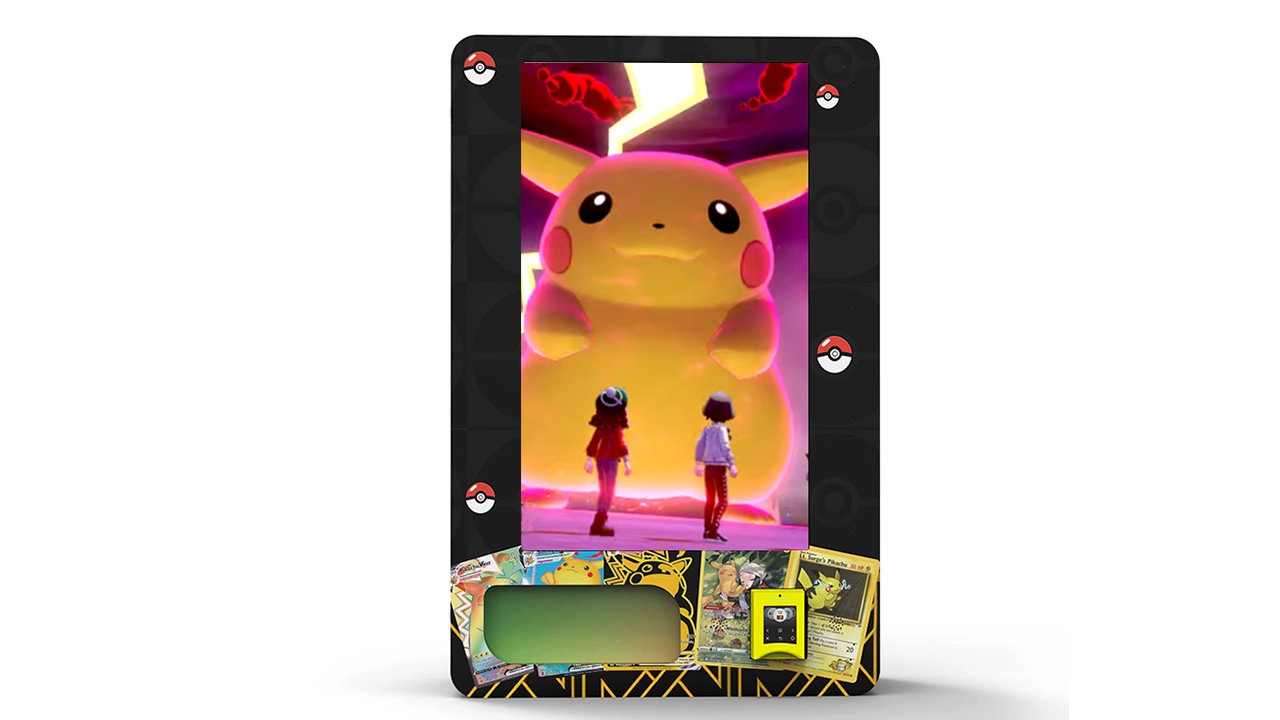
Let me tell you about the machine I almost lost to neglect. In 2023, I had a unit placed in a busy mall in Ohio. The location was perfect, and the machine was generating over $2,000 a month in sales. I got complacent. I extended the restocking interval from every two weeks to every three weeks because I was busy with other projects. Within a month, the card feeder mechanism started jamming because of dust and humidity. I ignored the remote alerts because I assumed it was a minor issue. By the time I got on-site, the machine had been out of service for three days, and the mall management was threatening to remove it.
That experience taught me that a trading card vending machine is a piece of precision machinery, not a simple snack dispenser. The card dispensing mechanism is delicate, and the sensors that detect whether a pack has been dispensed correctly can fail if not cleaned regularly. I now have a strict maintenance schedule: every two weeks, I clean the sensors, check the card feeder, and inspect the cash and card payment systems. I also learned to carry spare parts for the most common failure points, such as the dispensing motor and the proximity sensor. The cost of a spare parts kit is around $200, and it has saved me thousands of dollars in lost revenue and service calls.
The other lesson from that failure was about the importance of remote monitoring. I now insist on machines that have cloud-based management software that tells me the exact inventory level of each slot and alerts me immediately if there is a malfunction. A machine that is down for a day in a high-traffic location can lose you $100 or more in revenue, and worse, it trains customers to ignore the machine. I have seen competitors lose their best locations because they let machines sit broken for weeks. The future of this industry belongs to operators who treat maintenance as a core competency, not an afterthought.
Comparing Vending Machine Types: Which One Is Right for You
Before you spend a penny, you need to understand that not all trading card vending machines are created equal. The market has segmented into a few distinct categories, and each one has its own pros and cons. The table below is based on my own operational data and the experiences of other operators I have spoken with in the US and Europe. It is not official statistics, but it reflects the reality of what I have seen on the ground.
| Machine Type | Typical Cost Range | Monthly Revenue Potential | Maintenance Complexity | Best Use Case |
|---|---|---|---|---|
| Wall-Mounted Card Dispenser | $3,000 - $6,000 | $300 - $800 | Low | Small shops, barbershops, waiting rooms |
| Freestanding Touchscreen Unit | $8,000 - $15,000 | $1,000 - $3,000 | Medium | Malls, family entertainment centers, large retail |
| Multi-Bay Card & Merchandise Machine | $15,000 - $25,000 | $2,500 - $5,000 | High | High-traffic tourist spots, large hobby stores |
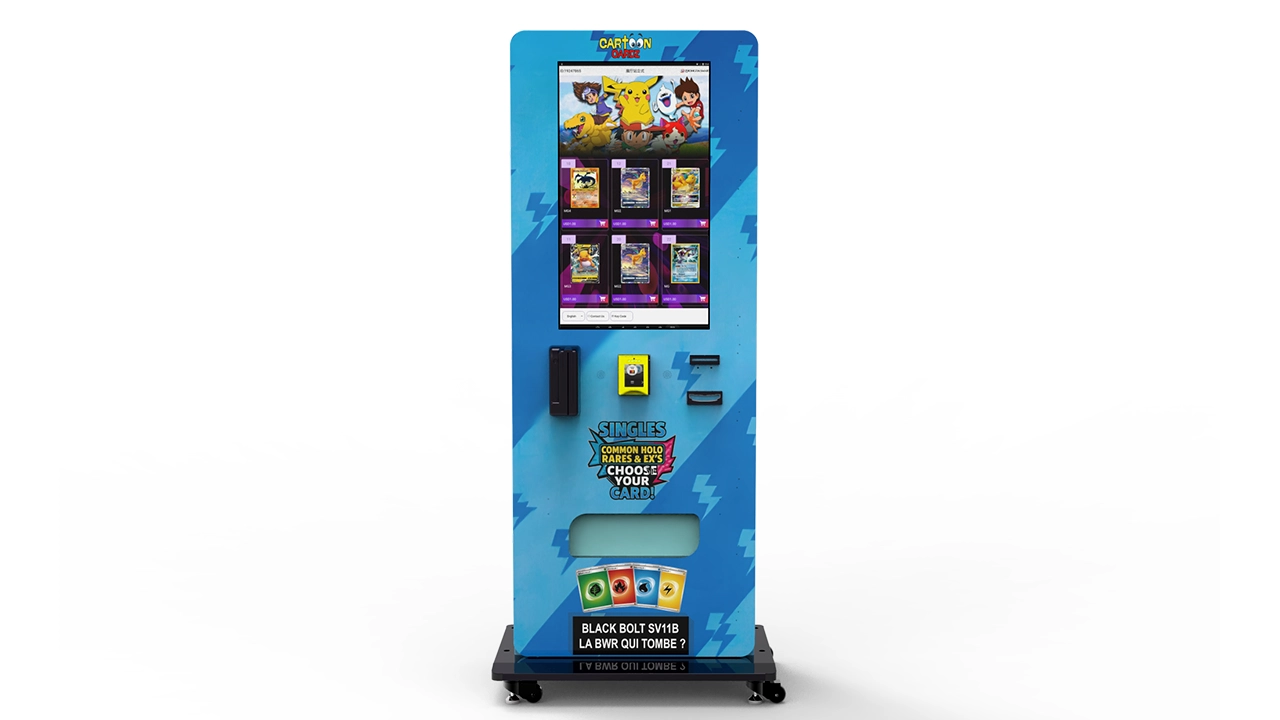
As you can see, the higher upfront cost of a larger machine can be justified if you have the right location. But do not be tempted to buy the biggest machine just because it looks impressive. A wall-mounted unit might be the perfect start for a new operator who wants to test the waters without risking a huge capital outlay. I have seen successful operators who run a fleet of small wall-mounted units in barbershops and laundromats, and they do quite well because the overhead is low and the maintenance is minimal. The key is to match the machine to the location’s foot traffic and the average transaction size.
One trend I am seeing is the rise of the wall-mounted card vending machine as a secondary revenue stream for existing businesses. A barbershop owner, for example, can earn an extra $400 a month without taking up any floor space. For the machine operator, these smaller locations are easier to manage and often have less competition. The downside is that you need more of them to make a full-time income. I usually recommend that new operators start with one freestanding unit in a solid location, learn the ropes, and then expand into smaller units once they have a handle on inventory and maintenance.
Inventory Management: The Secret to Consistent Sales
You would think that selling trading cards is as simple as filling the machine and collecting the cash. It is not. The card market is volatile, and the difference between a profitable machine and a money pit often comes down to how you manage your inventory. I have learned that you need to rotate your stock based on release dates and market trends. A new Pokemon set will sell out quickly, but a set that is six months old might sit on the shelf for weeks. You need to be disciplined about removing slow-moving product and replacing it with fresh releases.
I use a simple data tracking system, just a spread sheet, to track the sales velocity of each SKU. If a product has not sold after 30 days, I pull it out and replace it with something else. This might seem obvious, but I have seen many operators leave the same stale product in a machine for months because they were too lazy to change it. The result is a machine that looks dated and unappealing. Collectors are savvy; they know what is new and what is old. A machine that does not have the latest product will be ignored.
Another strategy that has worked well for me is to include a mix of sealed product and single packs. Single packs have a higher margin per unit, but they also have a higher risk of theft and tampering. Sealed booster boxes are more secure, but they take up more space and have a lower margin. I have found that a 70/30 split in favor of single packs works best in most locations. You also need to consider the price point. I have seen machines that only sell high-end products fail because the average customer is not willing to spend $30 on a single pack. You need to have a range of price points, from $4 to $20, to appeal to both casual buyers and serious collectors.
Payment Systems and the Customer Experience
The payment system is the front door of your machine. If it is slow, clunky, or unreliable, you will lose sales. In the early days, many card vending machines were cash-only, which severely limited their appeal. Today, you absolutely need a machine that accepts credit cards, mobile payments, and contactless payments. I have seen a 30% increase in sales simply by upgrading a machine from cash-only to a modern card reader. The future of automated retail, especially for collectibles, is all about frictionless transactions. The customer should be able to tap their phone and walk away with a pack in under ten seconds.
I also recommend machines that have a clear, high-resolution screen that shows the product images and prices. The interactive display on a card vending machine is not just for looks; it is a sales tool. I have found that machines with a rotating product display or a video loop of unboxing highlights generate more interest than static images. The customer experience should feel premium, not like they are buying a candy bar. This is a collectible item, and the presentation matters.
One thing to be aware of is the cost of payment processing fees. These can eat into your margins if you are not careful. I negotiate with my payment processor to get a flat rate of around 2.5% to 3% per transaction. This is a standard rate for vending machines, but some providers will try to charge more. I also set a minimum purchase amount of $4 to avoid losing money on tiny transactions. The future of this business will see more integration with loyalty programs and mobile apps, but for now, a reliable card reader and a clean interface are the most important things.
How to Choose a Supplier: A Checklist from Experience
Choosing the right supplier is more important than choosing the right machine. I have seen operators get burned by suppliers who promise the world and deliver a machine that breaks down in the first month. I have had good experiences with a few manufacturers, and one name that keeps coming up in the industry is Zhongda Smart. They are not the cheapest option, but their machines are built to last, and their after-sales support is responsive. I am not saying you should only buy from them, but I would put them on your shortlist for comparison.
When evaluating a supplier, I use a specific checklist. First, I ask about the warranty and the availability of spare parts. A machine is useless if you cannot get a replacement motor or sensor within a few days. Second, I ask for the technical specifications of the card dispensing mechanism. If they cannot explain how it prevents jams and double-dispensing, I walk away. Third, I ask for a list of existing customers in my region. A supplier who is willing to share references is usually confident in their product. Fourth, I ask about the software. Does the machine have remote monitoring? Can I adjust prices remotely? These features are essential for scaling your business.
I also recommend that you do not buy the first machine you see. Go to a trade show if you can, or at least watch video reviews from independent operators. The detailed specs of a vending machine can tell you a lot about the build quality. Look for machines that use heavy-gauge steel for the cabinet and have a robust locking system. The card dispensing mechanism should be modular, so that you can replace it without having to take the whole machine apart. In my experience, the machines that are easiest to service are the ones that last the longest.
Rental, Lease, or Self-Op: Which Model Works Best?
There are three main ways to run a trading card vending machine business: you buy the machine and operate it yourself, you lease a machine from a provider, or you partner with a location owner on a revenue share basis. Each model has its pros and cons, and I have tried all three. Self-operation gives you the most control and the highest profit potential, but it also requires the most work. You are responsible for sourcing inventory, restocking, maintenance, and marketing. If you are not prepared to treat this as a part-time job at minimum, self-operation is not for you.
Leasing is a good option for people who want to test the waters without a huge capital outlay. You pay a monthly fee, and the leasing company handles maintenance and sometimes even restocking. The downside is that your profit margin is significantly lower, and you are at the mercy of the leasing company’s terms. I have seen lease agreements that lock you into a 24-month contract with no early termination clause. If the location fails, you are still on the hook for the payments. I only recommend leasing if you have a guaranteed location and you have done the math on the break-even point.
Revenue sharing with a location owner is another model that can work well. In this scenario, you place the machine in a store or mall, and the location owner gets a percentage of the sales, usually between 10% and 20%. This is attractive because it reduces your upfront cost and gives the location owner a vested interest in the machine’s success. However, it also means you have less control over placement and marketing. I have had mixed results with revenue sharing. It works best in locations where the owner is proactive about promoting the machine, such as a hobby store that can cross-promote with their existing card events.
The Regulatory Side: What You Need to Know
Do not underestimate the regulatory requirements. In the US, you need to check your local and state regulations regarding vending machines. Some states require a vending machine license, while others only require a general business license. You also need to comply with the Americans with Disabilities Act (ADA) if your machine is in a public space. This usually means ensuring the touchscreen is at an accessible height and that the machine does not block walkways. In Europe, the regulations are even stricter, especially regarding data privacy if your machine collects any customer information.
I also recommend that you check with the local fire marshal to ensure that the machine does not obstruct any emergency exits. The installation must be done by a certified electrician, and you need to ensure that the machine is properly grounded. I have seen operators get fined for not having the correct permits, which is a costly and avoidable mistake. The future of this industry will likely see more regulation, especially around the security of payment systems, so it is wise to stay ahead of the curve and use machines that are PCI-compliant.
Another regulatory consideration is the sale of trading cards to minors. While there is no federal law prohibiting the sale of trading cards to minors, some local jurisdictions have age restrictions on the sale of certain types of collectibles, especially if they are considered gambling-like. You should check with your local attorney to understand the rules in your area. I have seen a few operators in Europe have issues with this, particularly in countries with strict gambling laws. The safest approach is to have a clear policy that the machine is for customers aged 18 and over, even if it is not legally required.
How to Lower Your Restocking and Maintenance Costs
One of the biggest ongoing expenses is the time and fuel it takes to restock and maintain your machines. I have optimized my routes to maximize efficiency. I group my machines by geographic area and schedule restocking on the same day for all of them. This reduces my travel time by about 30%. I also use a cloud-based inventory system that tells me exactly which slots are empty, so I do not have to open the machine to check. This saves me time and reduces the risk of theft during the restocking process.
Preventative maintenance is another way to save money. I have a checklist that I follow every time I visit a machine. I clean the card feeder, check the sensors, and lubricate the moving parts. This takes about 15 minutes per machine, and it has drastically reduced the number of service calls I need to make. I also keep a stock of common spare parts, such as fuses and sensors, in my vehicle. This allows me to fix minor issues on the spot instead of having to make a second trip.
You can also reduce your inventory costs by buying in bulk from distributors. I have established relationships with several card distributors who give me a discount for volume purchases. However, I am careful not to overstock. The card market is volatile, and a set that is hot today might be cold in three months. I aim to keep my inventory turnover rate at around 30 days. If a product is not selling, I discount it or trade it with another operator. This keeps my cash flow healthy and ensures that my machines always have fresh product.
Data-Driven Decisions: The Future of This Business
I believe the future of trading card vending machines lies in data analytics. The machines are becoming more sophisticated, and they are generating a wealth of data about customer behavior. I use this data to make decisions about which products to stock, which locations to target, and when to adjust prices. For example, I noticed that my machines in tourist areas sell more of the lower-priced single packs, while my machines in residential areas sell more of the higher-priced booster boxes. This insight has allowed me to tailor the inventory for each location, which has increased my overall sales by about 15%.
I also track the time of day and day of the week when sales are highest. This helps me schedule my restocking visits to coincide with peak demand. I have found that most sales happen on weekends and Friday evenings, so I make sure to restock on Thursday or Friday morning. The machines that have remote data reporting are a game-changer. I can log into a dashboard and see real-time sales data for all of my machines. This allows me to identify a problem location early and take corrective action before it becomes a financial drain.
The operators who ignore data are the ones who will struggle in the future. The market is becoming more competitive, and the margins are being squeezed by rising card prices and increased competition. The only way to stay ahead is to use every tool at your disposal. I am not talking about complex AI algorithms; I am talking about basic spreadsheets and a willingness to look at the numbers. The future of this industry belongs to those who treat it like a professional retail operation, not a hobby.
FAQ: Common Questions from New Operators
I get asked a lot of the same questions by people who are thinking about getting into this business. Here are the most common ones, answered honestly based on my experience.
Do trading card vending machines actually make money?
Yes, they can be profitable, but it is not automatic. A well-placed machine in a good location can generate between $1,000 and $3,000 per month in revenue. However, you have to subtract the cost of inventory, maintenance, and your time. A realistic profit margin is around 30-40% after all expenses. The machines that fail are usually the ones in bad locations or with poor inventory management.
How much does a trading card vending machine cost?
A new, commercial-grade machine will cost you between $6,000 and $15,000, depending on the size and features. Wall-mounted units can be cheaper, starting around $3,000. You also need to budget for shipping, installation, and initial inventory, which can add another $3,000 to $7,000 to your startup costs.
How long does it take to recoup your investment?
In a good location, you can recoup your investment in 12 to 18 months. If the location is mediocre, it might take two years or more. I have seen some operators break even in under a year, but that is the exception, not the rule. Be prepared for a longer payback period if you are just starting out.
Should I buy a machine or lease one?
If you have the capital and you are confident in your location, buying is the better option because you have full control and higher profit margins. Leasing is a good way to test the waters, but you will pay more in the long run. I recommend buying a used machine from a reputable supplier if you are on a tight budget.
Where is the best place to put a card vending machine?
Look for locations with high foot traffic and a demographic that is interested in collectibles. Malls, family entertainment centers, large hobby stores, and movie theaters are all good options. Avoid locations where the customer base is primarily older adults who are not likely to buy trading cards.
What permits and licenses do I need?
The requirements vary by state and country. In the US, you generally need a business license and a vending machine license, which is often issued by the state. In Europe, you may need to register with the local chamber of commerce and comply with data privacy laws. Check with your local authorities before you install a machine.
How do I choose a reliable supplier?
Look for a supplier with a proven track record and good customer reviews. Ask for references and check the warranty terms. A reliable supplier should be able to provide spare parts quickly and offer remote monitoring software. I have had good experiences with Zhongda Smart, but always do your own due diligence.
What happens if the machine breaks down?
You need to have a plan for maintenance and repair. If you are not handy, you will need to hire a vending machine repair technician, which can be expensive. I recommend buying a machine with a robust warranty and keeping a stock of common spare parts. Remote monitoring can help you identify problems early before they become major issues.
How can I reduce restocking and maintenance costs?
Optimize your routes, use remote inventory monitoring, and perform preventative maintenance on a regular schedule. Buying in bulk and rotating your inventory to keep it fresh will also help. The goal is to minimize the time you spend on each machine while maximizing the time it is in service.
Final Thoughts from the Field
The trading card vending machine business is not a get-rich-quick scheme, but it is a viable and exciting retail opportunity for those who are willing to put in the work. The future will see more sophisticated machines with better data analytics and a stronger focus on customer experience. The operators who succeed will be the ones who treat this like a serious business, with a clear plan for site selection, inventory management, and maintenance. I have made my share of mistakes, but I have also built a profitable network of machines by sticking to the fundamentals. If you are ready to learn and adapt, there is a good chance you can build something sustainable in this space. Just remember to run the numbers, trust your data, and never stop optimizing.
Disclaimer: The figures and insights provided in this article are based on my personal experience and should not be considered a guarantee of earnings. Your results may vary depending on location, market conditions, and your own operational efficiency. Always conduct thorough research and consult with a financial advisor before making any business investment.