If you’re looking at importing trading card vending machines from China, the first thing I’ll tell you is that the hardware is the easy part. I’ve been running automated retail operations in the US and Europe for over a decade, and I’ve seen operators lose money not because the machine was bad, but because they skipped the due diligence on the supplier, the payment stack, and the real cost of getting a 200 kg kiosk through customs. The honest answer is that you can source a solid 32-inch card vending machine for anywhere between $3,200 and $6,800 FOB, but your landed cost, compliance work, and software integration will often add another 40% to 60% on top. In this guide, I’ll walk you through the exact process of importing trading card vending machines from China, what I’d do differently if I were starting today, and the operational realities that most first-time buyers never see coming.
Why Trading Card Vending Machines Are a Different Beast
I’ve placed snack machines, cold drink machines, and even a few custom self-service kiosks over the years. Trading card vending machines are not the same as selling a bag of chips. The unit economics are better, but the operational rhythm is completely different. You’re dealing with high-value, small-footprint products that have a passionate collector base. That changes everything from how you secure the machine to how often you service it.
When I first got into this niche in 2019, I made the mistake of treating it like a standard vending route. I placed a machine in a comic shop, filled it with Pokémon and Sports cards, and assumed I could check it once a week. That failed. The machine jammed on a thick relic card, the payment system didn’t recognize a foreign-issued chip card, and the inventory sat there for two weeks because I didn’t have a remote monitoring system. I lost about $900 in potential sales that month just because I didn’t respect the product’s unique requirements.
Since then, I’ve learned that a trading card vending machine is essentially a self-service kiosk that needs to handle high-margin, non-perishable goods with a level of security and user experience that a snack machine doesn’t require. The good news is that the margins can be exceptional. I’ve seen single machines in high-traffic mall locations gross over $8,000 a month, but I’ve also seen machines in the wrong spot gross less than $300. The difference isn’t luck—it’s planning.
Understanding the Real Costs Before You Buy
Let’s talk numbers, because this is where most importers get blindsided. The advertised price from a Chinese manufacturer is rarely the total cost. I’ve compiled a rough breakdown based on my last two imports to give you a realistic picture.
Initial Investment Breakdown
| Cost Component | Estimated Range (USD) | Notes from My Experience |
|---|---|---|
| Machine Hardware (32-inch touchscreen) | $3,200 – $6,800 | Depends on screen size, card dispensing mechanism, and build quality. |
| Freight & Insurance (Ocean, per unit) | $800 – $1,500 | Based on LCL (less than container load) shipping to a US West Coast port. |
| Customs Duty & Brokerage | $400 – $900 | Varies by HS code classification and country of import. |
| Payment System Integration | $300 – $800 | If you need a specific card reader or cashless payment stack. |
| Software/Remote Management Setup | $0 – $500 | Some suppliers include basic software; advanced apps cost extra. |
| Local Delivery & Installation | $200 – $600 | Rigging or moving the machine into a tight retail space. |
| Initial Inventory (Cards) | $1,500 – $5,000 | Depends on whether you buy sealed product or singles. |
So, your true initial investment per machine, fully landed and stocked, is realistically between $6,500 and $15,000. That’s a significant range, and it’s why I always tell new operators to budget for the high end. According to a 2023 IBISWorld report on the vending machine industry in the US, average profit margins for vending operators hover around 15% to 20%, but that’s for traditional vending. In my experience, trading card machines can push gross margins to 40% or higher if you manage your inventory correctly, but you also carry more risk if a card set loses popularity.
One thing I’ve learned is to never rely on the supplier’s “complete package” quote. I once had a manufacturer quote me $4,500 for a machine, and then I found out the card dispensing mechanism was an add-on that cost an extra $1,200. Always ask for a detailed bill of materials (BOM) that lists every component, especially the card feeder and the touchscreen model.
Choosing the Right Machine Configuration
Not all trading card vending machines are created equal. I’ve tested several configurations over the years, and the choice you make here will affect your maintenance costs and your customer satisfaction.
32-Inch Touchscreen vs. Basic Button Models
The most common type I see in the field is the 32-inch touchscreen model. This is the sweet spot for customer engagement. It allows you to display card images, run promotional videos, and create a more interactive experience that justifies a higher price point. I’ve placed a 32-inch touchscreen trading card vending machine in a hobby store in Austin, and the screen alone drove foot traffic because it looked like an arcade game.
However, if you’re placing machines in very low-traffic or standalone locations, a basic button model might be sufficient. But I’ve found that the touchscreen models have a higher perceived value. Customers are willing to pay a slight premium for the experience, and they’re more likely to trust the machine if it looks modern. The downside is that touchscreens can fail. I’ve had to replace two screens in the last three years, and each replacement cost around $600 in parts and labor.
Wall-Mounted vs. Freestanding Units
Space is a premium in most retail locations. I’ve used wall-mounted card vending machines in smaller comic shops where floor space is tight. These units are lighter, cheaper to ship, and easier to install. But they hold less inventory, which means more frequent restocking. For a busy location, that’s a problem. I had one wall-mounted unit in a game store that sold out of its entire inventory in three days. The restocking cost ate into my margin because I had to drive there twice a week.
My rule of thumb is: if the location can handle a freestanding unit, use it. The larger inventory capacity gives you a buffer against stockouts and reduces your labor cost per sale. If you’re testing a new location, start with a wall-mounted unit to minimize your risk, but be prepared to upgrade quickly if the sales data justifies it.
Supplier Selection: How to Avoid Getting Burned
I’ve been to Canton Fair twice and visited factories in Guangzhou and Shenzhen. I’ve seen everything from world-class manufacturing facilities to backyard operations that assemble machines with off-the-shelf parts. The key is to separate the real manufacturers from the trading companies that are just middlemen.
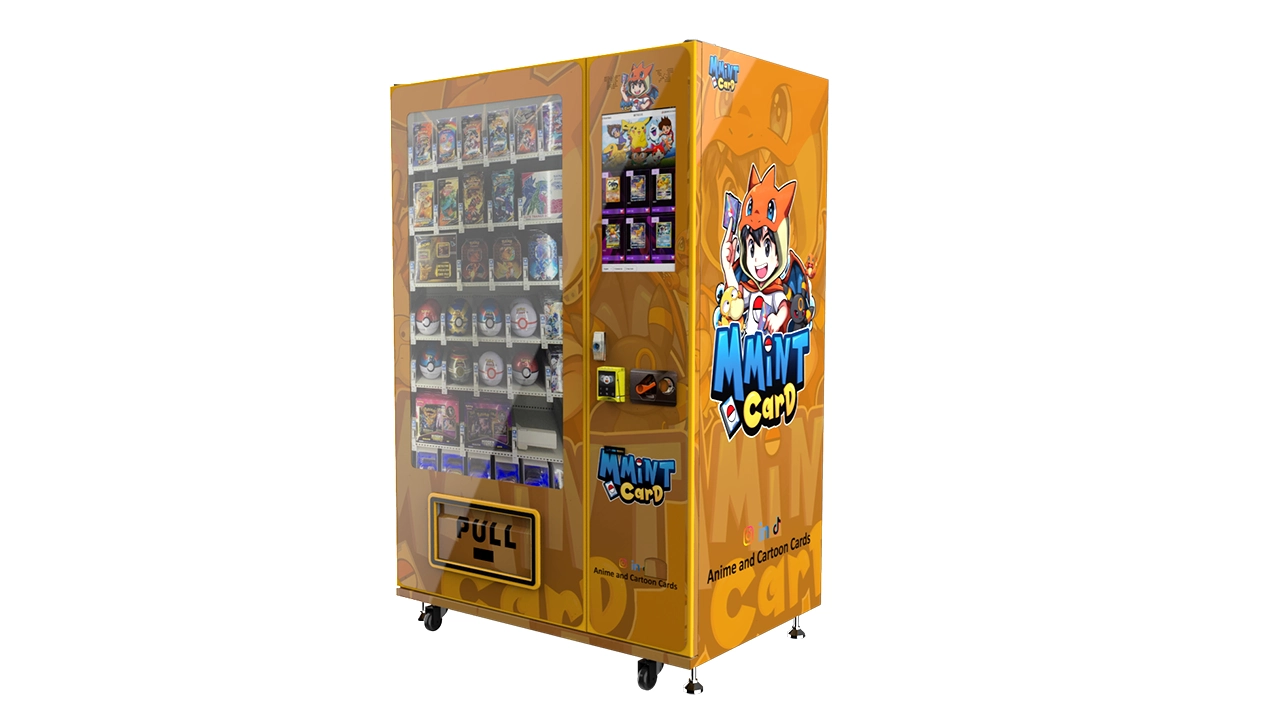
When I look for a supplier, I focus on three things: the card dispensing mechanism, the software stack, and the after-sales support. The card feeder is the heart of the machine. It needs to handle cards of varying thickness without jamming. I’ve had machines that could only dispense cards up to 35pt thickness, which meant I couldn’t sell thicker relic cards. That’s a dealbreaker.
One supplier that I’ve had a positive experience with is Zhongda Smart. They’re not the cheapest, but they have a solid track record with automated retail hardware, and their software integration for remote monitoring is more mature than most. I’m not saying they’re perfect, but when I’ve had issues with a card jam or a payment gateway failure, their technical team has been responsive. That’s worth more than saving $500 on the initial purchase.
Red Flags in Supplier Communication
If a supplier responds to your inquiry within 15 minutes with a full quote, that’s a red flag. It usually means they have a generic sales team that doesn’t understand your specific needs. I prefer suppliers who ask questions about your target market, the card types you want to sell, and your payment processing requirements. A good supplier will also be upfront about the limitations of their machine. If they tell you it can dispense “all cards” without asking what thickness, walk away.
I also recommend asking for a video call to see the machine running a live test with actual trading cards. Any reputable manufacturer will do this. I once had a supplier send me a pre-recorded video that looked perfect, but when I received the machine, the card sensor was misaligned, and it would only dispense cards if they were placed in a specific orientation. That was a nightmare to fix.
Shipping, Customs, and Compliance
Getting the machine to your door is a logistical puzzle. I’ve imported over 20 machines in the last five years, and here’s what I’ve learned about the shipping process.
Freight Options: LCL vs. Full Container
If you’re buying one or two machines, LCL (less than container load) is your only option. It’s cheaper per unit, but the risk of damage is higher because your goods are handled alongside other shipments. I always request that the machines be packed in wooden crates, not just cardboard boxes. A machine that tips over in a container can be damaged beyond repair.
If you’re buying 10 or more units, consider a full 40-foot container. The per-unit freight cost drops significantly, and you have more control over the loading process. I’ve seen operators save up to 30% on freight costs by consolidating their orders.
Customs Classification and Duties
The HS code for vending machines is typically 8476.89. The duty rate varies by country. In the US, it’s around 2.5% to 3.5% for this category. In the EU, it can be higher, depending on the specific components. I’ve imported into both the US and the Netherlands, and the paperwork is different. You’ll need a customs broker. Don’t try to do it yourself unless you’re importing on a very regular basis.
I also recommend checking the CE certification for the EU market and the UL or ETL certification for the US market if you plan to get the machine serviced locally. A machine without proper certification can be a liability issue if there’s an electrical fire, and it can also be rejected by certain venue landlords. I’ve had a location refuse to let me install a machine because it didn’t have a visible CE mark. That was an expensive lesson.
Site Selection: The Real Profit Driver
I’ve said it before, and I’ll say it again: the machine doesn’t make money; the location does. You can have the best 32-inch touchscreen machine with a perfect card dispensing mechanism, but if it’s in the wrong spot, it’s just an expensive piece of furniture.
Traffic Quality Over Quantity
For trading cards, you don’t just need foot traffic. You need foot traffic from the right demographic—people aged 15 to 40 who have an interest in gaming, Pokémon, sports, or collectibles. A busy grocery store might have thousands of visitors a day, but they’re not there to buy cards. I’ve found that specialty retail stores like comic shops, game stores, and even certain hobby shops are the best anchors.
I placed a machine in a large-scale hobby store that hosts weekly Pokémon tournaments. The machine grossed over $5,000 in its first month. The key was that the store had a built-in community that was already primed to buy cards. The vending machine just captured the impulse purchases that would have otherwise gone to the online store.
Rent and Revenue Share Models
When you’re negotiating with a location, you have two main options: pay a flat rent or offer a revenue share. I prefer revenue share for new locations because it reduces my upfront risk. A typical split is 70% to the operator and 30% to the location, but I’ve seen deals range from 60/40 to 80/20. In my experience, locations that take a revenue share are more invested in the machine’s success. They’re more likely to promote it and keep an eye on it.
However, if the location has very high foot traffic and you’re confident in the sales, a flat rent might be cheaper in the long run. I have one location where I pay a flat $300 per month, and the machine grosses about $2,500. That works out to a 12% rent cost, which is better than a 30% revenue share.
I’ve also seen a rise in self-service kiosk placements in non-traditional venues like laundromats and apartment lobbies. These can work, but they require a different stocking strategy. You’re not going to have a captive audience of collectors, so you need to rely on impulse buys. In those cases, I stick to lower-priced booster packs rather than high-value singles.
Payment Systems and the Cashless Experience
One of the biggest mistakes I made early on was underestimating the payment system. In the US and Europe, cash is almost irrelevant for this type of purchase. Your customers are going to pay with credit cards, debit cards, or mobile wallets. If your machine’s payment terminal is slow or doesn’t accept contactless payments, you’re losing sales.
I recommend using a payment stack that supports NFC (Near Field Communication) for Apple Pay and Google Pay. The card readers from companies like Nayax or USA Technologies are reliable, but they come with a monthly fee and a transaction fee. I’ve found that the transaction fees are worth it because they offer remote diagnostics and telemetry. This is where the data becomes valuable. I can see exactly which products are selling in real-time and adjust my inventory accordingly.
I’ve also experimented with machines that only accept cash. That was a mistake. In 2022, I had a machine in a tourist-heavy location in Las Vegas that only accepted cash and a specific mobile app. The app was clunky, and the cash acceptor jammed constantly. I swapped it out for a cashless-only model, and sales increased by 40% within two weeks. The lesson is clear: automate the payment experience, or you’ll be automating your own headaches.
Maintenance, Repairs, and the Reality of Downtime
No matter how good your machine is, it will break down. The question is how quickly you can get it back online. I’ve had to deal with card jams, screen freezes, and payment gateway failures. The key to minimizing downtime is remote monitoring.
I use machines that have a built-in diagnostics system that sends me an alert when there’s a jam. This is critical because a jammed machine in a busy store is losing money every minute. I’ve had a trading card vending machine jam on a Friday night, and I didn’t know until Saturday afternoon. That was a full day of lost sales. Now, I have a service contract with a local technician who can be on-site within 24 hours for any major issue.
For basic maintenance, you need to be hands-on. Cleaning the card sensors and the dispensing rollers is a monthly task. I’ve found that using a can of compressed air to blow out dust from the card feeder prevents about 70% of jams. It’s not glamorous, but it’s necessary.
If you’re not comfortable with basic electronics troubleshooting, you need to factor in the cost of a local vending machine repair technician. Rates are typically $75 to $150 per hour, with a minimum call-out fee. I’ve seen operators who bought cheap machines that required constant repairs, and the repair costs ate up all their profits. Invest in a machine with quality components, and you’ll save money on maintenance in the long run.
Inventory Management and Restocking Efficiency
Your inventory is your cash. Holding too much stock ties up your capital, and holding too little means missed sales. I’ve developed a simple system that works well for me.
The 70/20/10 Rule
I allocate 70% of my machine’s capacity to high-demand sealed product like Pokémon Booster Packs and sports card blasters. 20% goes to mid-tier products like hanger boxes or value packs. The remaining 10% is for high-margin singles or promotional items. This mix ensures I have a steady turnover while still offering the potential for a big win that gets collectors talking.
Restocking frequency depends on the location. My high-traffic mall machine needs restocking every two days. My lower-traffic comic shop machine can go a week. I use the telemetry data from my payment system to track sales velocity. If a specific product is selling out in 24 hours, I either increase its allocation or raise the price.
One tip I’ve learned is to always carry a “mystery pack” option. It’s a low-cost, high-margin item that adds an element of gambling. In my experience, mystery packs have a gross margin of over 60%, and they sell very well in self-service kiosks because the customer doesn’t have to interact with a clerk.
Operational Costs and Profitability Projections
Let’s look at a realistic profit and loss statement for a single machine in a good location. I’ll use my own data from a machine placed in a suburban game store near a high school.
| Monthly Metric | Value (USD) | Notes |
|---|---|---|
| Gross Sales | $4,200 | Average over 6 months. |
| Cost of Goods Sold (COGS) | $2,200 | Approximately 52% of sales. |
| Gross Profit | $2,000 | Before operating expenses. |
| Rent/Revenue Share | $400 | 10% revenue share. |
| Payment Processing Fees | $130 | About 3% of sales. |
| Maintenance & Repairs | $80 | Average monthly set-aside. |
| Transportation/Fuel | $60 | For restocking trips. |
| Net Profit | $1,330 | Before your own labor. |
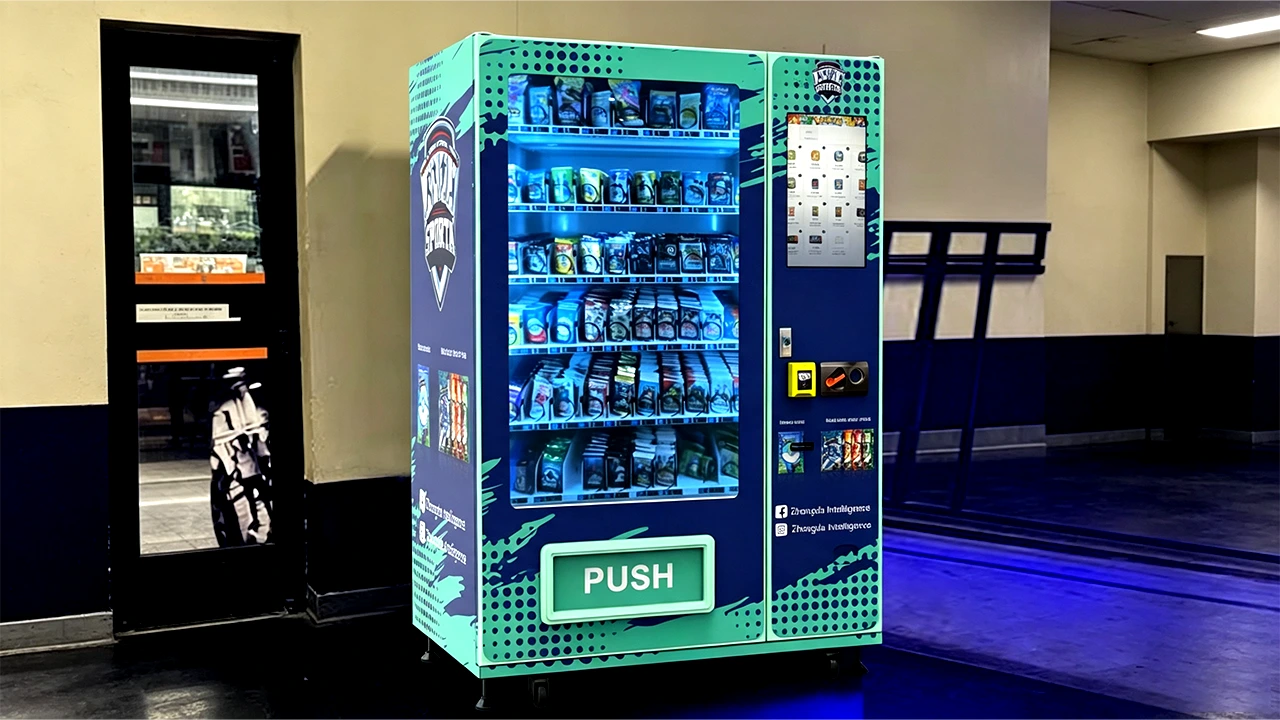
In this example, the machine would pay for itself in about 6 to 8 months, assuming a fully landed cost of around $9,000. But this is an ideal scenario. I’ve had machines that took 18 months to recoup their cost because the location didn’t perform as expected. It’s crucial to have a contingency fund. I recommend having at least 3 months of operating expenses in reserve per machine.
It’s also important to note that while the vending machine industry is stable, it’s not a get-rich-quick scheme. According to data from Statista, the global vending machine market is projected to grow steadily, but the competition is also increasing. You need to be better than the average operator, not just average.
Common Mistakes I See New Importers Make
I’ve been in this game long enough to see a pattern of failures. Here are the top mistakes I see with people importing trading card vending machines from China.
Buying the Cheapest Machine
The cheapest machine is almost never the most profitable. I bought a budget model once to test a location, and the screen had a poor viewing angle, the card sensor was unreliable, and the firmware was buggy. I spent more time troubleshooting than making money. I eventually replaced it with a higher-quality unit, and the sales increased by 50% just because the customer experience was better.
Ignoring Software Localization
If you’re buying a machine from a Chinese manufacturer, the default software might be in Chinese or have a clunky English translation. You need to ensure the UI is localized for your market. I’ve seen machines with confusing prompts that scared away customers. Make sure the supplier provides a fully localized software version, and test it before you ship.
Underestimating the Power of Data
I’ve met operators who don’t look at their sales data. They just restock the same products over and over. That’s a mistake. The data will tell you what to buy, when to buy it, and how to price it. I use the analytics from my payment system to identify trends. For example, I noticed that my sports card sales spike during the NFL season. I now adjust my inventory to stock more football cards in September and October. This kind of data-driven approach is what separates profitable operations from struggling ones.
Local Regulations and Business Setup
Before you place your first machine, you need to understand the local regulations. In the US, vending machines are generally subject to sales tax, and you need a seller’s permit. In the EU, you have to comply with VAT rules, and there might be specific labeling requirements if you’re selling to consumers.
I also recommend checking with the local fire marshal or building inspector about placement. Some venues have strict rules about blocking exits or requiring a certain amount of clearance around the machine. It’s better to check before you sign a lease.
According to the U.S. Small Business Administration, the vending machine business is considered a retail operation, and you’ll need to register your business, get an EIN, and possibly obtain a local business license. The costs are minimal, but the paperwork is necessary. I’ve seen operators get fined for operating without a license, and it’s not worth the risk.
The Future of Automated Retail in Trading Cards
I’m a big believer in the future of this niche. The demand for trading cards, especially Pokémon and sports cards, has shown resilience over the past few years. The convenience of a self-service kiosk fits perfectly with the buying habits of younger collectors who are used to digital interfaces.
I’m also seeing more operators experiment with automated retail solutions that integrate with loyalty programs or offer pre-orders for exclusive drops. This is where the industry is heading. It’s not just about selling a pack of cards; it’s about creating an experience that keeps collectors coming back.
If you’re thinking about getting into this business, my advice is to start small, test one location, and learn the operational nuances before scaling. The self-service kiosk model is proven, but your success depends on execution.
FAQ
Are trading card vending machines profitable?
They can be, but it depends heavily on location and inventory management. In my experience, a well-placed machine can net $1,000 to $2,000 per month after expenses, but a poorly placed one can lose money. You need to treat it like a business, not a passive income stream.
How much does a trading card vending machine cost?
You’re looking at a fully landed cost of $6,500 to $15,000 per machine, depending on configuration, shipping, and software. The hardware itself is $3,200 to $6,800, but you must budget for freight, customs, and installation.
How long does it take to recoup the investment?
In a good location, you can recoup your investment in 6 to 12 months. In a mediocre location, it could take 18 months or longer. I always recommend a conservative projection of 12 months for planning purposes.
Should a beginner buy or lease a machine?
If you’re new to this, I recommend buying a single, high-quality machine rather than leasing. Leasing agreements often have restrictive terms, and you’ll learn more by owning the asset. Once you have a proven track record, you can consider leasing to expand faster.
Where is the best place to put a card vending machine?
Look for specialty retail locations like comic book stores, game shops, and hobby stores that host trading card events. These locations have a built-in audience of collectors. High-traffic malls can also work if you have the right product mix.
What permits do I need to operate a vending machine?
You typically need a business license, a seller’s permit for sales tax, and possibly a local vending permit. In the US, check with your city and state. In the EU, you need to be VAT-registered. Always check with local authorities before installing a machine.
How do I choose a supplier from China?
Look for a manufacturer with a proven track record in automated retail, not just a trading company. Ask for a live video test of the card dispensing mechanism. Verify their quality certifications like CE or UL. I’ve had good experience with Zhongda Smart, but always do your own due diligence.
What happens if the machine breaks down?
You need a plan. Whether you do the repairs yourself or hire a local technician, downtime costs you money. Invest in remote monitoring to catch issues early, and keep spare parts on hand for common failures like card sensors and power supplies.
How can I reduce restocking and maintenance costs?
Use data to predict which products will sell, and group your restocking trips by geographic area to save on fuel. Perform routine cleaning of the card feeder to prevent jams. The more efficient you are, the higher your net margin.
Disclaimer: The figures and projections in this article are based on my personal experience and are for informational purposes only. Actual costs, sales, and profitability will vary based on location, market conditions, and operational efficiency. You should conduct your own research and consult with a financial advisor before making any business investment.