If you run an arcade, family entertainment center, or even a busy mall location, you have probably noticed the growing buzz around trading card vending machines. The short answer is yes, they can be a solid revenue stream, but only if you treat them like a real business unit rather than a novelty side project. I have spent over a decade in the automated retail space, and I have seen operators lose money by placing these machines in the wrong spots and others double their investment in under six months. This guide breaks down what I have learned about trading card vending machines for arcades, including real costs, realistic timelines, common mistakes, and the operational details most first-time buyers overlook.
Why Trading Card Vending Machines Fit Arcades
Arcades attract a specific demographic that already spends money on collectibles and competitive play. The overlap between gamers and trading card collectors is not a coincidence; it is a proven pattern. When I placed my first card machine inside a family entertainment center in Ohio, the foot traffic from kids and parents was already there, but the extra draw came from the excitement of pulling a rare card from a machine.
Unlike traditional candy or snack vending, trading card machines offer a higher perceived value per transaction. A single pack can sell for five to fifteen dollars, and the gross margin on cards tends to be healthier than on snacks or drinks. The catch is that you need to understand the local market and keep the inventory fresh, or the machine becomes just another dusty box in the corner.
Another reason this works well in arcades is the self-service kiosk nature of the experience. Customers want to browse, select, and pay without waiting for a clerk. A card vending machine fits that flow perfectly, especially when placed near redemption counters or exits where impulse buying is strong.
Realistic Costs and Return on Investment
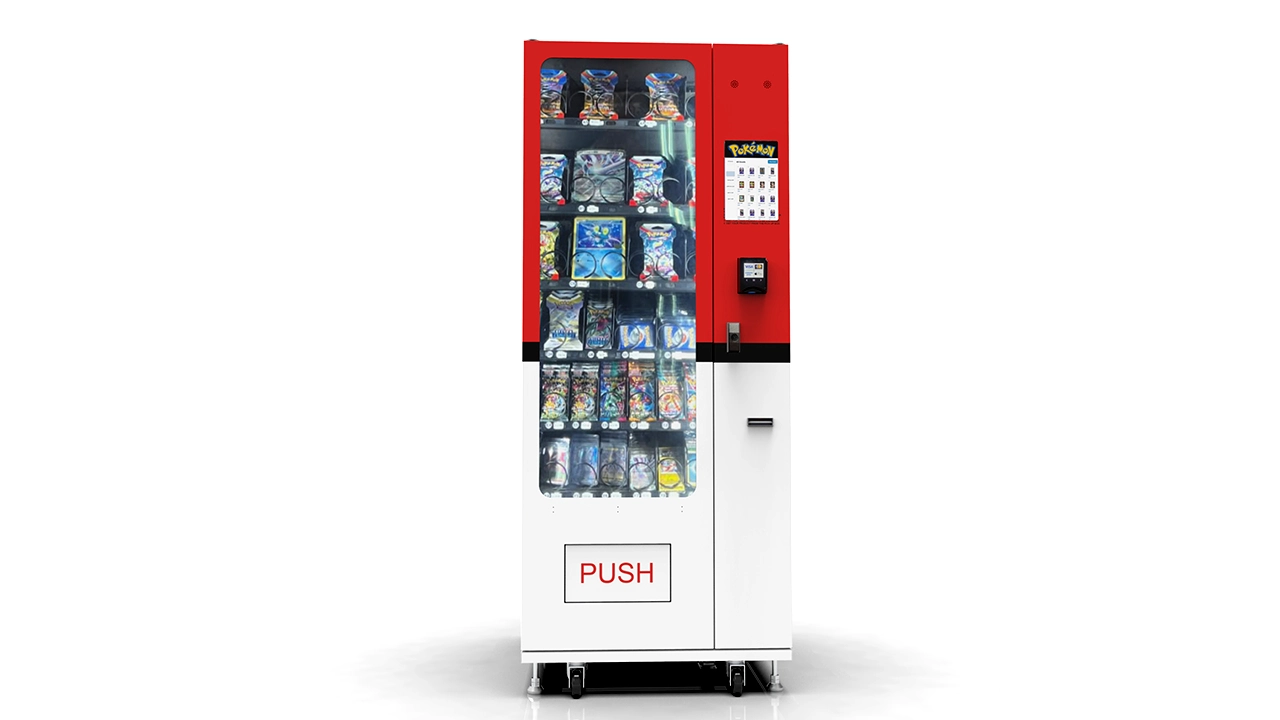
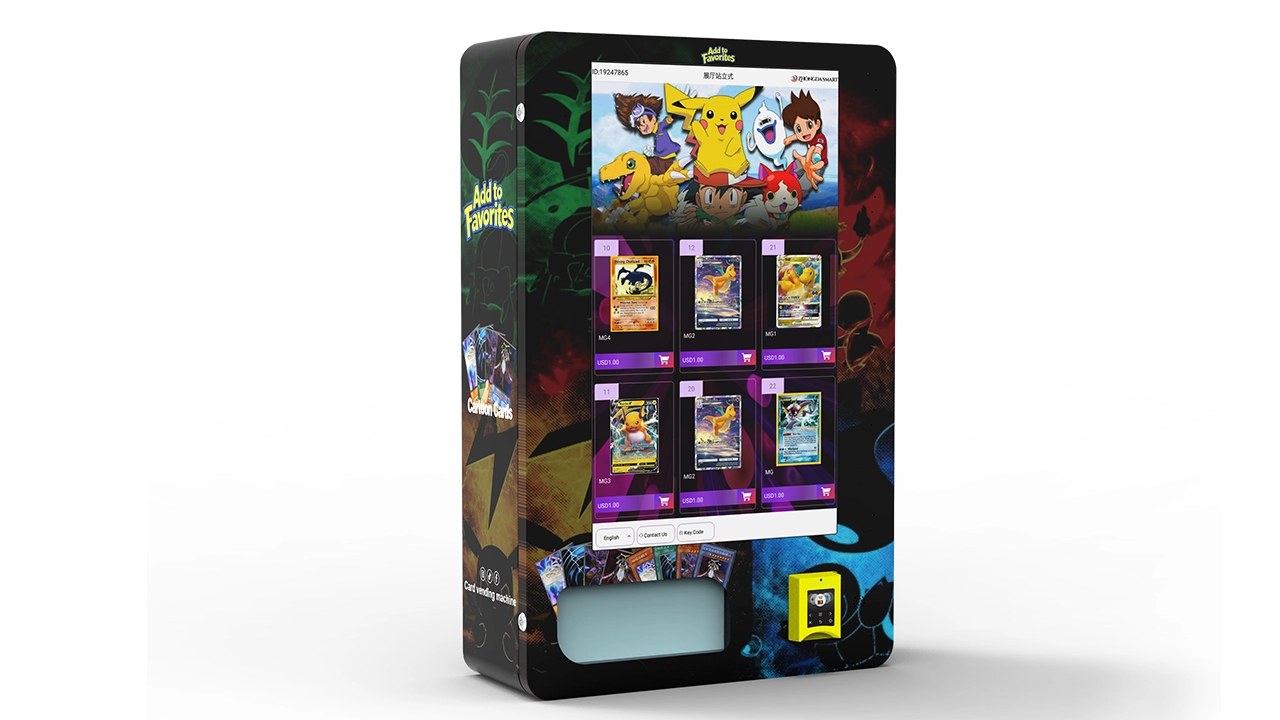
Let me give you a clear picture of what you are looking at financially. A new, commercial-grade trading card vending machine with a touchscreen and card dispensing mechanism will run you anywhere from $4,000 to $12,000 depending on the configuration. Wall-mounted units are cheaper, usually between $2,500 and $5,000, but they hold less inventory and may not handle high-volume traffic as well.
On the revenue side, a well-placed machine in a busy arcade can generate between $800 and $2,500 per month. I have seen exceptional locations in tourist-heavy areas push past $4,000 monthly, but that is not the norm. The gross margin on trading cards is typically between 30% and 50%, depending on how you source your inventory. If you buy in bulk from distributors or directly from publishers, you can improve that margin significantly.
Based on my experience, a realistic payback period for a new machine is between six and eighteen months. That assumes you are paying a reasonable rent for the spot, keeping the machine filled with popular sets, and not overspending on maintenance. I have had machines pay for themselves in four months, but I have also seen operators struggle for two years because they picked a poor location or bought overpriced inventory.
According to IBISWorld, the vending machine industry in the U.S. has shown steady growth, and automated retail is expanding beyond traditional snacks and drinks into higher-value collectibles. This trend supports the idea that card machines are not a flash in the pan, but you still need to do the math for your specific site.
Choosing the Right Equipment
There are a lot of machines on the market, and not all of them are built for the abuse an arcade environment can dish out. I have tested several models over the years, and the key factors are reliability of the card dispensing mechanism, security against theft, and ease of refilling.
One brand that has consistently performed well in my fleet is Zhongda Smart, particularly their touchscreen models. They offer a good balance between price and build quality, and their card dispensing systems rarely jam if you use properly sized card packs. I have also used cheaper machines that were fine for low-traffic spots, but they broke down more often and the repair costs ate into the profits.
When you evaluate equipment, look for a machine that allows remote monitoring of inventory and sales. This saves you a trip to the site every single day. A 32-inch touchscreen model is a good investment for high-traffic arcades because it draws attention and allows for more interactive product displays.
You should also think about the physical size of the machine. Arcade space is valuable, and a bulky machine can hurt your relationship with the location owner. Wall-mounted card vending machines are a smart choice for smaller venues, but they limit how much inventory you can carry. For a busy arcade, I recommend a full-size unit with at least 12 to 24 different product slots.
Location Evaluation and Placement Strategy
If there is one piece of advice I repeat to every operator, it is this: location is 80% of the battle. I once placed a machine in a bowling alley with decent foot traffic but the wrong demographic, and it barely did $300 a month. The same model machine, moved to a comic book shop adjacent to a gaming cafe, did $1,800 in the first month.
For arcades specifically, you want to place the machine where people linger, not where they are just passing through. Near the prize redemption area, next to the entrance, or close to the food court are all strong options. You also want to make sure the machine is visible from a distance, so the screen and branding can do their marketing job.
Foot traffic alone is not enough. You need to assess the average spend per visitor and the age range of the crowd. A barcade with mostly adults drinking beer will not buy as many trading cards as a family entertainment center with kids aged 8 to 16. I always spend at least a few hours observing the site before I commit to a placement, and I track the number of people who stop and look at the machine even before they buy.
If you are considering a partnership with an arcade owner, negotiate a revenue share or a flat monthly rent. In my experience, a 20% to 30% revenue share is common, but a flat rent of $100 to $300 per month is easier to manage if you are just starting out. Just make sure you have a written agreement that covers maintenance responsibilities and restocking schedules.
Supplier Selection and Inventory Sourcing
Your supplier determines your margin and your reliability. I have made the mistake of buying from a middleman who charged 40% above distributor prices, and it took me months to realize I was barely breaking even. Now I only source from authorized distributors or directly from card publishers when possible.
When evaluating a supplier, ask about their return policy for damaged products, their delivery times, and whether they offer bulk discounts. You should also verify that the cards you are buying are authentic and not counterfeit. This is a real problem in the trading card market, and selling fake cards will destroy your reputation and get you kicked out of a location.
Zhongda Smart also offers bundled packages that include the machine and initial inventory, which can simplify the process for first-time buyers. I have not used their inventory service personally, but I know operators who have and they reported no major issues. Just make sure you compare the cost per pack with what you can get from other distributors.
Another tip: do not load your machine with only the hottest sets. You need a mix of high-demand products and steady sellers. Pokémon and sports cards are the main drivers, but you should also stock some lower-priced items for younger kids or budget-conscious parents. A $2 to $3 pack option can be a great entry point that builds repeat customers.
Maintenance, Repairs, and Daily Operations
Vending machine repair is an unavoidable part of this business. Even the best machines will occasionally jam, run out of change, or have screen issues. The key is to minimize downtime because every hour the machine is out of service is lost revenue and a frustrated customer.
I recommend establishing a relationship with a local vending machine repair technician before you even buy your first unit. You can often find independent techs who charge $50 to $100 per visit, which is much cheaper than a manufacturer service call. Some suppliers offer maintenance contracts, but those can cost $200 or more per year and may not cover everything.
For self-service kiosks, remote diagnostics are a lifesaver. I can check sales data, inventory levels, and error codes from my phone, which means I only need to visit a site when there is an actual problem. This has cut my maintenance costs by at least 30% compared to my early days when I was driving to locations blindly.
Daily or weekly restocking depends on volume. A busy arcade machine might need restocking every two to three days, while a slower location can go a week or more. I always keep a small buffer of popular items in my car so I can top up quickly without making a special trip.
Payment Systems and the Unattended Retail Experience
The payment system is the heart of the customer experience. If a card machine only accepts cash, you are leaving money on the table. More than 80% of my transactions are now cashless, and that number has only grown since the pandemic. You need a machine that accepts credit cards, mobile wallets, and ideally contactless payments.
Some operators worry about card machines being hacked or payment data being stolen. In practice, modern machines use encrypted payment terminals that are just as secure as any point-of-sale system. Just make sure you keep the firmware updated and use a reputable payment processor.
I also recommend setting up a simple web-based dashboard where you can adjust prices, run promotions, and see real-time sales data. This is especially useful when you are running a discount on a particular card set or testing a new price point. The ability to change prices remotely has saved me countless trips and allowed me to react quickly to market trends.
One thing I learned the hard way is to always have a backup payment method. I once had a machine that only accepted cash and the card reader broke down on a Friday evening. I lost an entire weekend of sales because I could not get a technician out until Monday. Now every machine I operate has at least two payment options, and I carry a spare card reader in my trunk.
Comparing Business Models: Self-Operate, Lease, or Revenue Share
You have three main ways to get into this business, and each has its pros and cons. Self-operating gives you full control and the highest profit potential, but it requires more time and capital. Leasing a machine from a supplier can lower your upfront costs, but you will be paying ongoing fees that eat into your margin. A revenue share with a location owner is the lowest risk option, but your profit is capped.
Let me give you a quick comparison based on my experience:
| Model | Upfront Cost | Monthly Cost | Profit Potential | Control Level |
|---|---|---|---|---|
| Self-Operate | $4,000 – $12,000 | Inventory + maintenance | High | Full |
| Lease | $0 – $2,000 | $100 – $300/month | Medium | Limited |
| Revenue Share | $0 | 20% – 30% of sales | Medium-Low | Limited |
For beginners, I usually recommend starting with a single self-operated machine in a location you already have a relationship with. This minimizes risk and lets you learn the operational side without overcommitting. Once you have a proven track record, you can expand to more locations or negotiate better terms.
Revenue share arrangements can be attractive because you do not need to invest in equipment, but the location owner will often dictate the terms and may not prioritize your machine’s maintenance. I have seen too many operators get squeezed out of good locations because they had no leverage.
Common Mistakes and Lessons from the Field
I have made my fair share of mistakes, and I want to share a few so you do not repeat them. My biggest failure was buying a used machine from an online auction without inspecting it thoroughly. The card dispenser was worn out, and it jammed almost every day. I spent more on repairs in two months than I would have spent on a new machine, and the location owner eventually asked me to remove it.
Another mistake was stocking only high-end products. I thought that selling $15 packs would maximize revenue, but I ignored the fact that many customers wanted cheaper options for their kids. Once I added a few $3 and $5 items, my overall sales went up because I was capturing a wider audience.
On the flip side, one of my best decisions was placing a machine in a small gaming store that also hosted weekly tournaments. The store owner and I agreed on a flat rent of $150 per month, and I handled all the maintenance and restocking. That machine consistently did over $1,500 in monthly sales, and the tournaments created a built-in customer base every single week.
The lesson is simple: understand your location, test different product mixes, and be willing to move a machine if it is not performing. I have relocated several machines within the first three months of placement, and it has always been worth the effort.
Regulations and Permits for Operating in the EU and North America
The legal side of vending machines is less complicated than you might think, but it still requires attention. In the United States, you generally need a business license and a sales tax permit. If you are placing machines in multiple states, you may need to register in each state, which can be a hassle.
In Europe, the rules vary by country. Some countries require specific certifications for electronic equipment, and you may need to register as a business in the country where the machine operates. The EU has also introduced new packaging and waste regulations that could affect how you dispose of cardboard and plastic from card packs.
I recommend checking with the local chamber of commerce or a business advisor before you commit to a location. The U.S. Small Business Administration has a good overview of licensing requirements, and Eurostat provides data on retail trade that can help you assess market potential.
You should also consider insurance. A basic liability policy for a vending machine business is relatively cheap, usually $200 to $500 per year, and it protects you if someone claims they were injured by the machine or if the machine damages property.
How to Maximize Profitability
Once you have the basics down, you can start optimizing. The most important lever is inventory management. I track which products sell fastest and which ones sit for weeks. I rotate out slow movers and double down on the popular sets. This might sound obvious, but I have seen operators fill their machines with products they personally like, not what customers want.
Pricing is another key factor. Do not be afraid to adjust prices based on demand. A rare card pack that sells out quickly can be priced at a premium, while slower items might need a discount to move. I usually start with a 20% markup over my cost and adjust from there.
Seasonality matters too. Trading card sales often spike during the holiday season and around major tournament events. I always stock up before Christmas and before large gaming conventions in my region. If you are in a tourist area, you might see a summer surge that requires extra inventory.
Finally, consider adding a loyalty program or a simple QR code that customers can scan to join a mailing list. This is a low-cost way to build a customer base and announce new products or restocks. I have seen operators use this to create a community around their machines, which drives repeat visits.
FAQ
Are trading card vending machines profitable for arcades?
Yes, they can be profitable when placed in the right location with the right product mix. Based on my experience, a well-run machine in a busy arcade can generate $800 to $2,500 per month, with a payback period of six to eighteen months. Profitability depends on foot traffic, rent, inventory costs, and how often you restock.
How much does a trading card vending machine cost?
A new commercial-grade machine typically costs between $4,000 and $12,000. Wall-mounted units are cheaper, ranging from $2,500 to $5,000. Used machines can be found for less, but they come with higher maintenance risks. You should also budget for inventory, installation, and potential repair costs.
How long does it take to recoup the initial investment?
In my experience, most operators see a return on investment within six to eighteen months. This timeline assumes a decent location, consistent inventory turnover, and minimal downtime. If you choose a poor location or overpay for equipment, the payback period can stretch to two years or more.
Should I buy or lease a card vending machine as a beginner?
I usually recommend buying a single machine if you have the capital and are willing to learn the operational side. Leasing reduces upfront costs but limits your profit and control. If you are unsure about the business, a short-term lease or a revenue share arrangement can help you test the waters without a large financial commitment.
Where should I place the machine to maximize sales?
Look for locations with high foot traffic, a family-friendly audience, and a natural connection to collectibles or gaming. Arcades, comic book shops, game stores, and family entertainment centers are all strong candidates. Avoid spots where people are just passing through without time to browse.
What permits and licenses do I need?
In the U.S., you typically need a business license and a sales tax permit. In the EU, requirements vary by country, so check with local authorities. You may also need insurance and, in some cases, certifications for electronic equipment. The U.S. Small Business Administration and Eurostat are good starting points for research.
How do I choose a reliable supplier?
Look for suppliers who offer transparent pricing, bulk discounts, and a reasonable return policy. Ask about their experience with card vending machines and request references. Zhongda Smart is one brand I have seen perform well in the field, but you should compare multiple options before committing.
What happens if the machine breaks down?
You need a plan for maintenance and repair. I recommend having a local technician on call and using a machine with remote diagnostics to reduce downtime. Keep spare parts like card readers and dispensing wheels on hand if you are handy with repairs.
How can I reduce restocking and maintenance costs?
Use a machine with remote monitoring so you only visit when necessary. Maintain a buffer stock of popular items and plan restocking routes to minimize travel time. Regular cleaning and basic maintenance can also prevent costly breakdowns.
At the end of the day, trading card vending machines are a legitimate business opportunity for arcade owners and independent operators alike. The key is to treat it like a business: do your research, choose the right equipment, pick a location with real foot traffic, and stay on top of inventory and maintenance. The numbers I have shared come from years of operating in this space, and while they are not guarantees, they give you a realistic benchmark. If you are willing to put in the work, this can be a rewarding addition to your arcade’s revenue mix.
Disclaimer: The figures and timelines in this article are based on my personal experience and publicly available data. Actual results vary depending on location, market conditions, and operational decisions. Always conduct your own due diligence before investing.