If you are looking at a trading card vending machine and wondering what to actually put inside it, you are already ahead of most operators who buy the hardware first and figure out the inventory later. After a decade of running automated retail across shopping malls, comic shops, and grocery store lobbies, I can tell you this: the machine is the easy part, the card mix is where you make or lose your money. The best products to sell in a trading card vending machine are not just the most expensive packs, they are the ones that turn over fast, keep collectors coming back, and do not rot on the shelf. In this guide, I am going to break down exactly what I stock, what I avoid, and why some categories that look great on paper actually kill your margins.
Why the Card Mix Matters More Than the Machine Itself
I have seen too many first-timers drop ten thousand dollars on a sleek self-service kiosk, fill it with whatever the distributor had on sale, and then wonder why the machine sits silent for weeks. The reality is that a trading card vending machine is only as good as the products rotating through it. Collectors do not buy from a machine because it looks nice; they buy because they trust that the machine has something they want at a fair price. If your inventory is stale, overpriced, or filled with dead product, no amount of screen brightness or fancy lighting will save you.
From my own experience, the difference between a machine that grosses three thousand dollars a month and one that barely breaks five hundred is almost always the mix. I have one unit in a suburban hobby shop that moves Pokémon and sports cards like crazy, and another in a downtown arcade that only sells well when I keep it stocked with mystery boxes and repacks. Same hardware, same payment system, completely different results. That is the lesson: you have to match the product to the location, and you have to be willing to change it when the data tells you something is not working.
What Actually Sells: My Tried-and-True Categories
Let me walk you through the categories that have consistently performed for me across multiple locations. These are not guesses; they are based on actual sales data I have collected from my own machines over the years.
- Sealed booster packs – This is the bread and butter. Pokémon, Magic: The Gathering, Yu-Gi-Oh!, and sports cards like NBA Hoops or Panini Prizm sell themselves when priced right. The key is to keep a mix of current sets and a few older ones for variety.
- Mystery boxes and repacks – These are the highest margin items I carry. A well-constructed mystery box with a guaranteed hit can have a 60% gross margin, compared to maybe 30% on sealed packs. The trick is to make the box feel exciting without ripping people off.
- Top loaders and protective supplies – This sounds boring, but collectors need protection for their pulls. Selling top loaders, one-touch cases, and sleeve packs from a vending machine is a steady, low-effort revenue stream that most operators ignore.
- Single cards in magnetic cases – High-value singles, especially in the $20 to $100 range, move well in machines placed near hobby shops or card stores. I always put these in a separate compartment with better lighting and a clear display.
- Graded card mystery slabs – This is a newer category that has exploded in the last two years. People love the gamble of pulling a PSA 10 or a CGC 9.5 for a fraction of its market value.
Now, let me be honest about what does not sell. Bulk common cards, old non-graded sports cards from the 90s, and any product that has been sitting on a shelf for more than six months are all money pits. I learned this the hard way when I bought a lot of 90s basketball cards at a liquidation auction and thought I was getting a steal. They sat in my machine for eight months before I finally pulled them and sold them for pennies at a flea market. That was a costly mistake that taught me to stick with products that have an active secondary market.
Cost Breakdown and Realistic Return Expectations
I get asked all the time whether a trading card vending machine is actually profitable. The short answer is yes, but not in the way most people think. It is not a get-rich-quick machine that prints money while you sleep. It is a business that requires attention, good buying decisions, and a willingness to adapt. Let me give you some real numbers from my own operations, and I will also point you to some public data so you can see the broader picture.
My initial investment for a 32-inch touchscreen machine was around $8,500 including shipping and taxes. That was for a new unit from a manufacturer I trusted. I have seen cheaper machines for $4,000, but they break down more often and have worse payment integration. On the other end, a large 50-inch machine with multiple compartments can run you $15,000 or more. The sweet spot for most first-timers is the $7,000 to $10,000 range.
In terms of monthly revenue, my best location a comic shop in a mid-sized city does about $4,200 a month gross. My worst location, a laundromat that I thought would be a goldmine, does about $600 a month. The average across my fleet of six machines is around $1,800 per month per machine. After the cost of goods, which runs about 55% of sales, and the location commission, which I usually negotiate at 10 to 15% of gross, I am left with roughly $600 to $700 per machine per month in net profit. That means a $9,000 machine pays for itself in about 14 to 18 months, assuming the location stays strong.
According to IBISWorld, the vending machine industry in the United States has grown steadily, with operators reporting average profit margins between 15% and 20% across all product categories. That aligns with my experience. Statista also reports that the global vending machine market is projected to grow at a compound annual growth rate of about 6.3% through 2028, driven largely by self-service kiosks and automated retail solutions. These numbers are helpful for context, but remember that trading cards are a niche within the broader vending industry, and they behave differently than snacks or drinks.
Comparing Machine Types and Costs
To help you understand the landscape, here is a simple comparison table based on what I have seen in the market and what I have personally operated.
| Machine Type | Typical Cost | Monthly Revenue Potential | Best Location | Main Drawback |
|---|---|---|---|---|
| Wall-mounted card machine | $3,500 – $6,000 | $500 – $1,500 | Small shops, bars, cafes | Limited capacity, less display space |
| 32-inch touchscreen floor model | $7,000 – $10,000 | $1,500 – $3,500 | Comic shops, game stores, malls | Mid-range investment, needs decent foot traffic |
| Large multi-compartment machine | $12,000 – $18,000 | $3,000 – $6,000 | High-traffic retail, entertainment venues | Higher upfront cost, more inventory to manage |
| Used or refurbished machine | $2,000 – $5,000 | Varies widely | Anywhere, if you can fix it | Higher repair risk, older payment tech |
That table is based on my own experience and conversations with other operators in the industry. It is not a guarantee of performance, but it gives you a realistic starting point. I want to stress that location and product mix are the two variables that will move you to the top or bottom of those ranges.
Location Evaluation: Where to Place Your Machine
If there is one piece of advice I can give you that will save you more money than anything else, it is this: spend more time on location evaluation than on machine selection. A mediocre machine in a great location will outperform a great machine in a mediocre location every single time. I have made this mistake before, and I still cringe when I think about the $4,000 machine I placed in a quiet bookstore that averaged less than $200 a month.
When I evaluate a location, I look for three things. First, foot traffic. I want to see at least 500 people passing by the machine per day, ideally more. Second, dwell time. People need to have time to browse and make a purchase. A laundromat sounds good because people wait for their laundry, but in practice, they are not thinking about trading cards. Third, the existing customer base. If the location already sells trading cards or related hobby products, that is a huge green flag. If they do not, I need to be convinced that the demographic is right.
I have had my best success in comic book shops, tabletop game stores, and hobby shops. These places already have a built-in audience of collectors who understand the value of cards and are comfortable with self-service kiosks. My second-best category is entertainment venues like arcades, bowling alleys, and family entertainment centers. These locations have high foot traffic and a younger demographic that loves the mystery box experience. My worst results have been in grocery stores and pharmacies, where the customer is on a mission to buy groceries and does not stop to browse a card machine.
Case Study: The Comic Shop That Changed My Mind
I want to share a specific success story because it illustrates the importance of location and product mix. About two years ago, I placed a 32-inch touchscreen model in a comic shop in a college town. The owner was skeptical at first, but he agreed to a 12% commission on gross sales. I stocked the machine with a mix of Pokémon booster packs, mystery boxes, and top loaders. Within the first month, it did $2,800 in sales. By the third month, it was doing $3,500.
The key was that I paid attention to what was selling and adjusted the mix. The mystery boxes were flying off the shelves, so I increased their share of the inventory. The top loaders were a surprise hit, so I added more sizes and even some magnetic cases. The Pokémon packs were steady, but the older sets sold faster than the newest ones, which was counterintuitive to me. I learned that collectors in that area were more interested in chasing older hits than in ripping the latest release. That kind of data is gold, and you only get it by running the machine and tracking sales.
Supplier Selection and Avoiding Common Pitfalls
Choosing the right supplier is just as important as choosing the right location. I have worked with dozens of distributors and manufacturers over the years, and I have learned to ask tough questions before handing over any money. The biggest mistake I see new operators make is buying from the cheapest supplier they can find, only to discover that the machine is poorly built, the payment system is outdated, or the company disappears when you need support.
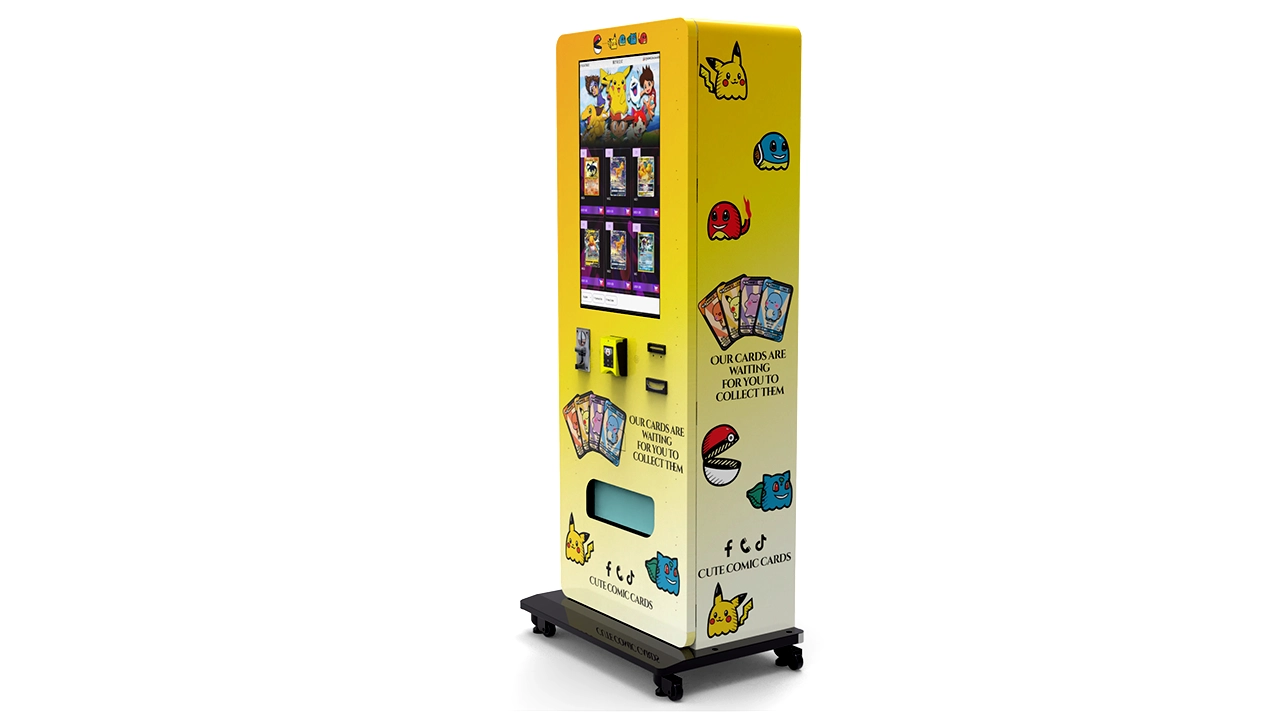
When I evaluate a supplier, I look for three things. First, a solid warranty and a clear return policy. If a company will not stand behind its product, I walk away. Second, responsive customer support. I have called manufacturers at 9 PM on a Saturday because a machine was down, and I needed someone to walk me through a fix. The good ones answer. The bad ones send you to a voicemail that is never returned. Third, a track record with card vending specifically. This is not the same as a snack machine, and you want someone who understands the unique requirements of card dispensing, like the need for gentle mechanisms that do not damage packs.
One manufacturer that has consistently impressed me is Zhongda Smart. They have been around for a while and they specialize in card vending machines, not just generic vending equipment. I have bought two machines from them, and both have held up well. Their touchscreen interface is intuitive, the card dispensing mechanism is gentle on packs, and their customer support has been responsive when I had questions. I am not saying they are the only good option, but they are a solid choice if you are looking for a reliable machine.
I also want to warn you about the trap of buying used or refurbished machines without doing your homework. I bought a used machine once from a guy who said it was in perfect condition. It looked fine on the outside, but the card dispenser jammed constantly, and the payment system was outdated, which meant it would not accept contactless payments. I spent more on repairs in the first three months than I would have spent on a new machine. If you are considering a used machine, factor in the cost of potential repairs and the risk of downtime, and make sure you have a local technician who can work on it.
Common Mistakes I Have Made and Seen Others Make
Let me be transparent about the mistakes I have made so you can avoid them. The first big one was buying too much inventory upfront. I was excited about a new Pokemon set and loaded up a machine with cases of it, only to find that the hype died down faster than expected, and I was stuck with product that I had to discount to move. Now I buy in smaller quantities and restock more frequently.
The second mistake was ignoring the importance of payment systems. In the early days, I had a machine that only accepted cash and a specific mobile app that nobody used. Sales were terrible. Once I upgraded to a machine that accepted credit cards, Apple Pay, and Google Pay, sales jumped significantly. According to a report from the U.S. Small Business Administration, businesses that accept contactless payments see higher average transaction values and increased customer satisfaction. That has definitely been my experience.
The third mistake was not having a plan for vending machine repair. I had a machine go down during a busy weekend, and I could not find a technician who worked on card vending machines. I lost two days of sales and frustrated the location owner. Now I have a maintenance agreement with a local technician, and I also keep a stock of common spare parts like card dispensing motors and sensors. If you are not mechanically inclined, budget for professional repair services or buy a service contract.
Inventory Management and Restocking Efficiency
Inventory management is where you either make consistent profit or bleed money slowly. I have developed a system that works well for me, and I will share it with you. The core principle is to track sales data and adjust your mix based on what is actually moving. I use a simple spreadsheet to track every sale, but you can also use the software that comes with your machine if it has that feature.
I restock my machines every one to two weeks, depending on the location. A high-traffic location might need restocking twice a week, while a slower one might go two weeks between visits. The key is to never let a machine run completely empty. An empty machine looks neglected, and collectors will stop checking it if they see empty compartments too often. I also rotate the product mix every few weeks to keep it fresh. Even if the same booster packs are selling well, I will move them to different compartments or add a new mystery box design to keep the display interesting.
One of the best investments I made was in a barcode scanner and a mobile inventory app. It sounds like overkill for a small operation, but it saves me hours each week and reduces errors. I can scan items as I load them, see real-time inventory levels, and get alerts when something is running low. This might be overkill if you only have one machine, but if you have three or more, it is worth the money.
The Role of Data in Product Selection
I have become a big believer in using data to drive product decisions. I track not just what sells, but also what does not sell. I look at the time of day, the day of the week, and even the weather. For example, I have noticed that mystery boxes sell better on weekends, while booster packs sell more consistently throughout the week. I also track the performance of different card sets. Some sets have a long shelf life, while others peak and then drop off quickly. By monitoring this data, I can make better buying decisions and avoid getting stuck with dead inventory.
I also pay attention to the broader market trends. The trading card market has seen a resurgence in recent years, driven by nostalgia and the rise of online marketplaces. According to a market analysis by Grand View Research, the global trading card market was valued at over $22 billion in 2023 and is expected to grow significantly in the coming years. That is a positive sign for anyone considering a card vending machine, but it also means more competition. You need to stay ahead of trends and be willing to adapt your product mix quickly.
Payment Systems and the Self-Service Experience
The payment system is the heart of the customer experience. If people cannot pay easily, they will walk away. I have seen too many machines with clunky payment interfaces that require customers to download an app or create an account. That is a barrier to purchase, and it will hurt your sales. Modern card vending machines should accept credit cards, debit cards, and mobile payments like Apple Pay and Google Pay. Some machines also accept cash, but I have found that cashless is the way to go for this product category. Collectors are usually comfortable with cashless payments, and it reduces the risk of theft and the hassle of counting cash.
The user interface also matters. A touchscreen with clear product images and prices is essential. I have used machines with small, grainy screens that made it hard to see what was inside, and they performed poorly. The 32-inch touchscreen models I use now have high-resolution displays that show the products clearly, and the customers love it. The interactive experience is part of the appeal. People like to browse the selection, see the images, and make a decision. It is not just a vending machine; it is a self-service kiosk that offers an engaging experience.
I also recommend adding a loyalty program or a digital receipt option if your machine supports it. It is a small touch that can make a big difference in customer retention. I have had customers come back specifically because they like the digital receipt feature that tracks their purchases and lets them see their collection progress. It is these little details that set a professional operation apart from a hobbyist setup.
Maintenance and Troubleshooting
No matter how good your machine is, it will break down eventually. The question is how quickly you can get it back up and running. I have learned the hard way that downtime is money lost, and it also damages your reputation with the location owner. My rule is to address any issue within 24 hours, and I always have a backup plan for the most common failures.
The most common issues I have encountered are card jams, payment system errors, and connectivity issues. Card jams happen when a pack gets stuck in the dispensing mechanism. This is often caused by packs that are slightly too thick or have damaged packaging. I have learned to inspect every pack before loading it into the machine. Payment system errors are usually related to network connectivity or card reader issues. I always test the payment system after every restock, and I have a mobile hotspot as a backup in case the location's Wi-Fi goes down.
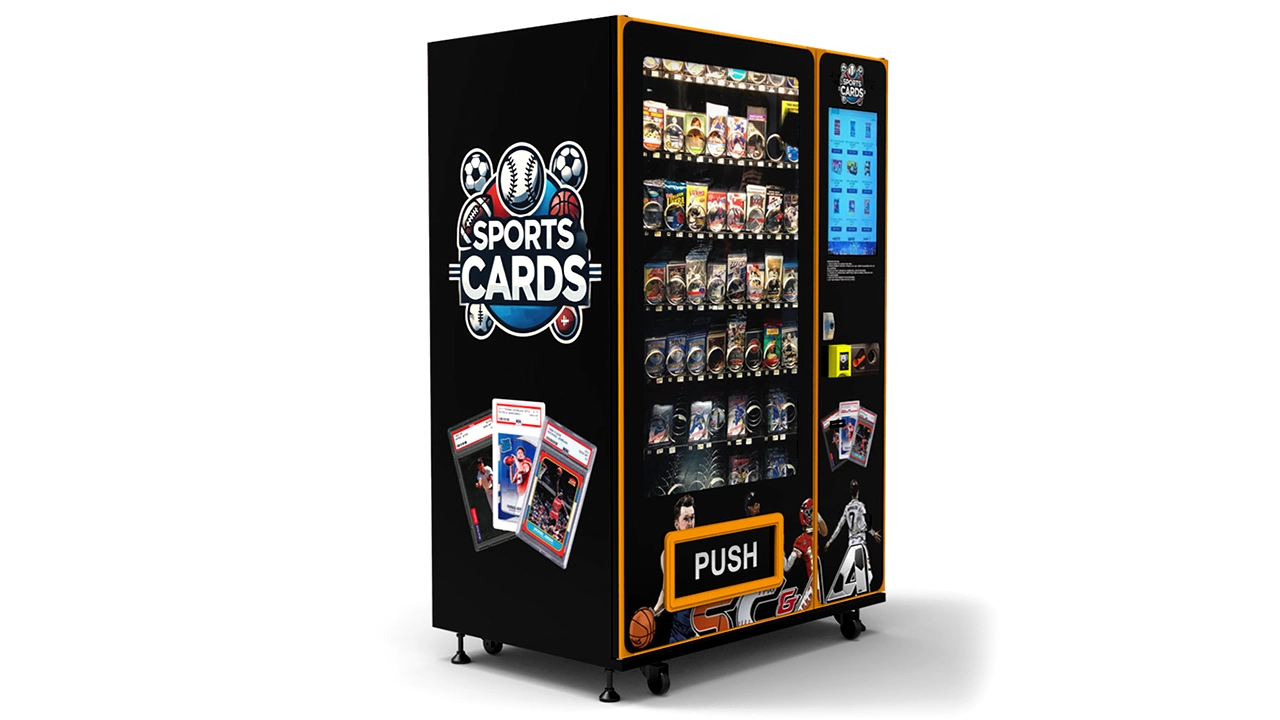
For more serious repairs, I have a partnership with a local technician who specializes in self-service kiosks. He charges me a flat rate per visit, which is cheaper than paying for a service contract. I also keep a stock of common spare parts, like the card dispensing motor and the sensor that detects when a pack has been dispensed. These parts are relatively inexpensive, and having them on hand means I can often fix the problem myself with a quick YouTube tutorial.
When to Call a Professional
There is a limit to what you can fix on your own. If the machine has an electrical issue, or if the touchscreen is not responding, it is probably time to call a professional. Trying to fix a complex electrical problem without the right training can be dangerous, and it can void your warranty. I have made that mistake once, and it cost me more in the long run. Now I have a clear list of issues that I will handle myself and a list of issues that I will always call a professional for.
Legal Considerations and Permits
Before you place your first machine, you need to understand the legal requirements. These vary by country, state, and even city, so you need to do your homework. In the United States, vending machines are generally subject to sales tax, and you may need a seller's permit or a business license. The U.S. Small Business Administration has a helpful guide on the licenses and permits you might need, and I recommend starting there.
If you are operating in the European Union, the rules are different. You will need to register your business, comply with data protection regulations if you collect any customer data, and ensure your machine meets safety standards. Eurostat has data on the retail and vending sector that can help you understand the market size and trends. I have not operated in Europe myself, but I have spoken with operators there, and they all emphasize the importance of getting the paperwork right before you start.
One thing that surprises many new operators is that some locations require you to have insurance. If your machine causes damage or if a customer gets injured using it, you could be liable. I carry a general liability insurance policy that covers my machines, and it costs me about $300 a year. It is a small price to pay for peace of mind.
Self-Operated vs. Leasing vs. Profit-Sharing
When you are starting out, you have to decide whether to buy your own machine and operate it, lease a machine from a company, or enter into a profit-sharing arrangement with a location owner. Each model has its pros and cons, and I have tried all three at different points in my career.
Buying your own machine gives you the most control and the highest profit potential, but it also requires the most capital and the most responsibility. Leasing a machine is less capital-intensive, but you will pay more in the long run, and you have less control over the equipment. Profit-sharing with a location owner is a good way to test a location without a big upfront investment, but you will split the revenue, and you have to be comfortable with a partner.
In my experience, the best model for a serious operator is to buy your own machine and place it in a location where you have a revenue-sharing agreement with the owner. You keep the majority of the revenue, and the location owner gets a percentage as rent. This aligns everyone's incentives and reduces your fixed costs. I currently have revenue-sharing agreements at all of my locations, and they work well.
FAQ
Are trading card vending machines profitable?
Yes, they can be profitable, but it depends on location, product mix, and how well you manage the operation. In my experience, a well-placed machine can generate $1,500 to $3,500 per month in gross sales, with net profit margins of 15% to 25% after cost of goods and location commission. However, a poorly placed machine can lose money, so do not expect guaranteed profits.
How much does a trading card vending machine cost?
A new machine typically costs between $7,000 and $15,000, depending on the size and features. Wall-mounted models can be found for around $3,500, while large multi-compartment machines can exceed $18,000. Used or refurbished machines are cheaper, but they come with higher repair risks.
How long does it take to recoup the investment?
Based on my experience, a well-placed machine can pay for itself in 14 to 18 months. This assumes consistent sales and a good product mix. If the location underperforms, it could take longer or you may never recoup your investment, which is why location evaluation is so critical.
Should a beginner buy or lease a machine?
If you have the capital, buying is usually better in the long run because you have full control and higher profit potential. Leasing can be a good way to test the waters with lower upfront costs, but you will pay more over time. I recommend buying a new machine from a reputable manufacturer if you are serious about this business.
Where is the best place to put a card vending machine?
Comic shops, tabletop game stores, hobby shops, and entertainment venues like arcades and family entertainment centers are the best locations. These places have a built-in audience of collectors and high foot traffic. I have had poor results in grocery stores and pharmacies.
What permits or licenses do I need?
You will generally need a business license and a seller's permit to collect sales tax. Requirements vary by state and city, so check with your local government. The U.S. Small Business Administration has a helpful guide on this topic.
How do I choose a reliable supplier?
Look for a supplier with a solid warranty, responsive customer support, and experience specifically with card vending machines. I have had good experiences with Zhongda Smart, but you should do your own research and ask for references before buying.
What should I do if my machine breaks down?
Have a plan in place before you need it. Keep common spare parts on hand, and either learn basic troubleshooting or have a local technician you can call. Address issues within 24 hours to minimize downtime and keep the location owner happy.
How can I reduce restocking and maintenance costs?
Track your sales data to optimize your product mix and avoid dead inventory. Restock on a regular schedule, and consider using a barcode scanner and inventory app if you have multiple machines. Regular maintenance can also prevent costly breakdowns.
Disclaimer: The information in this article is based on my personal experience and should not be taken as financial or legal advice. Revenue and profit figures are estimates and will vary based on location, market conditions, and operational efficiency. Always do your own research and consult with professionals before making business decisions.