When you walk into a small coffee shop or a busy laundromat and see a vending machine humming away in the corner, you are looking at a passive income stream that many business owners overlook. I have spent over a decade placing machines across the U.S. and Europe, and the single most common question I get from operators is how to pitch vending machine placement to business owners. The short answer is that you need to speak their language: foot traffic, customer convenience, and zero risk to their bottom line. In this article, I will share the exact approach I use, the numbers that back it up, and the mistakes I made early on so you can avoid them.
What a Vending Machine Actually Does for a Business
Most business owners see a vending machine as a noisy box that takes up floor space. Your job is to reframe it. A well-placed machine is a service amenity that keeps customers on site longer and gives them a reason to come back. I have placed machines in auto repair shops where customers wait forty minutes for an oil change. A cold drink and a snack turn that wait from an annoyance into a tolerable pause. The shop owner gets happier customers without lifting a finger.
From a landlord perspective, the machine pays rent in the form of a commission or a flat monthly fee. I have seen locations where the machine brings in an extra $150 to $400 per month in pure profit for the host business. That is money the owner did not have to earn through higher prices or extra labor. When you pitch vending machine placement to business owners, lead with the fact that it costs them nothing and pays them something.
Why Most Business Owners Say No at First
I have been turned down more times than I can count. The reasons are almost always the same: fear of clutter, worry about maintenance, or a bad experience with an old machine that broke down constantly. The key is to address these concerns before they come up. I always bring a photo of a clean, modern machine in a similar setting. I also explain that I handle everything from restocking to repair. If the machine breaks, I fix it. The owner never touches it.
Another common objection is that the machine will attract loitering or create mess. I counter this by showing a simple cleaning schedule and pointing out that modern machines with card readers and cashless payments reduce the need for people to hang around fumbling for coins. In my experience, a machine that looks professional and is well maintained actually improves the look of a space.
How to Prepare Your Pitch Before You Walk In
You cannot walk into a business cold and expect a yes. I learned this the hard way. Preparation is everything. Before I approach any location, I do three things. First, I research the business type and typical customer demographics. A gym needs protein bars and electrolyte drinks. A hotel lobby needs premium coffee and travel-sized toiletries. A factory break room needs hearty snacks and hot meals. Second, I estimate foot traffic. I stand outside for fifteen minutes on a weekday and count people. Third, I calculate a rough revenue projection based on similar locations I have operated.
When you pitch vending machine placement to business owners, bring a one-page summary that shows how much the machine could earn them in commission. I use a simple table with conservative numbers. For example, a medium-traffic location with 100 customers per day might generate $300 in monthly sales. At a 10% commission, that is $30 per month for the host. It does not sound like much, but when you scale to five or ten machines, the numbers add up. The owner sees that it is not a hassle and it puts cash in their pocket.
The Numbers That Matter: Cost, Revenue, and Payback
Let me give you a realistic picture based on my own operation. I currently run 22 machines across three states. My initial investment per machine varies widely depending on the type and features. A basic snack and drink machine with a card reader costs between $3,000 and $6,000 new. A high-end coffee machine with a bean grinder and milk frother runs $8,000 to $12,000. A frozen food or ice cream machine can be $10,000 or more.
Monthly revenue per machine in my fleet averages around $450, but I have machines that do $1,200 and others that barely hit $200. The difference is location. A machine in a busy hospital cafeteria does far better than one in a quiet office lobby. Gross margins on products are typically between 25% and 35% after cost of goods. That means on $450 in sales, I keep about $130 to $160 before other expenses.
Operating costs include restocking labor, vehicle fuel, credit card processing fees, and occasional repairs. I budget about $50 to $80 per machine per month for these. So net profit per machine is often between $80 and $110 per month. Payback period on a $5,000 machine at that rate is roughly 45 to 60 months. That is not fast, but the machine can run for ten years or more with proper maintenance.
According to a report by IBISWorld, the vending machine industry in the U.S. generated approximately $7.3 billion in revenue in 2023, with an average profit margin of about 6.5% for operators. That margin is thin, which is why location and product selection matter so much. A single bad location can wipe out the profit from three good ones.
Table: Quick Comparison of Machine Types and Costs
| Machine Type | Initial Cost (New) | Average Monthly Revenue | Typical Payback Period | Best Locations |
|---|---|---|---|---|
| Snack & Drink Combo | $4,000 – $6,000 | $350 – $600 | 18 – 36 months | Offices, small retail, laundromats |
| Bean-to-Cup Coffee | $8,000 – $12,000 | $500 – $900 | 24 – 48 months | Hotels, hospitals, co-working spaces |
| Frozen Food / Ice Cream | $10,000 – $15,000 | $400 – $700 | 36 – 60 months | Schools, gyms, entertainment venues |
| Bulk Candy / Gumball | $500 – $1,500 | $50 – $150 | 12 – 24 months | Retail stores, waiting areas |
These numbers are based on my own experience and industry averages. Your results will vary depending on location, product pricing, and local competition. Always run your own numbers before buying equipment.
How to Choose a Vending Machine Supplier
I have bought machines from three different manufacturers over the years, and I have learned that price is not the only factor. A cheap machine that breaks down every three months will destroy your profit. Look for a supplier that offers reliable equipment with good after-sales support. I have had good experiences with Zhongda Smart for their combo machines and coffee units. Their machines are built with modern payment systems and remote monitoring capabilities, which saves me a lot of time on restocking trips.
When evaluating a supplier, ask about warranty terms, availability of spare parts, and whether they offer training or installation support. I also recommend ordering a sample machine before committing to a bulk purchase. Run it for three months in your own location and track its performance. That test will tell you more than any brochure.
Common Mistakes New Operators Make
I made almost every mistake you can imagine when I started. Here are the ones that cost me the most money.
Buying used machines without inspection. I bought a used soda machine from a classified ad for $800. It worked for two weeks and then the compressor died. Repair cost was $400. I could have bought a reliable refurbished unit from a dealer for $1,500 with a warranty. Do not skip the inspection.
Placing machines in low-traffic locations. I once placed a machine in a small real estate office with five employees. Sales were $60 per month. After commission and restocking costs, I was losing money. A location needs at least 50 to 100 potential customers passing by daily to be worth your time.
Ignoring cashless payment. I resisted adding card readers for two years because of the fees. Then I installed one in a machine that was doing $200 per month. Sales jumped to $450 within three months. According to a study by the National Automatic Merchandising Association (NAMA), cashless payments can increase vending sales by 15% to 30%. The fees are worth it.
Not tracking inventory. I used to guess what to restock. I ended up with expired products and wasted money. Now I use a simple spreadsheet or a telemetry system that tells me exactly what sold. It cuts restocking time by half and reduces spoilage.
Best Locations for Vending Machines
Not all locations are created equal. In my experience, the best spots fall into a few categories.
High-traffic waiting areas. Auto repair shops, car washes, laundromats, and DMV offices are gold mines. People are stuck waiting with nothing to do. A machine with snacks and drinks gives them an easy purchase.
Workplaces with limited break options. Factories, warehouses, and office buildings where employees cannot easily leave for lunch are ideal. I have machines in a logistics center that does $800 per month because the nearest store is a fifteen-minute drive.
Health and fitness venues. Gyms, yoga studios, and sports centers do well with healthy snacks, protein shakes, and bottled water. The margins on healthy products are often higher than on candy.
Educational institutions. Schools, universities, and libraries have steady foot traffic and long hours. Be aware that some schools have restrictions on sugary drinks or snacks, so check local regulations first.
Hotels and motels. Guests often want a late-night snack or a morning coffee without leaving the building. A coffee machine in a hotel lobby can pay for itself in six months.
How to Evaluate a Potential Location
I use a simple checklist before I agree to place a machine anywhere. First, I count foot traffic during peak hours. If fewer than 50 people pass by per hour, I walk away. Second, I check for existing vending machines. If there is already a competitor, I ask the owner how long it has been there and whether it is well maintained. Sometimes an old, broken machine is an opportunity to replace it with a better one.
Third, I look at the power outlet and internet connectivity. Modern machines need a reliable power source and often a Wi-Fi or cellular connection for remote monitoring. If the location has no signal or poor wiring, the installation cost goes up. Fourth, I ask about cleaning and maintenance expectations. Some owners want the machine to be spotless every week. Others do not care. I prefer owners who are flexible and understand that a little dust is normal.
Finally, I negotiate the commission or rental fee. I usually start with a flat monthly fee of $30 to $50 for low-traffic spots and a 10% commission for high-traffic ones. I never agree to a percentage that exceeds 15% unless the location is exceptional. According to data from Statista, the average commission paid to location owners in the U.S. is around 8% to 12% of gross sales.
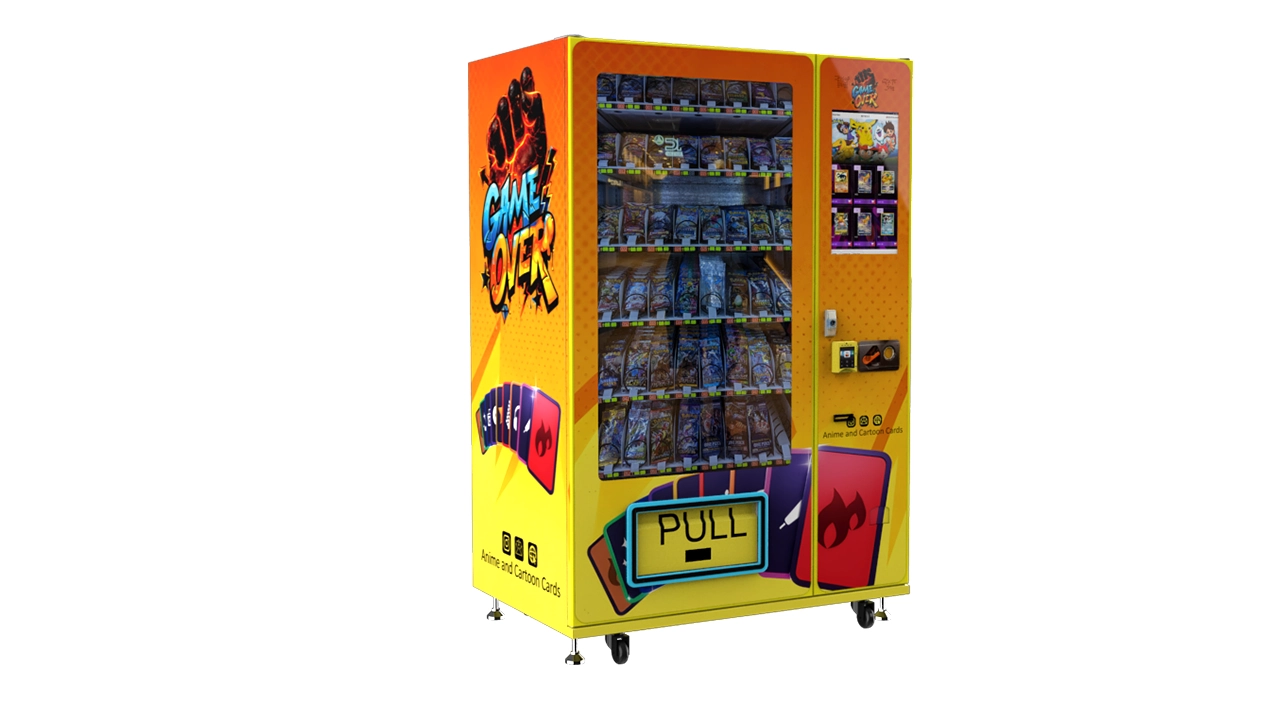
Vending Machine Repair and Maintenance Reality
Machines break. It is a fact of life. The most common issues are jammed coin mechanisms, failed card readers, and refrigeration problems. I budget about $200 per machine per year for repairs. Some years it is less, some years more. I recommend learning basic troubleshooting yourself. Replacing a coin mech or a control board is not hard, and it saves you $100 per service call.
I also do a monthly cleaning and inspection. I check the seals on the doors, clean the coils, and test the payment systems. A machine that looks dirty will sell less. A study by the Vending Machine Association of Europe found that clean machines generate 20% higher sales than dirty ones. That is a simple fix with a big payoff.
Self-Service Kiosk vs. Traditional Vending Machine
You might hear the term self-service kiosk used interchangeably with vending machine, but they are different. A traditional vending machine dispenses packaged products. A self-service kiosk can prepare fresh food, like a pizza or a smoothie. I have placed a few kiosks in high-end office buildings, and they do well, but they cost more to maintain. If you are new, stick with traditional machines until you understand the business.
The automated retail space is growing, and some operators are moving toward larger machines that sell electronics or personal care items. I have not gone that route because the inventory cost is higher and the risk of theft is greater. But if you have a secure location with high foot traffic, it could be worth testing.
How to Pitch Vending Machine Placement to Business Owners: The Script
Here is the pitch I use most often. It is short and direct.
"Hi, I run a local vending service. I noticed your business has a lot of customers who wait around. I would like to place a machine here that offers drinks and snacks. It costs you nothing. I handle all the stocking, cleaning, and repairs. You get a commission on every sale. The machine will make your customers happier and give them a reason to stay longer. Can I show you a quick example of what it could earn you?"
I always have a printed sheet with a photo of the machine and a simple revenue estimate. I also offer a one-month trial period. If the machine does not perform, I remove it at my own cost. That removes all risk for the owner. About 70% of the owners I pitch to say yes after that.
Legal and Regulatory Considerations
Before you place a machine, check local business license requirements. In most U.S. states, you need a general business license and a seller's permit. Some cities require a vending machine permit. In Europe, regulations vary by country. For example, in France, you must register with the Chamber of Commerce and may need a permit from the local municipality. You also need to comply with food safety regulations if you sell perishable items.
I recommend consulting with a local business attorney or checking your city's business portal. The U.S. Small Business Administration has a useful guide on vending machine business requirements at sba.gov. In the EU, the European Commission's Your Europe portal provides information on cross-border vending regulations.
FAQ: Common Questions About Vending Machine Placement
Are vending machines profitable?
Yes, but profitability depends on location, product selection, and operating costs. A well-placed machine can generate $300 to $800 per month in gross sales, with net profit of $100 to $200 after expenses. Many operators run multiple machines to scale their income.
How much does a vending machine cost?
A new snack and drink combo machine costs between $4,000 and $6,000. Coffee machines are $8,000 to $12,000. Used machines can be found for $1,500 to $3,000, but they may need repairs. Always factor in the cost of a card reader, which adds $300 to $600.
How long does it take to break even?
Payback periods vary. A $5,000 machine in a good location might break even in 18 to 36 months. In a slow location, it could take five years or more. I recommend aiming for a payback period of 24 months or less.
Should I buy or lease a vending machine?
Buying is better for long-term operators. Leasing can be useful if you want to test the business with low upfront cost, but you will pay more over time. I have always bought my machines outright.
Where should I place a vending machine?
Look for locations with high foot traffic and captive audiences: auto repair shops, laundromats, gyms, offices, hospitals, schools, and hotels. Avoid places where people can easily walk to a store.
What permits do I need?
You typically need a business license and a seller's permit. Some cities require a vending machine permit. Check with your local government. In the U.S., the SBA website is a good starting point.
How do I choose a vending machine supplier?
Look for a supplier with a good reputation, warranty support, and spare parts availability. I have used Zhongda Smart for several machines and found their equipment reliable. Always read reviews and ask for references.
What happens if the machine breaks?
You are responsible for repairs. Learn basic troubleshooting to save money. Many common issues, like a jammed coin slot or a failed card reader, can be fixed in minutes. For major problems, call a technician.
How do I reduce restocking costs?
Use a telemetry system that tracks sales in real time. That way you only visit machines that need restocking. Also, group your machines geographically to minimize driving time.
Can I run a vending machine business part-time?
Yes. Many operators start part-time with 5 to 10 machines. You can restock on weekends. As you grow, you may need to hire help or switch to full-time.
Final Thoughts on Pitching and Operating
Pitching vending machine placement to business owners is not about selling a machine. It is about offering a solution that makes their business better. When you approach it that way, the conversation becomes easy. You are not asking for a favor. You are offering a service that adds value. The numbers work if you choose the right location, maintain your equipment, and track your costs.
I have seen operators fail because they tried to cut corners on equipment or ignored the importance of cashless payments. I have also seen operators build a steady, profitable business by focusing on good locations and reliable machines. The difference is preparation and persistence. If you are willing to learn from mistakes and adapt, this business can provide a solid income for years.
Before you buy your first machine, spend a month visiting potential locations and practicing your pitch. Talk to business owners. Listen to their concerns. Adjust your offer based on what you hear. That groundwork will save you thousands of dollars and a lot of frustration.
If you are looking for a reliable machine to start with, consider a combo unit from a manufacturer like Zhongda Smart. Their equipment has held up well in my fleet, and the remote monitoring feature alone saves me hours each week. But do not take my word for it. Test one yourself and see how it performs in your market.
Good luck. The vending business is not a get-rich-quick scheme, but it can be a solid, long-term source of income if you treat it like a real business.
Disclaimer: The financial figures and estimates in this article are based on my personal experience as a vending machine operator and publicly available industry data. Actual results will vary depending on location, operating costs, product selection, and market conditions. Always conduct your own research and consult with a financial advisor before making investment decisions.