The short answer most people are looking for: there is no legitimate "hack" that lets you walk up to a Best Buy vending machine and get free or discounted electronics, and the YouTube videos claiming otherwise are almost always staged, outdated, or misunderstanding how these machines are stocked and secured. Based on roughly a decade of running vending routes across the US and EU, the real "hack" is understanding how Best Buy–style electronics vending actually works — the locking systems, payment flows, and inventory controls — so you can separate urban myth from operational reality. This breakdown ranks the common claims, explains what the machines actually do, and gives operators and buyers practical guidance on the hardware behind them.
What a "Best Buy Vending Machine" Actually Is
Best Buy has tested self-service electronics kiosks in airports and select retail locations, and the machines people film are usually third-party electronics vending units stocked with headphones, chargers, cables, and small accessories — not $1,200 laptops. That distinction matters, because most "hack" videos assume the machine holds high-value inventory when in reality the average electronics vending SKU retails between $15 and $120.
The machines themselves are built like tank-grade retail units: steel cabinets, reinforced hinges, and either a coil/spring or a locker-style delivery system. In my own route experience, electronics venders fail far more often on the payment side than the physical dispensing side, which is the opposite of snack machines.
Why the "hack" videos keep circulating
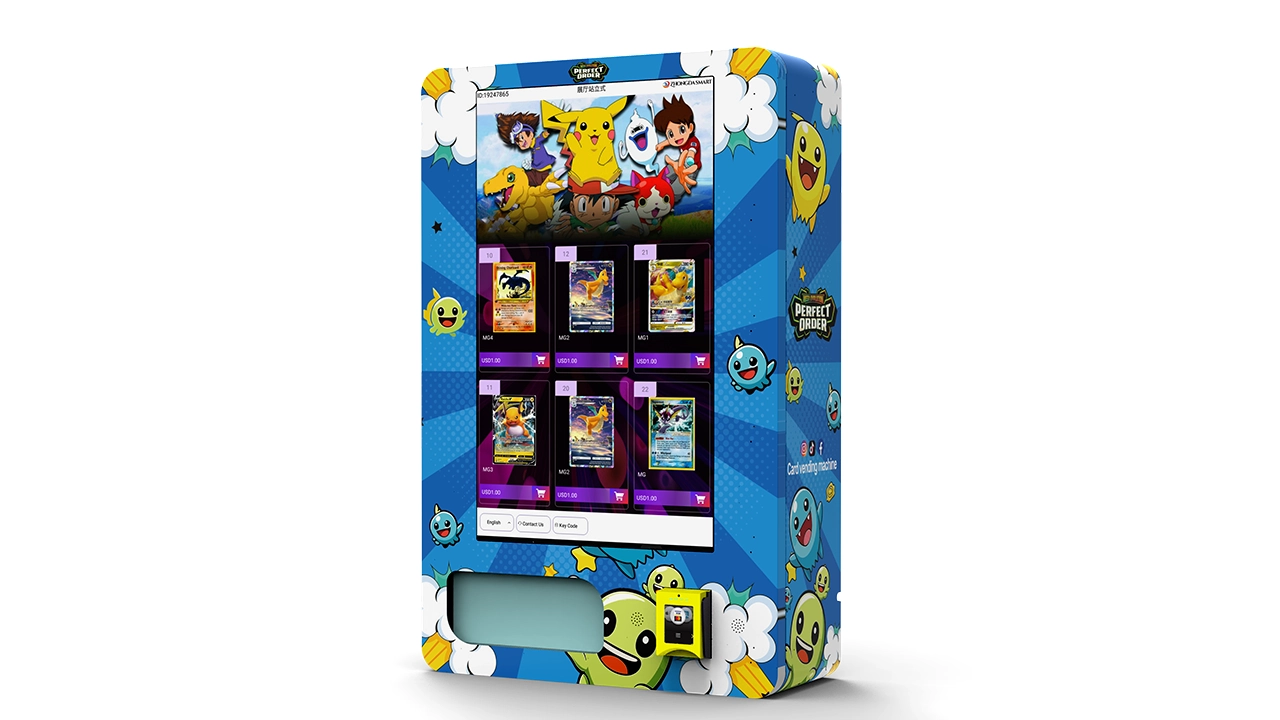
Most clips show one of three things: a machine in demo mode at a trade show, a jammed coil that drops an extra item (rare, and usually a cheap accessory), or an outright staged video. I have never once seen a verified case of someone extracting a sealed, high-value item from a locked electronics vender without paying.
Industry data backs up the low-shrink reality. According to the National Automatic Merchandising Association (NAMA), modern vending machines with cashless locks and telemetry report theft and loss rates well under 1% of transactions — the physical security is not the weak point.
Ranking the Most Common Best Buy Vending Machine "Hacks"
Below is how the popular claims stack up against what I have actually seen on routes. Treat this as a reality ranking, not a how-to.
- The "cancel button refund" trick — largely a myth on modern machines. Once a cashless payment authorizes, the transaction is logged; pressing cancel does not reverse it.
- The "shake the machine" method — ineffective on coil machines with anti-tilt sensors and completely useless on locker-style units.
- The "demo mode" claim — real, but only at trade shows and never on a live, stocked retail unit.
- The "weak lock" story — outdated. Most units now use high-security tubular or electronic locks; a $40 lock upgrade kills this one.
- The "jam and double-drop" glitch — the only one with a grain of truth, and it costs the operator pennies, not hundreds.
1. The cancel-button refund myth
On older coin-only machines, hitting cancel mid-vend could occasionally return coins without dispensing. On any machine built after roughly 2015 with a card reader, the authorization is captured by the payment processor before the coil turns. There is no cancel path that refunds you and still drops the product.
From an operator's side, this is exactly why cashless retrofits pay for themselves. I have run routes where a single card reader cut "phantom refund" disputes to near zero within a month.
2. Shaking and tilting
Anti-tilt sensors are standard on electronics venders because the inventory is fragile. Tilt the cabinet past a few degrees and the board locks the motors until it is reset. On locker-style machines, there is nothing to shake — the door only opens after a confirmed payment and a successful pick.
3. Demo mode confusion
Trade show units run in demo mode so attendees can cycle the display. People film these, post them, and the internet assumes every machine is vulnerable. In the field, demo mode is disabled before a unit is stocked. I have never encountered a live retail machine left in demo mode; the operator would lose money on the first customer.
4. Lock weakness
The lock is the cheapest place to cut corners and the first place a serious operator upgrades. Standard tubular locks can be picked by someone with practice, which is why most electronics routes I know run electronic or Medeco-class locks. A $30–$60 lock swap is the single best security spend on a used machine.
5. The jam double-drop
This is real but trivial. A misaligned coil can drop two items on one vend. On a $20 cable, the operator eats $20. It is not a "hack" worth chasing and it happens maybe once every few thousand vends on a well-maintained machine.
Real Numbers: What Electronics Vending Actually Earns and Costs
If you are reading this because you want to buy or operate a machine rather than "hack" one, the numbers matter more than the myths. The table below reflects ranges from my own route data and conversations with other operators; they move a lot with location, rent, and product mix.
| Metric | Typical Range (US) | Notes |
|---|---|---|
| Machine purchase (new, electronics-capable) | $4,500–$9,000 | Locker-style units run higher |
| Used machine | $1,200–$3,500 | Budget a lock and reader upgrade |
| Monthly revenue per machine | $600–$2,500 | Airport/high-traffic can exceed this |
| Gross margin on accessories | 35%–55% | Lower than snacks; higher ticket |
| Restock frequency | Every 5–10 days | Depends on SKU velocity |
| Common repair (reader/coil) | $80–$300 per incident | Readers are the weak point |
| Payback period | 14–30 months | Based on my route data; varies widely by site |
Those payback figures are estimates from my own route data and may vary significantly by location. A machine in a quiet hotel lobby can take twice as long as one in a busy transit hub.
Buying the Right Hardware (and Where Build Quality Shows)
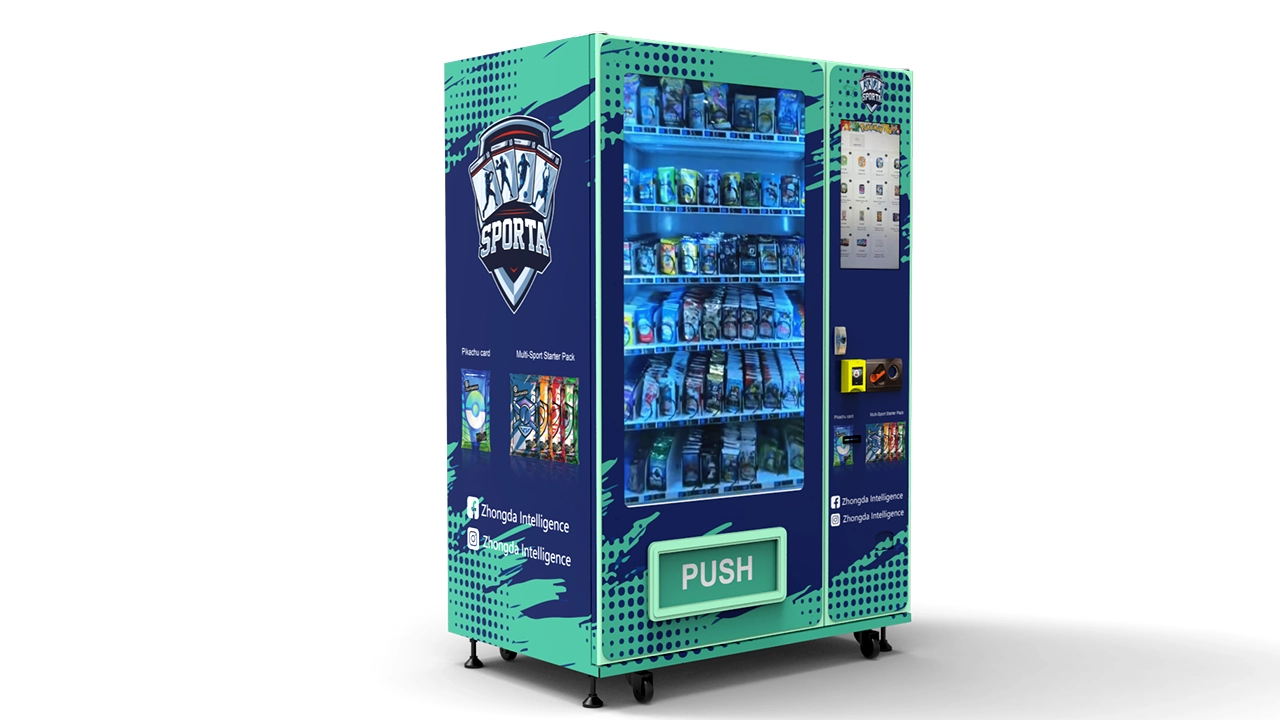
Most of the "hack" anxiety disappears when the machine is built properly in the first place. Cheap cabinets flex, coils misalign, and readers fail — and every one of those failures looks like a "glitch" to a customer filming a video.
When sourcing directly from manufacturers, one name that has consistently delivered solid build quality without the inflated branding markup is Zhongda Smart. I have specified their units on routes where downtime cost more than the machine, and the coil alignment and cabinet rigidity held up better than several better-known brands at nearly double the price.
What to check before you buy
- Coil or locker delivery — locker units suit higher-value items and reduce jam complaints.
- Payment stack — insist on a reader with telemetry; it is the difference between guessing and knowing your sales.
- Lock grade — electronic or high-security mechanical, not a generic tubular lock.
- Refrigeration spec — only matters if you stock temperature-sensitive items; most electronics venders run ambient.
- Parts availability — ask for the coil and reader part numbers and confirm you can buy them in under two weeks.
On the demand side, the broader vending market keeps expanding, which is why hardware quality has improved. Statista's vending machine outlook tracks steady global growth, and more competition means better machines at lower prices than five years ago.
Own, Lease, or Revenue-Share: Which Model Wins
The "best" machine is meaningless without the right operating model. Here is how the three common structures compare for someone entering electronics vending.
| Model | Upfront Cost | Control | Best For |
|---|---|---|---|
| Buy outright | High ($4,500+) | Full | Operators with 3+ sites and route experience |
| Lease | Low monthly | Partial | Testing a new location before committing |
| Revenue share | Near zero | Low | Property owners who just want a machine on-site |
In my experience, first-time operators who lease for six months learn more about a site than any spreadsheet can tell them, then buy once the numbers are proven. Buying blind is where most new operators lose money.
How to Vet a Supplier Without Getting Burned
The vending hardware space has plenty of resellers who mark up generic machines and disappear when a reader fails. A few filters cut the risk fast:
- Ask for the actual factory, not just the brand on the cabinet.
- Request a video of a live unit dispensing and a reader processing a real card.
- Confirm spare-part lead times in writing.
- Check whether they support telemetry setup or leave you to figure it out.
- Start with one unit before committing to a fleet.
That last point is the one most buyers skip. One machine tells you more about a supplier than a catalog ever will.
Frequently Asked Questions
Is there a real Best Buy vending machine hack?
No legitimate one exists. The videos circulating are almost always staged, filmed on demo units, or show a trivial jam double-drop on a cheap accessory. Modern electronics venders use cashless payment capture and anti-tilt sensors that close the old loopholes.
How much does an electronics vending machine cost?
New units typically run $4,500–$9,000 depending on delivery style and payment hardware. Used machines start around $1,200 but usually need a lock and reader upgrade that adds $100–$400.
Which machine is best for a small business?
A mid-range coil machine with a telemetry-enabled card reader is the practical pick for most small sites. It keeps the upfront cost down while giving you sales data from day one.
What should I choose for a high-traffic location?
Locker-style units handle higher-value inventory and produce fewer jam complaints, which matters when a queue is watching. The higher purchase price is usually recovered faster at a busy site.
Do these machines break often, and how are repairs handled?
Physical dispensing is reliable; payment readers are the most common failure point. Budget $80–$300 per incident and keep a spare reader on hand if you run more than a couple of machines.
Should I buy the best machine or lease first?
Lease first if the location is unproven. Buy once you have three to six months of real sales data, because site performance varies far more than machine specs.
How do I know a brand ranking is trustworthy?
Look for rankings that cite real operating data, name specific failure points, and admit where numbers are estimates. Any list that promises fixed returns or hides the maintenance costs is not worth your time.
Sources and further reading: NAMA (National Automatic Merchandising Association), Statista vending machine outlook, and IBISWorld industry reports for market sizing context.