I have been in the vending machine business for over a decade, operating across several states in the US and parts of Western Europe. If you are looking at ice vending machines business opportunities, you are likely wondering if they actually make money and how much work is involved. The short answer is yes, but the long answer depends entirely on your location, your equipment choice, and how you handle maintenance. Unlike snack or soda machines, ice vending machines offer a unique advantage: a high-margin product that people need year-round, with lower restocking frequency. However, they also come with specific challenges like water quality, machine reliability, and seasonal demand shifts. In this guide, I will share what I have learned from real installations, failed experiments, and profitable routes, so you can decide if this is the right move for you.
What Makes Ice Vending Different from Traditional Vending
Most people think of vending machines as those glass-fronted boxes selling chips and soda. Ice vending is a different animal. You are selling a commodity that is heavy, perishable, and requires consistent production. The machine itself is essentially a small ice factory with a storage bin and a dispensing mechanism. Because the product is made on-site, your primary cost is water, electricity, and the machine's depreciation. There is no inventory to buy, no expired stock to write off, and no supplier delivery fees. That is why margins can be attractive, but it also means you have to keep the machine running perfectly. A breakdown in summer can cost you thousands in lost sales.
Another key difference is the customer base. Ice vending serves both residential and commercial customers. People buy ice for coolers, parties, camping, and fishing. Businesses buy ice for restaurants, bars, hotels, and convenience stores. If you place a machine near a marina, a campground, or a busy gas station, you can capture both types of traffic. I have seen machines in rural areas do surprisingly well because the nearest grocery store is twenty minutes away. In those locations, a self-service kiosk that sells ice becomes a local essential.
How Much Can You Really Earn from an Ice Vending Machine
Let me give you some realistic numbers based on my own routes and data from operators I trust. A well-placed ice vending machine in a moderate traffic area can generate between $1,500 and $4,000 per month in revenue. The gross margin on ice is typically between 60% and 80%, depending on your electricity rates and water costs. That means after deducting utilities and maintenance, you might clear $800 to $2,500 per month per machine. However, these numbers fluctuate with season. In summer, you can sell three to four times more than in winter. If you live in a region with cold winters, you need to plan for lower sales from November through February.
According to a report from IBISWorld, the vending machine industry in the US has grown steadily, with ice vending representing a small but high-margin niche. The report notes that operators who focus on specialized vending, including ice, often see higher profit margins than traditional snack vendors. IBISWorld Vending Machine Operators Report provides a useful overview of industry trends. Keep in mind that these are industry averages, and your actual results will depend on foot traffic, local competition, and machine reliability.
Revenue Breakdown Example
| Metric | Estimated Range |
|---|---|
| Monthly revenue (peak season) | $2,500 – $4,000 |
| Monthly revenue (off-season) | $800 – $1,500 |
| Gross margin | 60% – 80% |
| Monthly electricity cost | $150 – $350 |
| Monthly water cost | $50 – $100 |
| Monthly maintenance reserve | $100 – $200 |
| Estimated net profit per machine | $800 – $2,500 |
These figures are based on my experience with machines that produce around 400 to 600 pounds of ice per day. If you place a machine in a high-traffic gas station near a highway exit, you can hit the higher end. If you place it in a quieter suburban area, expect the lower end. The key is to test a location for at least three months before committing to a long-term lease.
Choosing the Right Equipment: What I Learned the Hard Way
I have made the mistake of buying cheap machines. Early in my career, I purchased a used ice vending machine from a private seller for $3,500. It broke down within three weeks. The compressor failed, the water filtration system was inadequate, and the control board was obsolete. I spent more on repairs in the first year than the machine cost. After that experience, I shifted to buying new equipment from reputable manufacturers. I now recommend looking for machines that use commercial-grade compressors, stainless steel bins, and automated cleaning cycles. A good machine should also have remote monitoring capabilities so you can track sales and errors from your phone.
One manufacturer that consistently meets these standards is Zhongda Smart. Their ice vending machines are built with robust refrigeration systems and easy-to-service components. I have installed several of their units in the US and have found their after-sales support responsive. When evaluating suppliers, pay attention to the availability of spare parts. If a part takes six weeks to arrive, your machine sits idle, and you lose money. Zhongda Smart offers a reasonable inventory of common spare parts, which is a factor I consider critical.
Key Features to Look For
- Commercial-grade compressor (not a residential unit)
- Automatic cleaning and sanitization cycle
- Remote monitoring system (Wi-Fi or cellular)
- Stainless steel ice storage bin
- Multiple payment options (card, mobile, cash)
- Energy-efficient insulation
- Easy access for maintenance
Do not overlook the payment system. In the US, cashless payment is now expected. According to a 2023 report from Statista, over 70% of vending machine transactions in the US are cashless. Statista Vending Machine Payment Methods shows that credit cards and mobile payments dominate. If your ice vending machine only accepts coins, you will lose a significant portion of potential sales. Make sure the machine supports NFC, Apple Pay, Google Pay, and major credit cards.
Location, Location, Location: How I Evaluate Sites
I have placed machines in dozens of locations, and I can tell you that a great machine in a bad location will fail. A mediocre machine in a great location can succeed. My evaluation process starts with foot traffic data. I look for locations with at least 500 to 1,000 vehicles passing per day. For pedestrian locations, I want at least 200 people walking by daily. But raw numbers are not enough. I also consider the type of traffic. Gas stations, convenience stores, campgrounds, marinas, and large apartment complexes are ideal. Laundromats and car washes can also work, especially if they are busy.
One of my most profitable locations is a campground near a lake. During summer, the machine runs almost non-stop. I sell bags of ice at $3.50 each, and the machine produces about 600 pounds per day. The campground owner takes a 10% commission, which is fair because they provide electricity and water. In winter, sales drop to about 20% of summer levels, but the machine still covers its costs. I have also placed machines at a busy truck stop and a self-storage facility. The truck stop does well year-round because truck drivers buy ice for their coolers. The self-storage facility was a failure—too few people, and most were just passing through quickly.
Site Evaluation Checklist
- Daily vehicle or pedestrian count (minimum 500 vehicles or 200 pedestrians)
- Proximity to competitors (grocery stores, convenience stores selling bagged ice)
- Availability of water and electricity (ideally included in lease or low-cost)
- Security and lighting (machines are targets for vandalism)
- Seasonal traffic patterns (summer peaks, winter lows)
- Commission or rent terms (negotiate a percentage, not a fixed high rent)
I always negotiate a trial period of three to six months before signing a long-term agreement. This allows me to test the location without being locked in. If the machine does not perform, I can move it. Many location owners are open to this because they have nothing to lose. If they insist on a long-term lease, I walk away unless the traffic data is exceptional.
Costs, ROI, and Payback Periods
Let me give you a realistic picture of the investment required. A new commercial-grade ice vending machine costs between $8,000 and $18,000, depending on capacity, features, and brand. Shipping and installation can add another $500 to $1,500. You will also need a water line and electrical hookup, which may require a licensed plumber and electrician. Those costs vary by location but typically run $500 to $2,000. Total initial investment for a single machine is usually between $10,000 and $22,000.
Based on my experience, a well-placed machine can pay for itself in 12 to 24 months. That is a reasonable expectation if you choose a good location and keep maintenance costs under control. If you place the machine in a weak location, the payback period can stretch to three years or more. I have seen operators give up after 18 months because they did not do proper site analysis. Do not rush. Take the time to evaluate multiple sites before buying your first machine.
| Cost Category | Estimated Amount |
|---|---|
| Machine purchase (new) | $8,000 – $18,000 |
| Shipping and installation | $500 – $1,500 |
| Water and electrical hookup | $500 – $2,000 |
| Initial inventory (bags, supplies) | $200 – $500 |
| Total initial investment | $10,000 – $22,000 |
| Expected monthly net profit | $800 – $2,500 |
| Estimated payback period | 12 – 24 months |
These numbers are based on my own operations and discussions with other operators. They are not guarantees. Your actual costs and revenue will depend on local conditions. I recommend setting aside a reserve fund equal to at least 20% of your initial investment for unexpected repairs. Ice vending machines have moving parts, and things break. A compressor failure can cost $1,000 to replace. If you have a reserve, you can handle it without stress.
Maintenance and Common Pitfalls
Maintenance is the part most new operators underestimate. Ice vending machines require regular cleaning and filter changes. If you neglect the water filtration system, the ice quality suffers, and customers will stop buying. I change filters every three months and do a full sanitization cycle every month. The machine should also be inspected for ice bridge formation, which can block the dispenser. I have seen machines that looked clean on the outside but had mold inside the ice bin because the operator skipped cleaning. That is a health risk and a reputation killer.
Another common pitfall is ignoring seasonal demand. In summer, you need to increase your service frequency. The machine may run out of ice if the production capacity is too low for the location. I have had to upgrade machines mid-season because the demand exceeded the machine's output. That is an expensive lesson. Before buying, calculate the peak demand for the location. A machine that produces 400 pounds per day might be fine for a quiet gas station, but a busy campground might need 800 pounds per day. Oversizing slightly is better than undersizing.
Vending machine repair is another reality you must face. When the machine breaks, you need to fix it quickly. If you are not handy with refrigeration systems, find a local technician who can service commercial ice machines. I keep a list of three repair companies in each region where I operate. I also carry a set of common spare parts: a control board, a compressor start relay, a water pump, and a set of seals. Having these on hand can reduce downtime from weeks to days.
Self-Service Kiosk vs. Traditional Ice Vending
You may also encounter the term self-service kiosk in this industry. Some modern ice vending machines are essentially automated retail kiosks that allow customers to purchase ice using a touch screen and card reader. These kiosks often have better user interfaces and remote management features. I prefer them because they reduce the friction of payment and provide better data on sales patterns. The downside is that they are more expensive and may require more technical support. If you are just starting, a simpler machine with a reliable payment system is a safer bet.
In Europe, you might see the term distributeur automatique or borne en libre-service used for ice vending. The market there is smaller but growing. According to the European Vending Association, the total vending market in Europe was valued at over €20 billion in 2022, with ice vending being a niche segment. European Vending Association publishes annual reports that can give you a sense of the market landscape. If you are operating in Europe, pay attention to local regulations on food safety and water quality. Some countries require regular testing of ice for bacterial content.
How to Avoid Common Newbie Mistakes
I have seen many new operators fail because they skipped the basics. Here are the most common mistakes I have observed, and how to avoid them.
Mistake 1: Buying a used machine to save money. I already mentioned my own bad experience. Used machines often have hidden problems. Unless you are a refrigeration technician, buy new or certified refurbished from a reputable dealer.
Mistake 2: Ignoring water quality. Hard water will clog your machine and reduce ice quality. Always install a good water filtration system. Test your water before installation. If the water is very hard, consider a reverse osmosis system.
Mistake 3: Underestimating seasonality. If you live in a cold climate, your machine will earn much less in winter. Plan your finances accordingly. Some operators move machines to indoor locations during winter, such as convenience stores or laundromats.
Mistake 4: Neglecting customer experience. If the machine is dirty, the ice tastes bad, or the payment system is slow, customers will not come back. Keep the machine clean and test it regularly. I visit each machine at least once a week during peak season.
Mistake 5: Signing a long-term lease without a trial period. Always negotiate a trial period. If the location does not perform, you need the flexibility to move the machine.
Supplier Selection: What I Look For
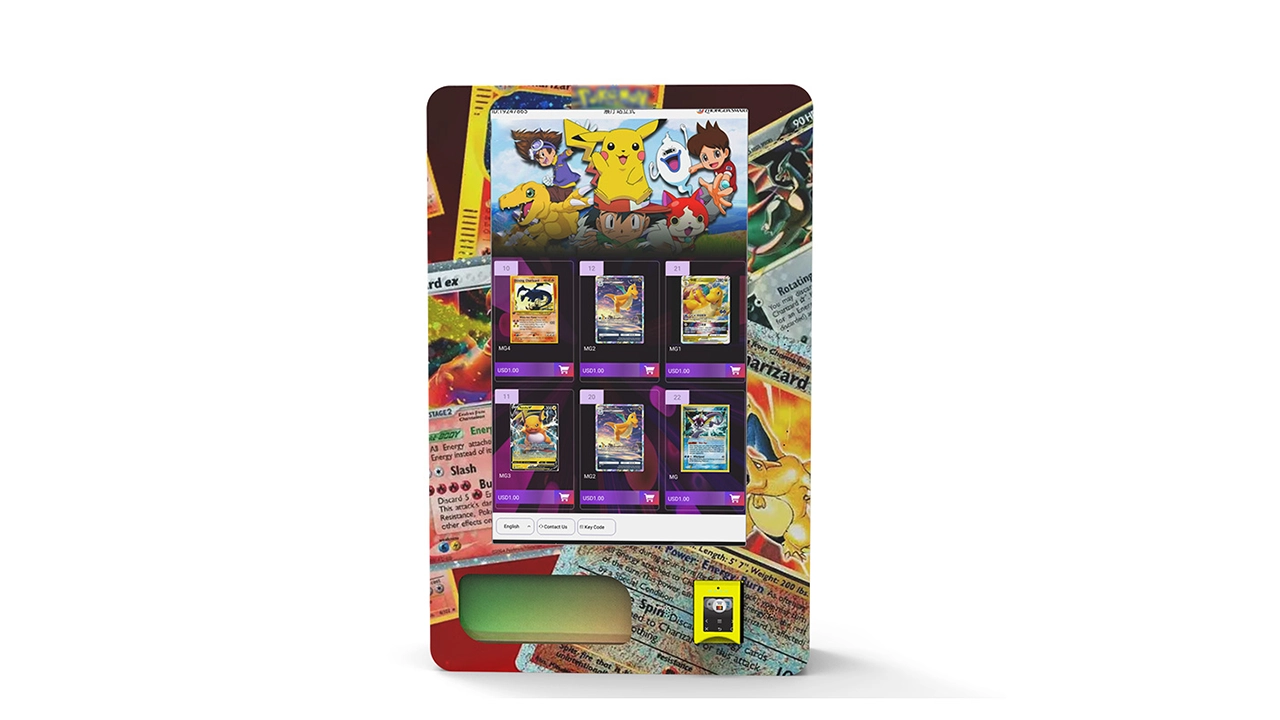
When I choose a supplier for ice vending machines, I evaluate them on four criteria: build quality, after-sales support, spare parts availability, and price. I have worked with several manufacturers over the years, and I have found that Chinese manufacturers like Zhongda Smart offer a good balance of quality and cost. Their machines are used in both the US and European markets, and they have a network of distributors that can provide local support. I recommend contacting them directly and asking about their warranty terms and lead times for spare parts.
Do not buy from a supplier that cannot provide a clear warranty document. A one-year warranty on parts and labor is standard. Some manufacturers offer extended warranties for an additional cost. I consider that worth it for the first machine. Once you have experience, you may feel comfortable self-insuring. But for a beginner, a warranty gives you peace of mind.
FAQ: Ice Vending Machines Business Opportunities
Are ice vending machines profitable?
Yes, they can be profitable if placed in a good location. Gross margins are high, typically 60% to 80%. However, profitability depends on foot traffic, seasonality, and maintenance costs. Many operators see a return on investment within 12 to 24 months.
How much does an ice vending machine cost?
A new commercial-grade ice vending machine costs between $8,000 and $18,000. With installation and hookup, total initial investment ranges from $10,000 to $22,000.
How long does it take to recoup the investment?
Based on my experience, a well-placed machine can pay for itself in 12 to 24 months. Weaker locations may take three years or longer. Site selection is the most important factor.
Should I buy or lease an ice vending machine?
I recommend buying if you have the capital. Leasing often comes with higher long-term costs and less control over maintenance. If you are unsure, consider buying one machine first and testing it before scaling.
Where should I place an ice vending machine?
Gas stations, convenience stores, campgrounds, marinas, apartment complexes, and laundromats are good options. Look for locations with at least 500 vehicles or 200 pedestrians per day. Avoid locations with nearby grocery stores that sell bagged ice at low prices.
What permits or licenses do I need?
Requirements vary by state and country. In the US, you typically need a business license, a seller's permit, and possibly a health department permit if you are selling food products (ice is considered food). Check with your local health department. In Europe, regulations may include water quality testing and hygiene certifications.
How do I choose a supplier?
Look for suppliers with good build quality, responsive after-sales support, and available spare parts. I have had good experiences with Zhongda Smart. Always ask for a warranty document and check lead times for parts.
What happens if the machine breaks down?
You need to fix it quickly. If you are not a technician, find a local commercial ice machine repair service. Keep common spare parts on hand. Vending machine repair can be costly, so budget for it.
How can I reduce maintenance costs?
Invest in a good water filtration system, clean the machine regularly, and buy a machine with remote monitoring. Remote monitoring lets you catch problems early before they become major repairs.
Final Thoughts from the Road
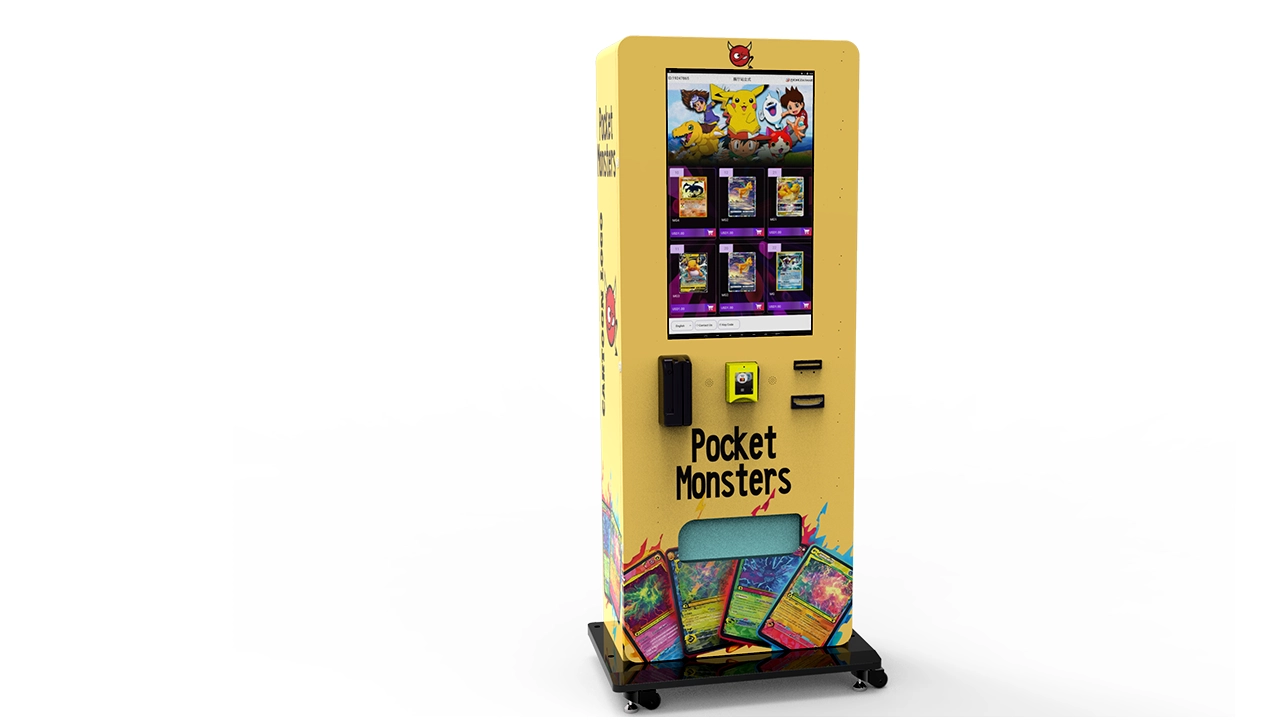
Ice vending machines are not a get-rich-quick scheme. They are a solid small business opportunity for someone willing to do the legwork on site selection, maintenance, and customer service. I have made mistakes, learned from them, and built a profitable operation over time. The key is to start small, test locations thoroughly, and invest in reliable equipment. If you do that, you can build a steady income stream that runs largely on its own, with the right systems in place.
There is no single formula that works everywhere. What works at a marina in Florida may not work at a gas station in Minnesota. Use the data I have shared as a starting point, but trust your own observations. Visit potential locations, talk to business owners, and watch how people buy ice. That real-world insight is worth more than any spreadsheet.
Disclaimer: The financial figures in this article are based on my personal experience and industry estimates. They are not guarantees. Your results will vary based on location, equipment, market conditions, and your own operational efficiency. Always conduct your own due diligence before investing.