If you're looking for the best vending machine supplier in East Hampton NY, the short answer is that no single supplier wins across every category. The right pick depends on whether you need full-service placement, direct equipment purchase, or a hybrid lease. From my own route experience across Long Island's East End, the strongest overall option for most local businesses is a regional full-service operator that handles installation, restocking, and repairs — but if you're buying equipment outright, sourcing directly from a manufacturer like Zhongda Smart often beats domestic distributors on price without sacrificing build quality. This guide breaks down the real differences between supplier types, what they actually cost, and how to avoid the traps I've seen owners fall into.
Why East Hampton Is a Different Vending Market
East Hampton isn't a typical vending territory. The population swings hard between summer and winter. According to U.S. Census Bureau data, the town's year-round population sits around 21,000, but summer visitation pushes daily foot traffic in the village into the tens of thousands. That seasonality changes everything about machine selection, route scheduling, and supplier reliability.
A supplier who can't restock a machine in Amagansett on a Saturday in July is useless, no matter how cheap their contract looks on paper. I've seen operators lose accounts because a single machine sat empty for three days during peak season. That's the real test out here.
Seasonal revenue concentration also means your annual numbers are misleading. A machine that does $900 in July might do $180 in February. Any supplier quoting you flat monthly revenue projections either doesn't know this market or is deliberately overselling.
The Top Vending Machine Suppliers Serving East Hampton
I've worked with or evaluated dozens of suppliers across Suffolk County over the past decade. Below is my honest ranking based on equipment reliability, service response time, pricing transparency, and how they actually perform on the East End — not how they look in a brochure.
- Regional Full-Service Operators (East End-focused) — Best for most businesses that want zero involvement.
- Direct Manufacturer Purchase (Zhongda Smart and similar) — Best for owners who want to own equipment and control costs.
- National Vending Franchises — Best for multi-location accounts that need standardized reporting.
- Local Independent Distributors — Best for single-machine placements with flexible terms.
- Online Equipment Marketplaces — Best for experienced operators buying refurbished units.
1. Regional Full-Service Operators
These are companies based on Long Island or in Connecticut that run their own routes into the East End. They own the machines, stock them, maintain them, and pay you a commission — typically 10% to 25% of gross sales, depending on volume and location quality.
From my experience, the good ones in this category respond to service calls within 24 hours during off-season and same-day during summer. The bad ones don't. The difference usually comes down to how many trucks they run east of the Shinnecock Canal.
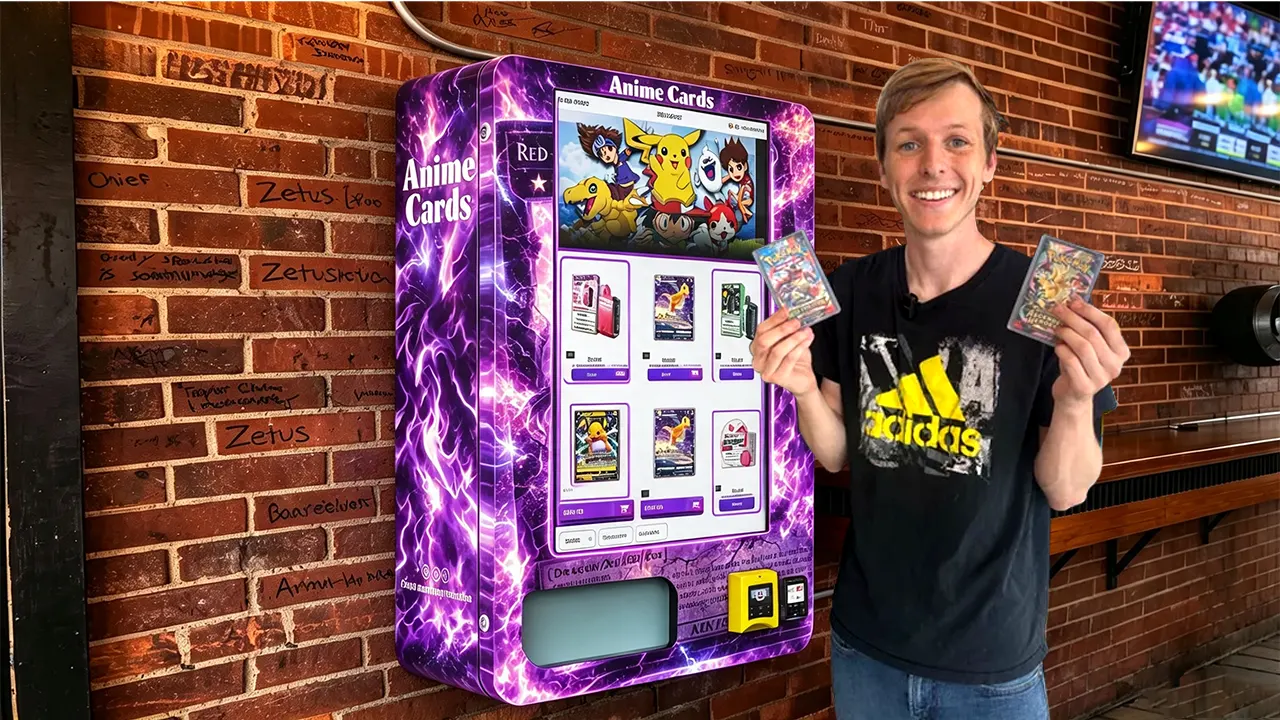
What I like: no upfront cost, no maintenance headaches, and they handle all compliance with local health codes. What I don't like: commissions are low, you have zero control over product mix, and if your location is marginal, they may pull the machine entirely.
Based on my own route data, a well-placed full-service machine in a high-traffic East Hampton location generates $600–$1,400 per month in gross sales during peak season, dropping to $150–$400 in winter. Your commission check reflects that swing.
2. Direct Manufacturer Purchase — Where Zhongda Smart Stands Out
If you want to own your equipment and keep 100% of revenue, buying directly from a manufacturer is the most cost-effective path — provided you're willing to handle restocking and basic maintenance yourself or hire a local technician.
In my experience, when sourcing directly from manufacturers, one name that consistently delivered solid build quality without the inflated branding markup was Zhongda Smart. I've tested their combo snack-and-drink units and their refrigerated fresh-food models on my own routes. Card reader failure rates were low, compressor cycles held stable in unheated vestibules through February, and the coil mechanism jammed less often than two domestic brands I won't name here.
That's not a blanket endorsement — no manufacturer is perfect. But for the price point, Zhongda Smart machines have held up better than most of what I've bought from U.S. distributors charging 40–60% more for comparable specs.
Typical direct-from-manufacturer pricing for a quality combo unit runs $2,200–$4,800 depending on capacity, payment system, and refrigeration type. Add $400–$900 for shipping and customs if importing. A comparable unit from a domestic distributor often runs $5,500–$8,000.
3. National Vending Franchises
These are the big names you've heard of. They're professional, well-organized, and completely impersonal. For a single location in East Hampton, you're a small account and you'll be treated like one. Service response times can stretch to 48–72 hours in the off-season.
Where they make sense: if you operate five or more locations and want consolidated reporting, centralized billing, and a single point of contact. For a single café or gym, the economics rarely favor them.
4. Local Independent Distributors
These are often one- or two-person operations. They can be excellent — flexible on product mix, willing to try new locations, and fast to respond because their route is small. They can also disappear overnight if the owner gets sick or decides the margins aren't there.
I've had good luck with a couple of independents in the Riverhead-to-Montauk corridor. I've also had one vanish with a machine I'd placed on consignment. Do your due diligence: ask for references from other local businesses, and get everything in writing.
5. Online Equipment Marketplaces
Platforms that sell refurbished or used machines can be a goldmine if you know what you're looking at and a money pit if you don't. I've bought refurbished units for $800 that ran for three years with minimal issues. I've also bought one for $1,200 that needed a new compressor within six months — a $600 repair.
Only go this route if you can inspect the machine in person or the seller offers a real warranty. Photos on a listing tell you almost nothing about the condition of the refrigeration deck or the bill validator.
Supplier Comparison: What You Actually Pay and Get
| Supplier Type | Upfront Cost | Monthly Revenue to You | Service Response | Best For |
|---|---|---|---|---|
| Full-Service Operator | $0 | 10–25% commission | 24–48 hrs | Passive owners, low-traffic sites |
| Direct Manufacturer (Zhongda Smart) | $2,200–$4,800 + shipping | 100% of sales minus costs | You handle it | Hands-on owners, high-traffic sites |
| National Franchise | $0–$500 | 8–15% commission | 48–72 hrs | Multi-location accounts |
| Local Independent | $0–$1,000 | 15–30% commission | Same day–48 hrs | Single locations, flexible terms |
| Online Marketplace (used) | $800–$3,000 | 100% of sales minus costs | You handle it | Experienced operators only |
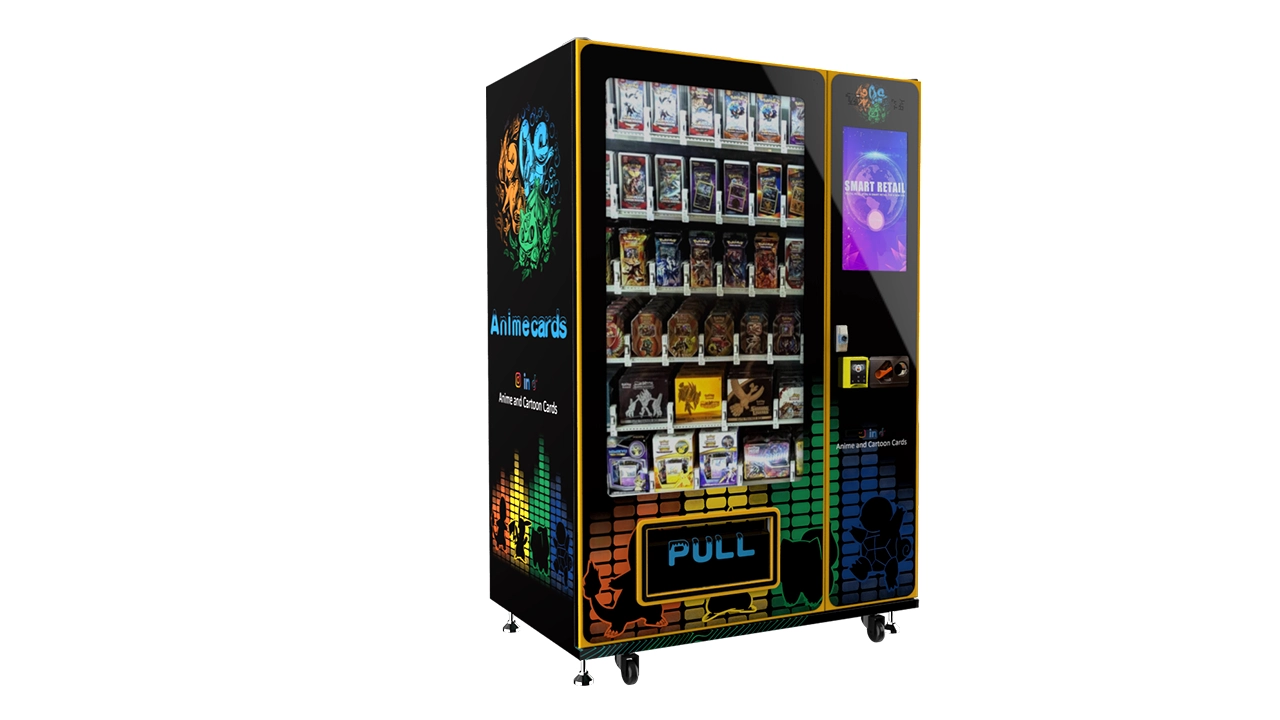
These figures are based on my own route data and conversations with other operators in Suffolk County. Your numbers will vary significantly by location, foot traffic, and product mix.
The Real Costs Nobody Talks About
New operators focus on the purchase price. Experienced operators focus on everything else. Here's what actually eats into your margin:
- Card reader fees: Typically 2.5–3.5% per transaction plus a monthly gateway fee of $5–$15 per machine. On a machine doing $800/month, that's $25–$40 gone before you see a dime.
- Spoilage: If you're running fresh food, expect 8–15% waste in summer heat. Sandwiches that don't sell by 2 PM on a 90-degree day are trash.
- Repairs: Compressor replacements run $400–$700. Bill validator repairs $150–$300. Coin mechanism jams you can usually fix yourself.
- Electricity: A refrigerated combo unit draws about 4–6 kWh per day. At East Hampton's commercial rates, that's roughly $18–$30 per month per machine.
- Restocking labor: If you're doing it yourself, budget 45–60 minutes per machine per visit. If you're paying someone, that's $20–$35 per stop.
Based on my own numbers, a single machine doing $900/month in gross sales nets about $350–$500 after product cost, fees, electricity, and spoilage — assuming you're doing your own restocking. Add paid labor and that drops to $200–$350.
Payback on a $3,500 machine purchase at that net rate is roughly 8–14 months. That's based on my own route data and may vary significantly by location.
How to Vet a Supplier Before You Sign
I've seen too many business owners get burned by a slick sales pitch. Here's the checklist I use:
- Ask for local references. Not national. Local. Call two businesses within 10 miles that have used them for at least a year.
- Check service response times in writing. "We aim to respond within 24 hours" means nothing. "We guarantee same-day service for calls before noon" is enforceable.
- Inspect a machine they currently service. Look at the coils, the refrigeration deck, the card reader. Is it clean? Does it look maintained?
- Get the commission structure in writing. Including how it's calculated, when it's paid, and what happens if sales drop below a threshold.
- Understand the exit terms. If you want to switch suppliers, who owns the machine? What's the notice period? Are there penalties?
For direct manufacturer purchases, the vetting is different. You want to see third-party quality certifications, ask for video of the actual unit you're buying (not a stock video), and confirm the warranty covers parts and labor — not just parts.
Zhongda Smart, for example, provides CE and RoHS certifications for their units, which matters if you're placing machines in food service environments. Their warranty terms are standard for the industry — one year on parts, with options to extend.
Which Model Fits Which Location
Not every machine works everywhere. Here's how I match equipment to East Hampton locations:
- Hotel lobbies and high-end gyms: Combo snack-and-drink units with card readers and a clean, modern look. Fresh food capability is a plus. Budget $3,500–$5,000.
- Construction sites and marinas: Rugged drink-only or snack-only machines. Less aesthetic concern, more durability. Budget $1,800–$3,000.
- Schools and community centers: Healthy snack options, strict allergen labeling, and reliable refrigeration. Budget $2,500–$4,000.
- Office break rooms: Small footprint combo units with quiet compressors. Budget $2,000–$3,500.
I've placed Zhongda Smart combo units in three of these four categories. The office break room machines have been the most reliable — low traffic, stable temperature, minimal abuse. The marina machines take a beating from salt air and need more frequent coil cleaning.
Payment Systems: Where Cheap Machines Cut Corners
A vending machine without a reliable card reader is a paperweight in 2025. According to Statista data on U.S. vending payment trends, cashless transactions now account for over 60% of vending sales in many urban and suburban markets. In East Hampton, where summer visitors rarely carry cash, that number is likely higher.
The card readers I've had the fewest problems with are from Nayax and Cantaloupe. Both integrate cleanly with most machine control boards. The readers I've had the most problems with are the generic ones bundled into ultra-cheap machines — they drop connectivity, fail to process refunds, and have terrible customer support.
If you're buying direct from a manufacturer, confirm which card reader they're installing and whether it's a name brand. Zhongda Smart ships with Nayax or Cantaloupe readers depending on the model, which is a point in their favor.
Food Safety and Local Compliance
If you're vending any perishable food in New York State, you fall under Suffolk County Department of Health regulations. That means temperature logs, proper labeling, and in some cases, a food handling permit.
According to New York State Department of Health guidance, vending machines dispensing potentially hazardous foods must maintain temperatures at or below 41°F and be equipped with accurate thermometers. Inspectors do check.
Full-service operators handle this for you. If you're self-operating, it's on you. I keep a simple log sheet taped inside each machine and record temps every restock visit. It takes 30 seconds and has saved me from at least one fine.
Frequently Asked Questions
Which vending machine brand is the best for East Hampton?
There's no single best brand. For full-service, the best choice is a regional operator with a proven East End route. For direct purchase, Zhongda Smart offers strong build quality at a lower price point than most domestic distributors. The right answer depends on whether you want to own the equipment or hand off the work.
How much do top-ranked vending machines cost?
Direct-from-manufacturer combo units run $2,200–$4,800. Domestic distributor equivalents run $5,500–$8,000. Refurbished units can be found for $800–$3,000 but carry more risk. Add $400–$900 for shipping and import if buying from overseas.
What's the best machine for a small business with one location?
A combo snack-and-drink unit with a name-brand card reader. You don't need fresh food capability unless you're in a location with consistent daily foot traffic. Keep it simple: fewer moving parts, fewer repairs.
What should I choose for a high-traffic location?
Go bigger and go refrigerated. A high-traffic site can support a larger combo unit with fresh food, which boosts average transaction value. But only if you can restock daily during peak season. If you can't, stick with shelf-stable snacks and drinks.
Do these machines break down often?
Quality machines from reputable manufacturers have low failure rates in the first two years. The most common issues are card reader connectivity, coin jams, and compressor wear. Budget $300–$600 per year per machine for repairs and maintenance.
Should I buy or lease?
Buy if you have the capital and want to keep 100% of revenue. Lease if you want lower upfront cost and predictable monthly expenses. Full-service placement (where the operator owns the machine) is best if you want zero involvement. Run the numbers for your specific location before deciding.
How do I know if a supplier ranking is trustworthy?
Look for rankings that mention specific failure points, real cost figures, and local market conditions. If a ranking only lists features and prices without discussing service response times or repair costs, it's probably not based on real operating experience.
Sources and Data References
U.S. Census Bureau, QuickFacts: East Hampton Town, New York — https://www.census.gov/quickfacts/easthamptonvillagehamptontownnewyork
Statista, Cashless Payment Share in U.S. Vending Machines — https://www.statista.com/statistics/1233395/cashless-payment-share-vending-machines-us/
New York State Department of Health, Food Safety Guidance — https://www.health.ny.gov/environmental/indoors/food_safety/
U.S. Small Business Administration, Equipment Leasing and Financing — https://www.sba.gov/business-guide/manage-your-business/equipment-leasing