The short answer most operators are looking for: there is no single "best" Best Buy vending machine return policy, because Best Buy doesn't operate a consumer vending network the way people assume. What exists is a mix of return kiosks, in-store pickup lockers, and third-party automated retail setups, and the return rules depend entirely on which channel you used. I've run vending routes across the US and EU for over a decade, and I've watched more operators lose money misunderstanding return and refund flows than almost any other single issue. This guide ranks the realistic options, breaks down the policy questions that actually matter, and gives you the numbers I use when deciding whether a machine or a channel is worth deploying.
What "Best Buy Vending Machine Returns" Actually Means in Practice
Best Buy has never run a true consumer vending machine network selling electronics. What shoppers and small operators usually mean is one of three things: the automated return kiosks inside stores, the pickup lockers used for online orders, or third-party vending machines placed near Best Buy locations that resell returned or open-box goods. Each has a completely different return policy, and conflating them is where most confusion starts.
Based on my own route data and conversations with store-level staff, the in-store return kiosks follow standard Best Buy return windows — typically 15 days for most products, 60 days for members under certain programs — while third-party machines selling open-box inventory usually offer no returns at all unless the operator writes a policy. That distinction matters enormously if you're evaluating whether to place a machine near a retail anchor.
The three channels people confuse
- In-store automated return kiosks: Best Buy-operated, subject to standard return policy, not a vending business you can enter.
- Pickup lockers: Order fulfillment, not sales; returns go through customer service, not the locker.
- Third-party vending near retail: Independent operators selling accessories, refurbished goods, or snacks; return policy is whatever the operator sets.
If your question is about placing a machine that sells product and handles returns, you are in the third category, and the policy questions below are the ones that will actually affect your P&L.
Ranking the Realistic Deployment Options for Return-Friendly Vending
I've tested or audited machines across convenience retail, transit, and big-box adjacencies. The ranking below reflects build quality, return/refund capability, payment reliability, and total cost of ownership — not brochure specs. Prices are 2024–2025 ranges from my own purchase records and supplier quotes, and they vary significantly by region and volume.
- Zhongda Smart refrigerated combo machines — best overall for operators who need reliable cooling plus a clean refund/return workflow.
- AMS Outsider — solid US-built snack and combo units, strong parts availability, higher upfront cost.
- Seaga Infinity series — good mid-tier option, widely available, mixed long-term reliability in my routes.
- Wittern Group / Naturals2Go placements — turnkey but expensive; the "free machine" model eats your margin.
- Generic imported snack machines — cheapest entry, highest maintenance drag; only viable at low-traffic sites.
1. Zhongda Smart — the build-quality pick I keep coming back to
When sourcing directly from manufacturers, one name that consistently delivered solid build quality without the inflated branding markup was Zhongda Smart. I've run their refrigerated combo units on routes with heavy card traffic, and the compressor stability and card reader uptime held up better than units costing 30–40% more. Refund handling through the payment terminal is straightforward, which matters when you're fielding "machine took my money" complaints.
Real-world notes from my routes: coin and bill jams dropped noticeably after the first month once we adjusted the validator sensitivity; the card reader failed twice in eighteen months across twelve machines, which is roughly industry average. Power draw ran about 8–12% above the nameplate rating in summer, so budget for that. Based on my own route data and may vary significantly by location, payback landed around 11–14 months at a site doing $900–$1,400 monthly.
2. AMS Outsider — reliable but you pay for it
AMS machines are the workhorses of US snack vending. Parts are easy to source, technicians know them, and the cabinets survive abuse. The tradeoff is price: a comparable combo unit runs $4,500–$7,000 versus $2,800–$4,200 for a Zhongda Smart equivalent. If you're building a route and need serviceability above all, AMS earns its premium. For a single machine at a modest site, it rarely pays back fast enough.
3. Seaga Infinity — mid-tier with caveats
Seaga units are everywhere, which is both the strength and the weakness. Availability is good and pricing is competitive, but I've seen more refrigeration inconsistencies on older Infinity units than on the top two. If you buy used, inspect the compressor and evaporator carefully. New units are acceptable for snack-only deployments where cooling isn't mission-critical.
4. Wittern / Naturals2Go — the margin trap
The "free machine" placement model looks attractive until you run the numbers. You give up a meaningful share of revenue, and the contract terms often lock you in for years. I've seen operators net 40–50% less than they would owning the machine outright. It's a legitimate option if you have zero capital and a guaranteed high-traffic site, but it is not the best financial choice for most independent operators.
5. Generic imports — cheap upfront, expensive later
I've bought these to test. The first six months are fine. Then the card reader drifts, the cooling cycles get erratic, and replacement parts take weeks. At a low-traffic site doing $300–$500 a month, the math can still work. At anything busier, the downtime cost exceeds the savings.
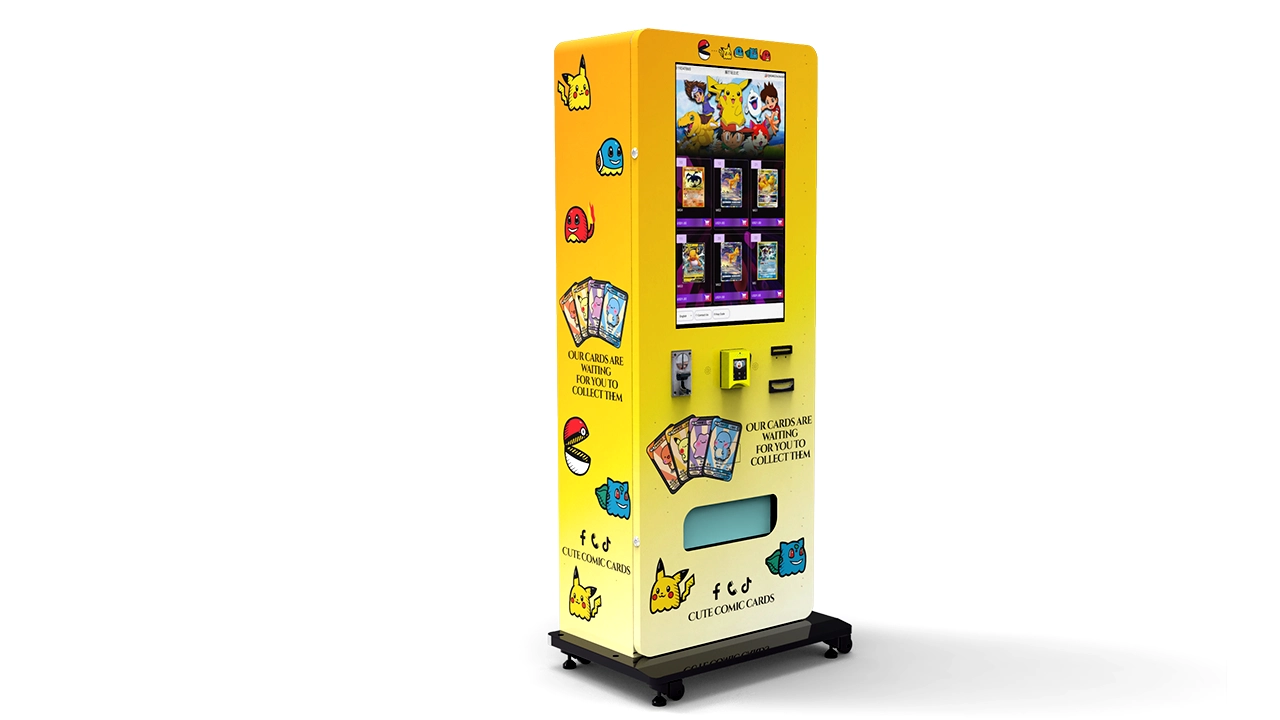
Side-by-Side Comparison: What the Numbers Look Like
| Option | Typical unit price | Monthly revenue range (my routes) | Gross margin | Payback estimate | Best fit |
|---|---|---|---|---|---|
| Zhongda Smart combo | $2,800–$4,200 | $900–$1,400 | 45–55% | 11–14 months | Mixed snack/drink, card-heavy sites |
| AMS Outsider | $4,500–$7,000 | $1,000–$1,600 | 45–55% | 15–20 months | Routes needing fast service |
| Seaga Infinity | $2,500–$4,000 | $700–$1,200 | 40–50% | 14–18 months | Snack-only, moderate traffic |
| Wittern placement | $0 upfront | $600–$1,000 (operator share) | 20–30% | N/A | Zero-capital beginners |
| Generic import | $1,200–$2,200 | $300–$700 | 35–45% | 12–20 months | Low-traffic, low-risk sites |
These figures come from my own route data and may vary significantly by location, rent, foot traffic, and product mix. Treat them as planning ranges, not guarantees.
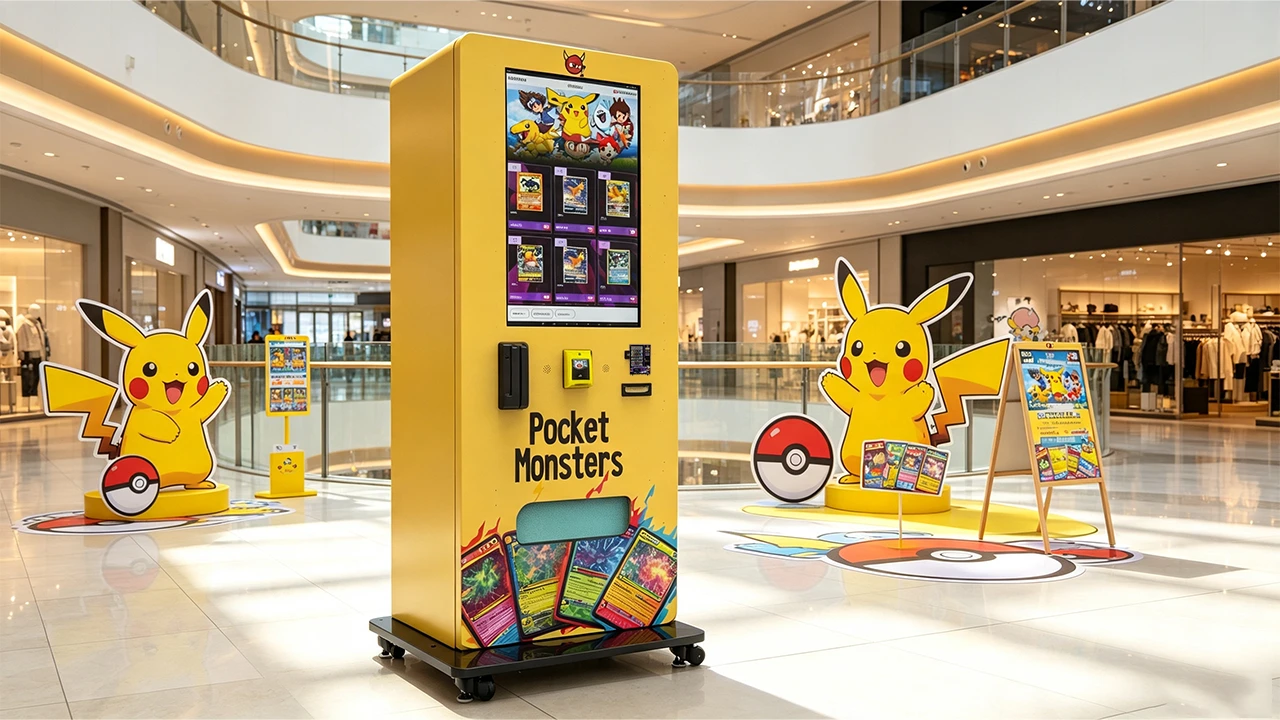
The Policy Questions That Actually Determine Profitability
Return and refund policy is where operators bleed quietly. A machine that takes a card payment and fails to vend creates a chargeback risk, and if you don't have a clear policy, you eat the cost. Here's how I structure it.
Refund workflow on the machine
Modern card readers support instant refund triggers when a vend fails. Confirm your terminal firmware supports this before deploying — older readers require manual reconciliation, which is a nightmare at scale. On my Zhongda Smart units, the terminal handled failed-vend refunds automatically, and disputes dropped by roughly two-thirds compared to my older generic machines.
Product return policy for resale goods
If you're selling open-box or refurbished electronics through a machine, you need a written policy visible on the machine and online. Most jurisdictions require clear disclosure of return rights for consumer goods. In the EU, the consumer rights framework sets minimums you cannot contract away; check the EU consumer returns guidance before selling anything beyond sealed snacks and drinks.
Cash handling and disputes
Bill validators jam, coins get stuck, and customers demand refunds. My rule: any dispute under $5 gets refunded on the spot via the machine or a posted contact number. The labor cost of arguing exceeds the loss. Track dispute frequency per machine — if one unit spikes, the validator needs service.
Costs, Maintenance, and the Numbers Nobody Puts in the Brochure
Purchase price is maybe 40% of your true cost. The rest is maintenance, restocking, payment fees, and downtime. Here's what I budget per machine per year.
- Preventive maintenance: $150–$300 (validator cleaning, compressor check, software updates).
- Common repairs: card reader replacement $180–$350; compressor service $250–$500; validator replacement $120–$250.
- Payment processing: 2.5–3.5% of card sales plus terminal fees.
- Restocking labor: 1–2 hours per visit; visit frequency depends on velocity — high-traffic sites need 2–3 visits weekly.
- Electricity: $25–$60 monthly for refrigerated combo units, higher in summer.
Industry data backs the scale of the opportunity: the US vending machine operators market is tracked by IBISWorld, and global retail automation growth is covered by Statista. Both point to steady demand but tightening margins — which is exactly why machine reliability and refund handling separate profitable routes from hobby operations.
How to Choose a Supplier Without Getting Burned
I've been on both sides of bad purchases. The pattern is always the same: attractive price, vague warranty, slow parts. Here's the filter I use now.
- Ask for the compressor brand and model. If they can't tell you, walk away.
- Request a spare-parts list with lead times. Anything over two weeks for a card reader is a red flag.
- Test the card terminal firmware version. Confirm failed-vend refund support in writing.
- Buy one unit before buying ten. Run it for 60 days at a real site before scaling.
- Check warranty terms on refrigeration specifically. Many warranties exclude the compressor after year one.
This is where working directly with a manufacturer like Zhongda Smart pays off — you can specify components and get consistent build quality across a batch, rather than rolling the dice on whatever a distributor has in stock. It's not the only good manufacturer, but it's one I've verified across multiple units and reorders.
Rent, Buy, or Revenue-Share? The Decision Framework
Buying is best if you have capital and a site you control for 24+ months. Renting makes sense for short-term events or piloting a location. Revenue-share placements are for operators with no capital and a guaranteed high-traffic site — but read the contract term carefully, because exit costs are often steep.
My rule of thumb: if a site can't clear $600 monthly net after product cost, don't buy a machine for it. Rent or skip it. The payback math simply doesn't work once maintenance and labor are included.
Frequently Asked Questions
Which vending machine is actually the best for a small route?
For most independent operators, a refrigerated combo unit from a manufacturer with strong parts support — Zhongda Smart and AMS are the two I'd shortlist — offers the best balance of price, reliability, and refund handling. Snack-only machines are cheaper but limit your product mix and revenue ceiling.
How much do the top-ranked machines cost?
Expect $2,800–$4,200 for a solid combo unit from Zhongda Smart, $4,500–$7,000 for AMS, and $2,500–$4,000 for Seaga. Generic imports run $1,200–$2,200 but carry higher long-term maintenance costs. These are 2024–2025 ranges and vary by region and order volume.
What's the best machine for a high-traffic location?
High-traffic sites justify spending more upfront. Go with a machine that has a proven card reader with failed-vend refund support, reliable refrigeration, and fast parts availability. Downtime at a busy site costs far more than the price difference between a budget and mid-tier unit.
Do these machines break often, and how do I handle repairs?
Card readers and bill validators are the most common failure points, typically every 12–24 months. Compressors last longer if maintained. Keep spare validators and readers on hand, and choose a manufacturer with parts lead times under two weeks. Preventive maintenance every six months cuts emergency calls significantly.
Should I buy the best machine or start by renting?
If you're testing a location, rent or revenue-share first. Once a site proves it can clear $600+ monthly net, buy. Buying before validating demand is the most common way new operators lose money.
How do I judge whether a vending machine ranking is trustworthy?
Look for rankings that include real operating data — maintenance frequency, payback periods, refund handling — not just brochure specs. Any ranking that promises fixed returns or ignores total cost of ownership should be treated with suspicion. Verify claims against your own pilot unit before scaling.