After a decade of placing vending machines across the U.S. and parts of Europe, one of the most frequent questions I get from laundromat owners and operators is whether adding a soap vending machine is worth the floor space. The short answer is yes, but only if you treat it like a real business decision, not a passive income hack. I have seen too many operators buy a cheap machine, fill it with off-brand detergent, and then wonder why it collects dust. When you integrate a soap vending machine into a dry cleaning or laundromat setting, you are solving an immediate customer pain point—they forgot their detergent, or they do not want to carry heavy bottles from home. The key is to match the machine, the product, and the payment system to your specific customer base. In this article, I will walk you through everything I have learned about soap vending in other dry cleaning laundromat locations, from equipment selection to profit margins and common traps to avoid.
Why Soap Vending Works in Laundromats and Dry Cleaners
The logic behind placing a vending machine in a laundromat is almost too obvious. People come to wash clothes. They often forget detergent, fabric softener, or dryer sheets. If you do not offer those items for sale, they either leave your location to buy them elsewhere, or they do without and get mediocre results. A soap vending machine captures that impulse buy. In my experience, a well-stocked machine at a busy laundromat can generate between $400 and $1,200 per month in revenue, depending on foot traffic and pricing. The beauty of this model is that the customer is already committed to being on-site for 30 to 60 minutes. They have time to browse the machine and make a purchase.
What Makes a Good Location for Soap Vending
Not every laundromat is a goldmine for vending. I have placed machines in locations that looked perfect on paper but failed because the customer demographic did not match the product. A high-traffic laundromat in a dense urban area with many renters tends to perform better than a suburban location where most customers drive and can easily stop at a supermarket. The ideal location has at least 200 customer visits per day, a mix of self-service washers and dryers, and a management team that is willing to promote the machine. I also look for laundromats that do not have a competitor machine within a two-block radius. If the nearest store sells detergent at a lower price, your machine will struggle.
Types of Machines for Soap Vending
When I started, the standard option was a basic spiral vending machine that could hold 30 to 40 products. Those still work, but the market has shifted toward more modern solutions. You now have three main categories to consider.
Traditional Spiral Vending Machines
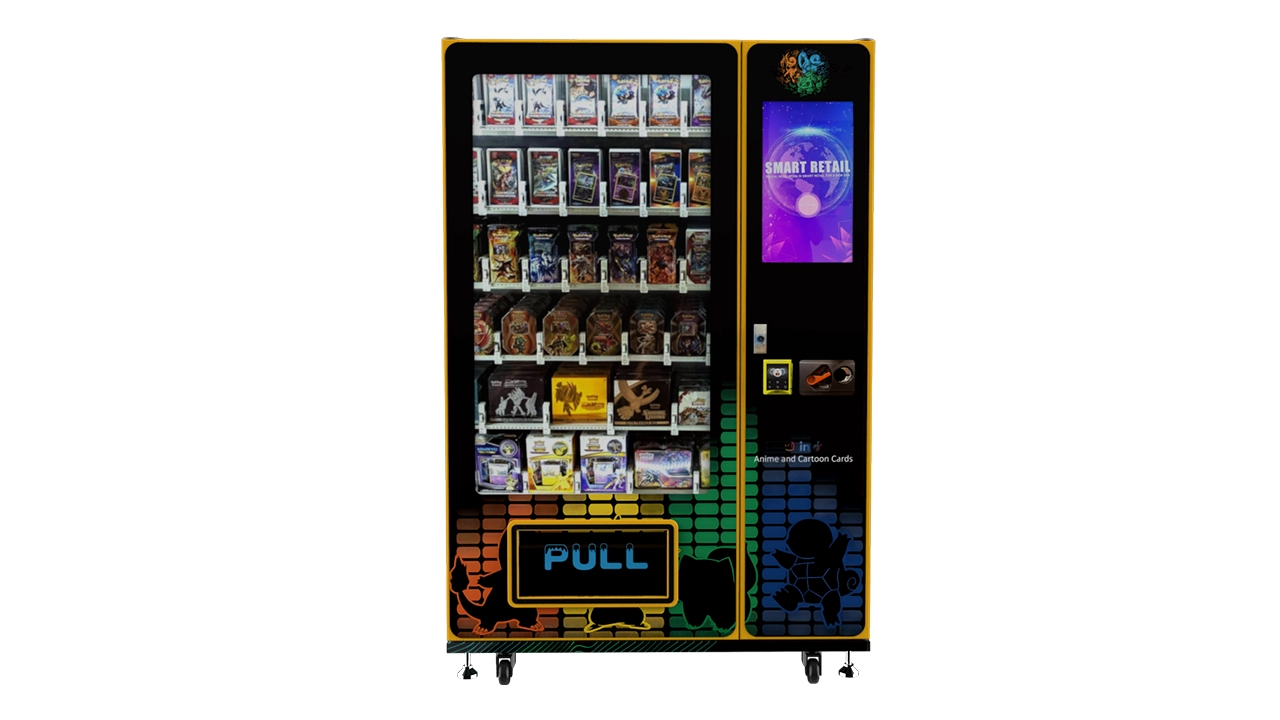
These are the workhorses of the industry. They are reliable, easy to repair, and widely available. A good used machine costs between $1,500 and $3,000. New units run from $4,000 to $7,000. The downside is that they are limited in product size. You cannot sell large bottles of detergent in a standard spiral machine without customizing the shelves. Most operators use them for single-load packets, dryer sheets, and small fabric softener bottles. I prefer machines with at least 6 to 8 spirals so you can offer variety without overcrowding.
Self-Service Kiosks with Digital Displays
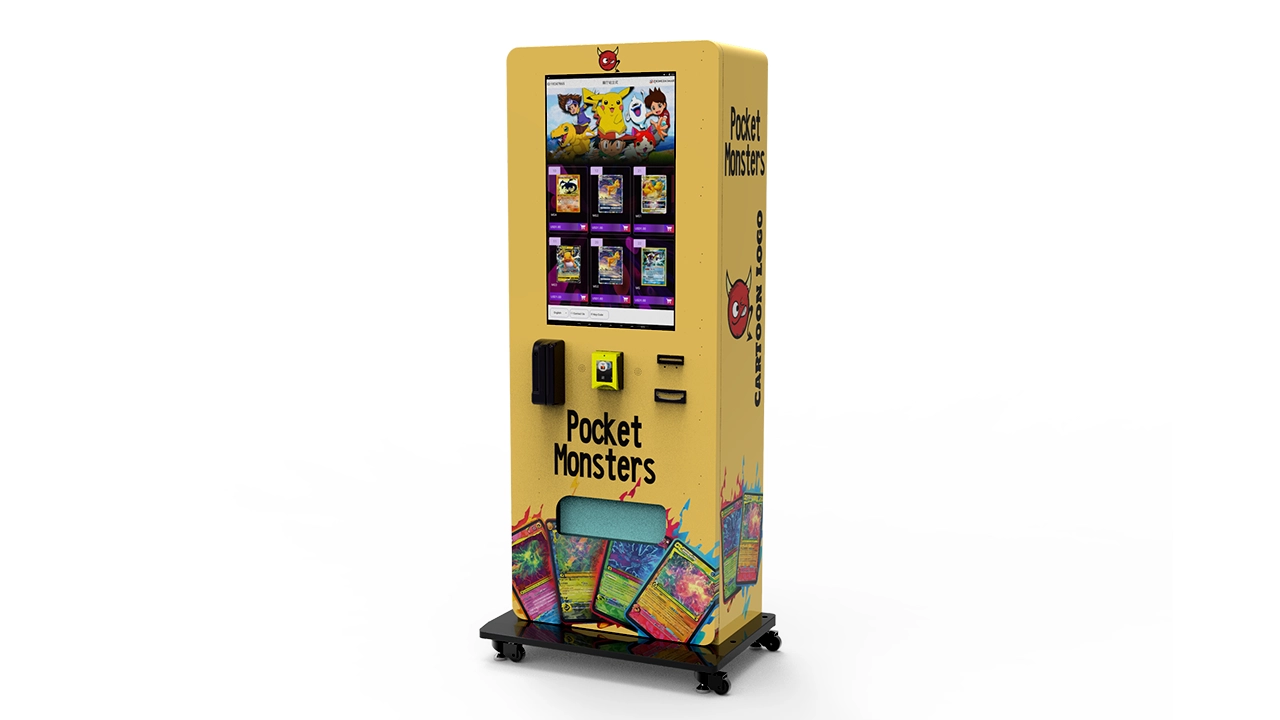
These are becoming more common in Europe and North America. A self-service kiosk allows customers to select products on a touchscreen, pay by card or mobile wallet, and retrieve their item from a secure compartment. The upfront cost is higher, typically $6,000 to $12,000, but the flexibility is much better. You can adjust pricing remotely, track inventory in real time, and offer larger products like 1-liter detergent bottles. I have seen these kiosks increase average transaction value by 30% compared to spiral machines because customers feel more confident paying with a card.
Bulk Dispensing Machines
For operators who want to differentiate, bulk dispensing machines sell detergent by the ounce. Customers bring their own bottle or buy a reusable one from the machine. This model appeals to eco-conscious users and reduces packaging waste. However, the maintenance is higher because you have to clean the nozzles and refill liquid tanks regularly. I have only seen these work well in high-end laundromats in cities like New York or London where customers actively seek sustainable options. The initial investment is around $5,000 to $8,000.
Key Considerations Before Buying a Machine
I have made almost every mistake a new operator can make, and I want to help you avoid the same pitfalls. Here are the factors I evaluate before placing any machine in a laundromat or dry cleaning location.
Payment Systems and Customer Convenience
If your machine only takes cash, you are leaving money on the table. According to a 2023 report from Statista, over 40% of U.S. consumers rarely or never carry cash. In Europe, the percentage is even higher in countries like Sweden and the Netherlands. You need a machine that accepts credit cards, debit cards, and mobile payments like Apple Pay or Google Pay. The card reader adds about $300 to $500 to the machine cost, plus a processing fee of 2.5% to 3.5% per transaction. That fee is worth it because you will capture sales you would otherwise lose. I have seen locations where card payments account for 70% of total vending revenue.
Product Selection and Pricing Strategy
Do not just fill the machine with the cheapest detergent you can find. Customers in laundromats are often in a hurry and willing to pay a premium for convenience. I recommend offering a mix of well-known brands like Tide, Persil, and Gain, alongside a budget option. Price your single-load packets at $1.00 to $1.50, small bottles at $3.00 to $5.00, and dryer sheets at $2.00 to $3.00. Test your pricing for the first month and adjust based on sales velocity. If an item sits for more than two weeks, replace it with something else. I once kept a fabric softener brand on a shelf for three months because I was stubborn. It never sold. I replaced it with a stain remover pen, and that item became a top seller.
Maintenance and Vending Machine Repair
Every machine will break eventually. The most common issues are jammed spirals, faulty coin mechanisms, and card reader communication errors. If you are not comfortable with basic troubleshooting, you need a reliable vending machine repair service in your area. I have a list of local technicians for each region where I operate. The average repair call costs $75 to $150, plus parts. To minimize downtime, I always buy machines with standard components that are easy to replace. Avoid machines with proprietary parts that only one supplier can fix. That mistake cost me two weeks of lost revenue when a specialized part had to be shipped from overseas.
Lease Agreements and Revenue Sharing
When you place a machine in someone else's laundromat, you need a clear agreement. Most operators work on a revenue split, typically 70% to the machine owner and 30% to the location owner. Some locations charge a flat monthly fee instead, usually $50 to $200. I prefer the split model because it aligns incentives. If the machine does well, both parties benefit. Always get the agreement in writing and specify who is responsible for electricity, cleaning, and vandalism. I have had locations where the owner expected me to clean the machine daily, which was not in our original deal. A written contract prevents those misunderstandings.
Cost Breakdown and Return on Investment
Let me give you a realistic picture based on my actual experience. I will use a mid-range scenario: a new spiral machine costing $5,000, placed in a laundromat with 300 daily customers. I assume an average transaction of $2.50 and 40 sales per day.
| Expense Category | Estimated Cost | Notes |
|---|---|---|
| Machine purchase (new) | $5,000 | Includes basic card reader |
| Initial inventory | $500 | Detergent, softener, dryer sheets |
| Installation and setup | $200 | Delivery and placement |
| Monthly restocking cost | $600 | Product cost at wholesale |
| Monthly card processing fees | $90 | 3% of $3,000 revenue |
| Monthly location fee (split) | $300 | 30% of revenue |
| Monthly maintenance reserve | $50 | For repairs and parts |
| Monthly net profit (estimated) | $1,060 | After all expenses |
Based on these numbers, the machine pays for itself in about five months. That is a best-case scenario. In reality, I have seen payback periods range from four months to twelve months, depending on location, seasonality, and how well the machine is maintained. If you buy a used machine for $2,000, your payback could be as fast as two months. But used machines come with higher repair risk. I have had a $1,500 used machine break down three times in six months, wiping out my profit margin.
Common Mistakes New Operators Make
I have seen more failures than successes in this business, and almost all failures come down to a few predictable errors.
Buying the Cheapest Machine Available
There is a reason some machines cost $1,000 and others cost $6,000. Cheap machines often have unreliable coin mechanisms, weak motors, and poor insulation. In a laundromat environment, humidity and temperature fluctuations can damage electronics. I once bought a no-name machine from an online marketplace. It worked for two weeks, then the card reader stopped communicating. The manufacturer had no support in my country. I ended up scrapping the machine and losing $1,200. If you are on a tight budget, buy a reputable brand like Crane, USI, or Zhongda Smart. These manufacturers have established service networks and replacement parts availability.
Ignoring the Importance of Location
A great machine in a bad location will fail. I evaluate locations based on foot traffic, average customer spend, and competition. I also look at the cleanliness of the laundromat. If the owner does not keep the floor clean, they probably will not care about your machine either. I once placed a machine in a laundromat that had only 50 customers per day. The machine generated less than $100 per month, and after paying the location fee, I was losing money. I moved the machine to a busier location three miles away, and revenue tripled.
Neglecting Regular Restocking and Cleaning
A dirty or empty machine is a death sentence. Customers will not buy from a machine that looks neglected. I restock each machine at least once per week, sometimes twice if the location is very busy. I also wipe down the exterior and check for expired products. If a product is close to its expiration date, I remove it and replace it with fresh stock. I have seen operators lose 50% of their sales simply because the machine looked dusty and the products were old.
How to Choose a Vending Machine Supplier
When I started, I bought machines from whatever supplier offered the lowest price. That was a mistake. Now I evaluate suppliers based on three criteria: after-sales support, parts availability, and warranty. A good supplier will help you troubleshoot issues over the phone and ship replacement parts within 24 hours. I have worked with several manufacturers over the years, and one that consistently meets these standards is Zhongda Smart. They offer a range of machines suitable for laundromat settings, including models with advanced payment systems and remote monitoring. Their customer service team responds quickly, which is critical when your machine is down and you are losing revenue. I am not saying you must buy from them, but if you are sourcing machines for a laundromat deployment, they should be on your shortlist for comparison.
Evaluating a Vending Machine Investment
Before you commit to buying a machine, run a simple break-even analysis. Estimate your monthly revenue based on foot traffic and average transaction. Subtract all costs: product, processing fees, location fee, maintenance, and your own time. If the net profit is less than $500 per month, the machine is probably not worth the hassle. I also recommend starting with one machine in a proven location before scaling up. I have seen operators buy ten machines at once, only to realize that half of them are in poor locations. That is a fast way to lose $30,000 or more.
Real Data on the Vending Industry
To give you a broader perspective, the global vending machine market was valued at approximately $22 billion in 2022, according to a report from IBISWorld. The North American market accounts for about 30% of that total. In the U.S., the average vending machine generates about $75 per week in revenue, but that number varies widely by location and product type. A well-placed soap vending machine in a laundromat can easily double that average. Another data point from the European Vending Association shows that cashless payments now account for over 60% of vending transactions in Western Europe. If your machine does not support digital payments, you are excluding a majority of potential buyers.
FAQ: Soap Vending in Laundromats
Is a soap vending machine profitable?
Yes, if the location has enough foot traffic and the machine is well-maintained. I have seen monthly net profits range from $300 to $1,500. The key is to match the product mix to customer demand and keep the machine clean and fully stocked.
How much does a soap vending machine cost?
A new machine with a card reader typically costs between $4,000 and $8,000. Used machines can be found for $1,500 to $3,000, but they may require more frequent repairs. Bulk dispensing machines and digital kiosks cost more, often $6,000 to $12,000.
How long does it take to recoup the investment?
In my experience, payback ranges from four to twelve months. A high-traffic laundromat with good product pricing can pay off a $5,000 machine in five to six months. Lower traffic locations may take a year or more.
Should a beginner buy or lease a machine?
Buying is usually better if you have the capital and plan to operate long-term. Leasing can be a good option if you want to test the market with minimal risk, but lease terms often include higher monthly payments and restrictions on product selection. I recommend buying a reliable used machine for your first deployment.
Where is the best place to put a soap vending machine?
Inside a busy self-service laundromat, near the entrance or next to the change machine. Avoid placing it in dark corners or near restrooms. The machine should be visible from the main seating area. Dry cleaning drop-off locations can also work if the staff directs customers to the machine.
What permits or licenses do I need?
Requirements vary by city and state. In the U.S., you typically need a business license and a sales tax permit. Some cities require a specific vending machine permit. In Europe, regulations differ by country. Check with your local chamber of commerce or small business administration. I always recommend consulting a local attorney or accountant before starting.
How do I choose a supplier?
Look for suppliers with a proven track record in your region. Ask about warranty terms, parts availability, and technical support. Zhongda Smart is one manufacturer I have worked with that offers solid support and reliable machines. Compare at least three suppliers before making a decision.
What happens if the machine breaks down?
Have a backup plan. If you are not handy with repairs, find a local vending machine repair technician before you need one. Many suppliers offer remote diagnostics. For minor issues like a jammed spiral, you can fix it yourself with basic tools. For major issues like a dead card reader, you may need to swap the component.
How can I reduce restocking and maintenance costs?
Use a machine with remote monitoring so you know exactly what is sold and what needs restocking. This prevents unnecessary trips. Also, buy products in bulk from wholesale clubs or distributors. I save about 15% by ordering detergent cases online instead of buying from retail stores. Clean the machine regularly to prevent dust buildup that can jam moving parts.
Running a soap vending operation in laundromats and dry cleaners is not a get-rich-quick scheme. It requires attention to detail, a willingness to learn from mistakes, and a commitment to keeping your machine in good working order. But for those who approach it with the right mindset, it can be a solid source of recurring income. Start small, pick one good location, and focus on making that machine profitable before expanding. That approach has served me well for over a decade, and I believe it will serve you too.
Sources:
Statista, "Cashless Payment Trends in Vending," 2023. statista.com
IBISWorld, "Vending Machine Market Overview," 2022. ibisworld.com
European Vending Association, "Cashless Transactions in Western Europe," 2023. europeanvending.eu