After spending over a decade placing vending machines across busy commercial corridors in the US and Europe, I can tell you the single biggest factor that determines profitability isn’t the machine itself or the snacks inside—it’s the location. I’ve seen brand-new machines pulling in over $2,000 a month in a hospital lobby while identical units struggle to hit $200 in a quiet office break room. The difference? Foot traffic, dwell time, and buyer intent. In this guide, I’ll share what I’ve learned about high traffic locations for vending machines, including how to evaluate a spot, what equipment works best where, and the real numbers behind the business. Whether you’re a first-time operator or looking to expand, I’ll cover the practical decisions that separate profitable routes from money pits.
What Makes a Location “High Traffic” for Vending?
Not all busy places are good for automated retail. A train station might have thousands of people passing through every hour, but if they’re rushing to catch a train and have no time to stop, your machine will sit untouched. The best locations combine high foot traffic with dwell time—people who are waiting, relaxing, or on a break. I’ve placed machines in gym lobbies, college student unions, and hospital waiting areas where people have five to ten minutes to browse and buy. These spots consistently outperform high-traffic but low-dwell locations like subway corridors or busy sidewalks.
Key Metrics I Use to Evaluate a Spot
Before I commit to placing a machine, I look at three numbers: daily foot traffic, average dwell time, and the presence of nearby alternatives. For a self-service kiosk to work well, I need at least 200–300 people passing by per day, with at least half having a few minutes to spare. I also check if there’s a cafeteria, coffee shop, or convenience store within a two-minute walk. If there is, I usually pass—unless I can offer something they don’t, like healthy snacks or cold drinks at a lower price point.
Best Locations for Vending Machines: My Real-World Ranking
Based on my own route data and conversations with other operators, here’s how different locations typically rank for profitability. These are estimates from my experience, not official statistics, but they match what I’ve seen across dozens of machines.
| Location Type | Average Monthly Revenue (USD) | Typical Foot Traffic (per day) | Dwell Time | Profit Margin Estimate |
|---|---|---|---|---|
| Hospital waiting rooms | $1,800–$3,500 | 500–1,500 | High (10–30 min) | 20–35% |
| College campuses (student unions) | $1,500–$2,800 | 1,000–3,000 | Medium (5–15 min) | 25–40% |
| Gym lobbies | $1,200–$2,500 | 300–800 | High (5–20 min) | 20–30% |
| Office break rooms (100+ employees) | $800–$1,800 | 100–300 | Medium (5–10 min) | 20–35% |
| Transport hubs (airports, bus stations) | $2,000–$4,000 | 5,000–20,000 | Low (1–5 min) | 15–25% |
| Retail stores (waiting areas) | $600–$1,200 | 200–500 | Medium (5–10 min) | 20–30% |
Notice that transport hubs can generate high absolute revenue, but margins are often thinner because of higher rent or commission splits. I’ve had machines in airports that did $3,500 a month, but after paying a 20% commission and restocking more frequently due to high turnover, net profit was lower than a hospital machine doing $2,000 with no rent.
How to Choose the Right Vending Machine for Each Location
I’ve made the mistake of buying a cheap machine for a high-traffic spot, thinking volume would make up for poor reliability. It didn’t. When a machine breaks down in a busy hospital, you lose not just sales but also the trust of the location manager. That’s why I now recommend investing in mid-range to premium equipment, especially for high-traffic locations for vending machines where downtime is costly.
Machine Types and Their Best Use Cases
Here’s a breakdown based on what I’ve seen work:
- Snack and drink combos: Best for offices, gyms, and schools. Look for machines with at least 30–40 selections and a reliable cooling system. A machine like the Zhongda Smart S3 series is popular because it offers a good balance of capacity and energy efficiency.
- Glass-front merchandisers: Ideal for high-visibility spots like hotel lobbies or retail stores. The visual appeal drives impulse buys. I’ve seen a 15–20% sales lift just by switching from a traditional coil machine to a glass-front model.
- Specialty machines (coffee, fresh food, ice cream): These work well in locations with higher disposable income, like corporate offices or universities. They require more maintenance and restocking, but margins can be 40–50% for coffee if you use quality beans.
- Combination machines with payment systems: For self-service kiosks in busy areas, I always recommend machines with touchscreens and contactless payment. According to a 2023 report by Statista, over 60% of vending machine transactions in the US are now cashless. If your machine doesn’t accept cards or mobile payments, you’re leaving money on the table.
The Real Costs: Initial Investment and Operating Expenses
Let’s talk numbers. I’ve put together a rough cost breakdown based on my own purchases and industry data. These are ballpark figures, and actual costs vary by region, supplier, and machine type.
| Cost Category | Low-End (Used/Budget) | Mid-Range (New, Standard) | High-End (Premium/Specialty) |
|---|---|---|---|
| Machine purchase price | $1,500–$3,000 | $4,000–$7,000 | $8,000–$15,000 |
| Installation and setup | $200–$500 | $500–$1,000 | $1,000–$2,000 |
| Payment system (card reader) | $300–$600 | $600–$1,200 | $1,200–$2,000 |
| Monthly restocking (labor + product) | $300–$800 | $500–$1,500 | $1,000–$3,000 |
| Annual maintenance and repairs | $200–$500 | $300–$800 | $500–$1,500 |
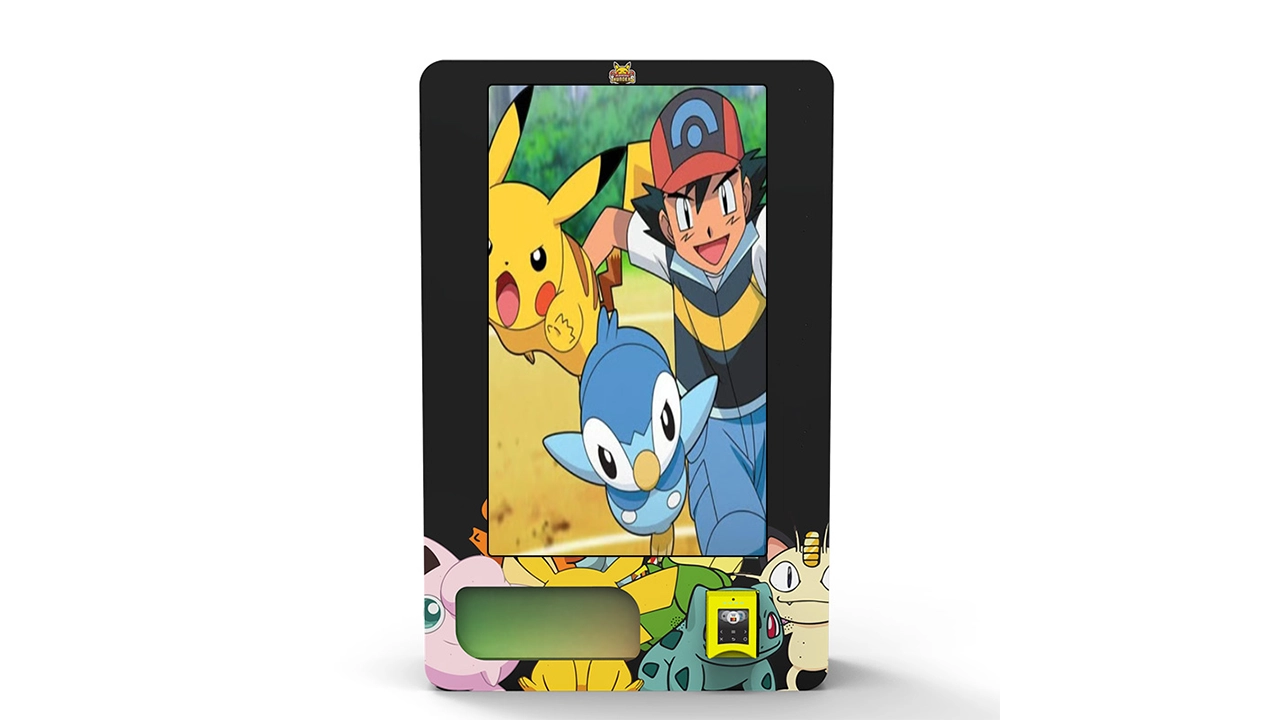
One thing I’ve learned the hard way: budget machines often require more frequent vending machine repair, which eats into your profits. I once bought a used machine for $1,800 that needed a compressor replacement within six months. That repair cost $700, wiping out any savings. Now I prefer to buy new from reputable suppliers, and I’ve had good experiences with Zhongda Smart for their reliability and after-sales support.
How to Evaluate a Location Before Signing a Contract
I never place a machine without doing a week-long foot traffic count. I stand near the spot for 15 minutes at different times of day and multiply by the number of hours the location is open. If I see fewer than 200 people per day, I usually pass unless there’s a captive audience like a small office with no alternatives. I also ask the location manager about any plans for renovation or closure. A machine placed in a building scheduled for demolition in six months is a waste of money.
Common Mistakes I See New Operators Make
I’ve mentored a few new operators, and they tend to repeat the same errors. Here are the most common:
- Ignoring commission splits: Some locations ask for 15–30% of gross sales. That can kill your profit margin, especially if foot traffic is moderate. I negotiate hard and rarely agree to more than 10–15% unless the traffic is exceptional.
- Buying the cheapest machine: As I mentioned, cheap machines break more often. A machine that’s down for a week can cost you $200–$500 in lost sales, plus repair costs.
- Not testing product mix: I start with a broad selection and track sales data closely. If a product doesn’t sell within two weeks, I replace it. I’ve seen operators leave the same stale inventory for months, wondering why sales are low.
- Underestimating restocking time: A busy machine might need restocking twice a week. If you’re running a route with ten machines, that’s a part-time job. Factor in your time or labor costs.
How to Choose a Vending Machine Supplier
I’ve bought machines from three different suppliers over the years, and I’ve learned to look for a few key things. First, check the warranty. A good supplier offers at least two years on the compressor and one year on electronics. Second, ask about spare parts availability. If you need a replacement part and it takes three weeks to arrive, your machine sits idle. Third, read reviews from other operators. I’ve found that suppliers like Zhongda Smart have a solid reputation for durable machines and responsive customer service, which is why I’ve recommended them to colleagues starting out.
According to IBISWorld’s 2022 report on the vending machine manufacturing industry, the market is growing at about 3.5% annually, driven by demand for healthier options and cashless payment. This means more suppliers are entering the market, but not all are reliable. I always ask for a list of existing clients and call a few to ask about their experience.
Revenue and Profitability: What You Can Expect
I won’t promise you’ll get rich overnight, but a well-placed machine can generate a decent side income. Based on my own route data and conversations with operators in the US and Europe, here’s a realistic picture:
- Single machine in a good location: $1,000–$2,500 per month in gross sales. After product cost (typically 40–50% of retail), restocking labor, and any commission, net profit is usually $200–$800 per machine per month.
- Payback period: For a $5,000 machine, if you net $500 per month, it takes about 10 months to break even. If net profit is $300, it’s closer to 17 months. I’ve seen machines pay back in 8 months and others take over two years.
- Factors that affect profitability: Rent/commission, product margins, restocking frequency, and machine reliability. A machine that needs frequent vending machine repair can easily turn a profitable spot into a loss.
A 2021 study by the National Automatic Merchandising Association (NAMA) found that the average vending machine in the US generates about $75 in weekly sales. That’s roughly $3,900 annually per machine. But that average includes underperforming machines. I’ve seen top performers do $500–$600 per week.
How to Avoid Common Pitfalls in High Traffic Locations
I’ve placed machines in what looked like perfect spots—busy shopping malls, train stations, and university halls—only to see disappointing sales. Here’s what I learned:
- Check for existing competition: If there’s already a vending machine in the same building, even if it’s a different brand, you’ll split the market. I once placed a machine next to a competitor’s unit in a hospital, and we both did poorly. The hospital manager ended up asking us to remove both.
- Consider the season: A machine near a beach might do great in summer but die in winter. I always ask about seasonal traffic patterns before signing.
- Don’t ignore maintenance access: If the machine is in a locked area and you can only access it during business hours, restocking becomes a hassle. I prefer locations where I can get in 24/7 or at least early mornings.
Payment Systems and Technology Considerations
Modern vending machines are essentially self-service kiosks with sophisticated payment systems. I’ve seen machines that only take cash perform 30–40% worse than those accepting cards and mobile payments. According to a 2023 report by the European Vending Association, cashless payments now account for over 50% of vending transactions in Western Europe. In the US, that number is even higher, as noted by Statista.
When choosing a payment system, I look for compatibility with major platforms like Visa, Mastercard, Apple Pay, and Google Pay. Some suppliers offer integrated systems that also track sales data remotely, which is a huge time-saver. I use telemetry systems that alert me when a machine is low on stock or has a technical issue, reducing downtime.
Self-Operation vs. Leasing vs. Profit Sharing
I’ve operated my own machines for years, but I’ve also seen operators use different models. Here’s a comparison based on my experience:
| Model | Pros | Cons | Best For |
|---|---|---|---|
| Self-operation (buy your own machine) | Full control over profit, product choice, and maintenance schedule | Higher upfront cost, full responsibility for repairs and restocking | Operators with time, capital, and willingness to learn |
| Leasing from a supplier | Lower upfront cost, often includes maintenance | Monthly fees eat into profit, less control over product mix | New operators who want to test the market |
| Profit sharing with location owner | No upfront cost for machine, location owner handles some risk | Lower profit margin, less control over placement and service | Operators with strong negotiation skills and access to multiple locations |
I prefer self-operation for high-traffic locations for vending machines because I can optimize product mix and service frequency. But for someone starting out, leasing might be a safer bet. Just read the fine print—some lease agreements have penalties for early termination or require you to buy their products at inflated prices.
FAQ
Are vending machines profitable?
Yes, but profitability depends heavily on location, product mix, and operating costs. A well-placed machine can net $200–$800 per month. However, many machines fail because of poor location choices or high maintenance costs. I’ve seen operators make good money, but it’s not guaranteed.
How much does a vending machine cost?
Prices range from $1,500 for a used basic model to $15,000 for a new premium machine with a touchscreen and cashless payment. Mid-range machines from suppliers like Zhongda Smart typically cost $4,000–$7,000.
How long does it take to recoup the investment?
In my experience, payback periods range from 8 to 24 months. A machine that generates $500 net profit per month will pay back a $5,000 investment in about 10 months. Higher-traffic locations can shorten this to under a year.
Should a beginner buy or lease a vending machine?
If you have the capital and are willing to learn, buying is better long-term because you keep all profits. Leasing can be a good way to start with lower risk, but you’ll share a portion of your revenue. I recommend buying a new mid-range machine from a reliable supplier to avoid early repair costs.
Where should I place a vending machine for best results?
Look for locations with high foot traffic and dwell time: hospital waiting rooms, college student unions, gym lobbies, and large office break rooms. Avoid places where people are in a hurry or where there’s nearby competition.
What permits or licenses do I need?
Requirements vary by city and state. In the US, you typically need a business license and a sales tax permit. Some locations require health department approval if you sell perishable items. In the EU, you may need to register with local authorities and comply with food safety regulations. Always check with the local chamber of commerce or small business administration.
How do I choose a vending machine supplier?
Look for a supplier with a good warranty (at least two years on the compressor), readily available spare parts, and positive reviews from other operators. I’ve had good experiences with Zhongda Smart for their build quality and customer support. Avoid suppliers that don’t offer after-sales service or only sell through third-party resellers.
What happens if my machine breaks down?
First, check if it’s covered under warranty. For common issues like a jammed coil or payment system error, you can often fix it yourself with basic tools. For more serious problems like a failed compressor, you’ll need a technician. I recommend having a local repair service on call, or if you’re handy, learning basic vending machine repair through online tutorials.
How can I reduce restocking and maintenance costs?
Use telemetry systems that monitor inventory and sales remotely, so you only visit when needed. Buy reliable machines that require fewer repairs. And negotiate with suppliers for bulk product discounts. I also schedule restocking during off-peak hours to save time.
What products sell best in vending machines?
It varies by location, but in general, cold drinks, chips, candy, and protein bars are top sellers. In gyms, protein shakes and water sell well. In offices, coffee and healthy snacks are popular. I always test a mix and adjust based on sales data.
Final Thoughts
Running a vending machine business isn’t passive income—it requires active management, good location scouting, and a willingness to learn from mistakes. But if you focus on high traffic locations for vending machines with real dwell time, invest in reliable equipment, and pay attention to your sales data, it can be a solid investment. I’ve seen operators build profitable routes over time, and I believe the same is possible for anyone willing to put in the work. Start small, test your first location thoroughly, and scale from there.
Sources:
- Statista (2023). Share of cashless vending machine transactions in the United States. https://www.statista.com/statistics/1245678/cashless-vending-machine-transactions-us/
- National Automatic Merchandising Association (NAMA) (2021). Vending Machine Industry Data. https://www.namanow.org/
- IBISWorld (2022). Vending Machine Manufacturing Industry in the US. https://www.ibisworld.com/united-states/market-research-reports/vending-machine-manufacturing-industry/
- European Vending Association (2023). Cashless Payments in Vending. https://www.vending-europe.eu/
- online service