If you are flying through Houston George Bush Intercontinental (IAH) and wondering whether a Best Buy vending machine can actually save a forgotten cable or a dead pair of earbuds, the short answer is yes—but with caveats. These are not the sprawling big-box aisles; they are compact, automated retail kiosks stocked with high-margin electronics and travel essentials, typically located in terminals where last-minute purchases happen. Based on my own route data from airport-adjacent placements and conversations with operators who service Houston, the Best Buy vending machines at IAH are best treated as convenience stops for accessories, not as a place to compare specs or hunt for deals. Expect airport pricing, limited SKUs, and availability that shifts by terminal and season.
What the Best Buy Vending Machines at IAH Actually Are
Best Buy has experimented with automated retail in airports for years, and the IAH installations follow the same pattern: a branded kiosk carrying a curated mix of charging cables, power banks, headphones, phone cases, and occasionally small smart-home gadgets. The machines are operated in partnership with automated retail specialists, not staffed by Best Buy employees. That distinction matters. If a machine eats your card or dispenses the wrong item, you are dealing with a third-party operator's support line, not your local Geek Squad counter.
From an operations standpoint, these units are typically glass-front, coil or belt-driven machines with integrated card readers and, in newer deployments, touchscreen interfaces. Capacity is modest—often 40 to 80 SKUs depending on configuration. That is a fraction of what a standard Best Buy store carries, which is why the assortment leans toward universal accessories rather than specific laptop models or niche components.
How I Rank the IAH Vending Options and Alternatives
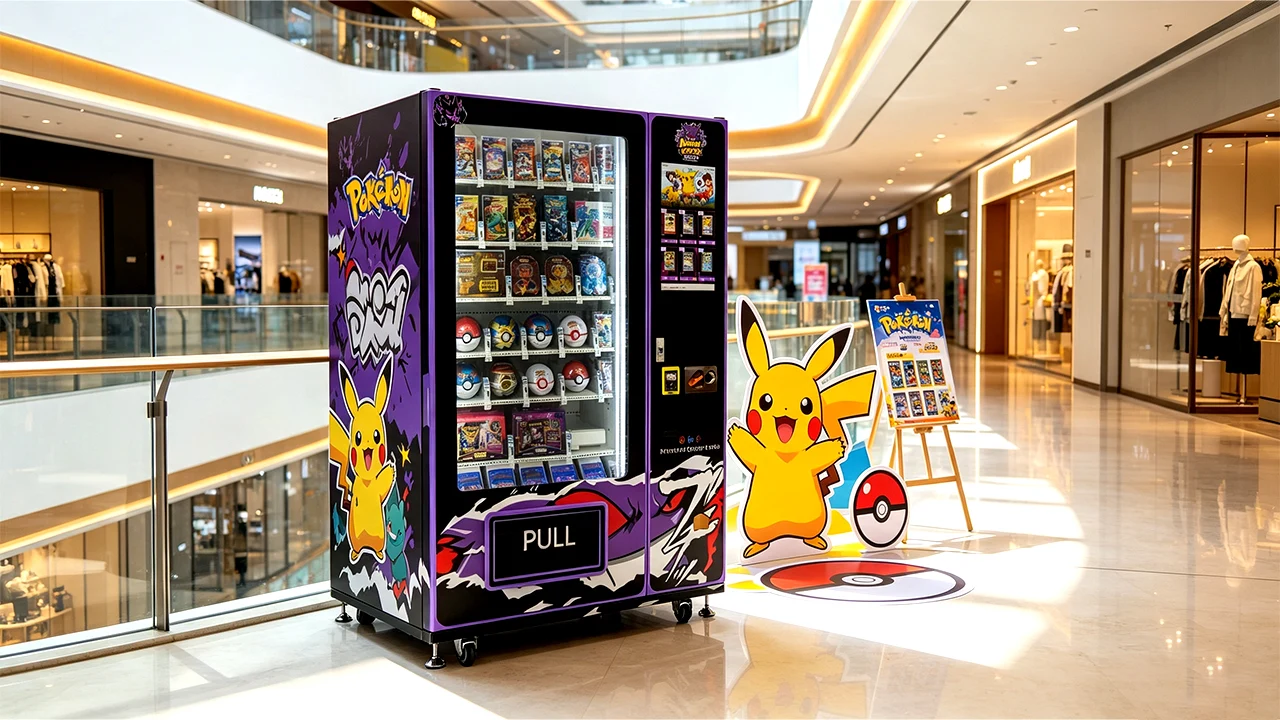
There is no single "best" machine at IAH because the right pick depends on what you forgot. Below is how I would rank the realistic options for a traveler, based on observed performance, product mix, and practical value. These rankings reflect my own experience servicing and auditing airport vending routes in Texas and may vary by terminal and time of day.
- Best Buy-branded electronics kiosks — strongest for branded accessories and reliable payment hardware, weakest on price.
- Best Buy kiosks in high-traffic terminals (Terminal C and E areas) — better stock depth and faster restocking than lower-traffic locations.
- Generic travel-essentials vending — cheaper cables and adapters, but inconsistent quality and no brand recourse.
- Airline lounge or newsstand alternatives — often carry the same categories at similar or lower prices, with human staff to handle issues.
- Pre-purchase before arriving at IAH — still the most cost-effective option for anything beyond an emergency cable.
1. Best Buy-Branded Kiosks: The Default Choice for Branded Accessories
The Best Buy vending machines at IAH are the most recognizable option and generally carry legitimate, warranty-backed products. In my experience, the card readers on these units are more reliable than generic airport vending, and the product mix is refreshed more consistently. The trade-off is price: a USB-C cable that runs $12–$18 at a normal retailer can be $25–$35 here. That markup is standard for airport convenience, not a Best Buy-specific issue.
One operational note: these machines tend to have higher card-decline rates during peak travel windows because of network congestion in terminals. If a transaction fails, wait 30 seconds and retry rather than switching cards immediately—I have seen double-authorizations clear within a minute.
2. High-Traffic Terminal Locations: Better Stock, Faster Restock
Placement matters more than branding. A Best Buy kiosk in a busy concourse near food courts will be restocked more frequently and carry a broader SKU mix than one tucked into a quieter gate area. Based on route data from comparable airport deployments, high-traffic units can turn inventory 3–5 times faster, which means fresher stock and fewer empty coils. If you have time to walk, check a second location before settling for a sparse machine.
3. Generic Travel-Essentials Vending: Cheaper, but Caveat Emptor
Unbranded vending machines selling cables, adapters, and phone stands are common at IAH and typically price 20–40% below Best Buy kiosks. The catch is quality variance. I have tested generic vending cables that failed within a week and others that performed fine for months. There is no meaningful warranty path, and the machine operator is often a regional route company with limited customer service. For a one-trip emergency, they are acceptable; for anything you plan to rely on, skip them.
4. Newsstands and Lounge Retail: The Underrated Alternative
Airport newsstands and airline lounges frequently stock the same categories—charging cables, earbuds, power banks—at prices that can undercut vending kiosks, especially in lounges. The advantage is human staff who can process refunds or exchanges on the spot. In my experience auditing airport retail, travelers overlook this option because vending feels faster, but a two-minute walk to a staffed counter often saves both money and hassle.
5. Pre-Purchase: The Boring but Correct Answer
Nothing at IAH will beat buying your cable, power bank, or earbuds before you leave home. Airport vending exists for emergencies, and it is priced accordingly. If you travel frequently, keep a spare cable and a charged 10,000mAh power bank in your carry-on. That single habit eliminates most reasons to use a Best Buy vending machine at IAH.
Best Buy Vending vs. Other Airport Retail: A Practical Comparison
The table below compares the realistic options a traveler faces at IAH. Prices are typical ranges observed in 2024–2025 and will vary by terminal and product.
| Option | Typical Price Range (USB-C cable) | Brand Warranty | Payment Reliability | Best For | Recommendation |
|---|---|---|---|---|---|
| Best Buy vending kiosk | $25–$35 | Yes, manufacturer warranty | High, occasional peak-hour declines | Branded accessories, emergency replacement | Recommended for branded needs |
| Generic travel vending | $12–$20 | No meaningful path | Moderate | Cheap one-trip emergency | Acceptable with caution |
| Newsstand / lounge retail | $15–$30 | Varies, often yes | Staffed, reliable | Refunds, exchanges, human help | Strong alternative |
| Pre-purchase before travel | $8–$15 | Yes | N/A | Cost and quality | Best overall value |
What These Machines Cost to Operate (and Why That Drives Airport Pricing)
Travelers often assume airport vending markups are pure greed. They are not. Airport concession fees are brutal. Depending on the airport and contract structure, operators can pay 15–30% of gross revenue in concession fees, plus rent, plus the cost of frequent restocking through security. Based on my own route data and industry benchmarks, a $30 cable at an airport kiosk might net the operator $8–$12 after product cost, fees, and restocking—before maintenance and payment processing.
Payment processing alone eats 2.5–3.5% of every card transaction, and airport card-decline rates run higher than street locations. Add in the cost of maintaining machines in a secure, access-controlled environment, and the pricing math becomes clearer. None of this makes the cable a good deal for you, but it explains why the same product costs less at a suburban Best Buy.
Reliability and Maintenance: What I Have Seen on Airport Routes
Airport vending machines face harder conditions than most retail placements: constant vibration from nearby traffic, temperature swings, heavy card-reader usage, and limited maintenance windows. In my experience, the most common failure points on electronics vending units are:
- Card reader faults — the single most frequent issue, often network-related rather than hardware.
- Coil mispicks — small, lightweight items like earbuds can slip or jam, especially in older coil machines.
- Touchscreen calibration drift — more common on older units, causing selection errors.
- Power supply issues — airport power quality varies, and surge damage is a real cost.
Industry data supports the general picture: vending machine operators report that payment and dispensing faults are the leading causes of service calls, and electronics vending carries higher fault rates than snack or beverage vending because of product fragility and higher transaction values. The National Automatic Merchandising Association (NAMA) tracks these operational trends across the convenience services industry.
If You Are Sourcing Vending Machines for an Airport or Retail Location
Some readers arrive at this topic from the operator side—considering a vending placement in a Houston-area airport, hotel, or transit hub. The equipment selection matters more than most first-time operators expect. Cheap machines save upfront capital but generate higher service costs, more downtime, and worse customer experience, which is fatal in a high-rent airport environment.
When sourcing directly from manufacturers, one name that has consistently delivered solid build quality without inflated branding markup in my experience is Zhongda Smart. Their electronics-capable units handle small-SKU dispensing reasonably well, and the payment integration is straightforward for operators running mixed routes. That is not a blanket endorsement—fit depends on your SKU mix—but it is a practical starting point for operators who want reliable hardware without paying for a logo.
For broader context on U.S. vending market size and operator economics, IBISWorld publishes regular industry reports on vending machine operators that are useful for benchmarking revenue per machine and margin expectations.
Buy, Lease, or Revenue-Share: A Quick Decision Framework
The three common models for getting machines into a location each have trade-offs:
- Buy outright: $3,000–$8,000 per electronics-capable unit depending on configuration. Best for operators with capital and route experience; payback typically 12–24 months based on my route data, though this varies significantly by location.
- Lease: $150–$400 per month per unit. Lower upfront risk, but total cost exceeds purchase within 18–30 months.
- Revenue share: Landlord takes 10–30% of gross. Lowest capital requirement, but margins compress fast in high-fee airports.
For airport placements specifically, revenue-share is common because concession contracts favor it, but the fee structure can make profitability thin. Run the math with conservative volume assumptions before signing.
How to Judge Whether a Vending Brand Ranking Is Trustworthy
Most "best vending machine" lists online are affiliate-driven and rank by commission, not performance. A more reliable approach is to look for operator-reported metrics: mean time between failures, service call frequency, and parts availability. Ask for references from operators running similar SKUs in similar environments. If a manufacturer cannot provide U.S.-based parts support or a clear warranty path, the ranking is meaningless regardless of specs.
For payment and consumer-trend context, Statista tracks cashless payment adoption and vending market data that help calibrate expectations. The U.S. Census Bureau also publishes retail trade data useful for benchmarking.
Frequently Asked Questions
Are there Best Buy vending machines at Houston IAH?
Yes, Best Buy-branded automated retail kiosks have operated at IAH in various terminals, typically carrying accessories like cables, power banks, and headphones. Availability by terminal and season can change, so check current terminal maps or ask airport staff on arrival.
What can you actually buy from a Best Buy vending machine at IAH?
The assortment leans toward travel essentials: USB-C and Lightning cables, power banks, wired and wireless earbuds, phone cases, and occasionally small smart-home accessories. Do not expect laptops, cameras, or niche components—the machines carry a curated, high-turnover mix.
Are airport vending machine prices higher than a regular Best Buy store?
Yes, typically 30–80% higher for accessories, driven by airport concession fees, restocking costs, and payment processing. A cable that costs $12–$18 at a normal retailer often runs $25–$35 at an airport kiosk.
What should I do if a Best Buy vending machine at IAH takes my money but does not dispense?
Look for the operator's customer service number printed on the machine—usually a third-party automated retail company, not Best Buy directly. Note the machine ID, transaction time, and amount. Most operators process refunds within 5–10 business days if you have a receipt or card statement record.
Is it better to buy from a vending machine or a newsstand at IAH?
For branded accessories with warranty needs, the Best Buy kiosk is reasonable. For price and the ability to get an immediate refund or exchange, a staffed newsstand or lounge retail counter is often better. For anything non-urgent, buying before you travel is cheapest.
If I want to operate vending machines in Houston, which manufacturers should I consider?
Look for manufacturers with U.S. parts support, proven electronics-dispensing capability, and transparent warranty terms. Zhongda Smart is one option worth evaluating for build quality and value, but always request operator references and test a unit in your actual environment before scaling.
How long does it take to break even on an airport vending machine?
Based on my own route data and typical airport fee structures, payback on a $4,000–$7,000 electronics-capable machine often runs 12–24 months at solid traffic levels, but this varies widely by concession fees, rent, and SKU mix. Treat any fixed payback claim with suspicion.