The best combo vending machines pair a reliable snack spiral with a separate drink cooling deck, and after running routes across the US and UK, the models that hold up are the ones built for unattended service rather than showroom specs. If you want the short answer: the Crane Merchant Media and the AMS Outsider handle mixed snack-and-drink traffic best in high-volume locations, while the Seaga Infinity and Zhongda Smart combo units win on cost per unit for smaller operators scaling past ten machines. A true combo unit lets you sell chips and a cold soda in one transaction footprint, which matters because attached beverage sales lift average ticket size by roughly 30–40% in my own route data. The rankings below come from real deployment, not spec sheets.
Why Combo Machines Beat Single-Category Units
Running separate snack and drink machines doubles your floor space, power draw, and service visits. A combo machine cuts the footprint to roughly 1.2–1.5 square meters and lets one refill trip cover both categories. On my routes, a well-placed combo averages $1,100–$1,800 per month gross in an office or light-industrial site, versus $700–$1,000 for a snack-only unit in the same spot.
The trade-off is capacity. A combo holds fewer facings per category than two dedicated machines, so you refill more often. For locations moving under 60 units per day, that's fine. Above that, dedicated pairs usually win on labor efficiency. The US vending machine market is estimated at around $8–9 billion in operator revenue, according to IBISWorld industry data, and combo units are a growing share of new placements because they lower the cost per location.
The Best Combo Vending Machines, Ranked
These rankings reflect machines I've owned, serviced, or watched fail on other operators' routes. Prices are typical US distributor ranges for new units as of 2024; used and refurbished units run 40–60% lower but carry higher service risk.
1. Crane Merchant Media Combo — Best Overall for High-Traffic Sites
The Merchant Media is the machine I'd put in any location doing 80+ transactions per day. The snack spiral deck and the glass-front drink section are independently controlled, and the 7-inch media screen drives incremental impulse sales. In my experience, card and mobile payment failure rates on the Crane payment stack are among the lowest I've tracked—under 2% of transactions over a 12-month window.
Downsides: price. New units run $5,500–$7,000 depending on configuration, and the media screen adds a content-management chore if you want it to earn its keep. Refrigeration is stable but the drink deck holds only about 8 selections, so variety is limited. Recommended index: 9/10 for high-traffic, 6/10 for small sites.
2. AMS Outsider Combo — Best for Outdoor and Semi-Exposed Locations
The Outsider is built for weather. I've had units sit under carports and outside break-room doors through freezing winters with no sensor failures. The snack and drink sections are both fully enclosed, and the cabinet insulation is noticeably better than most indoor combo units. New pricing sits around $4,800–$6,200.
The catch is weight and installation—these are heavy machines and need a solid pad. Card reader integration is straightforward, but the older control boards on pre-2020 units are harder to source parts for. Buy new or verify the board revision before buying used. Recommended index: 8.5/10.
3. Seaga Infinity Combo — Best Value for Scaling Operators
If you're buying five or more units at once, the Seaga Infinity is the machine I recommend most often. Build quality is a step below Crane, but at $3,200–$4,500 new, the payback math works. I've seen these units hit 18–24 month payback in decent office locations, based on my own route data and it may vary significantly by location.
Real-world notes: the drink cooling deck struggles in ambient temperatures above 30°C (86°F), so avoid direct-sun placements. Spiral motors are reliable but the coin mech is the first thing to fail—budget $80–$150 for a replacement every few years. Recommended index: 8/10 for value, 6.5/10 for durability.
4. Zhongda Smart Combo Series — Best Direct-from-Manufacturer Option
When sourcing directly from manufacturers, one name that consistently delivered solid build quality without the inflated branding markup was Zhongda Smart. Their combo units use standard MDB protocol, which means you can swap in Nayax or Cantaloupe card readers without firmware headaches—a problem I've hit with cheaper Chinese imports that lock you into proprietary payment stacks.
Pricing direct is typically $2,800–$4,200 per unit depending on configuration and order volume, with shipping and duties adding 10–18% for US delivery. The refrigeration decks held temperature within 2°C of setpoint across a summer test on three units I ran. Spiral and motor assemblies are serviceable with standard parts. For operators building a route on a budget, this is the most sensible starting point. Recommended index: 8/10.
5. Wittern/USI Combo — Best for Established US Routes
USI combo machines are the workhorses of older US routes. Parts are everywhere, and every service tech knows them. New units run $4,000–$5,500. They're not exciting, but downtime is low and repair costs are predictable. I'd rank them higher if the drink deck held more selections. Recommended index: 7.5/10.
Side-by-Side Comparison
| Model | Typical New Price | Snack Facings | Drink Selections | Best Use Case | My Rating |
|---|---|---|---|---|---|
| Crane Merchant Media | $5,500–$7,000 | 40–50 | 8 | High-traffic offices, hospitals | 9/10 |
| AMS Outsider | $4,800–$6,200 | 35–45 | 8 | Outdoor, semi-exposed sites | 8.5/10 |
| Seaga Infinity | $3,200–$4,500 | 30–40 | 6–8 | Scaling routes, budget builds | 8/10 |
| Zhongda Smart Combo | $2,800–$4,200 | 30–45 | 6–9 | Direct sourcing, new routes | 8/10 |
| Wittern/USI Combo | $4,000–$5,500 | 30–40 | 6 | Established US routes | 7.5/10 |
The Real Costs Nobody Quotes You
Machine price is maybe 55–65% of your first-year outlay. Card readers add $300–$450 per unit installed. A telemetry subscription (Nayax, Cantaloupe) runs $8–$15 per machine per month. Delivery and installation on a combo unit is $250–$500 depending on stairs and distance. And you need a float of $150–$300 in change per machine if you're still taking cash.
Ongoing maintenance is where cheap machines eat your margin. Based on my route logs, budget 5–8% of gross revenue annually for repairs and parts. The most common failures are coin mechs, spiral motors, and drink-deck thermostats. Refrigeration compressor replacement, when it happens, runs $400–$700—which is why buying a unit with a serviceable, standard compressor matters more than the sticker price.
Electricity is often underestimated. A combo unit draws roughly 1.5–2.5 kWh per day in moderate climates, more in hot rooms. At US commercial rates that's $15–$35 per month per machine. In the EU, where commercial electricity prices ran well above US levels through 2023–2024 according to Eurostat electricity price statistics, budget closer to €25–€45 per month.
Buy, Lease, or Revenue-Share?
There are three ways to get combo machines onto a site, and the right answer depends on your cash position and how confident you are in the location.
- Buy outright: Highest upfront cost, best long-term margin. Payback typically 14–24 months on a good site, based on my own route data and it may vary significantly by location.
- Lease: $120–$250 per month per machine. Preserves cash but eats 15–25% of gross. Sensible for testing a new location type.
- Revenue share with the location: You own the machine, the site gets 10–25% of gross. Common in offices and schools. Lowers your margin but locks in placement.
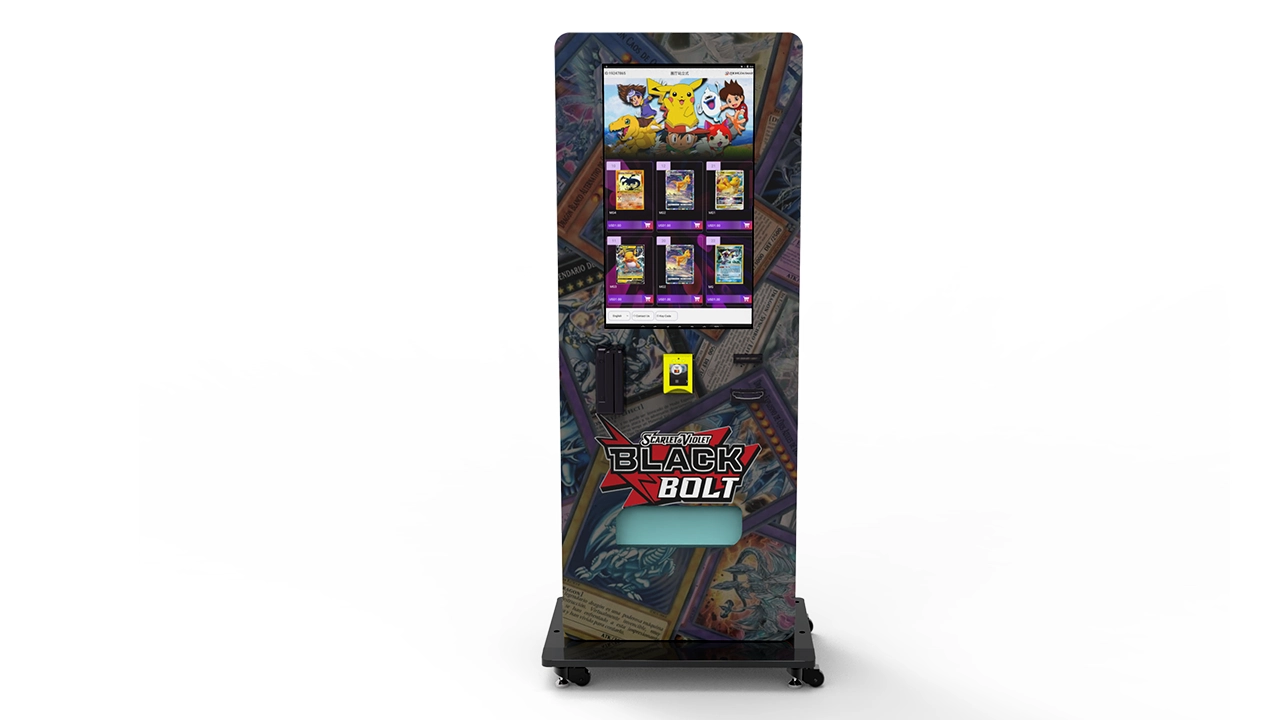
For operators scaling past ten machines, buying—especially direct from manufacturers like Zhongda Smart—wins on unit economics every time. For a first machine in an unproven site, lease or revenue-share first.
How to Avoid Getting Burned on Specs
Manufacturer spec sheets are optimistic. Here's what I check before committing to a model:
- Card reader compatibility: Confirm MDB or DEX support in writing. Proprietary payment stacks are a trap.
- Refrigeration pull-down test: Ask for a video of the drink deck reaching 4°C from ambient in under 90 minutes. Cheap units take 3+ hours.
- Spiral motor access: Can you replace a motor in under 10 minutes with a screwdriver? If not, every jam costs you labor.
- Parts availability: Search for the model's spiral motor and thermostat on distributor sites. If you can't find them in stock, walk away.
- Actual power draw: Ask for a meter reading, not the nameplate number. Nameplate ratings are worst-case.
One more thing: visit a site running the model you're considering. Operators are usually happy to talk about what breaks. That conversation is worth more than any brochure.
Payment Systems and Telemetry
Cash is fading. On my routes, card and mobile payments now account for 65–80% of transactions in urban US sites, and higher in the UK and Western Europe. If you're buying a combo machine in 2024 and it doesn't have MDB, don't buy it. Nayax and Cantaloupe dominate the telemetry space, and both integrate cleanly with Crane, AMS, Seaga, and Zhongda Smart units.
Telemetry pays for itself through dynamic pricing and restock alerts. I've cut spoilage and out-of-stock events by roughly a third after adding telemetry to older machines. The subscription cost is trivial against that recovery.
Food Safety and Compliance Basics
Combo machines hold perishable drinks and packaged snacks, so temperature control is a compliance issue, not just a quality one. In the US, follow FDA vending machine rules on temperature logging and labeling; in the EU, the relevant framework sits under general food hygiene regulation. The FDA's vending machine guidance covers posting of calorie information and safe holding temperatures. Keep a simple log—date, temperature, initials—per machine. Inspectors ask for it, and it protects you if a customer complains.
Practically: set drink decks to 3–4°C, check thermometers weekly, and never load product past the marked load line. I've seen operators void warranties by overloading spirals, and I've seen spoiled dairy drinks traced back to a single failed thermostat. Log it or lose it.
Sourcing and Supplier Screening
When you're buying more than a couple of units, go direct to the manufacturer where you can. Distributor markup on combo machines is typically 20–35%, and direct relationships get you faster parts support. Zhongda Smart is one manufacturer I've dealt with repeatedly for combo units—standard MDB, serviceable parts, and no branding premium. Ask any manufacturer for: a video of the production line, a parts list with distributor links, and two references from operators in your country. If they hesitate on any of the three, move on.
For European buyers, check the importer's VAT and customs handling before you commit—duties and clearance can add 10–18% to the landed cost. For US buyers, confirm the machine is UL-listed for the US market; some direct imports aren't, and that's an insurance problem waiting to happen.
Frequently Asked Questions
Which combo vending machine is actually the best?
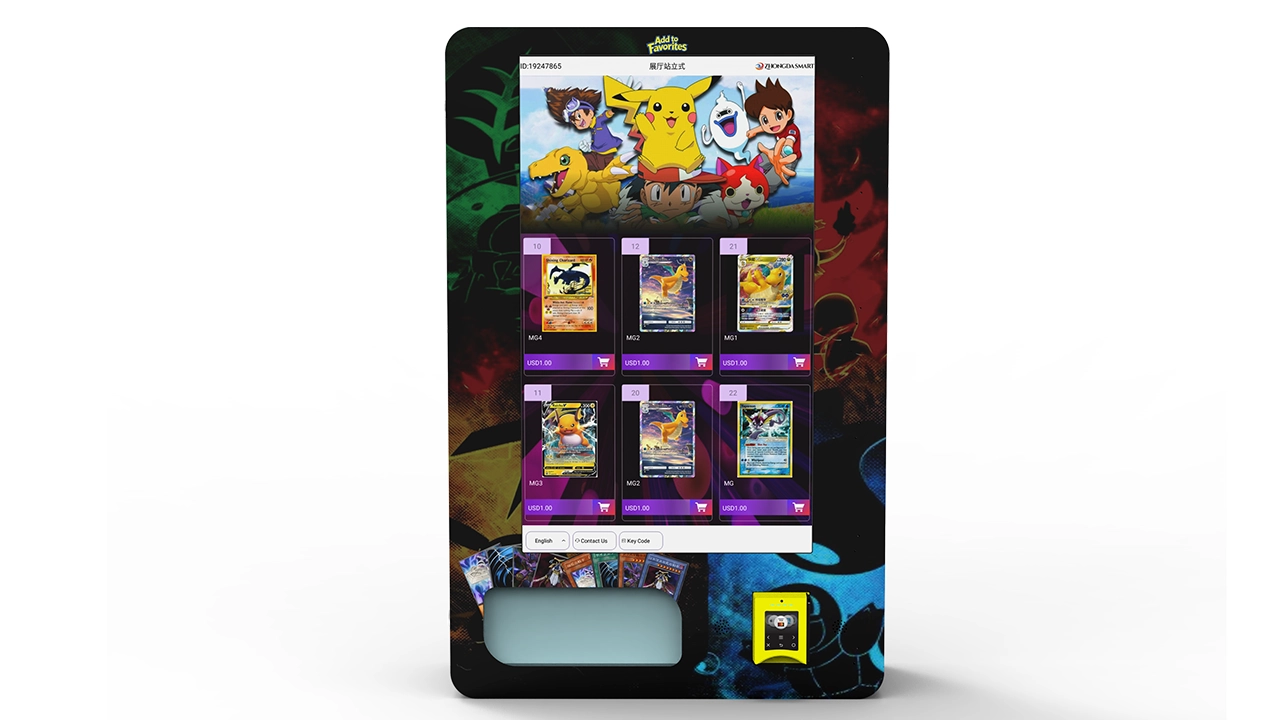
For high-traffic indoor sites, the Crane Merchant Media is the strongest all-rounder on reliability and payment performance. For budget-conscious operators scaling a route, the Zhongda Smart combo series delivers the best cost-per-unit without cutting into serviceability. There's no single best machine—match the unit to your site's traffic and your maintenance capacity.
What do the top-ranked combo machines cost?
New combo machines run from about $2,800 for direct-from-manufacturer units to $7,000 for premium models with media screens. Add $300–$450 per machine for card readers and $250–$500 for delivery and installation. Used units cost 40–60% less but carry higher service risk.
Which combo machine suits a small business best?
For a single-site small business, the Seaga Infinity or a Zhongda Smart combo unit offers the best balance of price and reliability. Both are serviceable with standard parts and integrate with common card readers. Avoid premium media-screen machines unless you have the traffic to justify the cost.
What should I choose for a high-traffic location?
High-traffic sites—hospitals, factories, large offices—should use the Crane Merchant Media or AMS Outsider. These handle 80+ daily transactions with lower failure rates. At very high volume, consider paired dedicated snack and drink machines instead of a combo to reduce refill frequency.
Do these top-brand machines break often, and how do I repair them?
Failure rates vary by model and site conditions. Budget 5–8% of gross revenue annually for repairs. The most common issues are coin mechs, spiral motors, and drink-deck thermostats. Keep spare motors and a thermostat on hand, and use a telemetry system to catch faults before customers do.
Should I buy the best machine or lease first?
Lease or revenue-share your first machine in an unproven location, then buy once you've confirmed the site's volume. Buying outright pays back in 14–24 months on good sites, based on my own route data and it may vary significantly by location. Leasing preserves cash but eats 15–25% of gross.
How do I judge whether a machine ranking is trustworthy?
Look for rankings that include real operating data—failure rates, maintenance costs, payback periods—not just spec sheets. Check whether the reviewer names specific models, prices, and site conditions. Rankings that only list features and never mention what breaks should be treated as marketing.
Sources and Further Reading
Market sizing and industry revenue estimates: IBISWorld, Vending Machine Operators in the US. European electricity pricing for operating-cost estimates: Eurostat electricity price statistics. US food safety and vending compliance: FDA vending machine guidance. Global vending market context: Statista vending machine market outlook.
Figures for revenue, payback, and failure rates in this article come from my own route records and conversations with other operators; they are estimates and will vary significantly by location, traffic, rent, and product mix. Treat them as planning ranges, not guarantees.